Is a Colorado Guided Trip Worth It for Beginners?
Stepping into the world of Colorado fishing can feel like learning a whole new language, especially if you're a beginner. The sheer variety of waters, the finicky trout, the regulations that seem to change river by river – it's enough to make anyone feel overwhelmed before they even cast a line. You might be wondering if a guided trip is really necessary or just an expensive luxury. Well, let me tell you, for new anglers, a guided trip in Colorado isn't just worth it; it can be the single best investment you make in turning a potentially frustrating day into a genuinely rewarding and educational adventure.
Why Beginners Often Struggle Fishing in Colorado And How a Guide Helps
Colorado is a fishing paradise, no doubt about it. We've got stunning high-alpine lakes, crystal-clear tailwaters, and wild freestone rivers tumbling through canyons. But all that beauty comes with a side of complexity, especially when you're just starting out. Many newcomers arrive with enthusiasm, only to find themselves tangled in lines, spooking fish, and wondering why their trusty bait from back home isn't working here.
The Steep Learning Curve of Mountain Waters
Colorado's waters aren't your average farm pond. Our rivers and streams are often fast-moving, technically demanding, and populated by trout that have seen it all. Gold Medal Waters, for example, are renowned for their large trout, but these fish are often incredibly wary and require precise presentations. You might be accustomed to tossing a worm or a spinner, but in many of our pristine trout fisheries, bait restrictions are in place, requiring different approaches entirely. Even understanding where fish hold in different types of currents or what they're feeding on at any given moment can feel like deciphering an ancient code. Without local knowledge, you could spend hours casting to empty water or using the wrong flies or lures, leading to a lot of frustration and not much to show for it.
Then there's the gear. Fly fishing, in particular, can seem daunting with its specialized rods, reels, lines, and an endless array of artificial flies. Even spin fishing here requires more finesse and understanding of lure selection than many beginners realize. The wrong leader size, a poorly tied knot, or a fly that's "off" by one size can make all the difference between a memorable catch and a disheartening blank. A guide cuts through all that. They come equipped with the right gear, tuned for the specific conditions of the day, and can hand you the exact fly or lure that’s working, instantly removing a huge barrier to success. They also know the specific rules, like those governing Barbless Hook Rules on Colorado Rivers or where Colorado Bait Restrictions and Where They Apply.
Overcoming Common Beginner Frustrations
It's completely normal to feel a bit lost on your first few fishing outings in a new, complex environment like Colorado. Maybe you've tried fishing before, bought a basic setup, watched a few YouTube videos, and headed out, only to find the reality much harder than the tutorials. You might find yourself constantly snagging your line, struggling with casting in How to Cast in Colorado's Afternoon Wind, or simply not knowing how to "read the water" to find where the fish are hiding. Many beginners also wrestle with understanding the nuances of how water temperature affects trout behavior or how to react to a subtle bite. The disappointment of not catching anything, or even just feeling ineffective, can quickly sour the entire experience and make you question why you even bothered.
A guide acts as your personal mentor, translator, and problem-solver all rolled into one. They anticipate these frustrations and proactively address them. Instead of fumbling with knots, they'll tie them for you (or teach you how). Instead of guessing where to cast, they'll point out the exact seams, riffles, and pools where fish are likely to be holding, explaining why those spots are productive. They'll teach you fundamental techniques like Nymphing Techniques for Colorado Tailwaters or how to set up a Dry-Dropper Rigs for Colorado Freestones. This immediate, hands-on instruction in a real-world setting, tailored to your skill level, drastically reduces the learning curve and replaces frustration with understanding and, most importantly, success.
What a Beginner-Friendly Guided Trip in Colorado Actually Looks Like
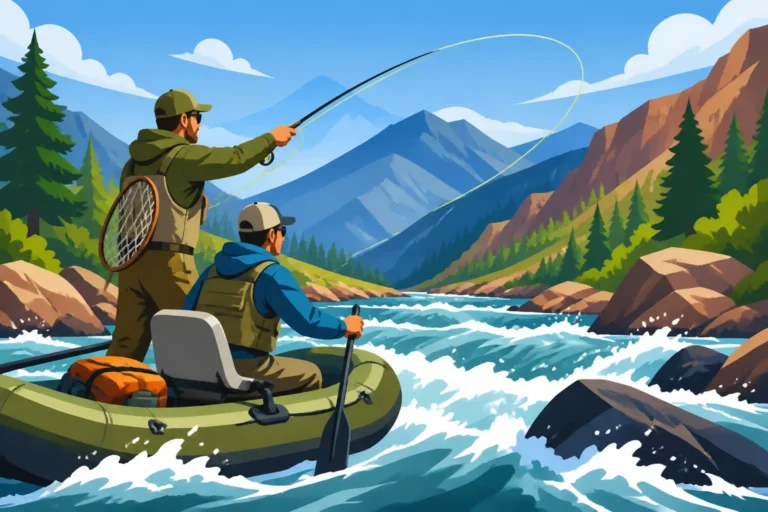
If you're picturing a stuffy professor lecturing you by the river, think again! A good guided trip, especially for beginners, is an immersive, hands-on classroom that feels more like an adventure with a knowledgeable friend. It's designed to make you comfortable, teach you the ropes, and put you on fish, all while enjoying the incredible Colorado scenery.
Tailored Instruction and Gear Provided
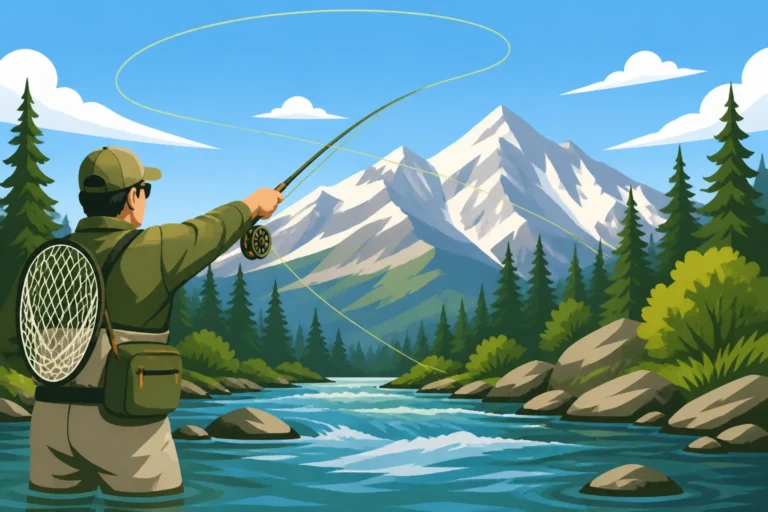
One of the biggest advantages for a beginner is the personalized instruction. Imagine having someone right there with you, patiently showing you how to hold the rod, helping you perfect your casting stroke, explaining the subtle twitch of an indicator when a trout takes your fly, or demonstrating the best way to mend your line to get a natural drift. They’ll adapt their teaching style to how you learn best, whether you need visual demonstrations, hands-on adjustments, or clear, step-by-step verbal cues. This isn't a one-size-fits-all lesson; it's a personalized clinic.
Beyond the instruction, a quality guide service provides all the necessary equipment. This is a huge relief for beginners who aren't ready to invest in hundreds, or even thousands, of dollars of gear before knowing if they truly enjoy the sport. Expect your guide to provide high-quality rods, reels, waders, boots, and a full selection of flies or lures that are proven to work on that particular water. They'll also typically provide leaders, tippet, and any other small tackle you might need. All you usually need to bring are your Colorado Fishing License Guide for Residents and Nonresidents, appropriate clothing for the weather (layers are key in Colorado!), sunglasses, a hat, and a positive attitude. You can learn more about what's often included in What's Included in a Colorado Guided Fly Fishing Trip.
Access to Prime Fishing Locations
Local knowledge is priceless, and guides possess it in spades. They know the rivers and lakes like the back of their hand, including the secret spots that aren't easily found on a map or in online forums. They know where the fish are holding based on the time of year, water levels, bug hatches, and even the time of day. This means you're not wasting precious fishing time hiking to unproductive spots or guessing which stretches of river are worth your effort.
Guides also have permits and access to private waters or less-pressured public stretches that can offer a better experience, especially for beginners. For instance, on popular rivers like the South Platte, a guide might have access to a private lease that sees significantly less pressure than public access points, increasing your chances of success and offering a more relaxed environment to learn. This access can be a game-changer, giving you a chance to truly focus on learning and fishing rather than navigating crowds or scouting for fish. If you're looking for a guide, sites like FishingBooker can help you find local outfitters who offer trips on these prime waters, and even specify if they cater to beginners.
Beyond the Catch: The Lasting Value of a Guided Trip for New Anglers
While catching fish is undeniably exciting, the true value of a guided trip for a beginner extends far beyond just hooking a few trout. It's an investment in your long-term enjoyment of the sport, equipping you with fundamental skills and knowledge that you can carry forward on countless future adventures.
Building Foundational Skills and Confidence
Think of a guided trip as an intensive workshop. You'll not only learn how to cast, tie knots, and present a fly, but you'll also begin to understand the "why" behind it all. A good guide will teach you how to properly Read Water on a Colorado Freestone River, identify insect hatches (like Matching a Caddis Hatch on a Colorado River), and understand the subtle currents and structures where trout hide. These aren't just tricks; they're foundational principles that empower you to become a more independent and successful angler. You'll learn the difference between Possession Limits vs Daily Limits in Colorado and why certain techniques are required in Colorado's Gold Medal Water Regulations Explained.
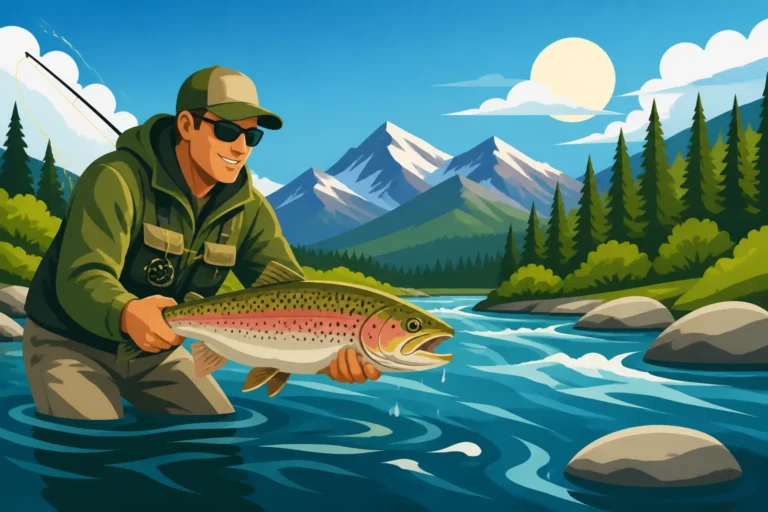
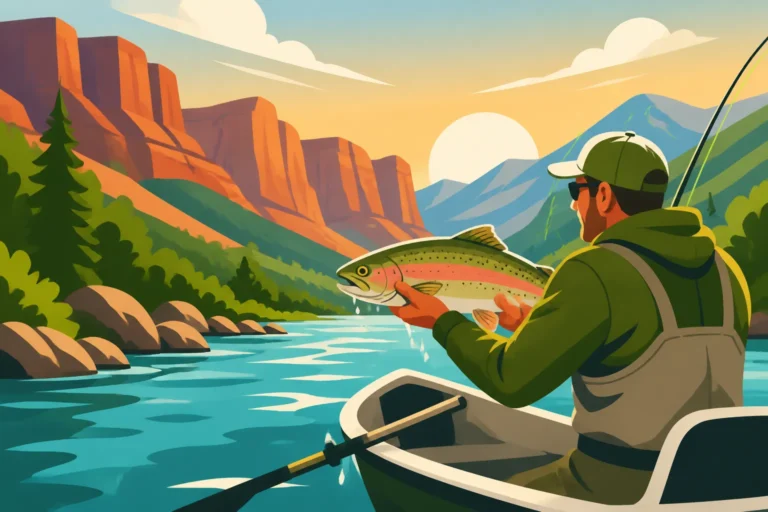
The confidence you gain from a successful guided trip is invaluable. Instead of feeling intimidated, you'll feel capable and excited to explore more. You'll have a better grasp of the techniques, a mental map of what to look for, and the experience of having successfully landed fish, perhaps even a beautiful Colorado trout. This newfound confidence is what transforms a casual interest into a lifelong passion. Many anglers recount their first guided trip as the moment the sport "clicked" for them.
Learning Conservation and Ethics First-Hand
Colorado takes its fisheries seriously, and responsible angling is paramount. A guided trip is an excellent opportunity to learn proper fish handling techniques right from the start. Your guide will demonstrate how to safely net a fish, remove the hook quickly (especially important for Barbless Hook Rules on Colorado Rivers), and release it back into the water with minimal stress. This might include instructions on using a Best Landing Net for Catch-and-Release Trout and practicing gentle release techniques as outlined in How to Handle Trout for a Safe Release. They’ll explain the importance of catch-and-release, especially for native species or in specific regulated areas like Catch-and-Release Rules on Colorado's Cutthroat Waters.
You'll also learn about the local ecosystem, the various fish species (perhaps even distinguishing between a rainbow and a native cutthroat, as in How to Tell a Cutthroat From a Rainbow Trout), and the conservation efforts underway to protect them. Guides are often passionate advocates for the environment and will instill in you a deep respect for the resource. This early education in ethics ensures that as you grow as an angler, you do so responsibly, contributing to the health and longevity of Colorado's incredible fisheries.
Making Your Investment Count: Tips for Your First Guided Colorado Fishing Trip
You've decided to book a guided trip – fantastic! Now, how do you ensure you get the absolute most out of this incredible learning opportunity? A little preparation and the right mindset can turn a great trip into an unforgettable one.
Choosing the Right Guide and Communicating Your Goals
Not all guides are created equal, and not every trip is perfect for a beginner. When booking, be very upfront about your experience level (or lack thereof!). Look for guides or outfitters who specifically advertise "beginner-friendly" trips or "intro to fly fishing" courses. Websites like FishingBooker often allow you to filter guides by experience with different skill levels. Don't be shy about calling a few different services and asking questions:
- "How much experience do you have teaching beginners?"
- "What kind of water do you typically fish with new anglers?"
- "What's included in the trip, especially gear-wise?"
- "What should I bring?" You can find more questions to ask in Questions to Ask Before Booking a Colorado Fishing Guide.
Clearly communicate your goals. Is it just about catching any fish? Or do you want to learn specific techniques? Are you more interested in the scenery and the overall experience, with fishing as a bonus? The more information you give your guide beforehand, the better they can tailor the day to your needs and expectations, ensuring a fulfilling experience. Don't worry about trying to sound like an expert; honesty is truly the best policy here.
Being Present, Asking Questions, and Staying Patient
Once you're on the water, immerse yourself in the experience. Listen attentively to your guide's instructions. They've spent years perfecting their craft and reading these waters, so their advice is gold. Don't be afraid to ask questions, even if you think they're silly. "Why did you choose that fly?" "What does 'mending' mean?" "How do I know when a fish bites?" A good guide loves sharing their knowledge and seeing their clients learn and succeed. Think of it as an interactive classroom.
Fishing, especially for beginners, often involves moments of quiet patience punctuated by bursts of excitement. There will be snags, missed strikes, and moments where the fish just aren't biting. That's part of the game! Don't get discouraged. Use those quieter moments to ask more questions, practice your casting, or simply soak in the incredible natural beauty around you. Remember, the goal isn't just to catch the biggest fish or the most fish; it's to learn, enjoy, and experience the wonders of Colorado Fishing with an expert by your side. At the end of the day, showing your appreciation through a Tipping a Colorado Fishing Guide, What's Standard is always a kind gesture.
| Aspect of Fishing | Learning Solo (Beginner) | Learning with a Guide (Beginner) |
|---|---|---|
| Gear & Selection | Confusing, often wrong/sub-optimal | Provided, appropriate for conditions |
| Location Knowledge | Guesswork, crowded public spots | Expert-chosen, less pressured access |
| Technique Instruction | Trial-and-error, online videos | Personalized, immediate feedback |
| Fish Finding | Hit-or-miss, frustration | Consistent success, explained rationale |
| Safety & Regulations | Potential for oversight, unknowns | Expert guidance on rules and hazards |
| Learning Curve | Steep, slow, potentially discouraging | Accelerated, supportive, engaging |
| Conservation Ethics | Self-researched, potential for error | Taught first-hand, best practices |
| Overall Experience | Potentially frustrating, overwhelming | Educational, rewarding, confident |
Disclaimer
This article is for general informational purposes only and does not constitute professional advice. Laws, prices and regulations vary by location and change over time. Consult a qualified professional for guidance on your specific situation.