Guided Trips Near Winter Park on the Fraser River
Trying to navigate a new river system, especially one as beautiful and sometimes tricky as the Fraser River near Winter Park, can feel a bit overwhelming, even for seasoned anglers. You arrive, eager to cast a line, but suddenly you're wondering where the public access truly begins, what flies are actually working today, and if you're even standing in a legal spot. This guide is here to demystify the process, showing you how a guided fishing trip can transform your experience on the Fraser, from confusion to pure angling bliss, and truly help you make the most of your time on the water.
Why Fish the Fraser River Near Winter Park with a Guide?
The Fraser River, snaking through the Fraser Valley, offers some spectacular trout fishing, but it's also a river with its own unique personality. It can be temperamental, influenced by weather, snowpack, and angler pressure. Going it alone can be a rewarding challenge, but for many, a guide makes all the difference, turning a potentially frustrating day into an incredibly productive and educational one.
Navigating Local Regulations and Access
Colorado's fishing regulations can be quite detailed, with different rules applying to various stretches of water, specific species, and even certain times of the year. Add to that the complexities of public versus private land, and finding legal access points can become a headache. Many prime spots on the Fraser are either private or require specific knowledge to reach without trespassing.
A local guide lives and breathes these regulations. They know precisely where you can legally access the river, which stretches are open, and any special restrictions that might apply, such as Colorado Gold Medal Water Regulations Explained or specific bait rules. They can also clarify rules like Colorado's 14-Inch Trout Length Rule or Colorado Bait Restrictions and Where They Apply which vary significantly. This invaluable expertise means you spend less time worrying about legalities and more time with your line in the water, focusing on the joy of the catch. They've often built relationships with landowners or know the nuances of public easements, ensuring a smooth, stress-free day.
Unlocking Secret Spots and Local Knowledge
While many sections of the Fraser River are well-known, a guide possesses a trove of local knowledge that extends far beyond general access points. They spend hundreds of days on the water each season, observing hatches, fish behavior, and water conditions. This means they know those lesser-fished bends, the subtle seams where big browns often hold, or the deep pools that produce even on tough days.
Guides understand the river's moods. They can read the water instantly, identify prime holding lies, and anticipate where trout will be feeding based on the time of day, water temperature, and prevailing insect activity. They’re tuned into the local hatches – whether it’s a prolific caddis emergence or a subtle blue-wing olive spinner fall – and they know what patterns the fish are keying in on. This insider information is priceless, as it dramatically increases your chances of finding and catching fish, often in places you'd never discover on your own.
Enhancing Your Technique and Success
Whether you're a seasoned angler looking to refine your presentation or a complete novice picking up a fly rod for the first time, a guided trip offers unparalleled instructional value. Guides are patient teachers, skilled at breaking down complex casting techniques, nymphing strategies, or dry fly presentations into digestible, actionable advice. They can spot subtle flaws in your cast, help you mend your line effectively, and teach you how to set the hook on a trout's whisper-light take.
Imagine struggling with a tricky drift in a fast current; your guide can instantly demonstrate the right angle and speed, then watch you practice, offering real-time feedback. They'll show you how to read the water on a Colorado freestone river, helping you understand where trout hide during high water versus low water. This personalized coaching accelerates your learning curve exponentially, building confidence and equipping you with skills that will serve you on future fishing adventures, not just on that specific trip. It's like having a fishing mentor right there beside you.
What to Expect from a Guided Fraser River Trip
Deciding to go with a guide is a fantastic first step, but understanding what your trip will look like helps you prepare and maximize the experience. Guided trips, especially on rivers like the Fraser, are typically tailored to your skill level and preferences, ensuring a memorable day for everyone involved.
Types of Trips: Walk-Wade vs. Float
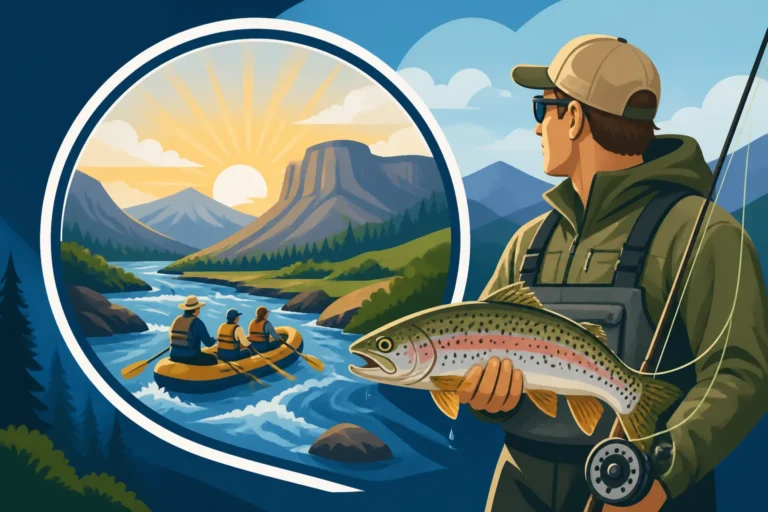
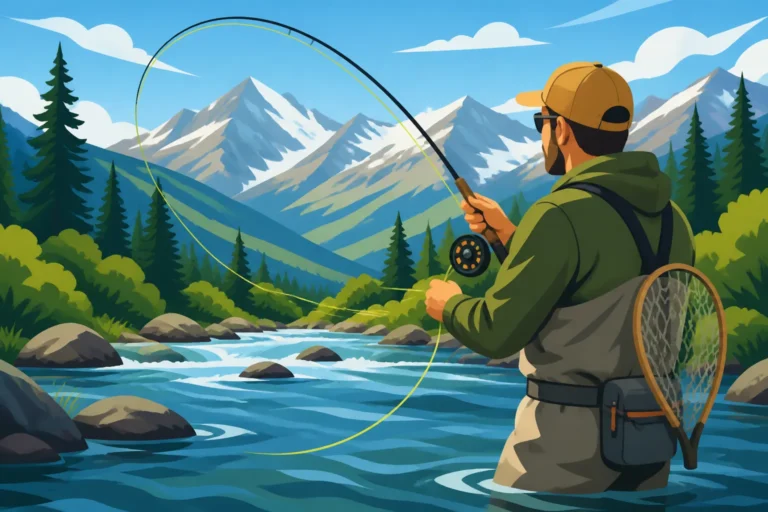
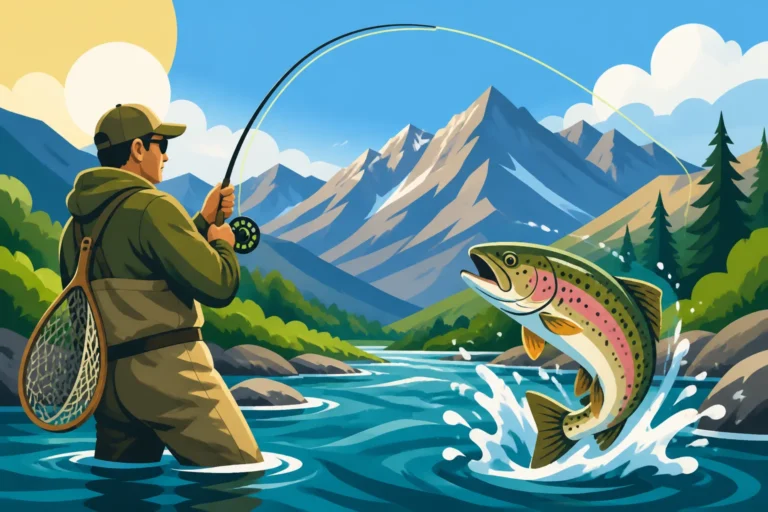
On the Fraser River, you'll generally encounter two main types of guided trips: walk-wade trips and float trips. Each offers a distinct experience, and the best choice often depends on your physical abilities, the time of year, and what you hope to achieve. Walk-wade trips involve hiking along the riverbanks and wading into accessible sections of the river. These are incredibly immersive, allowing you to thoroughly explore specific runs, riffles, and pools. You get a real feel for the riverbed and the surrounding environment, which can be fantastic for sight-fishing in clear waters.
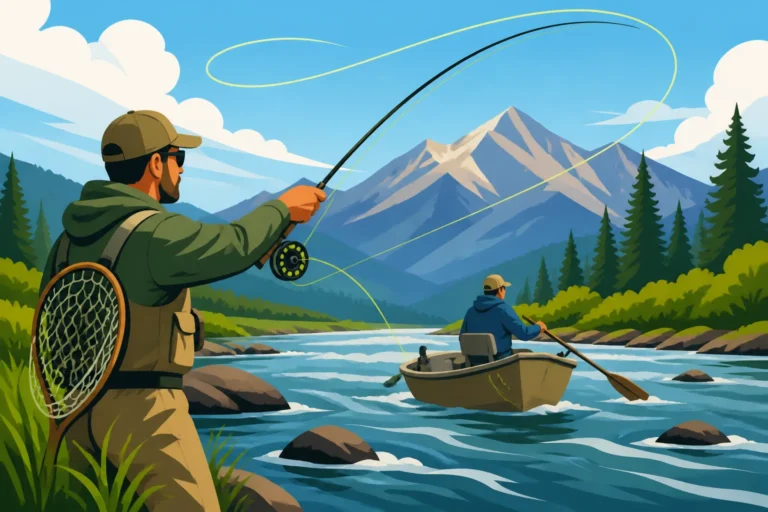
Float trips, on the other hand, involve drifting down the river in a raft or drift boat, with the guide maneuvering the vessel while you fish from it. This allows you to cover significantly more water than wading, often reaching stretches that are difficult or impossible to access on foot. Float trips are fantastic for seeing a broader expanse of the river and can be less physically demanding, making them a great option for those who prefer to avoid extensive wading or hiking. They're also excellent for covering ground quickly to find active fish. Both options offer unique advantages, and a good outfitter will discuss which is best suited for the Fraser River given current conditions and your goals.
Gear, Flies, and Licensing Considerations
One of the greatest benefits of a guided trip is that most of the essential gear is provided. This typically includes high-quality fly rods, reels, waders, and boots (if you're doing a walk-wade trip). The guide will also supply all the necessary flies, tippet, and indicators, meticulously chosen to match the current conditions and hatches on the Fraser. This saves you the hassle of purchasing or packing specialized equipment, which is a huge relief for beginners or travelers. You won't have to worry about whether you have the "right" midge pattern for winter fishing or the proper split shot for fast currents.
However, there are a few things you’ll almost always need to bring yourself. First and foremost, you will need a valid Colorado fishing license, along with a Habitat Stamp if required (usually for anglers aged 18-64). Your guide cannot provide this for you, so it's crucial to purchase it beforehand, either online through CPWShop.com, by phone, or at a local vendor. You can find more information in our Colorado Fishing License Guide for Residents and Nonresidents and Colorado's Habitat Stamp, Explained articles. Beyond that, personal items like sunglasses (polarized are highly recommended), a hat, appropriate layers of clothing (weather can change rapidly in the mountains!), sunscreen, and any personal medications are essential.
Typical Trip Flow and What to Bring
A guided fishing trip on the Fraser River typically starts bright and early at a pre-arranged meeting spot, often a local fly shop in Winter Park or a designated trailhead. Your guide will greet you, confirm your license, and provide any necessary gear. There’ll be a brief chat about your experience level, what you hope to catch, and the day's plan, taking into account current river conditions and recent fish activity.
From there, you'll head to the river. If it’s a walk-wade trip, the guide will lead you to productive stretches, demonstrating techniques and pointing out fishy water. On a float trip, you’ll launch the boat, and the fishing will commence as you drift downstream. Lunch is usually provided as part of a full-day trip, often a streamside picnic, giving you a chance to rest and refuel. Throughout the day, your guide will be right there, offering instruction, tying on flies, and netting your catches. They'll also share insights into the local ecology and conservation efforts. What to bring includes snacks and drinks (though some guides provide these), a small backpack, a camera, and a positive attitude! Layers of clothing are crucial for Colorado mountain weather – think base layers, a fleece, and a waterproof/windproof outer shell.
| Trip Type | Pros | Cons | Best For |
|---|---|---|---|
| Walk-Wade | Highly immersive, focused on specific spots | Covers less water, more physically demanding | Detailed instruction, exploring hidden pockets |
| Float Trip | Covers significant ground, less strenuous | Less intimate with the specific riverbed | Covering large sections, seeing more scenery |
Choosing the Right Guide Service Near Winter Park
The quality of your guided trip often hinges on the guide themselves. Near Winter Park, you have several excellent options, but taking a moment to research and choose wisely can make all the difference for your experience on the Fraser River.
Researching Local Outfitters and Reputations
Before you commit, spend some time researching the local outfitters and independent guides operating in the Winter Park and Fraser Valley area. Look for guides with strong reputations, positive reviews, and a deep understanding of the Fraser River specifically. Websites are a good starting point, but don't stop there. Check out online review platforms, forums, and even local fly shop recommendations.
Many guides specialize in certain techniques, like Nymphing Techniques for Colorado Tailwaters or Dry Fly Fishing Colorado's Freestone Rivers, or even target specific species. Some might be known for their patience with beginners, while others cater to experienced anglers looking for a challenge. Look for outfitters that prioritize catch-and-release ethics and sustainable fishing practices, as these often indicate a true passion for the resource. A good guide isn't just about putting you on fish, it's about providing a safe, educational, and enjoyable day on the water.
Questions to Ask Before Booking
Once you've narrowed down your choices, don't hesitate to pick up the phone and ask some questions. This is your opportunity to gauge their personality, confirm details, and ensure they're a good fit for your needs. Here are a few key questions to consider:
- What is included in the price? Confirm if lunch, drinks, flies, and all necessary gear are part of the package or if there are additional costs. This prevents any surprises later.
- What type of fish can I expect to catch on the Fraser? While guides can't guarantee a catch, they can give you a realistic expectation of the species (mostly various trout, including browns and rainbows) and sizes commonly found.
- What is your cancellation policy? Colorado mountain weather can be unpredictable. Understand what happens if weather forces a cancellation or rescheduling.
- Do you have experience with my skill level? Whether you're a complete novice or an experienced angler, ensure they are comfortable teaching or challenging you appropriately.
- What happens if the river conditions are poor? In some cases, runoff might make the Fraser unfishable. A good guide will often have alternative plans, like suggesting a nearby lake or tailwater.
- Do you prioritize catch-and-release? For many, ensuring the health of the fishery is paramount. It’s good to know your guide shares this ethos.
Booking Your Adventure
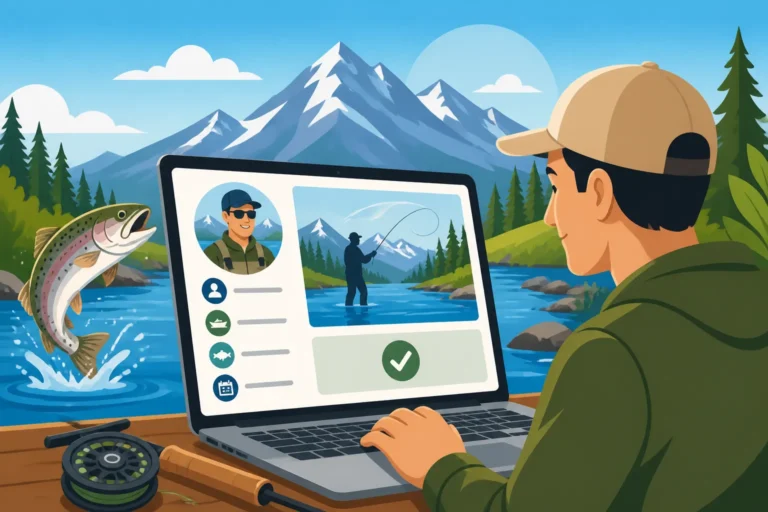
Booking your guided trip is often straightforward. Many reputable outfitters have online booking systems or can take reservations over the phone. Websites like FishingBooker can be a great resource for finding and comparing guides near Winter Park, allowing you to read reviews and see available dates all in one place. When you're ready to book, be prepared to put down a deposit, which is standard practice.
Make sure to confirm all the details – date, time, meeting location, and any specific requests you might have. If you're booking through a platform like FishingBooker, double-check the guide's specific policies through their profile. Remember that popular dates, especially during prime seasons, can fill up quickly, so booking in advance is always a good idea. Consider our article How Far in Advance to Book a Colorado Fishing Guide for more insights. A good guide will follow up with confirmation details and may even send a prep list of what to wear and bring. They want your trip to be as successful as you do!
Best Times to Fish the Fraser River with a Guide
The Fraser River, like many Colorado freestone rivers, experiences distinct seasons, each offering its own set of fishing opportunities and challenges. Knowing what to expect throughout the year can help you pick the perfect time for your guided adventure.
Seasonal Opportunities and Challenges
Spring (April-May): As winter snows begin to melt, the Fraser can offer some excellent pre-runoff fishing. Water temperatures start to rise, and fish become more active, feeding on emerging insects. This can be a great time for nymphing, especially before the main flush of snowmelt turns the river high and muddy. The challenge, of course, is timing it right to avoid the peak of spring runoff.
Summer (June-August): This is prime time for fishing on the Fraser. Once runoff subsides, usually by late June or early July, the river clears and flows at a more manageable level. Hatches are prolific, offering fantastic dry fly opportunities, especially for caddis, PMDs, and various stoneflies. The fish are actively feeding, and the weather is generally pleasant. However, summer can also bring afternoon thunderstorms, and the river can experience more angler pressure, especially on weekends.
Fall (September-October): Many consider fall to be the absolute best time to fish the Fraser. Water temperatures cool, fish become aggressive, and the browns start to prepare for their spawn. Streamer fishing can be incredibly productive for larger fish, and dry fly fishing can still be strong with blue-wing olives and terrestrials. The scenery is also spectacular as the aspens turn golden. The main challenge is the shorter daylight hours and cooler temperatures, especially in the mornings.
Winter (November-March): While much slower, winter fishing on the Fraser can be surprisingly rewarding, especially on milder days. The river typically has low, clear flows, and fish tend to congregate in deeper, slower pools. Nymphing with small patterns like midges is the name of the game. It’s a peaceful time to be on the river, often with fewer anglers. The obvious challenge is the cold weather and potential for ice, making comfortable layering essential. Check out Winter Fishing on Colorado's Tailwaters for tips on colder conditions.
Planning Around Runoff and Hatches
Understanding Colorado's spring runoff is critical for planning a Fraser River trip. The Fraser is a freestone river, meaning its flow is heavily dependent on snowmelt. Typically, runoff peaks in late May or early June, turning the river into a raging, muddy torrent that is often unfishable. When Colorado's Spring Runoff Hits and How to Fish Around It details this annual event. A good guide will advise you on the best timing and may suggest alternative waters like tailwaters or stillwaters that are less affected by runoff during this period.
Conversely, knowing the prominent insect hatches can make your trip incredibly successful. Your guide will be intimately familiar with the local entomology. In early summer, you might focus on caddis and stoneflies. Later in summer, various mayfly species, like Pale Morning Duns, become important. Fall brings the blue-wing olive hatch. Having a guide who knows which specific flies to use and how to present them during these hatches can be the difference between a few fish and an epic day.
Maximizing Your Chances for Trophy Trout
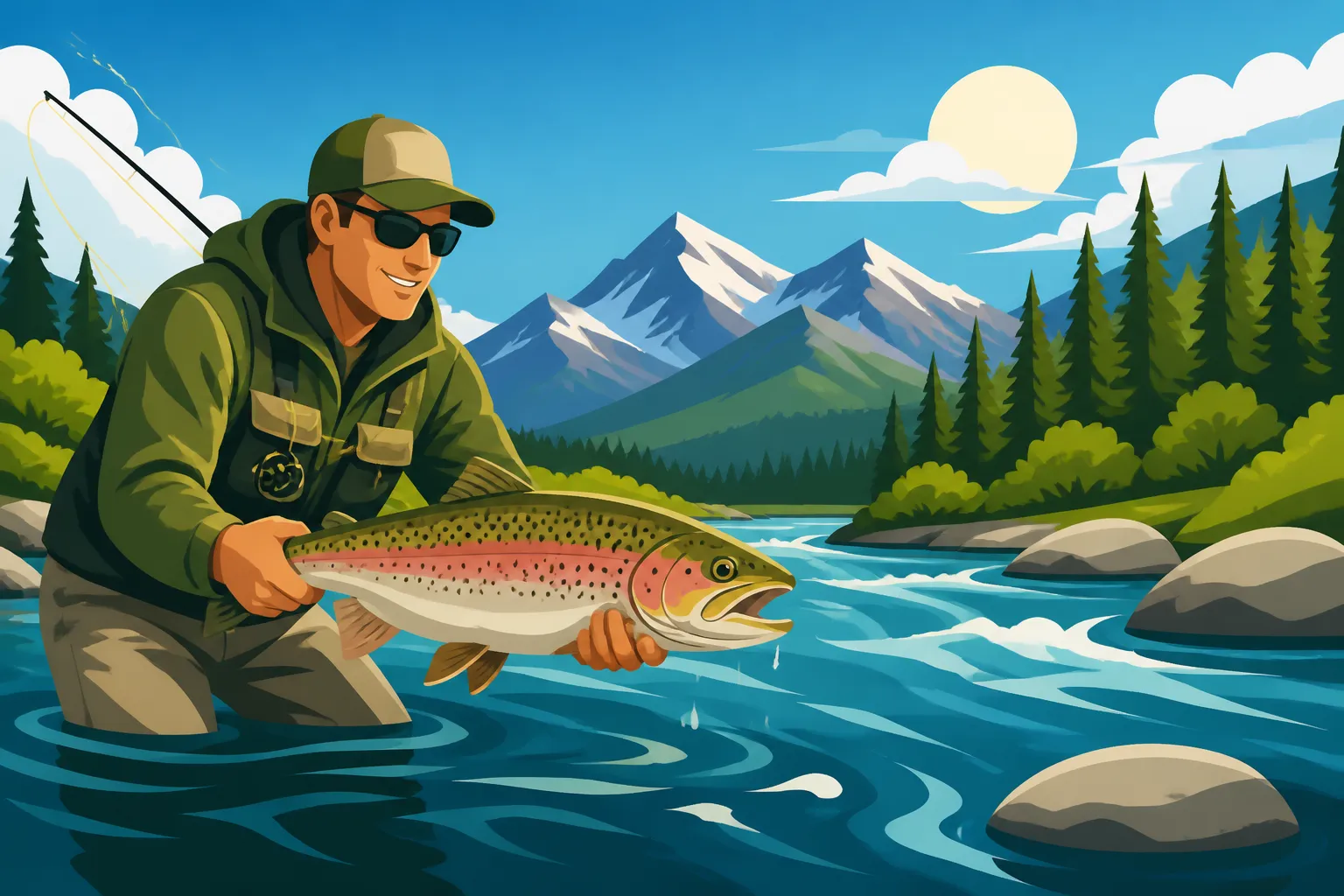
While every fishing trip has an element of luck, going with a guide significantly increases your odds of catching larger, "trophy" trout on the Fraser River. Their knowledge of where bigger fish hold, what they're feeding on, and the specific techniques required to entice them is invaluable. For instance, during the fall, when brown trout are getting ready to spawn, a guide might suggest specific streamer patterns and retrieval methods that mimic baitfish, targeting those aggressive, larger fish.
They also understand the nuances of presentation required for selective fish. The Fraser River can be a challenging fishery, and trout often see a lot of flies. A guide's ability to help you achieve a perfect, drag-free drift with a tiny nymph or a delicate dry fly can be the key to hooking into a wary, larger fish. By focusing your efforts on the most productive areas and using proven techniques, a guided trip can transform your pursuit of a personal best into a much more realistic goal. Ultimately, the guide's expertise allows you to capitalize on the river's best opportunities, increasing the likelihood of that memorable catch.
Disclaimer
This article is for general informational purposes only and does not constitute professional advice. Laws, prices and regulations vary by location and change over time. Consult a qualified professional for guidance on your specific situation.