Guided Trips Near Buena Vista on the Arkansas River
The Arkansas River, particularly the stretch near Buena Vista, presents an incredible yet often intimidating challenge for anglers. Its swift currents, diverse holding water, and seasonal shifts can leave even experienced fishermen scratching their heads. This guide is here to demystify the process and help you understand why a guided trip on this iconic Colorado waterway isn't just a luxury, but often the best way to unlock its secrets, ensuring you have a productive and unforgettable fishing adventure.
The Allure of the Arkansas River in Buena Vista for Anglers
The Arkansas River carves its way through some of the most stunning landscapes in Colorado, and the Buena Vista area is a jewel in its crown. It's a river that calls to anglers, boasting a reputation for healthy trout populations and dynamic fishing. But what makes this particular stretch so special, and why does it often benefit from a guide's expertise?
Gold Medal Waters and Diverse Fisheries
The Arkansas River is renowned for its Gold Medal Water designation, a testament to its ability to consistently produce large trout and maintain excellent habitat. This isn't just a marketing term; it means you're fishing waters that meet strict criteria for trout numbers and size. Near Buena Vista, you'll find a mix of riffles, deep pools, fast runs, and undercut banks, all prime holding water for eager trout.
These waters are home to robust populations of brown trout and rainbow trout, with the occasional cutthroat making an appearance. While many rivers have their charm, the Arkansas offers a unique blend of wild, self-sustaining populations and strategically stocked fish, creating a vibrant fishery. The river's character changes almost mile by mile, from broad, open sections to tighter, more technical runs, providing a variety of challenges and opportunities for every angler. Understanding these nuances, where the fish are holding based on the time of year and water conditions, is precisely where a local guide's knowledge becomes invaluable. They spend countless hours on this river, reading its currents, observing its insect life, and tracking the trout's behavior, ensuring you're not just casting blindly. To learn more about this designation, check out our piece on Colorado Gold Medal Water Regulations Explained.
Why a Guide is Essential in This Dynamic Environment
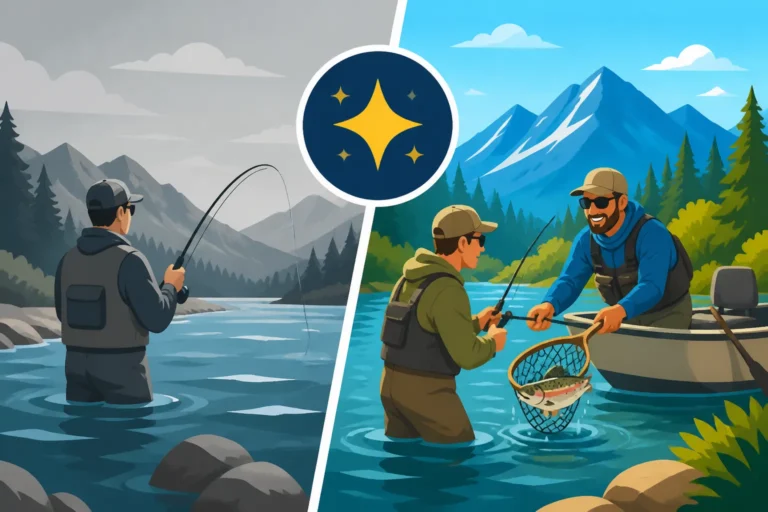
Anyone who has spent time on the Arkansas River knows it's a living, breathing entity. It changes with the seasons, the weather, and even the time of day. What worked yesterday might not work today, and what works upstream might not work downstream. This dynamic nature is part of its appeal but also its biggest challenge. The river experiences significant seasonal fluctuations, most notably the spring runoff when snowmelt swells the river, turning it into a powerful, often murky torrent. This can be incredibly intimidating and even dangerous for those unfamiliar with high-water tactics.
A skilled guide navigates these complexities with ease. They know where to find the fish when the water is high and off-color, understanding that trout often move to slower eddies or seek cover along the banks. They can adjust fly patterns, leader setups, and fishing techniques on the fly, saving you hours of frustration. Beyond runoff, the river's flows can change due to dam releases, and a guide has their finger on the pulse of these changes, knowing how to interpret them for successful fishing. They're not just rowers or instructors; they're interpreters of the river, translating its moods and movements into actionable fishing strategies. This local expertise is the difference between a frustrating day of casting to empty water and a memorable one filled with tight lines. If you're wondering how to tackle the river's changes, our article on When Colorado's Spring Runoff Hits and How to Fish Around It offers further insights.
Types of Guided Trips Available on the Arkansas River
When you decide to enlist the help of a professional guide on the Arkansas River, you'll generally find two main styles of trips: float trips and walk-wade trips. Both offer distinct advantages and experiences, catering to different preferences and fishing goals. Understanding the difference will help you choose the adventure that's right for you.
Float Trips: The Classic Arkansas Experience
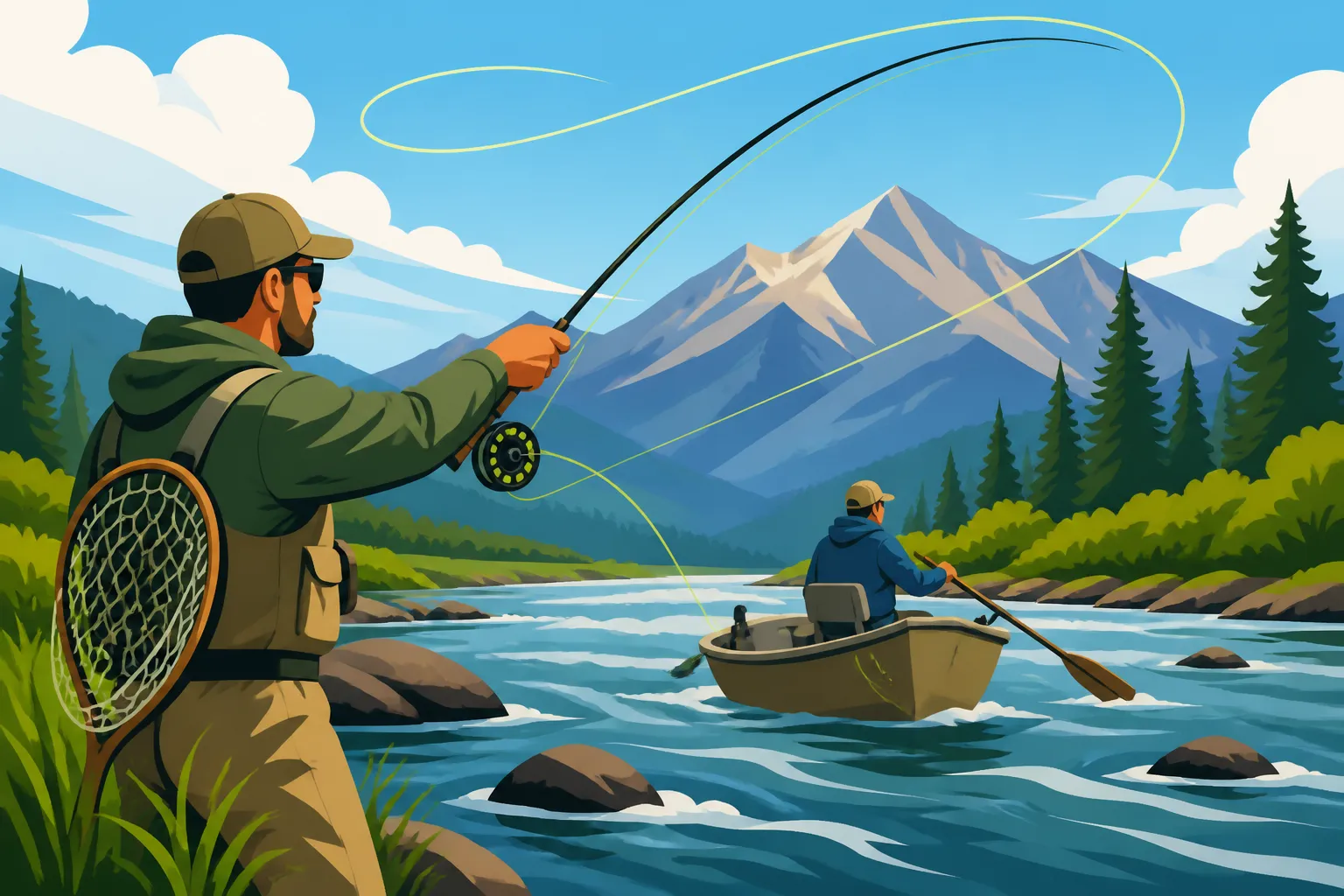
Float trips on the Arkansas River near Buena Vista typically involve fishing from a drift boat or a raft specially designed for river navigation. This is perhaps the most popular way to experience the broader, more expansive sections of the Arkansas. The primary advantage of a float trip is the sheer amount of water you can cover. Your guide will expertly row you through miles of river, allowing you to present flies or lures to countless seams, riffles, and pools that would be inaccessible from the bank.
This method is fantastic for anglers who want to maximize their fishing time and explore diverse water without extensive hiking. It's also an excellent option for those with limited mobility, as the boat provides a comfortable platform from which to fish. On a float trip, you'll often get to target larger, less pressured fish that hold in the middle of the river or along distant banks. The guide will position the boat perfectly, allowing you to cast to prime spots and get natural drifts. Many outfitters in Buena Vista offer these trips, providing all the necessary gear and a knowledgeable local to lead the way. You can often find and compare these offerings on platforms like FishingBooker, which lists various local guides and their float trip specialties.
Walk-Wade Trips: Intimate Instruction and Secluded Spots
For anglers seeking a more hands-on, intimate experience with the river, a walk-wade trip is an excellent choice. On these trips, your guide will lead you to specific access points, and you'll spend your day on foot, wading into the river to fish its various features. This style of fishing is particularly effective for targeting smaller, more technical sections of the river, or for exploring tributaries and pocket water that boats simply cannot reach.
Walk-wade trips are perfect for beginners who want focused instruction on casting, reading water, and presentation techniques. A guide can spend more one-on-one time coaching you through each cast and explaining the subtle nuances of trout behavior in shallower water. They're also ideal for experienced anglers who prefer the challenge and satisfaction of stalking fish in less-pressured, often more secluded stretches. You'll gain a deeper understanding of the river's ecosystem and develop skills that will serve you well on future solo outings. If this sounds like your style, our article Guided Walk-Wade Trips on Colorado Rivers delves deeper into what these trips entail.
Beginner-Friendly vs. Advanced Angler Focus
One of the great things about guided trips on the Arkansas River is their adaptability. Whether you've never held a fishing rod or you're a seasoned pro looking to hone specific techniques, there's a guide and a trip style for you. For beginners, guides often start with the basics: how to assemble your rod, tie essential knots, proper casting mechanics, and identifying prime fishing lies. They’ll be patient and encouraging, understanding that everyone starts somewhere. The goal is to build confidence and ensure you enjoy the process, regardless of how many fish you catch. Some guides even specialize in teaching fly fishing to children or families, creating a fun and educational outdoor experience.
On the other hand, if you're an advanced angler, your guide can push your skills to the next level. Perhaps you want to focus on Euro nymphing in fast currents, perfecting your dry-fly presentation in tricky winds, or targeting trophy brown trout with streamers. A good guide will listen to your objectives and tailor the day to challenge you appropriately, taking you to the most productive spots for your chosen technique and offering advanced insights into trout behavior and entomology specific to the Arkansas River. They can show you subtle currents, overlooked eddies, or particular insect hatches that only local experts truly understand. Whether you're hoping for your first fish or your biggest, discussing your skill level and goals upfront with your chosen outfitter, perhaps through a platform like FishingBooker, will ensure you're paired with the perfect expert. For more on how guides assist newcomers, see Guided Trips for Beginners in Colorado.
Here's a quick comparison of the two main types of guided trips on the Arkansas:
| Feature | Float Trip | Walk-Wade Trip |
|---|---|---|
| Mobility | Covers more water, less walking | More focused areas, requires wading and walking |
| Accessibility | Great for all physical abilities | Moderate physical exertion required for wading |
| Focus | Maximizing casts to diverse water | Hands-on instruction, technical skills, stealth |
| Experience | Broader views, dynamic river travel | Intimate connection with specific river sections |
| Ideal For | Covering distance, beginners/experts alike | Skill development, exploring pocket water, solitude |
What to Expect When Booking a Guided Trip
Booking a guided fishing trip can feel like a big decision, especially if it's your first time or you're traveling to a new area like Buena Vista. Knowing what's typically included and what your responsibilities are can help you feel prepared and excited for your day on the water.
Gear, Flies, and Licensing: What's Included
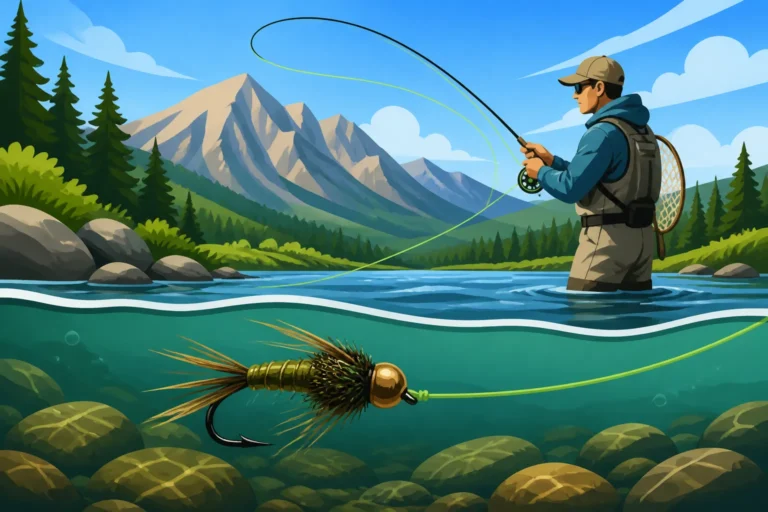
One of the major benefits of a guided trip is that most of the heavy lifting, gear-wise, is taken care of. Reputable outfitters and independent guides almost always provide high-quality rods and reels suitable for the Arkansas River's conditions, whether you're fly fishing or spin fishing. This is a huge perk, as it means you don't have to worry about packing your entire tackle box or investing in specialized equipment before your trip. They'll also supply a vast array of flies, lures, or bait, chosen specifically for the current conditions and hatches on the Arkansas. You'll likely get to use patterns that are tried and true local producers, saving you the guesswork and expense of buying a dozen different options.
However, there are a few things that are generally not included and are your responsibility. First and foremost, you will need a valid Colorado fishing license and a Colorado Habitat Stamp. These are required by law for anyone 16 years or older to fish in Colorado's public waters. While your guide can certainly direct you to where and how to purchase them (often online through the Colorado Parks and Wildlife website, or at local sporting goods stores), they cannot provide them for you. It's best to secure these before your trip, perhaps even the day before, so you don't cut into your valuable fishing time. Additionally, waders and wading boots are often available for rent or provided by the outfitter, but it's always wise to confirm this when booking. You'll also need to bring your own personal items like sunglasses, sunscreen, a hat, and appropriate layers of clothing for Colorado's often unpredictable mountain weather. For detailed information on licenses, check out our guide on Colorado Fishing License Guide for Residents and Nonresidents, and for the Habitat Stamp, read Colorado's Habitat Stamp, Explained.
Typical Day and On-Water Experience
A typical guided day on the Arkansas River is an immersive experience designed for both enjoyment and learning. Your day will usually start with a meeting at a pre-determined location, often the outfitter's shop or a convenient riverside access point in or around Buena Vista. This is your chance to meet your guide, discuss your expectations, and get fitted for any gear you might need. From there, you'll head to the river, often driving a short distance to the most productive or suitable section for the day's conditions.
Once on the water, the real fun begins. Your guide will provide instruction, point out prime fishing spots, and help you select the right flies or lures. They'll also be actively involved in untangling lines, netting fish, and generally making your day as smooth as possible. Lunch is usually a delicious riverside affair, often a sandwich or wrap provided by the outfitter, complete with snacks and drinks. Expect plenty of conversation, shared laughter, and insightful tips throughout the day. The focus is always on creating a positive and successful fishing experience, tailored to your skill level and preferences. Whether you're catching fish after fish or simply enjoying the stunning scenery and honing your casting, the guide's expertise ensures a memorable day.
Costs and Tipping Etiquette
Understanding the financial aspect of a guided trip is crucial for proper planning. Guided fishing trips on the Arkansas River vary in cost based on several factors, including whether it's a half-day or full-day trip, whether you're alone or sharing the guide with another angler, and the outfitter's specific rates. Generally, you'll find that full-day trips, covering more ground and offering more time on the water, will naturally have a higher price point than half-day excursions. Some outfitters might offer slight discounts for multiple anglers, but each additional person often adds to the total.
It's important to clarify the exact cost and what's included when you book. While a guide fee covers their expertise, gear, and sometimes lunch, it doesn't typically cover a gratuity. Tipping your fishing guide is customary and very much appreciated, reflecting the hard work and dedication they put into making your day successful and enjoyable. Standard tipping etiquette generally falls within a certain percentage of the trip's total cost, similar to other service industries. The specific percentage can vary, but it's always a good idea to factor this into your budget. Guides work incredibly hard, from scouting water to tying flies, providing instruction, and ensuring your safety. A generous tip acknowledges their effort and expertise. For a clearer picture of typical costs, refer to What a Full-Day Colorado Guided Fishing Trip Costs, and for tipping advice, our article Tipping a Colorado Fishing Guide, What's Standard is a great resource.
Finding the Perfect Guide for Your Buena Vista Adventure
With so many excellent guides and outfitters operating on the Arkansas River near Buena Vista, how do you choose the right one for your adventure? It's more than just finding someone available; it's about finding the right fit for your goals, personality, and fishing style.
Researching Outfitters and Independent Guides
Your journey to finding the perfect guide usually starts with research. Many established fly shops and outfitters in the Buena Vista area, and even in nearby towns, have dedicated guiding services. These operations often employ multiple guides, each with their own specialties, allowing them to match clients with the best possible expert. Their websites will typically showcase their services, highlight their guides, and provide booking information. Local fly shops are also treasure troves of information; their staff are often guides themselves or know the local guiding scene intimately. Don't hesitate to give them a call or stop by if you're in town.
Beyond local shops, online platforms like FishingBooker can be incredibly helpful. These sites aggregate listings from numerous independent guides and outfitters, allowing you to browse profiles, read client reviews, see available dates, and even compare prices. This can be a fantastic way to get a broad overview of your options and find guides who specialize in certain techniques (like fly fishing vs. spin fishing), target specific species, or cater to particular experience levels (e.g., beginner-friendly or trophy hunts). Look for guides with strong reviews and detailed descriptions of their offerings. Their experience level, knowledge of the Arkansas River, and even their personality can make a huge difference in your enjoyment of the day.
Asking the Right Questions
Once you've narrowed down your choices, don't be shy about asking questions before you commit. A good guide or outfitter will welcome your inquiries and be happy to provide the information you need. Start by clearly stating your experience level – are you a complete beginner, an intermediate angler, or an advanced caster? What are your primary goals for the day? Do you want to learn specific techniques, target a certain type of fish, or simply enjoy a relaxing day on the water? This helps the guide tailor the trip to your expectations.
You should also inquire about what exactly is included in the price (e.g., all gear, flies, lunch, drinks), and what you need to bring yourself (license, waders, rain gear). Ask about their cancellation policy, especially regarding weather or river conditions. It's also wise to ask about the guide's specific experience on the Arkansas River, particularly the stretches near Buena Vista. Do they specialize in float trips or walk-wade? What kind of fish are they typically targeting at that time of year? The more details you get upfront, the fewer surprises you'll have on the day of your trip. To help you prepare, we've compiled a list of important queries in Questions to Ask Before Booking a Colorado Fishing Guide.
When to Book and Seasonal Considerations
The Arkansas River is a year-round fishery, but its character and fishing opportunities change dramatically with the seasons. This means that when you book can be just as important as who you book with. Peak seasons, like late spring (after runoff subsides) through fall, are incredibly popular, especially for fly fishing. During these times, guides often book up weeks or even months in advance, so early booking is essential if you have specific dates in mind. If you wait too long, especially for a prime summer weekend, you might find your options severely limited.
Consider the specific time of year you plan to visit Buena Vista. Spring can be excellent before runoff, with hungry fish emerging from winter. Summer is prime for consistent dry fly action and warmer temperatures. Fall brings stunning foliage, aggressive brown trout, and often fewer crowds, though can be quite chilly. Even winter offers unique opportunities on the Arkansas, particularly for nymphing on milder days. Discussing the seasonality with your guide will help you set realistic expectations for the fishing and ensure you're prepared for the weather. For a full breakdown, check out our article Colorado Fishing Seasons Month by Month. Being flexible with your dates can sometimes open up more guide availability and even lead to a less crowded river experience.
Disclaimer
This article is for general informational purposes only and does not constitute professional advice. Laws, prices and regulations vary by location and change over time. Consult a qualified professional for guidance on your specific situation.