Guided Trips for Beginners in Colorado
So, you've been dreaming of experiencing the magic of fishing in Colorado, maybe seeing those breathtaking mountain streams or serene high-country lakes, but the sheer thought of getting started feels overwhelming. From deciphering regulations to understanding the right gear and techniques, it's easy to feel like you're standing at the base of a very tall mountain. This guide is specifically designed for you, the aspiring angler, to break down why a guided trip is the perfect launchpad for your Colorado fishing journey, and what you can expect every step of the way.
Why a Guided Trip is a Game Changer for Beginners
For anyone new to fishing, especially in a place as diverse and sometimes complex as Colorado, a guided trip isn't just a luxury; it's often the smartest, most efficient, and frankly, most enjoyable way to learn the ropes. You might think you can just grab a rod and figure it out, and while that adventurous spirit is commendable, it can also lead to frustration and missed opportunities on the water. A guide cuts through all that noise, providing a focused, educational, and often highly successful experience.
Overcoming the Intimidation Factor
Stepping onto a bustling river or a vast reservoir for the first time can feel like walking into a foreign country without a phrasebook. What flies do I use? Where do the fish hide? Am I even allowed to be here? These questions, and many more, can quickly turn an exciting prospect into an anxiety-inducing experience. A good guide immediately dissolves this intimidation. They handle the permits, know the water like the back of their hand, and are there solely to make your experience positive and educational.
Think about it: instead of fumbling with knots or worrying about snagging your line every five minutes, you have an expert by your side, patiently showing you the way. They can explain the river etiquette, point out the subtle signs of fish activity, and help you understand why certain spots are more productive than others. This foundational knowledge, gained without the pressure of having to perform perfectly on your own, is invaluable. You're not just fishing; you're learning to fish in an environment designed for success.
Fast-Tracking Your Skill Development
Learning to fish effectively can take years of trial and error. A guided trip compresses that learning curve dramatically. Imagine trying to teach yourself a new language from a textbook versus having a fluent speaker tutor you one-on-one. The latter is far more effective, right? Fishing is no different. Guides are professional educators on the water. They've seen every mistake in the book and know precisely how to correct them kindly and effectively.
They'll teach you proper casting techniques, how to read the water for fishy holding lies, what flies or lures imitate the natural food sources, and how to detect a subtle bite. You'll gain practical experience in a few hours that might take weeks or months to acquire on your own. They can instantly diagnose issues with your cast or retrieve, offering immediate feedback that helps you improve on the spot. This isn't just about catching fish on the day; it's about equipping you with the skills and confidence to go out and fish successfully on your own in the future.
Accessing Prime Waters and Local Secrets
One of the biggest hurdles for new anglers in Colorado is simply knowing where to go. Our state is brimming with incredible fishing spots, but many require specific knowledge of access points, local regulations, or seasonal nuances. What looks like a promising stretch of river might be private property, or a fantastic lake might have restrictions on bait or flies that you wouldn't know about without extensive research. Reading Colorado's Fishing Regulations Brochure is a great start, but hands-on guidance is better.
Guides often have access to private water, or intimate knowledge of public stretches that are less pressured or fish particularly well at certain times of year. They understand how factors like recent weather, water flows, and insect hatches impact fishing conditions. Instead of spending precious fishing time driving around or trying to decipher maps, a guide takes you directly to the action. They know where the fish are likely to be hiding and what they're likely to be eating, dramatically increasing your chances of success and providing a truly memorable experience.
What to Look for in a Beginner-Friendly Guide or Outfitter
Not all guides are created equal, and for a beginner, finding the right match is crucial. You want someone who is not only a fantastic angler but also an excellent teacher and communicator. Someone patient, encouraging, and focused on your learning experience, not just showing off their own skills.
Experience with Novices and a Patient Teaching Philosophy
When you're just starting out, you need a guide who genuinely enjoys teaching and has a track record of working with beginners. Don't be shy about asking about their experience with new anglers when you call to book. A good guide will explain concepts clearly, demonstrate techniques repeatedly, and offer constructive feedback without making you feel inadequate. They understand that you might tangle your line, miss a few strikes, or need a little extra help with knot tying, and they won't bat an eye.
Look for guides who emphasize the learning process over just catching the biggest fish. While catching is always fun, for a beginner, the true value of a guided trip lies in the education. They should be able to break down complex actions, like casting a fly rod or setting the hook, into simple, manageable steps. A guide with a patient teaching philosophy will celebrate your small victories, keep your spirits high when things get tricky, and ensure you leave the water feeling more confident and capable than when you arrived.
All-Inclusive Packages for a Hassle-Free Day
One of the greatest benefits of a guided trip for beginners is that much of the gear is often provided. This removes the daunting task of buying expensive equipment before you even know if you'll enjoy the sport. When inquiring about a trip, ask explicitly what's included. Many outfitters offer "all-inclusive" packages for beginners, which is fantastic.
This typically means they provide:
- Rods and reels: Properly sized and rigged for the fishing you'll be doing.
- Flies, lures, or bait: The specific patterns or baits that are currently working on the water.
- Waders and boots (for walk-wade trips): Sized to fit you, keeping you dry and comfortable.
- Terminal tackle: Leaders, tippet, split shot, indicators – all the little bits you’d otherwise have to buy and assemble.
- Lunch and drinks (for full-day trips): A welcome perk that simplifies your day.
Having everything provided means you simply show up, ready to learn and fish. This makes the experience much more accessible and less intimidating. For an idea of what's typically included, check out What's Included in a Colorado Guided Fly Fishing Trip. You'll still need your fishing license and Habitat Stamp, which can usually be purchased online at CPWShop.com or at various retailers. Remember to look into Colorado Fishing License Guide for Residents and Nonresidents to ensure you're covered.
Reputation and Reviews
In today's connected world, a guide's reputation often precedes them. Before booking, take some time to read reviews and testimonials. Websites like FishingBooker are excellent resources for finding guides and reading honest feedback from past clients. Pay attention to what beginners specifically say about their experience. Did the guide make them feel comfortable? Were they patient? Did they learn a lot?
Look for consistent praise regarding a guide's teaching abilities, patience, and overall demeanor. You want someone who is known for being encouraging and fostering a positive atmosphere. While a guide with a lot of "fish porn" photos might be appealing, for a beginner, a guide celebrated for their instructional skills is likely a better choice. Don't hesitate to call the outfitter directly and chat with them; a good conversation can tell you a lot about their approach and how well they might match your needs as a novice angler.
Types of Guided Trips Perfect for First-Timers
Colorado offers a variety of guided fishing experiences, each with its own advantages. For beginners, certain types of trips are inherently more conducive to learning and comfort. Understanding these options will help you choose the adventure that best suits your style and physical abilities.
Walk-Wade Trips for Immersive Learning
A walk-wade trip involves physically walking along the riverbank and wading into the water to fish specific spots. These trips are fantastic for beginners because they offer a more hands-on, intimate experience with the river. You're typically covering smaller sections of water, which allows for more focused instruction and repeated practice in a controlled environment. Guided Walk-Wade Trips on Colorado Rivers are often recommended for those just starting out.
On a walk-wade trip, your guide can stand right beside you, demonstrating casting techniques, helping you identify subtle takes, and showing you how to navigate the riverbed safely. This close proximity means instant feedback and personalized attention. It's also an excellent way to learn about river ecosystems, entomology (the study of insects fish eat), and reading water currents. You'll get to feel the flow of the water, understand where fish naturally hold, and develop a deeper connection to the environment. While it can involve some physical exertion, a good guide will tailor the amount of walking and wading to your comfort level.
Float Trips for Covering Water and Comfort
Float trips involve fishing from a drift boat, raft, or McKenzie-style boat as you float down a river. These trips are excellent for covering significant stretches of water and reaching spots that are otherwise inaccessible by wading. While they might feel a bit more advanced, many outfitters specifically cater to beginners on float trips, particularly on wider rivers like the Colorado River near Kremmling or the Arkansas River. Check out Guided Float Trips on Colorado Rivers for more details.
For beginners, a float trip offers a unique advantage: you don't have to worry as much about navigating treacherous footing or keeping yourself upright in strong currents. The guide handles the boat, positioning you in prime casting lanes and allowing you to focus purely on your casting and presentation. It can be a comfortable way to fish, often with a seat and plenty of room for gear. You'll still receive plenty of instruction, but the emphasis might be more on continuous casting and covering water. It's a fantastic way to see more of Colorado's stunning river scenery while getting many opportunities to cast to different types of water.
Half-Day vs. Full-Day Options: What's Best for a First-Timer?
Deciding between a half-day and a full-day trip is an important consideration for beginners, primarily weighing the amount of instruction desired against potential fatigue.
| Feature | Half-Day Trip (Typically 4-5 hours) | Full-Day Trip (Typically 7-9 hours) |
|---|---|---|
| Duration | Shorter, more focused | Longer, more comprehensive |
| Pace | Generally quicker, direct instruction | More relaxed, allows for breaks and deeper dives into techniques |
| Cost | Lower upfront investment | Higher, but often better value per hour |
| Physicality | Less strenuous, good for those with limited stamina | More demanding, but with breaks |
| Learning | Focus on core basics, enough to get a feel for the sport | Ample time for extensive teaching, practice, and varied techniques |
| Success Rate | Good for initial success; fewer opportunities than full-day | Higher potential for varied fish and conditions |
| Meals | Usually no meal, maybe snacks/water provided | Often includes lunch and snacks |
| Fatigue | Less likely to feel overwhelmed or exhausted | Can be tiring, especially for novices; breaks are important |
For most beginners, a half-day trip can be an excellent introduction. It provides enough time to grasp the fundamentals, make some casts, and hopefully catch a few fish, without becoming overly tired or overwhelmed. If you find yourself completely hooked and wanting more, you can always book another half-day or commit to a full-day trip later.
However, a full-day trip, while a longer commitment, offers more relaxed pacing. It allows for deeper instruction, trying different techniques, exploring more water, and often includes a delicious streamside lunch. If you're confident in your stamina and truly want to immerse yourself in the learning process, a full-day can be incredibly rewarding. Many guides structure full-day trips with built-in breaks to keep energy levels up. Ultimately, the best choice depends on your personal energy levels, budget, and how much intensive learning you want to pack into one day.
What to Expect on Your First Guided Fishing Trip
The anticipation of a first guided trip can be thrilling, but also a little nerve-wracking if you don't know what's coming. Let's walk through a typical day so you can feel prepared and excited for your adventure.
The Gear and Setup Process
When you arrive at the designated meeting spot – often a local fly shop or a specific river access point – your guide will greet you warmly. This is usually where the magic begins. They'll start by making sure you have your Colorado Fishing License Guide for Residents and Nonresidents and Colorado's Habitat Stamp, Explained if required. If you're doing a walk-wade trip and waders are included, they’ll help you get fitted with the correct size. Don't worry if you've never worn waders before; they're designed to keep you dry and relatively comfortable in the water.
Next, your guide will set up your rod and reel, selecting the appropriate flies, lures, or bait for the day's conditions. They'll show you the rig, explain why they chose those particular patterns, and make sure everything is perfectly tied and ready to go. This entire setup process is part of the learning experience. Feel free to ask questions about why certain gear is used or how to tie a specific knot – that's what your guide is there for! This initial phase is about getting you comfortable and confident before you even step into the water.
On-Water Instruction and Practice
Once you're geared up and ready, it's time to hit the water! Your guide will lead you to a spot they believe will offer good fishing opportunities and provide ample space for practice. The instruction will start with the absolute basics. For fly fishing, this means learning how to hold the rod, the rhythm of a simple cast, and how to gently present your fly. For spin fishing, it will involve proper casting technique and how to retrieve your lure effectively.
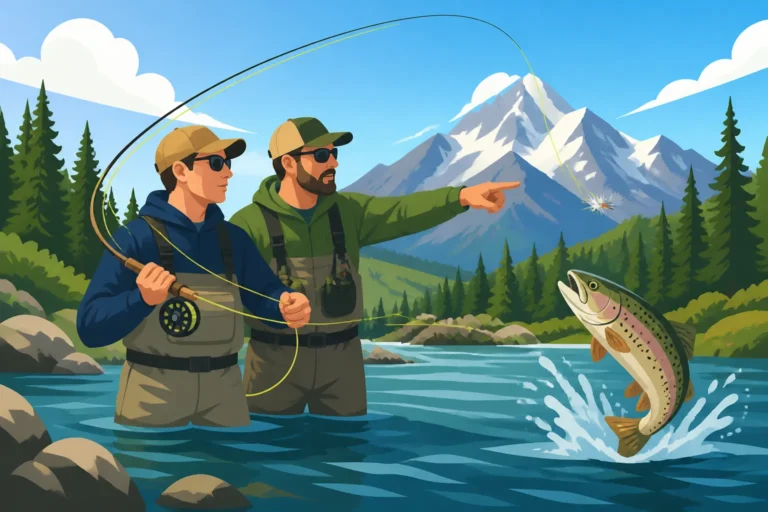
Patience is key here, both for you and your guide. You won't be an expert caster in the first five minutes, and that's perfectly fine. Your guide will offer constant, gentle corrections and encouragement. They might stand behind you, guiding your arm, or cast themselves to demonstrate the ideal motion. As you practice, they'll teach you how to mend your line, manage your drift, and watch for subtle signs of a fish taking your fly or lure. The goal is to build muscle memory and understanding, step by step. Don't be afraid to ask for a demonstration again or admit you're struggling; it's all part of the learning process.
Understanding Catch-and-Release Practices
Colorado is passionate about its fisheries, and responsible angling is a huge part of preserving them. For beginners, a guided trip is the perfect opportunity to learn proper catch-and-release techniques right from the start. Your guide will emphasize the importance of minimizing stress on the fish and ensuring their survival after being caught. This is especially critical in areas designated as Gold Medal Waters or those with specific conservation rules.
They will teach you how to:
- Land a fish quickly: Minimize the fight time to reduce exhaustion.
- Handle fish gently: Keep the fish in the water as much as possible, or use wet hands if you must handle it out of water. Avoid squeezing or touching the gills.
- Remove hooks safely: Use forceps or pliers to quickly remove the hook. If the fish is deeply hooked, your guide might clip the line as close to the hook as possible.
- Revive a fish: Hold the fish gently in the current, facing upstream, until it can swim away under its own power.
Learning these practices early on instills a strong sense of stewardship for our natural resources. You'll understand that fishing isn't just about catching, but about respecting and protecting the fish for future generations. For more in-depth information, you can always refer to How to Handle Trout for a Safe Release and Catch-and-Release Rules on Colorado's Cutthroat Waters.
Preparing for Your Beginner's Guided Fishing Adventure
While your guide handles most of the complex preparations, there are a few simple things you can do to ensure you have a comfortable and enjoyable day on the water. A little planning goes a long way!
What to Wear on the River
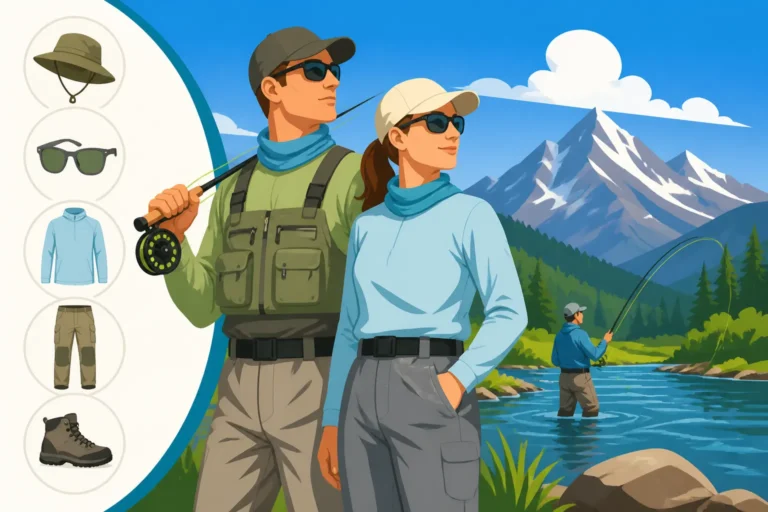
Layering is the golden rule for Colorado's ever-changing mountain weather. Even on a seemingly warm day, temperatures can drop rapidly, especially if a cloud rolls in or you're wading in cold water. What to Wear on a Colorado Guided Fishing Trip goes into more detail, but here’s a quick rundown:
- Base Layers: Moisture-wicking material (not cotton!) to keep sweat away from your skin.
- Mid Layers: Fleece or wool for insulation.
- Outer Layer: A waterproof and windproof jacket. Even if rain isn't in the forecast, a light drizzle or a sudden squall can happen unexpectedly.
- Socks: Wool or synthetic socks are essential, especially if you're wearing waders. Avoid cotton.
- Headwear: A brimmed hat for sun protection is a must, and a warm beanie for colder days.
- Sunglasses: Polarized sunglasses are non-negotiable. They protect your eyes from stray hooks and significantly reduce glare, allowing you to see into the water and spot fish or obstacles.
Your guide will likely provide waders and wading boots for walk-wade trips, so you generally don't need to bring your own unless you prefer to. For float trips, you might still want comfortable, waterproof boots or shoes, as you'll often be getting in and out of the boat.
Essentials to Bring Along
Beyond what you wear, a few personal items will make your day much more comfortable and hassle-free:
- Colorado Fishing License: Absolutely vital! Have it printed or digitally accessible on your phone.
- Water Bottle: Staying hydrated is crucial, especially at Colorado's higher altitudes.
- Sunscreen: The sun's rays are intense in Colorado; protect your skin.
- Lip Balm with SPF: Sunburned lips are no fun.
- Snacks: Even if lunch is provided on a full-day trip, personal snacks can be great for a quick energy boost.
- Small Backpack or Dry Bag: To keep your personal items safe and dry.
- Camera: To capture those unforgettable moments, just make sure it's secure or waterproof!
- Any Personal Medications: Don't forget these!
Remember to double-check with your outfitter regarding what they provide versus what you should bring. It's always better to be over-prepared than under-prepared.
Pre-Trip Communication with Your Guide
Effective communication before your trip ensures everyone is on the same page and helps tailor the experience to your needs. Once you've booked your guide (perhaps through a service like FishingBooker, which makes communication easy), don't hesitate to reach out a few days beforehand.
Here are some things to discuss:
- Your experience level: Be honest! Tell them you're a beginner and what you hope to learn.
- Physical limitations: If you have any mobility issues or prefer less strenuous activity, let them know.
- Target species (if you have one): While guides prioritize success, if you're dreaming of a specific fish like a big brown trout, they can try to incorporate that into the plan.
- Meeting location and time: Confirm these details.
- Current weather forecast: Ask for their recommendations on layering given the expected conditions.
- What's for lunch: If it's a full-day trip, mention any dietary restrictions or preferences.
This pre-trip chat builds rapport and helps your guide prepare an ideal outing for you. They'll appreciate your proactiveness, and you'll feel much more at ease knowing what to expect. This is a great time to ask Questions to Ask Before Booking a Colorado Fishing Guide that you might not have covered yet.
Beyond the Basics: Making the Most of Your Learning Experience
A guided trip for beginners is more than just a day on the water; it's an investment in a new hobby. To truly maximize that investment, think about how you can continue learning and growing after the trip is over.
Asking Questions Throughout the Day
One of the biggest mistakes a beginner can make on a guided trip is staying silent. Your guide is a walking, talking encyclopedia of fishing knowledge, and they are there to share it with you. Don't be afraid to ask questions, even if you think they're "silly" or basic. There are no silly questions when you're learning something new!
Ask about:
- Why a certain fly or lure was chosen: What does it imitate?
- Why the fish are holding in a particular spot: Is it current, depth, structure?
- How to improve your cast: What subtle adjustments can you make?
- What "reading the water" really means: How do you identify seams, riffles, and pools?
- Local regulations or specific nuances of the area: For instance, if you're on a river with Barbless Hook Rules on Colorado Rivers.
Engaging with your guide through questions will not only deepen your understanding but also show them you're keen to learn, often prompting them to share even more insights and tips. You'll retain more information and feel a greater sense of accomplishment.
Practicing After the Trip
A guided trip provides an incredible foundation, but like any skill, fishing requires practice to truly master. Once you've returned home, don't let those newly acquired skills fade.
- Local Parks or Ponds: Find a nearby park with a pond or lake where you can practice casting without the pressure of catching fish. Just getting the rhythm down is key.
- Review Your Notes: If you took any notes or remembered key tips from your guide, review them.
- Visit a Local Fly Shop: These shops are often hubs of local knowledge and can recommend easy-access spots where you can practice your new skills on your own. They can also help you with a Colorado Fishing License Cost in 2026 for your next outing, or maybe a Colorado Second-Rod Stamp and Who Needs One.
- Start Small: Don't immediately tackle the most challenging Gold Medal Water. Begin with easier, stocked waters where success is more likely, reinforcing your confidence. Urban fishing ponds in the Denver Metro area are perfect for this.
The more you practice, the more natural the movements will become, and the more you'll develop your own intuition on the water. Remember, Is a Guided Trip Worth It for Beginners? Absolutely, but the real growth comes from taking what you've learned and making it your own.
Considering Multi-Day Options or Follow-Up Trips
If your first guided trip ignites a passion for fishing, don't stop there! Many outfitters offer Multi-Day Guided Fishing Trips in Colorado, which can be an incredible way to explore different waters, learn a wider range of techniques, and deepen your skills. Imagine a multi-day adventure on the Gunnison River, truly immersing yourself in the experience.
Alternatively, consider booking a follow-up trip with the same guide or outfitter after you've had some time to practice. Your guide will already be familiar with your strengths and weaknesses, allowing them to build on your previous instruction and take your skills to the next level. This continuity can be incredibly beneficial for long-term development. Whether it's perfecting your dry fly presentation or learning more advanced nymphing tactics, continued guidance can accelerate your journey from beginner to a confident, independent angler.
Disclaimer
This article is for general informational purposes only and does not constitute professional advice. Laws, prices and regulations vary by location and change over time. Consult a qualified professional for guidance on your specific situation.