Guided Ice Fishing Trips in Colorado
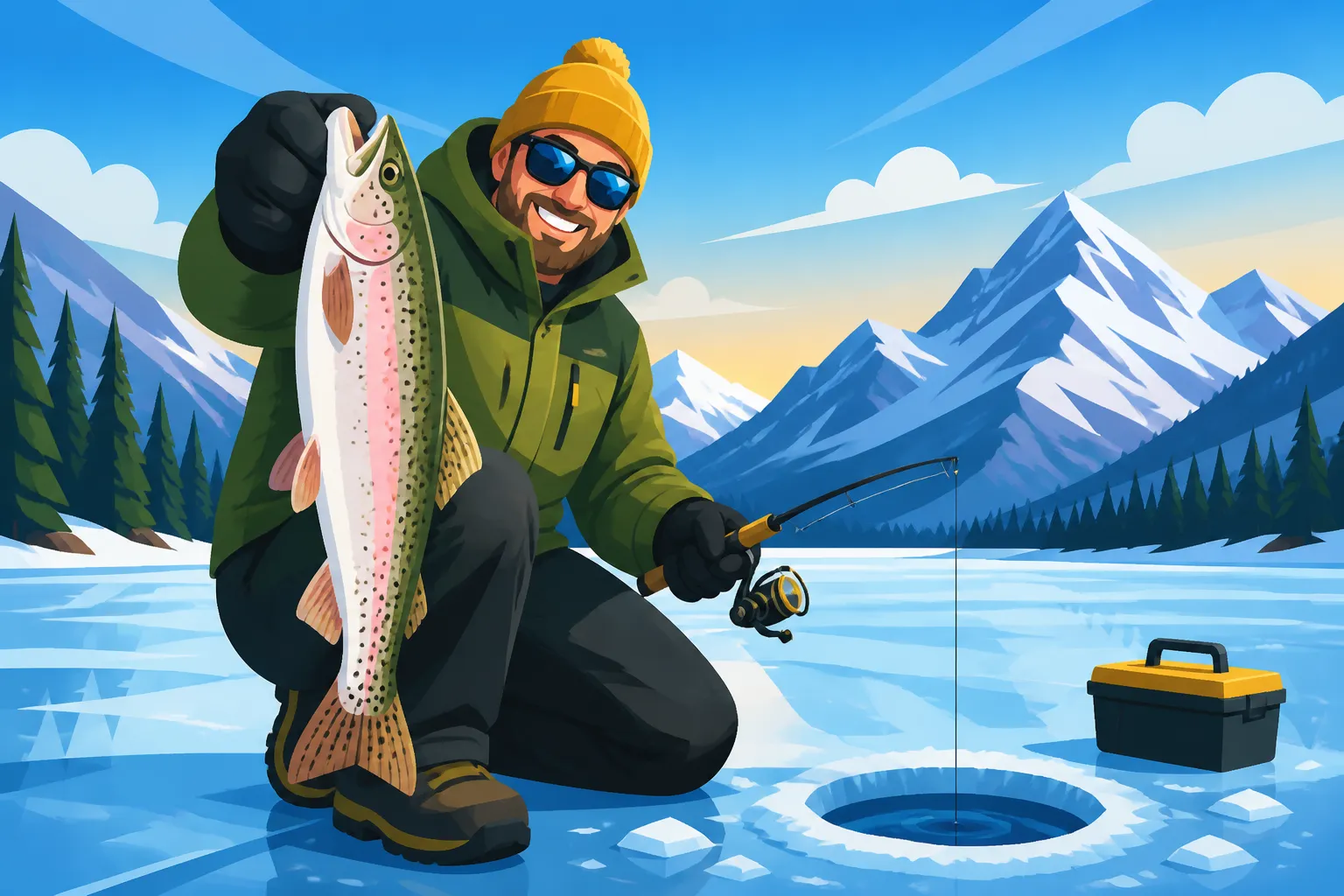
For many of us, the idea of ice fishing in Colorado sounds incredibly appealing—crisp mountain air, quiet solitude on a frozen lake, and the thrill of pulling a trout through a hole. But let's be honest, getting started can feel like a monumental task. There's the specialized gear, the safety concerns about ice thickness, and simply knowing where to even begin. That's where a guided ice fishing trip truly shines, taking away the guesswork and offering an accessible, safe, and often much more successful way to experience this unique winter pursuit. This guide will walk you through everything you need to know about embarking on a guided ice fishing adventure in the Centennial State.
Why Consider a Guided Ice Fishing Trip in Colorado?
Ice fishing isn't just a matter of drilling a hole and dropping a line. There's a whole world of specialized knowledge, equipment, and safety considerations that can be daunting for newcomers or even experienced anglers visiting from warmer climates. A guided trip can transform a potentially frustrating day into a memorable, educational, and fun experience.
Overcoming the Learning Curve
Imagine trying to figure out ice thickness, operate an auger, understand a fish finder, and choose the right jig all on your first go. It's a lot! Guided trips eliminate this steep learning curve. Your guide brings all the necessary equipment, from the ice augers that effortlessly cut through thick ice to the portable shelters that keep you warm and out of the wind. They'll show you how to use a flasher or fish finder to locate fish, teach you the proper techniques for jigging or setting tip-ups, and even help you identify what the fish are biting on that day. It's like having a seasoned mentor right by your side, passing on years of hard-earned wisdom in a single outing. This kind of hands-on instruction is invaluable, especially when you're targeting specific species or dealing with ever-changing conditions.
Access to Prime Ice Fishing Spots
Colorado's vast landscape offers countless lakes and reservoirs, but knowing which ones are safe to fish, which ones hold active fish, and where on those waters to set up is a local's secret. Guides spend their winters scouting, monitoring ice conditions, and tracking fish movements. They know the subtle underwater contours, the transition zones where fish congregate, and the preferred depths for different species. Instead of driving around aimlessly or relying on outdated online reports, a guided trip means you're almost guaranteed to be dropped off in a productive area. This local expertise is especially critical when you're after a particular species, whether it's trophy lake trout, feisty kokanee salmon, or schools of perch. Plus, they often have snowmobiles or ATVs to get you to remote spots that are otherwise difficult to reach, vastly expanding your fishing opportunities.
Safety and Expertise
Ice fishing, while generally safe with proper precautions, does come with inherent risks. Understanding ice conditions, knowing how to react if someone falls through, and navigating potentially dangerous weather are all part of the equation. A professional guide is trained in ice safety, first aid, and operates with a deep respect for the elements. They know how to assess ice thickness, recognize unstable areas, and are equipped with safety gear like ice picks and throw ropes. Furthermore, they are adept at monitoring changing weather conditions and will make informed decisions about when it's safe to be on the ice. This peace of mind allows you to focus purely on the fishing, knowing that an experienced professional is watching out for your well-being. It's an often-overlooked but crucial benefit, especially for families or solo anglers new to the sport.
What to Expect from a Guided Ice Fishing Trip
When you book a guided ice fishing trip in Colorado, you're not just paying for someone to take you to a lake; you're investing in an experience designed for success and comfort. From the moment you meet your guide, many of the logistical challenges are handled for you, allowing you to relax and enjoy the unique thrill of winter angling.
Gear and Equipment Provided
One of the biggest hurdles for anyone considering ice fishing is the sheer amount of specialized gear required. Auger, shanty, heater, flasher, specialized rods, lures, bait – it adds up quickly and can be a significant investment for a casual outing. With a guided trip, all of this is typically provided. Your guide will have a heavy-duty ice auger (often gas or electric powered, making quick work of thick ice), comfortable portable ice shelters (often heated!), and modern fish finders (like Vexilar or Marcum flashers) that show you exactly what's happening under the ice. You'll also get specialized ice fishing rods and reels, rigged with the right jigs, spoons, or bait for the species you're targeting. This means you don't have to buy, transport, or maintain any of this bulky and expensive equipment, making it incredibly convenient for travelers or those just wanting to try the sport. This can save you hundreds of dollars and a ton of hassle.
Typical Duration and Format
Guided ice fishing trips in Colorado usually come in half-day or full-day formats. A half-day trip might run about 4 hours, perfect for getting a taste of the action without committing to an entire day in the cold. Full-day trips often last 6-8 hours, giving you more time to explore different spots, try various techniques, and really settle into the rhythm of the day.
Most trips begin with meeting your guide at a predetermined spot near the chosen lake or reservoir. From there, you'll head onto the ice, often via snowmobile or ATV, to reach prime fishing locations. Once on site, the guide will set up the shelter, drill holes, and get the electronics running. Throughout the trip, they'll provide instruction, help with baiting hooks, unhooking fish, and generally ensure you have a productive and enjoyable time. Some guides even provide snacks, drinks, or a warm lunch cooked right in the shanty, adding to the comfort and camaraderie of the experience. It's truly a concierge-level fishing adventure on the ice.
Target Species and Techniques
Colorado's diverse waters offer a variety of fish species for ice anglers. Depending on the lake and time of year, your guided trip might focus on specific targets. Common species include rainbow trout, brown trout, lake trout (often called "mackinaw"), kokanee salmon, yellow perch, walleye, and northern pike. Your guide will select the best techniques based on what's biting and the conditions.
For trout and salmon, this often involves jigging small spoons or specialized ice flies, sometimes tipped with a piece of corn or a mealworm. Lake trout might require heavier jigs, tube baits, or dead bait presented deeper. Walleye and perch often respond well to small jigs tipped with minnows or plastics. Your guide will also explain the nuances of reading a fish finder – distinguishing between bottom-hugging fish and those suspended in the water column – and how to entice a bite with subtle rod movements. Knowing the daily bag limits for each species is also critical, and your guide will keep you informed on Colorado Bag and Possession Limits by Species.
Choosing the Right Guide and Trip
Selecting the right guided ice fishing trip in Colorado is crucial for a successful and enjoyable experience. Just like any service, guides and outfitters vary in their expertise, offerings, and personality. Taking the time to research and ask the right questions will help you find the perfect match.
Factors to Consider When Booking
Before you even start looking, think about what you want from your trip. Are you a complete beginner looking for basic instruction, or an experienced angler hoping to target a trophy fish? Are you going solo, with a buddy, or bringing the whole family, including kids? These factors will influence the type of guide and trip that's best for you.
When evaluating guides, consider their experience, particularly with ice fishing and the specific waters you're interested in. Look for guides who are passionate about teaching and patient, especially if you're a novice. Check out online reviews and testimonials; platforms like FishingBooker can be a great resource for seeing what previous clients have to say about a guide's professionalism, knowledge, and ability to put people on fish. Don't be afraid to ask about their safety record and what safety equipment they carry. Reputable guides will be happy to share this information and demonstrate their commitment to client safety.
Types of Guided Ice Fishing Experiences
Not all guided ice fishing trips are created equal. You'll find a range of experiences to choose from:
- Beginner-Focused Trips: These are perfect for first-timers, emphasizing instruction on equipment use, techniques, and ice safety. The focus is often on catching numbers of easier-to-catch species like rainbow trout or perch, ensuring plenty of action.
- Species-Specific Hunts: If you have your heart set on a monster lake trout, a giant northern pike, or a specific species, some guides specialize in these more challenging pursuits. These trips might involve more advanced techniques and target deeper, colder waters.
- Family-Friendly Outings: Many guides cater to families, understanding the need for patience and keeping kids engaged. They might offer shorter trips, focus on active spots, and make the experience fun for all ages. For details on age requirements, you can check out Do Kids Need a Fishing License in Colorado?.
- Luxury/Comfort-Oriented Trips: For those who prioritize comfort, some guides offer larger, fully enclosed, heated shanties, gourmet lunches, and perhaps even portable electronics for each angler. This elevates the experience beyond just fishing.
Key Questions to Ask Your Guide
Once you've narrowed down a few potential guides or outfitters, it's time to ask some specific questions to ensure the trip aligns with your expectations.
- What's included in the trip price? Clarify if bait, tackle, heated shelters, fish finders, and any food or drinks are part of the package. Some guides include everything, while others might expect you to bring your own bait. You'll want to know if Do Colorado Guided Trips Include Gear and Flies? before you go.
- What should I bring? Beyond the fishing gear, inquire about personal items like appropriate clothing, snacks, water, and your fishing license. For resident or non-resident license information, you can find details in Colorado Fishing License Guide for Residents and Nonresidents.
- What is your cancellation policy? Colorado weather can be unpredictable. Understand what happens if the trip needs to be canceled due to unsafe ice conditions or severe weather.
- What's the typical group size? This helps you gauge the guide's attention level. Smaller groups usually mean more personalized instruction.
- What species are we likely to target, and what's the success rate? While no guide can guarantee fish, they can give you a realistic idea of what's possible.
- Are fishing licenses and habitat stamps required? Yes, they are! Make sure you understand the requirements for Colorado's Habitat Stamp, Explained and that you have your license in hand. Many guides will also help ensure you're aware of Colorado's Second-Rod Stamp and Who Needs One if you plan to fish with two lines.
Popular Colorado Ice Fishing Destinations for Guided Trips
Colorado boasts an incredible array of lakes and reservoirs that freeze over sufficiently for ice fishing, and many guides operate in these popular, productive areas. Knowing which spots are prime for guided trips can help you choose your adventure.
High-Country Reservoirs
When people picture Colorado ice fishing, they often envision the vast, shimmering expanses of high-country reservoirs. These locations are renowned for their beauty, and more importantly, for holding impressive populations of cold-water species. Guides frequent these spots due to their consistent ice, abundant fish, and trophy potential.
- Blue Mesa Reservoir: Located near Gunnison, Fishing Colorado's Blue Mesa Reservoir is arguably Colorado's premier ice fishing destination, especially famous for its kokanee salmon and trophy lake trout. Guided trips here often involve targeting schools of kokanee closer to the surface with specialized jigs or chasing monster lake trout in deeper waters using heavy spoons or tube jigs. Guides on Blue Mesa utilize snowmobiles or ATVs to cover vast distances, taking clients to prime structure and fish concentrations. The sheer size and depth of Blue Mesa make local knowledge indispensable, which is why a guide is so valuable here. You'll often see groups huddled in heated shanties, watching their flashers light up with active fish. For those seeking specific game, charter boats for Charter Boats for Kokanee Salmon at Blue Mesa or Charter Boats for Lake Trout at Blue Mesa are popular options.
- Eleven Mile Reservoir: Nestled in the South Park region, Eleven Mile is a fantastic all-around fishery known for its large rainbow trout, kokanee salmon, and sometimes brown trout. Guides here excel at setting up comfortable camps on the ice, often with multiple holes drilled and diverse presentations to maximize catches. The reservoir's expansive flats and distinct drop-offs offer varied fishing opportunities, from shallower water trout to deeper kokanee. Fishing Eleven Mile Reservoir is a classic Colorado ice fishing experience, and a guide can help navigate the frequently changing conditions and active bite zones.
- Spinney Mountain Reservoir: Just upstream from Eleven Mile, Fishing Spinney Mountain Reservoir is a trophy trout haven. It's often windy, but the rewards can be immense. Guides take clients here for the chance at truly massive rainbow and cutthroat trout. The techniques might be a bit more subtle, focusing on larger fish that are often more wary. A guided trip to Spinney means having an expert help you endure the elements while maximizing your chances at a fish of a lifetime.
- Lake Granby & Grand Lake: These Grand County gems offer incredible scenery and diverse fishing opportunities. Guides on Fishing Grand Lake and Shadow Mountain Reservoir often target lake trout, kokanee, and sometimes northern pike. The interconnectedness of these lakes can be complex, and a guide's understanding of their unique fisheries is key.
Front Range Options
While the high country draws a lot of attention, several productive ice fishing spots are much closer to Colorado's Front Range urban centers, making them excellent choices for guided trips, especially for those with less time or who prefer a shorter drive.
- Chatfield Reservoir: Located just south of Denver, Fishing Chatfield Reservoir offers convenient ice fishing for a mix of species, including walleye, perch, rainbow trout, and even smallmouth bass. Guides here can take you to the most active zones, often focusing on structure like old creek channels or submerged vegetation. While not known for the "wilderness" feel of high-country lakes, Chatfield provides a fantastic opportunity for consistent action close to home. Understanding What Chatfield Reservoir Holds Besides Trout can diversify your catch.
- Cherry Creek Reservoir: Another urban gem, Fishing Cherry Creek Reservoir provides excellent opportunities for walleye, crappie, perch, and trout. Guided trips can be particularly effective here, as fish often relate to subtle depth changes and structure that are hard to find without local knowledge or good electronics. It's a great spot for an easy, accessible guided outing.
- Boyd Lake State Park: Up north near Loveland, Fishing Boyd Lake State Park Near Loveland offers fantastic ice fishing for walleye, crappie, perch, and trout. Guides here know the nuances of the lake's structure and can help you dial in the bite, whether you're jigging for perch or setting tip-ups for walleye. It's a popular spot, and having a guide ensures you're set up in a productive area away from the crowds or in the best spot within the crowds.
- Other Community Ponds and Lakes: Several smaller urban ponds and lakes receive regular stockings from Colorado Parks and Wildlife, providing easy access and often good action for trout and warmwater species. While not always serviced by dedicated guides, some independent guides or local fly shops might offer trips to these accessible spots, particularly for teaching beginners or kids. For more options in the city, check out Urban Fishing Ponds in the Denver Metro.
Preparing for Your Guided Ice Fishing Adventure
Even with a knowledgeable guide taking care of most of the details, a little preparation on your part can go a long way in ensuring your guided ice fishing trip in Colorado is comfortable, safe, and maximally enjoyable. After all, you'll be spending time outdoors in winter conditions!
What to Wear and Bring
The most critical aspect of preparing for ice fishing is dressing in layers. Colorado winters, especially on frozen lakes, can be intensely cold, windy, and sunny, sometimes all in the same day.
- Base Layers: Start with moisture-wicking synthetic or merino wool base layers against your skin. Avoid cotton, which holds moisture and will make you feel colder.
- Mid-Layers: Add fleece, down, or wool layers for insulation. Multiple thinner layers are better than one thick one, as they allow you to adjust to changing temperatures.
- Outer Layers: Your outermost layer should be waterproof and windproof. A good quality ski jacket and snow pants (or even an ice fishing suit designed for warmth and flotation) are ideal.
- Extremities: Don't forget your head, hands, and feet! A warm hat that covers your ears is essential. Insulated, waterproof gloves or mittens are a must. For your feet, wear warm wool or synthetic socks and insulated, waterproof boots. You'll be standing or sitting on ice, so good insulation is key.
- Sunglasses and Sunscreen: Even in winter, the sun can be intense, especially when reflecting off snow and ice. Protect your eyes and skin.
- Personal Items: While guides often provide snacks and drinks, it's wise to bring your own water bottle (insulated to prevent freezing) and any specific snacks you prefer. Don't forget any personal medications. And, of course, your valid Colorado Fishing License Guide for Residents and Nonresidents and Colorado's Habitat Stamp, Explained.
Understanding Costs and Tipping
The cost of a guided ice fishing trip in Colorado varies significantly based on duration, group size, location, and what's included. Expect to pay a range of prices, with half-day trips typically being less expensive than full-day trips. Solo trips are often more per person than if you split the cost among a small group. You can generally expect What a Half-Day Colorado Guided Fishing Trip Costs to be less than What a Full-Day Colorado Guided Fishing Trip Costs.
Beyond the base price, it's customary to tip your guide. Tipping is an important part of the guide industry and acknowledges their hard work, expertise, and effort in making your trip successful. A standard tip for a fishing guide is typically 15-20% of the trip's total cost, assuming you had a good experience. If your guide went above and beyond, a higher tip is always appreciated. Be prepared with cash for this, as many guides prefer it. Your guide works hard to provide a memorable and safe experience, and a generous tip is a great way to show your appreciation for their service and knowledge.
Disclaimer
This article is for general informational purposes only and does not constitute professional advice. Laws, prices and regulations vary by location and change over time. Consult a qualified professional for guidance on your specific situation.