Guided Trips Near Telluride and the San Juans
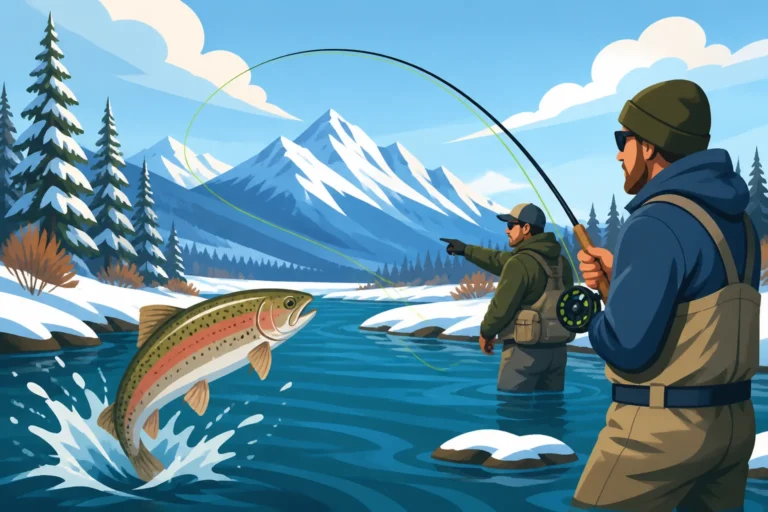
There's a special kind of magic that hums through the air in Colorado's San Juan Mountains, especially around a place like Telluride. If you've ever dreamt of casting a line into waters so clear you can see every pebble on the bottom, surrounded by peaks that scrape the sky, you know exactly what I'm talking about. But the sheer wildness of this region can be intimidating for anglers, making it tough to know where to go or how to navigate the challenging terrain. This guide is all about helping you understand how a guided fishing trip can unlock the incredible angling opportunities near Telluride and throughout the San Juan range, taking the guesswork out of your mountain adventure.
Why the San Juan Mountains are an Angler's Dream (and Challenge)
The San Juans aren't just another pretty mountain range; they offer a fishing experience unlike almost anywhere else in Colorado. But with that unparalleled beauty comes a certain level of wildness and challenge that can be daunting for even experienced anglers who aren't familiar with the area. It's a land of extremes, from serene alpine lakes to roaring river canyons, and each presents its own unique set of rewards and hurdles.
The Untamed Beauty of Alpine Waters
Imagine hiking through a wildflower-strewn meadow, the air crisp and carrying the scent of pine, only to crest a rise and see a glassy, emerald-green lake nestled perfectly in a glacial cirque. This is the everyday reality of fishing in the high country of the San Juans. Many of these alpine lakes and streams are truly remote, requiring a solid hike, sometimes even an overnight backpack, to reach. They hold wild, often brightly colored trout that rarely see a fly or lure, making the experience incredibly rewarding. You might find yourself casting to brook trout in a small creek tumbling down a mountainside, or targeting cutthroats in a vast, deep lake where the only sound is the wind. The sheer isolation can be a powerful draw, offering a chance to disconnect and truly immerse yourself in nature.
However, this untamed beauty means there are no paved roads to these spots, no easy access points with picnic tables. You're often bushwhacking, navigating tricky trails, and relying on your own navigation skills. The weather can change in an instant, from a warm, sunny morning to a hail storm by afternoon. It's an adventure, certainly, but one that requires preparedness and a good understanding of mountain safety. A guide here isn't just about finding fish; it's about navigating the wilderness safely and efficiently.
A Haven for Native Trout Species
The San Juan Mountains are a stronghold for Colorado's native trout species, particularly the various subspecies of cutthroat trout. While rainbow and brown trout are plentiful in many parts of the state, the high-altitude, pristine waters of the San Juans are where you can truly connect with fish that have called these mountains home for millennia. You might encounter Colorado River Cutthroat Trout in their ancestral ranges, or even the rare and federally protected Greenback Cutthroat Trout in carefully managed recovery waters. Catching a vibrantly colored native cutthroat, with its distinct orange slashes under the jaw, is a truly special moment and a highlight for many visiting anglers. You can learn more about these incredible fish in our article on Colorado's Native Cutthroat Trout Subspecies.
These native populations are often more sensitive to environmental changes and angling pressure, which means strict regulations are often in place to protect them. You might find catch-and-release only sections, or specific limits on certain species. A good guide will not only know where these fish are but also how to fish for them ethically and in compliance with all regulations, ensuring their continued survival for future generations. They understand the delicate balance of these ecosystems and how to minimize impact while maximizing your chances of a memorable catch.
Navigating High-Altitude Fishing Conditions
Fishing at elevations often exceeding 9,000 or even 10,000 feet brings its own set of challenges. The air is thinner, which can be exhausting for those not accustomed to it, especially if you're hiking into a remote lake. The sun's UV rays are much more intense, demanding diligent sun protection. Weather patterns are notoriously unpredictable, with clear mornings often giving way to intense afternoon thunderstorms, complete with lightning and hail. Water temperatures are significantly colder, influencing fish behavior and requiring specific fly or lure choices.
Moreover, the high-country fishing season is relatively short, typically from late June or early July through September, depending on snowmelt and early snowfall. This means timing your trip is crucial. A local guide has spent countless seasons learning the nuances of these high-altitude environments, understanding how changes in barometric pressure, sudden storms, or even just the time of day can affect fishing. They know how to rig for the often crystal-clear, slow-moving water of an alpine lake or the fast, oxygenated flows of a mountain stream, and they can help you adapt to the conditions on the fly.
Deciding on the Right Guided Experience Near Telluride
Once you've decided the San Juans are calling your name, the next step is figuring out what kind of guided trip is the best fit for you. There's no one-size-fits-all answer, as the region offers a diverse array of experiences, from relaxed floats to rigorous backcountry excursions. Your choice will depend on your physical fitness, angling experience, and what you hope to get out of your adventure.
Float Trips vs. Walk-Wade Adventures
The San Juans offer both options, each with distinct advantages.
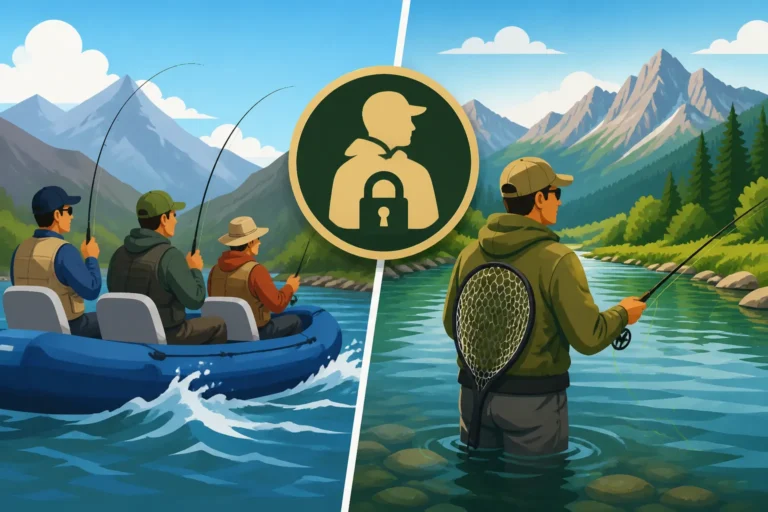
- Walk-Wade Trips: These involve driving to various access points along a river or stream and then walking and wading the water. This is a fantastic option if you love the intimacy of being directly in the stream, reading the water yourself (with your guide's expert input, of course), and exploring different pockets and riffles on foot. It allows for more precise casting and a slower, more deliberate approach to fishing. Many of the smaller, higher-gradient streams in the San Juans are only fishable via walk-wade. It's also often more physically demanding, as you'll be navigating uneven terrain, rocks, and potentially swift currents. If you're looking to hike into a high-country lake or explore smaller tributaries, a walk-wade trip is typically what you're signing up for. You can explore more about this in our Guided Walk-Wade Trips on Colorado Rivers article.
- Float Trips: For larger rivers like the San Miguel, Dolores, or even sections of the Animas River further south, float trips offer a unique perspective and access to water that's difficult or impossible to reach from the bank. You'll typically be in a drift boat, raft, or a specialized fishing kayak, covering many miles of river in a day. This is a great choice if you prefer a less physically demanding day, want to cover more ground, or enjoy the thrill of casting from a moving platform. Guides are expert oarsmen, positioning the boat perfectly so you can focus on your cast and presentation. While some float trips allow you to hop out and wade certain sections, the primary mode of fishing is often from the boat itself. Learn more about floating in Guided Float Trips on Colorado Rivers.
Think about your comfort level with physical exertion and your desire to cover water versus meticulously dissecting a single stretch. Both offer incredible experiences, but cater to different preferences.
Customizing Your Trip: Half-Day, Full-Day, or Multi-Day?
The duration of your guided trip is another key consideration, influenced by your budget, time constraints, and stamina.
- Half-Day Trips: These are perfect for beginners looking to get a taste of fly fishing, families with younger kids who might not have the longest attention spans, or seasoned anglers who just want a quick hit of the San Juan experience. They typically last around 4 hours. While you won't cover as much ground or have as much instruction as a full-day, it's a great introduction. Generally, a What a Half-Day Colorado Guided Fishing Trip Costs will be less, making it a good entry point.
- Full-Day Trips: This is the most popular option for a reason. Lasting typically 8 hours, a full-day trip allows for comprehensive instruction, exploration of multiple fishing spots, and ample time to hone your skills and find fish. Your guide can take you to more remote locations, providing a deeper immersion into the San Juan wilderness. It's a fantastic value for the amount of knowledge and experience you gain. Check out What a Full-Day Colorado Guided Fishing Trip Costs for more detailed information on pricing.
- Multi-Day Trips: For the adventurous angler seeking a true wilderness immersion, multi-day trips are the pinnacle. These can involve backpacking into remote alpine lakes, camping riverside, or even floating longer stretches of river with overnight camps. They offer the most profound connection to the landscape and the best chance at truly wild fish that rarely see human presence. These are often custom-designed and require significant planning but provide unforgettable memories.
Consider the other activities you have planned around Telluride, your travel companions, and your budget when making this decision. A good guide service can help you tailor the perfect duration.
Fly Fishing, Spin Fishing, or a Mixed Bag?
Colorado, especially its renowned trout waters, is heavily associated with fly fishing, and the San Juans are no exception. Many of the guided trips in this region will be fly fishing focused, as the delicate presentation and specific fly patterns often yield the best results for the wary trout in these clear mountain waters. Your guide will be an expert in matching the hatch, reading currents, and teaching you the proper casting techniques.
However, if you're primarily a spin angler, don't despair! Some guides and outfitters are happy to accommodate spin fishing, especially in certain lakes or for specific species where lures are effective. It's crucial to communicate your preferred method when booking your trip. If you're new to fly fishing, a guided trip is an excellent way to learn the basics, as your guide will provide all the necessary instruction and gear. They can show you how to read the water, identify bug activity, and present your fly properly. Don't feel like you need to be an expert to try fly fishing – that's what a good guide is for!
What to Expect When Booking a San Juan Guided Trip
Booking a guided trip in the rugged San Juan Mountains isn't just about showing up with a rod. It involves a partnership with your guide, who will handle many of the logistics, but also requires a bit of preparation on your end to ensure a smooth and successful outing.
The Gear and Logistics Your Guide Provides
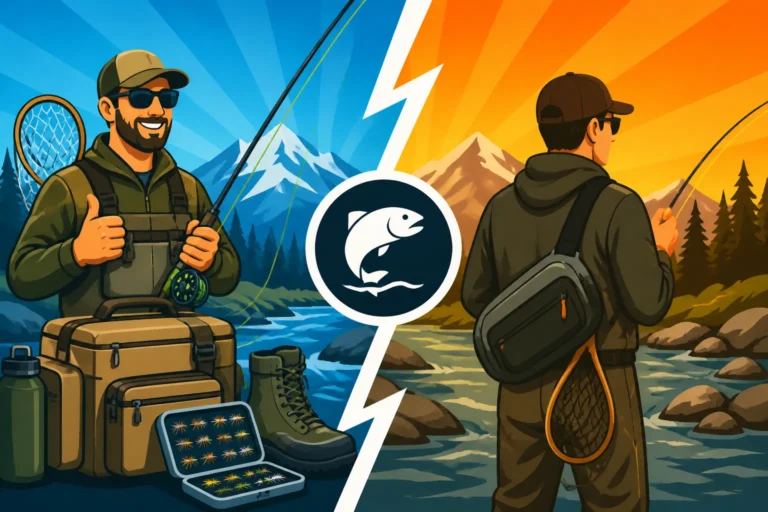
One of the biggest advantages of hiring a guide, especially in a region as remote as the San Juans, is that they typically handle almost all the essential gear and logistics. This means you don't have to worry about packing a full fly shop or navigating treacherous mountain roads with a heavy boat.
Most reputable guides will provide:
- Rods, Reels, and Flies/Lures: They'll have top-notch equipment perfectly suited for the local conditions and the fish you'll be targeting. They also know exactly what flies are "hatching" or what lures are currently working best.
- Waders and Boots: Often, guides can provide waders and wading boots in your size, saving you the hassle of renting or bringing your own. This is especially helpful if you're flying in or new to the sport.
- Terminal Tackle: Leaders, tippet, split shot, indicators – all the little things that can add up and be confusing for a beginner are taken care of.
- Lunch and Snacks: For full-day trips, a delicious riverside lunch, often including drinks and snacks, is typically included. Half-day trips might offer snacks and water.
- Transportation (from a meeting point): While you'll usually meet your guide at a predetermined spot in or near Telluride, they'll then provide transportation to and from the fishing location, which could involve driving on rough backcountry roads.
- Instruction and Expertise: This is perhaps the most valuable offering. Your guide brings years of local knowledge, teaching you casting techniques, knot tying, fish identification, and how to read the water. You can find more details on What's Included in a Colorado Guided Fly Fishing Trip.
What this means for you is less stress about packing, less gear to buy, and more focus on enjoying the breathtaking scenery and the thrill of the catch.
A Day in the Life: From Meet-Up to Fish Tales
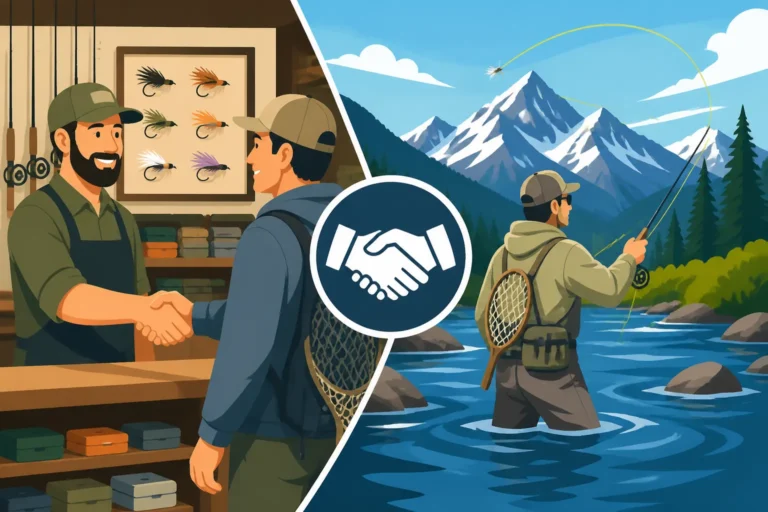
A typical guided day in the San Juans usually starts bright and early. You'll likely meet your guide at an agreed-upon location, often a local fly shop or designated spot in Telluride. This is where you'll sign any necessary waivers, get fitted for waders if needed, and discuss the day's plan. Your guide will have checked conditions, weather, and recent fishing reports to select the best water for the day, which might be a river, a small creek, or an alpine lake.
From the meeting point, you'll travel with your guide to the fishing spot. This drive can sometimes be an adventure in itself, with stunning views and insights from your guide about the local area. Once you arrive, your guide will help you gear up, provide a quick rundown of the environment, and offer casting instruction if you're new to the sport or need a refresher.
Then, it's time to fish! Your guide will lead you to prime spots, point out where fish are likely holding, and suggest flies or lures. They'll be right there with you, offering tips, encouragement, and netting fish. For float trips, they'll expertly maneuver the boat, ensuring you have the best possible drifts. Throughout the day, expect discussions about local wildlife, geology, and the history of the area, making it a truly immersive experience. Lunch will be a scenic affair, often enjoyed streamside. The day concludes back at the meeting point, where you'll share stories, successes, and perhaps even make plans for your next San Juan adventure.
Essential Preparations and Etiquette
While your guide handles most things, there are a few key preparations you'll want to make to ensure a comfortable and respectful trip:
- Colorado Fishing License and Habitat Stamp: This is non-negotiable. Everyone 16 years or older needs a valid Colorado fishing license and a Habitat Stamp. Your guide will ask to see it, and wildlife officers can check at any time. Make sure to purchase these before your trip. Understanding Colorado Fishing Regulations Every Angler Should Know is crucial.
- Appropriate Clothing: Dress in layers! Mountain weather can be highly variable. Think quick-drying fabrics, a good rain jacket, and warm layers, even in summer. A wide-brimmed hat, polarized sunglasses, and sunscreen are also essential for protection against the intense high-altitude sun.
- Physical Fitness: Be realistic about your fitness level, especially for walk-wade or alpine lake trips. You might be hiking on uneven terrain for several miles at high elevation. Communicate any physical limitations to your guide beforehand.
- Tipping: Guides work incredibly hard to provide a great experience. Tipping is customary and much appreciated. A good rule of thumb is 15-20% of the trip cost, given directly to your guide at the end of the day. Our guide on Tipping a Colorado Fishing Guide, What's Standard offers more detail.
- Communication: Don't hesitate to ask questions, share your goals for the day, and let your guide know if you're cold, tired, or need a break. Clear communication ensures the best possible experience for everyone.
By taking care of these details, you set yourself up for an enjoyable and memorable day on the water, allowing your guide to focus on what they do best: putting you on fish in one of the most stunning landscapes imaginable.
How to Find and Secure Your Ideal San Juan Fishing Guide
Finding the right guide is like finding the right fishing buddy – it makes all the difference. In a region as special as the San Juans, you want someone who not only knows the water inside and out but also aligns with your fishing style and personality.
Researching Local Outfitters and Independent Guides
Your first step in finding a guide in the Telluride and San Juan area should involve thorough research. There are several ways to approach this:
- Local Fly Shops: In towns like Telluride, Ridgway, or even further afield in Durango or Pagosa Springs, local fly shops are often the hub for guided trips. They employ experienced guides who specialize in the local waters and can offer invaluable insights. Stopping in or calling these shops directly gives you a feel for their operation and the guides they work with.
- Online Search and Outfitter Websites: A simple online search for "Telluride fishing guides" or "San Juan fly fishing outfitters" will yield many results. Spend time looking at their websites, checking out guide bios, reading testimonials, and seeing what kind of trips they specialize in. Look for details on their experience, their guiding philosophy, and photos of their past trips.
- Online Booking Platforms: Websites like FishingBooker can be a great resource. They consolidate listings from various guides and outfitters, often with customer reviews, detailed trip descriptions, and an easy booking interface. This allows you to compare multiple options in one place, read honest feedback from previous clients, and get a clear picture of what different guides offer in the Telluride and San Juan regions. It's a convenient way to survey the landscape of available guides.
- Word of Mouth: If you know other anglers who have fished the San Juans, ask for their recommendations! A personal referral can be gold.
Don't rush this process. The San Juans are wild and remote, and a good guide is essential for a safe and successful trip. Look for guides who emphasize conservation and ethical angling practices, especially when fishing for native cutthroat trout.
Asking the Right Questions Before You Book
Once you've identified a few potential guides or outfitters, it's time to reach out and ask some specific questions. This helps ensure there are no surprises and that the trip meets your expectations. Here are some key questions to consider:
- "What are your specialties?" Some guides excel at dry fly fishing, others at nymphing, or perhaps targeting specific species like cutthroat in alpine lakes. Matching their expertise to your interests is important.
- "What waters do you typically guide in the Telluride/San Juan area?" Confirm they guide the specific type of water (rivers, streams, lakes) and locations you're interested in.
- "What's your experience guiding beginners/experienced anglers/families?" Make sure they can cater to your skill level and group dynamics.
- "What's included in the trip cost, and what do I need to bring?" Reconfirm gear, meals, and any personal items you're responsible for.
- "What's your cancellation policy, especially for weather?" Mountain weather is unpredictable. Understand what happens if a storm rolls in or conditions become unsafe.
- "Are you licensed and insured?" All reputable guides and outfitters in Colorado should be.
- "Do you provide instruction during the trip?" This is particularly important for beginners or those wanting to refine their skills.
Asking these questions helps you not only assess the guide's professionalism but also ensures you feel comfortable and confident in their ability to lead your adventure. Our article Hiring a Fishing Guide in Colorado, What to Expect goes into even greater detail about this.
Making the Reservation and Preparing for Your Adventure
Once you've found your ideal guide and had all your questions answered, it's time to make the reservation. Many outfitters will require a deposit to secure your date, especially during peak season in the summer and fall. Platforms like FishingBooker often streamline this process, allowing for secure online booking and payment.
After booking, your guide or the outfitter will typically send a confirmation with all the details: meeting time and location, what to wear, what to bring, and their contact information. Review this carefully.
In the days leading up to your trip, keep an eye on the weather forecast for the Telluride and San Juan region. This will help you pack appropriately. Confirm your fishing license is valid and readily accessible. If you have any last-minute questions or concerns, don't hesitate to reach out to your guide. They want you to have the best possible experience and are there to help. By planning ahead and communicating clearly, you'll be well on your way to an unforgettable guided fishing trip amidst the towering peaks and pristine waters of Colorado's San Juan Mountains.
Disclaimer
This article is for general informational purposes only and does not constitute professional advice. Laws, prices and regulations vary by location and change over time. Consult a qualified professional for guidance on your specific situation.