Guided Trips for Northern Pike in Colorado
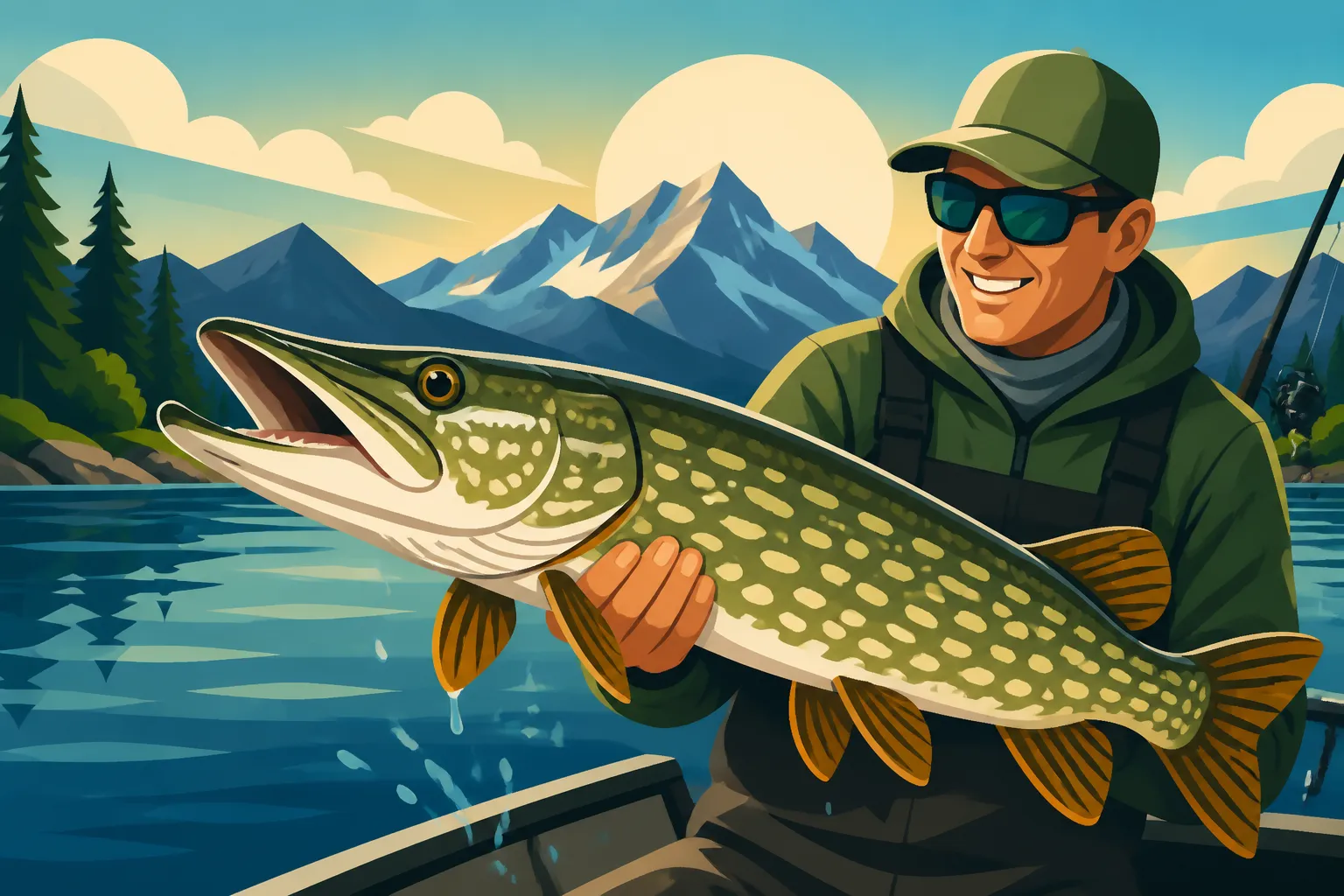
Hunting for northern pike in Colorado can be a thrilling pursuit, but let's be honest, figuring out the best waters and techniques for these aggressive predators isn't always straightforward. It's easy to feel overwhelmed by the sheer size of some of our reservoirs or confused by regulations that vary from one lake to the next. You want to land one of those toothy giants, but you might not know where to start. This guide is designed to help you understand how a guided trip can be your ticket to success, cutting through the guesswork and getting you face-to-face with Colorado's impressive northern pike.
Why a Guided Northern Pike Trip in Colorado Is a Game-Changer
Chasing northern pike in Colorado is a totally different ballgame than, say, fly fishing for trout on a tailwater. Pike are ambush predators, often found in specific structures, and they demand a different set of skills and specialized gear. For many anglers, especially those new to Colorado or new to targeting pike specifically, a guided trip can dramatically increase your chances of success and make the entire experience far more enjoyable. It’s not just about catching fish; it’s about learning the ropes from someone who lives and breathes these waters.
Navigating Pike-Specific Challenges
Colorado's diverse aquatic ecosystems present unique challenges when it comes to northern pike. While pike are found in many states, their distribution and behavior in our high-altitude reservoirs and sometimes restrictive waters require a local touch. Guides are intimately familiar with these nuances, understanding water levels, seasonal movements, and the specific forage that pike key into. For instance, knowing which weed lines are holding baitfish, or which submerged timber piles offer the perfect ambush point, is knowledge often gained only through years on the water. A good guide isn't just taking you fishing; they're teaching you how to read the water and adapt to conditions.
You might also encounter specific regulations concerning pike, particularly in waters where they are considered an invasive species or where their populations are managed to protect native fish. Some lakes might have no bag limit, encouraging anglers to keep all pike caught, while others might have specific size restrictions. These rules can change, and keeping up with them can be a headache. Your guide will be completely up-to-date on all the local rules, ensuring your trip is not only productive but also compliant. This eliminates that nagging worry about accidentally breaking a rule you didn't even know existed.
Accessing Prime Pike Habitat
Many of Colorado's best pike waters are large reservoirs, and successfully fishing them often means covering a lot of ground. Unless you have your own boat equipped with sonar, a powerful motor, and the right trolling gear, you might find yourself limited to shore fishing in less productive areas. Guides typically operate out of well-equipped boats, allowing them to reach prime offshore structures, deep channels, and vast weed beds that are otherwise inaccessible. This expanded access means your guide can get you directly to where the big pike are known to roam, vastly increasing your odds compared to guessing from the bank.
Think about a massive reservoir like Blue Mesa, known for its trophy pike potential. Trying to navigate and effectively fish such a vast body of water for the first time on your own can be incredibly daunting. A guide, however, knows the particular coves, submerged islands, and deepwater haunts where pike congregate during different seasons. They can position you perfectly for casting into known hot spots or set up effective trolling patterns to cover expansive areas efficiently. This local expertise is invaluable and transforms a potentially frustrating day into a genuinely productive one.
Prime Colorado Waters for Guided Pike Trips
While northern pike are scattered across various reservoirs and lakes in Colorado, certain locations stand out as consistent producers for both numbers and trophy-sized fish. These are the waters where guides typically focus their operations, offering trips specifically tailored to targeting these exciting predators. Knowing which waters offer the best pike action can help you narrow down your search for a guide.
Noteworthy Pike Hotspots
Several Colorado reservoirs are legendary among pike anglers. Blue Mesa Reservoir, near Gunnison, is often at the top of the list. It’s a massive body of water, offering immense potential for truly colossal pike. The sheer size of Blue Mesa means a guide is almost essential to navigate and find the most productive areas, whether you’re casting into coves or trolling deep structure. Other fantastic options include Spinney Mountain Reservoir and Eleven Mile Reservoir, both renowned for producing some truly massive pike. These waters are managed carefully, often with specific regulations to balance pike populations with other sport fish.
Then there's Williams Fork Reservoir, tucked away near Parshall, which is another consistent producer, especially for those seeking a good number of hard-fighting pike. Green Mountain Reservoir, located near Silverthorne, also offers exciting pike opportunities, though it can be a bit more challenging to unlock its secrets without local knowledge. Each of these lakes has its own character, from shallow, weedy bays to deep, rocky points, and a guide will know exactly where the pike are likely to be lurking based on the time of year and current conditions. Colorado's Northern Pike, Where They're Legal is a great resource if you want to dig deeper into specific regulations for these areas.
Understanding Pike Behavior in Different Waters
The behavior of northern pike can vary significantly from one body of water to another, influenced by factors like water temperature, forage availability, and underwater structure. In a shallow, weedy lake, pike might be found ambushing prey from dense vegetation. In deep, clear reservoirs, they might suspend in open water or hug drop-offs, making them trickier to locate. A seasoned guide understands these subtle differences and can adjust tactics accordingly. They know when to cast large spinnerbaits into submerged weed beds, when to troll oversized crankbaits over open water, or when to vertically jig spoons along sharp breaks.
For example, in a place like Spinney Mountain Reservoir, where the pike grow incredibly large, the fishing can be highly visual, with pike often following lures right to the boat before striking. A guide will coach you on the proper retrieve and presentation to trigger these strikes. In contrast, at a reservoir known for its deep structure, a guide might use specialized electronics to mark fish and then position the boat for precise jigging or trolling presentations. They know that what works on one lake won't necessarily work on another, and they've already done the homework for you.
What to Expect on Your Guided Northern Pike Trip
Embarking on a guided pike trip is an adventure, and knowing what to expect can help you prepare and get the most out of your experience. From the gear you'll use to the techniques your guide will employ, it's typically a much more focused and intensive outing than a casual fishing trip.
Gear and Techniques Tailored for Pike
One of the biggest advantages of a guided pike trip is the access to specialized gear. Pike have incredibly sharp teeth, so heavy-duty tackle, wire leaders, and large, robust lures are essential. Many anglers don't own this kind of setup, and buying it all for a single trip can be costly. Your guide will provide everything you need: stout rods, reels spooled with strong line, and a tackle box full of proven pike baits like large spoons, spinnerbaits, jerkbaits, and swimbaits. You won't have to worry about showing up with inadequate gear or losing a trophy fish because your leader wasn't up to the task. If you're curious about specific lure types, check out Best Lures for Northern Pike in Colorado Reservoirs.
Beyond the gear, guides are masters of pike-specific techniques. They'll show you how to effectively cast these large lures, how to work them through the water to entice a strike, and how to fight a powerful pike that's thrashing and jumping. You might learn techniques like "figure-eighting" a lure at the boat, a common tactic to trigger strikes from following fish. Whether it's casting to visible structure, slow-trolling vast flats, or using specific jigging methods, your guide will teach you the nuances that translate into more fish in the net.
| Gear Category | Typical Items Provided by Guide | Why It Matters for Pike |
|---|---|---|
| Rods & Reels | Heavy-action spinning or casting rods, baitcasting reels, large capacity spinning reels | Needed for casting heavy lures and handling powerful, strong-fighting fish. |
| Line & Leaders | Braided main line (30-65lb), steel or fluorocarbon leaders (heavy gauge) | Braided line offers strength and sensitivity; wire/heavy fluoro prevents bite-offs from sharp teeth. |
| Lures | Large spoons (Daredevils, Five of Diamonds), spinnerbaits (large blades), jerkbaits, swimbaits, soft plastic baits | These mimic larger prey and trigger the aggressive instincts of pike. |
| Pliers/Tools | Long-nosed pliers, jaw spreaders, hook removers, measuring tape | Essential for safely unhooking fish, protecting both angler and fish from sharp teeth. |
| Net | Large, rubberized landing net | Crucial for safely landing and handling large, thrashing pike without injuring them or removing their protective slime layer. |
| Electronics | Advanced fish finders, GPS mapping, trolling motors with Spot-Lock | Helps locate structure, baitfish, and pike efficiently, and hold boat position in wind. |
Conservation and Species Interaction
Colorado Parks and Wildlife (CPW) actively manages northern pike populations, and in some waters, they are considered non-native and can negatively impact native fish species, including our precious native trout. Because of this, you'll find varying regulations. For instance, in some reservoirs, there's no limit on pike, and anglers are encouraged to harvest them. In others, more restrictive limits might apply. Your guide will educate you on these specific conservation efforts and ensure you are fishing responsibly and legally. Understanding Why Colorado Culls Pike From Some Waters is important gives you a deeper appreciation for the role you play as an angler.
On a guided trip, you'll often learn about the ecological balance of the lake you're fishing. A guide can explain how pike interact with other species, such as kokanee salmon or lake trout, and how management strategies aim to maintain healthy fisheries for all. This knowledge adds an extra layer of understanding to your trip, transforming it from just a fishing outing into an educational experience about Colorado's aquatic environment. You might even learn how to tell a difference between native and stocked trout, or other important distinctions for ethical fishing.
Choosing the Right Pike Guide for Your Colorado Adventure
Selecting the right guide is paramount for a successful and enjoyable northern pike trip. Not all guides specialize in pike, and even those who do might have different styles or preferred waters. Taking the time to research and ask the right questions will ensure you find a guide who matches your expectations and delivers an unforgettable experience.
Vetting Potential Guides
Start by looking for guides and outfitters who specifically advertise northern pike trips. Many guides focus almost exclusively on trout, so make sure their expertise aligns with your target species. Online platforms like FishingBooker are excellent resources for finding guides. You can often filter by target species, location, and read reviews from other anglers. Pay close attention to reviews that mention pike success, guide personality, and the quality of their equipment. When you're Hiring a Fishing Guide in Colorado, What to Expect generally applies, but for pike, you want someone with a proven track record.
Don't hesitate to reach out to potential guides directly. Ask them about their experience targeting pike on your chosen body of water. Inquire about their typical trips—are they focused on quantity or trophy hunting? What methods do they prefer (casting, trolling, jigging)? A good guide will be transparent about their approach and what you can realistically expect. Also, ask about their boat and equipment. Since pike fishing involves heavy gear and potentially long days on large reservoirs, a comfortable and well-maintained vessel is a huge plus.
Essential Questions to Ask Before Booking
Before you commit to a guide, here are a few key questions to consider:
- What's included in the trip? Does the price cover all tackle, bait, safety equipment, and any necessary permits (beyond your personal fishing license)? Will they provide lunch or snacks? Knowing this upfront prevents surprises. It's important to remember that Do You Need Your Own License for a Guided Trip in Colorado? and a Habitat Stamp are always required for each individual angler, even with a guide.
- What are your cancellation and reschedule policies? Colorado weather can be unpredictable. Understand what happens if the weather turns foul or if you need to change your plans.
- What's the typical group size? If you're fishing with family or friends, ensure the guide's boat can comfortably accommodate your group.
- What kind of fish can I expect to catch (size and numbers)? While no guide can guarantee fish, they can give you a realistic idea based on seasonal patterns and historical success.
- What should I bring? Beyond your license, a guide might recommend specific clothing, sunscreen, hats, and sunglasses. You'll want to know What to Wear on a Colorado Guided Fishing Trip to be prepared.
Talking through these details helps set clear expectations and ensures everyone is on the same page for a fantastic day on the water. Many guides are happy to discuss these points, and a good conversation upfront can lead to a much better experience. Platforms like FishingBooker often make this easy with messaging features.
Cost and Logistics
The cost of a guided pike trip in Colorado can vary significantly based on factors like trip duration (half-day vs. full-day), the specific body of water, and the guide's experience level. Generally, you can expect guided trips for pike to be comparable to other specialty guided fishing trips, sometimes a bit more due to the specialized equipment involved. It's always a good idea to confirm rates and payment methods upfront. Many guides require a deposit to secure your booking.
Logistics also play a role. Discuss meeting points, travel time to the lake, and the anticipated length of your day. Some guides operate out of specific marinas or boat ramps, while others might meet you at a more convenient location. If you're traveling from afar, factor in lodging and transportation to your chosen fishing destination. By planning these details in advance, you can minimize stress and maximize your time on the water, focusing on the thrill of the chase for Colorado's magnificent northern pike. When it comes to booking, don't forget to ask about tipping your guide; Tipping a Colorado Fishing Guide, What's Standard is always a good question to have an answer to.
Disclaimer
This article is for general informational purposes only and does not constitute professional advice. Laws, prices and regulations vary by location and change over time. Consult a qualified professional for guidance on your specific situation.