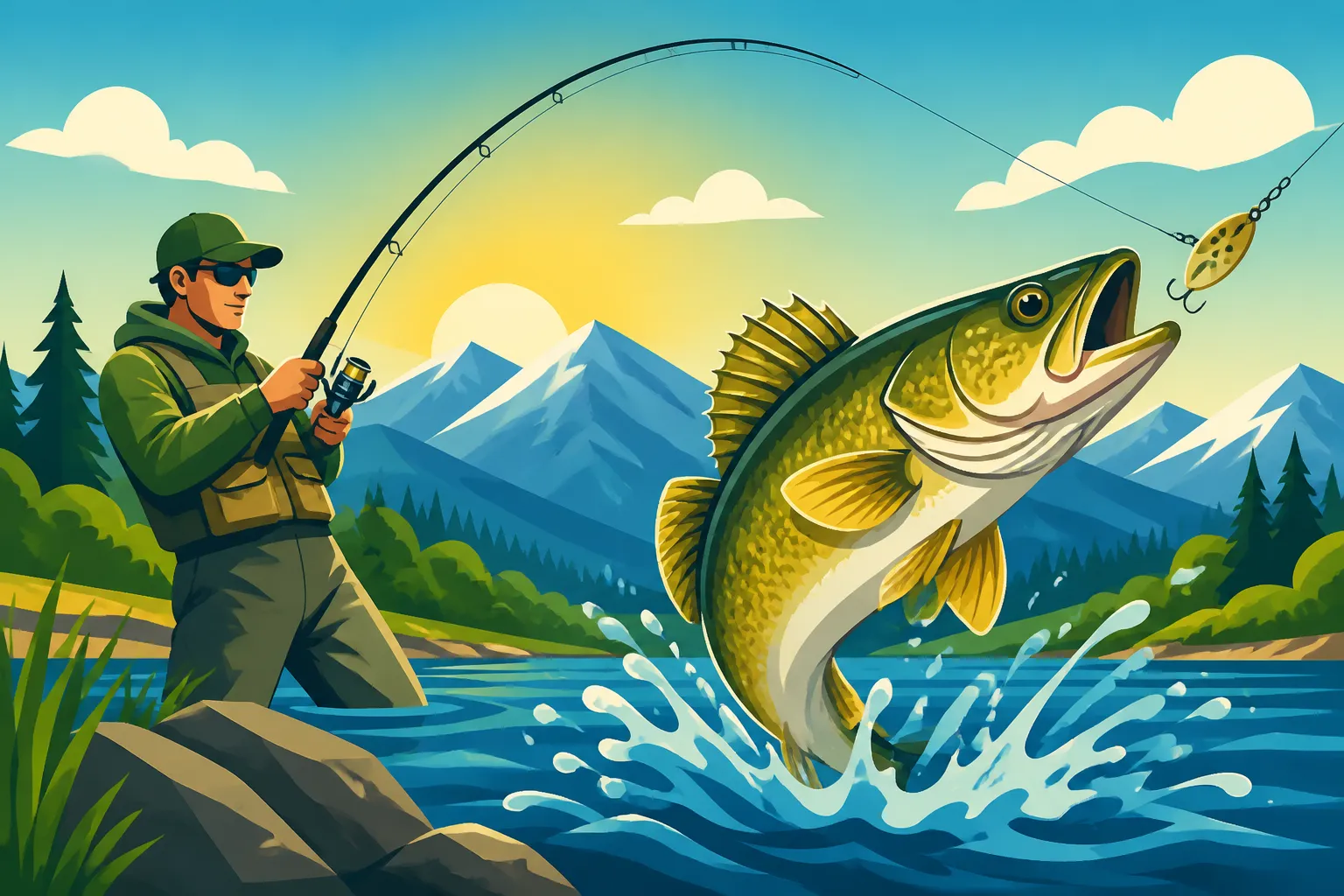
Guided Spin Fishing Trips for Walleye Near Denver
For many anglers living in the bustling Denver metro area, the idea of landing a trophy walleye from a local reservoir is a persistent dream. Yet, these notoriously finicky fish can be incredibly elusive, making success feel out of reach without intimate knowledge of the water. This guide is dedicated to exploring the immense benefits of booking a guided spin fishing trip tailored specifically for walleye near Denver, giving you a distinct advantage in pursuing these prized catches.
The Elusive Appeal of Walleye and the Urban Challenge
Walleye are one of Colorado's most sought-after game fish, revered for their delectable fillets and challenging nature. Unlike the more readily available trout in many parts of the state, walleye are often found in larger, warmer reservoirs and exhibit behaviors that can make them particularly tricky to pinpoint. Add the complexities of fishing close to a major metropolitan area like Denver, and the challenge intensifies.
Understanding Walleye Behavior in Colorado Waters
Walleye are masters of camouflage and often prefer low-light conditions, lurking in deeper, cooler parts of reservoirs during the bright daylight hours. They're opportunistic feeders, keying in on baitfish like shad, perch, or even smaller trout, but their bites can be incredibly subtle, earning them the nickname "finicky." Their eyes are adapted to see well in dim light, which is why you'll often find them most active at dawn, dusk, or even at night. This unique physiology means that successful walleye fishing often requires specific techniques and a deep understanding of their preferred habitats, depth, and feeding patterns throughout the day and across seasons. Walleye Fishing in Colorado goes into more detail about their habits statewide.
In Colorado's reservoirs, walleye are often found relating to structure—sunken islands, old creek beds, rock piles, or abrupt changes in depth. They school up, so when you find one, you often find more. However, locating these schools in vast reservoirs, often amidst recreational boat traffic and other anglers targeting different species, can be like finding a needle in a haystack. The constantly changing conditions, from water clarity to temperature fluctuations, also play a huge role in where walleye decide to congregate and feed. Without years of experience on a particular body of water, it’s incredibly difficult to consistently put yourself in front of these fish.
Navigating Denver-Area Reservoirs for Walleye
Fishing near Denver presents its own unique set of obstacles. You're often dealing with reservoirs that see heavy recreational use, which can impact fish behavior and access. Places like Cherry Creek Reservoir, Chatfield Reservoir, and Standley Lake are popular for various water sports, and while they hold good populations of walleye, the sheer size and pressure can be daunting for an unguided angler. Knowing which parts of these vast waters to focus on, and when, is crucial. For a deeper dive into local spots, check out Walleye in Colorado's Front Range Reservoirs.
Furthermore, each reservoir might have slightly different regulations or nuances regarding bait, boat access, or even specific areas that are more productive for walleye at certain times of the year. Trying to figure all this out on your own through trial and error can eat up valuable fishing time and lead to frustration. A guide, however, spends countless hours on these specific waters, tracking patterns, and understanding how environmental factors and angler pressure influence walleye movement and feeding. They're essentially your personal shortcut to understanding these complex fisheries.
What to Expect on a Guided Spin Fishing Trip for Walleye
Booking a guided trip isn't just about catching fish; it's about a comprehensive learning experience. When you embark on a guided spin fishing trip for walleye near Denver, you're tapping into a local expert's knowledge, equipment, and time-tested strategies. This isn't just a casual day on the water; it's a strategic mission to connect you with these prized fish.
Gear, Techniques, and the Focus on Spin Fishing
One of the greatest advantages of a guided trip is the access to specialized gear and the opportunity to learn specific techniques. Walleye spin fishing often involves a variety of methods that your guide will be proficient in:
- Jigging: This involves vertically presenting jigs (often tipped with bait like a nightcrawler or minnow, or soft plastics) directly over walleye that are located on structure or in schools. The guide will use their sonar to pinpoint fish and structure, then position the boat precisely. You'll learn the subtle "feel" of a walleye bite, which is often more of a light tap or pressure rather than an aggressive strike.
- Trolling: For covering large expanses of water and finding active fish, trolling is a highly effective method. This involves dragging lures (like crankbaits, bottom bouncers with spinner rigs, or stickbaits) behind the boat at specific speeds and depths. Your guide will have a variety of lures, colors, and weights that have proven successful on that particular day and reservoir, saving you the expense and guesswork of building your own arsenal. They'll also manage the boat speed and direction to optimize lure presentation.
- Casting: Sometimes, walleye will move shallower, especially during low light or when actively feeding on schools of baitfish near the shore or weed lines. Your guide will teach you how to effectively cast various lures, like jerkbaits or swimbaits, to target these fish.
You can expect to use medium-light to medium-heavy spinning rods, paired with reels spooled with monofilament or braided line, often with a fluorocarbon leader for stealth. The guide will provide all the necessary rods, reels, lures, and live bait, eliminating the need for you to invest in specialized equipment or guess what tackle to bring. This is especially helpful for beginners or those transitioning from other types of fishing.
Learning from Your Walleye Guide
Beyond just providing the gear and putting you on fish, a good walleye guide is a patient teacher. They'll explain why they're using a particular technique or lure, why they've chosen a certain location, and how to interpret your sonar readings. This invaluable insight goes far beyond what you can learn from watching videos or reading articles. You'll get real-time feedback on your jigging cadence, trolling speed, or casting accuracy.
For example, your guide might point out a subtle change in the bottom on the fish finder and explain why walleye are likely to hold there. Or they might show you how to detect that barely perceptible "thump" that signals a walleye has taken your bait, a skill that can take years to develop on your own. This hands-on instruction is perfect for leveling up your own walleye fishing game, empowering you with knowledge you can apply on future trips. They are your window into years of localized fishing wisdom.
Where Guides Target Walleye Near Denver
While Denver isn't typically thought of as a walleye hotspot compared to states further east, there are some excellent opportunities in the surrounding area. Guides often focus their efforts on several key reservoirs:
- Cherry Creek Reservoir: Located southeast of Denver, this large body of water holds a strong population of walleye, along with other species. Guides here will often focus on deeper flats, submerged structure, and the dam face, especially during low light conditions or different seasons.
- Chatfield Reservoir: Situated southwest of Denver, Chatfield is another popular multi-use reservoir known for its walleye. Guides will work the various points, drop-offs, and old river channels that wind through the lake bed.
- Standley Lake: Northwest of Denver, Standley Lake can also be productive for walleye, though it often faces more restrictions due to its role as a drinking water source. Guides familiar with its specific access points and fish movements can be particularly valuable here.
- Boyd Lake State Park: A bit further north near Loveland, Boyd Lake is renowned for its walleye fishing and is a prime destination for guided trips. Its extensive structure and consistent stockings make it a favorite for many walleye anglers.
Your guide will select the best reservoir for your trip based on current conditions, recent fishing reports, and the time of year. For instance, Best Time of Year to Target Walleye in Colorado would be a good read to understand seasonal patterns. They'll know which spots are producing and how to navigate any specific local rules or access points.
Choosing the Right Walleye Guide Near Denver
Deciding on a fishing guide can feel a bit overwhelming, especially with so many options out there. However, for a specialized pursuit like walleye spin fishing near Denver, a few key considerations will help you find the perfect match. Remember, you're not just paying for a boat ride; you're investing in an experience, education, and hopefully, some walleye.
Vetting Potential Guides
Start by looking for guides who explicitly advertise expertise in walleye and spin fishing. While many guides are generalists, finding one who has a passion and proven track record specifically for walleye will make a huge difference. Don't be shy about asking questions when you first inquire:
- Experience with Walleye: How long have they been guiding for walleye? What reservoirs do they specialize in for walleye? A guide who spends most of their time chasing trout might not be the best choice for walleye.
- Techniques Used: Confirm they primarily use spin fishing techniques relevant to walleye (jigging, trolling, casting). Some guides might focus more on fly fishing for other species, which isn't applicable here.
- Boat and Equipment: Ask about their boat setup – is it well-equipped for walleye fishing with good electronics (fish finders, GPS mapping) and comfortable for your group size? Do they provide all necessary rods, reels, and tackle?
- Teaching Style: If you're hoping to learn, inquire about their teaching approach. Are they patient? Do they enjoy explaining techniques and fish behavior?
- Client Reviews: Check online reviews and testimonials. Platforms like FishingBooker often feature detailed reviews from previous clients, giving you a good sense of the guide's professionalism, fishing success, and overall demeanor. Look for patterns in feedback regarding their walleye expertise.
A reputable guide will be happy to answer these questions and put your mind at ease. Their goal is your success and satisfaction, so clear communication upfront is key.
Booking Your Guided Walleye Trip
Once you've narrowed down your choices, booking is the next step. Many guides offer half-day (typically 4-5 hours) and full-day (6-8 hours) options. For walleye, given their often-elusive nature and the time it can take to locate active fish, a full-day trip often provides the best value and opportunity for success, allowing more time to adapt to conditions.
Booking platforms like FishingBooker make it convenient to search for guides specializing in specific species and locations, showing their availability and prices. Alternatively, you can often book directly through a local bait and tackle shop that maintains relationships with local guides. Be prepared to put down a deposit to secure your date, and always clarify the cancellation policy in case of unforeseen circumstances like severe weather. For general information about guide services, check out Hiring a Fishing Guide in Colorado, What to Expect.
Here’s a quick comparison of common walleye reservoirs near Denver and their characteristics:
| Reservoir | Primary Walleye Techniques | Key Features for Walleye | Best Season for Walleye | Notes |
|---|---|---|---|---|
| Cherry Creek Reservoir | Trolling, Jigging, Casting | Deep flats, submerged humps, dam face | Spring, Fall | High recreational use, consistent stockings |
| Chatfield Reservoir | Trolling, Jigging | Old river channels, points, depth changes | Spring, Fall, Summer | Multi-use, good for boat anglers |
| Standley Lake | Trolling, Jigging | Deep structure, clear water | Spring, Fall | Restrictions on access (drinking water source) |
| Boyd Lake State Park | Trolling, Jigging, Casting | Extensive structure, consistent stockings | Spring, Summer, Fall | Excellent reputation for walleye, popular destination |
Remember, this is a general overview; your guide will have the most up-to-date information on current conditions and hot spots.
Maximizing Your Walleye Trip Experience
You've done your research, booked your guide, and the trip is approaching – now what? To get the most out of your guided walleye spin fishing experience near Denver, a little preparation and the right mindset go a long way.
Preparing for Your Day on the Water
Even though your guide provides most of the heavy lifting in terms of gear, there are a few things you should bring to ensure a comfortable and productive day:
- Colorado Fishing License & Habitat Stamp: This is non-negotiable! You must have a valid Colorado Fishing License Guide for Residents and Nonresidents and Colorado's Habitat Stamp, Explained on your person. Check the specific rules for your age and residency beforehand. Your guide cannot legally take you fishing without one.
- Layered Clothing: Colorado weather can change rapidly, even near Denver. Dress in layers to adapt to fluctuating temperatures, sun, and potential rain.
- Sun Protection: Hat, sunglasses, and sunscreen are essential, even on cloudy days. The sun's reflection off the water can be intense.
- Food and Drink: Pack snacks and drinks to stay hydrated and energized throughout your trip. Most guides will have a cooler, but confirm ahead of time.
- Cooler for Fish: If you plan on keeping your legal limit of walleye (always confirm bag limits with your guide and the current regulations), bring a cooler to transport your catch home. Your guide can often clean your fish for you, or at least show you how.
- Camera: To capture those memorable moments and trophy walleye!
- Cash for Gratuity: Tipping your guide is customary and appreciated for good service. For more details, see Tipping a Colorado Fishing Guide, What's Standard.
Make sure you communicate any physical limitations or special needs to your guide beforehand. They can often accommodate reasonable requests to ensure your comfort and safety.
On-Water Etiquette and Learning Opportunities
Once you're on the boat, remember that your guide is there to help you succeed and learn. Be an active participant:
- Listen and Ask Questions: Pay attention to their instructions and explanations. If you don't understand something, ask! This is your chance to absorb decades of knowledge in a single day.
- Be Patient: Walleye fishing can sometimes involve periods of slow action. Trust your guide's expertise and remain patient. They are constantly adjusting and seeking out the fish.
- Follow Instructions: When your guide tells you how to present a bait or reel in a fish, follow their lead. They know what works best for the current conditions.
- Handle Fish Carefully: If you're practicing catch and release, ensure you handle the fish gently and return them to the water quickly. Your guide can demonstrate proper handling techniques.
- Enjoy the Scenery: While the focus is on walleye, take a moment to appreciate the beautiful Colorado landscape around you, even close to the city. It’s a great way to decompress and enjoy nature.
A guided spin fishing trip for walleye near Denver can transform a potentially frustrating pursuit into a rewarding and educational experience. Whether you're a seasoned angler looking to refine your walleye skills or a beginner hoping to catch your first, a knowledgeable local guide is your best asset for unlocking the secrets of these wily fish in Colorado's urban reservoirs. With the help of resources like FishingBooker, finding that perfect guide is easier than ever.
Disclaimer
This article is for general informational purposes only and does not constitute professional advice. Laws, prices and regulations vary by location and change over time. Consult a qualified professional for guidance on your specific situation.