Walleye Fishing in Colorado
Colorado is famous for its stunning mountain scenery and the incredible trout fishing found in its pristine rivers and high-country lakes. But for many anglers, the thought of landing a trophy walleye stirs a different kind of excitement, a challenge that requires patience, skill, and a deep understanding of these elusive fish. If you've ever felt the frustration of endless casts with no bites, or wondered where on earth these "ghosts of the lake" hide, you're in the right place. This comprehensive guide will pull back the curtain on walleye fishing in Colorado, sharing the secrets to finding, attracting, and successfully reeling in these prized predators.
Understanding Walleye in Colorado
Walleye are a fascinating species, and understanding their unique biology and behavior is the first step to becoming a successful angler. They aren't as widespread as trout in Colorado, which makes finding them an even more rewarding pursuit.
Walleye Biology and Behavior in Colorado Waters
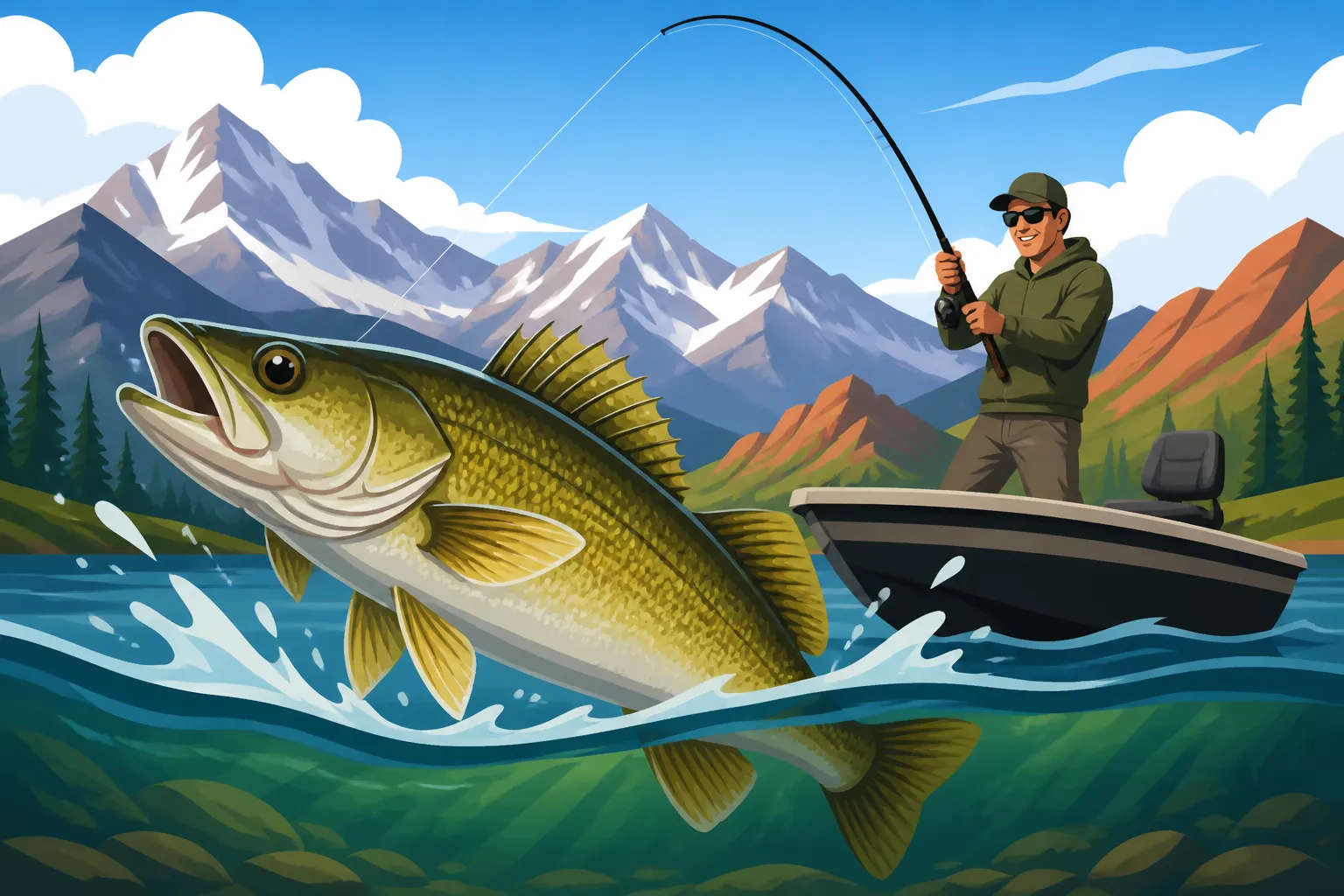
Walleye are members of the perch family, easily identified by their milky, opaque eyes (hence the name "walleye," which helps them see in low light), their sharp dorsal fins, and their elongated, golden-olive bodies. In Colorado, they primarily inhabit our larger, warmer, and often more turbid reservoirs, rather than the clear, cold mountain streams where trout thrive. This preference for murkier water and low-light conditions is key to understanding their behavior. They are visual predators with excellent low-light vision, which means they are most active during dawn, dusk, overcast days, or at night. They also tend to hug the bottom or relate closely to structure.
During the day, especially under bright sunlight, walleye often retreat to deeper, darker water or seek cover around submerged features like old creek channels, humps, points, and rock piles. They're not keen on bright light, so you'll rarely find them cruising in shallow, sunny flats unless they're actively spawning. Their diet consists mainly of small fish like shad, perch, and juvenile trout, but they'll also eat crayfish, worms, and insects. Understanding what their primary forage is in a specific reservoir can significantly improve your lure selection and presentation. They are also schooling fish, meaning if you find one, there are likely more nearby. This makes locating the school crucial for consistent success.
Where Walleye Thrive in Colorado
While trout get all the glory in Colorado, walleye have carved out their niche in several key aquatic environments across the state. These are typically large, relatively shallow to moderately deep reservoirs, often fed by plains rivers rather than high-mountain snowmelt, which gives them warmer water temperatures and often more turbid conditions. The Eastern Plains and Front Range reservoirs are the prime locations where walleye have been successfully introduced and established self-sustaining populations, or where they are regularly stocked. You won't find walleye in places like the Fryingpan River or Trappers Lake, for example, as those environments are simply too cold and clear for their preferred habitat.
These productive walleye waters usually have expansive areas of open water, but also feature a good mix of submerged structure. This can include old riverbeds, flooded timber, rock piles, humps, and abrupt depth changes. The turbidity of these lakes, ranging from slightly stained to quite murky, also plays a critical role, as it gives walleye the low-light advantage they excel in. Water chemistry, including pH and dissolved oxygen levels, also contributes to a reservoir's ability to sustain a healthy walleye population. Anglers who learn to identify these types of waters and the specific structures within them will be well on their way to consistent walleye success in Colorado.
Top Walleye Fishing Spots in Colorado
Colorado boasts several fantastic walleye fisheries, each with its own unique characteristics and challenges. Knowing where to go is half the battle when targeting these finicky fish.
Front Range Walleye Hotspots
For those living along the Front Range, there are several excellent walleye fishing opportunities within a reasonable drive. Walleye in Colorado's Front Range Reservoirs are a prime example of where these fish thrive. Chatfield Reservoir, located just south of Denver, is a perennial favorite. It's a large, multi-use reservoir that holds a healthy population of walleye, some growing to impressive sizes. Anglers often target the areas around the dam, the submerged river channel, and various points and humps. Early mornings and evenings, especially during the spring and fall, tend to be the most productive times. Fishing Chatfield Reservoir offers more specific details about this popular spot.
Another well-known Front Range walleye destination is Cherry Creek Reservoir, also near Denver. While it can be busy, its walleye population is strong, and it regularly produces good catches. Anglers here often employ trolling tactics across the main lake basin, or jigging along the drop-offs and structure. Like Chatfield, targeting low-light periods is crucial. Standley Lake in Westminster is another option, though it has specific boating and access regulations to be aware of. It's known for producing some truly large walleye, but they can be challenging to locate. These Front Range lakes benefit from active stocking programs and offer diverse habitats that allow walleye to grow large, making them excellent choices for local anglers seeking a thrill.
Eastern Plains and Western Slope Opportunities
Beyond the Front Range, Colorado's Eastern Plains and even parts of the Western Slope offer fantastic, often less crowded, walleye fishing. The Eastern Plains are dotted with numerous irrigation reservoirs that are ideal walleye habitat. Pueblo Reservoir, down south, is a truly exceptional walleye fishery, widely considered one of the best in the state. It's a large, deep reservoir that offers both numbers and trophy potential. Anglers here use a variety of techniques, from trolling crankbaits to vertical jigging.
Further east, lakes like Boyd Lake State Park near Loveland, Carter Lake near Berthoud, and Horsetooth Reservoir near Fort Collins all have solid walleye populations. These lakes are typically large and can be wind-swept, but they offer consistent action if you can find the fish. On the far eastern plains, John Martin Reservoir near Hasty, and Jackson Lake State Park near Orchard are also excellent choices, known for their abundant walleye and often a less pressured fishing experience. These reservoirs are often shallower and can warm up quickly, making early spring and late fall particularly productive. For those willing to travel to the southwest corner of the state, Navajo Reservoir (which straddles the Colorado-New Mexico border) also holds a strong walleye population, offering a different angling experience in a high desert setting. Each of these locations offers distinct challenges and rewards, making Colorado a surprisingly diverse state for walleye enthusiasts.
Essential Gear for Colorado Walleye Anglers
Having the right tools for the job can make all the difference, especially when walleye are being finicky. Investing in appropriate gear will boost your confidence and your catch rates.
Rods, Reels, and Line for Walleye
When it comes to rods and reels for Colorado walleye, versatility is key, but so is sensitivity. Most experienced walleye anglers opt for medium-light to medium-heavy power spinning or baitcasting setups, typically with a fast or extra-fast action. A fast action rod means the rod bends mostly in the tip section, which provides excellent sensitivity for detecting those subtle walleye bites and enough backbone for a solid hookset. For jigging, a 6' to 6'6" spinning rod is often preferred, while trolling or casting crankbaits might call for a slightly longer rod, up to 7' or 7'6". You can find a huge selection of specialized walleye rods on Amazon, many with specific actions designed for different techniques.
For reels, a smooth spinning reel in the 2000-3000 size range, or a baitcasting reel with a good drag system, will serve you well. Line choice is also critical. Many anglers prefer a braided main line (10-20 lb test) for its incredible sensitivity and lack of stretch, which helps detect faint bites in deep water. However, walleye can be line-shy in clear water, so it's almost always paired with a fluorocarbon leader (6-12 lb test). The nearly invisible nature of fluorocarbon, combined with its abrasion resistance, makes it an ideal leader material. Alternatively, some anglers prefer monofilament for its stretch, which can be forgiving when trolling with crankbaits, typically in 8-10 lb test. The right combination allows you to feel the slightest nudge and effectively fight a strong walleye.
Lures, Baits, and Tackle Box Staples
The walleye tackle box should be diverse, reflecting the various feeding behaviors and environments you'll encounter in Colorado. Jigs are foundational: bucktail jigs, marabou jigs, and soft plastic paddle tail or grub jigs are indispensable. Colors like chartreuse, white, orange, and natural baitfish patterns are popular. Pair jigs with different weights to match depth and current. Crankbaits are also critical, especially for trolling. Deep-diving crankbaits are essential for reaching walleye holding in deeper water, while lipless crankbaits can be excellent for covering water or snap-jigging. Look for brands like Rapala, Berkley, or Strike King on Amazon for reliable options.
Spinner rigs, often fished behind bottom bouncers, are deadly for walleye, especially when tipped with live bait like minnows or worms. Bottom bouncers help keep your bait near the bottom without constantly snagging. Don't underestimate the power of live bait. Minnows (where legal), nightcrawlers, and leeches are often irresistible to walleye. Keep a good supply of hooks (Aberdeen or Octopus style), swivels, and sinkers (bullet, walking, or bell styles) in various sizes. A good pair of long-nosed pliers for hook removal and a measuring board are also non-negotiable. Having a well-stocked tackle box means you're prepared for whatever the walleye throw at you.
Electronics and Accessories
Modern walleye fishing often relies heavily on technology to locate these elusive fish. A quality fish finder is arguably the most important piece of electronic gear. Units with advanced sonar, down imaging, and side imaging capabilities can reveal subtle bottom contours, submerged structure, and even individual fish or schools of baitfish. Many anglers mount these on their boat, but portable versions are also available for smaller craft or ice fishing. If you're looking for a new fish finder, check out the options on Amazon; they have a wide range to suit any budget and feature set.
Beyond the fish finder, a reliable GPS-enabled chartplotter is invaluable for marking productive spots, tracking trolling paths, and navigating large reservoirs. An electric trolling motor, particularly one with GPS spot-lock features, allows you to silently maneuver and hold your boat precisely over structure, which is a huge advantage when jigging. Other essential accessories include a strong, large-mouthed landing net (rubberized mesh is gentle on fish), a good set of jaw grippers or pliers for handling toothy walleye, a cooler for keeping your catch fresh, and appropriate safety gear like life vests and first aid kits. Don't forget a headlamp for those early morning or late evening bites.
Proven Walleye Fishing Techniques in Colorado
Walleye fishing requires a diverse skillset. They aren't always easy to trick, so having a few go-to techniques in your arsenal is crucial for success.
Jigging and Bottom Bouncing
Jigging is perhaps the most fundamental and versatile technique for walleye, allowing you to present a lure directly to fish holding near the bottom or suspended over structure. Vertical jigging is effective when you've pinpointed a school of fish on your electronics. Drop a jig (bucktail, soft plastic, or even a blade bait) directly down to their depth, then use short, sharp lifts and drops of the rod tip to impart action. The key is to maintain bottom contact or hover just above the fish you see. Walleye often hit on the fall, so pay close attention as your jig descends. The bite can be incredibly subtle – sometimes just a slight "mushy" feeling, a momentary weightlessness, or a light tap. Setting the hook immediately is vital.
Bottom bouncing is another highly effective technique, particularly when covering larger areas or drifting/trolling slowly. A bottom bouncer is a lead weight with an L-shaped wire, designed to keep your lure or bait off the bottom while the weight drags along. You attach a spinner rig, a snell with a hook and live bait (like a nightcrawler or minnow), or a soft plastic grub behind the bouncer. The goal is to keep the bouncer occasionally tapping the bottom as you drift or troll at very slow speeds, typically 0.5 to 1.5 mph. This presentation mimics a baitfish or insect scurrying along the lakebed, a prime meal for walleye. It's especially deadly over rocky bottoms, submerged points, or old river channels.
Trolling for Walleye
Trolling is a fantastic way to cover vast expanses of water in large Colorado reservoirs and locate active walleye, especially during the warmer months when they disperse or suspend. The most common method involves trolling crankbaits designed to dive to specific depths. Matching the dive curve of your crankbait to the depth where walleye are holding is essential. Different crankbaits have varying lip designs and body shapes that determine how deep they run and their action. Experiment with different colors and patterns, paying attention to water clarity and available forage. Natural baitfish colors work well in clear water, while brighter colors like chartreuse or orange can be effective in turbid conditions or low light.
Speed control is critical when trolling; walleye often have a preferred retrieve speed that triggers strikes, usually between 1.5 and 2.5 mph, but sometimes faster or slower. You can also troll with spinner rigs behind bottom bouncers or planer boards. Planer boards allow you to spread out multiple lines away from the boat, covering a wider swath and presenting baits to less-spooked fish. For deeper presentations, you might employ lead core line, which sinks at a predictable rate per color, or even downriggers for precise depth control, particularly useful when targeting suspended schools of walleye in very deep water. Trolling for Kokanee Salmon in Colorado shares some similar principles for depth control.
Live Bait Presentations
While artificial lures are effective, sometimes nothing beats the appeal of natural, live bait for walleye, especially when they are finicky or during slower periods. Minnows are a top choice, though their legality as bait varies by body of water in Colorado, so always check regulations first. When using minnows, you can rig them on a simple hook and sinker, a jig head, or a slip bobber. A slip bobber allows you to set your bait at a specific depth, which is fantastic when walleye are suspended or holding just above cover. Hook the minnow lightly through the lips or dorsal fin to keep it lively.
Nightcrawlers are another walleye favorite. They can be threaded onto a snelled hook, used on a Lindy rig, or again, tipped onto a jig or a spinner rig behind a bottom bouncer. A Lindy rig, or similar walking sinker rig, allows the bait to drift naturally near the bottom with minimal resistance, making it perfect for subtle walleye bites. Hook the nightcrawler once or twice through the head. Leeches are also incredibly effective, especially in spring and early summer. They are hardy and active, and walleye find their undulating motion irresistible. Hook them through the sucker end or just behind it. With any live bait presentation, remember to give the walleye a moment to take the bait before setting the hook, as they often mouth it before fully committing.
Seasonal Walleye Strategies
Walleye behavior changes dramatically with the seasons, driven by water temperature, spawning cycles, and feeding patterns. Adapting your approach month by month is essential for consistent success. Colorado Fishing Seasons Month by Month provides a broader overview of seasonal changes.
Spring Spawning and Post-Spawn Tactics
Spring is a prime time for walleye fishing in Colorado as the fish move shallow to spawn. This typically occurs when water temperatures reach the 45-50°F range, usually from late March through May, depending on the specific reservoir and elevation. Walleye are broadcast spawners, laying eggs over rocky shoals, riprap, and gravel beds, often in very shallow water, sometimes just a few feet deep. During the pre-spawn and spawn, male walleye are particularly aggressive and can be found staging near these spawning areas. Targeting rocky points, causeways, and main lake flats adjacent to deep water can be highly productive.
Post-spawn, female walleye will retreat to slightly deeper water to recover, while males often hang around the spawning areas for a bit longer. As water temperatures continue to rise, both sexes begin to feed aggressively to regain lost energy. This is an excellent time for casting jigs and minnow imitations into shallow bays and warmer coves where baitfish are congregating. Trolling crankbaits along contours where shallow spawning flats drop into deeper water can also be very effective. Look for areas with wind blowing into them, as this concentrates baitfish and oxygenates the water, attracting hungry walleye.
Summer Deep Water and Night Fishing
As Colorado's reservoirs warm up in summer, walleye generally move to deeper, cooler water. They'll often relate to the thermocline (the layer where water temperature changes rapidly), or seek out submerged structures like humps, submerged islands, main lake points, and deep creek channels. During the day, they become more lethargic and light-sensitive, so fishing can be tough under bright sun. This is when deep trolling with crankbaits or bottom bouncers becomes paramount. Using your electronics to locate schools of baitfish and walleye suspended at specific depths is crucial.
However, summer also brings incredible opportunities for night fishing for walleye. As the sun dips below the horizon, walleye often move shallower to feed under the cover of darkness, leveraging their superior low-light vision. Do Walleye Bite Better at Night in Colorado? confirms this. Casting shallow-running crankbaits, jigging soft plastics, or fishing live bait under lights (where permitted) can be incredibly productive. Some anglers even troll at night with lighted lures or glow-in-the-dark presentations. Always exercise extra caution when boating at night and be sure to have all necessary navigation lights.
Fall Feeding Frenzy
Fall is another fantastic season for walleye in Colorado, often rivaling spring in terms of productivity and the chance for larger fish. As water temperatures begin to cool, walleye enter a major feeding period to bulk up for the upcoming winter. They become very aggressive and active. This transition often sees walleye moving from their deep summer haunts back towards shallower structures, especially points, humps, and flats where baitfish are abundant. The colder water also means they are less light-sensitive, making daytime fishing more productive than in summer.
Trolling deep-diving crankbaits remains a strong tactic, but don't overlook casting jigs and swimbaits to rocky shorelines, riprap, and main lake points. As fall progresses, walleye may again move deeper, seeking out congregating baitfish schools in the main lake basin. This is a time to really pay attention to your electronics, as large schools of walleye can be found grouped tightly. The fall bite can extend well into late autumn, right up until ice forms on the reservoirs. It's a prime window for catching both numbers of fish and potential trophies.
Winter Ice Fishing for Walleye
When Colorado's walleye reservoirs freeze over, a new world of opportunity opens up for ice anglers. Ice Fishing in Colorado, Getting Started is a great resource for learning the basics. Walleye can be incredibly active under the ice, especially during "first ice" and "last ice" periods. They'll often relate to the same structures they did in the fall: points, humps, drop-offs, and old creek channels. Electronics like flasher units are almost indispensable for ice fishing walleye, allowing you to see your lure and any fish approaching it in real-time.
Common ice fishing techniques include jigging spoons, blade baits, and small soft plastics on jig heads. Tip these jigs with a minnow head or a piece of nightcrawler for added scent and attraction. Setting up tip-ups with live minnows (check regulations for live bait restrictions for specific bodies of water) is also a popular and often highly effective strategy for covering more ground and enticing lethargic walleye. Dawn and dusk remain prime times, but walleye can bite throughout the day under the ice, especially if they are actively schooling and feeding. Drilling multiple holes and moving frequently to find active fish is key to successful Colorado's Best Ice Fishing Reservoirs walleye ice fishing.
Regulations and Conservation
Understanding and adhering to fishing regulations is not just about avoiding fines; it's about being a responsible angler and contributing to the health and sustainability of Colorado's walleye fisheries for future generations.
Colorado Walleye Regulations
Colorado Parks and Wildlife (CPW) sets specific regulations for walleye, which can vary by body of water and change periodically. It is absolutely crucial to consult the most current CPW fishing regulations brochure before you head out. These regulations typically include daily bag limits, which specify how many walleye you can keep per day, and possession limits, which dictate how many walleye you can have in your possession at any given time (e.g., in your cooler, at home). Colorado's Daily Walleye Limit is an important piece of information for any walleye angler.
Beyond simple numerical limits, there are often length-based restrictions. For instance, some waters might have a minimum size limit, meaning walleye below a certain length must be immediately released. Other waters might implement a slot limit, which allows you to keep fish both below and above a certain size range, but requires you to release fish within that "slot." These measures are put in place to protect larger, spawning-capable fish and ensure the population remains robust. Certain waters may also have specific bait restrictions (e.g., no live minnows) or seasonal closures, especially during spawning periods. Always double-check the rules for the specific lake or reservoir you plan to fish. Colorado Fishing Regulations Every Angler Should Know is a good starting point for understanding these broader rules.
Responsible Walleye Angling
Being a responsible walleye angler goes beyond simply following the rules; it encompasses ethical practices that ensure the health and longevity of the fishery. One of the most important aspects is proper catch-and-release techniques, especially when dealing with fish outside the legal harvest limits or when practicing voluntary catch-and-release. Minimize the time the fish is out of the water, handle it gently with wet hands, and use a rubberized landing net to protect its slime coat. Avoid squeezing the fish or putting fingers in its gills.
When releasing fish, ensure they are revived and swim away strongly. This is particularly important with larger walleye, which are crucial for spawning. Additionally, avoid littering and always pack out everything you pack in. Be respectful of other anglers and private property. Consider reducing your lead tackle to minimize its impact on the environment. By practicing responsible angling, we can all help maintain Colorado's walleye populations as a valuable and thrilling resource for years to come.
Common Walleye Challenges and Solutions
Walleye are often called "ghosts of the lake" for a reason. They can be incredibly challenging, but understanding common frustrations and having solutions at hand will make you a more effective angler.
Dealing with Finicky Bites
One of the most common frustrations for walleye anglers, especially beginners, is dealing with their notoriously finicky bites. Unlike the aggressive strike of a bass or the distinctive tug of a trout, a walleye bite can be incredibly subtle – a slight tick, a spongy feeling, or even just a sudden heaviness on your line. It often feels like you've snagged a piece of grass, only to pull up your line and realize it was a fish that either dropped the bait or wasn't there at all. This is why having sensitive gear, particularly a fast-action rod and braided line, is so crucial.
To combat the finicky bite, slow down your presentation. Often, walleye will not chase a fast-moving lure. Experiment with longer pauses between jigs, or a slower retrieve when trolling. Sometimes, a slight change in lure color or size can make a huge difference. If they're not hitting bright, aggressive colors, try more natural baitfish patterns. Downsizing your lure or bait, or using a lighter jig head, can also make your offering more appealing to a hesitant walleye. Paying close attention to your line is key; watch for any unnatural movement, twitch, or slack, and be ready to set the hook with a strong, sweeping motion at the slightest hint of a bite. It takes practice, but learning to "feel" the walleye bite is a huge step toward consistent success.
Finding Walleye in Large Reservoirs
Another significant challenge, particularly on Colorado's expansive reservoirs, is simply finding the walleye. These fish are notorious for roaming and can be anywhere from deep main lake basins to shallow shorelines, depending on the season and time of day. Without a doubt, a good quality fish finder is your best friend here. Don't just motor around; actively look for schools of baitfish, as walleye are almost always nearby. Pay attention to changes in bottom contour – points, humps, submerged islands, and old river channels are prime real estate for walleye. Mapping features on your electronics can highlight these structures.
Don't be afraid to move around until you find them. If a spot isn't producing after a reasonable amount of time, relocate. Think about the walleye's preferences: low light, cooler water, and proximity to structure and food. If it's a bright, sunny day, they're likely deep. If it's overcast, they might be shallower. Trolling is an excellent search pattern to cover water and locate active schools. Once you find a productive area, mark it on your GPS and pay attention to the depth, type of structure, and conditions that led to the bite. Walleye often repeat patterns, so logging this information can help you predict where they might be on future trips. Persistence and careful observation are your most valuable assets when hunting for walleye in vast Colorado waters.
Colorado Walleye Fishing Hotspots and Techniques
| Reservoir Name | Location (Near) | Typical Walleye Size | Primary Techniques | Best Season(s) | Notes |
|---|---|---|---|---|---|
| Chatfield Reservoir | Littleton (Denver Metro) | Good (15-20", some bigger) | Jigging, Trolling, Live Bait | Spring, Fall, Summer nights | Busy, but consistent action. Rocky points. |
| Cherry Creek Reservoir | Aurora (Denver Metro) | Good (15-20") | Trolling, Jigging | Spring, Fall, Summer nights | High use. Look for structure. |
| Standley Lake | Westminster | Excellent (Trophy potential) | Jigging, Trolling, Ice Fishing | Spring, Fall, Winter | Strict regulations, check access. Huge fish. |
| Pueblo Reservoir | Pueblo | Excellent (Trophy potential) | Trolling, Jigging, Bottom Bouncing | All year (inc. ice) | Considered one of CO's best walleye lakes. |
| Boyd Lake State Park | Loveland | Good (15-20") | Trolling, Jigging, Ice Fishing | Spring, Fall, Winter | Often windy. Good structure. |
| Carter Lake | Berthoud | Good (15-20") | Trolling, Jigging, Ice Fishing | Spring, Fall, Winter | Deep, clear water challenges. |
| Horsetooth Reservoir | Fort Collins | Good (15-20") | Trolling, Jigging | Spring, Fall, Summer nights | Steep drop-offs, clear water. |
| John Martin Reservoir | Hasty (Eastern Plains) | Good (15-25") | Trolling, Bottom Bouncing, Live Bait | Spring, Fall | Less pressured, can be very productive. |
| Navajo Reservoir | Arboles (SW Colorado) | Good (15-20") | Trolling, Jigging | Spring, Fall | High desert lake, can be very warm in summer. |
Disclaimer
This article is for general informational purposes only and does not constitute professional advice. Laws, prices and regulations vary by location and change over time. Consult a qualified professional for guidance on your specific situation.