Colorado’s State Record Cutthroat Trout
Every angler who's ever cast a line into Colorado's pristine rivers and high-alpine lakes dreams of it: that one fish, that legendary catch, a true lunker that makes history. For many, that ultimate goal revolves around the majestic cutthroat trout, Colorado's native gem. It's not just about a big fish; it's about connecting with a piece of Colorado's natural heritage. This guide is here to unravel the mystery and excitement surrounding Colorado's state record cutthroat trout, walking you through the details of this incredible achievement, how such records are officially recognized, and what you can do to pursue your own trophy while respecting our precious native species.
The Quest for Colorado's State Record Cutthroat Trout
There’s a special kind of magic that surrounds state record fish. It’s not just a number on a scale; it’s a testament to patience, skill, and often, a little bit of luck. For cutthroat trout in Colorado, this quest takes on an even deeper meaning. These fish are not only beautiful with their vibrant colors and distinctive red slash, but they also represent the wild spirit of the Rockies. Pursuing a record cutthroat means immersing yourself in some of the most stunning, and sometimes most challenging, landscapes Colorado has to offer.
The Angler's Dream and the Legacy of the Catch
Every time you cast, there's that flicker of hope that the next bite could be the bite. The one that bends your rod differently, that runs harder, that ultimately reveals itself as a fish of a lifetime. For those who chase state records, this dream is amplified. It’s about more than just personal bests; it’s about making a mark in the annals of Colorado fishing history. A state record isn't just a trophy for one angler; it becomes a story passed down, inspiring generations of fishermen and women to explore our waters and appreciate the incredible fish that call them home. It connects us to the wild places and the rich legacy of angling in our state.
The sheer dedication required to land a state record-contending fish is immense. It means countless hours scouting locations, studying fish behavior, perfecting techniques, and enduring all kinds of weather. It means understanding the nuances of different waters, from roaring freestones during runoff to glass-still alpine lakes. This pursuit sharpens your skills and deepens your appreciation for the natural world, whether or not you ever actually break a record. It truly is about the journey, and the knowledge gained along the way.
The Mystique of Native Cutthroat Records
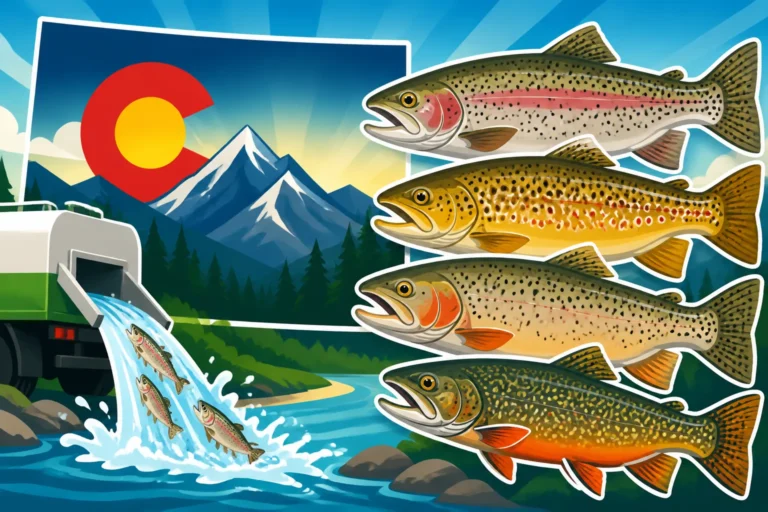
Colorado boasts several subspecies of native cutthroat trout, each with its own unique characteristics and preferred habitats. There's the vibrant Greenback Cutthroat, the elusive Colorado River Cutthroat, and the distinct Rio Grande Cutthroat. The allure of a state record cutthroat often comes with the added layer of connection to these truly native fish, which have adapted and thrived in our waters for millennia. Landing a truly massive native cutthroat is not only a personal triumph but also a powerful reminder of the success of ongoing conservation efforts to protect and restore these iconic species.
The mystique also stems from the fact that true native cutthroat populations, especially the Greenback, have faced significant challenges over the past century. To find and successfully land a record-sized fish among these populations is a testament to the resilience of the species and the hard work of Colorado Parks and Wildlife (CPW) and other conservation groups. It highlights the importance of preserving the genetic purity and habitats of these unique fish for future generations to enjoy. Anglers who chase these records often become fierce advocates for their protection, understanding that the health of the species ensures the possibility of future record-breaking catches.
Unpacking Colorado's Legendary Cutthroat Record
The current state record for cutthroat trout in Colorado is a fish of truly epic proportions, a testament to the incredible potential of our state's waters. This isn't just a big fish; it's a legendary specimen that holds a special place in the hearts of Colorado anglers, showcasing what our high-country lakes and rivers can produce. It's a benchmark that inspires awe and determination in equal measure.
Colorado's State Record Cutthroat Trout Weighed
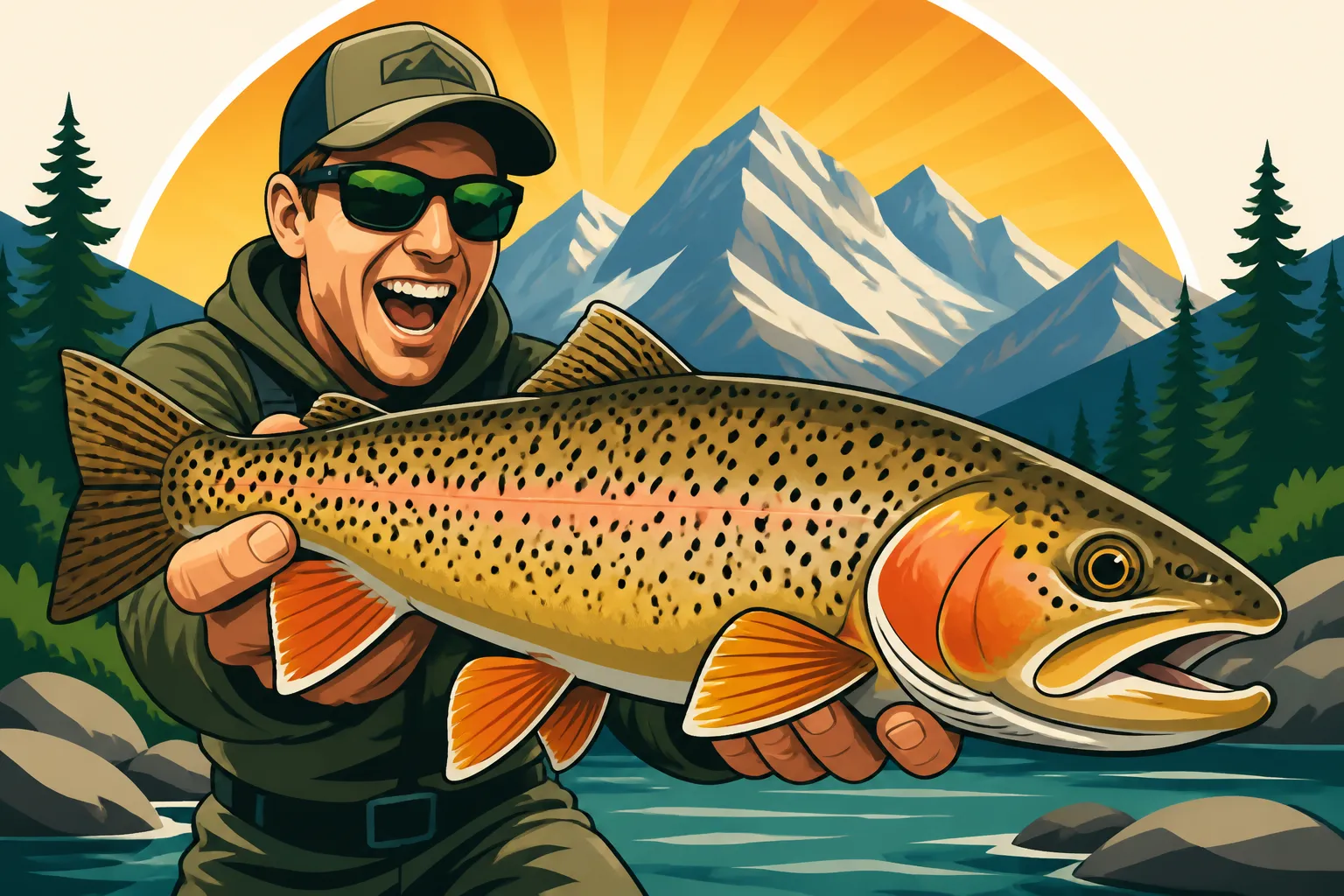
The existing state record for cutthroat trout in Colorado stands at a breathtaking 18 pounds. Imagine pulling a fish of that magnitude out of the water! It’s the kind of catch that defines an angling career. This record isn't just about the sheer size; it's also about the incredible story behind it. This fish was a native cutthroat, a true testament to the health and vitality of our mountain ecosystems. Such a massive cutthroat is a rare occurrence, representing years, if not decades, of growth in a pristine environment with ample food resources.
The weight alone doesn't tell the whole story. The length and girth of such a fish would be astounding, a true football of a trout. It speaks to the abundant food sources and favorable conditions in its habitat. For a cutthroat to reach such a size, it would have to be an incredibly efficient feeder, likely preying on smaller fish or large aquatic invertebrates. This record highlights the possibility of truly immense trout lurking in Colorado's deeper, colder waters, waiting for the right angler at the right time.
Where Colorado's Record Cutthroat Was Caught
The legendary 18-pound cutthroat trout was caught back in 1964, a long-standing record that has yet to be broken. It was pulled from the cold, clear waters of Antero Reservoir. Antero, located in Park County, is well-known among Colorado anglers for its potential to produce truly enormous trout, including rainbow, brown, and yes, cutthroat. It's a high-elevation reservoir, sitting at over 9,000 feet, which contributes to its cold, oxygen-rich waters – ideal conditions for growing large, healthy trout. The specific details surrounding the exact spot are often shrouded in the lore of such records, but it speaks to the productive nature of large, high-mountain reservoirs.
Antero Reservoir continues to be a destination for anglers seeking trophy fish. While the specific methods used to catch the record in 1964 might be a mystery, modern anglers often employ various techniques, from trolling deep with spoons and plugs to jigging with bait or soft plastics. The consistent stocking efforts by Colorado Parks and Wildlife, coupled with the reservoir's rich aquatic life, ensure that Antero remains a prime location for those hoping to someday challenge that incredible 18-pound benchmark. It’s a testament to how vital these larger bodies of water are in providing habitat for truly enormous fish.
How a Catch Becomes a Colorado State Record
Catching a truly massive fish is one thing; getting it recognized as a state record is another entirely. The Colorado Parks and Wildlife (CPW) has a stringent process in place to ensure the legitimacy and accuracy of all state records. This isn't just a casual weigh-in; it's a meticulous verification that requires precision and adherence to specific rules, making sure that every record stands on solid ground.
The Critical Steps for Official Recognition
If you believe you’ve landed a potential state record cutthroat, your actions immediately after the catch are crucial. First, and most importantly, the fish must be kept alive if possible, or at least handled with extreme care if you plan to keep it for consumption and record verification. You’ll need to get it to an official weigh station as quickly as possible. This typically means a certified scale, like those found at a local grocery store, meat market, or post office that has been officially inspected for accuracy. Having a reliable, certified scale, perhaps one you scouted on Amazon for good reviews beforehand, is crucial. The weight must be verified by a third party, and ideally, witnessed by several people.
Next, accurate measurements are essential: total length and girth. Photos from multiple angles are also highly recommended to document the fish and the conditions of the catch. You'll need to complete an official CPW State Fish Record Application, which details everything from the species and weight to the date, location, and method of catch, as well as information about your license. The CPW also requires that the fish be identified by a CPW biologist or a qualified expert to confirm the species, especially for native cutthroat, where distinguishing subspecies can be tricky. This step is non-negotiable, as proper species identification is paramount to maintaining accurate records.
Why Accuracy and Timeliness Matter
Accuracy is paramount in the record-keeping process. Even a slight discrepancy in weight or measurement can invalidate a potential record. This is why certified scales are mandated, and multiple witnesses are always a good idea. The goal is to eliminate any doubt or ambiguity surrounding the catch. Ensuring that all measurements are taken correctly and that the species is identified beyond question protects the integrity of the state record program. Imagine the disappointment of catching a record-breaker only to have it disqualified due to a simple measurement error!
Timeliness is equally critical. Fish begin to lose weight and condition once removed from water. The CPW guidelines emphasize getting the fish weighed and documented as quickly as possible after the catch. This minimizes any potential weight loss and provides the most accurate representation of the fish's size at the time of capture. Delaying the process could mean the difference between setting a new record and falling just short. It also helps preserve the fish's condition for proper identification. Reviewing the Colorado Fishing Regulations Every Angler Should Know before your trip can help you be prepared for such an eventuality, ensuring you know the exact steps to take.
Targeting a Trophy Cutthroat: Tips for Aspiring Record Holders
While landing an 18-pound cutthroat might seem like a once-in-a-lifetime fluke, it doesn't hurt to be prepared and understand what goes into targeting truly trophy-sized fish. It's about combining strategy, patience, and a deep respect for the environment. These are fish that have survived and thrived for years, so they require a different approach than your average stocked trout.
Understanding Prime Cutthroat Habitat
Big cutthroat, especially those in the record books, don't just hang out anywhere. They prefer specific types of habitats that offer ample food, cold, oxygenated water, and protection. For many of Colorado's native cutthroat subspecies, this means high-alpine lakes and pristine, cold-water streams in remote areas. These waters often have limited fishing pressure and abundant natural forage, allowing fish to grow to impressive sizes. Look for deep sections of lakes with underwater structure like rock piles, ledges, or submerged timber, where large fish can ambush prey and retreat to cooler depths. On rivers, focus on slower, deeper pools, undercut banks, and large riffles that provide shelter and feeding lanes.
Understanding the specific needs of cutthroat trout, such as their preference for colder water, is key. Lakes that are fed by snowmelt and remain cool even in summer are often prime spots. Rivers with strong, consistent flows and good riparian vegetation that provides shade are also excellent. Many of Colorado's Gold Medal Water Regulations Explained areas offer ideal conditions for trophy cutthroat, though they may also come with specific fishing restrictions. Researching these habitats using resources like the Colorado Fishing Atlas can give you a significant advantage in narrowing down potential trophy waters.
Effective Techniques for Big Cutthroat
Catching a record-caliber cutthroat often requires a blend of finesse and robust tackle. For lake fishing, trolling with large spoons, swimbaits, or even dead bait at various depths can be effective, particularly in waters known for growing huge fish. Downriggers might be necessary to get your presentation to the deepest parts of the water column where these giants often lurk. Jigging with heavy spoons or tubes can also entice strikes from big, bottom-dwelling cutthroat. For stream fishing, particularly in larger rivers, streamer patterns that imitate baitfish can be incredibly effective. Consider patterns like articulated streamers or large Wooly Buggers.
When fly fishing, don't shy away from larger nymph patterns, especially stonefly or caddis imitations, fished deep under an indicator. Techniques like Nymphing Techniques for Colorado Tailwaters can be adapted for deep river runs or lake inlets where large cutthroat might be feeding. During hatches, don't underestimate the power of a well-presented dry fly; big cutthroat will absolutely rise to a substantial insect pattern. For those focusing on Dry Fly Fishing Colorado's Freestone Rivers, remember that big fish are often more wary, requiring longer leaders, fine tippet, and pinpoint casts. Having a variety of patterns, perhaps ordered from Amazon to ensure you have exactly what you need, can be a game-changer. Regardless of your method, using heavier leader and tippet than you might for smaller trout is advisable, as these record-class fish will put up a significant fight.
Ethical Angling and Conservation for Native Fish
The pursuit of a state record comes with a profound responsibility: to practice ethical angling and support conservation efforts, especially when targeting native cutthroat trout. Many of the waters that hold trophy cutthroat are sensitive ecosystems, and these fish are often crucial to the genetic integrity of their populations. This means adhering strictly to all local regulations, including bag limits, size restrictions, and gear restrictions like Barbless Hook Rules on Colorado Rivers. Even if you plan to keep a record fish, understanding and practicing proper catch-and-release techniques for other fish you encounter is vital.
Using Catch-and-Release Rules on Colorado's Cutthroat Waters as your guide, always handle fish gently, minimize their time out of water, and release them properly to maximize their survival chances. Consider using a large, soft, rubberized net to protect the fish's slime coat. The goal is to enjoy the thrill of the catch while ensuring that these incredible fish continue to thrive for future generations. If you do catch a potential record, and it's a native species where conservation is a priority, consider whether the potential record is worth removing the fish from the gene pool, especially if there are strict conservation rules in place for that specific population. Education and advocacy for native trout recovery, such as Greenback Cutthroat Trout Recovery in Colorado, are also important aspects of being a responsible angler.
The Importance of Colorado's Native Cutthroat and Their Records
The significance of the cutthroat trout in Colorado extends far beyond just sport fishing. These fish are integral to our state's natural heritage and biodiversity. State records for cutthroat trout not only highlight the impressive size these fish can attain but also underscore the success of ongoing conservation efforts. Every record, every impressive catch, helps to raise awareness about these remarkable fish and the need to protect their habitats.
Celebrating Native Cutthroat Subspecies
Colorado is unique in that it is home to several distinct subspecies of native cutthroat trout. We have the Greenback, the Colorado River, and the Rio Grande cutthroat. Each of these fish is a living testament to thousands of years of evolution within our diverse landscapes. The Greenback Cutthroat, in particular, holds a special place, being Colorado's state fish. Celebrating a state record cutthroat isn't just about the size of one fish; it's about celebrating the genetic diversity and resilience of all these unique Colorado's Native Cutthroat Trout Subspecies. Their survival is a success story of dedicated conservation work, battling against habitat loss, hybridization with non-native trout, and historical overfishing.
These native cutthroat are more than just fish; they are indicator species. Their presence and health tell us a great deal about the overall health of our aquatic ecosystems. A thriving population of large, healthy native cutthroat signifies clean water, intact habitats, and a balanced ecosystem. When we pursue these fish, we are engaging with a vital part of Colorado’s natural legacy. The pursuit of records, when done responsibly, can inspire greater appreciation and protection for these irreplaceable parts of our environment.
Contributing to Conservation Through Responsible Angling
Anglers have a crucial role to play in the conservation of Colorado's native cutthroat trout. Every time we fish, we have an opportunity to contribute positively to the health of these populations. This means more than just following regulations; it involves a mindset of stewardship. Practices like careful catch-and-release, minimizing disturbance to spawning areas, properly cleaning gear to prevent the spread of aquatic invasive species, and supporting conservation organizations directly contribute to the long-term viability of native cutthroat. For example, knowing How to Handle Trout for a Safe Release is not just good practice, it's essential for protecting these fish.
Even the pursuit of a state record, when undertaken with ethical considerations, can be a form of conservation. It often leads anglers to remote, pristine areas, fostering a deeper connection and understanding of these sensitive environments. Anglers are often the first to notice changes in water quality or fish health, making them invaluable eyes and ears on the ground for CPW. By purchasing fishing licenses and stamps, like Colorado's Habitat Stamp, Explained, anglers directly fund critical habitat restoration and species management programs that benefit cutthroat trout and countless other wildlife. Your passion for fishing, especially for such an iconic species, makes you a vital partner in their protection.
| Record Category | Species | Weight (lbs) | Location | Year | Notes |
|---|---|---|---|---|---|
| State Record (Cutthroat) | Cutthroat Trout | 18 | Antero Reservoir | 1964 | A long-standing, iconic record. |
| State Record (Rainbow) | Rainbow Trout | 20 | South Platte River | 1997 | Another impressive trout record. |
| State Record (Brown) | Brown Trout | 30.5 | Roaring Fork River | 1988 | Colorado's largest record trout species. |
| State Record (Lake Trout) | Lake Trout | 50.35 | Blue Mesa Reservoir | 2007 | Blue Mesa is known for giant lakers. |
Disclaimer
This article is for general informational purposes only and does not constitute professional advice. Laws, prices and regulations vary by location and change over time. Consult a qualified professional for guidance on your specific situation.