Where Colorado’s Record Cutthroat Was Caught
The quest for a state record fish is something that lives in the hearts of many Colorado anglers, a persistent dream of that one monumental catch that cements your name in history. We spend countless hours on the water, meticulously selecting flies or lures, battling weather, and always, always hoping for that truly exceptional fish. For those who chase the elusive cutthroat trout, the benchmark for what's possible in Colorado is truly legendary. This guide dives deep into the story behind Colorado's record cutthroat trout, revealing where this magnificent fish was caught and what it takes to pursue similar giants in our stunning high-country waters.
The Legend of Colorado's Record Cutthroat Trout
There’s something almost mythical about state record fish. They represent not just a lucky cast, but often a perfect storm of conditions, angler skill, and an extraordinary fish that managed to defy the odds and grow to an incredible size. For cutthroat trout in Colorado, that legend is tied to a very specific, iconic location.
Unveiling the Record: The Specifics of the Catch
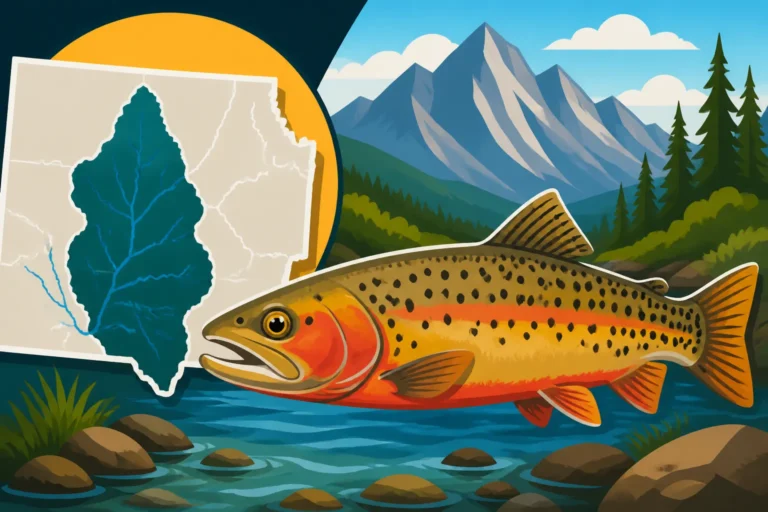
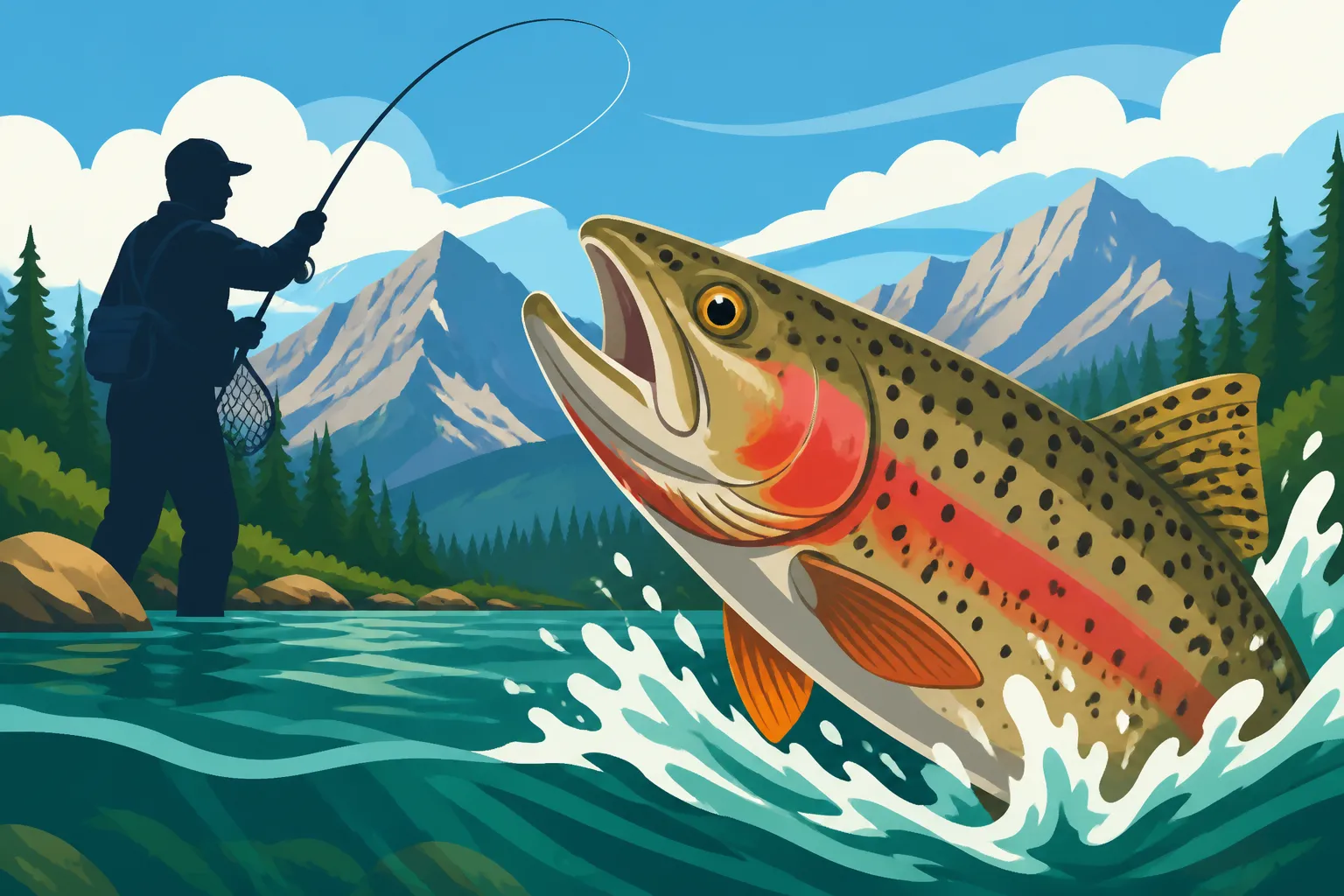
So, where exactly did this monumental fish come from? Colorado's official state record cutthroat trout, a true titan of the cold, clear waters, was caught in Twin Lakes. This incredible fish, weighing an astounding 16 pounds, 8 ounces, was landed by angler John Baldridge back in 1964. Imagine the sheer thrill and the fight that fish must have put up! This record has stood the test of time, a testament to the potential for truly massive trout in certain Colorado waters. It’s a weight that many anglers can only dream of, far surpassing the typical catches we might bring in on a good day. It shows that even in waters that see a fair amount of pressure, the chance for a true monster still exists.
| Feature | Detail |
|---|---|
| Species | Cutthroat Trout |
| Record Weight | 16 pounds, 8 ounces |
| Location Caught | Twin Lakes (Near Leadville) |
| Angler | John Baldridge |
| Year Caught | 1964 |
| Habitat Type | High-elevation, deep glacial lake |
This enduring record is often a conversation starter around campfires and in fly shops, proving that dedication and the right conditions can truly pay off. The mere thought of a fish of that magnitude swimming in our waters continues to inspire generations of anglers. For more on the official figures, check out What Twin Lakes' State Record Cutthroat Weighed.
Why Twin Lakes? The Habitat for Giants
Twin Lakes, nestled in the heart of the Rocky Mountains near Leadville, isn't just any body of water; it’s a high-altitude gem, sitting at over 9,000 feet in elevation. This pair of glacial lakes—Upper and Lower Twin Lakes—are deep, cold, and incredibly clear, fed by snowmelt and mountain streams. These characteristics are absolutely crucial for growing trophy-sized trout. The sheer depth provides ample thermal refuge during warmer months and excellent overwintering habitat. The cold, oxygen-rich water is ideal for trout metabolism and health.
Beyond just the water conditions, Twin Lakes boasts a diverse forage base, which is key for fish to pack on serious weight. While specifics might have changed over the decades, these lakes are known to have had populations of smaller fish and abundant aquatic insects, providing the cutthroat with a consistent and high-quality food source. The sheer size of the lakes also means plenty of cover and less competition, allowing individual fish to thrive and grow to exceptional sizes without being overly stressed. It’s a challenging place to fish due to its size and depth, requiring dedication and often specialized techniques to reach the fish that dwell in its depths, but the potential rewards are clearly worth it. If you're planning a trip, be sure to look into Fishing Twin Lakes Near Leadville for Trophy Cutthroat.
Understanding Colorado's Cutthroat Trout: A Deeper Dive
The cutthroat trout holds a special place in the hearts of Colorado anglers. It's not just a fish; it's a symbol of our wild, pristine waters and a testament to the ongoing efforts to conserve native species. But not all cutthroat are created equal, and understanding their nuances is part of the allure of chasing them.
The Different Faces of Colorado Cutthroat
Colorado is home to several distinct subspecies of cutthroat trout, each with its own unique history and characteristics. While the specific genetic makeup of the record Twin Lakes fish from 1964 isn't perfectly clear now, it was likely a pure or nearly pure native cutthroat of the region, or perhaps a hybrid with another stock. The most recognized native subspecies here include the Greenback Cutthroat, Colorado River Cutthroat, and Rio Grande Cutthroat.
The Greenback Cutthroat Trout (Greenback Cutthroat Trout Recovery in Colorado) is Colorado's state fish and was once thought extinct. Thanks to incredible conservation efforts, they are making a comeback in isolated, protected streams on the Front Range. Catching one is a rare privilege, and most populations are strictly catch-and-release. Then there's the Colorado River Cutthroat Trout (Colorado River Cutthroat Trout, Where to Find Them), which naturally inhabits drainages west of the Continental Divide. These fish are known for their vibrant colors and adaptability, thriving in various stream and river environments. Finally, the Rio Grande Cutthroat Trout (Rio Grande Cutthroat Trout in the San Luis Valley) is found in the southern reaches of the state, primarily in the Rio Grande drainage. Each of these subspecies carries unique genetic markers and plays a vital role in their respective ecosystems. Anglers passionate about native trout often embark on "cutthroat grand slams," seeking to catch all three native Colorado subspecies.
Understanding which cutthroat subspecies you're pursuing is important, as regulations often differ, especially for conservation-focused populations. It also helps to appreciate the rich biological diversity that Colorado offers.
The Pursuit of Trophy Cutthroat
Catching a cutthroat of any size is a treat, but pursuing a true trophy, like the one from Twin Lakes, is an entirely different game. These larger fish are not only rarer but also often more wary and elusive. Their native instincts, honed over generations, make them keenly aware of their surroundings, particularly in the clear, still waters of high-country lakes. They often hold in deeper, cooler water, only venturing into shallower feeding lanes during specific times of day or under certain weather conditions.
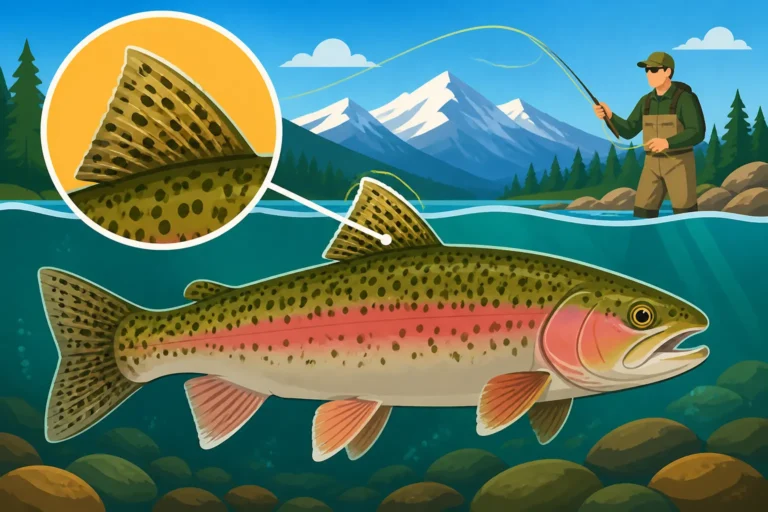
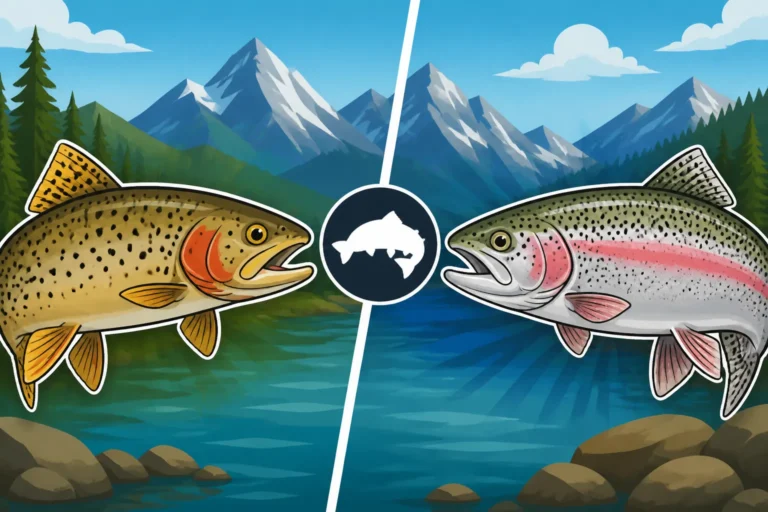
The challenge isn't just finding them; it's getting them to bite. Trophy cutthroat have often seen it all and are less impulsive than smaller, younger fish. This means paying close attention to details: matching the hatch, presenting your fly or lure perfectly, and minimizing your presence on the water. Patience is your greatest ally here. You might spend hours without a bite, only to have a brief window of opportunity when a true giant decides to feed. This makes the eventual catch all the more rewarding, transforming a simple fishing trip into a truly memorable hunt. It’s also important to be able to discern what you’ve caught, especially if you’re fishing waters where different trout species coexist. Knowing Telling a Cutbow From a Pure Cutthroat can be crucial for proper identification and adherence to regulations.
Strategies for Targeting Big Cutthroat in High-Country Lakes
So, you're inspired by the Twin Lakes record and want to chase your own trophy cutthroat? It’s an ambitious goal, but with the right approach, it’s not impossible. Fishing high-country lakes requires a blend of physical effort, specialized gear, and a deep understanding of these unique environments.
Gear and Techniques for High-Altitude Fishing
Tackling large, deep high-country lakes for trophy cutthroat means coming prepared. First and foremost, you'll need reliable gear that can handle both the fish and the elements. A longer fly rod, perhaps a 5 or 6-weight, will give you the casting distance needed to cover vast expanses of water from shore or a float tube. If you prefer spin fishing, a medium-light spinning rod with a sensitive tip is ideal, paired with a reel spooled with 6-8 pound fluorocarbon or monofilament line.
When it comes to lures and flies, think big and think deep. Streamers that imitate baitfish, such as Woolly Buggers, Sculpzillas, or articulated patterns, can be incredibly effective when retrieved slowly near drop-offs or submerged structure. For spin anglers, spoons, larger spinners, or even small swimbait patterns can entice a strike. Don't forget the nymphs and dry flies, especially during specific hatches – bigger stonefly patterns, leeches, or terrestrials like hoppers can be deadly near the surface during the right season. High-country winds can be a real factor, so having a good selection of weighted flies or lures is smart.
The hike in can be demanding, so ultralight and durable gear is paramount. You might find specialized packable rods or lightweight waders that fold down small on platforms like Amazon, making your approach easier and ensuring you have the right tools without being overburdened. Consider a float tube or pack raft if the lake allows, as it significantly increases your ability to cover water and reach deeper sections. Always carry essentials: a solid pair of polarized sunglasses to spot fish and structure, a net designed for large fish, and a sturdy pair of wading boots if you plan to wade.
Reading the Water and Seasonal Considerations
High-country lakes present their own unique puzzles when it comes to reading the water. Unlike rivers with their obvious seams and riffles, a large lake can look featureless. However, beneath the surface are contours, drop-offs, submerged rocks, and weed beds that act as magnets for trout. Pay attention to changes in water color, which can indicate varying depths or bottom composition. Look for subtle currents, inlets, and outlets, as these areas often concentrate food and attract fish. Areas where streams flow into the lake can be particularly productive, especially after ice-out, as they bring in fresh nutrients and insects.
The season for high-country fishing is often fleeting. When Alpine Lakes Above 11,000 Feet Thaw Out typically isn't until late May or June, and the prime fishing windows are usually from mid-summer into early fall. Why High Alpine Lakes Fish Best in Midsummer is due to increased insect activity and fish being more active. Early morning and late evening often provide the best opportunities, as fish move into shallower water to feed. Be prepared for rapidly changing weather conditions; sunshine can turn to hail or snow in a matter of minutes at these elevations. A good understanding of Colorado Fishing Regulations Every Angler Should Know and the specific rules for the lake you plan to visit is critical, as some high-country waters have special restrictions to protect their fragile ecosystems.
Respecting the Resource: Conservation and Ethics
Catching a trophy cutthroat is an incredible achievement, but it comes with a responsibility to protect these magnificent fish and their habitats. Practicing ethical angling is not just about following the rules; it's about ensuring that future generations can experience the same thrill of a big fish.
Catch-and-Release Practices for Trophy Fish
When you hook a truly large cutthroat, particularly a potential record-setter or a fish that has grown to a significant age, proper catch-and-release techniques become paramount. These older, larger fish are often vital to the health and genetics of the population. The goal is to minimize stress and ensure the fish has the best possible chance of survival.
Always use appropriate tackle for the size of fish you're targeting; don't underpower your setup, as longer fights stress fish more. Land the fish quickly and efficiently. Keep the fish in the water as much as possible, especially during warmer weather. If you must remove it for a quick photo, do so gently, using wet hands, and support its full body weight. Avoid squeezing the fish, particularly around its gills or belly. Use a net with rubber mesh, which is much gentler on fins and slime coats than knotty nylon nets. And remember, barbless hooks make removal much easier and less damaging. For a full rundown, refer to How to Handle Trout for a Safe Release. These practices are not just suggestions; they are crucial for conservation, especially in waters managed for wild or native trout.
Navigating Regulations and Protecting Native Populations
Colorado Parks and Wildlife (CPW) works tirelessly to manage and protect our fisheries, and that includes specific regulations designed to safeguard native cutthroat populations and trophy fish. Before heading out to any high-country lake or river, always check the current fishing regulations brochure. These can change annually, and specific waters often have unique rules regarding bag limits, size restrictions, and bait restrictions. For instance, some waters are designated "catch-and-release only" or may have specific length limits for certain species to protect larger breeding fish.
Understanding and adhering to these rules is not just about avoiding a fine; it’s about participating in the collective effort to preserve Colorado's incredible angling opportunities. Remember, a portion of your fishing license fees and the purchase of a Colorado's Habitat Stamp, Explained directly contributes to these conservation efforts, helping to maintain the health of our fisheries and the wild lands they inhabit. By being informed and responsible, every angler plays a part in ensuring that the next record-setting cutthroat has the chance to grow to its full, magnificent potential.
Disclaimer
This article is for general informational purposes only and does not constitute professional advice. Laws, prices and regulations vary by location and change over time. Consult a qualified professional for guidance on your specific situation.