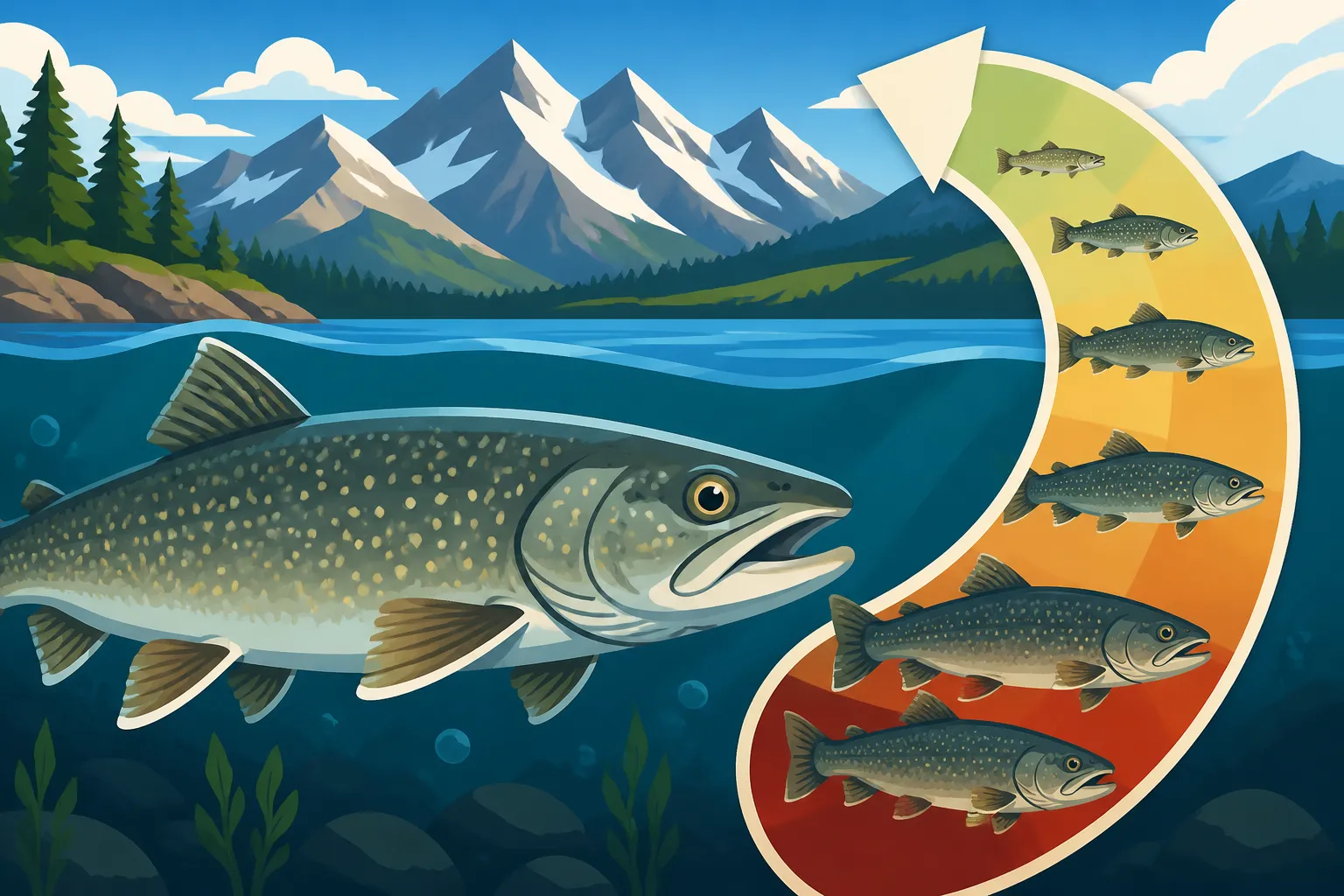
How Old Lake Trout Get in Colorado
It's truly fascinating to ponder the age of the fish swimming beneath Colorado's pristine waters, especially when we talk about a majestic species like the lake trout. You might look at a massive laker pulled from a deep reservoir and wonder, "Just how many years has this fish been navigating these depths?" It’s a natural curiosity, one that speaks to the patience and mystery inherent in angling. This guide will dive deep into the factors that determine how old lake trout can get in Colorado, how scientists figure this out, and what it means for anglers hoping to encounter these venerable giants.
The Lifespan of Lake Trout in Colorado Waters
When we talk about lake trout, or "mackinaw" as they're often called, we're discussing one of the longest-lived freshwater game fish in North America. These impressive fish are built for cold, deep water, and their slow metabolism contributes significantly to their potential for longevity. In Colorado, while we might not see the extreme ages reported in the far north, lake trout here can still reach truly impressive ages.
What Influences a Lake Trout's Longevity?
A lake trout's potential lifespan is a complex interplay of genetics, environment, and, let's be honest, luck. Genetically, they are programmed for a long life in their preferred cold, oxygen-rich habitats. Their slow growth rate, especially in prime conditions, is directly tied to this longevity. Unlike some warmer water species that burn out quickly, lake trout are the marathon runners of the underwater world. A well-fed, healthy lake trout in a stable environment is simply built to last. However, external factors can significantly alter this potential. Think of it like us – some folks have genes for a long life, but lifestyle choices and external circumstances definitely play a part.
Age Ranges You Can Expect to Find
In many of Colorado's major lake trout fisheries, it's not uncommon to catch fish in the 5 to 15-year-old range. These are typically the "trophy" fish that anglers dream about, often pushing into the 20-pound-plus category. But here’s where it gets truly interesting: some lake trout in Colorado have been documented reaching ages well into their twenties, and even occasionally brushing up against 30 years old. These ancient specimens are truly special, having survived countless seasons, fishing pressures, and environmental shifts. For instance, in vast, deep bodies of water like Blue Mesa Reservoir, the sheer size of the habitat and abundant food sources allow some individuals to grow to exceptional sizes, and with size often comes age. Why Blue Mesa Grows Such Large Lake Trout is a testament to these conditions. When you're out there, patiently jigging or trolling, remember that the fish on the other end of your line might have been swimming these waters since you were a kid!
Environmental Factors That Shape Lake Trout Age
The environment a lake trout calls home is perhaps the most critical determinant of how long it will live. Colorado's high-altitude reservoirs offer unique conditions that can be both beneficial and challenging for these cold-water giants.
The Role of Water Temperature and Oxygen
Lake trout thrive in cold water, ideally below 55 degrees Fahrenheit. In Colorado, this means they typically inhabit the deepest, coolest sections of our large reservoirs. The profundity of these lakes provides a thermal refuge, ensuring stable cold temperatures even during the hottest summer months. Crucially, these deep waters also need ample dissolved oxygen. A lack of oxygen, often caused by nutrient runoff or stratification in shallower lakes, can stress and ultimately kill fish, limiting their lifespan. So, a deep, cold, and well-oxygenated reservoir is essentially a lake trout's personal fountain of youth, allowing them to maintain their slow metabolic rate and live longer. This is why understanding How Deep Lake Trout Hold in Summer is not just about finding fish, but about appreciating their preferred, life-sustaining environment.
Food Abundance and Growth Rates
Just like any living creature, lake trout need a consistent and ample food supply to thrive and grow. In many Colorado reservoirs, kokanee salmon are a primary forage fish, acting as super-fuel for growing lake trout. When kokanee populations are robust, lake trout can grow quite large, quite quickly. Faster growth early in life, coupled with continued access to food, allows them to pack on pounds and reach sizes that deter many predators, further extending their lives. Conversely, in waters with scarce food, lake trout might be stunted or grow very slowly, which could still lead to a long life, but often without the impressive size we associate with these fish. A healthy food web is vital for supporting these long-lived apex predators.
The Impact of Fishing Pressure and Habitat
Human interaction also plays a significant role in lake trout age. Waters with high fishing pressure and liberal harvest limits will naturally have fewer older, larger fish. It's simple math: if more fish are removed, fewer survive to advanced ages. Colorado Parks and Wildlife (CPW) uses regulations, like specific length limits or bag limits, to manage populations and ensure a healthy distribution of age classes. In contrast, lakes with catch-and-release policies or very restricted harvest often boast older, more numerous trophy fish. Habitat quality, too, is paramount. Clean water, intact shorelines, and healthy spawning grounds contribute to overall fish health, allowing more individuals to survive early life stages and mature into adulthood. An angler who respects these principles contributes to the longevity of the species.
Unraveling the Secrets: How Scientists Determine Lake Trout Age
So, how do biologists know that a particular lake trout is, say, 25 years old? They can't just ask the fish! Determining the age of fish is a fascinating science, relying on natural growth markers. For long-lived species like lake trout, it requires specific techniques that are a bit more involved than just counting rings on a tree.
Reading the Rings: Otoliths and Scales
The primary method for aging lake trout, especially older ones, involves analyzing their otoliths, also known as "ear stones." These small, calcium carbonate structures found in the fish's head grow in concentric rings, much like tree rings. Each ring represents a year of growth. During periods of rapid growth (typically warmer months), the rings are wide, and during slower growth (colder months), they are narrow. By carefully sectioning an otolith and examining it under a microscope, biologists can count these annual rings (called annuli) to determine the fish's age. It's a precise process, requiring skill and specialized equipment. While scales also have growth rings, they can be less reliable for older fish, as the outer edges might resorb, making accurate counting difficult. For a deeper dive into fish biology, you can often find excellent field guides or scientific texts on platforms like Amazon that illustrate these methods in detail.
Practical Implications for Anglers
Understanding how fish are aged has direct implications for us as anglers. Knowing that the massive lake trout you're targeting might be decades old can instill an even greater sense of respect and responsibility. It reinforces the importance of proper catch-and-release techniques for those trophy fish you don't plan to keep. When you consider the life journey of a fish that might have been swimming since the late 1990s or early 2000s, releasing it unharmed becomes a powerful act of conservation. It's also why techniques for successfully targeting these fish, like those described in Jigging for Lake Trout Through the Ice or Trolling Techniques for Colorado Reservoirs, emphasize not only hooking the fish but ensuring its survival after the fight. The gear you use, from strong but gentle landing nets to specific release tools, also plays a part.
| Factor | Impact on Lake Trout Age Potential | Explanation |
|---|---|---|
| Water Temperature | Higher potential with colder water | Slower metabolism, less stress, ideal for long life. |
| Dissolved Oxygen | Higher potential with ample oxygen | Essential for respiration; low oxygen causes stress and mortality. |
| Food Availability | Higher potential with abundant food | Supports strong growth, larger size, better survival. |
| Fishing Pressure | Lower potential with high pressure | More fish removed from the population, fewer survive to old age. |
| Habitat Quality | Higher potential with healthy habitat | Supports all life stages, provides cover, ensures spawning success. |
| Genetics | Varies by individual fish | Inherent predisposition for growth rate and longevity within species. |
| Disease/Parasites | Lower potential with prevalence | Weakens fish, reduces survival, particularly in stressed populations. |
Colorado's Oldest Lake Trout Hotbeds and Records
Colorado is home to several fantastic lake trout fisheries, and a few stand out as prime locations for encountering truly ancient specimens. These are the places where the conditions align perfectly for lake trout to not just survive, but to thrive for many years.
Notable Colorado Reservoirs for Mature Lake Trout
If you're looking to target a lake trout that has seen many seasons, your best bet is to focus on Colorado's deepest, coldest, and most productive reservoirs. Blue Mesa Reservoir, near Gunnison, is arguably the state's most famous lake trout fishery and is certainly a hotspot for older, larger fish. Its immense size and depth provide the ideal environment, and it's renowned for its impressive lake trout population. Other prime locations include Lake Granby, Grand Lake, and Twin Lakes near Leadville, which are also deep, cold, and offer good forage bases. These are the waters where tales of "the one that got away" often involve a truly ancient fish. Many anglers rely on specific electronics and heavy-duty gear, often purchased from retailers like Amazon, to effectively fish these deep waters. You can learn more about specific spots in our guide on Lake Trout Fishing in Colorado.
State Records and the Pursuit of Giants
The pursuit of state record fish is often the pursuit of the oldest and largest individuals in a species. When you see the impressive weights recorded for Colorado's state record lake trout, you're looking at fish that are almost certainly at the upper end of their age potential. For instance, the current state record lake trout was a monster, caught in Blue Mesa Reservoir. That fish didn't get that big overnight; it took decades of survival and growth. What Colorado's State Record Lake Trout Weighed and Where Colorado's Record Lake Trout Was Caught show just what's possible in our state. Catching such a fish isn't just about luck; it's about persistent angling, often using specialized techniques like deep trolling with downriggers – understanding Best Downrigger Depth for Lake Trout in Summer is crucial – or precise jigging that targets the specific depths and structures where these old, wise fish reside. These fish have likely seen every lure and trick in the book, making their capture a true angling accomplishment and a testament to their venerable age.
Disclaimer
This article is for general informational purposes only and does not constitute professional advice. Laws, prices and regulations vary by location and change over time. Consult a qualified professional for guidance on your specific situation.