Where Colorado’s Record Lake Trout Was Caught
Every angler dreams of landing that one fish that shatters records, a true leviathan that stories are made of for generations. For many in Colorado, that dream revolves around the elusive, massive lake trout, a formidable adversary lurking in our deepest waters. If you've ever found yourself wondering where such a magnificent creature was pulled from our abundant waters, you're in the right place. This guide dives deep into the legendary catch that set the state record for lake trout, exploring not just the 'where,' but the 'why' and 'how' behind such an incredible feat, and how you might chase your own personal best.
The Legendary Catch: Colorado's State Record Lake Trout
The pursuit of a state record fish is a monumental undertaking, requiring dedication, skill, and often, a good dose of luck. When it comes to lake trout in Colorado, the record has long been held by a truly colossal specimen that solidified its place in fishing lore. Imagine the scene: a quiet morning, the hum of a boat engine, and then, a battle royale with a fish that outweighs many small children. That's precisely what unfolded for one lucky angler.
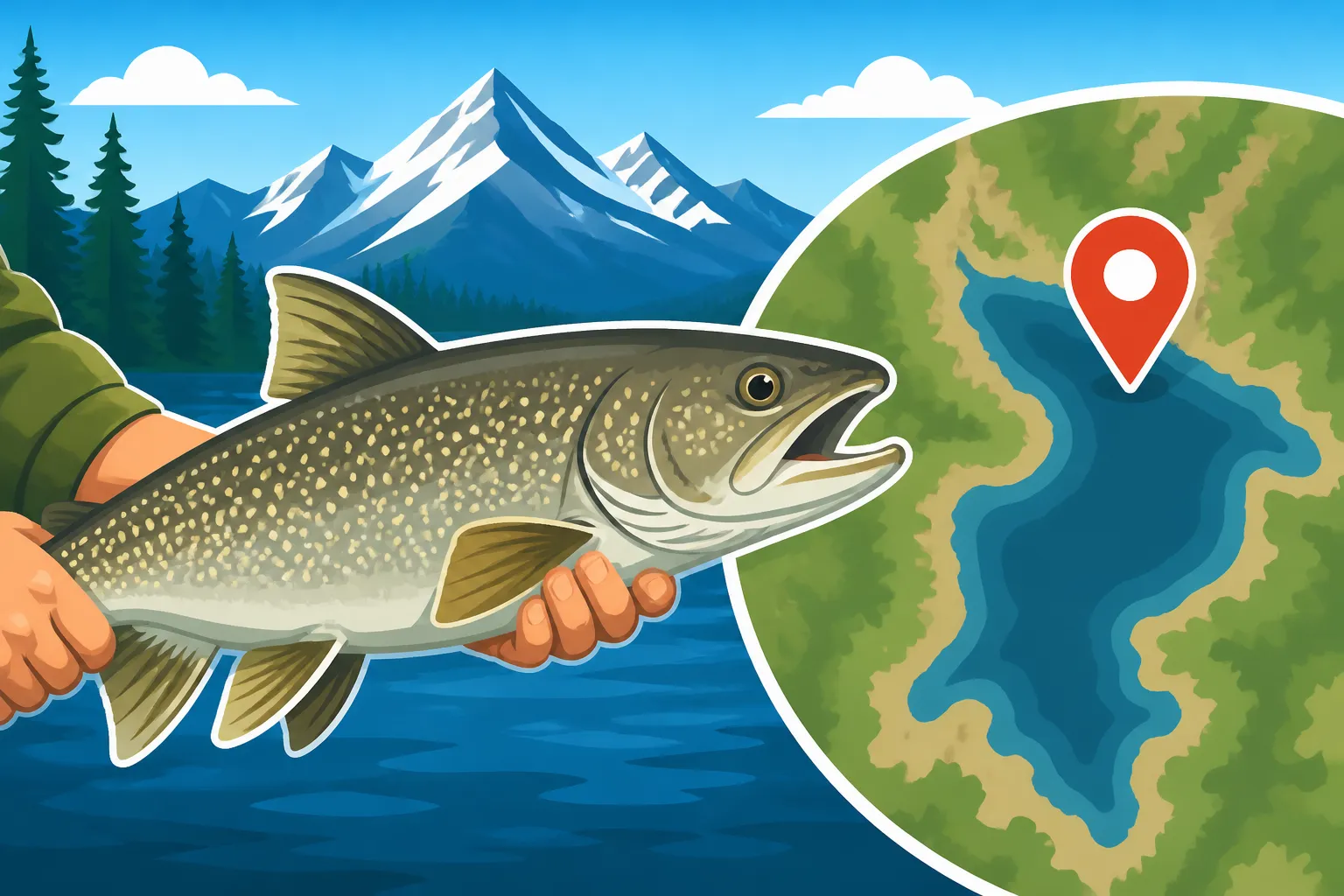
The state record lake trout was caught from Blue Mesa Reservoir, a massive body of water in southwestern Colorado, not far from Gunnison. This particular monster weighed an astounding 50 pounds, 3 ounces. Just think about that for a moment – over 50 pounds of pure, muscle-bound fish. This wasn't a fish that could be casually reeled in; it was a testament to the angler's skill and the sheer power of these apex predators. The sheer size of this fish immediately points to Blue Mesa's incredible ability to grow trophy lake trout. It's a weight that many anglers spend a lifetime dreaming of, often never even seeing a fish half that size. This record-setting catch wasn't just a number; it cemented Blue Mesa's reputation as a premier destination for those serious about Lake Trout Fishing in Colorado.
An Angler's Tale: The Story Behind the Record
While the exact details of every record catch fade slightly with time, the essence remains: a monumental struggle. The angler, unfortunately, often remains less famous than the fish itself, but their perseverance is what made the catch possible. This particular record was set by a very persistent individual who understood the waters of Blue Mesa. They likely employed specialized techniques, perhaps deep jigging or sophisticated trolling with downriggers, to reach the depths where such giants reside.
Picture the moment: a solid thud on the line, followed by the reel screaming as fifty pounds of furious fish makes its first run. This isn't your average trout fight; it's a test of endurance for both angler and gear. The retrieve would have been slow, methodical, with the fish peeling line whenever it felt the pressure, leveraging its immense weight and the water's resistance. Landing such a fish often involves careful maneuvering, maybe even a net specifically designed for large game fish, or a gaff if the intent is to harvest. For anyone curious about the other giants that lurk in Colorado's waters, the Colorado's State Record Fish, Species by Species offers a fascinating glimpse into what's possible.
Blue Mesa Reservoir: A Giant's Playground
So, why Blue Mesa? What makes this particular body of water such a prime breeding ground for gargantuan lake trout, culminating in the Colorado's State Record Lake Trout? It's not just a happy accident; it's a perfect storm of environmental factors, an abundance of food, and the sheer scale of the reservoir itself. Blue Mesa isn't just big; it's an ecosystem perfectly designed for growing monster fish.
Blue Mesa is the largest body of water in Colorado by surface area and one of the deepest, plunging down to depths well over 300 feet in places. This depth is absolutely crucial for lake trout, also known as Mackinaw. They are cold-water fish, thriving in the chillier, oxygen-rich waters found at the bottom of deep lakes. During the warmer months, as the surface waters heat up, lake trout retreat to these thermal refuges, where temperatures remain stable and ideal for their metabolism.
The Allure of Abundance: Forage Base for Giants
The secret to growing a 50-pound fish isn't just deep, cold water; it's also a constant, rich food source. Blue Mesa Reservoir is famous for its massive populations of kokanee salmon. These aren't native to Colorado, but they thrive in Blue Mesa, and crucially, they form the primary diet of its enormous lake trout. Kokanee salmon are essentially landlocked sockeye salmon, and they represent a high-protein, high-fat meal that allows lake trout to grow at an incredible rate.
Imagine a lake trout, already a predatory fish, feasting on a seemingly endless supply of rich, oily salmon. It's like a steak buffet for these fish, day in and day out. This caloric intake, combined with their long lifespans, allows them to pack on pounds year after year, eventually reaching truly staggering dimensions. Without the robust kokanee population, it's highly unlikely that Blue Mesa could sustain fish of the record-breaking caliber. This unique dynamic is why Fishing Blue Mesa Reservoir for Lake Trout is such a distinct experience compared to fishing for other trout species in smaller rivers.
Structural Diversity and Habitat
Beyond depth and forage, Blue Mesa offers an incredible diversity of underwater structure. Submerged islands, steep drop-offs, underwater canyons, and expansive flats provide countless ambush points and holding areas for lake trout of all sizes. These intricate underwater landscapes are what seasoned anglers study with their sonar, looking for those subtle contours where a big "Mack" might be lying in wait.
Knowing How Deep Lake Trout Hold in Summer is key to success. They often relate to structure but also suspend in the water column, shadowing schools of kokanee. The varying depths and structures mean that even during the winter, when the reservoir ices over, the fishing can be exceptional. Ice anglers often target deep points and humps, using specialized techniques like jigging to entice these giants from their cold-water haunts. For those looking to try their hand at winter angling, checking out Ice Fishing in Colorado, Getting Started is a great first step.
Strategies for Targeting Trophy Lake Trout
Catching a lake trout, especially a truly large one, requires a specific approach that differs significantly from river fishing for rainbow or brown trout. It’s a game of patience, heavy gear, and understanding deep-water behavior. You're not casting a tiny dry fly; you're often dropping heavy jigs or trolling large spoons hundreds of feet below the surface.
To even get started, you'll need robust equipment. Think heavy-action rods, baitcasting or large spinning reels spooled with strong, braided line, and sometimes, a monofilament or fluorocarbon leader. Lake trout have incredibly tough mouths and fight hard, so your gear needs to be up to the challenge. If you're starting from scratch, you can find a lot of reliable, heavy-duty tackle on platforms like Amazon, ensuring you have the backbone needed for these powerful fish.
Deep Water Tactics: Jigging and Trolling
The two primary methods for targeting trophy lake trout are jigging and trolling. Each has its nuances and requires different equipment and techniques.
Jigging for Lake Trout: This method involves dropping heavy jigs, often weighing several ounces, straight down to the depths where lake trout are holding. The key is to present the jig near the bottom or at the depth where you're seeing fish on your sonar. Common jig types include tube jigs, bucktail jigs, or blade baits, often tipped with a piece of sucker meat or a dead baitfish to add scent and appeal. The motion is typically an aggressive lift and fall, mimicking an injured baitfish. This is a very active form of fishing that requires constant attention to your sonar and the feel of your line. For those specifically interested in winter tactics, Jigging for Lake Trout Through the Ice offers more detailed advice.
Trolling for Lake Trout: Trolling involves dragging lures behind a moving boat, typically using specialized equipment like downriggers to get lures to precise depths. Large spoons, stickbaits, or even substantial live bait rigs are effective. The beauty of trolling is that it covers a lot of water, allowing you to search for scattered fish or patrol specific depth contours. It's crucial to know Best Downrigger Depth for Lake Trout in Summer to ensure your lures are in the strike zone. Matching the speed of your boat to the lure's action and the fish's mood is also critical. Sometimes, a slow, methodical pace is best, while other times a faster troll might trigger a chase response. If you're looking to upgrade your trolling gear, a quick search on Amazon will reveal a wide range of downriggers and specialized trolling rods. For more general advice on this technique, check out Trolling Techniques for Colorado Reservoirs.
The Importance of Electronics and Patience
Modern fish finders and sonar units are indispensable for lake trout fishing. These tools allow you to identify depth, bottom structure, and most importantly, mark fish. Knowing where the baitfish are (often kokanee schools) will tell you where the predators are likely to be. Side imaging and down imaging technologies can help you pinpoint structure that traditional 2D sonar might miss.
But even with the best electronics, patience is paramount. Lake trout, especially the giants, don't always bite readily. There can be long stretches of nothing, followed by a sudden, violent strike. Dedication to your chosen technique and confidence in your location are what often pay off in the long run. Don't be afraid to experiment with different lures, colors, and retrieve speeds until you find what triggers a bite on a given day. And always remember to have your Colorado Fishing Regulations Every Angler Should Know handy, as limits and special rules often apply to specific waters and species.
| Tactic | Best Season | Gear Focus | Depth Range (Typical) | Key Advantage |
|---|---|---|---|---|
| Jigging | All seasons, especially ice fishing | Heavy rod, braid, heavy jigs, sonar | 50-300+ feet | Active, targets specific marks, direct feel |
| Trolling | Open water seasons | Downriggers, heavy trolling rods, planer boards | 30-200 feet | Covers large areas, mimics cruising baitfish |
| Bait Fishing | Winter, early spring | Heavy rod, bottom rig, large dead bait | 50-250 feet | Low effort, scent trail, for stationary fish |
Understanding Colorado's Lake Trout
Lake trout are not native to Colorado's waters; they were introduced in the late 19th and early 20th centuries. Despite being an introduced species, they have carved out a significant niche, particularly in the state's deepest and coldest reservoirs. They are a fascinating species, known for their longevity, slow growth in some environments, and incredible size potential in others, like Blue Mesa.
These fish are distinguishable by their long, slender bodies, deeply forked tail, and light spots on a dark green to gray background. Unlike rainbow or brown trout, which are often found in rivers and shallower lakes, lake trout prefer the deep, cold, pelagic zones of large reservoirs. They are true predators, and their diet shifts as they grow. Younger lake trout might feed on insects and smaller fish, but as they mature, they become increasingly piscivorous, meaning they primarily eat other fish. This is where the kokanee salmon in Blue Mesa play such a vital role. If you want a deeper dive into all the trout species you can find here, our Colorado's Trout Species, A Field Guide is a great resource.
Growth Rates and Longevity
One of the reasons lake trout can reach such immense sizes in waters like Blue Mesa is their incredible longevity. They are slow-growing fish in many environments, often taking many years to reach trophy sizes. However, with an abundant food source like kokanee, their growth can accelerate. A 50-pound lake trout has likely been patrolling the depths of Blue Mesa for decades, evading anglers and growing steadily.
Their life cycles are adapted to cold water, with spawning typically occurring in the fall over rocky shoals in deep water. They don't build redds like other trout species but rather scatter their eggs over rocky substrate, where the eggs settle into crevices, protected until they hatch. This deep-water spawning ensures the young fish hatch into the cold, stable environment they need to survive. Understanding these habits can inform your fishing strategies, particularly if you're targeting How Big Lake Trout Get in Colorado.
Challenges and Conservation
While fishing for trophy lake trout is a thrilling endeavor, it also comes with its challenges. The depths they inhabit, the specialized gear required, and their sometimes finicky nature all contribute to making them a challenging target. Additionally, there are conservation considerations. While they are a popular sport fish, their predatory nature means that in some waters, their populations might need management to protect native species or other sport fish.
In places like Blue Mesa, however, their presence is well-established and celebrated. Many anglers practice catch-and-release for the largest fish, recognizing their value as breeders and the rare opportunity they represent. Others keep smaller, management-sized fish for their delicious table fare. Regardless of your approach, respecting the resource and understanding the unique ecosystem of Colorado's deep reservoirs is crucial for every angler.
Disclaimer
This article is for general informational purposes only and does not constitute professional advice. Laws, prices and regulations vary by location and change over time. Consult a qualified professional for guidance on your specific situation.