Best Waters for Largemouth Bass in Colorado
When you think about fishing in Colorado, images of pristine mountain streams, leaping trout, and snow-capped peaks probably fill your mind. And for good reason! Colorado is a trout angler's paradise. But for those of us who love the thrill of a hard-fighting largemouth bass, it can feel like you're searching for a needle in a haystack. Many assume that the cold, high-altitude waters of the Rockies aren't suited for these warmwater giants, leading to frustration and wasted fishing trips. This guide is here to change that narrative, showing you exactly where to find those elusive bucketmouths and how to tackle them in the Centennial State.
The Unique Challenge of Largemouth Bass Fishing in Colorado
Let's be real: Colorado isn't exactly Florida or Texas when it comes to largemouth bass fishing. The sheer volume and size of bass found in those warmer climates are hard to beat. This often leaves Colorado bass enthusiasts feeling a bit overlooked, or worse, feeling like they have to travel out of state just to get their fix. It's a valid frustration, especially when every other fishing report seems to be about the latest trout hatch.
Why Colorado Isn't Your Typical Bass Haven
The primary reason largemouth bass aren't as prevalent or grow as large in Colorado as they do elsewhere boils down to simple geography and climate. Largemouth bass thrive in warmer water, preferably with ample shallow cover like weeds, lily pads, and submerged timber, and a longer growing season. Colorado, with its generally cooler temperatures, shorter summers, and often deep, clear reservoirs, presents a tougher environment. Many of our renowned "Gold Medal" waters are specifically managed for trout, with cold, highly oxygenated flows that largemouth just can't tolerate. This means the prime bass habitat is often limited to specific areas and types of water. You won't find them in every mountain lake or stream, which is a common misconception for new anglers to the state.
However, this doesn't mean they don't exist! It just means you have to be more strategic and patient. The bass that do make it in Colorado often grow hearty and healthy, providing a rewarding challenge for those willing to put in the time. They might not always be state-record breakers, but a solid three or four-pound largemouth here feels like a true trophy. Understanding this distinction from the outset is key to managing expectations and focusing your efforts.
Understanding Colorado's Warmwater Fisheries
While trout dominate the headlines, Colorado Parks and Wildlife (CPW) actively manages numerous warmwater fisheries throughout the state, often in reservoirs and ponds at lower elevations, particularly along the Front Range and out on the Eastern Plains. These are your best bets for finding largemouth. These waters typically have shallower depths, warmer average temperatures, and more of the submerged structure and vegetation that bass love. Think of them as oases for warmwater species in a predominantly coldwater state.
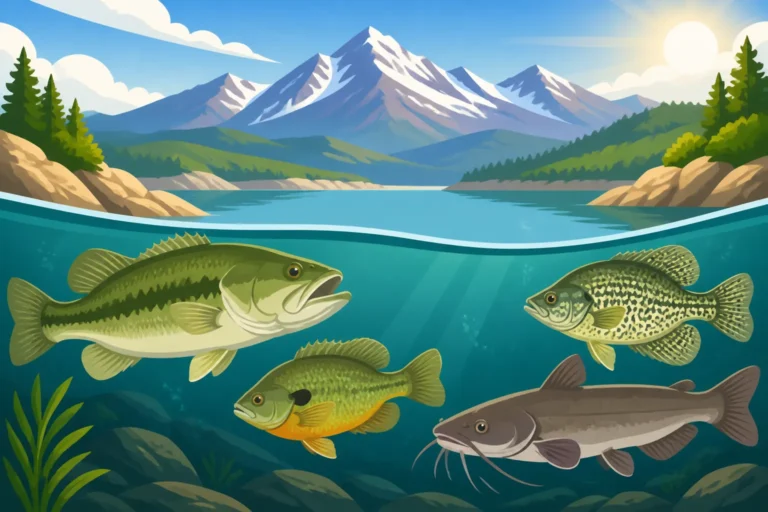
These fisheries aren't just for bass, either. You'll often find a diverse array of species cohabiting these waters, including walleye, northern pike, catfish, and various panfish. This ecological mix means you might hook into something unexpected, adding another layer of excitement to your bass pursuit. It also means the bass often have a rich buffet of forage fish, from yellow perch to crappie, which helps them grow. Understanding the ecosystem of these warmwater lakes is critical for success. It's not just about finding "bass water"; it's about finding water where bass can thrive alongside other species. What Fish Live in Colorado's Warmwater Reservoirs is a great resource if you want to dive deeper into the full spectrum of species you might encounter.
Top Colorado Waters for Largemouth Bass Anglers
Now, let's get to the good stuff: where do you actually go to tangle with a largemouth in Colorado? While the list might not be as exhaustive as some southern states, there are indeed some fantastic opportunities if you know where to look.
Front Range Hotspots for Bucketmouths
The Front Range, stretching from Fort Collins down through Denver and Colorado Springs, is home to a surprising number of quality largemouth bass fisheries. These areas benefit from slightly warmer average temperatures and denser human populations, which often translates to more managed park lakes and reservoirs.
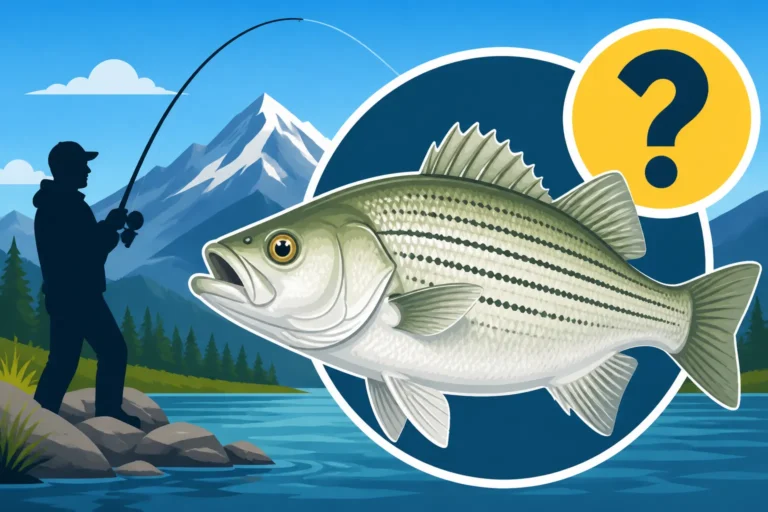
- Chatfield Reservoir: Located just south of Denver, Fishing Chatfield Reservoir is a popular multi-use reservoir that has some excellent largemouth opportunities, particularly in its shallower coves and along its vegetated shorelines. The bass here love to hide among submerged brush and weed lines. Early morning and late evening are often prime times, especially during the warmer months, as the bass move out of deeper water to feed. Look for areas with a mix of rocks and weeds. You might also find Wiper, Colorado's Hybrid Striped Bass here, which are incredibly strong fighters, so be prepared for anything!
- Cherry Creek Reservoir: Another urban oasis, Fishing Cherry Creek Reservoir in Aurora, offers a similar experience to Chatfield. The bass population here is healthy, and while it sees a lot of recreational traffic, there are plenty of nooks and crannies for bass to hide. Focus on areas with standing timber or significant weed beds, especially near points and creek channels. The shallower bays can be dynamite in the spring and fall.
- Standley Lake: Up near Westminster, Fishing Standley Lake is a municipal water supply that also holds a solid population of largemouth. It's known for its clear water, which can make bass a bit skittish, so a stealthy approach and longer casts are often rewarded. Seek out the submerged structures and the edges of any weed beds you can find. A good depth finder can be your best friend here, helping you pinpoint those hidden drop-offs and structure where bass ambush their prey.
- Quincy Reservoir: This Aurora reservoir is often cited as a top bass fishery. It's a non-motorized lake, meaning less pressure from boats, which can sometimes lead to more relaxed fish. Quincy has a reputation for growing some larger bass, thanks to its excellent habitat and forage. Target its abundant weed beds and deeper structure.
- Barr Lake State Park: East of Brighton, Barr Lake offers a quieter, more natural setting. While known for its birdwatching, it also has good largemouth bass fishing. The lake has extensive shallow areas with reeds and submerged vegetation, providing ideal cover. This is a great spot for topwater action in the early morning or late evening.
Eastern Plains Reservoirs and Ponds
Venture further east onto Colorado's plains, and you'll find a network of reservoirs and smaller ponds that are often overlooked by the masses. These waters might lack the dramatic mountain backdrops, but they often make up for it with less fishing pressure and thriving bass populations.
- Jackson Lake State Park: Located near Orchard, Jackson Lake is a fantastic warmwater fishery. It's a large reservoir with plenty of varied structure, from sandy flats to rocky points and submerged timber. The largemouth here can be aggressive, especially around cover. It's also known for Northern Pike Fishing in Colorado, so you might hook into one of those toothy critters while targeting bass.
- John Martin Reservoir State Park: Down in southeastern Colorado near Hasty, John Martin is another expansive plains reservoir. It's less pressured than many Front Range lakes and can offer some fantastic fishing for both largemouth and smallmouth bass. Look for areas with rocky banks, submerged brush, and old creek channels. The fishing here can be excellent in spring and fall.
- Pueblo Reservoir: While a bit further south, Lake Pueblo State Park near Pueblo is a perennial favorite for warmwater anglers. It holds both largemouth and smallmouth bass, offering diverse fishing. The reservoir has a mix of rocky points, coves, and some submerged structure. The fishing can be challenging but rewarding, with opportunities for quality bass. It's a major hub for Colorado's Daily Walleye Limit as well, so you'll have plenty of options.
- Numerous smaller ponds: Don't overlook the countless smaller community ponds, state wildlife areas (SWAs), and private farm ponds scattered across the Eastern Plains. Many of these are stocked by CPW and can hold surprisingly large bass. Local knowledge or a good mapping app can reveal some hidden gems. Always check regulations, as some smaller ponds might have specific rules or access restrictions.
Lesser-Known Regional Gems
Beyond the main hubs, there are always a few quieter spots that can yield excellent results if you're willing to explore. These often require a bit more effort to reach but can offer a more peaceful fishing experience.
- McPhee Reservoir: Out in Southwest Colorado near Dolores, McPhee is a massive body of water known for its smallmouth bass, but it also has a healthy population of largemouth, particularly in its warmer, shallower arms and coves. The lake has a lot of timber and brush from when it was flooded, providing excellent cover. It's a vast lake, so covering water with a boat is often essential.
- Navajo Reservoir: Straddling the Colorado-New Mexico border, Fishing Navajo Reservoir on the Colorado-New Mexico Border is another huge reservoir that offers diverse fishing. While a significant portion is in New Mexico, the Colorado side also holds good largemouth. Its canyon-like structure and numerous coves create excellent habitat. It's a long drive for many, but the rewards can be significant, especially if you're looking for an adventure.
- Private Ponds: This might be the "secret sauce" for trophy largemouth in Colorado. Many private landowners, especially on the plains, manage their ponds specifically for bass. Gaining access can be tricky, but if you know someone, these can be phenomenal. Always ask permission!
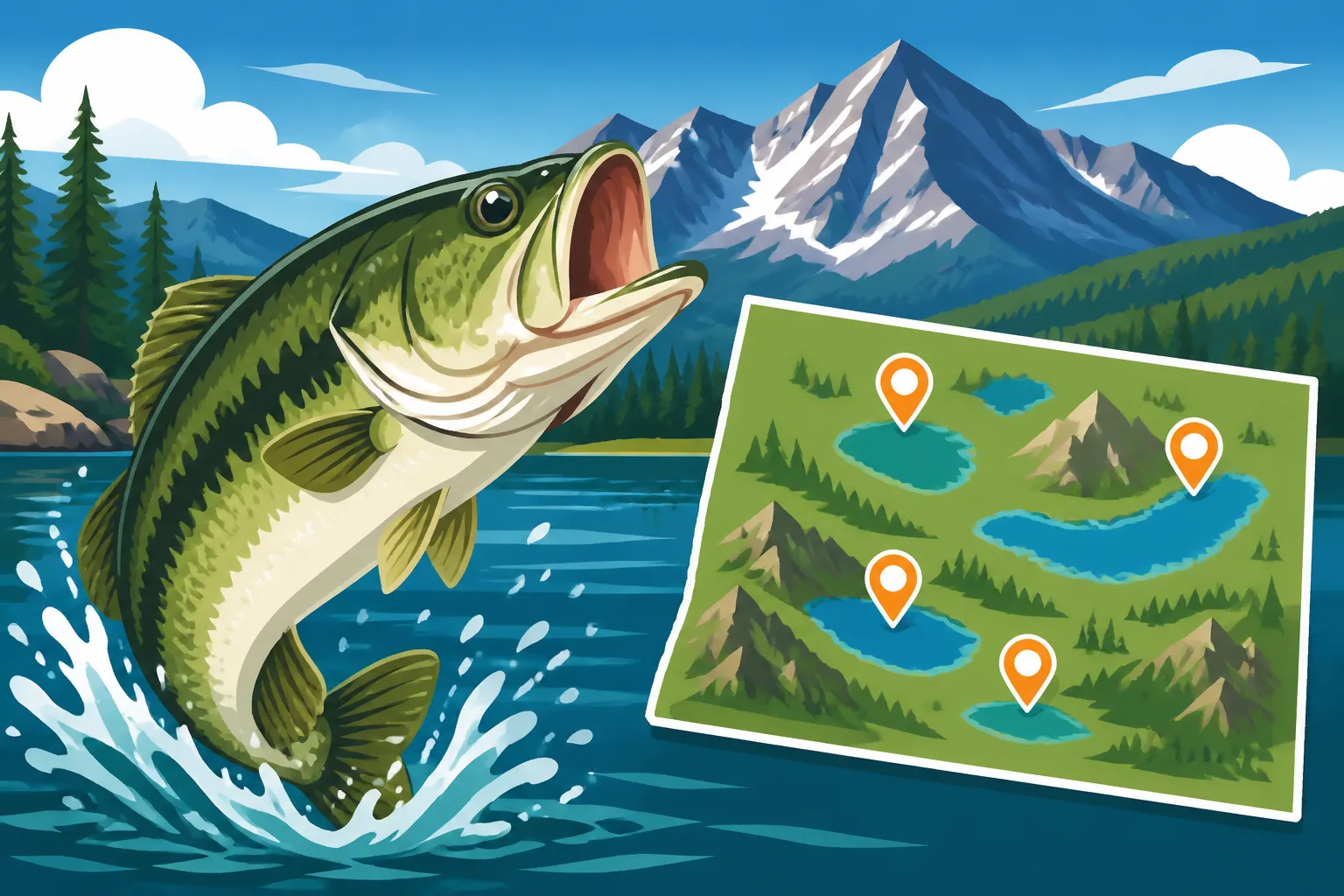
Here's a quick overview of some top spots:
| Location | Primary Bass Type | Key Features | General Approach |
|---|---|---|---|
| Chatfield Reservoir | Largemouth | Shallow coves, submerged brush, weed lines | Early/late, target cover, boat or float tube |
| Cherry Creek Reservoir | Largemouth | Standing timber, weed beds, creek channels | Focus on structure, especially in bays |
| Standley Lake | Largemouth | Clear water, submerged structure, weed edges | Stealthy approach, depth finder is helpful |
| Quincy Reservoir | Largemouth | Abundant weed beds, deeper structure | Non-motorized, good for topwater and finesse |
| Barr Lake State Park | Largemouth | Extensive reeds, submerged vegetation, shallow areas | Topwater, early morning/late evening, quiet approach |
| Jackson Lake State Pk | Largemouth, Pike | Varied structure, sandy flats, rocky points, timber | Cover water, focus on transitions, beware of pike |
| John Martin Reservoir | Largemouth, Smallmouth | Rocky banks, submerged brush, old creek channels | Less pressure, spring/fall can be excellent |
| Pueblo Reservoir | Largemouth, Smallmouth | Rocky points, coves, some submerged structure | Diverse fishing, challenging but rewarding |
| McPhee Reservoir | Largemouth, Smallmouth | Extensive timber, shallower arms, coves | Large body of water, boat essential for covering ground |
| Navajo Reservoir | Largemouth, Smallmouth | Canyon structure, numerous coves, submerged timber | Remote, offers adventure, focus on structure |
Strategies and Gear for Colorado Largemouth
Finding the right water is only half the battle; you also need the right approach. Colorado's bass can be particular, given their somewhat limited habitat and often clear water.
Essential Lures and Baits for Colorado Bass
When it comes to gear, you don't need to reinvent the wheel, but having a versatile selection that can handle different conditions is crucial. You can find a wide array of options on platforms like Amazon, making it easy to stock up before your next trip.
- Soft Plastics: These are arguably the most versatile for Colorado bass. Worms (Texas-rigged or wacky-rigged), Senkos, creature baits, and swimbaits are all highly effective. The slower fall and subtle action can entice bites from finicky bass, especially in clear water or when they're hiding deep in cover. Colors like green pumpkin, junebug, and black/blue are always good starting points.
- Jigs: Flipping jigs and casting jigs are excellent for targeting bass around heavy cover like submerged trees, docks, or thick weed lines. Pair them with a craw or creature trailer for added bulk and action. A solid jig fished patiently can often draw out the biggest fish.
- Spinnerbaits and Chatterbaits: These are fantastic search baits, especially when fish are active or when you need to cover a lot of water. The flash and vibration can trigger reaction strikes. In stained or murky water, they can be incredibly effective. Consider keeping a selection with different blade configurations and skirt colors.
- Crankbaits and Jerkbaits: For covering open water, points, and drop-offs, these are hard to beat. Shallow-diving crankbaits work well over weed beds, while deeper divers can probe structure. Jerkbaits, with their erratic action, are lethal in cooler water, particularly in spring and fall. A variety of depths and colors in your tackle box, maybe ordered from Amazon for convenience, will ensure you're ready for different scenarios.
- Topwater Lures: When conditions are right – warm water, low light (early morning, late evening), and calm surfaces – topwater explosions are some of the most exciting bites in bass fishing. Frogs, poppers, and walking baits can be incredibly effective, especially around lily pads, thick weeds, or over submerged timber. Just remember that patience is key with topwater; let the bass fully take the lure before setting the hook.
- Live Bait: While many dedicated bass anglers prefer artificials, don't discount the effectiveness of live bait, especially for beginners or when fishing is tough. Shiners, minnows, or even nightcrawlers (check local regulations on Colorado Bait Restrictions and Where They Apply) can be irresistible to bass. Just make sure your bait is legal for the water you're fishing.
Seasonal Tactics for Largemouth Success
Colorado's distinct seasons play a huge role in bass behavior. Understanding these patterns is critical for consistent success.
- Spring (Pre-spawn and Spawn): This is arguably the best time to target largemouth in Colorado. As ice recedes and water temperatures climb into the 50s and 60s, bass move to shallower areas to feed heavily and eventually spawn. Look for protected coves, north-facing banks (which warm faster), and any significant structure. Jerkbaits, spinnerbaits, and slow-rolled jigs can be very productive as bass transition. Once the water is in the mid-60s, bass will be on beds, and sight fishing with soft plastics can be a thrilling challenge.
- Summer (Post-spawn and Summer Heat): After the spawn, bass will spread out and feed actively. As water temperatures rise into the 70s, they'll often relate to deeper structure during the day, moving shallower at dawn and dusk. Early morning and late evening topwater action can be phenomenal, especially around weed lines and submerged timber. During the heat of the day, probe deeper points, drop-offs, and shady cover with jigs, deep-diving crankbaits, or Texas-rigged worms. Remember that Colorado summers can include afternoon thunderstorms, so keep an eye on the weather and prioritize safety.
- Fall (Feeding Frenzy): As temperatures begin to cool in September and October, largemouth bass enter a major feeding period, packing on weight for the winter. They'll often move to the shallower ends of lakes and feed aggressively on baitfish. This can be a fantastic time for crankbaits, spinnerbaits, and even large swimbaits. Look for schooling baitfish, as the bass won't be far behind. This is a favorite season for many anglers, offering the chance for some truly big fish. Fall Fishing in Colorado, What Changes can give you more insights into the broader seasonal shifts.
- Winter (Ice Fishing): While most anglers put their bass gear away, ice fishing can produce some surprising largemouth in Colorado's warmwater lakes. They'll be slow and lethargic, holding tight to bottom structure or the deepest parts of weed beds. Small jigs tipped with a grub or a minnow on a tip-up can be effective. Patience is key, and bites will be subtle. Be sure to check ice conditions carefully before venturing out.
Respecting the Resource: Conservation and Regulations
As with any fishing adventure, being a responsible angler is paramount. Colorado's warmwater fisheries are valuable, and we need to do our part to keep them healthy for future generations. Knowing and following the rules, easily found by Reading Colorado's Fishing Regulations Brochure, is part of being a good steward.
Catch-and-Release Practices for Bass
While you'll often hear about catch-and-release for trout in Colorado, it's just as important for largemouth bass, especially the larger, older fish that contribute significantly to the breeding population. Bass populations in Colorado aren't as robust as in other states, so protecting these fish is vital.
When you land a bass:
- Minimize handling: Try to keep the fish in the water as much as possible. If you must remove it, do so gently and quickly.
- Use proper tools: A net designed for bass can help you land them safely. A pair of pliers, perhaps a sturdy pair you bought on Amazon, is essential for quickly removing hooks.
- Support their weight: If holding a bass, support its body horizontally. Avoid holding it vertically by the jaw if it's a larger fish, as this can damage its jaw and internal organs.
- Revive if necessary: If the fish seems stressed, gently hold it in the water, facing into any current, until it swims away under its own power. This is particularly important during warmer water periods when fish are more susceptible to stress.
By practicing responsible catch-and-release, you help ensure that these waters continue to provide great bass fishing for everyone.
Local Rules and Bag Limits
Colorado Parks and Wildlife (CPW) sets specific regulations for each body of water, and these can vary significantly. What applies to Chatfield Reservoir might not apply to a small SWA pond on the Eastern Plains. It's crucial to always consult the current CPW fishing regulations brochure or use the online resources provided by CPW before you head out.
- Bag and Possession Limits: These dictate how many fish of a certain species you can keep per day and how many you can have in your possession. For bass, these limits are often more restrictive than for other species, sometimes even requiring immediate release or specific slot limits (e.g., you can keep fish under a certain size and over another, but not in between). Always double-check. Colorado Bag and Possession Limits by Species is a good general guide, but always verify for your specific location.
- Length Restrictions: Some waters have minimum or maximum length limits for bass to protect spawning fish or encourage the growth of larger individuals.
- Gear Restrictions: While less common for bass, some waters might have restrictions on bait type, hook type, or even the number of rods you can use. Colorado's Second-Rod Stamp and Who Needs One is something to consider if you like fishing with multiple lines.
- Habitat Stamp: Remember, in addition to your Colorado Fishing License Guide for Residents and Nonresidents, most anglers over 18 and under 65 will also need to purchase a Colorado's Habitat Stamp, Explained. This stamp helps fund crucial wildlife and habitat conservation projects across the state, benefiting all species, including largemouth bass.
Always do your homework, stay informed, and respect the regulations. The more you understand about Colorado's unique fishing landscape, the more successful and rewarding your largemouth bass adventures will be.
Disclaimer
This article is for general informational purposes only and does not constitute professional advice. Laws, prices and regulations vary by location and change over time. Consult a qualified professional for guidance on your specific situation.