Where to Find Rio Grande Cutthroat in the San Luis Valley
For many anglers, the thought of chasing native trout in Colorado conjures images of pristine mountain streams and elusive, wild fish. But trying to pinpoint exactly where to find those rare, indigenous beauties, like the Rio Grande Cutthroat, can feel like searching for a needle in a haystack, especially in a vast area like the San Luis Valley. This guide is here to cut through the confusion and give you actionable insights on where to respectfully pursue these magnificent fish.
Understanding the Rio Grande Cutthroat and Its Unique Habitat
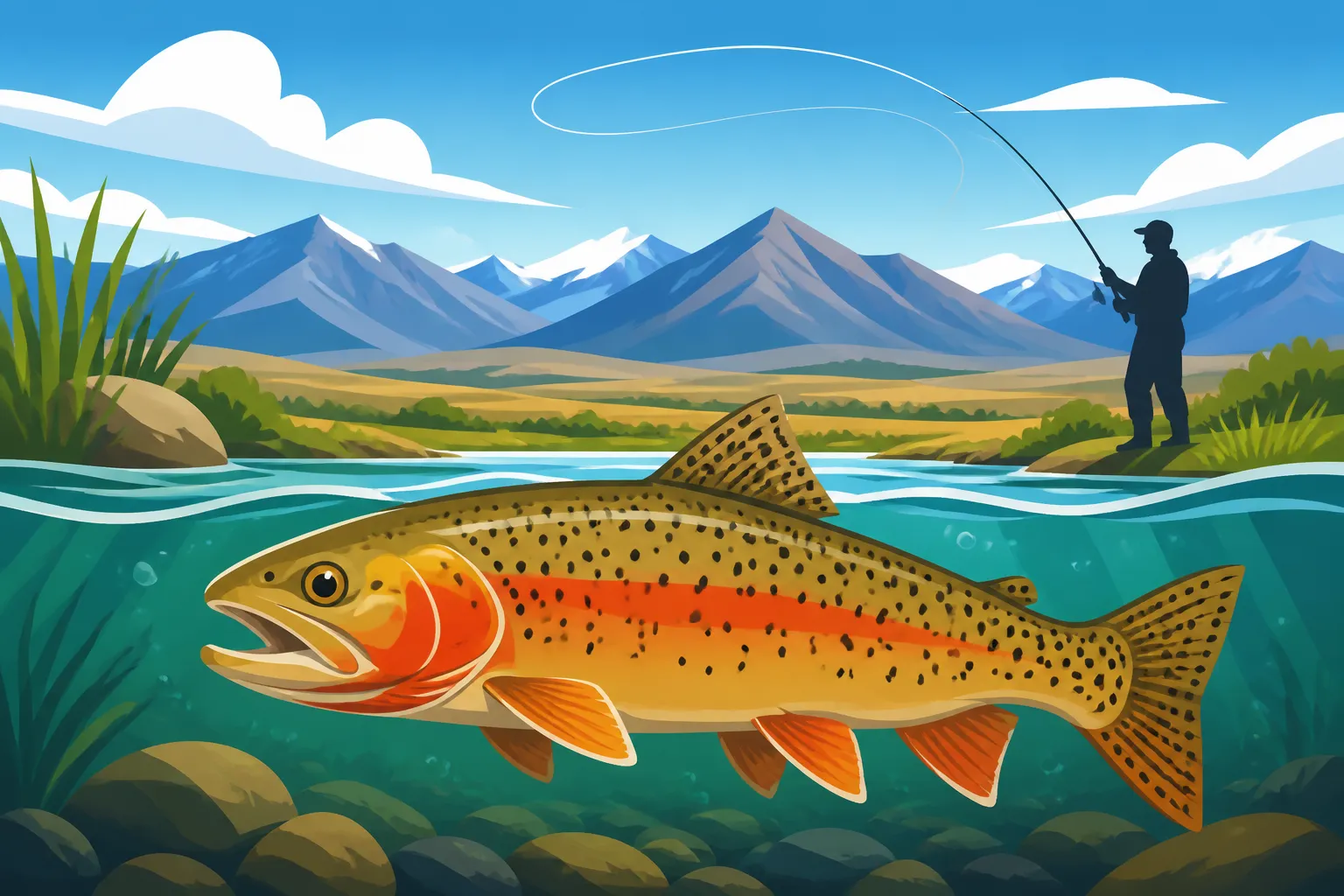
Before we dive into specific locations, let's talk about what makes the Rio Grande Cutthroat so special and why finding them requires a little more insight than just throwing a dart at a map. These aren't your typical hatchery rainbows; they are a native subspecies of cutthroat trout, a true relic of Colorado's angling past, and they thrive in specific, often delicate, ecosystems. Their resilience and beauty make them a highly sought-after species for conservation-minded anglers.
Why Rio Grande Cutthroat Are So Elusive
You might be wondering why it's such a challenge to find these fish. Part of it comes down to their history. Like many native trout populations across the West, Rio Grande Cutthroat faced significant pressure from habitat loss, competition from non-native species like brook trout and brown trout, and historic overfishing. Today, thanks to dedicated conservation efforts by Colorado Parks and Wildlife and other groups, their populations are slowly recovering, but they remain restricted to certain areas that offer the pure, cold, clean water they need. This often means higher elevation streams, headwaters, and isolated pockets that have been protected from these pressures. You'll often find them in places that require a bit of effort to reach, which is part of their charm.
Ideal Habitat Characteristics in the San Luis Valley
When you're looking for Rio Grande Cutthroat, you're essentially looking for specific types of water. They prefer small to medium-sized mountain streams, often with a moderate gradient and plenty of natural cover like undercut banks, large rocks, and fallen timber. The water needs to be consistently cold, well-oxygenated, and have minimal sedimentation. Think clear, freestone streams fed by snowmelt, winding through conifer forests or high-alpine meadows. These are typically the kind of places where non-native species haven't been able to establish a dominant foothold, allowing the cutthroats to flourish. They also need robust riparian vegetation along the banks, which helps keep water temperatures cool and provides essential insect life for their diet. If you see a stream that looks like it could have existed untouched for centuries, that's often a good sign.
Prime Locations for Rio Grande Cutthroat in the San Luis Valley
The San Luis Valley, with its vast mountain ranges—the Sangre de Cristo to the east and the San Juan Mountains to the west—offers some of the most promising, albeit challenging, opportunities to find Rio Grande Cutthroat. It's a huge area, so focusing on specific drainages is key. Remember that these are often remote locations, and conditions can change rapidly. Always check local regulations and conditions before heading out, as conservation efforts might lead to special restrictions or closures.
Headwater Streams of the Rio Grande Drainage
The most obvious place to start your search is within the headwaters of the Rio Grande itself and its many tributaries that spill down from the high San Juan Mountains. These are the ancestral waters of this subspecies. As you move higher into the mountains, away from the wider, warmer mainstem river, the streams become smaller, colder, and often more wild, creating the perfect habitat.
For instance, tributaries found within the Rio Grande National Forest often hold genetically pure or wild populations of Rio Grande Cutthroat. You'll want to focus on areas that are managed for native trout restoration. These are typically smaller creeks that might not even be named on standard maps or only appear as faint blue lines. Access usually involves hiking, sometimes off-trail, or utilizing forest service roads that lead to trailheads. It’s an adventure in itself, but the reward of a wild Rio Grande Cutthroat is truly something special. Be prepared for a day-long outing, often involving several miles of walking with all your gear, so a comfortable fishing backpack, easily found on Amazon, is a must.
Streams Flowing from the Sangre de Cristo Mountains
While the Rio Grande Cutthroat's namesake leans towards the San Juan side of the valley, some isolated populations, often the result of reintroduction efforts, can be found in streams that flow off the western slopes of the Sangre de Cristo Mountains. These streams tend to be even steeper and rockier, plunging down into the valley floor.
Think about the smaller, less-pressured creeks that feed into larger tributaries. These spots can be incredibly rewarding because they often see less angling pressure due to their challenging access. Anglers looking to find these fish might need to spend time studying detailed topographical maps to identify drainages that appear to be isolated and high in elevation. Again, this is not a drive-up-and-fish scenario. You'll likely encounter challenging terrain, so appropriate hiking boots and navigation tools are essential.
Here’s a simplified breakdown of potential areas:
| Region of San Luis Valley | Typical Habitat | Access Difficulty | Key Characteristics |
|---|---|---|---|
| Upper Rio Grande Drainages | High-elevation, freestone mountain creeks | Moderate to Difficult | Cold, clear water, forested banks, remote |
| San Juan Mountain Headwaters | Small, steep, snowmelt-fed streams | Difficult | Wilderness areas, rugged terrain, pristine |
| Sangre de Cristo Western Slopes | Steep, rocky, cascading creeks | Difficult | Isolated pockets, often reintroduction sites |
When planning your trip, remember that many of these areas are part of wilderness or national forest land. Always practice Leave No Trace principles. If you're unsure about specific access points or regulations, contacting the local Rio Grande National Forest office or a knowledgeable fly shop in towns like South Fork or Del Norte can provide invaluable, up-to-date information. They're often the best source for "insider" tips on recent stockings or closures.
Best Practices for Targeting Rio Grande Cutthroat
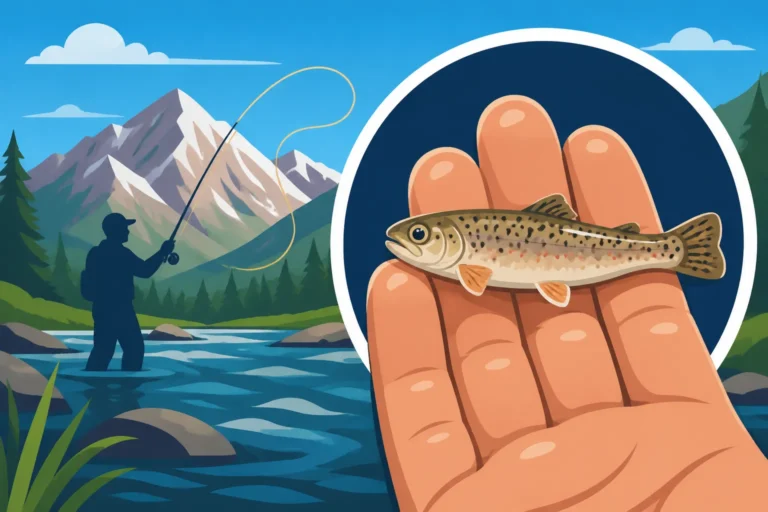
Fishing for Rio Grande Cutthroat isn't just about finding them; it's about approaching them with the right mindset and techniques. These fish are wild, often smaller than their stocked cousins, and can be easily spooked. Conservation should always be at the forefront of your angling approach, especially since these are recovering native populations.
Respectful Angling and Catch-and-Release
Given their protected status and ongoing recovery efforts, fishing for Rio Grande Cutthroat should almost always involve strict catch-and-release practices. This means using barbless hooks (which are often required on many native trout waters), handling fish minimally with wet hands, and ensuring a quick, healthy release. It’s not about how many fish you catch or how big they are, but the experience of connecting with a piece of Colorado’s natural heritage. Learn more about Catch-and-Release Rules on Colorado's Cutthroat Waters.
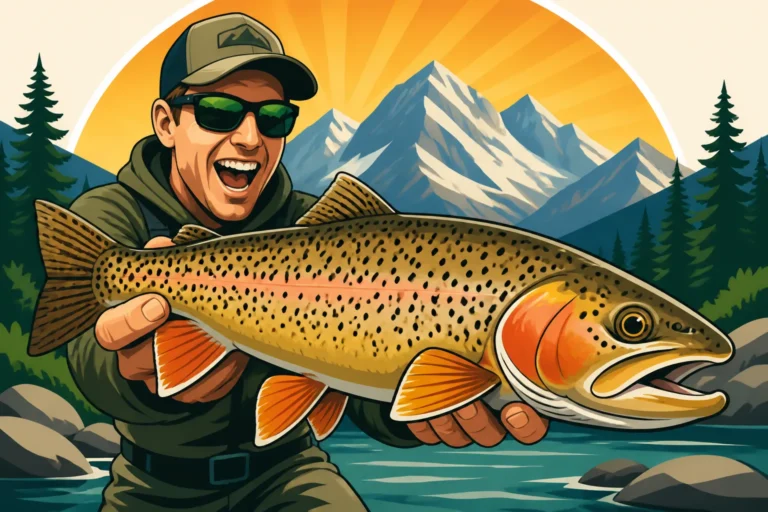
When you hook a fish, try to bring it in quickly to minimize stress. If you need a photo, do it swiftly, keeping the fish in the water as much as possible. A quick release ensures these precious fish can return to their habitat to spawn and contribute to future generations. This isn't just good etiquette; it's vital for their survival.
Effective Techniques for Small Mountain Streams
The streams where you'll find Rio Grande Cutthroat are typically small, intimate, and often overgrown. This means adapting your techniques from wide-river approaches.
- Stealth and Approach: These fish are incredibly wary. Approach the stream cautiously, staying low and out of sight as much as possible. Long casts aren't usually necessary, but precise placement is. Often, the biggest challenge is getting close enough to cast without spooking the entire pool.
- Fly Selection: Think small and natural. Terrestrial patterns like ants, beetles, and small grasshoppers can be very effective in late summer. During other seasons, small nymphs like pheasant tails, hare's ears, and midge patterns in sizes 16-22 often mimic the natural insect life. Don't underestimate the power of a simple dry fly; these fish are opportunistic feeders, and a well-placed Parachute Adams can be irresistible. A good fly box, pre-stocked with various small patterns, is a valuable addition to your kit.
- Casting and Presentation: Roll casts and short, accurate casts are your best friends in these tight quarters. Focus on soft presentations that don't splash down heavily, as this will immediately send fish scurrying. Often, you'll be fishing short seams, small pockets, and plunge pools behind boulders. A lighter rod (2-4 weight) will make these smaller fish feel more exciting and allow for more delicate presentations. Fly Selection for Colorado's Blue-Wing Olive Hatch or Matching a Caddis Hatch on a Colorado River can give you ideas for general fly patterns.
Gear and Preparation for Your San Luis Valley Adventure
A successful trip after Rio Grande Cutthroat in the San Luis Valley isn't just about knowing where to go or how to fish; it's also about being properly equipped and prepared for the unique challenges of remote mountain environments.
Essential Gear for High-Country Cutthroat Fishing
Because you'll likely be hiking into these spots, minimizing weight and maximizing efficiency are crucial.
- Lightweight Rod and Reel: A 2-weight or 3-weight fly rod, typically around 7 to 8 feet long, is perfect for the small streams and delicate presentations required. Pair it with a lightweight reel and a floating fly line. If you're more of a spin angler, an ultralight spinning rod with 2-4 lb test monofilament or fluorocarbon can also be very effective with small spinners or jigs.
- Waders and Boots: Depending on the time of year and water temperature, lightweight waders can be a blessing, allowing you to move freely in and out of the stream. However, if the water is low and you expect to do a lot of hiking, wading boots and quick-drying pants might be sufficient. Studded wading boots offer superior grip on slick stream beds, which are common in rocky mountain creeks.
- Backpack and Hydration: A comfortable day pack is non-negotiable for carrying water, snacks, extra layers, and your fishing gear. Look for one with good lumbar support. Hydration is key at higher altitudes, so bring plenty of water or a water filter if you know there will be reliable sources. You can find excellent hiking-friendly fishing backpacks on Amazon that have dedicated compartments for tackle and water bladders.
- Navigation and Safety Gear: Cell service is often nonexistent in these remote areas. Carry a physical map, a compass, and know how to use them, or a reliable GPS device. A headlamp, a basic first-aid kit, and a whistle are also critical safety items. Always let someone know where you're going and when you expect to return. This isn't just good advice, it's essential for your safety in the backcountry.
Planning for the San Luis Valley's Variable Conditions
The San Luis Valley is known for its dramatic weather shifts. A sunny morning can quickly turn into an afternoon thunderstorm, especially in the mountains.
- Layered Clothing: Dress in layers, avoiding cotton. Synthetic materials or wool will keep you warm even if they get wet. A waterproof and windproof outer shell is crucial for those sudden mountain storms.
- Sun Protection: At higher altitudes, the sun's intensity is much greater. Wear a wide-brimmed hat, sunglasses, and use high-SPF sunscreen.
- Seasonal Considerations: Your trip planning needs to account for the season. Spring can bring challenging runoff conditions, making streams high and muddy, while late summer often means lower, clearer water but also potential for afternoon monsoons. Fall offers crisp air and vibrant colors but rapidly cooling temperatures. For general timing, you might want to look into Colorado Fishing Seasons Month by Month. Always be aware of the specific challenges each season presents. When Colorado's Spring Runoff Hits and How to Fish Around It is a great resource if you plan a spring trip.
Being well-prepared not only makes your trip safer and more comfortable but also increases your chances of finding and appreciating the beautiful Rio Grande Cutthroat in their native environment.
Disclaimer
This article is for general informational purposes only and does not constitute professional advice. Laws, prices and regulations vary by location and change over time. Consult a qualified professional for guidance on your specific situation.