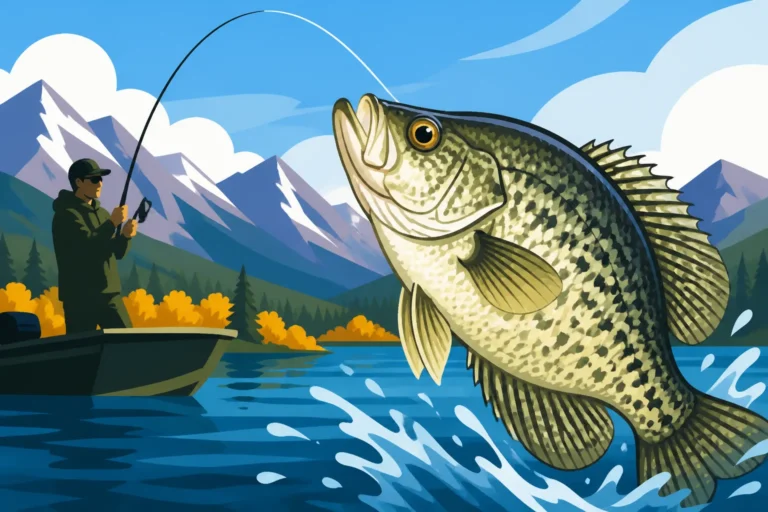
Tiger Trout in Colorado, a Hatchery Hybrid
Have you ever reeled in a fish in Colorado and done a double-take, wondering what in the world it was? Colorado's waters are home to a vibrant array of trout, but sometimes you catch something truly unique, like the striking tiger trout. This guide will dive deep into what makes these fish so special, where to find them, and how to successfully hook into one of these elusive, striped beauties, clearing up any confusion you might have.
What Exactly Is a Tiger Trout?
First things first, let's clear up the mystery behind the tiger trout. Unlike the rainbows, browns, and brookies that naturally reproduce in many of our rivers and lakes, the tiger trout is a hybrid. It’s not a naturally occurring species you’d find spawning on its own in the wild. Instead, it’s the result of a cross between a male brook trout and a female brown trout, typically done in a hatchery setting. It's truly a man-made marvel in the angling world!
Imagine the distinct patterns of a brook trout, with its intricate vermiculation, combined with the sleek, predatory build of a brown trout. That's essentially what you get with a tiger trout, though their patterns are often even more pronounced and worm-like, resembling the stripes of a tiger, which is where they get their name. They're a fascinating blend of their parent species, inheriting traits from both.
Because they are a crossbreed, tiger trout are almost always sterile. This means they cannot reproduce. This sterility is a key reason why wildlife agencies like Colorado Parks and Wildlife (CPW) will stock them. It allows them to introduce a predatory fish that won't overpopulate a waterway or outcompete native species through reproduction, which is a common concern with other stocked fish. Their existence is entirely dependent on stocking programs.
So, when you catch a tiger trout, you're not just catching another fish; you're reeling in a deliberate creation, designed to offer anglers a unique challenge and to serve specific ecological purposes in our diverse Colorado fisheries. It's a testament to modern fishery management and an exciting addition to the state's angling opportunities.
The Genetic Cross and Sterility
The creation of a tiger trout is a bit like a scientific art form. It involves carefully fertilizing the eggs of a female brown trout with the milt (sperm) of a male brook trout. The process often requires a bit of environmental manipulation in the hatchery, like temperature shock, to ensure the eggs develop into these unique hybrids. It’s not a cross that happens readily or successfully in nature, which is why you won’t just stumble upon naturally occurring tiger trout populations in a stream.
The resulting fish inherit chromosomes from both parents, but the combination isn't viable for reproduction, making them triploid – they have three sets of chromosomes instead of the usual two. This is the biological reason behind their sterility. For anglers, this means that every tiger trout you encounter in Colorado's waters has been intentionally placed there by a stocking program. There's no concern about them establishing wild breeding populations and potentially altering natural ecosystems.
This sterility is actually a significant benefit for fishery managers. They can introduce a fast-growing, aggressive, and often large fish that provides excellent sport fishing, without the worry of unintended ecological consequences down the line. It's a controlled way to introduce a new dynamic to a fishery, offering a diverse experience for those of us who love chasing different types of fish.
Why Colorado Stocks Sterile Tiger Trout
You might wonder why CPW would go to the trouble of creating and stocking a hybrid fish that can't even reproduce. The reasons are multifaceted and largely revolve around effective fishery management and providing diverse angling opportunities. One primary reason is their predatory nature. Tiger trout are known to be quite aggressive eaters, and this trait can be utilized to help manage populations of undesirable or overpopulated species in certain lakes and reservoirs. For instance, if a lake has an abundance of non-game fish like suckers, tiger trout can act as a natural predator, keeping those populations in check.
Another crucial factor is their contribution to sport fishing. Tiger trout grow relatively fast and can reach impressive sizes, offering a thrilling fight for anglers. Their unique appearance also adds an element of excitement to a catch; it's always a treat to land one of these striped marvels. By stocking them, CPW enhances the diversity of fish available, making for more interesting and varied fishing experiences across the state. They provide an alternative to more commonly stocked species and appeal to anglers looking for something a bit different. Why Colorado Stocks Sterile Tiger Trout delves deeper into these management practices.
Finally, their sterility is a huge advantage. As we discussed, because they can't reproduce, fishery managers can introduce them into waters without concern that they will establish self-sustaining populations that might compete with native trout species like cutthroat or overpopulate a water body. It’s a tool that allows for temporary, controlled enhancements to a fishery without long-term ecological commitments, offering a balance between recreational opportunity and environmental stewardship.
Where You Can Find Tiger Trout in Colorado
Finding tiger trout in Colorado often means heading to specific waters that Colorado Parks and Wildlife (CPW) has designated for their stocking. Unlike wild brown or brook trout that might show up in countless streams and rivers, tiger trout are found where they've been intentionally introduced. These tend to be lakes and reservoirs where their predatory behavior can be beneficial for managing other fish populations or where they can simply offer a unique angling experience without impacting native species.
CPW's stocking reports and their online Colorado's Fishing Atlas to Plan a Trip are invaluable resources for pinpointing where these hybrids are currently being stocked. These resources are updated regularly, so it's always a good idea to check them before you head out. Generally, you'll find tiger trout in a variety of water types, from high-mountain lakes to lower-elevation reservoirs, but they do tend to thrive in colder waters with good forage.
Some of the waters known to have tiger trout populations include various state park lakes and reservoirs across different regions. For instance, you might find them in specific waters on the Front Range or in the high country, depending on the year's stocking plans. These locations are chosen carefully, often based on water temperature, existing fish populations, and access for anglers. It’s always exciting when a water body gets a fresh batch of these distinctive fish!
Common Stocking Locations
While specific stocking locations can change from year to year based on CPW's management goals and hatchery availability, there are several types of water bodies that commonly receive tiger trout. Many high-alpine lakes, particularly those with a history of overpopulated brook trout, are prime candidates. The tiger trout's aggressive nature can help thin out excessive brook trout numbers, benefiting the overall health of the ecosystem and allowing remaining fish to grow larger. When you're packing for a high-country hike, it's worth checking if the lake at the end of your trail might just hold some tiger trout.
Lower elevation reservoirs and ponds, especially those managed for diverse sport fish, also sometimes get tiger trout. These waters might be easier to access for many anglers and can provide excellent opportunities for both shore and boat fishing. It’s often a good sign if a particular lake also has a good population of smaller baitfish or suckers, as these provide a ready food source for hungry tiger trout. Checking the local fly shops or sporting goods stores near your chosen destination can also often yield up-to-date information on recent stockings.
It’s important to remember that these are general trends, and the best way to know for sure is to consult official CPW resources. They actively manage these fisheries, and their decisions about where to stock tiger trout are strategic, aiming to optimize fishing opportunities and ecological balance. Don't be shy about looking up the stocking schedules for the specific lakes you're planning to visit; it can make all the difference in finding these unique fish. Reading Colorado's Weekly Stocking Report is your best friend here.
Habitat Preferences of Tiger Trout
Tiger trout, much like their brown trout parentage, tend to prefer cooler water environments. This means you're more likely to find them in lakes, reservoirs, and even some larger rivers that maintain good oxygen levels and moderate temperatures, especially during the warmer months. They'll often seek out deeper sections of lakes, areas with submerged structure like rock piles or old timber, and points or drop-offs where they can ambush prey. Think of places where baitfish might congregate, and you're likely in the right zone for tiger trout.
In rivers, if they are stocked in such environments, they would favor similar holding spots to brown trout: undercut banks, deep pools, current seams, and areas with overhead cover. Their predatory instincts mean they are often found lurking in ambush points, waiting for an opportune moment to strike. Unlike some other trout that might openly feed in shallower riffles, tigers often prefer to stay concealed, ready to pounce.
They are quite adaptable, however, and their robust nature, inherited from both brown and brook trout, means they can tolerate a range of conditions. What they really seem to thrive on is a good food source. If a lake has abundant smaller fish like minnows, suckers, or even juvenile trout of other species, tiger trout can grow quite large and plump. Understanding these preferences can give you a significant advantage when trying to locate them on your next outing.
How to Identify a Tiger Trout
One of the most exciting things about catching a tiger trout is its distinctive appearance. These fish truly stand out in a creel or in a photo against the backdrop of Colorado's natural beauty. Their markings are what give them their name, and once you've seen one, you'll likely recognize another without much trouble. It's a pattern that looks almost painted on, a dark labyrinthine maze over a lighter background.
The key to identification lies in that intricate vermiculation, which are worm-like patterns. These patterns are typically dark, almost black, on a lighter, often yellowish-brown or olive-green body. The patterns are usually quite pronounced and run from their back down their sides, breaking up into more spotted patterns closer to their belly. This coloration is a blend of the spots you'd see on a brown trout and the irregular marbling of a brook trout, but with a unique twist that makes it truly tiger-like.
Beyond the distinct patterning, tiger trout generally have a torpedo-shaped body, indicative of their predatory nature. Their fins can also show some hints of their parentage, with some having a slight orange or reddish tint on the lower fins, echoing the brook trout. While size can vary greatly depending on age and forage availability, the defining characteristic will always be that unmistakable tiger stripe. Telling a Cutbow From a Pure Cutthroat and How to Tell a Cutthroat From a Rainbow Trout might help you differentiate other species, but the tiger is in a league of its own.
Distinctive Markings and Coloration
Let's really zoom in on those markings because they are the defining feature of a tiger trout. Imagine a puzzle where dark, swirling lines interconnect and separate, forming a maze or network across the fish's body. These are not simple dots or discrete spots; they are more like intricate, irregular bands that often join together. The base color of the fish can range from a pale olive green to a golden yellow or even a light brown, and against this, the dark black or deep brown vermiculated patterns truly pop.
These patterns are typically most prominent on the back and upper sides of the fish, gradually becoming less dense or breaking into more traditional spots towards the belly, which is often lighter, sometimes white or cream. There are usually no red or blue spots with halos, which you might find on a brook or brown trout respectively. The eyes can sometimes appear quite large in proportion to their head, giving them an intense, almost watchful look.
When you're comparing a tiger trout to its parent species, you'll immediately notice the difference. A brook trout has distinct light spots and worm-like markings only on its back, with vibrant red-orange lower fins. A brown trout has larger dark spots, some with light halos, and often orange or red spots mixed in. The tiger trout's pattern is a unique fusion that creates an entirely different aesthetic, making it a prized catch for its beauty alone.
Here's a quick comparison table to help visualize the differences:
| Feature | Tiger Trout | Brown Trout | Brook Trout |
|---|---|---|---|
| Parentage | Male Brook x Female Brown | Native to Europe, Asia; stocked widely | Native to Eastern North America; stocked |
| Fertility | Sterile (almost always) | Fertile | Fertile |
| Body Markings | Distinct dark, worm-like vermiculation across back and sides | Dark spots (some with halos), red/orange spots possible | Worm-like vermiculation on back; light spots on sides |
| Base Color | Yellowish-brown, olive-green | Brown, golden, or silver | Olive-green, dark brown, bluish-grey |
| Fin Color | Can have slight orange/red on lower | Typically plain, sometimes yellowish | Lower fins often red-orange with white leading edge |
| Body Shape | Torpedo-like, predatory build | Robust, powerful | More stout, smaller |
Avoiding Confusion with Other Trout Species
It's easy to confuse trout species, especially for newer anglers. However, tiger trout have such a unique pattern that with a little practice, you'll be able to tell them apart from their cousins. The most common confusion might arise with their parent species, brook and brown trout, or even a very spotty rainbow or cutthroat.
A pure brook trout, while also having vermiculation, typically has it confined to its back and dorsal fin, with distinct light spots and often very colorful red or orange lower fins tipped with white. The tiger trout's vermiculation extends much further down its sides, in a much more connected, labyrinthine pattern.
Brown trout, on the other hand, usually have distinct dark spots, some with light halos, and often red or orange spots. They generally lack the extensive, interconnected worm-like patterns of the tiger trout. A rainbow trout is usually identified by its pink or red stripe along its side and small black spots, not the worm-like markings. And cutthroat trout have a distinctive red or orange slash under their jaw. How to Tell a Brown Trout From a Brook Trout can help with those distinctions.
When in doubt, remember the "tiger stripes." If the fish has those distinctive, dark, swirling, interconnected patterns extending across much of its body from head to tail, it's almost certainly a tiger trout. This unique pattern is their signature and is rarely duplicated with such clarity in other trout species found in Colorado.
Fishing Techniques for Colorado Tiger Trout
Chasing after tiger trout in Colorado is an exciting endeavor, primarily because these hybrids are known for their aggressive nature and willingness to strike. They combine the feisty fight of a brook trout with the sometimes elusive, cunning nature of a brown, making them a formidable and rewarding catch. Whether you're a fly angler or prefer spin fishing, there are effective strategies to entice these unique fish.
Given their predatory instincts, tiger trout are often eager to chase down lures, flies, and bait that mimic their natural food sources. They’re not usually picky eaters, especially when they’re actively feeding. This means you can often find success with a variety of presentations, but understanding what they’re likely to be eating in a particular water body will significantly increase your chances. Think about their habitat preferences – deeper, cooler water with structure – and target those areas with your chosen method.
Seasonality also plays a role in tiger trout fishing. Like most trout, they can be more active in cooler water, making spring, fall, and even ice fishing popular times to target them. During the warmer summer months, you'll need to focus on early mornings, late evenings, or deeper water where temperatures remain more favorable. Being flexible with your techniques and willing to adapt to the conditions will be key to a successful tiger trout outing.
Fly Fishing for Tiger Trout
Fly fishing for tiger trout can be incredibly rewarding due to their aggressive strikes. These fish are often eager to hit a well-presented fly, especially if it mimics baitfish or larger aquatic insects. Streamers are often the most effective fly choice when targeting tiger trout. Patterns like Woolly Buggers, Sculpzillas, and articulated streamers in olive, black, white, or brown colors can be deadly. Fish these with a strip-retrieve, imparting erratic action to imitate a fleeing baitfish. Focus on casting near drop-offs, submerged structure, or along weed lines in lakes and reservoirs.
Nymphing can also be productive, particularly in waters where aquatic insects make up a significant portion of their diet. Larger nymphs such as stoneflies, Prince Nymphs, or even smaller, more generic attractor patterns like pheasant tails can work. Fish these under an indicator or with Euro nymphing techniques, allowing them to drift naturally along the bottom. Remember to focus on seams, current breaks, and deeper pockets.
Dry fly fishing for tiger trout is less common but not impossible. If you observe a hatch of larger insects like grasshoppers, caddis, or even substantial mayflies, tiger trout will sometimes rise to the occasion. However, given their predatory nature, they are often more inclined to chase subsurface prey. Keep an eye on the water, and if you see them actively rising, don't hesitate to tie on a large attractor dry fly. For those looking for gear, a good selection of streamers and nymphs can be found easily on Amazon.
Spin Fishing Techniques
For spin anglers, tiger trout present a fantastic opportunity. Their aggressive nature makes them prime targets for a variety of lures. Spoons, spinners, and small crankbaits are highly effective. Classic spoon designs like Kastmasters or Daredevils in silver, gold, or flashy colors can trigger fierce strikes, especially when jigged or retrieved with an erratic motion. Cast them out, let them sink to different depths, and vary your retrieve speed until you find what the fish are reacting to.
Spinners like Mepps or Panther Martins with a bright blade and a colored body (black, green, or yellow often work well) are also excellent choices. Their flashing and vibration mimic injured baitfish, which is irresistible to a hungry tiger trout. Work them through likely holding areas, such as points, inlets, or around submerged cover. Spin Fishing Techniques for Colorado Trout offers more general tips that apply well here.
Soft plastics, particularly those that imitate baitfish or worms, can also be very successful when rigged on a jig head or under a bobber. Small swimbaits or grub-tailed jigs in natural colors can be deadly when fished slowly along the bottom or near structure. For deeper water, vertically jigging heavier spoons or lipless crankbaits can entice tigers holding in cooler depths. Regardless of your lure choice, remember that tiger trout often prefer an aggressive presentation, so don't be afraid to experiment with faster retrieves and more erratic actions.
Best Baits and Lures
When it comes to baits for tiger trout, powerbait, worms, and salmon eggs can all be effective, especially for newly stocked fish or in highly pressured waters. However, because of their predatory nature, live bait (where legal) like minnows or shiners can be exceptionally good. Always check local regulations regarding live bait use before heading out. When using bait, fish it off the bottom or under a bobber, letting it drift naturally into prime holding areas.
For lures, consider the following:
- Spoons: Kastmaster, Daredevle, Little Cleo. Colors like silver, gold, five of diamonds, or fire tiger.
- Spinners: Mepps Aglia, Panther Martin, Rooster Tail. Sizes #2-4, in gold, silver, black, or chartreuse.
- Crankbaits: Small Rapala (floating or suspending), lipless crankbaits. Colors mimicking local baitfish like perch, shad, or trout patterns.
- Soft Plastics: Small paddle-tail swimbaits (2-3 inches), curly-tail grubs on jig heads (1/8 to 1/4 ounce). Natural colors like white, pearl, or olive.
Remember to vary your retrieve and depth. Tiger trout often hold at different levels throughout the day or season. Having a tackle box stocked with a variety of these options, easily sourced from retailers like Amazon, will prepare you for any situation and maximize your chances of catching one of these unique hybrids.
Why Colorado Stocks Tiger Trout
Colorado Parks and Wildlife (CPW) doesn't just stock fish on a whim; every stocking decision is part of a carefully considered management strategy. The choice to introduce tiger trout into certain waters is driven by several ecological and recreational objectives. It’s a versatile tool in their arsenal, allowing them to address specific challenges within a fishery while also enhancing the angling experience for residents and visitors alike.
One of the primary reasons is related to population control and ecological balance. In some lakes, particularly high-country ones, brook trout can become overpopulated. While brook trout are beautiful and fun to catch, an overabundance can lead to stunting, where many fish remain small due to intense competition for food. Tiger trout, being aggressive predators, can help thin out these overpopulated brook trout, allowing the remaining fish to grow larger and healthier. This is a targeted way to improve the quality of a fishery without relying solely on angler harvest.
Furthermore, stocking tiger trout adds diversity to Colorado's fishing opportunities. Anglers are always looking for new challenges and unique catches, and the tiger trout certainly fits the bill with its striking appearance and feisty fight. By providing a different species to target, CPW broadens the appeal of certain waters and can help distribute angling pressure across different locations and fish types. It's about giving anglers more reasons to explore Colorado's incredible fisheries.
Managing Overpopulated Brook Trout
In many of Colorado’s high-altitude lakes and even some lower elevation streams, brook trout have established self-sustaining populations. While this might sound good on the surface, brook trout are incredibly prolific breeders. In the absence of natural predators or sufficient angler harvest, their populations can explode, leading to a situation where there are simply too many mouths to feed. This results in "stunted" populations, where the fish are numerous but rarely grow beyond 6-8 inches, impacting the overall quality of the fishery.
This is where tiger trout come in as a brilliant management solution. Because they are sterile hybrids, they don't add to the reproductive pressure. Instead, they act as effective, temporary predators. When stocked into a lake with overpopulated brook trout, the aggressive tiger trout will actively prey on the smaller brookies, helping to reduce their numbers. This reduction in competition means the remaining brook trout have more food available, allowing them to grow to a larger, more desirable size. It’s a natural and efficient way to bring a stunted fishery back into balance, improving the angling experience for everyone.
This strategy ensures that the ecological integrity of the lake is maintained while improving the quality of the fishing. It’s a delicate balance, but tiger trout have proven to be an excellent tool for this specific purpose, providing a natural check on excessive brook trout numbers.
Diversifying Angling Opportunities
Beyond ecological management, stocking tiger trout is also about enhancing the recreational experience for Colorado's diverse angling community. Let's be honest, catching something new and exciting always adds a thrill to a fishing trip! The tiger trout, with its unique appearance and reputation for aggressive takes, offers just that. It provides a distinct target species for anglers who might otherwise only encounter rainbows, browns, or brookies.
This diversification encourages anglers to explore new waters or revisit familiar ones with a renewed sense of purpose. For instance, someone who has caught countless rainbow trout might be specifically drawn to a lake known for its tiger trout population, seeking that unique challenge and trophy photo opportunity. It adds another layer of excitement and variety to the already rich tapestry of Colorado fishing. Think of it as a special surprise, a bonus fish that makes your day on the water even more memorable.
It also serves to cater to different fishing preferences. Some anglers love the chase of a predatory fish, and tiger trout often deliver on that front with their willingness to strike lures and streamers. By offering this distinct species, CPW ensures that Colorado's waters remain appealing to a broad spectrum of anglers, from those seeking a leisurely day of bait fishing to hardcore fly and spin casters looking for an aggressive fight.
Responsible Angling for Tiger Trout
As with all fishing in Colorado, responsible angling practices are paramount when targeting tiger trout. These unique hybrids are a valuable resource, and treating them with care ensures the continued health of our fisheries and the enjoyment of future generations of anglers. Whether you plan to harvest your catch or release it, understanding and adhering to regulations and ethical practices is crucial.
Always consult the current Colorado fishing regulations brochure before heading out. This brochure provides vital information on bag and possession limits, length restrictions, and any special regulations that might apply to the specific waters you are fishing. Remember that regulations can vary significantly from one lake or river to another, and ignorance of the rules is never an excuse. Violating regulations can lead to fines and loss of fishing privileges.
Beyond regulations, practicing good fish handling, especially for catch-and-release, is essential. Even if you plan to keep a tiger trout within the legal limits, handling them carefully minimizes stress on the fish and prevents unnecessary injury. These practices reflect a deep respect for the resource and contribute to the sustainability of our beloved sport.
Understanding Regulations and Limits
Colorado Parks and Wildlife sets specific regulations for all fish species, and tiger trout are no exception. These rules are designed to manage fish populations sustainably, protect sensitive ecosystems, and ensure fair chase for all anglers. For tiger trout, you might encounter specific bag and possession limits, which dictate how many fish you can keep in a day and how many you can have with you, including those at home. These limits can be quite different from those for other common trout species.
Sometimes, there might also be length restrictions for tiger trout, meaning you can only keep fish within a certain size range, or perhaps all tiger trout must be released. These specific rules are usually put in place when CPW is trying to manage a particular population, perhaps to allow smaller fish to grow or to protect larger, trophy-sized individuals. Always double-check the special regulations for the body of water you intend to fish, as they often supersede general statewide regulations. You can find comprehensive information in Colorado Fishing Regulations Every Angler Should Know and Colorado Bag and Possession Limits by Species.
It's also important to remember that the Habitat Stamp is often required for anglers in Colorado, regardless of the species you're targeting. This stamp helps fund crucial wildlife conservation efforts across the state. Make sure you understand Colorado's Habitat Stamp, Explained before you head out. Being a responsible angler means being knowledgeable about all these aspects, not just how to catch the fish.
Catch-and-Release Best Practices
Many anglers, especially those targeting larger or rarer fish like tiger trout, choose to practice catch-and-release. If you intend to release your catch, doing so properly is critical for the fish's survival. The goal is to minimize stress and physical harm to the fish as much as possible. This starts from the moment you hook the fish. Try to land the fish quickly, without playing it to complete exhaustion, especially in warmer water where oxygen levels might be lower.
Once landed, keep the fish in the water as much as possible. Wet your hands before handling the fish to protect its protective slime coat, which is crucial for disease resistance. Avoid squeezing the fish or touching its gills. Use a pair of forceps or needle-nose pliers, which you can easily find on Amazon, to quickly remove the hook. Barbless hooks are also highly recommended for catch-and-release, as they cause less damage and are much easier to remove.
If you want a photo, get it quickly, holding the fish horizontally with support under its belly, and minimize its time out of the water. When releasing, gently hold the fish upright in the water, facing into a gentle current if available, until it regains its strength and can swim away on its own. Never just toss a fish back into the water. By following these best practices, you give that tiger trout the best possible chance of survival, allowing it to grow and perhaps be caught another day.
Disclaimer
This article is for general informational purposes only and does not constitute professional advice. Laws, prices and regulations vary by location and change over time. Consult a qualified professional for guidance on your specific situation.