What Makes a River a Wild Trout Water in Colorado
We all dream of that perfect fishing trip where every trout we catch is a testament to the river's health and natural bounty. But how can you really tell if a Colorado river is home to truly wild, self-sustaining trout populations versus those that are regularly stocked? This guide will dive deep into the specific characteristics and environmental factors that define a "wild trout water" in Colorado, helping you understand where these special ecosystems exist and how to appreciate them.
The Core Definition: What "Wild Trout Water" Truly Means
When we talk about "wild trout water" in Colorado, we're not just using a poetic phrase. It signifies a very specific biological and ecological reality, distinct from many other popular fishing spots across our state. It's about a river's inherent ability to thrive.
Natural Reproduction vs. Stocking Programs
The absolute cornerstone of a wild trout water is its reliance on natural reproduction. This means the trout you find in these rivers were hatched from eggs laid directly in the stream, often by wild parents that themselves were born in that very same river. They haven't seen the inside of a hatchery tank; they haven't been trucked in and gently released. These fish have fought for their survival from day one, growing up attuned to the river's rhythms and challenges.
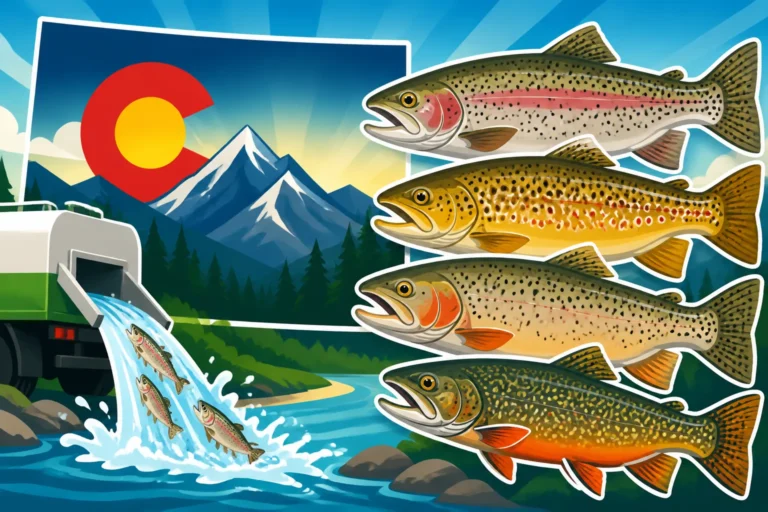
Contrast this with the many fantastic "stocked" waters we have in Colorado. Our state's Parks and Wildlife (CPW) does an incredible job of raising and releasing millions of trout each year, making fishing accessible and abundant in countless lakes and rivers, especially near urban centers. These stocked fish, particularly rainbow trout, provide immediate angling opportunities and are a crucial part of our fishing economy. However, they are often unable to reproduce effectively in the wild, or if they do, their offspring might not survive to adulthood. In a true wild trout water, the fish population manages itself, year after year, without human intervention in the form of stocking. This isn't to say stocked waters aren't great – they absolutely are! But the experience of pursuing a wild trout is fundamentally different, steeped in the natural cycle of the ecosystem.
The Self-Sustaining Ecosystem
A river designated as a wild trout water is more than just a place where trout happen to spawn. It's an entire self-sustaining ecosystem where all the pieces fit together perfectly. Think of it like a finely tuned clock, where every gear and spring plays a vital role. The river itself provides the ideal conditions for trout to hatch, grow, and reproduce. This includes everything from the water chemistry and temperature to the available food sources and protection from predators.
These rivers often boast a robust food web, where aquatic insects, smaller fish, and even terrestrial creatures provide ample sustenance for trout at every life stage. The surrounding landscape, from the riparian vegetation to the geology of the streambed, contributes to this delicate balance. When a river is truly self-sustaining, it implies a certain resilience; it can weather natural fluctuations and still maintain a healthy population of wild fish. It’s a testament to nature's power when left largely undisturbed.
Beyond the "Wild" Label: A Spectrum of Management
It's important to understand that not all "wild" waters are created equal, and there's a spectrum of how these waters are managed. Some rivers are purely wild, with little to no stocking ever occurring, and their populations are entirely reliant on natural reproduction. Others might have native trout populations that are supplemented with hatchery fish in specific sections or during certain times to boost angling opportunities without compromising the core wild populations upstream or in protected zones.
For instance, Colorado has many stretches of water designated as "Gold Medal Waters" – these are renowned for producing large trout and high catch rates. While many Gold Medal Waters are indeed wild trout fisheries, some might also receive supplementary stocking to maintain their high-quality reputation, especially if angler pressure is very intense. Knowing the nuances requires a bit of research, often found in the specific regulations for that river section. Always check the Colorado Fishing Regulations Every Angler Should Know before you head out. Understanding this spectrum helps us appreciate the complexity of fisheries management and the diverse angling experiences Colorado offers.
Essential Environmental Ingredients for Wild Trout
Wild trout don't just appear out of thin air. They require a very specific set of environmental conditions to not only survive but also to thrive and reproduce year after year. These conditions are the building blocks of a healthy, self-sustaining river ecosystem.
Cold, Clean Water and Oxygen Levels
This is arguably the most critical factor for wild trout, especially our beloved native cutthroat and even the non-native but self-sustaining brown and rainbow trout. Trout are coldwater fish, and they absolutely depend on cold, clean water. Think pristine mountain streams, fed by snowmelt and shaded by dense trees, maintaining temperatures that rarely climb above 65°F (18°C) in summer, and ideally much cooler. Warmer water holds less dissolved oxygen, which is lethal to trout. When water temperatures spike, trout become stressed, making them vulnerable to disease and unable to properly metabolize food or even reproduce.
Beyond temperature, the water needs to be clean. This means minimal sedimentation, free from pollutants, and with stable pH levels. Runoff from development, agricultural practices, or even just heavy erosion can introduce sediment that chokes out insect life and smothers trout eggs. A river that supports wild trout often runs clear, allowing sunlight to penetrate and aquatic insects to flourish, while also providing excellent visibility for sight fishing. You can often see the bottom and observe the aquatic life, a clear indicator of healthy conditions. This pristine water quality is a non-negotiable for these delicate fish. To learn more about how crucial this is, check out How Water Temperature Affects Trout Feeding.
Ideal Stream Substrates for Spawning
Imagine a wild female trout, ready to lay her eggs. She won't just drop them anywhere. She needs a very specific kind of riverbed, known as a redd (a spawning nest), to ensure her offspring have the best chance of survival. This means clean, oxygenated gravel and cobble substrate.
The perfect redd will be a shallow depression in the riverbed, often at the tail end of a pool or riffle, where fresh, oxygen-rich water constantly flows through the gravel. This continuous flow prevents silt from accumulating and carries vital oxygen to the developing eggs. The gravel itself needs to be just the right size – not too fine, which would compact and suffocate the eggs, and not too large, which would prevent the female from moving it to create her nest. If the riverbed is muddy, heavily silted, or composed mainly of bedrock, natural reproduction becomes nearly impossible. Healthy riparian zones (the land directly bordering the river) with stable banks also contribute to good substrate, preventing excessive erosion that would otherwise dump fine sediments into the spawning beds.
Diverse Habitat and Stream Structure
Trout at different life stages, and even different species of trout, require varied habitat within the river. A wild trout water isn't just a straight, uniform channel; it's a dynamic and complex environment. Diverse habitat and stream structure are absolutely essential.
This includes a mix of:
- Riffles: Shallow, fast-moving sections with rocky bottoms where oxygen is abundant and aquatic insects thrive. These are prime feeding grounds and often contain spawning areas.
- Runs: Deeper, faster sections, often connecting riffles and pools, providing travel corridors and holding areas.
- Pools: Deep, slow-moving sections that offer trout refuge from strong currents, predators, and extreme temperatures (both hot and cold). Larger trout often hold in the deepest parts of pools.
- Cut banks and Overhanging Vegetation: These provide critical cover, shade, and ambush points for trout, protecting them from overhead predators like eagles and ospreys.
- Large Woody Debris (Logs and Root Wads): Fallen trees and submerged branches create complex current breaks, deep pockets, and hiding spots, enriching the habitat immensely.
A river with this kind of varied structure provides everything a wild trout population needs: places to feed, hide, rest, and spawn. Without it, the river might only support a fraction of the trout it otherwise could, or only specific life stages, breaking the cycle of natural reproduction.
The Importance of a Healthy Food Web
Even with perfect water and structure, wild trout can't sustain themselves without a robust and consistent food supply. The health of a river's food web directly dictates the health and size of its wild trout population.
Abundant Aquatic Insect Life
For most trout, especially smaller ones and those in their juvenile stages, aquatic insect life forms the bedrock of their diet. Mayflies, caddisflies, stoneflies, midges, and various other nymphs and larvae are the primary food source in a healthy wild trout stream. When these insects are abundant, trout have a constant buffet to feast upon, allowing them to grow quickly and remain healthy.
The presence of a diverse range of these insects, with healthy hatches throughout the year, is a strong indicator of a productive wild trout water. Anglers who "match the hatch" are essentially tapping into this natural food cycle. A river with sparse insect life, or a limited diversity of species, will struggle to support a large population of wild trout, as the fish will expend more energy foraging than they gain from eating. The bottom of river rocks should be teeming with these tiny creatures – lift a rock in a healthy stream, and you'll see them scattering!
Terrestrial Inputs and Forage Fish
While aquatic insects are primary, a wild trout's diet isn't limited to them. Terrestrial inputs—insects that fall into the water from streamside vegetation, like grasshoppers, ants, and beetles—become incredibly important, especially during summer and fall. These provide significant calories for growing trout and can often trigger aggressive feeding. A healthy riparian zone not only stabilizes banks but also provides habitat for these terrestrial insects, making them available to the fish.
For larger wild trout, forage fish are also a crucial component of their diet. Smaller species of minnows, sculpins, and even juvenile trout can become prey for bigger, predatory brown and rainbow trout. Reservoirs, and even larger river systems, with healthy populations of these baitfish, often produce truly enormous wild trout. These larger food sources allow trout to put on significant weight and reach trophy sizes, which is always exciting for anglers. Look at a river's ecosystem as a whole: what lives in the water, and what falls into it? It all contributes.
Water Quality and Its Impact on Invertebrates
It bears repeating: the quality of the water directly impacts the abundance and diversity of aquatic invertebrates. These tiny creatures are often far more sensitive to changes in water chemistry, temperature, and sedimentation than the trout themselves. If the water becomes too warm, too acidic, or polluted with chemicals, these insects will die off or simply not reproduce.
Without a healthy invertebrate population, the entire food chain for trout breaks down. For example, excessive siltation, even if not immediately lethal to adult trout, can smother insect eggs and nymphs, devastate the insect population for years. This is why conservation efforts often focus not just on the fish, but on the entire aquatic ecosystem, starting from the smallest organisms. It's a delicate balance, and disturbances at the base of the food web have ripple effects all the way up to the largest trout. A robust and diverse insect population is a tell-tale sign of truly exceptional water quality.
Human Influence and Management Practices
While natural factors are paramount, the way humans interact with and manage a river also plays a significant role in whether it can sustain a wild trout population. Our choices, as anglers and as a society, have a direct impact.
Minimal Angler Pressure and Catch-and-Release
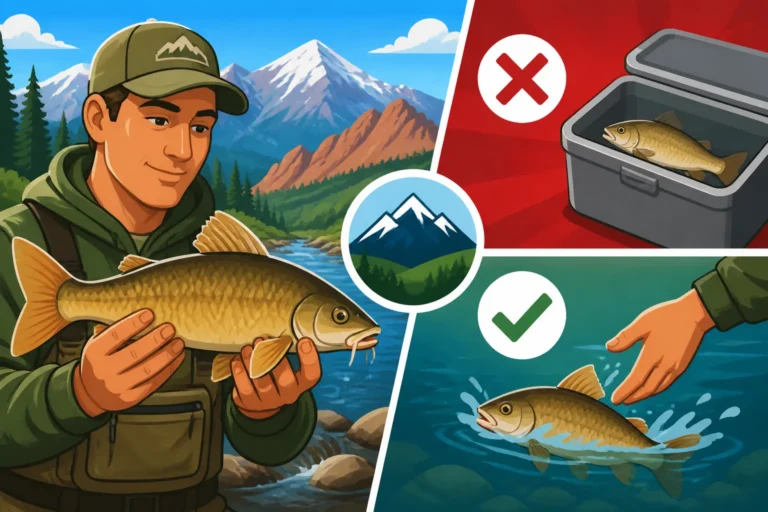
A river that supports a thriving wild trout population often benefits from minimal angler pressure or, in popular spots, strict catch-and-release regulations. Wild trout, having survived from birth in the river, are typically warier and more challenging to catch than their hatchery-raised counterparts. However, even wild trout can become stressed and learn to avoid flies or lures if they are constantly pressured.
In many designated wild trout waters, especially Gold Medal sections, Catch-and-Release Rules on Colorado's Cutthroat Waters are often mandatory, sometimes with specific gear restrictions like barbless hooks. This ensures that the fish can be safely returned to the water, allowing them to grow, reproduce, and continue contributing to the natural population. Heavy harvesting, even of healthy fish, can quickly deplete a wild population that relies on natural reproduction, as it takes time for fish to reach maturity and contribute to the spawning cycle. These regulations aren't arbitrary; they are scientific measures designed to protect the very resource we love to enjoy.
Conservation Efforts and Habitat Restoration
The "wildness" of a trout stream isn't always purely natural; sometimes, it's the result of dedicated conservation efforts and habitat restoration projects. Many rivers in Colorado that once suffered from degradation (due to mining, logging, agricultural runoff, or poor land management) have been painstakingly restored to their former glory. This often involves:
- Bank Stabilization: Using natural materials like willows, rock, and logs to prevent erosion and create cover.
- In-Stream Structures: Adding boulders, log structures, and gravel to create diverse habitat (pools, riffles, and spawning beds).
- Riparian Planting: Re-establishing native vegetation along the banks to provide shade, insect life, and bank stability.
- Pollution Abatement: Cleaning up sources of contamination to improve water quality.
Organizations, both state agencies like CPW and non-profits, work tirelessly on these projects. They understand that restoring the river's ecological functions is key to bringing back and sustaining wild trout. When you see a section of river that looks almost "too perfect" with carefully placed rocks and planted trees, it might be a sign of successful restoration work that has allowed wild trout to return.
Regulations Tailored for Wild Trout Populations
One of the clearest indicators that a river is managed as a wild trout water is the presence of specific regulations tailored for wild trout populations. These often go beyond the general statewide rules. You might encounter:
- Special Bag and Possession Limits: Often "catch-and-release only" or extremely restrictive limits (e.g., one fish over 20 inches) to protect breeding adults.
- Gear Restrictions: Barbless hooks, artificial flies and lures only, or even single hook limitations to minimize harm to fish. Colorado's Gold Medal Water Rules are a prime example of such regulations.
- Seasonal Closures: Certain sections of rivers might be closed during spawning seasons to prevent disturbance of redds and breeding fish.
- Minimum/Maximum Length Limits: Designed to protect fish of certain sizes (often the prime breeders) or to encourage the harvest of smaller, more abundant fish to reduce competition.
These regulations are found in the annual Colorado Fishing Regulations brochure – it's crucial to read it carefully for each specific body of water you plan to fish. You can find out more by Reading Colorado's Fishing Regulations Brochure. These specific rules are put in place because fisheries biologists have determined that the wild population in that particular stretch needs extra protection to ensure its long-term health and vitality. Disregarding these rules can have a real and lasting negative impact on the very wild populations we cherish. What happens if you fish in Colorado without a license, or in violation of these specific rules? Penalties for Fishing Without a License in Colorado can be severe, and penalties for exceeding bag limits are also substantial.
Identifying Wild Trout Waters in Colorado
So, how do you find these amazing wild trout waters? It's not always as simple as looking for a sign, but there are definitely clues and resources to help you pinpoint them.
Clues on the Water and in the Regulations
When you're actually out on a river, keep an eye out for certain signs. Water clarity is a big one. Wild trout waters typically run clear, allowing you to see the riverbed (assuming it's not too deep). You'll also notice a diverse mix of habitat – pools, riffles, runs, and plenty of cover. If the banks are stable and lined with native vegetation, that's a good sign. The lack of readily accessible parking or a well-worn trail might also hint at less pressure and therefore, potentially wilder fish.
More concretely, the Colorado Fishing Regulations brochure is your best friend. Every year, CPW publishes detailed regulations for individual rivers, lakes, and reservoirs. Look for sections with special restrictions:
- "Catch-and-release only"
- "Artificial flies and lures only"
- "Single, barbless hooks"
- Unusually low bag limits or specific size restrictions.
These are strong indicators that CPW is managing that particular stretch for wild, self-sustaining populations. If you see very general regulations, it might be a stocked water. Don't forget that recognizing a wild trout in your hand can also be a clue. Learn to identify Telling a Stocked Trout From a Wild One.
Researching Specific Rivers and Tailwaters
Before you even leave home, you can do some valuable research. Websites like CPW's own "Fishing Atlas" are invaluable for this. What Colorado's Fishing Atlas Shows You is a map-based tool that often highlights special regulation waters and can give you an idea of what species are present. Local fly shops are also treasure troves of information. They live and breathe these waters and can tell you exactly which sections of rivers are known for their wild populations.
Rivers that flow out of large reservoirs (known as "tailwaters") often have stable, cold water temperatures year-round, making them prime candidates for wild trout. Think of rivers like the Fryingpan River below Ruedi Reservoir, the Dream Stream (part of the South Platte), or the Blue River below Dillon Reservoir. These constant, cold flows create ideal conditions for aquatic insect hatches and, consequently, large populations of wild trout, especially browns and rainbows, but also our native Colorado River Cutthroat Trout, Where to Find Them.
Seeking Guidance from Local Expertise
While online research is great, nothing beats local expertise. Visit a fly shop in a town near the river you're interested in, even if you're not planning to buy anything (though picking up a few local flies is always a good idea!). Guides and shop owners spend countless hours on these waters and have an intimate knowledge of where the wild fish live. They can give you up-to-the-minute conditions, advice on specific access points, and even confirm if a particular stretch is indeed a wild trout fishery.
Many veteran anglers also love sharing their knowledge, within reason. Be respectful, listen more than you talk, and you'll often gain insights that no map or website can provide. When you're fishing a popular wild trout water, observe other anglers. Are they primarily practicing catch-and-release? Are they using flies or lures that suggest highly selective fish? These observations, combined with regulations, can solidify your understanding of whether you've found that truly special, wild trout experience. And if you need specific gear like a good quality net for catch-and-release, or a pair of polarized sunglasses to spot those wary wild trout, a quick search on Amazon can get you what you need for your next adventure.
| Characteristic | Wild Trout Water | Stocked Water (Typical) |
|---|---|---|
| Primary Reproduction | Natural spawning and self-sustaining populations | Hatchery-raised fish introduced by CPW |
| Fish Appearance | Streamlined, vibrant colors, intact fins | Often duller colors, worn fins from hatchery environment |
| Fish Behavior | Wary, opportunistic, harder to catch, strong fighters | Can be less wary, easier to catch, may fight less |
| Water Quality | Generally cold, clear, high oxygen, minimal pollution | Can vary widely; tolerates some warmer or less clear conditions |
| River Structure | Diverse: pools, riffles, runs, undercut banks, woody debris | Can be more uniform; habitat may be less complex |
| Aquatic Insects | Abundant and diverse species, strong hatches | Varies; may be less diverse if water quality is poor |
| Angling Regulations | Often special restrictions: C&R, artificial lures, barbless | Typically general statewide limits, fewer restrictions |
| Location | Remote mountain streams, tailwaters, protected sections | Urban ponds, easily accessible lakes, many reservoirs |
Disclaimer
This article is for general informational purposes only and does not constitute professional advice. Laws, prices and regulations vary by location and change over time. Consult a qualified professional for guidance on your specific situation.