Best Fish Species for a Beginner to Target in Colorado
Stepping into the world of Colorado fishing can feel like trying to navigate a whole new language, especially when you're just starting out. With so many beautiful lakes, rivers, and reservoirs, and a dizzying array of fish species calling them home, it's easy to get overwhelmed trying to figure out where to even cast your first line. Don't worry, you're not alone in that feeling! This guide is here to cut through the confusion and point you toward the most beginner-friendly fish species in Colorado, ensuring your first few outings are filled with more excitement and less frustration.
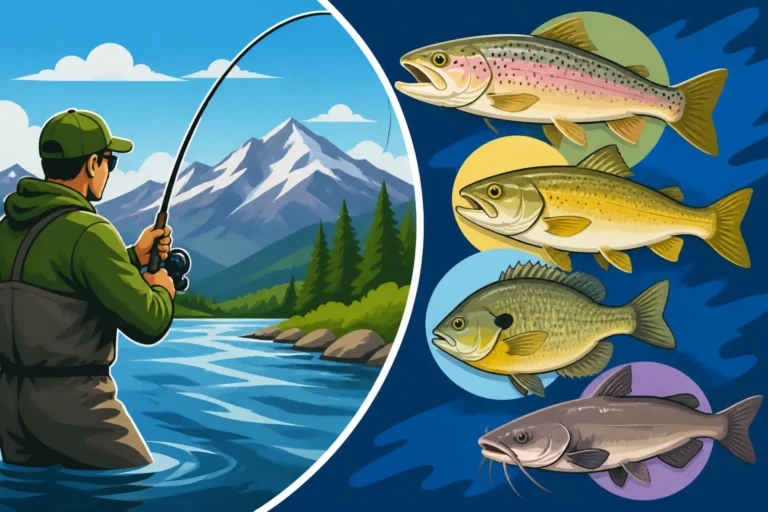
The Easiest Wins: Stocked Rainbow Trout & Panfish
When you're first dipping your toes into fishing, the goal isn't always a trophy catch or a wild river adventure. Sometimes, it's just about feeling that tug on the line, building confidence, and enjoying the serene beauty of Colorado. That's where stocked rainbow trout and panfish truly shine for new anglers.
Stocked Rainbow Trout: Your First Colorado Catch
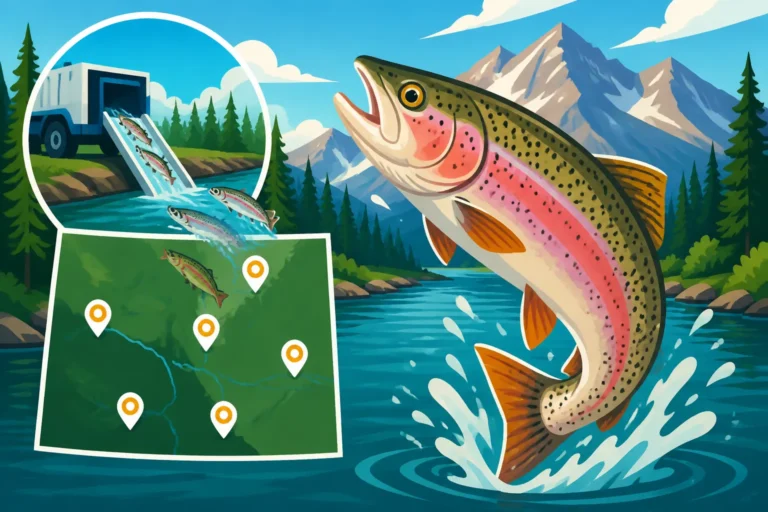
If you're looking for a near-guaranteed bite and a fantastic way to learn the ropes, stocked rainbow trout are your absolute best friend in Colorado. These fish are bred in hatcheries and regularly released into easily accessible lakes, ponds, and even some slower-moving river sections across the state. They're often hungry, less wary than their wild counterparts, and generally eager to take a variety of simple baits and lures. This means you don't need a PhD in entomology or years of fly-casting experience to hook into one.
You'll find these beauties in countless urban ponds, state parks, and community fishing areas, especially along the Front Range. Colorado Parks and Wildlife works hard to ensure there are plenty of opportunities for folks to get out and fish, and stocking these trout is a big part of that. Imagine heading to a local pond, baiting your hook with a simple worm or some PowerBait, casting out, and within minutes, feeling that unmistakable thump-thump of a fish on the line. That's the magic of stocked rainbows! They're fantastic for kids, too, because the action can be steady, keeping young anglers engaged and excited. You might be surprised at How Big the Trout Are When Colorado First Stocks Them, often providing a decent fight for their size.
The beauty of targeting stocked rainbows is the simplicity it allows. You don't need fancy gear; a basic spinning rod and reel combo, a few hooks, some split shot weights, and a bobber are often all it takes. Many of these ponds have easy access, paved paths, and even picnic areas, making them perfect for a relaxed afternoon. Don't feel like you need to immediately invest in high-end equipment or trek into the wilderness. Starting simple is smart, and these fish offer the perfect entry point. For more information on where these fish are released, check out Rainbow Trout in Colorado, Where They're Stocked.
Yellow Perch & Crappie: Abundant and Fun
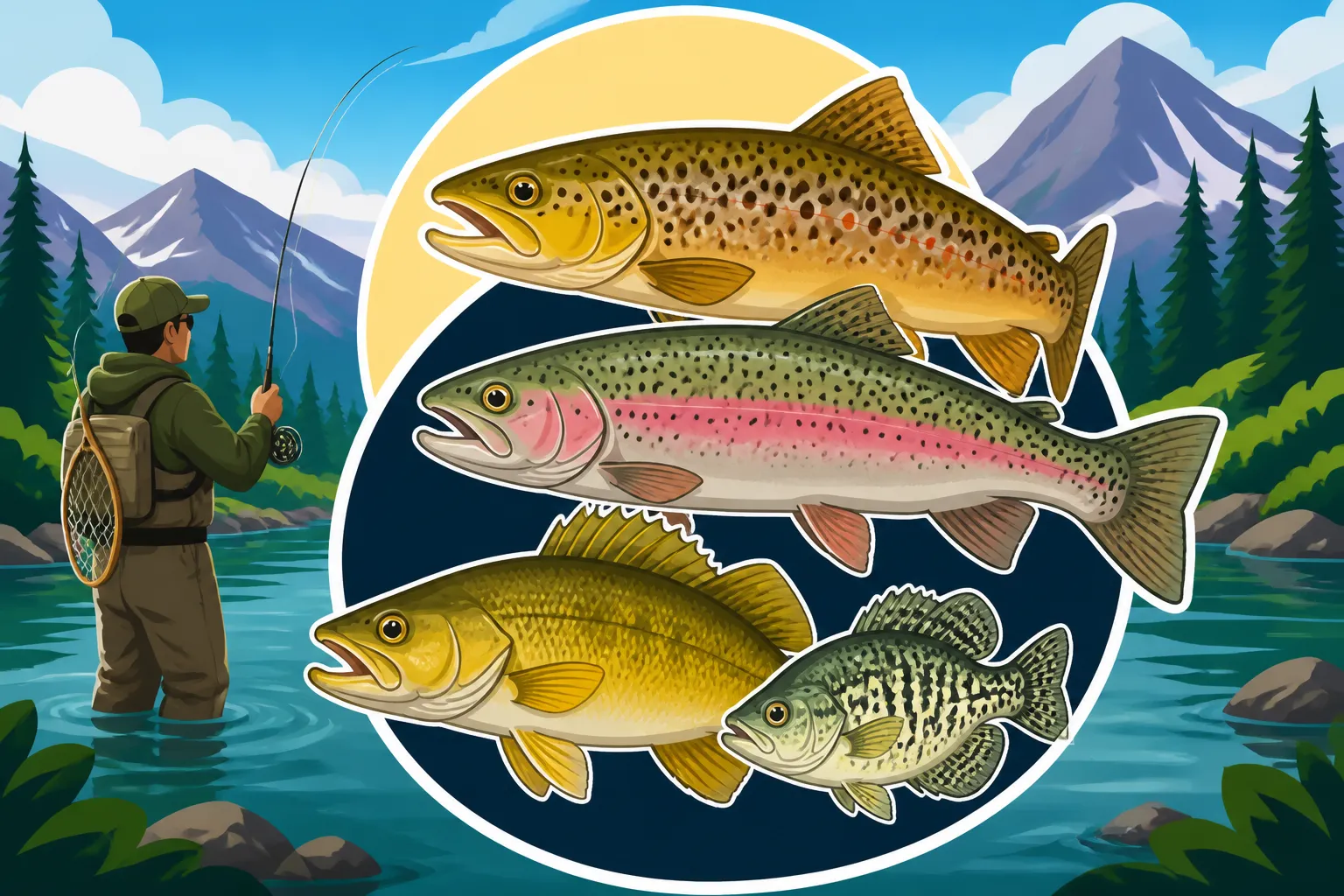
Beyond trout, Colorado's warmwater reservoirs and lakes are teeming with panfish like yellow perch and crappie, which are another excellent choice for beginners. These fish are often found in large schools, meaning if you catch one, there's a good chance more are nearby! They're known for their distinct patterns and are quite striking to look at, not to mention delicious on the dinner table.
Yellow perch, in particular, are widespread and readily bite small jigs, worms, or even tiny pieces of cut bait. They don't typically grow to enormous sizes, but what they lack in individual heft, they make up for in sheer numbers and enthusiasm. Crappie, on the other hand, can grow a bit larger and are famous for their paper-thin mouths, requiring a delicate touch when setting the hook. Both species offer a lot of action, which is great for keeping spirits high, especially for those new to the sport. Yellow Perch in Colorado delves deeper into these fun-to-catch fish.
Just like with stocked trout, you don't need highly specialized gear for panfish. A light or ultralight spinning rod, small hooks, and some bobbers will do the trick. The joy of panfishing comes from the consistent bites and the simple, relaxed approach. You can often find them around submerged structures like brush piles, docks, or weed beds. They're also fantastic for ice fishing in the winter, adding another dimension to your angling year.
A Step Up: Channel Catfish & Bass for Accessible Action
Once you've gotten a feel for the basics with trout and panfish, you might be ready for a slightly different challenge – perhaps a stronger fight or a different type of angling experience. Channel catfish and various bass species offer just that, while still remaining quite accessible for beginner anglers.
Channel Catfish: Night Owls of the Lakes
If you're looking for a fish that fights hard and provides a different kind of thrill, channel catfish are a superb option. These whiskered beauties are common in many of Colorado's warmer reservoirs and larger ponds, especially in the eastern plains and Front Range regions. They're opportunistic feeders, meaning they're not too picky about what they eat, which makes them a great target for those still figuring out bait selection.
Catfish are often more active during dawn, dusk, and even throughout the night, offering a unique opportunity for evening fishing trips when other species might be less active. This can be a really peaceful way to experience the outdoors, with cooler temperatures and fewer crowds. They're also known for their powerful, stubborn fights, often pulling hard and deep, which is incredibly exciting for a new angler. The feeling of reeling in a larger catfish is definitely a memorable one! You can learn more about them in Channel Catfish in Colorado's Warmwater Lakes.
When it comes to bait, catfish are famous for their love of "stinky" stuff – think prepared stink baits, chicken livers, or cut bait. A medium-action spinning rod with stronger line, a heavier sinker to keep your bait on the bottom, and a circle hook are usually all you need. The key is patience, letting the bait sit on the bottom and waiting for that telltale slow, steady pull. Don't be afraid to try some of the urban fishing ponds, as many of them are stocked with catfish too, especially for community fishing programs.
Largemouth & Smallmouth Bass: The Fight is On
Bass fishing is a world unto itself, but both largemouth and smallmouth bass in Colorado can be incredibly rewarding targets for beginners ready for a bit more action. These fish are known for their aggressive strikes and acrobatic fights, often jumping out of the water once hooked. Catching a bass often feels like a true accomplishment!
Largemouth bass prefer warmer, shallower waters with lots of cover – think lily pads, submerged timber, or weed beds. They're ambush predators, so casting lures like plastic worms, spinnerbaits, or topwater plugs near these structures can elicit explosive strikes. Smallmouth bass, on the other hand, typically prefer cooler, clearer water, often found around rocky bottoms, ledges, and drop-offs in reservoirs. They're incredibly feisty for their size and provide a fantastic challenge. While they might require a bit more understanding of their habitat and preferred lures than trout or panfish, many basic bass lures are easy for beginners to learn to cast and retrieve. Find out where to go in Best Waters for Largemouth Bass in Colorado.
For bass, a medium-action spinning rod with about 8-12 pound test line is a good starting point. You can find excellent, affordable bass fishing kits that include a rod, reel, and a selection of lures on platforms like Amazon, making it easy to get started without a huge investment. Experimenting with different retrieves and figuring out what the bass are biting on is a fun puzzle to solve, and the rewards are definitely worth the effort.
Beyond the Basics: Considerations for Beginner Anglers
Choosing your first target species is just one piece of the puzzle. To really enjoy your Colorado fishing journey, there are a few other foundational aspects to consider.
Understanding Water Types and Accessibility
Colorado offers an incredible diversity of fishing environments, from high alpine lakes to sprawling reservoirs and winding rivers. As a beginner, focusing on highly accessible waters is key to building confidence and minimizing frustration. Urban ponds and community lakes are fantastic starting points because they often have easy access, good parking, and are frequently stocked. These Urban Fishing Ponds in the Denver Metro can be literal goldmines for a beginner's first catches.
Reservoirs often provide a mix of warmwater and coldwater species and typically have plenty of shoreline access, as well as boat ramps if you venture into boat fishing later. Rivers can be trickier, especially freestone rivers with fast currents and complex structures, but tailwaters (rivers flowing out of dams) can be more consistent and hold plenty of fish. Always consider how easy it is to get to the water, whether there's clear bank access, and if the environment feels safe and comfortable for your skill level. Don't be afraid to start small and gradually explore more challenging spots as your confidence grows.
Essential Gear for Your First Outing
You absolutely do not need to break the bank to start fishing. In fact, keeping your initial gear setup simple is often the best approach. A basic spinning rod and reel combo is versatile and easy to use. Look for an outfit in the 6-7 foot range with a medium-light or medium action.
Here's a quick table of essential beginner gear:
| Item | Description | Where to Get It |
|---|---|---|
| Spinning Rod & Reel | A balanced combo, 6-7 ft, medium-light to medium action. | Local sporting goods store, Amazon, big box retailer |
| Fishing Line | 6-10 lb monofilament, pre-spooled on reel. | Often comes with combo, or buy separately |
| Hooks | Small assortment of bait holder hooks (size 6-10) and jigs. | Tackle aisle, Amazon |
| Sinkers/Weights | Assorted split shot or small bell sinkers. | Tackle aisle, Amazon |
| Bobbers | A few clip-on bobbers to suspend bait. | Tackle aisle, Amazon |
| Bait | PowerBait (for trout), worms, chicken liver (for catfish). | Bait shop, grocery store, Amazon |
| Pliers/Forceps | For removing hooks and cutting line. | Hardware store, Amazon |
| Small Cooler | To keep your catch fresh if you plan to keep fish. | Household item, Amazon |
| Colorado License | Required for anyone 16 and older. | CPW website, local vendors |
Remember, layers of clothing, sunscreen, a hat, plenty of water, and snacks are just as important as your fishing gear. What to Bring on a Half-Day Colorado Fishing Trip offers even more detail on preparing for your outing. And, crucially, don't forget your Colorado Fishing License Guide for Residents and Nonresidents – you'll need one if you're 16 or older!
Patience, Practice, and Local Knowledge
Fishing, especially when you're starting, is as much about patience and learning as it is about catching fish. Some days will be slow, and that's perfectly normal. Don't get discouraged! Every outing is an opportunity to learn something new – about the water, the fish, your gear, or even just about enjoying the quiet moments outdoors.
One of the best ways to accelerate your learning is to tap into local knowledge. Don't be shy about asking questions at local tackle shops or striking up conversations with other anglers on the bank. Most experienced fishermen are happy to share tips, especially with enthusiastic beginners. Reading Colorado's weekly stocking reports (check out Reading Colorado's Weekly Stocking Report) can give you a huge advantage by telling you exactly which waters have been recently stocked with hungry trout. Also, familiarize yourself with the rules; Reading Colorado's Fishing Regulations Brochure is essential to stay legal and ethical.
Consider booking a guided trip if you want a fast track to success and learning. A good guide can teach you casting techniques, knot tying, how to read water, and what baits or lures are working best in a specific area. It's an investment, but it can save you a lot of trial and error. To see if it's the right fit, read Is a Colorado Guided Trip Worth It for Beginners?. Ultimately, the "best" fish species for a beginner to target in Colorado is the one that brings you the most joy and helps you fall in love with the sport. Start simple, embrace the learning curve, and enjoy every moment on the water!
Disclaimer
This article is for general informational purposes only and does not constitute professional advice. Laws, prices and regulations vary by location and change over time. Consult a qualified professional for guidance on your specific situation.