Easiest Fish Species to Catch in Colorado
It’s a tale as old as time: you’re eager to get out on the water, maybe introduce a friend or your kids to the joys of fishing in Colorado, but you’re worried about endless hours of casting without a single bite. Nobody wants to spend their precious outdoor time feeling frustrated, especially when trying to ignite that spark of passion for angling. This guide is here to unravel the mystery of which fish species in Colorado are most likely to bite, ensuring a fun and successful outing for beginners and seasoned anglers looking for a guaranteed tug on the line.
Why "Easy" Matters for Your Colorado Fishing Experience
Let’s be honest, fishing can be a tough nut to crack sometimes. You can have all the right gear, be in a gorgeous spot, and still come up empty-handed. For new anglers, kids, or anyone just looking to relax without the pressure of a trophy catch, an "easy" fish species can make all the difference between a lifelong hobby and a one-time flop. It’s not about being less of an angler; it’s about fostering enjoyment and building a foundation of success.
Building Confidence for New Anglers
Imagine your first time fishing: you cast, you wait, you reel in, repeat. If nothing happens for hours, it’s easy to get discouraged. That’s why targeting species known for their willingness to bite is a game-changer. Landing even a small fish, feeling that distinctive tug, is an incredible rush. It proves that what you’re doing works, validating your efforts and building the confidence to try more challenging techniques or species down the road. Think of it as hitting singles before you try to hit a home run. A few successful catches can transform skepticism into enthusiasm, showing a beginner that fishing isn't just about luck, but about strategy and patience rewarded.
Keeping the Kids Engaged and Happy
If you’ve ever taken a child fishing, you know their attention span can be, let’s just say, fluid. The fastest way to lose their interest is a long stretch of no action. Catching fish, even small ones, keeps them hooked (pun intended!). The excitement of a bobber disappearing, the thrill of reeling something in, and the wonder of holding a slippery creature are powerful motivators. It turns a potentially boring wait into an active, engaging adventure. When kids are catching fish, they’re not asking "Are we there yet?" they’re asking "Can we go again tomorrow?" Remember that you’ll need to understand Do Kids Need a Fishing License in Colorado? before you head out.
The Joy of a Consistent Bite
Sometimes, you just want to go fishing. You don’t need a grueling hike into the backcountry or a complex fly-fishing setup. You want to feel the rod bend, enjoy the fresh air, and share some laughs. Targeting easy-to-catch species provides that consistent action, making for a much more enjoyable and less stressful day on the water. It’s fishing therapy – pure and simple. The camaraderie of a shared catch, the simple pleasure of watching a bobber dance, these are the moments that make fishing truly special, and a consistent bite helps facilitate them.
The Easiest Fish Species to Target in Colorado
Colorado is renowned for its trout, and for good reason, but there's a whole world of other species that are incredibly accessible for beginners. These fish are generally less finicky, respond well to common baits, and are often found in easily accessible waters.
Rainbow Trout: Colorado's Stocked Superstars
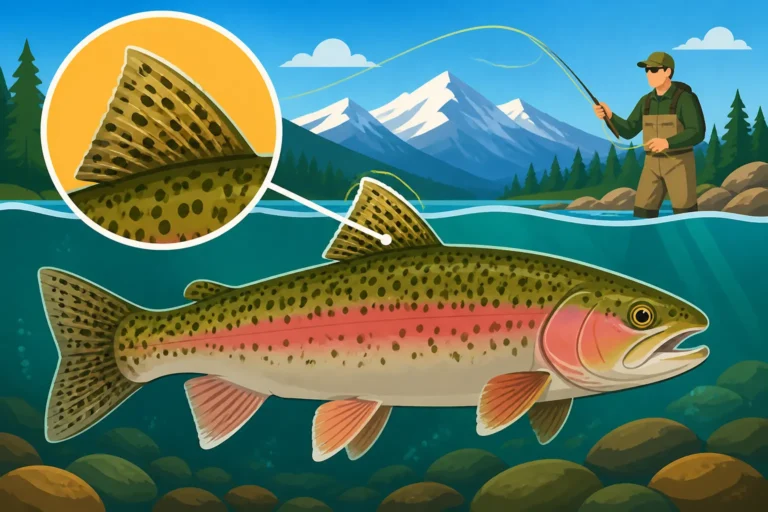
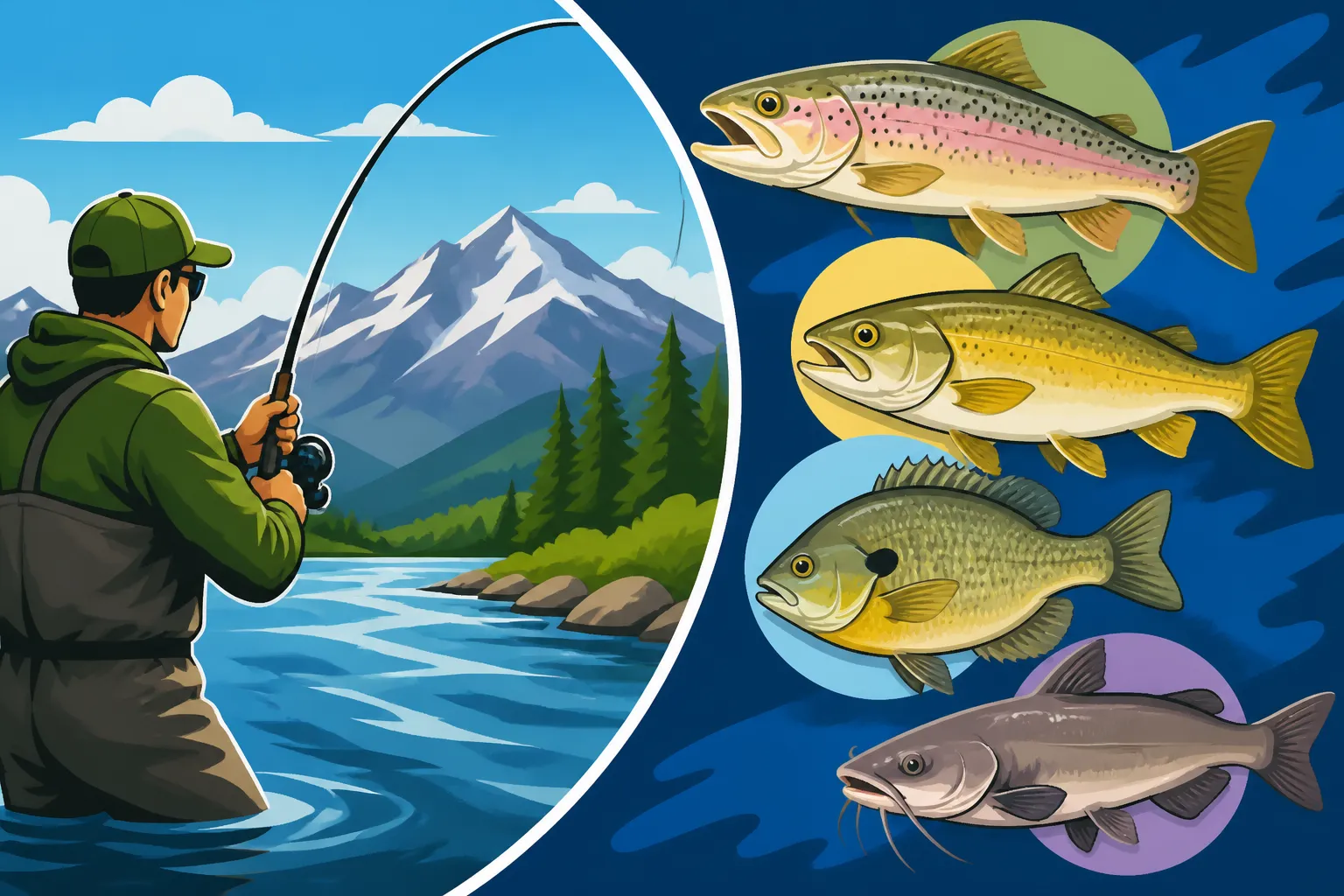
If there's one fish that consistently delivers for beginners in Colorado, it's the rainbow trout, particularly the ones stocked by Colorado Parks and Wildlife (CPW). These hatchery-raised fish are often released into urban ponds, community lakes, and easily accessible reservoirs specifically to provide fishing opportunities. They're typically quite hungry and less wary than their wild counterparts, making them highly susceptible to a variety of baits. You can literally watch them swim up and grab your bait sometimes! You can find out more about where these fish are placed by checking Reading Colorado's Weekly Stocking Report.
Rainbows, even the smaller stockers, put up a respectable fight for their size, providing that satisfying tug that every angler craves. They're also beautiful fish with their iridescent stripe, making them a joy to catch and release (or keep, if within regulations). When we talk about Rainbow Trout in Colorado, Where They're Stocked, you'll often find them in places designed for easy access.
Yellow Perch: Feisty and Plentiful Panfish
Don't let their smaller size fool you; yellow perch are fantastic fish for beginners. They're found in many of Colorado's warmer reservoirs and lakes, often in large schools, which means if you find one, you're likely to find many more. Perch are aggressive feeders and will readily hit small jigs, worms, or even tiny pieces of corn. Their striped patterns are distinctive, and they're quite feisty for their size, making every catch feel like a little victory.
A big bonus with yellow perch is that they are excellent table fare, with firm, white, flaky meat. Catching a mess of perch for a fresh fish fry is a classic angling experience, and it's a great way to introduce someone to the full cycle of fishing, from cast to plate. They're also an excellent species for ice fishing, making them accessible year-round. Learning more about Yellow Perch in Colorado can help you pinpoint their favorite haunts.
Channel Catfish: Strong Fights and Simple Baits
For an entirely different kind of excitement, look no further than the channel catfish. These whiskered beauties grow to impressive sizes in Colorado's warmwater reservoirs and ponds, and they are notorious for their strong, sustained fights. What makes them easy to catch? Their diet and their willingness to bite. Catfish are opportunistic scavengers, meaning they’ll go for just about anything that smells good. Think cut bait, stink baits, hot dogs, even chunks of cheese.
You don't need fancy lures or techniques for catfish; a simple bottom rig with a chunk of bait is often all it takes. They tend to be most active from late spring through fall, particularly during the evenings and at night, offering a unique fishing experience under the stars. Feeling the powerful run of a large channel cat is an unforgettable experience, and they are another delicious eating fish. For deeper insights, check out Channel Catfish in Colorado's Warmwater Lakes.
Bluegill and Crappie: Small but Mighty Fun
Often lumped together as "panfish," bluegill and crappie are quintessential beginner fish. They're widely distributed in Colorado's warmer ponds and lakes, particularly in areas with submerged vegetation or structure. Like yellow perch, they tend to school, so once you find them, you can often catch several in short order.
Bluegill are famous for their aggressive bites and pull hard for their size. They love tiny jigs, worms, and crickets. Crappie, known for their large eyes and flattened bodies, are a bit more delicate in their bite but are also highly susceptible to small jigs and minnows. Both species are perfect for teaching casting accuracy, hook setting, and gentle handling. They may not be trophy fish, but the sheer volume of bites and their delightful appearance make them a fantastic choice for a fun day on the water. If you want to dive deeper, you can explore Crappie Fishing in Colorado to understand their habits.
| Species | Best For | Common Baits/Lures | Typical Location | Action Level | Eating Quality |
|---|---|---|---|---|---|
| Rainbow Trout | New Anglers, Kids | Worms, PowerBait, Corn, Small Spinners | Stocked Ponds, Lakes, Urban Waters | High | Good |
| Yellow Perch | Consistent Bites, Families | Worms, Tiny Jigs, Minnows | Warmwater Lakes, Reservoirs | Very High | Excellent |
| Channel Catfish | Strong Fights, Evening Fishing | Stink Bait, Cut Bait, Hot Dogs | Warmwater Lakes, Reservoirs | Moderate-High | Good |
| Bluegill | Kids, Quick Bites | Worms, Crickets, Tiny Jigs | Ponds, Lakes with Structure | Very High | Good |
| Crappie | Panfishing, Schools | Small Jigs, Minnows | Ponds, Lakes with Structure | High | Excellent |
Gear and Techniques for Success with Easy-to-Catch Fish
You don't need to break the bank or have a tackle box overflowing with esoteric lures to catch these accessible species. Simple, effective gear and straightforward techniques are often all that's required.
Simple Spin Fishing Setups
The beauty of targeting easy-to-catch fish is that a basic spin fishing setup is perfectly adequate. A medium-light action spinning rod (around 5-7 feet long) paired with a small spinning reel spooled with 4-6 pound test monofilament line is ideal. This kind of setup is versatile, easy for beginners to handle, and sensitive enough to feel those lighter bites. You can find excellent, affordable combos online, perhaps even browsing Amazon for starter kits that include everything you need to get going. There are plenty of resources for Spin Fishing Techniques for Colorado Trout that apply to other species too.
You'll also need a few basic terminal tackle items:
- Bobbers: Crucial for visually detecting bites, especially for panfish.
- Split shot weights: Small weights to help cast your bait and get it down to the fish.
- Hooks: Small sizes (e.g., #8 or #10 Aberdeen or baitholder hooks) are perfect for smaller mouths.
- Swivels: To prevent line twist, especially if you're using spinners.
This minimalist approach keeps things simple and focuses on the joy of the catch rather than the complexity of the gear.
Best Baits and Lures for Beginners
When it comes to easy fish, natural baits are often your best friend. They're familiar to the fish and highly effective.
- Worms: The classic. Nightcrawlers or garden worms are universally appealing to trout, perch, bluegill, and crappie.
- PowerBait/Salmon Eggs: Especially effective for stocked rainbow trout. These scented, often brightly colored, dough baits or eggs are irresistible to hatchery fish.
- Corn: A surprising but effective bait for trout and panfish. Just a few kernels on a small hook can be deadly.
- Small jigs: For perch, bluegill, and crappie, tiny jigs (1/32 to 1/16 ounce) tipped with a small piece of worm or a soft plastic grub can be incredibly effective.
- Cut bait/Stink bait: For catfish, stronger smelling options are key. Chicken livers, hot dogs, or commercially prepared stink baits work wonders.
When you're choosing, think about what the fish naturally eat or what's designed to attract them quickly. Don't be afraid to experiment a little, but start with the basics. You might find some excellent deals on starter bait kits or even pre-made rigs on Amazon that can get you fishing faster. For a broader understanding, check out Bait Fishing Techniques for Colorado Lakes.
Finding the Right Spots (Often Closer Than You Think)
One of the greatest advantages of targeting these "easy" species is that you don't always need to venture deep into the wilderness. Many of the best spots are incredibly accessible:
- Urban Ponds and Community Lakes: Many towns and cities across Colorado, especially along the Front Range, have ponds specifically stocked for public fishing. These are often managed for high success rates. Locations like those covered in Urban Fishing Ponds in the Denver Metro are perfect examples.
- State Park Reservoirs: Colorado State Parks offer fantastic fishing opportunities, with many reservoirs holding healthy populations of trout, perch, catfish, and crappie. Places like Chatfield, Cherry Creek, and Boyd Lake are regularly stocked and feature good access, often with amenities. Remember to understand the difference between Colorado State Park Passes vs Fishing Licenses before you go.
- Local Rivers (with a caveat): While many Colorado rivers are known for their wild trout, some sections, particularly downstream from major reservoirs (tailwaters) or within city limits, receive regular stockings of rainbow trout and can offer consistent action, especially in slower moving sections or deeper pools. Always check local regulations, as river fishing can sometimes be more challenging.
The key is to look for areas with easy bank access, often with designated fishing piers or clearings. Use resources like the CPW website or even Google Maps to scout out promising locations near you. These accessible spots remove barriers to entry and let you focus on the fishing itself. Many anglers even use the Colorado Fishing Atlas as a key tool for finding new spots.
Where to Find These Accessible Species Across Colorado
Colorado is a big state, but thankfully, these easy-to-catch species are spread far and wide, making them accessible to most residents and visitors.
Urban Ponds and Community Lakes
These are truly the gems for beginner anglers. Almost every major city and many smaller towns have them. For example, in the Denver Metro area, places like Berkeley Lake, Sloan's Lake, and a variety of smaller neighborhood ponds are regularly stocked with rainbow trout. These waters are designed for easy access, often with paved paths, picnic areas, and sometimes even fishing piers. They're perfect for a quick after-work trip or a weekend outing with the family, requiring minimal travel and logistical planning. You’ll often find signs outlining specific regulations for these urban waters, which are typically straightforward and focus on daily limits.
Outside of Denver, towns like Fort Collins, Colorado Springs, Pueblo, Grand Junction, and many others maintain similar community fishing programs. These spots are fantastic for catching stocked rainbows, and many also hold populations of bass, bluegill, and catfish, making for a diverse and exciting day. Remember, while the fishing might be easy, you'll still need a Colorado Fishing License Guide for Residents and Nonresidents and usually a Habitat Stamp as well.
State Park Reservoirs
Colorado's state parks are angler paradises, offering a mix of accessible fishing for various species. Reservoirs within these parks are often quite large and managed for recreational fishing, meaning they are well-maintained and regularly stocked.
- Front Range Options: Chatfield State Park, Cherry Creek State Park, and Boyd Lake State Park are prime examples. These large reservoirs are typically stocked with rainbow trout and also harbor strong populations of warmwater species like walleye, wiper, perch, and catfish. The sheer size means there's plenty of room to spread out, and many offer boat rentals or easy bank access.
- Eastern Plains Lakes: Heading east, you’ll find reservoirs like Jackson Lake State Park and John Martin Reservoir. These waters are often warmer and excel for species like channel catfish, wiper, and walleye, which thrive in their expansive, nutrient-rich environments.
- Western Slope Gems: On the Western Slope, Vega State Park and Ridgway State Park offer fantastic trout and sometimes pike fishing in beautiful mountain settings, still with excellent accessibility.
These state parks are often bustling with activity, but their large size usually accommodates everyone. Before you go, it's wise to check the specific park’s website for any local fishing reports or access information, as water levels or park conditions can vary. When packing for a trip, it can be helpful to check Amazon for things like cooler bags or other outdoor essentials to keep your catch fresh.
Local Rivers (with a caveat)
While the fast-moving, crystal-clear mountain rivers often demand advanced fly-fishing techniques, there are sections of larger rivers and slower-moving tributaries that can be quite productive for beginners using spin gear and bait.
- Downstream from Dams (Tailwaters): Rivers flowing out of large reservoirs (known as tailwaters) often have consistent water temperatures and plentiful insect life, making them excellent trout habitats. While some tailwaters can be technical, many have areas with slower currents or deeper pools that hold hungry trout, especially after stocking events.
- Wider, Slower Sections: Look for stretches of rivers that are wider and less turbulent, often where the current slows down, creating deeper holes or eddies. These areas provide refuge for fish and make it easier for bait to settle without getting swept away too quickly. The Colorado River through certain valleys, or the Arkansas River in its mellower sections, can offer good opportunities.
The "caveat" here is that river fishing can still be more challenging than stillwater fishing. Currents, snaggy bottoms, and more wary wild trout can present hurdles. However, by focusing on stocked areas or sections known for easier access and slower flows, you can still find success. Always consult the official Colorado fishing regulations brochure for specific river rules, as some sections may have special restrictions on bait or tackle, such as requiring barbless hooks.
Ultimately, Colorado truly offers something for everyone, and a successful day on the water is within easy reach if you know which species to target first. Happy fishing!
Disclaimer
This article is for general informational purposes only and does not constitute professional advice. Laws, prices and regulations vary by location and change over time. Consult a qualified professional for guidance on your specific situation.