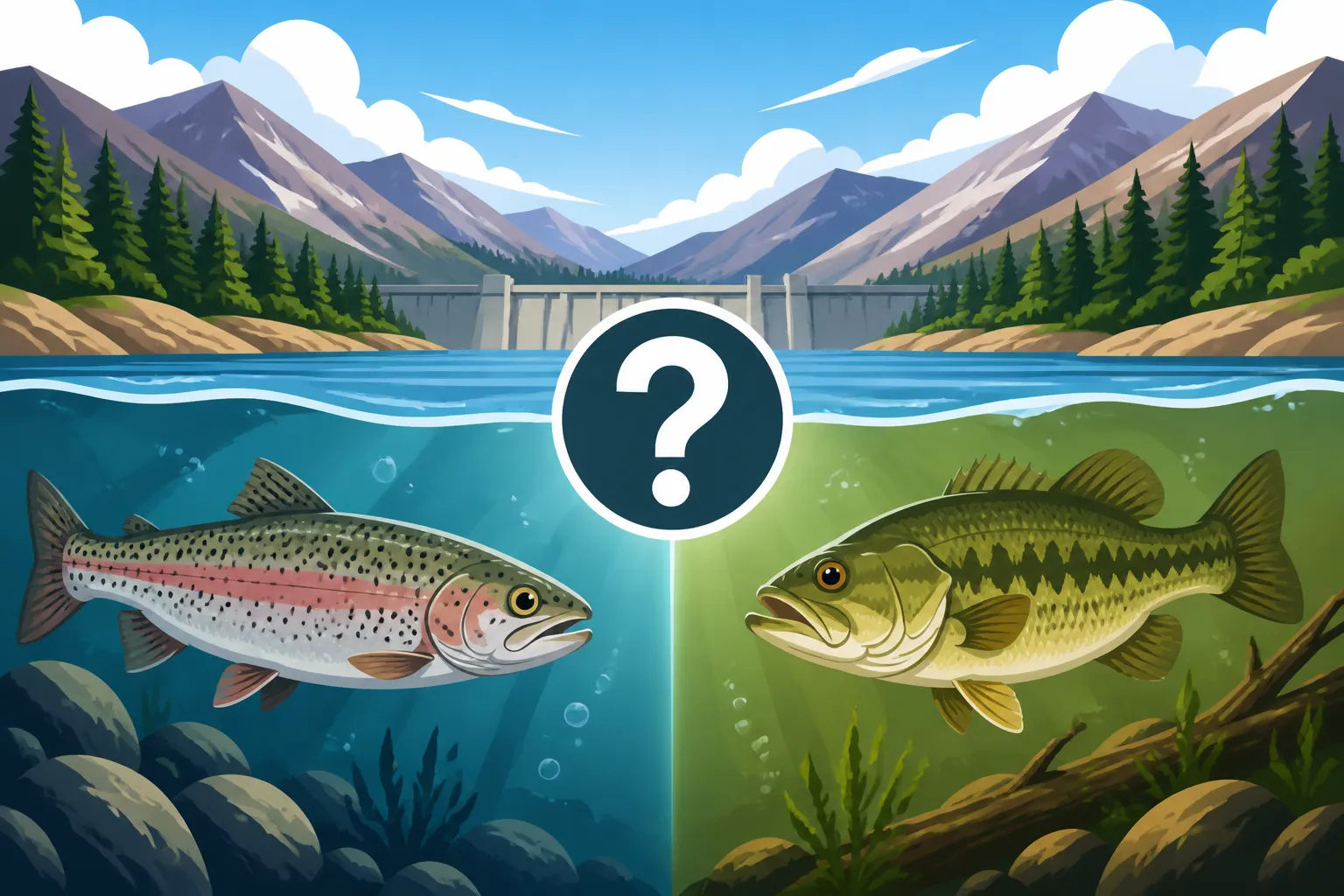
Can Trout and Warmwater Fish Share the Same Reservoir?
It's a common thought among anglers that trout belong in icy, fast-flowing mountain streams, while bass and walleye prefer the lazy, sun-drenched waters of warmer lakes. So, when you hear about a Colorado reservoir teeming with both coldwater trout and warmwater species, it can seem a little contradictory, right? You might wonder how on earth these fish, with their vastly different temperature preferences and biological needs, can possibly thrive in the same body of water. This guide is here to unravel that mystery, showing you precisely how certain Colorado reservoirs become remarkable, dual-habitat fisheries and how you can successfully fish for both types of species.
The Science Behind Coexistence: How Reservoirs Support Both
The idea of trout and warmwater fish sharing the same watery address might sound like an impossible roommate situation, but many Colorado reservoirs are masterclasses in ecological compromise. It all comes down to the unique physical characteristics of these man-made lakes and the incredible adaptability of fish (and the Colorado Parks and Wildlife, of course!).
Thermal Stratification: The Layered Lake
The primary reason trout and warmwater species can coexist in a single reservoir is a phenomenon called thermal stratification. Imagine a lake as a giant layer cake, with distinct layers of water that don't readily mix, especially during the warmer months.
- Epilimnion (The Warm, Sunny Top Layer): This is the shallowest, warmest layer. It's exposed to the sun and wind, making it the perfect habitat for warmwater species like largemouth bass, smallmouth bass, walleye, and catfish. These fish are metabolically built to thrive in higher temperatures, and the top layer provides plenty of oxygen from surface interaction and photosynthesis. This is where you'll often find baitfish too, meaning a ready food source for predators. If you're targeting bass, you'll be looking for structure in this zone, perhaps some submerged timber or weed beds, often found in the shallower coves and along the shoreline.
- Metalimnion (The Transition Zone, or Thermocline): Below the epilimnion lies the metalimnion, where the temperature drops rapidly with increasing depth. This is often referred to as the "thermocline." It's a critical zone because it can sometimes act as a refuge. Some species, particularly adaptable ones or those tolerant of a wider range of temperatures, might move through or even hold in this zone, especially during periods of stress from extreme surface temperatures. Anglers often pay close attention to the thermocline, as it can be a hotspot for various fish species, suspended right where they find ideal conditions.
- Hypolimnion (The Deep, Cold Bottom Layer): This is the coldest, densest layer of water, far removed from the sun's influence. It remains consistently cold, often in the 40s or 50s Fahrenheit, throughout the summer. This deep, chilly environment is exactly what coldwater species like trout (rainbows, browns, cutthroats, and lake trout) and Kokanee Salmon Fishing in Colorado need to survive and thrive. They need that cold water to regulate their metabolism and maintain proper oxygen levels. While oxygen levels can sometimes be a concern in the very deepest parts of the hypolimnion in some lakes (especially as organic matter decomposes), in many large Colorado reservoirs, this layer provides a vital, stable coldwater refuge.
Oxygen and Habitat Zones
It's not just about temperature; oxygen plays a huge role. Warm water holds less dissolved oxygen than cold water. This means that while warmwater species can handle lower oxygen concentrations, trout demand high levels of dissolved oxygen. The thermal stratification helps create these distinct oxygen zones too.
- Surface Oxygen: The epilimnion, due to wind mixing and photosynthesis from aquatic plants, generally has high oxygen levels. This is ideal for active, predatory warmwater fish.
- Deep Oxygen: The hypolimnion, while cold, can sometimes become oxygen-depleted if a reservoir is very deep, has high organic content, or lacks adequate circulation. However, many Colorado reservoirs have significant inflows of fresh, oxygenated water from mountain streams, or they are drawn down for irrigation, which can help circulate and refresh these deeper waters. This consistent supply of cold, oxygenated water is what truly allows the trout to survive through the hottest summer months when surface temperatures would be lethal to them. It's a testament to good reservoir design and management that so many Colorado fisheries manage this balance.
Key Factors Enabling Mixed Fisheries in Colorado
Beyond the basic science of water layers, several other factors contribute to the successful blending of coldwater and warmwater species in Colorado's reservoirs. It's a complex puzzle that involves geography, human engineering, and active conservation efforts.
Reservoir Depth and Size
One of the most critical physical attributes is the sheer depth and size of a reservoir. Shallow, small ponds tend to warm up uniformly, making them unsuitable for trout during summer. However, many of Colorado's major reservoirs are incredibly deep, often hundreds of feet in places.
- Creating a Thermal Escape: This depth provides the necessary volume of cold water for the hypolimnion to persist, even when the surface is baking under the summer sun. Think of reservoirs like Chatfield Reservoir or Cherry Creek Reservoir near Denver. While not as deep as some mountain lakes, they possess sufficient depth to stratify, creating those distinct layers. This means that while you might be catching crappie or bass in the shallows on a July afternoon, the trout are holding comfortably in cooler, deeper water, patiently waiting for your presentation.
- Volume for Variety: Larger surface areas also mean more varied habitats, from shallow coves and rocky points preferred by bass, to vast open waters where schools of Kokanee Salmon in Colorado might roam, and deep canyons that hold trophy Lake Trout Fishing in Colorado. This diversity of physical space naturally caters to a wider array of species.
Inflows, Outflows, and Turnover
The dynamic movement of water within a reservoir is another crucial element. Reservoirs are not static bathtubs; they are constantly fed by rivers and streams and have water drawn out through dams.
- Cool, Oxygenated Inflows: Many Colorado reservoirs are fed by snowmelt-driven mountain rivers, delivering a continuous supply of cold, oxygen-rich water. This influx helps maintain the integrity and quality of the deeper, coldwater layers, preventing them from becoming stagnant or depleted of oxygen. Imagine the Poudre River feeding Horsetooth Reservoir, or the South Platte flowing into Chatfield. These rivers are vital arteries for a healthy mixed fishery.
- Dam Outflows: The outflow from dams can also influence temperature. If water is released from the bottom of a reservoir, it can create a cold tailwater fishery below the dam, which is fantastic for trout, but it also means that the overall water level and thermal dynamics of the reservoir itself are constantly in flux.
- Seasonal Turnover: In spring and fall, as air temperatures change, the distinct layers of a reservoir can "turn over" or mix. In spring, the surface water warms, eventually matching the deeper water temperature, leading to mixing. In fall, the surface cools, becoming denser and sinking, again leading to mixing. This natural mixing process replenishes oxygen in the deeper zones and distributes nutrients, essentially resetting the lake for the coming season. Anglers targeting various species often pay attention to these turnover periods, as fish can be dispersed throughout the water column during these times.
Stocking and Management Efforts
Let's be real: nature gets a big assist from humans in many of Colorado's mixed fisheries. Colorado Parks and Wildlife (CPW) plays a vital role in managing these complex ecosystems.
- Strategic Stocking Programs: CPW actively stocks trout into many reservoirs, often specifically targeting those with suitable deep, coldwater habitat. This ensures a healthy population for anglers. They might stock different strains or sizes of trout depending on the reservoir's specific conditions and goals. For example, some lakes might get large catchable rainbows for immediate angler gratification, while others might receive fingerlings that grow into trophy fish. You can often check Reading Colorado's Weekly Stocking Report to see where fish are being added.
- Population Monitoring: CPW regularly conducts surveys to monitor fish populations, assess their health, and understand how different species are interacting. This data helps them make informed decisions about stocking levels, special regulations, and habitat improvements.
- Habitat Protection: Management efforts also include protecting critical habitat features like spawning areas, submerged vegetation, and rocky structures that provide cover for fish. By ensuring a healthy environment, CPW helps both stocked and naturally reproducing fish thrive. It’s all part of the bigger picture in Colorado Fishing Regulations Every Angler Should Know.
Angling in a Mixed-Species Reservoir: Strategies for Success
Okay, so the science makes sense. Now, how do you actually fish these fascinating mixed-species reservoirs? It's all about understanding the seasonal movements of fish and adapting your techniques to the different layers of water.
Adapting to Seasonal Changes
The season dictates where you'll find your target species in a mixed reservoir.
- Spring (Post-Ice-Out): As the ice melts and the water begins to warm, all species become more active. Trout, which have been confined to cold, oxygenated areas under the ice, will start to spread out, often moving closer to the surface and into shallower areas where food sources are becoming available. Warmwater fish are also waking up and moving into the shallows to feed and eventually spawn. This is a fantastic time for both trout and bass, as they can be found in similar, accessible depths. Consider targeting shallower coves and sun-drenched banks.
- Summer (Stratification Peaks): This is when thermal stratification is most pronounced. Trout will retreat to the deeper, cooler waters of the hypolimnion, often congregating around submerged structures, drop-offs, or near the thermocline if oxygen levels are good. Warmwater species, on the other hand, will dominate the warmer epilimnion, actively feeding in the shallows during low light hours and retreating to deeper cover or shade during the heat of the day. You might need to adjust your approach for Trolling Techniques for Colorado Reservoirs during this time.
- Fall (Turnover and Cooling): As temperatures drop, the lake begins to cool, and the layers start to mix during the fall turnover. This means fish can be found throughout the water column. Trout, sensing the approaching winter, will become incredibly active, often feeding aggressively in shallower areas as they fatten up. Warmwater species also experience a secondary feeding frenzy before they slow down for winter. This can be one of the best times to fish for both, as they become more accessible.
- Winter (Ice Fishing): For those brave enough to venture onto the hard water, ice fishing is a popular pastime. Under the ice, the water temperature stabilizes. Trout can still be found deep, but often closer to structure. Warmwater species will slow their metabolism and might be found in slightly deeper areas than in summer, but still generally shallower than trout. Ice Fishing in Colorado, Getting Started is a whole different ballgame.
Gear and Techniques for Different Depths
To successfully fish a mixed reservoir, you'll need versatility in your tackle and approach.
- For Deep-Dwelling Trout:
- Trolling: If you're fishing from a boat, trolling with downriggers or weighted lines is incredibly effective for getting lures, spoons, or even flies down to the depths where trout are holding. You can find a huge variety of trolling gear, from dodgers and flashers to specific trolling spoons, on Amazon.
- Jigging: Vertical jigging with heavy spoons, jigs, or soft plastics can entice lake trout, rainbows, and browns that are holding near the bottom or suspended in the water column. This is a particularly effective method for Lake Trout Fishing in Colorado.
- Bait Fishing: Still fishing with powerbait, worms, or even cut bait (where legal) on a bottom rig or suspended under a slip bobber at specific depths can be very productive. A good fish finder, readily available on Amazon, is invaluable for locating these deeper fish and the thermocline.
- For Shallow Warmwater Species:
- Casting and Retrieving: Standard spin fishing gear with crankbaits, spinnerbaits, soft plastics, or topwater lures (for bass) will work well in the warmer, shallower zones. Focus on structure like submerged trees, rock piles, or weed lines.
- Live Bait: Minnows (where legal), worms, or crawdads can be irresistible to bass, walleye, and catfish.
- Fly Fishing: For those who prefer a fly rod, streamers, poppers, and even terrestrial patterns can be deadly for bass and panfish in the shallows, especially during low-light conditions.
Remember, always check the current Colorado Fishing Season Dates and Bag Limits and specific regulations for the reservoir you plan to fish, as rules can vary regarding bait, catch limits, and even species you can target.
Benefits and Challenges of Colorado's Mixed Fisheries
Mixed-species reservoirs offer a unique blend of angling opportunities but also present distinct management and ecological considerations.
Diverse Opportunities for Anglers
For you, the angler, these mixed fisheries are a dream come true. You're not limited to one style of fishing or one type of fish.
- Something for Everyone: If one species isn't biting, you can switch gears and target another. On a given day, you might start the morning jigging for deep lake trout, then move to the shoreline in the afternoon to cast for bass, and finish the evening with some light tackle fishing for crappie. This versatility makes for incredibly engaging and often successful fishing trips.
- Year-Round Potential: Depending on the specific reservoir, a mixed fishery often means a longer fishing season. While some high-country trout lakes might freeze solid and limit access, larger, deeper reservoirs can offer open water fishing for warmwater species for more months of the year, with ice fishing opportunities in winter.
- Skill Development: Successfully targeting both coldwater and warmwater species requires a broader understanding of fish behavior, water dynamics, and diverse angling techniques. It's a fantastic way to expand your fishing repertoire and become a more well-rounded angler. Having a good, versatile tackle box, which you can easily customize with various lures and baits from Amazon, is key to being ready for anything a mixed fishery throws at you.
Ecological Considerations and Management
While great for anglers, maintaining a balanced mixed fishery is a constant effort for wildlife managers.
- Predator-Prey Balance: Introducing or managing multiple species requires careful consideration of the food web. Trout and warmwater fish can compete for food, and larger predators like northern pike can impact trout populations if not managed. CPW must ensure that prey species are abundant enough to support the predator populations without overstressing the ecosystem. This can sometimes lead to regulations aimed at controlling certain species, such as specific limits on Colorado's Daily Northern Pike Limit in certain waters where they might be impacting native fish or prized sportfish.
- Habitat Degradation: Factors like water quality, pollution, and shoreline development can impact the delicate balance of a mixed fishery. Maintaining healthy aquatic vegetation for warmwater species and clear, cold water for trout is paramount.
- Species Interactions and Disease: When different species share a habitat, there's always a risk of disease transmission or undesirable hybridization (like the "cutbow" which is a hybrid of a rainbow and a cutthroat trout). Careful monitoring and stocking practices help mitigate these risks. The goal is always to create a thriving ecosystem where all species can coexist without negatively impacting each other or the overall health of the reservoir. This ongoing management is crucial for the longevity of Colorado's incredible fishing opportunities.
Colorado's mixed-species reservoirs are truly special, offering anglers a chance to experience the best of both coldwater and warmwater fishing in a single location. By understanding the science of thermal stratification, appreciating the hard work of wildlife managers, and adapting your fishing strategies, you can unlock a world of diverse angling adventures right here in our beautiful state.
Disclaimer
This article is for general informational purposes only and does not constitute professional advice. Laws, prices and regulations vary by location and change over time. Consult a qualified professional for guidance on your specific situation.