Trolling Techniques for Colorado Reservoirs
Trolling on Colorado's vast reservoirs can often feel like a puzzle, especially when you're faced with expansive waters and fish that seem to vanish into the deep. Many anglers struggle to consistently find fish, often dragging lures aimlessly without understanding the nuances of depth, speed, and presentation. This comprehensive guide aims to unravel the complexities of trolling, providing you with the knowledge and strategies to confidently target and catch a variety of species across Colorado's stunning aquatic landscapes.
Why Trolling is a Game-Changer on Colorado Reservoirs
Picture this: you're out on a massive reservoir like Blue Mesa, the wind is whipping, and you've spent hours casting from the bank or jigging in one spot with little to show for it. It's frustrating, right? This is where trolling steps in as an absolute game-changer. Instead of waiting for the fish to come to you, trolling allows you to actively seek them out, covering huge swaths of water and systematically presenting your lures to wherever the fish might be hiding. It’s an active, dynamic approach that drastically increases your chances of success, especially on those big bodies of water that can feel overwhelming at first.
Covering More Water Efficiently
One of the biggest advantages of trolling, especially on Colorado's larger reservoirs, is the ability to cover an immense amount of water in a relatively short period. Think about the sheer size of a place like Blue Mesa Reservoir or Lake Granby. Trying to cast or jig every potential spot would take days, if not weeks. Trolling, however, allows you to pull multiple lures behind your boat, systematically working flats, drop-offs, points, and coves. You can zig-zag across vast areas, following contour lines, or making long, straight passes.
This efficiency is particularly crucial when fish are scattered or moving frequently, which happens a lot with species like kokanee salmon or schools of rainbow trout. Instead of guessing where they are, your trolled spread of lures acts like a wide net, constantly searching for active fish. You're not just hoping a fish swims by your bait; you're taking your bait to potentially hundreds of fish as you navigate the reservoir. It's about maximizing your exposure and making every minute on the water count.
Targeting Specific Depths and Temperature Zones
Colorado's reservoirs, particularly in the warmer months, stratify into distinct temperature layers. Fish, especially trout and salmon, are incredibly sensitive to water temperature and will seek out their preferred thermal comfort zones. This means they might be holding anywhere from 10 feet to 100 feet deep, depending on the time of year and the specific reservoir. Guessing this depth can be nearly impossible with traditional casting methods.
Trolling, particularly when combined with modern electronics and specialized gear like downriggers, allows you to precisely target these specific depth and temperature zones. You can monitor your fish finder to identify the thermocline – the layer where the temperature changes rapidly – and then adjust your downriggers to place your lures exactly in that strike zone. This precision is invaluable for species like lake trout, which often hold in deep, cold water, or kokanee salmon, which are notoriously particular about the depth they feed at. It takes the guesswork out of depth presentation and allows you to present your offering right in front of the fish's nose.
Reaching Spooked or Deep-Holding Fish
Sometimes, fish just don't want to come to the surface or bite in shallow water. Maybe it's bright sunshine, heavy boat traffic, or they've simply been pressured and are holding deep. In these scenarios, casting to them can be challenging, if not impossible. Trolling offers a stealthy way to present lures to fish that might be otherwise unapproachable. By moving slowly and steadily, your boat can pass over or near fish without alarming them, especially if you're using long leader lengths and your lures are far behind the boat.
Moreover, many trophy-sized fish, particularly large lake trout and brown trout, tend to hold in deeper, darker waters where they feel safer and have access to larger prey. Trolling with heavy weights or downriggers is often the only effective way to consistently get your lures down to these depths. It's about offering a natural-looking presentation in their preferred environment, enticing them to strike even when they're not actively chasing surface baits. This technique allows you to tap into a whole population of fish that might otherwise remain out of reach for many anglers.
Essential Trolling Gear for Colorado's Waters
Getting started with trolling can seem like a daunting task, as there's a fair amount of specialized equipment involved beyond your basic spinning rod and reel. But don't let that intimidate you! Most of this gear is designed to make your life easier and more effective on the water. Having the right tools for the job means you're not just dragging a lure, but actively fishing with purpose and precision. Let's break down what you'll need to outfit yourself for successful trolling across Colorado's diverse reservoirs.
Rods, Reels, and Line Selection
For trolling, you'll want a setup that can handle the stress of pulling lures, weights, and potentially large fish. A medium to medium-heavy action rod, typically 7 to 9 feet long, is ideal. These longer rods provide better shock absorption when a fish strikes and help spread out your lines more effectively if you're running multiple rods. Brands like Ugly Stik or Berkley offer durable and affordable options that are perfect for getting started. When it comes to reels, conventional reels (baitcasters) are often preferred for trolling because of their robust construction and line counters, which are crucial for knowing exactly how much line you have out. A good quality conventional reel with a smooth drag system, like a Daiwa Accudepth or a Shimano Tekota, will serve you well for years.
Line selection is another critical component. For main lines, many trollers opt for braided line due to its strength, thin diameter, and lack of stretch. This allows you to feel subtle bites and helps your downrigger clips hold better. A 20-30 pound braided line is a good all-around choice. However, because braid is highly visible, you'll almost always want to use a fluorocarbon leader. Fluorocarbon is nearly invisible underwater, offers excellent abrasion resistance, and has just enough stretch to absorb the shock of a hard strike. A 10-15 pound fluorocarbon leader is usually sufficient for most trout and kokanee, while heavier 20-30 pound leaders are better for larger lake trout or northern pike. You can find a wide range of these lines readily available on sites like Amazon.
Downriggers, Dipsy Divers, and Planer Boards
These are the tools that get your lures to the exact depth and location you want them.
-
Downriggers: These are the backbone of serious trolling, especially for deep-dwelling species like lake trout and kokanee salmon. A downrigger uses a heavy cannonball weight (typically 8-12 pounds) on a steel cable to pull your fishing line down to a precise depth. Your fishing line is attached to the cannonball via a release clip. When a fish strikes, the line pops free from the clip, allowing you to fight the fish directly without the weight. Electric downriggers, such as those from Scotty or Cannon, make life much easier, automatically lowering and raising your weights at the push of a button. Manual versions are also available and more budget-friendly.
-
Dipsy Divers (or similar diving planers): These are disc-shaped devices that use water resistance to dive to a set depth when trolled. They are excellent for getting lures down without the need for heavy lead weights on your main line. Dipsy Divers also have an adjustable trip mechanism, allowing them to release and "trip" when a fish strikes, reducing resistance during the fight. They are great for covering a range of depths, from 10 to 80 feet, depending on their size and setting.
-
Planer Boards: These are primarily used to get your lures out to the sides of your boat, away from the boat's prop wash and disturbance. This is particularly effective in clear water or for targeting fish that are spooky. Inline planer boards, like those made by Off Shore Tackle, clip directly to your fishing line and pull your lure out sideways. When a fish hits, the board slides down the line to a stop, allowing you to fight the fish. Larger mast-and-line planer board systems are also available for running a spread of many lines, often favored by walleye anglers.
Sonar and GPS: Your Eyes Underwater
In modern trolling, your electronics are just as important as your rods and reels.
-
Sonar (Fish Finder): A good fish finder is absolutely essential for successful trolling. It acts as your eyes beneath the surface, showing you bottom contours, structure, schools of baitfish, and most importantly, individual target fish. Look for units with CHIRP sonar, Down Imaging, and Side Imaging capabilities. Brands like Humminbird (Helix or Solix series) and Garmin (Echomap or GPSMAP series) offer excellent options. Being able to see the depth, the thermocline, and fish arches allows you to adjust your depth and strategy in real-time, drastically increasing your efficiency. Without a sonar unit, you're essentially trolling blind.
-
GPS (Global Positioning System): Integrated into most modern fish finders, GPS allows you to mark waypoints, track your trolling paths, and navigate precisely. You can mark "hot spots" where you've caught fish, identify transitions in the bottom, and repeat successful trolling passes with accuracy. This is particularly useful in large reservoirs where specific contours or submerged features hold fish. Many anglers will meticulously map out their favorite trolling runs, refining them over time based on their catches. Knowing exactly where you've been and where you want to go is invaluable for consistent success.
Lure Selection for Colorado's Trolled Species
The choice of lure is paramount and highly dependent on what species you're targeting and the time of year.
-
Kokanee Salmon: For these delicious, schooling salmon, smaller, highly reflective lures are key. Popular choices include small hoochies (squid skirts) trolled behind a dodger or a small, flashy spoon like a 'Kokanee Killer' or a 'Wedding Ring' spinner. Apex lures in 1.5 to 3-inch sizes are also effective. Experiment with bright colors like pink, orange, chartreuse, and sometimes even silver or blue, often tipped with a kernel of Pautzke's Fire Bait corn. Remember, they have relatively small mouths, so keep your hooks appropriately sized. If you want to learn more, check out my guide on Trolling for Kokanee Salmon in Colorado.
-
Lake Trout: These deep-water predators often prefer larger presentations. Big spoons (like a Northport Nailer, T-Hex, or Dodger), large tube jigs, or even whole baitfish (where legal) trolled behind downriggers are effective. Colors can vary, but silver, white, blue, and chartreuse are often good starting points. Depth is critical for lake trout, and they often relate to the bottom or steep drop-offs. You might be fishing 50 to 100+ feet deep for these giants. My article on Lake Trout Fishing in Colorado has more details.
-
Rainbow and Brown Trout: These opportunistic feeders will strike a wide variety of trolled lures. Smaller spoons (e.g., Kastmaster, Crocodiles, Daredevils), minnow-imitating crankbaits (like Rapala countdowns or flat-sided baits), and even small spinnerbaits can be highly effective. For rainbow trout, bright, flashy colors often work well, while brown trout can be drawn to natural baitfish patterns or even larger, wobbling crankbaits. Early mornings and evenings often see them higher in the water column. You can find a great selection of these on Amazon.
-
Walleye and Northern Pike: While often associated with casting or jigging, these species can be effectively trolled, especially in certain reservoirs. For walleye, deep-diving crankbaits that mimic perch or shad are excellent. Think Rapala Shad Raps or Berkley Flicker Shads. Trolling speed is generally slower for walleye. Northern pike, being aggressive ambush predators, will hit larger, flashy spoons, large crankbaits, or even big spinnerbaits. Focus on trolling along weed lines, submerged structure, or shallow flats during low light conditions. If you're targeting walleye, be sure to know Colorado's Colorado's Daily Walleye Limit. Similarly, check the Colorado's Daily Northern Pike Limit for pike.
Understanding Colorado's Key Trolling Species
Colorado's reservoirs are home to a fantastic array of fish species that can be successfully targeted through trolling. Each species has its own habits, preferred depths, and feeding behaviors, and understanding these nuances is crucial for putting together an effective trolling strategy. It’s not a one-size-fits-all approach; what works for a deep-dwelling lake trout certainly won't be the ticket for a shallow-cruising northern pike. Let's dive into the key players you'll encounter.
Kokanee Salmon: The Finicky Schoolers
Ah, kokanee! These landlocked sockeye salmon are incredibly popular targets for trollers across Colorado. They are schooling fish, meaning if you find one, there are usually many more nearby. However, they can be notoriously finicky. They primarily feed on zooplankton, which means they prefer small, subtle presentations. Their mouths are also quite delicate, so a light touch is often required.
Kokanee are typically found suspended in the water column, often relating to the thermocline or just above it, particularly in summer. They thrive in cold, clear water and are highly sensitive to sunlight. This means they'll often be deeper during midday and might rise higher in the water column during low light periods or on cloudy days. Trolling for kokanee often involves specialized gear like a dodger or a small Ford Fender ahead of a tiny spoon or hoochie. The dodger's purpose is not to attract the fish to strike it, but to create an erratic, flashy motion that imitates baitfish, drawing the kokanee to the lure behind it. Knowing How Deep to Troll for Kokanee at Blue Mesa is often the difference between a full cooler and a skunk day. Reservoirs like Blue Mesa, Granby, and Eleven Mile are prime kokanee waters.
Lake Trout: Deep-Dwelling Giants
Lake trout, often affectionately called "lakers," are the true heavyweights of many Colorado reservoirs. These powerful predators can grow to impressive sizes, offering a thrilling fight. Unlike kokanee, lakers are typically found close to the bottom or along deep structure, especially during the warmer months when they seek out the coldest water. They are apex predators in their environment, feeding on smaller fish like kokanee, rainbow trout, and even their own young.
Trolling for lake trout requires robust gear capable of handling heavy weights and potentially large fish. Downriggers are almost a necessity to get large spoons, tube jigs, or even live bait (where permitted) down to the 50-150 foot depths they often inhabit. Look for them around underwater humps, submerged islands, steep drop-offs, and canyon walls. They can be found in reservoirs like Blue Mesa, Lake Granby, and Taylor Park. Patience is key, as lakers can be territorial and strikes might be less frequent but much more aggressive than those of kokanee. If you're serious about targeting these giants, understanding Best Downrigger Depth for Lake Trout in Summer is essential.
Rainbow and Brown Trout: Opportunistic Biters
Rainbow and brown trout are perhaps the most common and widely distributed trout species in Colorado's reservoirs. They offer exciting trolling opportunities for anglers of all skill levels.
- Rainbow Trout: These feisty fish are heavily stocked in many Colorado reservoirs, making them readily available targets. They are generally more aggressive than kokanee and will often strike a wider variety of lures. Rainbows can be found anywhere from shallow bays to deeper open water, depending on water temperature, food availability, and time of day. They often cruise along contour lines, points, and near inflows. Small spoons, minnow-imitating crankbaits, and even spinnerbaits are effective when trolled at a moderate pace. My guide on Rainbow Trout in Colorado, Where They're Stocked provides more details.
- Brown Trout: Known for their elusive nature and powerful fights, brown trout are a highly prized species. While many anglers target them in rivers, large browns are also excellent trolling targets in reservoirs. They are predatory and will often hold near structure like rocky points, submerged timber, or drop-offs, ambushing baitfish. Larger spoons, crankbaits with a strong wobble, and even large streamer flies can be very effective, especially during low light conditions or in the fall when they become more aggressive as they prepare to spawn. Reservoirs like Eleven Mile, Spinney Mountain, and Williams Fork hold impressive populations of brown trout.
These trout species are generally more forgiving in terms of precise depth than kokanee or lake trout, but paying attention to your fish finder to locate baitfish schools or submerged structure will always improve your chances.
Walleye and Northern Pike: Predatory Pursuers
While often associated with midwestern states, walleye and northern pike offer exciting trolling prospects in specific Colorado reservoirs, particularly on the Front Range and Eastern Plains.
- Walleye: These delicious fish are often sought after for their table fare. Walleye prefer rocky bottoms, humps, and submerged points. They are light-sensitive, so trolling during low light conditions (dawn, dusk, or cloudy days) is often most productive. Deep-diving crankbaits that imitate baitfish like perch or shad, trolled slowly, are excellent choices. Knowing your electronics to find rocky structure is key. Chatfield Reservoir, Cherry Creek Reservoir, and Pueblo Reservoir are known for their walleye populations.
- Northern Pike: These toothy, aggressive predators offer explosive strikes and powerful fights. Pike are ambush predators, often found lurking in or near weed beds, submerged timber, or along sharp drop-offs. They will readily attack large, flashy spoons, big crankbaits, and even large spinnerbaits. Trolling for pike can be fast-paced and exciting. Reservoirs like Eleven Mile, Spinney Mountain, and Williams Fork have strong pike populations, but it's important to remember that they are often considered an invasive species in some waters, and you might encounter different regulations regarding their possession and harvest.
Always double-check the specific regulations for the reservoir you're fishing, as bag and possession limits, and even bait restrictions, can vary for these species. Understanding the unique characteristics of each fish you're pursuing will allow you to tailor your trolling tactics for maximum success.
Mastering the Art of Trolling Speed and Depth
Trolling isn't just about putting a lure in the water and driving around. It's a calculated dance between boat speed, lure action, and the depth at which you present your offering. Getting these elements just right is often the difference between a productive day and a frustrating one. Think of it like a chef fine-tuning a recipe – a slight adjustment to one ingredient can completely change the outcome.
Finding the Right Speed for Your Lures and Target Species
Trolling speed is perhaps one of the most critical factors in success. Every lure has a "sweet spot" speed where it exhibits its most natural and enticing action. Too fast, and a crankbait might blow out (stop swimming correctly) or a spoon will spin unnaturally. Too slow, and a spoon might just drag without any flash, or a crankbait won't dive to its intended depth or show its wobbling action.
- For Kokanee Salmon: Generally, slower speeds are better, typically between 0.8 and 1.8 miles per hour. Kokanee are often feeding on tiny zooplankton, and a slow-moving, subtle presentation is more appealing. Watch your dodger's action – it should have a gentle side-to-side swing, not a frantic spin. Small changes in speed, even a tenth of a mile per hour, can make a huge difference.
- For Trout (Rainbow, Brown, Lake Trout): A moderate speed range, usually 1.5 to 3.0 miles per hour, is a good starting point. This range allows spoons to flutter and flash effectively, and crankbaits to achieve their designed wobble and dive. For aggressive lake trout, you might even bump it up slightly to mimic a fleeing baitfish. Observe your rod tip – it should have a steady pulse from the lure's action.
- For Walleye and Northern Pike: Walleye typically prefer slower speeds, often in the 0.8 to 1.5 miles per hour range, which allows crankbaits to track well and jigs to bump the bottom effectively. Pike can tolerate slightly faster speeds, from 1.5 to 3.0 miles per hour, especially when targeting them in open water, as they react to big, flashy presentations.
The best way to determine the ideal speed is to watch your lure in clear, shallow water next to the boat before deploying it. See how it performs at different speeds. Always use a GPS-enabled fish finder to monitor your exact speed, as current and wind can drastically affect your actual speed over ground. Don't be afraid to experiment; if you're not getting bites, try speeding up or slowing down in small increments.
Dialing In Depth with Downriggers and Weights
Once you've got your speed dialed in, the next challenge is getting your lure to the correct depth. This is where downriggers, diving planers, and lead-core line shine.
- Downriggers: As discussed earlier, downriggers offer the most precise depth control. You simply set your desired depth on the unit, and the cannonball weight takes your line down. The key is to understand that your lure will typically run a few feet above the cannonball due to the angle of the line and the force of the water. Factors like line diameter, lure type, and trolling speed can affect this. For example, a large, deep-diving crankbait will run higher than a small spoon. Always observe your fish finder to verify where fish are holding and adjust your downrigger depth accordingly. For specific species, like for kokanee, you'll want to ensure you're putting your lure right in their feeding lane, sometimes just 5 feet below the surface, other times 60 feet down.
- Diving Planers (e.g., Dipsy Divers): These are fantastic for reaching intermediate depths without needing a full downrigger setup. The depth they achieve depends on their size, the line length behind the planer, and your trolling speed. Most come with charts that give you approximate depths for different line lengths and settings. Experimentation is still key here; you might need to let out more or less line to hit the exact depth the fish are at.
- Lead-Core Line: This type of line has a weighted core (typically lead) encapsulated in a braided sheath. Each "color" on a lead-core line typically represents 10 yards, and at a certain speed, each color will take your lure down approximately 5 feet. So, if you let out 5 colors, your lure might be around 25 feet deep. It's less precise than a downrigger but very effective for specific depth ranges and requires less gear. It's often used for suspended trout or walleye. Remember that the amount of line you have out will also be affected by the Colorado Fishing Regulations Every Angler Should Know.
A good starting point for depth is to target the depth of baitfish schools or the thermocline as indicated by your sonar. If fish are suspended at 40 feet, that's where you want your lures.
The Importance of Presentation and Action
Beyond speed and depth, how your lure looks and moves in the water – its presentation and action – is crucial. A perfectly trolled lure mimics a natural food source, whether it's an injured baitfish, a fleeing insect, or an appealing morsel of zooplankton.
- Lure Selection: Choose lures appropriate for the species and conditions. Are you trying to imitate a small minnow for kokanee, or a larger fish for a big laker? Is the water clear or murky? Bright, flashy colors excel in clear water and sunny conditions, while darker or more subtle patterns might be better in stained water or low light.
- Cleanliness: Keep your lures clean and free of debris. Even a small piece of weed can kill the action of a crankbait or spoon. Regularly check your lines and lures.
- Stinger Hooks/Tipping: For kokanee, tipping your lure with scented corn (like Pautzke's Fire Bait) or a small piece of worm can often trigger more strikes. For other species, adding a stinger hook (a small treble hook on a short leader) to the back of a spoon or soft plastic can help catch short-striking fish.
- S-Turns and Speed Changes: Don't just troll in a straight line. Making gradual S-turns causes your inside lures to slow down and sink, while your outside lures speed up and rise. This change in speed and depth can often trigger a hesitant fish to strike. Similarly, small, intermittent speed changes can add an erratic, injured-baitfish action to your lures, making them irresistible.
By meticulously balancing your speed, precisely controlling your depth, and ensuring your lure has the optimal action, you'll elevate your trolling game and start seeing more consistent hook-ups on Colorado's beautiful reservoirs.
Seasonal Trolling Strategies in Colorado
Just like the mountains change with the seasons, so too do the habits of fish in Colorado's reservoirs. A trolling technique that works wonders in July might be completely ineffective in November. Understanding these seasonal shifts and adapting your approach accordingly is key to year-round trolling success. It's all about anticipating where the fish will be, what they'll be eating, and how they'll behave given the water temperatures and conditions.
Spring: Ice-Out and Shallow Water Opportunities
Spring in Colorado's high country is a magical time, as the ice finally relinquishes its grip on the reservoirs. This period, often from late March through May, offers some fantastic trolling opportunities. As the ice recedes, the water begins to warm, albeit slowly, and fish become much more active after a long winter under the ice.
- Shallow Water Focus: During ice-out and early spring, fish like rainbow and brown trout, and even kokanee, will often move into shallower water, particularly near inflows, shorelines, and points where the water warms first. They are looking for newly available food sources and congregating in these warmer areas. Trolling in the top 10-30 feet of the water column is often productive.
- Lure Choices: Smaller, flashy spoons (silver, gold, copper, or bright colors like orange and chartreuse) are excellent choices. Minnow-imitating crankbaits like Rapalas also shine, particularly when targeting aggressive post-spawn brown trout.
- Speed and Presentation: A slower to moderate trolling speed (1.0 to 2.0 mph) is generally best. The fish are still somewhat lethargic from winter, so a subtle, easy target is often more appealing. Keep an eye on your fish finder for schools of baitfish or active fish arches near structure. This is also a great time to check out Colorado Fishing Season Dates and Bag Limits as they may have recently changed.
Summer: Deep Water Thermoclines and Early Mornings
Summer is prime time for many Colorado reservoirs, but it also brings challenges like high sun, boat traffic, and warm surface temperatures. This is when understanding the thermocline becomes paramount for cold-water species.
- Thermocline & Deep Water: As surface temperatures rise, species like trout and kokanee will retreat to the deeper, cooler waters of the thermocline. Lake trout will go even deeper, often hugging the bottom in 50-100+ feet of water. Your electronics will be your best friend here, helping you pinpoint this crucial depth band.
- Early & Late Day Bites: The best trolling action often occurs during low light periods – dawn and dusk. During these times, fish may move shallower to feed. Once the sun is high, be prepared to fish deep.
- Lure & Rigging: Downriggers become essential for consistently hitting those deep-water zones. For kokanee, continue using dodgers and hoochies or small spoons. For lake trout, larger spoons, tube jigs, or even whole bait are effective. For suspended rainbows and browns, deep-diving crankbaits or lead-core setups can reach them. Experiment with colors, but blue, silver, and green patterns often do well in clear, deep water.
- Speed: Maintain a steady speed appropriate for your target species, as outlined in the previous section. Constant monitoring of your depth and speed is critical. If you are fishing a large body of water, it's wise to review Colorado's Best Fishing Spots by Region to get a better idea of how the body of water you're on reacts during certain times of the year.
Fall: Spawning Runs and Aggressive Feeders
Fall is arguably one of the best times to troll in Colorado. The cooler air temperatures lead to dropping water temperatures, invigorating the fish and often triggering aggressive feeding behaviors as they prepare for winter and spawning.
- Kokanee Spawning Runs: This is the most anticipated event for kokanee anglers. As the water cools, kokanee salmon will stage near their spawning tributaries, turning a brilliant red. While snagging is generally prohibited, trolling near these staging areas can be incredibly productive before they move into the actual spawning streams. Flashy spoons and dodgers in red, orange, or chartreuse can be irresistible.
- Brown Trout Aggression: Fall is also when big brown trout become incredibly aggressive. They are actively feeding to build fat reserves for winter and their own spawning season (late fall/early winter). Trolling large crankbaits and spoons that imitate kokanee or other baitfish near structure, points, and inflows can produce trophy-sized browns.
- Depth & Speed: Fish will often be shallower than in summer, but still relating to structure. You might find them in 20-60 feet of water. Moderate to slightly faster trolling speeds can trigger aggressive strikes from active fish. Be mindful of Colorado's Colorado Bag and Possession Limits by Species as regulations can change depending on species and location during spawning seasons.
Winter: The Art of Slow Trolling
While ice fishing dominates Colorado's winter scene, open-water trolling can still be highly effective on reservoirs that don't fully freeze over, or during the brief "late fall/early winter" windows before thick ice forms.
- Slow and Low: Fish metabolisms slow down in very cold water. This means your trolling speed should be drastically reduced, often to 0.5 to 1.5 miles per hour. Lures should have a subtle, enticing action.
- Deep and Deliberate: Fish will generally hold in deeper water, conserving energy. Lake trout, in particular, can be found in their deepest haunts. Use downriggers to target specific depths near the bottom.
- Bait Focus: Slow-trolled bait (where legal), or lures tipped with bait, can be very effective. Scent becomes more important in cold water.
- Species: Lake trout, along with some rainbow and brown trout, are the primary trolling targets in winter. Kokanee are generally done with their life cycle after spawning in the fall.
Regardless of the season, always remember to consult the latest Colorado Parks and Wildlife (CPW) fishing regulations for the specific body of water you plan to fish. Seasons, bag limits, and special restrictions can vary greatly by location and species. My guide on Colorado Fishing License Guide for Residents and Nonresidents and Colorado Fishing License Costs Explained will help you prepare.
Navigating Popular Colorado Reservoirs for Trolling
Colorado boasts an incredible array of reservoirs, each with its unique characteristics, fish populations, and challenges for trollers. Knowing which reservoirs excel for certain species and understanding their typical layouts can save you a lot of time and increase your success. While the general principles of trolling apply everywhere, local knowledge and specific strategies make a huge difference.
Blue Mesa Reservoir: Kokanee and Lake Trout Mecca
Blue Mesa Reservoir, near Gunnison, is not just Colorado's largest body of water, it's also arguably the state's most famous trolling destination, particularly for kokanee salmon and lake trout. This massive reservoir, part of the Curecanti National Recreation Area, offers incredible opportunities but also demands a sophisticated approach due to its size and depth.
- Kokanee: Blue Mesa is legendary for its kokanee salmon. Trolling here for kokanee usually involves dodgers and hoochies or small spoons (like Needlefish or Apex) tipped with corn. The kokanee often suspend in the water column, anywhere from 10 to 60 feet deep, depending on the time of year and light conditions. Targeting bays like Elk Creek, Cebolla, or the main channel near the dam can be productive. Keep an eye on your sonar for schools of baitfish and adjust your depth accordingly. Learning the specific patterns on Blue Mesa can really pay off.
- Lake Trout: The sheer size and depth of Blue Mesa allow lake trout to grow to truly enormous proportions, including holding the state record. Trolling for lakers here often means going deep – 50 to 150+ feet, often right on the bottom or along steep drop-offs and submerged humps. Large spoons, tube jigs, and sometimes even whole frozen herring (where legal) are used behind heavy downriggers. Focus on areas near the dam, Sapinero, or the deeper sections of the main lake. Patience and persistence are key for these deep-dwelling giants. Check out my full article on Fishing Colorado's Blue Mesa Reservoir for a deeper dive into this incredible spot.
Eleven Mile and Spinney Mountain Reservoirs: Trophy Trout Haunts
These two reservoirs, located in the South Park area near Hartsel, are renowned for their trophy-sized trout, particularly rainbow and brown trout, and also offer excellent pike fishing. They are managed as "Gold Medal Waters" for their exceptional quality.
- Eleven Mile Reservoir: This reservoir is known for its incredible numbers of rainbow and brown trout, with many fish reaching large sizes. Trolling with spoons (e.g., Daredevils, Krocodiles), minnow-imitating crankbaits (like Rapala Shad Raps or Countdown minnows), and even larger flies behind lead core or downriggers can be highly effective. Early mornings and evenings often see trout cruising shallower points and along the old river channel. Focus on areas like the north shore, Witchers Cove, or along the deeper channels. Learning to identify baitfish schools on your sonar will also help you locate predatory trout.
- Spinney Mountain Reservoir: Adjacent to Eleven Mile, Spinney is a catch-and-release only Gold Medal Water known for truly massive trout and large northern pike. Trolling strategies here are similar to Eleven Mile, but with an emphasis on larger lures for the bigger fish. For trout, deep-diving crankbaits and large spoons are popular. For pike, big flashy spoons, inline spinners, or even large lipless crankbaits trolled along weed lines or deeper structure can entice strikes. Spinney is shallower than Blue Mesa, so lead core line or dipsy divers can be very effective here. My article on Fishing Eleven Mile Reservoir and Fishing Spinney Mountain Reservoir delves into more specifics.
Lake Granby and Grand Lake: Deep Water Explorations
Nestled in Grand County near Rocky Mountain National Park, Lake Granby and Grand Lake offer classic high-country trolling, primarily for lake trout, but also for rainbows and kokanee.
- Lake Granby: As one of Colorado's largest reservoirs, Granby is a lake trout stronghold. Trolling here for lakers involves similar tactics to Blue Mesa – deep-running gear like downriggers, large spoons, and tube jigs. Look for them around the many islands, submerged humps, and steep drop-offs. Rainbow and brown trout are also present and can be caught shallower with spoons and crankbaits. Kokanee are stocked here, offering additional trolling targets, particularly in the fall.
- Grand Lake: Colorado's largest natural lake, Grand Lake, is connected to Lake Granby via a channel. It's also a fantastic lake trout fishery, often producing some true monsters. Trolling tactics are similar, though Grand Lake is generally colder and clearer, so stealth and fine-tuned presentations are often more critical. Fishing the deeper sections, especially near the outlet to the channel or along the steep eastern shore, can be productive. For a full breakdown of these interconnected waters, check out Fishing Lake Granby in Grand County.
Chatfield and Cherry Creek Reservoirs: Front Range Favorites
For anglers living near Denver, Chatfield and Cherry Creek State Parks offer convenient and productive trolling opportunities, particularly for warmwater species like walleye, wiper (a hybrid striped bass), and northern pike, alongside trout.
- Chatfield Reservoir: Located just south of Denver, Chatfield is known for its diverse fishery. Trolling for walleye here can be excellent, especially with deep-diving crankbaits in areas with rocky structure, submerged humps, and points. Wiper, a hard-fighting hybrid, also readily take trolled crankbaits and spoons, often found suspended in open water or chasing baitfish schools. Rainbow trout are stocked and can be caught trolling shallower with spoons. For more on this popular spot, see my article on Fishing Chatfield Reservoir.
- Cherry Creek Reservoir: Situated within metro Denver, Cherry Creek offers similar opportunities to Chatfield. Walleye and wiper are prime trolling targets, with techniques mirroring those used at Chatfield. Northern pike are also present and can be targeted with larger, flashy lures along weed beds or structure. It's a great spot for a quick trolling trip close to home. Both reservoirs are often busy, so practicing good boating and fishing etiquette is important.
These are just a few of Colorado's many excellent trolling reservoirs. Before heading out, always consult the current CPW fishing regulations for the specific body of water you intend to fish, as rules regarding bait, bag limits, and specific areas can vary.
Advanced Trolling Tactics and Troubleshooting
Once you've got the basics down – setting your speed, hitting your depth, and selecting the right lures – it's time to refine your approach. Advanced trolling isn't about radically different gear; it's about subtle adjustments, keen observation, and strategic decision-making that can turn a slow day into a banner day. This is where experience and attention to detail truly pay off, helping you crack the code on finicky fish or tricky conditions.
Staggering Lines and Spacing Lures
Running multiple lines simultaneously is a hallmark of effective trolling. However, simply dropping them all in the water haphazardly can lead to tangles and reduced effectiveness. The key is to stagger your lines and space your lures strategically.
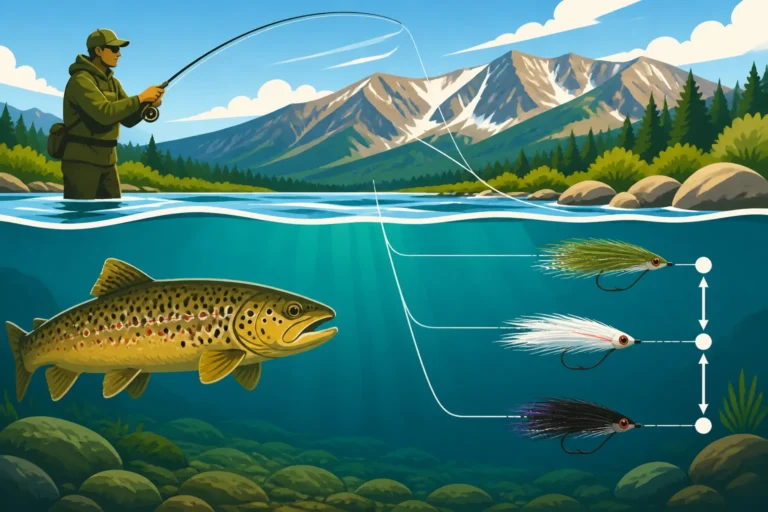
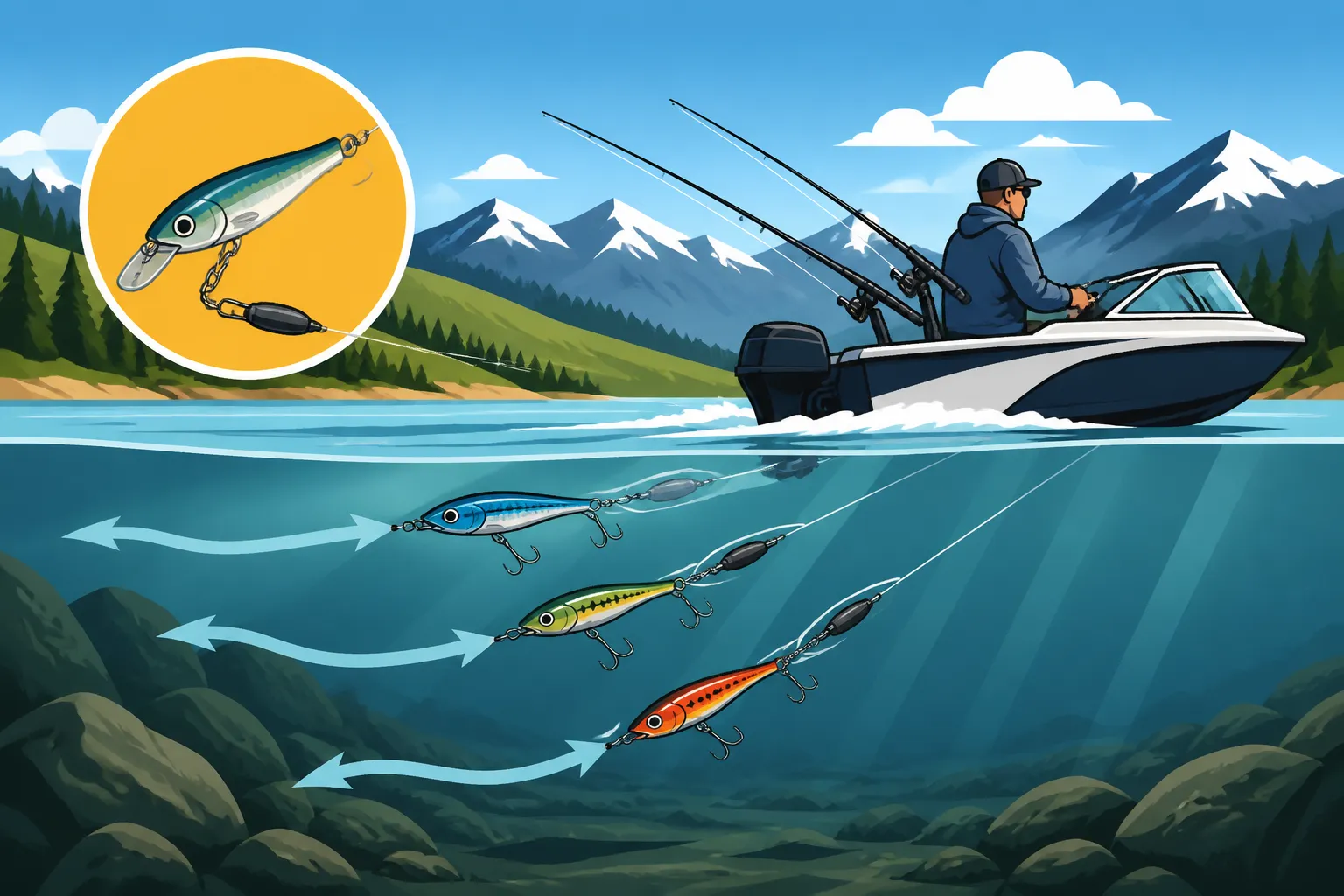
- Vary Depths: If you're running multiple downriggers or a combination of downriggers, dipsy divers, and lead-core, set each line at a different depth. For example, if you're targeting kokanee, you might run one downrigger at 40 feet, another at 35 feet, and a dipsy diver at 25 feet. This creates a "spread" in the water column, allowing you to quickly identify the most productive depth without having to reset all your lines.
- Vary Distances Behind the Boat: Even at the same depth, varying the distance your lures are behind the boat can be beneficial. Fish can sometimes be boat-shy, preferring lures further back. Use line counters on your reels to precisely control setback distances. You might run one lure 50 feet back, another 75 feet, and a third 100 feet. This also helps prevent tangles when turning.
- Use Planer Boards for Width: For species that are particularly spooky or when trying to cover a very wide area, planer boards are invaluable. They pull your lures out to the side of the boat, creating an even wider spread. This is especially useful in shallower, clearer water or when targeting walleye and pike along weed lines.
- Color/Pattern Rotation: Don't run the same lure on every line. Start with a variety of colors, sizes, and actions. Once you get a strike, pay attention to which lure and what depth it came on, then adjust your other lines to match that successful pattern.
S-Turns and Speed Changes: Triggering Bites
One of the most common mistakes in trolling is maintaining a perfectly straight line and constant speed. While consistency is important for certain species or conditions, often, a subtle change is exactly what's needed to trigger a strike.
- S-Turns: Gradually steering your boat in a serpentine (S) pattern is an incredibly effective tactic. As your boat turns, the lures on the inside of the turn slow down and sink slightly, while the lures on the outside speed up and rise. This change in speed and depth creates an erratic, "injured baitfish" action that can be irresistible to predatory fish. Many strikes occur just as your boat completes a turn. Make your turns gradual, not sharp, to avoid tangles.
- Speed Changes: Don't be afraid to subtly vary your boat speed. A brief acceleration followed by a deceleration (even just a fraction of a mile per hour) can make a spoon flutter enticingly or a crankbait dart. These minor adjustments imitate a struggling baitfish or a sudden change in direction, often triggering a reactionary strike from a hesitant fish. Using a marine engine that allows for precise low-speed control, or even a smaller kicker motor, is incredibly helpful for this.
Reading Your Electronics: Interpreting Sonar Signals
Your sonar is more than just a depth finder; it's a window into the underwater world. Learning to interpret its signals is an advanced skill that significantly boosts trolling success.
- Identifying Structure: Look for changes in bottom contour – humps, ledges, drop-offs, submerged channels. These are prime holding areas for predatory fish and baitfish. Mark them as waypoints on your GPS.
- Locating Baitfish: Schools of baitfish (often appearing as "clouds" or dense blobs of color) are like magnets for larger fish. If you find bait, you're likely to find the predators. Adjust your lures to the depth of the bait.
- Recognizing Fish Arches: Learning to differentiate between small baitfish, individual target fish, and even bottom structure can be challenging but rewarding. A strong, distinct arch often indicates a larger fish. Pay attention to the depth of these arches and adjust your lures accordingly. If you see fish consistently at 50 feet, that's where your lures should be.
- Understanding the Thermocline: As mentioned, the thermocline (a distinct temperature layer) is crucial. It often appears as a denser, sometimes slightly thicker line on your sonar, indicating a temperature change that fish relate to.
- Bottom Composition: Some advanced sonar units can even give you an indication of bottom hardness. Harder bottoms (rock, gravel) are often preferred by walleye and lake trout, while softer bottoms (mud, silt) might hold different species.
Dealing with Snags, Weeds, and Finicky Fish
Trolling isn't always smooth sailing. You'll inevitably encounter challenges that require quick thinking and problem-solving.
- Snags: When trolling near the bottom or around submerged structure, snags are a real possibility. If you feel your lure hang up, immediately put your motor in neutral. Often, reversing course or letting your line go slack for a moment can free the lure. If using a downrigger, try lifting the cannonball quickly. Investing in a lure retriever (a heavy device you slide down your line) can save expensive lures.
- Weeds: Trolling through weed beds can be effective for pike, but weeds clinging to your lure will kill its action and deter fish. Regularly check your lines and lures for weed fouling. If you're consistently picking up weeds, consider increasing your depth or moving to a different area.
- Finicky Fish: Some days, fish just don't want to bite. This is when all your advanced tactics come into play. Experiment with:
- Color/Pattern Changes: If one color isn't working, switch to something completely different.
- Lure Size: Go smaller or larger.
- Speed & Turns: More aggressive S-turns, more frequent speed changes.
- Scent: Add scent to your lures or bait.
- Leader Length/Material: Sometimes, a longer, lighter fluorocarbon leader can make a huge difference in clear water.
- Time of Day: If the midday bite is slow, plan for early morning or late evening trolling.
Mastering these advanced tactics takes time on the water, but each successful adjustment will build your confidence and make you a more versatile and effective troller on Colorado's reservoirs. You'll likely discover that success on the water is proportional to how much effort you put into observation and adaptation, especially in challenging environments.
| Trolling Parameter | Kokanee Salmon (e.g., Blue Mesa) | Lake Trout (e.g., Granby, Blue Mesa) | Rainbow/Brown Trout (e.g., Eleven Mile) | Walleye/Pike (e.g., Chatfield) |
|---|---|---|---|---|
| Typical Speed | 0.8 – 1.8 mph | 1.5 – 3.0 mph | 1.5 – 2.5 mph | Walleye: 0.8-1.5 mph; Pike: 1.5-3.0 mph |
| Preferred Depth | Suspended (10-60 ft, thermocline) | Deep (50-150+ ft, near bottom/structure) | Variable (10-60 ft, depending on season) | Walleye: 10-40 ft (structure); Pike: 5-30 ft (weeds) |
| Key Lures | Dodgers/Hoochies, Small Spoons, Apex | Large Spoons, Tube Jigs, Live Bait | Spoons, Crankbaits, Spinners | Walleye: Deep-diving Crankbaits; Pike: Large Spoons, Crankbaits |
| Tipping/Scent | Scented corn (Pautzke's Fire Bait) | Often not needed, or cut bait | Worms, PowerBait, scent | Scented plastics, live bait |
| Primary Gear | Downriggers, Dipsy Divers | Downriggers, Heavy Lead Core | Lead Core, Dipsy Divers, Downriggers | Dipsy Divers, Lead Core |
| Best Season(s) | Spring, Summer, Fall (pre-spawn) | Year-round (ice fishing also) | Spring, Summer, Fall | Spring, Summer, Fall |
Safety and Etiquette While Trolling
Spending a day trolling on a Colorado reservoir is an incredible experience, but it comes with responsibilities. Safety should always be your top priority, not just for yourself and your passengers, but for everyone else on the water. Beyond that, practicing good etiquette ensures that everyone can enjoy their time without unnecessary conflicts. Remember, we're all out there to enjoy Colorado's beautiful natural resources, and a little consideration goes a long way. This is especially true on busy weekends or popular Gold Medal Waters.
Understanding Boating Regulations and Right-of-Way
Operating a boat, especially a trolling vessel, means you need to be intimately familiar with boating regulations and the rules of the road. Colorado Parks and Wildlife (CPW) sets these rules, and they are enforced.
- Boater Safety: Always have all required safety gear on board: life jackets for every person (worn by children 12 and under), a fire extinguisher, distress signals (flares, air horn), navigation lights (if operating before sunrise or after sunset), and a throw cushion. Make sure your boat's registration is current and visible. It's not just about avoiding a ticket; it's about being prepared for emergencies. Taking a boater safety course is highly recommended for all operators, regardless of experience.
- Right-of-Way: Just like on the road, there are rules for who has the right-of-way on the water. Generally, smaller, less maneuverable vessels often have the right-of-way over larger, more agile ones. sailboats typically have the right of way over powerboats. When two powerboats are approaching head-on, both should alter course to starboard (right). If crossing paths, the boat on the port (left) should yield to the boat on the starboard (right). For trolling specifically, vessels actively engaged in fishing with lines out often have some deference, but you should never assume you have absolute right-of-way. Always communicate with other boaters using sound signals or hand gestures if necessary.
- Speed Limits and No-Wake Zones: Many Colorado reservoirs have speed limits or designated no-wake zones, especially near shore, marinas, or crowded areas. Pay attention to buoys and signs. Trolling speeds are typically well below these limits, but be mindful when transitioning in and out of trolling areas.
Preparing for Colorado's High-Altitude Weather
Colorado weather is notoriously unpredictable, especially at higher elevations where many of our best reservoirs are located. A sunny, calm morning can quickly turn into a windy, stormy afternoon. This unpredictability poses significant safety risks, particularly for smaller boats.
- Monitor Forecasts: Always check the marine or mountain weather forecast before heading out, and keep an eye on radar throughout the day. Don't just rely on the morning forecast; conditions can change rapidly.
- Wind: Wind is a major factor on Colorado reservoirs. It can create dangerous waves, make boat control difficult (especially for precise trolling), and even capsize smaller vessels. If winds are predicted to be high, reconsider your trip or stick to sheltered areas.
- Thunderstorms: Afternoon thunderstorms are common in summer, bringing lightning, heavy rain, and sometimes hail. If you see dark clouds building or hear thunder, head for shore immediately. Lightning on open water is incredibly dangerous.
- Cold Water Immersion: Even in summer, Colorado reservoir water temperatures are often dangerously cold. If you or someone falls overboard, hypothermia can set in quickly. Always wear a life jacket, especially if conditions are rough or you're fishing alone. Dress in layers, including waterproof outer layers, and bring extra warm clothes in a dry bag.
- Altitude Sickness: If you're coming from a lower elevation, remember that many reservoirs are at high altitudes. Stay hydrated, avoid excessive alcohol, and be aware of symptoms of altitude sickness.
Respecting Other Anglers and the Environment
Part of being a responsible angler is showing respect for those around you and for the resource itself.
- Give Space: Trolling requires a lot of space, especially if you're running multiple lines and planer boards. Give other boats, especially those casting from shore or jigging, plenty of room. Don't troll directly through their lines or cut them off. If you see another boat actively trolling a pattern, try not to cut directly across their path; instead, adjust your route to go around or parallel them at a safe distance.
- Noise and Wake: Be mindful of your boat's noise and wake. Trolling motors are generally quiet, but revving a large outboard or creating a big wake can disturb other anglers and shoreline activities.
- Trash In, Trash Out: Always pack out everything you pack in. Leave no trace. This includes discarded fishing line, bait containers, and food wrappers. Monofilament fishing line is particularly dangerous for wildlife.
- Fish Handling: Practice responsible catch-and-release, especially for trophy fish or species with strict bag limits. Handle fish gently, minimize their time out of water, and use appropriate landing nets. For species you intend to keep, dispatch them quickly and humanely. Remember that you also have a Colorado's Habitat Stamp, Explained that contributes to these resources.
- Know the Rules: Beyond general safety, be intimately familiar with the specific Colorado Fishing Regulations Every Angler Should Know for the body of water you're fishing. This includes bag and possession limits, size restrictions, bait restrictions, and any special closures or Gold Medal Water rules. Ignorance of the law is not an excuse.
By adhering to these safety guidelines and practicing good etiquette, you'll not only have a more enjoyable and successful trolling experience but also contribute to a positive environment for all who share Colorado's beautiful waters.
Disclaimer
The information provided in this guide is for general informational purposes only and does not constitute legal or professional advice. Fishing regulations, conditions, and best practices can change frequently. Always consult the official Colorado Parks and Wildlife (CPW) website or their current fishing brochure for the most up-to-date rules, regulations, and advisories before heading out on the water. Safety is paramount; be prepared for all weather conditions and ensure you have the necessary safety equipment.