Low Water Tactics on Colorado Rivers in Late Summer
There's nothing quite like the late summer beauty of Colorado, with its golden aspens hinting at fall and that crisp, clean air. But for us anglers, late summer can often bring a familiar, frustrating sight: rivers running lower than we'd like. It feels like the fish just vanish, becoming incredibly spooky and challenging to find, let alone catch. This isn't just a fleeting feeling; low water fundamentally changes how fish behave and how we need to approach our time on the river. This guide is all about navigating those tricky, low-water conditions, sharing the tactics and mindset shifts that will help you find success when the river beds start showing more gravel than flow.
Understanding Low Water Conditions in Colorado Rivers
Low water isn't just about less water; it's about a whole cascade of environmental changes that stress fish and make them act differently. If you've ever felt like your favorite hole is suddenly barren, it's not you; it's the conditions pushing trout into survival mode.
Why Late Summer Brings Low Flows
Colorado's rivers are fed primarily by snowmelt. We get that glorious spring runoff, filling rivers to the brim, but by late summer, that snowpack is long gone. What's left is often a reduced flow, a combination of factors that can really test an angler's patience. First, the natural melt has ceased, and any precipitation we receive often comes in the form of scattered thunderstorms rather than widespread, sustained rain that would significantly boost river levels.
Secondly, irrigation demands are at their peak. Farmers and ranchers, vital to Colorado's economy and heritage, are diverting significant amounts of water from our rivers to keep crops watered and livestock healthy. These diversions, while necessary, can drastically reduce flows downstream, sometimes turning a vibrant river into a mere trickle in certain stretches. Finally, a combination of prolonged dry spells and higher ambient air temperatures means more evaporation. The sun beats down, water heats up, and what little moisture is in the air quickly disperses. All these factors converge to create those skinny, clear conditions we often lament in August and September. It's a natural cycle, but it certainly complicates our fishing plans.
The Impact of Low Water on Trout Behavior
Imagine living in a house where the walls are suddenly transparent, and the roof is gone. That's a bit how trout feel in low, clear water. Their world shrinks, and their vulnerability skyrockets. Trout are inherently wary creatures, and when water levels drop, they lose their crucial sense of security. The decreased depth means less overhead cover from avian predators like ospreys and eagles, and less lateral cover from land-based threats—including us, the anglers.
This heightened sense of vulnerability makes fish incredibly spooky. A heavy step on the bank, a bright shirt, or even a clumsy cast can send them scattering for the nearest refuge. Beyond just being wary, the physiological impacts are significant. Low water often means warmer water, especially in the sun-exposed stretches. Trout, being cold-blooded, thrive in cooler temperatures, generally preferring water below 68°F (20°C). As water temperatures rise, their metabolism increases, requiring more oxygen. However, warmer water holds less dissolved oxygen, creating a stressful, low-oxygen environment. This can make fish lethargic, less inclined to feed aggressively, and more susceptible to stress from being caught and released. It's a tough situation, both for the fish and for our expectations.
Essential Gear Adjustments for Low Water Success
When rivers run low and clear, your standard setup might actually work against you. This is the time to embrace subtlety and precision. Think about making yourself as invisible as possible, and that starts with your gear.
Lighter Leaders and Finer Tippets
This is perhaps the single most important adjustment you can make. In low, gin-clear water, fish have ample time to inspect your offering. A thick, opaque leader or tippet can stick out like a sore thumb, sending even the hungriest trout fleeing. The goal is to present your fly or lure as naturally as possible, almost as if it's drifting entirely unattached.
For fly anglers, this means often dropping down a full size or two in your tippet. If you usually fish 5X, consider 6X or even 7X. The thinner diameter is less visible in the water and allows for a more natural drift with smaller flies. It can feel unnerving, especially if you're accustomed to battling larger fish, but the improved presentation is often the difference between a refusal and a strike. When buying your tippet, look for fluorocarbon options. Fluorocarbon has a similar refractive index to water, making it virtually invisible underwater, and it's more abrasion-resistant, a bonus when fishing around rocky bottom structure. You can often find great deals on brands like Scientific Anglers or Rio for leader and tippet on Amazon. Just be prepared to fight fish with a lighter touch and adjust your drag carefully to prevent break-offs.
Spin fishermen also need to consider their line choices. While mainlines might remain consistent, the leader connecting your lure to your main line should be lighter and longer. A 4 to 6-pound test fluorocarbon leader, sometimes extended to 4-5 feet, can make a significant difference. The goal is to absorb shock and provide that crucial invisibility. Experiment with leader length; sometimes even a slight increase can improve your hook-up rates when fish are particularly finicky.
The Right Rod and Reel Setup
While you don't necessarily need to buy new gear for every low-water scenario, optimizing your existing setup can give you an edge. For fly anglers, lighter rod weights can be beneficial. A 3- or 4-weight rod, which might feel too light for high-water conditions, excels in delivering delicate presentations with smaller flies and protecting those finer tippets. The softer action of these rods helps cushion the fight, preventing break-offs when a feisty trout takes off on light tippet. If you're typically using a heavier 5 or 6-weight, try to be extra gentle with your casting and fighting.
The reel's drag system becomes paramount. With fine tippets, a smooth, consistent drag is your best friend. Any stickiness or jerky action in the drag can instantly snap your line when a strong fish surges. Make sure your drag is clean and well-maintained. For spin fishermen, a lighter action rod, perhaps a light or ultra-light, paired with a small spinning reel, allows for casting lighter lures and baits with greater accuracy and finesse. These lighter setups also offer more sensitivity, helping you detect subtle takes from cautious fish. The key is balance: you need enough backbone to cast and control a fish, but enough finesse to protect your lighter line.
Stealth and Presentation: Your Low Water Superpowers
When the water is low and clear, the fish have the advantage of sight. It's up to us to neutralize that advantage by becoming virtually invisible and presenting our offerings with impeccable precision. This is where your skills truly get tested.
Approaching the Water with Caution
Gone are the days of stomping up to the river's edge and splashing into your favorite run. In low water, every movement you make on the bank is amplified. Fish can see your silhouette from a surprising distance, and heavy vibrations from your footsteps can send shockwaves through the water, alerting every trout in the vicinity. Think of yourself as a hunter stalking prey—slow, deliberate, and low.
Start by observing the water from a distance, well away from the bank. Use binoculars if you have them to spot fish and identify potential holding lies. When you do approach, stay low, crouch, or even crawl. Use natural cover like tall grasses, bushes, or large rocks to break up your outline. Avoid wearing bright clothing; muted greens, browns, and grays are your friends. If you need to wade, do so slowly and deliberately, disturbing as little water as possible. Avoid kicking up silt, which can not only spook fish but also obscure their vision and your own. Remember, the fish are already on high alert; your goal is to avoid giving them any further reason to be wary. This extra effort might feel tedious, but it often directly correlates with your success rate. For more insights on this kind of careful approach, you might want to check out our guide on Reading Water on a Colorado Freestone River.
Mastering Delicate Casts and Drifts
A perfect cast in low water isn't just about accuracy; it's about subtlety. A heavy line slap or a clumsy fly landing can send fish bolting. Your goal is to make your fly or lure land softly, mimicking a natural insect or piece of forage gently falling onto or into the water. This requires a bit more finesse than usual.
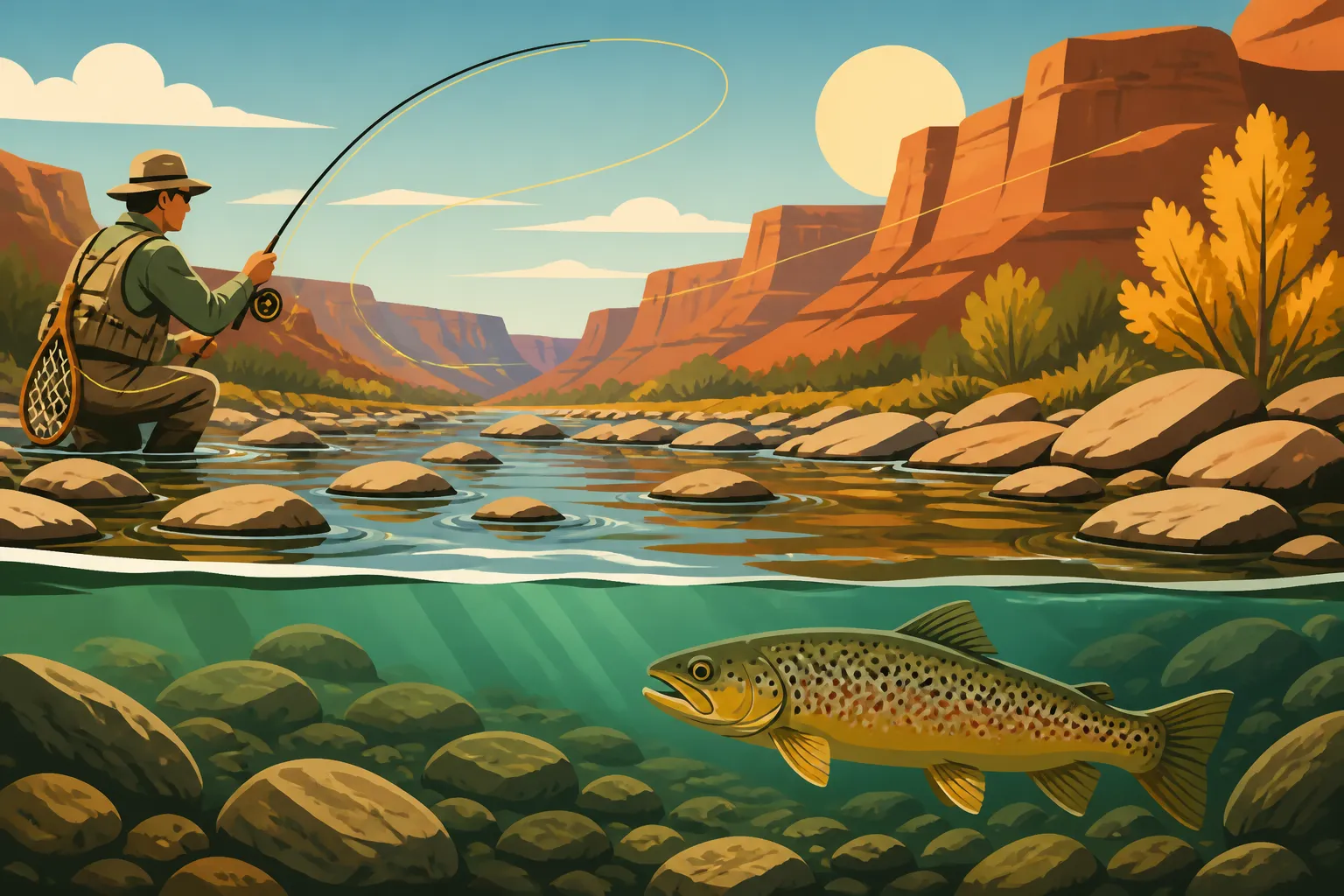
For fly anglers, casting upstream and allowing your flies to drift naturally downstream is often the most effective approach. This allows your leader and line to be behind your flies, out of the fish's direct line of sight. Master the "reach cast" or "parachute cast" to achieve maximum drag-free drifts, especially important when fishing current seams. Mending your line—making small adjustments to keep your line upstream of your fly—is crucial to prevent unnatural drag that screams "fake!" to a discerning trout. In low water, fish have more time to inspect, so any unnatural movement can be a deal-breaker.
Spin anglers should also focus on soft presentations. Side-arm casts that keep your lure low to the water can reduce splash. Instead of casting directly over a suspected fish, try casting well upstream and letting the current carry your lure down to the target zone. Use the lightest lure possible that still allows for adequate casting distance, as heavier lures create more commotion. Remember, the fish are often holding in specific, tight lies, so pinpoint accuracy is key. This attention to detail in your presentation can drastically increase your chances when the water is clear and the fish are picky.
Fly and Lure Selection for Spooky Fish
When rivers are low and clear, trout become incredibly discerning. They've seen it all, and they're not easily fooled. This means your "go-to" flies and lures from higher water conditions might be too large, too flashy, or just not what the fish are looking for. It's time to downsize and think subtle.
Downsizing Your Nymphs and Dries
Think small, smaller, smallest. When the water drops, trout become incredibly selective feeders, keying in on the most abundant and naturally occurring food sources. Often, these are tiny insects. For fly anglers, this means rummaging through your fly box for those size 18, 20, or even 22 nymphs. Patterns like a tiny Black Beauty, Disco Midge, zebra midge, or small pheasant tail nymph can be incredibly effective when fished on light tippet. These patterns imitate the small aquatic insects that are constantly present, even in low flows. Presentation is still paramount, but the smaller size makes them less intimidating to wary fish.
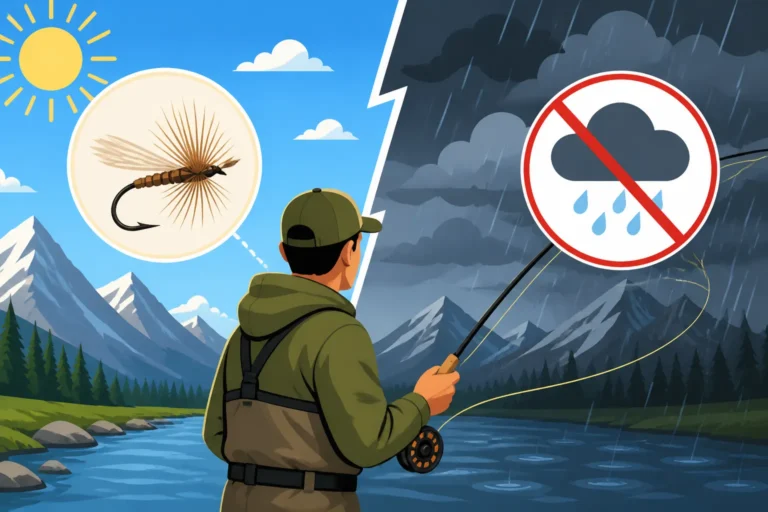
Similarly, for dry fly fishing, if you're lucky enough to find a hatch on low water, you'll need smaller imitations. Think tiny Tricos, small Baetis (Blue-Winged Olives), or micro-caddis patterns. Even during late summer, when larger terrestrial patterns like hoppers and ants are common, sometimes a tiny parachute Adams or a small extended-body mayfly is what will draw a strike. The fish have a longer window to examine your fly, so its size and profile become critical. Matching the hatch precisely, or at least coming close with a general attractor pattern in a small size, is often the key to success. Don't be afraid to go minuscule; sometimes the smallest fly catches the biggest fish. Our guide to Midge Fishing in Colorado Winters offers some excellent insights into fishing tiny patterns, which are often applicable to low-water summer conditions too.
Subtle Streamers and Micro-Jigs
Even when fishing with streamers or lures, the principle of downsizing and subtlety holds true in low water. Big, flashy streamers that work wonders in higher, off-color water can be too aggressive and easily spook fish in clear, shallow conditions. Instead, opt for smaller, thinner profile streamers. Patterns like a size 10 or 12 olive or black Woolly Bugger, a small sculpin imitation, or even a mini-bugger can be much more effective. Fish these slowly, with subtle retrieves, mimicking a wary baitfish trying to hide rather than an aggressive predator. Sometimes, a tiny flash of movement is all it takes to trigger an opportunistic strike without alarming the entire pool.
For spin fishermen, this means abandoning those large, brightly colored spoons and spinners for more demure options. Micro-jigs, tiny spoons, or small soft plastics rigged weedless or on a light jig head can be incredibly productive. Brands like Trout Magnet or small Panther Martin spinners in natural colors can be excellent choices. The key is to present something small, natural, and non-threatening. When looking for these specialized, smaller lures, sometimes local fly shops have the best selection, but you can also find a vast array of micro-jigs and small spinners from various manufacturers on Amazon, perfect for those low-water scenarios. Focus on presentations that keep your lure close to the bottom, where wary trout are more likely to hold.
| Tactic/Condition | Normal Flow (Spring/Early Summer) | Low Flow (Late Summer) |
|---|---|---|
| Line/Tippet | 4X-5X tippet, standard leaders | 6X-7X tippet, longer fluorocarbon leaders |
| Flies/Lures | Larger nymphs (size 12-16), larger dries (hoppers, stoneflies), aggressive streamers, spoons | Smaller nymphs (size 18-22), tiny dries (Tricos, BWO), subtle streamers, micro-jigs |
| Approach | More direct wading, less concern for visibility | Stealthy, low profile, cast from a distance, minimal wading |
| Casting | Focus on distance and accuracy, some splash tolerated | Delicate, soft landings, upstream casts, mending to avoid drag |
| Holding Lies | Seams, riffles, mid-river structure, faster currents | Deep pools, cut banks, shaded areas, oxygenated pockets |
| Fish Behavior | More aggressive, less wary, willing to move for food | Spooky, selective, hold tight to cover, less inclined to chase |
| Conservation | Standard catch-and-release, often less temperature stress | Handle with extreme care, keep wet, consider Hoot Owl restrictions |
Identifying and Targeting Low Water Holding Lies
When the river shrinks, so does the available habitat for trout. They condense into the most advantageous areas, making them easier to pinpoint if you know what to look for. Your job is to find these refuges and present your offering effectively.
Deep Pools and Cut Banks
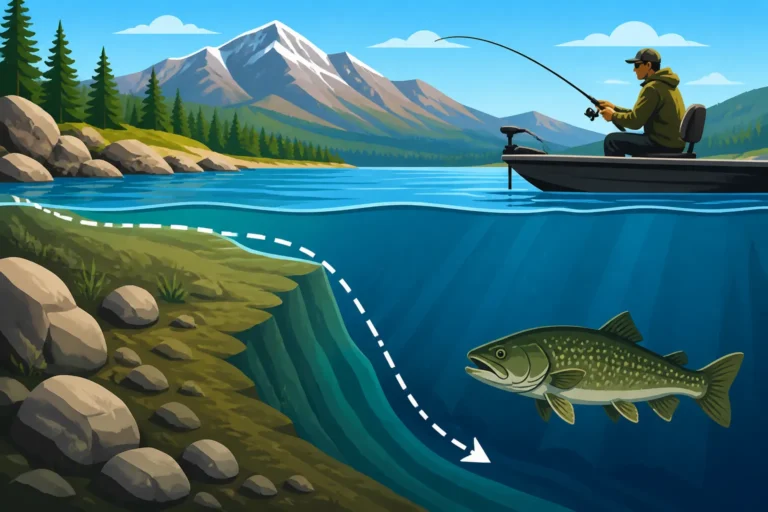
In low-water conditions, trout are constantly searching for two things: security and comfort. Deep pools and undercut banks provide both. These areas offer increased depth, which acts as a protective barrier from overhead predators, and often cooler water temperatures due to less direct sun exposure and insulation from the earth. Think about those dark, slow-moving sections where the river has carved out a deeper trough, or where the current has eaten away at the bank, creating an overhanging lip of soil and roots.
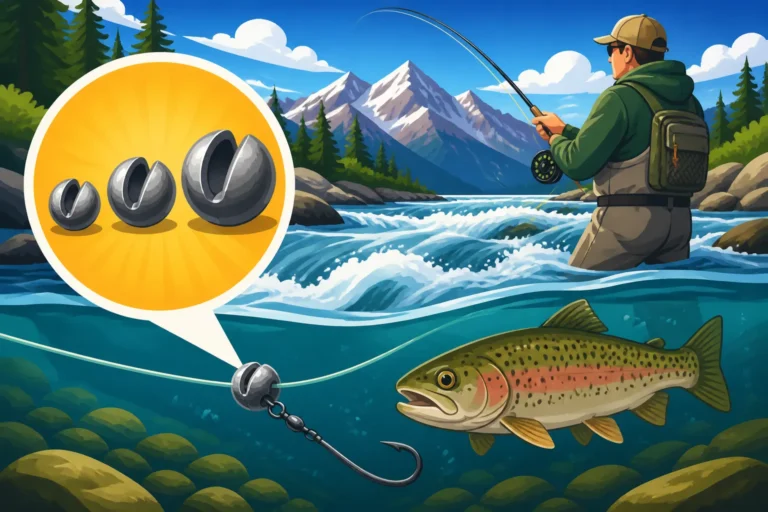
When you approach these spots, remember the stealth rules. Cast from a distance, well upstream, and let your flies or lures drift naturally into the deepest parts of the pool or right along the edge of the cut bank. This is where the fish are stacking up, conserving energy in the slower current. For nymphs, use enough weight to get them down quickly, but be mindful not to snag the bottom. For spin anglers, small jigs or weightless worms allowed to sink slowly into these depths can be deadly. These areas are prime real estate for trout in late summer, and effectively fishing them requires patience and precise placement. Don't be surprised if you pull multiple fish from a seemingly small pocket within these lies.
Oxygenated Riffles and Pocket Water
While deep, cool water is important, trout also need oxygen. In warmer, low-flow conditions, fast-moving, oxygenated water becomes critically important for their well-being. This is where riffles and pocket water come into play. Riffles are those shallow, fast sections where the water tumbles over rocks, creating aeration and replenishing dissolved oxygen. Pocket water refers to those small, distinct holding areas formed by larger rocks or structure within a faster current, creating small eddies or calm spots where fish can rest out of the main flow but still access food and oxygen.
Even when the main river is low, you'll find trout tucked into these pockets or holding just above or below the fastest parts of a riffle. They're not necessarily in the main, turbulent current, but rather in the seams and eddies adjacent to it. For fly anglers, a short, accurate cast with a dry-dropper rig can be very effective in these spots. The dry fly acts as an indicator, and a small nymph dropped into the pocket can entice a strike. Spin fishermen can use small spinners or jigs cast into these pockets, allowing the current to impart action. The trick is to identify the calmer water immediately next to the swift current, as that's where the fish will be holding, waiting for food to drift by. Remember, these fish are still wary, so a quick, accurate cast is more important than repeated, sloppy ones. Understanding where trout hold is key to success, and our article on High Water Tactics During Colorado's Runoff offers a good contrast to these low-water scenarios.
Ethical Angling and Conservation in Low Water
Successfully catching fish in low water is one thing, but doing so responsibly and ethically is another. The increased stress on trout during late summer low flows means we, as anglers, have an even greater responsibility to prioritize their health and the long-term sustainability of our fisheries.
Understanding Hoot Owl Restrictions
One of the most critical aspects of ethical angling in low water is understanding and respecting "Hoot Owl" restrictions. These are voluntary or mandatory closures or time limits imposed by Colorado Parks and Wildlife (CPW) on specific river sections during periods of severe heat and low water. The name comes from the idea that you should stop fishing when the owls start to hoot—meaning, after dawn and before dusk, typically from 2 PM until dark.
These restrictions are put in place because as water temperatures rise, trout become extremely stressed. Catching and fighting a fish in water above 68°F (20°C) can be fatal, even with careful handling and release. The fish simply can't recover from the exertion in oxygen-depleted, warm water. When Hoot Owl restrictions are in place, it’s imperative to adhere to them. You can usually check for current restrictions on the CPW website or through local fly shops and outfitters in areas like the Fryingpan River or the South Platte near Deckers. Ignoring these guidelines isn't just unethical; it can lead to significant fish mortality and damage the very fisheries we love. It's about protecting the resource for everyone, including future generations. You can learn more about specific regulations in our guide to Why Colorado Closes Rivers Early During Drought Years.
Prioritizing Fish Health and Handling
Even when Hoot Owl restrictions aren't in place, or if you're fishing during cooler morning hours, responsible fish handling is paramount in low-water conditions. Every fish you catch and release has a better chance of survival if you follow a few simple guidelines. First and foremost, keep the fish in the water as much as possible. Avoid taking it out for hero shots unless you are incredibly quick and the fish is out for only a second or two. Trout can't breathe air, and exposing them, especially when already stressed, significantly reduces their chances of survival.
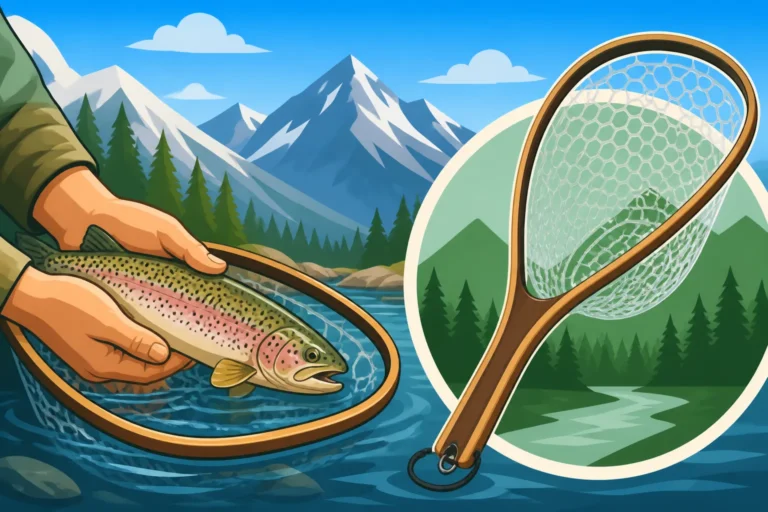
Secondly, use a rubber or knotless net. These types of nets are much gentler on a fish's delicate slime coat, fins, and scales compared to traditional knotted nets. If you must handle the fish, wet your hands thoroughly first. Dry hands can strip away the protective slime layer, leaving the fish vulnerable to infection. Avoid squeezing the fish, particularly around its gills or belly. Remove the hook gently and quickly, ideally while the fish is still submerged. If the fish is deeply hooked, consider cutting the line as close to the hook as possible; the hook will often rust out or eventually dislodge. Finally, allow the fish to recover in the current on its own terms. Support it gently in the water, facing upstream, until it swims away under its own power. Don't simply toss it back; make sure it's strong enough to orient itself and disappear. Our article on How to Handle Trout for a Safe Release provides even more detail on these critical practices. These small actions make a huge difference in the health of our precious Colorado trout populations.
Disclaimer
Please remember that fishing conditions, regulations, and restrictions can change rapidly due to weather, water levels, and conservation efforts. Always consult the most current Colorado Parks and Wildlife (CPW) regulations and local alerts before heading out on the water. This guide is for informational purposes only and does not replace official state regulations. Practice responsible angling and respect the environment.