Does Rain Turn Off Dry Fly Fishing in Colorado?
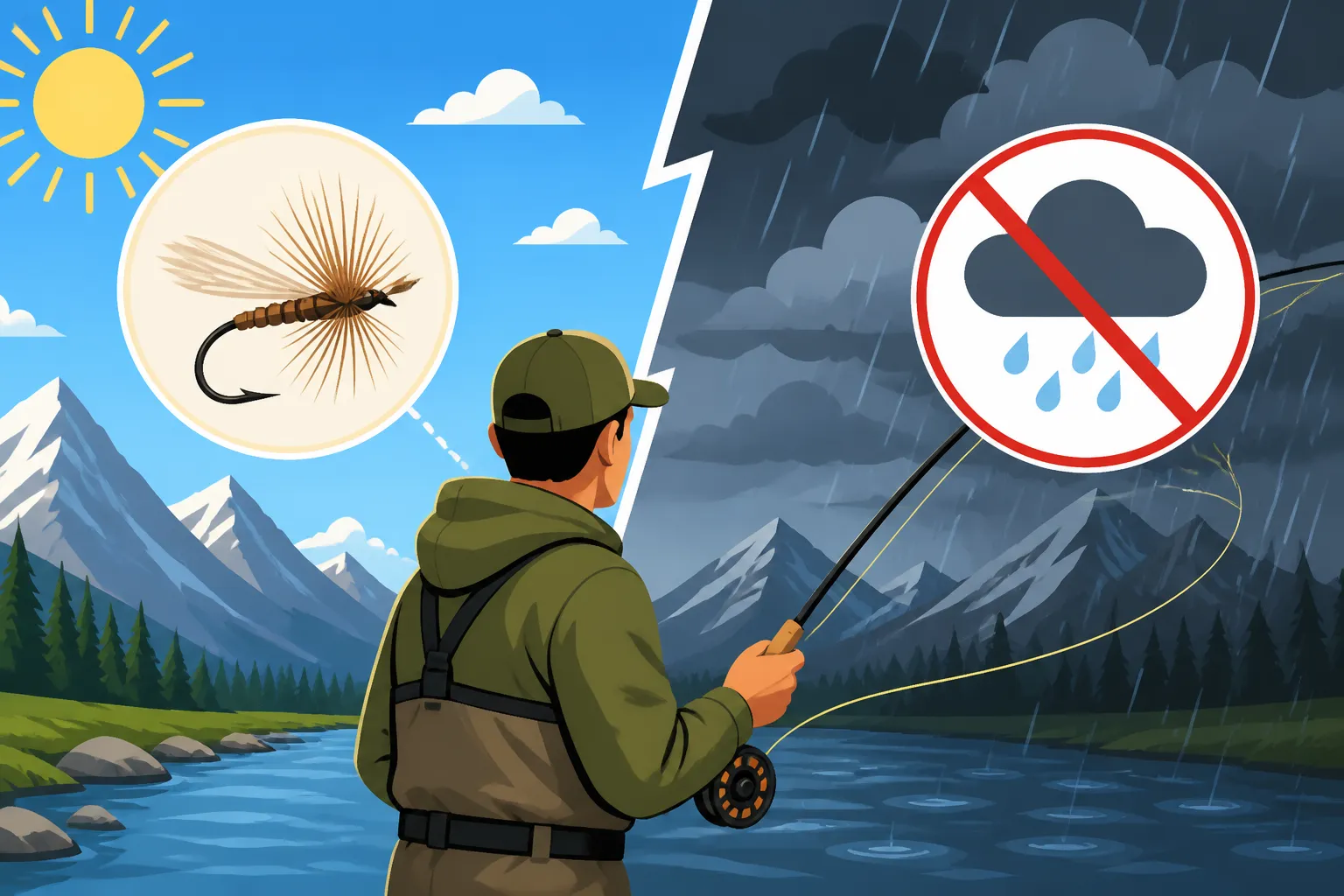
The sudden shift in Colorado's weather can be jarring, especially for us dry fly enthusiasts. One minute it's bluebird skies, and the next, rain clouds roll in, making you wonder if all your careful preparation for an epic day of chasing rising trout just went down the drain. It's a common frustration, feeling like your chances are washed away with the first few drops. But the truth is, rain doesn't always signal the end of a good dry fly day in Colorado; often, it just means you need to adjust your expectations and tactics. This guide will help you understand how different types of rain influence dry fly fishing and how to turn a potentially dreary day into a memorable one.
The Nuances of Rain's Influence on Colorado Waters
Rain isn't a monolithic force when it comes to fishing. A gentle drizzle on a cool summer morning behaves entirely differently than a torrential afternoon thunderstorm. Each type of precipitation brings its own set of environmental changes that can either enhance or hinder your dry fly success. Understanding these distinctions is crucial for adapting your strategy and avoiding disappointment.
Light Rain and Drizzle: Often a Blessing in Disguise
Many anglers, myself included, have a soft spot for fishing in a light, steady rain or a persistent drizzle. This kind of precipitation can actually be quite beneficial for dry fly fishing in Colorado's rivers and lakes.
First, the cloud cover that accompanies light rain reduces direct sunlight on the water. Trout, being wary creatures, often feel more secure and less exposed under cloudy skies. This can make them more willing to rise to the surface, especially in historically clear waters like the Fryingpan River or sections of the South Platte. You might notice fish that were previously holding deep suddenly becoming active, scanning the surface for insects.
Second, a light rain can wash terrestrial insects like ants, beetles, and grasshoppers from streamside vegetation into the water. These sudden additions to the trout's diet can trigger opportunistic feeding. When you see trout aggressively slurping these terrestrials, it’s a prime opportunity for a foam hopper pattern or a small beetle imitation. You can find a wide variety of these patterns on sites like Amazon if your local fly shop is out of stock.
Finally, light rain can subtly alter the water's surface tension, sometimes making it easier for insects to break through, and for trout to sip them. It also slightly obscures the angler's presence, meaning you can often get closer to fish without spooking them. However, remember that even in light rain, you still need to present your fly naturally to avoid suspicion.
Heavy Downpours and Thunderstorms: A Different Ballgame
Now, a heavy downpour or a full-blown Colorado thunderstorm is a completely different story. While light rain can be your friend, heavy rain usually isn't for dry fly fishing, at least not initially.
The primary issue with heavy rain is its impact on water clarity. As significant amounts of water run off the banks, it picks up sediment, dirt, and debris, turning clear rivers into muddy torrents. This dramatic decrease in visibility makes it nearly impossible for trout to spot a dry fly on the surface, regardless of how perfect your presentation might be. Trying to dry fly fish in chocolate milk conditions is often a futile exercise, and you're usually better off switching to nymphing techniques for Colorado tailwaters or streamer fishing for Colorado brown trout.
Heavy rain also causes a rapid increase in water levels and flow rates. This intense current can push trout into slower, more protected lies, making them less likely to expend energy rising to the surface. Furthermore, the sheer force of heavy raindrops hitting the water's surface can be disruptive, essentially creating a "false hatch" of surface disturbances that makes it difficult for fish to discern actual insects from the splash.
Safety is another critical concern during heavy thunderstorms in Colorado. Lightning poses a serious threat, especially when you're wading in open water or standing near tall trees. Flash flooding can also occur quickly in canyon areas, turning a peaceful stream into a raging river in minutes. It's always best to err on the side of caution and seek shelter or pack up until the storm passes.
Dry Fly Fishing in the Rain: Dispelling Myths and Finding Opportunities
There's a persistent myth that rain automatically shuts down all dry fly action. While heavy rain certainly puts a damper on things, many anglers overlook the fantastic opportunities that milder rainy conditions can present. The key is knowing what to look for and where to cast.
Barometric Pressure Changes and Hatch Activity
One of the most significant, yet often unseen, factors influencing fish behavior during rainy weather is barometric pressure. As a low-pressure system moves in, bringing rain, the drop in pressure can sometimes trigger insect hatches. Many aquatic insects are sensitive to these atmospheric changes, and a falling barometer can signal to them that it's time to emerge.
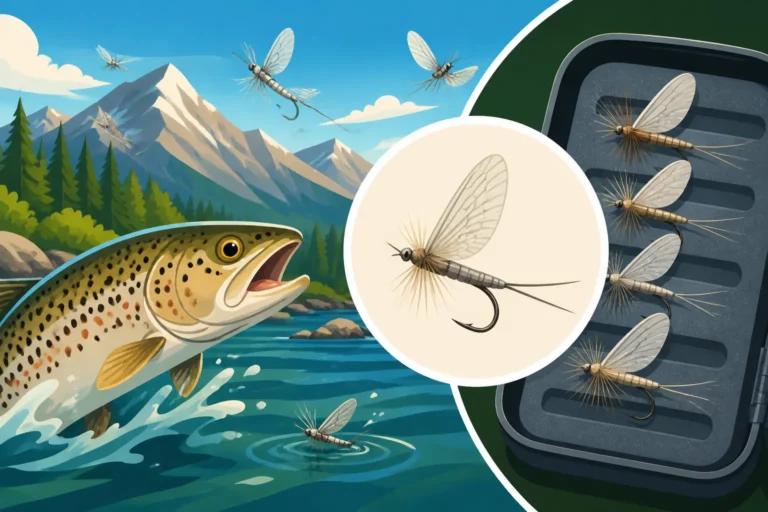
Imagine a cool, overcast day with a steady drizzle on the South Platte River near Deckers. This is prime time for a Blue-Wing Olive (BWO) hatch. These tiny mayflies often emerge when the weather is dreary, making them a staple for anglers fishing on cloudy or rainy days. The soft, diffused light also makes these small, dark insects harder for birds to spot, leading to more successful hatches. If you see BWOs fluttering about, you can be sure the trout will be looking up. Learning to identify and then "Matching a Blue-Wing Olive Hatch on a Colorado Tailwater" can be incredibly rewarding.
Conversely, a rapidly rising barometer after a storm might temporarily put fish off, as they adjust to the new conditions. But during the actual onset of mild rain, especially when it's accompanied by that pressure drop, be ready for a flurry of activity.
The "Bug Shake-Off" and Terrestrial Feasts
Even when no aquatic hatch is occurring, rain can provide a different kind of dry fly opportunity: terrestrials. Many insects that live on the land surrounding a river or lake are clinging to vegetation. A sudden gust of wind or a few drops of rain can dislodge them, sending them tumbling onto the water's surface.
Think about fishing a small mountain stream in the Flat Tops Wilderness. A light shower might knock a dozen different kinds of insects – from small beetles and ants to larger grasshoppers – into the current. Trout, being opportunistic feeders, will often key into these easy meals. This is when patterns like ant imitations, beetle patterns, or even a well-placed Chernobyl Ant can be incredibly effective. The splashdown of these terrestrials often draws attention, and fish will eagerly take them. These situations often demand a careful, accurate cast, as the fish might be rising selectively to these specific food sources.
Adapting Your Approach: Tactics for Rainy Day Dry Fly Success
Okay, so you're on the water, the rain has started, and you've decided to stick it out. What specific tactics can help you succeed when others are packing up their gear? It’s all about presentation, fly choice, and being prepared.
Fly Selection for Low Light and Surface Disturbance
When it's raining, especially if the clouds are thick, the light conditions are going to be subdued. This means you might need to adjust your fly selection.
- Higher Visibility Flies: Sometimes, a slightly larger or higher-contrast dry fly pattern can be more easily seen by trout in low light. Consider flies with white or bright wings, like a white-winged caddis or a prominent indicator dry fly.
- Terrestrial Patterns: As discussed, ants, beetles, hoppers, and even crickets can become viable food sources. Have a selection of these in your box. If you're running low, a quick order on Amazon can restock your arsenal for the next outing.
- Emergers and Cripples: During a hatch in the rain, many insects struggle to fully emerge or get trapped in the surface film. Trout become very adept at targeting these easy meals. Having a few emerger or cripple patterns in your box can be a game-changer. These flies sit lower in the water, mimicking a struggling insect, and can be deadly during a consistent hatch.
- Larger Profiles: A slightly larger dry fly might create a more noticeable "footprint" on the water's surface, making it easier for fish to detect amidst the raindrops. Don't be afraid to size up your typical patterns slightly.
Presentation and Drift: Overcoming Surface Noise
Rain hitting the water creates noise and disturbance, which can make it harder for trout to distinguish your fly. This means your presentation needs to be even more precise.
- Shorter Casts: Often, getting closer to your target allows for shorter, more accurate casts, which are easier to control in wind and rain. This also helps minimize drag.
- Targeting Seams and Edges: Trout will often move to the softer water near river banks, behind submerged rocks, or in current seams to avoid the main force of the current and the impact of raindrops. These are prime holding lies during rainy conditions. Look for any break in the current, however subtle, and present your fly there.
- Mending: Mending your line effectively is always important, but even more so in the rain. The goal is to get a truly drag-free drift. Any drag will immediately look unnatural to a discerning trout. Pay extra attention to your line management.
- Focus on the "Sweet Spot": The brief period when your fly first lands and drifts a foot or two is often when a trout will strike. The initial splash of your fly can imitate a falling insect. Be ready for that immediate take.
Gear Up: Staying Dry and Comfortable
No matter how good the fishing might be, if you're miserable and cold, you won't enjoy it. Staying dry and comfortable is paramount for extending your time on the water and maintaining focus.
- Quality Rain Gear: Invest in a good waterproof and breathable rain jacket and pants. GORE-TEX or similar materials are worth their weight in gold. A waterproof hat with a brim is also incredibly helpful for keeping rain out of your eyes and off your face. Brands like Simms and Orvis offer excellent rain gear, but you can also find reliable options on Amazon.
- Waterproof Backpack/Bag: Protect your extra layers, camera, and lunch with a waterproof pack. A wet sandwich is nobody's idea of a good fishing lunch.
- Fly Floatant: Rain can quickly waterlog your dry flies, causing them to sink. Carry plenty of high-quality floatant and reapply it frequently. Powders, gels, and aerosols all have their place, so experiment to find what works best for you.
- Warm Layers: Even if it's summer, rain can quickly drop air temperatures. Bring extra warm layers made of wool or synthetics. Cotton is a no-go in wet conditions as it loses its insulating properties. For deep wading, "Best Waders for Cold Tailwater Fishing" can make all the difference.
Here’s a quick overview of how different rain intensities might affect your dry fly game:
| Rain Intensity | Water Clarity | Fish Behavior (Dry Fly) | Recommended Dry Fly Tactics | Gear Considerations |
|---|---|---|---|---|
| Light Drizzle | Excellent | More confident, opportunistic | Small BWOs, terrestrials, emergers | Standard rain jacket, hat, floatant |
| Moderate Rain | Good to Slightly Murky | Still feeding, but less visible | Slightly larger/brighter patterns, terrestrials | Full rain suit, waterproof bag, plenty of floatant |
| Heavy Downpour | Poor (Murky) | Less surface activity, seeking shelter | Not ideal for dry flies; consider nymphs/streamers | Full waterproofs, prioritize safety, consider leaving |
What Happens After the Rain: Post-Storm Dry Fly Scenarios
The moments immediately after a rain shower can sometimes be the most productive for dry fly fishing, especially if the initial rain wasn't too severe. The river undergoes a transformation, and with it, new opportunities emerge.
Clearing Waters and Flushed Food Sources
If the rain was light to moderate, the water might clear up relatively quickly after the precipitation stops. The increased flow, however, will have scoured the banks and riverbed, dislodging a whole new batch of insects, worms, and other invertebrates. This influx of food, often referred to as a "wash-out" or "flush," can put fish into an aggressive feeding mood.
As the water begins to settle and visibility improves, trout will often move back into their prime feeding lanes, eagerly awaiting these easy meals. While many of these flushed items will be subsurface, the general increase in food availability can make fish more active overall, including looking up for dry flies. This is a great time to try slightly larger dry flies, perhaps an attractor pattern that stands out, or a terrestrial that mimics a drowned insect.
Post-Storm Hatches and Renewed Activity
Sometimes, the end of a rainstorm can coincide with the beginning of a hatch. As the skies begin to lighten and the barometric pressure stabilizes or rises slightly, certain insects might begin to emerge. Caddisflies, for example, are known to hatch in numbers after rain events. Their fluttering emergence pattern can be exciting to witness and fish. Keep an eye out for these "Best Flies for Colorado's Gold Medal Trout Water" and be ready to switch your patterns.
The cooler temperatures often brought by rain can also invigorate trout, making them more active than they might have been during a hot, sunny day. The combination of improved visibility, increased food, and refreshed fish can lead to some truly epic dry fly fishing. This is particularly true on many of Colorado's freestone rivers where "Reading Water on a Colorado Freestone River" becomes crucial as the current changes.
Never underestimate the potential of fishing right as the rain stops or in the hour that follows. Many anglers pack up prematurely, missing out on what could be the best fishing of the day. Patience and persistence, coupled with a willingness to adapt, are the hallmarks of a successful Colorado angler, rain or shine. And remember, before you head out, double-check the local weather forecasts and consider purchasing your Colorado Fishing License Guide for Residents and Nonresidents well in advance.
Disclaimer
Please note that fishing conditions in Colorado can change rapidly due to weather and environmental factors. Always prioritize your safety on the water, especially during storms or high flows. Consult official Colorado Parks and Wildlife regulations and local weather forecasts before your trip. The advice provided here is for informational purposes only and does not guarantee fishing success.