Best Weather for Dry Fly Fishing in Colorado
There's nothing quite like the sight of a trout rising to a perfectly presented dry fly, but too often, anglers head out with visions of sipping fish only to find flat water and no action. The truth is, dry fly fishing in Colorado is heavily dictated by the weather, and understanding the nuances of temperature, wind, and cloud cover can make or break your day on the water. This guide will help you decode Colorado's ever-changing conditions so you can plan your next dry fly adventure with confidence, turning those frustrating days into memorable ones.
Understanding Colorado's Ideal Dry Fly Window
For dry fly fishing to truly shine in Colorado, you need a specific confluence of atmospheric conditions. It's not just about sunshine; in fact, too much sun can sometimes be detrimental! We're looking for that sweet spot where insects are active, and trout feel comfortable enough to look up for their meal. It’s a delicate balance, and experienced anglers learn to spot the signs before even making a cast.
The Goldilocks Zone of Temperature
Temperature is probably the most critical factor for dry fly success, affecting both insect hatches and trout behavior. Fish, being cold-blooded creatures, are incredibly sensitive to water temperature. When the water is too cold, their metabolism slows down, making them sluggish and less likely to expend energy on surface feeds. Conversely, if the water gets too warm, trout can become stressed and seek deeper, cooler lies, often shutting down their feeding altogether.
The "Goldilocks zone" for dry fly fishing in Colorado typically means water temperatures ranging from about 45 to 65 degrees Fahrenheit. Within this range, aquatic insects are most active, hatching prolifically and bringing trout to the surface. Air temperature also plays a significant role. If the air is much colder than the water, hatches can be subdued as insects struggle to emerge and fly. Ideal air temperatures are usually in the 50s and 60s, mirroring the water temperature and providing a comfortable environment for insects to complete their lifecycle stages above the surface. You'll often find that the best dry fly fishing occurs on days where the air and water temperatures are quite close, signaling stable conditions that promote insect activity.
Cloud Cover and Light Conditions
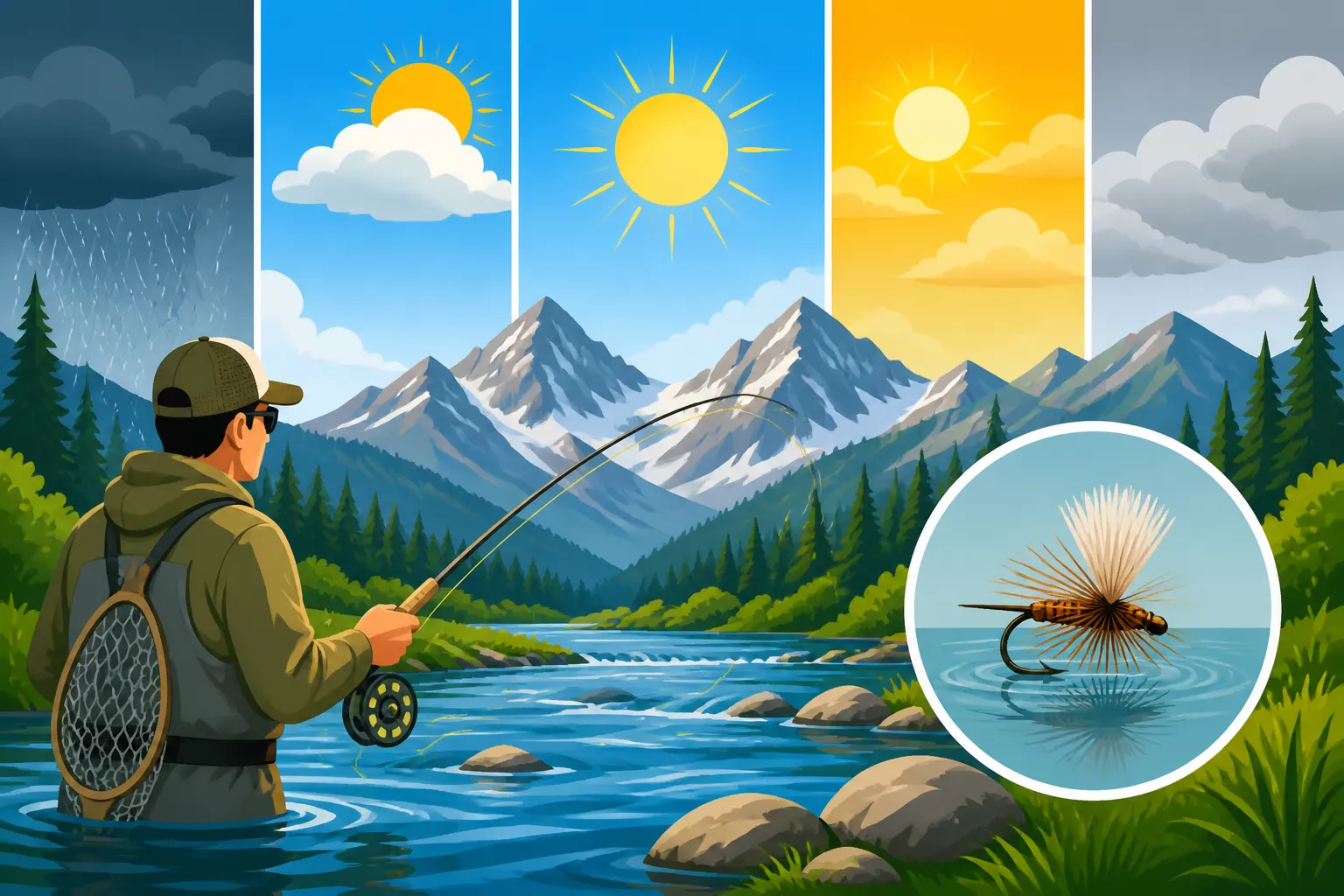
While many people associate good fishing with bright, sunny days, dry fly enthusiasts often prefer a bit of cloud cover. Bright, direct sunlight can be a double-edged sword. On one hand, it warms the water and air, which can be beneficial in cooler months, helping to trigger hatches. On the other hand, intense sunlight can make fish skittish, driving them into deeper, shadier lies. Trout also become more wary of overhead predators on bright days, making them less willing to rise to the surface. Your shadow, or even the shadow of your fly line, can easily spook them.
Overcast conditions, especially those with high, diffused clouds, are often perfect for dry fly fishing. The muted light makes trout feel more secure, encouraging them to move into shallower water and feed more actively on the surface. It also makes it easier for you to see your fly and detect subtle takes, as glare is significantly reduced. A light drizzle, surprisingly, can also be fantastic, often increasing insect activity and masking your presence. However, a heavy downpour can blow out rivers, making visibility difficult for both fish and angler, and rapidly dropping water temperatures, which can shut down a hatch entirely.
The Impact of Wind
Wind is arguably the biggest nemesis of the dry fly angler. A gentle breeze can be a friend, helping to ripple the water, which can obscure your presence and make your fly appear more natural as it drifts. It can also help blow terrestrial insects, like grasshoppers and ants, onto the water, initiating exciting terrestrial fishing. However, anything more than a gentle breeze quickly turns into a major challenge.
Strong winds make accurate casting incredibly difficult, causing your leader and fly to tangle, or blowing your fly far off target. It also creates significant drag on your fly line, making it almost impossible to achieve a drag-free drift, which is paramount for dry fly success. When the wind is really howling, you'll see your fly skate across the surface unnaturally, and fish will typically ignore it. Furthermore, high winds can also push cold air over the water, chilling the surface and discouraging hatches. It can even make holding your position difficult on exposed riverbanks or while wading in open water. On particularly blustery days, you might consider switching to subsurface nymphing or streamer techniques, or finding a more sheltered section of river.
Seasonal Considerations for Dry Fly Success
Colorado's diverse seasons each present unique challenges and opportunities for dry fly fishing. What works in April won't necessarily work in August, and understanding these seasonal shifts is crucial for planning successful outings. The state's varied elevations also mean that "spring" in one part of the state might be "early summer" in another, so always check local conditions.
Spring's Fleeting Opportunities
Spring in Colorado is a season of transition, often characterized by unpredictable weather and the eagerly anticipated, yet sometimes frustrating, pre-runoff window. Before the full force of the snowmelt begins, typically in April and early May, you can find some incredible dry fly fishing. During this time, the water temperatures are still cool, but rising, which awakens early season hatches. Baetis, or Blue-Winged Olives, are often the first major hatch, especially on cloudy days. You'll want to bone up on your knowledge of the Fly Selection for Colorado's Blue-Wing Olive Hatch as these tiny insects can bring even the pickiest trout to the surface.
However, spring's dry fly opportunities can be fleeting. As soon as the snowmelt begins in earnest, often peaking in late May or early June, rivers swell with cold, turbid water. This period, known as When Colorado's Spring Runoff Hits and How to Fish Around It, makes dry fly fishing incredibly challenging, if not impossible, on many freestone rivers. The high, fast water makes it difficult for fish to see small flies, and the colder temperatures reduce their desire to rise. During runoff, tailwaters – rivers flowing out of bottom-release dams – become your best bet, as their flows and temperatures are more regulated, allowing hatches to continue.
Summer's Prime Time
Summer is, for many, the undisputed champion season for dry fly fishing in Colorado. As the snowmelt recedes and river levels normalize, water temperatures settle into that optimal range, fueling a parade of insect hatches. From June through August, you can expect prolific caddis, stoneflies, and various mayfly hatches. This is when the "matching the hatch" strategy really comes into its own. You might find yourself on a Gold Medal river like the Fryingpan or the South Platte, meticulously trying to imitate the exact insect that trout are keying in on.
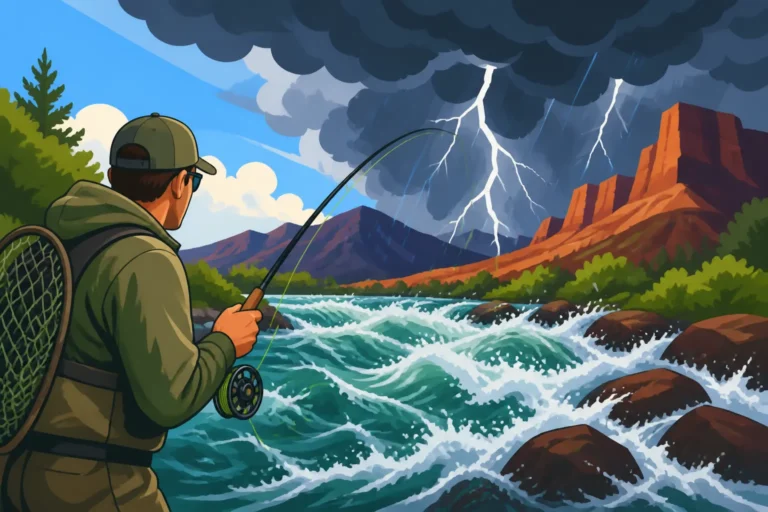
Beyond the aquatic insect hatches, summer also ushers in the terrestrial season. Grasshoppers, ants, and beetles become a significant food source for trout, especially on windy days that blow them from streamside vegetation into the water. Big, foamy dry flies imitating these land-based insects can be incredibly effective, often drawing explosive strikes from larger trout. While summer offers fantastic dry fly opportunities, be mindful of afternoon thunderstorms, which are common in the Colorado high country. These can bring sudden, heavy rain and hail, potentially raising water levels quickly and making fishing dangerous. Knowing the Best Time of Day to Fish a Colorado Tailwater in Summer can help you optimize your trips around these weather patterns.
Fall's Last Hurrah
As the vibrant colors of autumn sweep across Colorado, the dry fly season offers a beautiful, often quieter, farewell. Water temperatures begin to cool, and many of the massive summer hatches dwindle. However, don't write off fall! This season can bring some of the most enjoyable dry fly fishing of the year, especially on crisp, sunny days with minimal wind. You might encounter smaller hatches of midges and blue-winged olives, often in the late mornings and afternoons when the air has warmed sufficiently.
Fall also offers the opportunity to target some of the largest trout on dry flies. Brown trout, in particular, become more aggressive as they prepare for their spawning season. While they might not always be looking up, they can sometimes be enticed by a well-presented hopper or a large attractor pattern, especially during a warm spell. The crowds also thin out considerably compared to peak summer, offering a more serene fishing experience. Just be prepared for rapidly dropping temperatures as the day progresses and the sun dips behind the mountains. Fall can throw you a curveball, going from pleasantly warm to quite chilly in a matter of hours, so dressing in layers is absolutely essential.
Reading the Forecast Like a Pro
Successfully dry fly fishing in Colorado isn't just about knowing your flies; it's also about knowing your weather. Learning to interpret forecasts and understand local microclimates will give you a significant advantage, helping you decide when and where to hit the water for the best dry fly action.
Hourly Forecasts and Microclimates
When planning a dry fly trip, don't just glance at the daily high and low. Dive into the hourly forecast. Pay close attention to temperature trends throughout the day, looking for periods of stable or rising temperatures, which are prime for hatches. Crucially, check the wind speed and direction hour by hour. A morning with calm winds might give way to blustery afternoons, forcing you to adjust your strategy or even move to a more sheltered location. Apps like AccuWeather or NOAA provide detailed hourly breakdowns that are invaluable.
Colorado is famous for its diverse topography, which creates countless microclimates. A forecast for a nearby town might not accurately reflect the conditions in a secluded canyon or at a high-elevation lake. Rivers that flow through deep canyons, for instance, might stay cooler longer in the morning and lose sunlight earlier in the afternoon, affecting hatch timing. Conversely, open valleys can be windier but warm up faster. Always consider the specific geography of your chosen fishing spot. You might even want to check multiple forecasts for different points along a river, or use a tool like Colorado Parks and Wildlife's Reading Colorado's Fishing Atlas to Plan a Trip for specific water access and conditions.
Barometric Pressure and Insect Activity
This might sound a bit scientific, but barometric pressure can subtly influence both fish and insect behavior, impacting your dry fly success. Stable or slowly rising barometric pressure generally indicates fair weather and can lead to increased insect activity and more active fish. Think of those beautiful, clear days after a front has passed, but before the next one moves in. These are often excellent dry fly days.
Conversely, rapidly falling barometric pressure often signals an approaching storm front. Before the storm hits, insect hatches might actually intensify for a short period as insects instinctively try to complete their lifecycle before adverse weather arrives. Fish can also become very active in this pre-front feeding frenzy. However, once the pressure stabilizes at a low point or begins to rise after a storm, fishing can slow down considerably. It’s not an exact science, but experienced anglers often note these trends. While you might not change your entire plan based solely on barometric pressure, it's another piece of the puzzle that can help you anticipate how the fish and insects might be behaving.
When to Stay Home or Switch Tactics
There are indeed days when the weather simply isn't conducive to dry fly fishing, and stubbornly trying to force it can lead to frustration. If the wind is relentlessly gusting above 15-20 mph, making casting impossible and flies skate across the surface, it's probably time to reconsider. Similarly, if temperatures plummet or water levels surge with cold, muddy runoff, the chances of consistent dry fly action are slim. These conditions might be better for exploring High Water Tactics During Colorado's Runoff with nymphs or streamers.
On such days, you have a few options: either embrace a different technique, find a more sheltered location, or simply postpone your dry fly ambitions. Instead of trying to force dries, switch to nymphing, streamer fishing, or even targeting warmwater species in a lake. If your heart is set on dry flies, look for smaller, sheltered spring creeks or tailwaters that might offer a reprieve from the wind and more stable water conditions. Sometimes, knowing when to hang up the dry fly rod and tie on a different rig, or even just enjoy the scenery, is part of becoming a well-rounded angler.
Gear Adjustments for Variable Weather
Colorado's weather can change on a dime, especially in the mountains. One minute you're basking in warm sunshine, the next a sudden storm rolls in, bringing chilling winds and rain. Being prepared with the right gear isn't just about comfort; it's about safety and ensuring you can keep fishing effectively through fluctuating conditions.
Layering for Comfort
The golden rule for dressing in Colorado, no matter the season, is layering. This strategy allows you to easily add or shed clothing as temperatures and conditions change throughout the day. Start with a moisture-wicking base layer made from synthetic materials or Merino wool. This helps regulate your body temperature by moving sweat away from your skin, keeping you dry and warm if it's cool, or cool if it's warm.
Your mid-layers should provide insulation. A fleece jacket or a lightweight puffy vest works wonders. For your outer layer, invest in a good quality waterproof and windproof jacket. Even if the forecast calls for clear skies, a sudden afternoon shower or a gust of wind can quickly make you miserable without proper protection. Companies like Patagonia, Simms, and Columbia make excellent options for anglers that are both durable and functional. Don't forget a warm hat and gloves or fingerless mitts, even in summer, especially for those chilly mountain mornings or late evenings.
Sunglasses and Sun Protection
Even on cloudy days, UV radiation at Colorado's high altitude can be intense, making proper sun protection non-negotiable. A wide-brimmed hat or a baseball cap helps shield your face and neck. High-quality polarized sunglasses are absolutely essential. They not only protect your eyes from harmful UV rays but also dramatically improve your ability to see fish, rocks, and subsurface structure by cutting glare off the water. This is especially critical for sight-fishing in clear tailwaters or discerning subtle rises on the surface.
Beyond hats and sunglasses, apply a broad-spectrum sunscreen with a high SPF to all exposed skin. Don't forget often-overlooked spots like the tops of your ears and the back of your neck. Many anglers also opt for UV-protective clothing, such as long-sleeved fishing shirts with a UPF rating. Buffs or neck gaiters are also fantastic for protecting your face and neck from sun and windburn, and can even be pulled up over your ears for extra warmth.
Essential Accessories for Changing Conditions
Beyond your primary clothing layers, a few key accessories can make a huge difference when dealing with Colorado's variable weather. A small, waterproof dry bag or backpack is invaluable for keeping your extra layers, lunch, and electronics dry. Consider carrying hand warmers in colder months, especially if you plan to be out early or late.
For your actual fishing setup, a good quality net is crucial for quickly and safely landing fish, especially when practicing catch-and-release, which is common on many of Colorado's Gold Medal Waters. A pair of sharp nippers and forceps are always handy for tying on flies and removing them from a fish's mouth. Don't forget your fly floatant! On days with fluctuating temperatures or light drizzle, keeping your dry fly riding high on the water is paramount. Brands like Loon Outdoors or Tiemco offer reliable floatants. Finally, a thermometer is a wise addition, allowing you to gauge water temperature and adjust your expectations for insect activity and fish feeding behavior. You can often find compact, accurate thermometers on Amazon that attach easily to a vest or pack.
| Weather Factor | Ideal Dry Fly Conditions | Less Favorable Dry Fly Conditions |
|---|---|---|
| Water Temperature | 45-65°F (stable or slowly rising) | Below 40°F or above 70°F (rapidly changing) |
| Air Temperature | 50-70°F (close to water temp) | Much colder/warmer than water, extreme heat or cold |
| Cloud Cover | Overcast, high diffused clouds, light drizzle | Bright, direct sun; heavy downpours |
| Wind | Calm to light breeze (0-5 mph) | Moderate to strong winds (10+ mph), especially gusty |
| Barometric Pressure | Stable or slowly rising | Rapidly falling, or very low and stable |
| Precipitation | Light drizzle, occasional light snow | Heavy rain, hail, thunderstorms, heavy snow |
Ultimately, the Colorado Fishing Seasons Month by Month guide will give you a broader overview of what to expect, but drilling down into the daily forecast and understanding these specific weather components will sharpen your dry fly fishing game significantly. And remember, the best way to improve your dry fly skills is to get out there and experience these conditions firsthand, adapting and learning as you go.
Disclaimer
Fishing involves inherent risks, including but not limited to weather changes, slippery terrain, and wildlife encounters. Always prioritize safety and exercise caution when on the water. Consult official Colorado Parks and Wildlife regulations for the most current rules and licensing requirements before engaging in any fishing activities. This guide is for informational purposes only and does not constitute professional advice.