Colorado’s March Trout Stocking, What to Expect
There’s nothing quite like the hopeful chill of a Colorado March morning, especially when you know Colorado Parks and Wildlife (CPW) is out there, ready to replenish our favorite fishing holes. For many anglers, the transition from winter's stillness to spring's awakening brings a mix of excitement and a touch of frustration—will the fish be biting? What exactly does "March trout stocking" mean for your weekend plans? This comprehensive guide will peel back the layers of Colorado's early spring stocking efforts, helping you understand what to anticipate and how to make the most of those fresh fish releases.
Understanding Colorado's Trout Stocking Program
The sheer anticipation of fresh trout hitting the water is a powerful draw for anglers. It signifies a renewed opportunity, a chance to shake off the winter rust and enjoy some productive fishing. But there's more to CPW's stocking program than simply putting fish in lakes and rivers; it's a carefully managed effort designed to enhance angling opportunities across the state.
Why Colorado Parks and Wildlife Stocks Trout
Colorado's diverse aquatic environments, while stunning, can sometimes be challenging for fish populations to thrive naturally, especially under heavy angling pressure or in urban settings. CPW’s stocking program steps in to bridge this gap, ensuring that anglers have abundant opportunities to catch fish, even in waters that might not otherwise support a robust fishery. This is particularly true for many of our urban ponds and smaller community lakes. Without these regular infusions of trout, these popular spots would quickly be fished out, leaving local anglers with fewer places to cast a line. It's about maintaining a healthy balance between recreational demand and ecological sustainability. The goal isn't just to catch fish, but to create memorable outdoor experiences for families and seasoned pros alike, all while managing the natural resources.
General Stocking Practices and Species
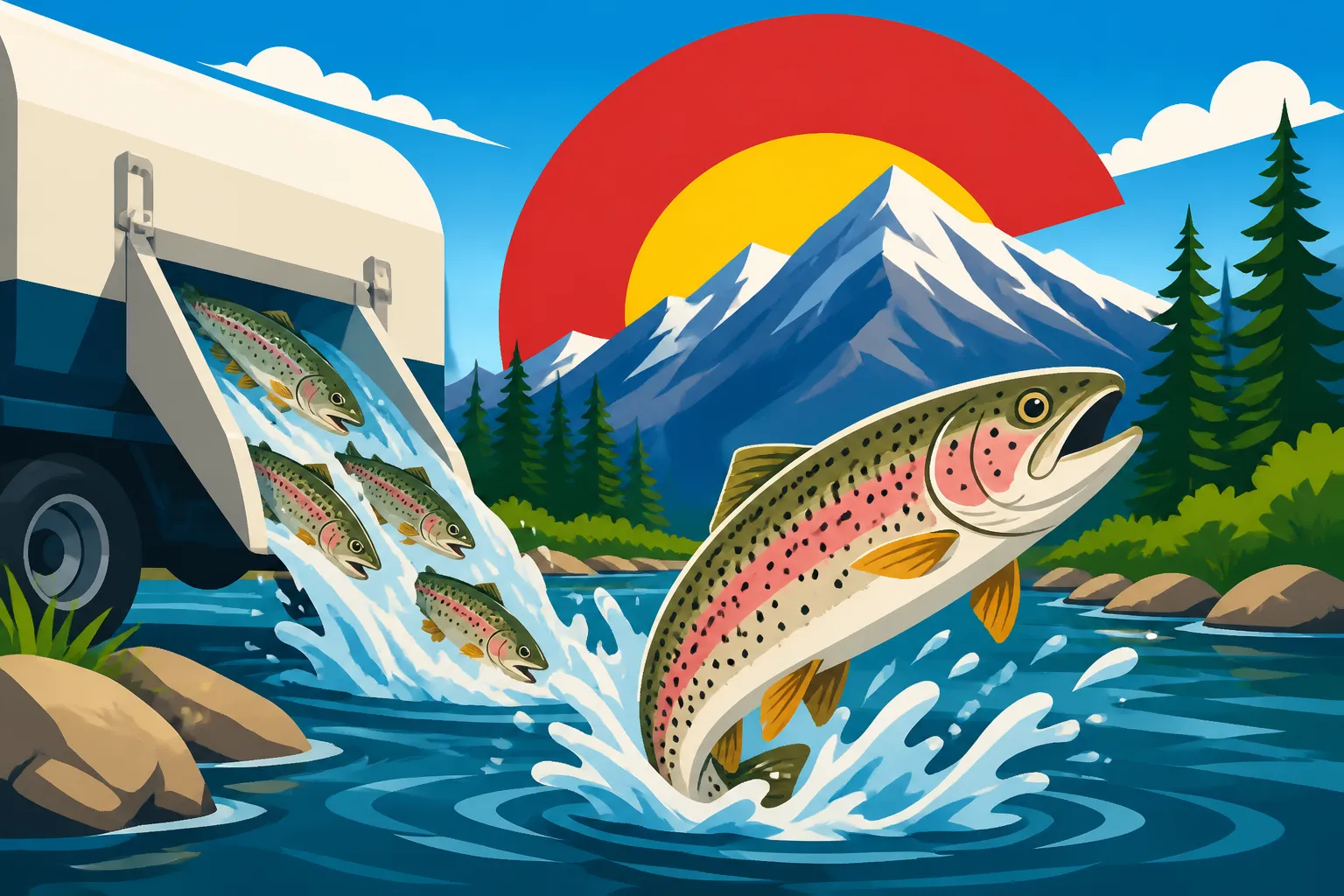
When we talk about trout stocking in March, we're primarily talking about rainbow trout. These hardy, catchable fish are the workhorses of the stocking program, providing immediate recreational value. They’re often raised in hatcheries across the state, such as Rifle Falls Hatchery or Mt. Shavano Hatchery, until they reach a catchable size, typically around 10-12 inches. While rainbows dominate the early spring stockings, other species like brown trout, cutthroat trout, and even some warmwater species are stocked throughout the year, depending on the specific water body's conditions and management goals. For instance, some of the high-country lakes might receive native Colorado River cutthroat trout or greenback cutthroat trout stockings later in the season to help bolster those populations. The timing of when Colorado Parks and Wildlife Starts Stocking Trout Each Spring can vary based on weather and water temperatures, but March is definitely when things start to ramp up for many Front Range and urban waters.
What to Expect from March Stocking Locations
March in Colorado is a fickle beast. One day it's snowing, the next it's 60 degrees and sunny. This variability directly impacts where and how trout are stocked, with CPW focusing on waters that are accessible and safe for both fish and anglers.
Urban Ponds and Community Lakes
If you're looking to get a quick fishing fix without traveling far, urban ponds and community lakes are often your best bet for March stockings. Places like Chatfield Reservoir, Cherry Creek Reservoir, and countless smaller ponds within city limits, especially around the Denver Metro area, become prime destinations. These waters often warm up faster than larger, deeper reservoirs or mountain rivers, making them ideal for freshly stocked trout. You’ll frequently find family groups and new anglers enjoying these spots, thanks to easy access and relatively predictable fishing. The fish in these waters are often eager to bite soon after release, making them perfect for a rewarding outing. Just remember that popularity also means these spots can get crowded, especially on weekends when the weather is nice.
Smaller Reservoirs and River Sections
Beyond the immediate urban sprawl, smaller reservoirs and some lower-elevation river sections also see significant March stocking activity. Think about places like Evergreen Lake or the lower stretches of the South Platte River that aren't designated Gold Medal Waters, where regulations might be less stringent and accessibility is good. These areas offer a slightly different experience than the bustling urban ponds, often with more space to spread out and a bit more natural scenery. While larger reservoirs like Blue Mesa Reservoir or Granby Lake might still be partially ice-covered or too cold for early trout stockings, these mid-sized bodies of water hit that sweet spot for early spring action. Understanding the specific Colorado Fishing Regulations Every Angler Should Know for each location is always crucial, as rules can vary widely even within a short drive.
Gear and Techniques for Recently Stocked Trout
Anglers often lament that stocked trout are "easy to catch." While they certainly can be, there's still an art to maximizing your success, especially in the cold waters of early spring. It's about adapting your approach to their behavior and environment.
Bait Fishing for Freshly Stocked Trout
For many, especially those fishing with kids or looking for a relaxed outing, bait fishing is the undisputed king for freshly stocked trout. These fish are often accustomed to a pellet diet from the hatchery, making PowerBait, Gulp! Dough, or even a classic worm incredibly effective. When the trout are first released, they're often a bit disoriented and will feed opportunistically on anything that looks appealing.
To rig up, a simple slip sinker rig with a small hook (size 10-14) is usually all you need. Place a small amount of PowerBait or a piece of worm on the hook, allowing it to float just off the bottom. In colder water, fish tend to be less active, so a slow, subtle presentation is key. If you're fishing from the bank, casting near inlets or areas with structure (like submerged trees or rocks) can be particularly productive. Many anglers stock up on these essentials, along with hooks and sinkers, from retailers on Amazon before hitting the water. For more in-depth advice, our guide on Bait Fishing Techniques for Colorado Lakes offers a ton of helpful tips.
Spin Fishing and Fly Fishing Approaches
Spin fishing offers a more active approach that can also be incredibly effective. Small inline spinners, such as Panther Martins or Mepps Aglias, in silver, gold, or brass finishes, are perennial favorites. Cast them out and retrieve slowly, varying your speed to see what the fish prefer. Small spoons, like Kastmasters or Daredevls, can also entice strikes, especially if you let them flutter down through the water column. Soft plastics, like small grubs or trout magnets under a bobber, can mimic natural food sources and be fished with a gentle jigging motion.
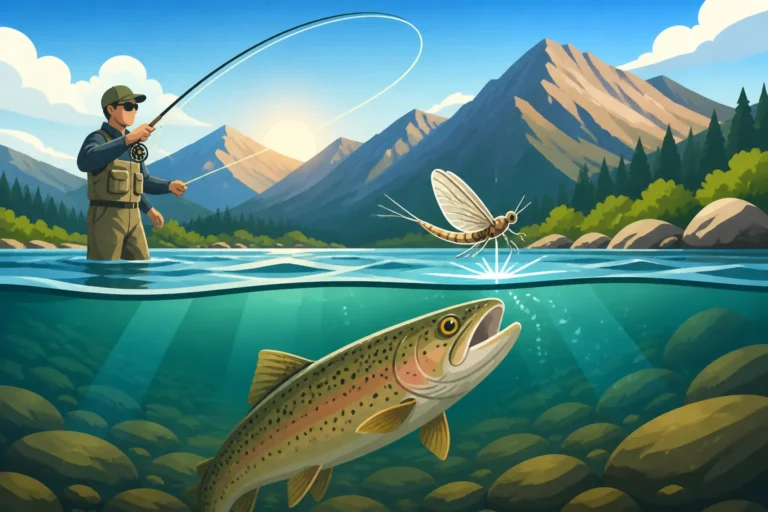
For fly anglers, matching the hatch isn't always the primary concern with freshly stocked fish. Instead, focus on attractor patterns and generalist nymphs. Woolly Buggers in black, olive, or brown, fished with a slow retrieve, are always a good bet. Zebra Midges, San Juan Worms, and egg patterns can also be highly effective, as they imitate common food items or attract curious trout. In the cold water, trout tend to hug the bottom, so ensure your flies are getting down deep enough. A simple nymph rig with a strike indicator and some split shot can be a deadly combination. Whether you're a seasoned fly fisherman or just starting, our Spin Fishing Techniques for Colorado Trout guide can provide excellent cross-over tips for tempting these hatchery heroes.
Reading the Stocking Report
Knowing that fish are stocked is one thing; knowing where and when is the angler's superpower. CPW makes this information readily available, but it requires a little savvy to interpret it effectively.
Accessing the CPW Stocking Report
The Colorado Parks and Wildlife website is your official source for stocking information. They maintain an interactive online Fishing Atlas and a weekly stocking report, which is usually updated every Friday. This report details the species, number of fish, and specific locations where fish have been stocked in the past week. To access it, simply navigate to the CPW website and look for the "Fishing" section, then "Stocking Reports." It's a goldmine of information that can save you a lot of guesswork and help you plan your next outing. Keep in mind that while the report is typically updated weekly, actual stocking events are weather-dependent, so an unexpected snowstorm can sometimes delay a scheduled release.
Interpreting Key Information
When you look at the stocking report, you’ll see columns for date, water body, county, species, and quantity.
- Date: This tells you how recently the fish were stocked. Fish stocked a few days ago might be a bit more acclimated than those put in yesterday.
- Water Body: This is crucial for planning your trip. It might list specific ponds (e.g., "City Park Pond – Denver") or larger reservoirs (e.g., "Pueblo Reservoir").
- Species: Almost always, in March, this will be "Rainbow Trout," but occasionally you might see "Brown Trout" or other species.
- Quantity: This number can be quite large, indicating the sheer volume of fish CPW puts into our waters. A stocking of "5000 Rainbow Trout" for a community pond means there's a very good chance of success!
| Location Type | Typical March Stocking Species | Recommended Bait/Lure | Notes |
|---|---|---|---|
| Urban Ponds | Rainbow Trout | PowerBait, Worms, Small Spinners | High accessibility, often crowded, excellent for beginners and families. Fish are usually aggressive right after stocking. Check for specific Urban Fishing Program rules. |
| Community Lakes | Rainbow Trout, some Brown Trout | PowerBait, Worms, Small Spinners, Woolly Buggers | Similar to urban ponds but potentially larger. Good balance of accessibility and slightly more space. Ideal for early season spin or fly fishing. |
| Smaller Reservoirs | Rainbow Trout, Brown Trout | PowerBait, Worms, Spinners, Spoons, Nymphs | Can offer more diverse fishing, potentially less crowded than urban ponds. Focus on areas near inlets or structure. Be mindful of ice-out conditions. |
| Lower River Sections | Rainbow Trout, Brown Trout | Worms, Nymphs, Streamers | Stockings happen where access is good and currents aren't too strong. Fish closer to the bottom in cold, clear water. Always carry a copy of Colorado's Fishing Regulations Brochure to confirm local rules. |
Use this information to target specific locations. For example, if you see a large stocking of rainbow trout in an urban pond near you, that's your cue to grab your gear! It’s also wise to cross-reference the stocking report with the Colorado Fishing Atlas to get specific access points, boat ramp information, and detailed regulations for each water body.
Beyond March: Preparing for Spring Fishing
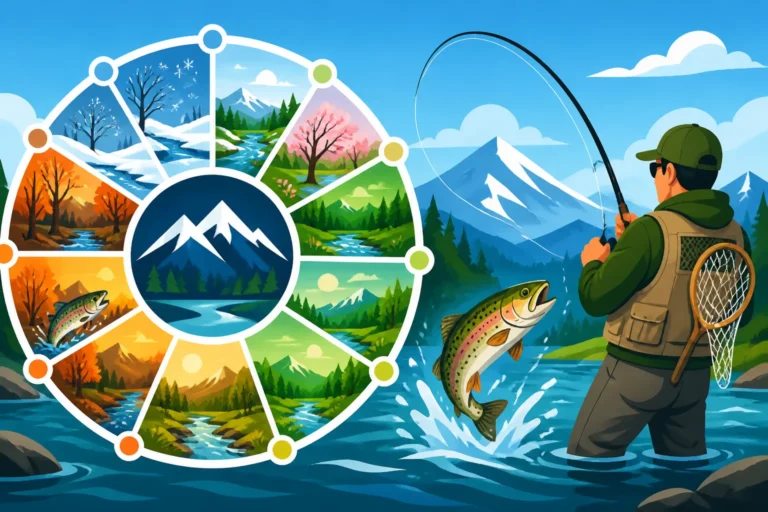
March is just the beginning of the spring fishing season in Colorado. As the weather patterns stabilize and water temperatures gradually rise, the fishing landscape transforms, presenting new challenges and exciting opportunities.
The Impact of Spring Runoff
As April and May roll around, Colorado experiences what we call "spring runoff." This is when the snowpack in the mountains begins to melt rapidly, swelling rivers and streams with cold, fast-moving water laden with sediment. For many freestone rivers, this can mean high, murky conditions that make fishing incredibly challenging, even dangerous. Wade fishing becomes difficult or impossible, and the discolored water often sends trout seeking refuge in slower, clearer side channels or eddies. Anglers accustomed to clear mountain streams might find this period frustrating. However, it's not all doom and gloom. This is when tailwaters – sections of rivers below large dams – really shine. The dams regulate water flow and often release cleaner, more consistent temperatures, creating prime fishing conditions even during peak runoff. Knowing What to Fish During Colorado's Spring Runoff is key to staying productive.
Transitioning to Warmer Weather Tactics
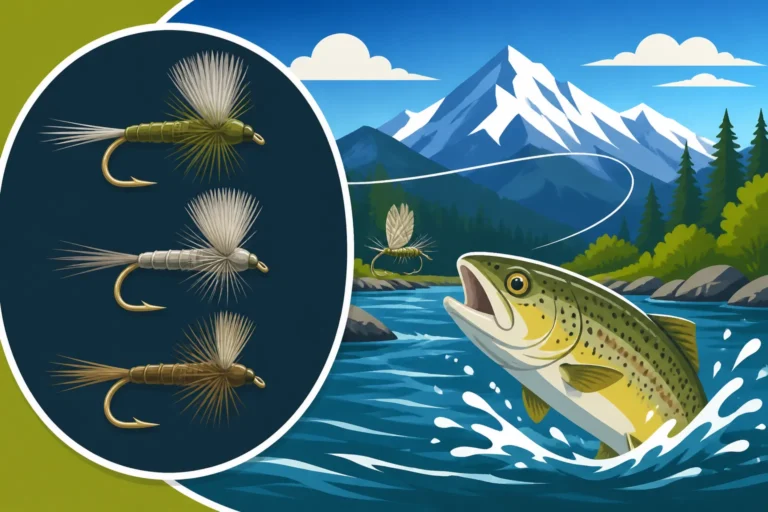
As we move past runoff and into late spring and early summer, water temperatures continue to rise, and trout become much more active. This signals a shift in tactics. Hatches become more prolific, meaning dry fly fishing can really take off on rivers. Insects like caddisflies, blue-winged olives, and stoneflies emerge, providing abundant food for hungry trout. On lakes and reservoirs, fish move into different parts of the water column, often shallower in the mornings and evenings, and deeper during the heat of the day. This is when you might transition from bottom-bouncing baits to more aggressive presentations with spinners, spoons, or even topwater lures for bass and other warmwater species. Our Colorado Fishing Seasons Month by Month guide can provide a more detailed breakdown of what to expect as the year progresses. Remember to check local forecasts and water conditions regularly, as Mother Nature always has the final say in Colorado.
Dealing with Crowds and Ethics on Stocked Waters
Let's be real, fresh fish attract anglers like moths to a flame. While the excitement is contagious, it's important to approach these popular spots with a mindful attitude to ensure everyone has a positive experience and to uphold the principles of responsible angling.
Managing Angler Pressure
There's no sugarcoating it: recently stocked urban ponds and accessible river sections can get busy, especially on weekends or sunny afternoons. You might find yourself shoulder-to-shoulder with other anglers, which can be a bit disheartening if you're looking for solitude. The key here is patience and courtesy. If you arrive at a spot and it's already packed, consider trying a different section of the same water body, or have a backup location in mind. Sometimes, simply waiting an hour or two can make a difference as some anglers pack up. Weekdays, especially mornings, are almost always less crowded than peak weekend hours. Remember that everyone is out there to enjoy themselves, so be mindful of casting space, keep noise levels down, and offer a friendly nod to your fellow anglers. Sharing the resource graciously ensures that these stockings continue to provide enjoyment for the whole community.
Practicing Responsible Angling
Even though stocked trout are intended to be caught, responsible angling practices remain paramount. If you plan to keep your catch, understand the Colorado Bag and Possession Limits by Species for the specific water you are fishing. It’s not uncommon for limits to be quite generous on stocked waters, but always verify. If you intend to release fish, handle them gently with wet hands, minimize their time out of the water, and ensure they are revived before letting them go. Barbless hooks can make release much easier and less stressful on the fish, and you can even find these readily available on Amazon. Beyond the fish, always pack out everything you pack in—including fishing line, bait containers, and any other trash. Leaving a clean spot for the next angler is a simple yet powerful way to contribute to the overall health and enjoyment of Colorado’s fishing resources. Understanding Colorado's Habitat Stamp, Explained is another crucial piece of responsible angling, as the funds generated directly support wildlife and fish habitats across the state.
Disclaimer
The information provided in this guide is for general informational purposes only and should not be considered legal advice. Fishing regulations and conditions in Colorado can change frequently. Always consult the official Colorado Parks and Wildlife (CPW) website and their most current fishing regulations brochure before heading out to fish.