Fall Fishing in Colorado, What Changes
As the golden hues start to paint the aspens and the air takes on that crisp, invigorating chill, many anglers feel a pang of melancholy, thinking the best fishing of summer is behind them. But for those of us who truly love the Colorado high country, fall isn't an ending; it's a glorious, often overlooked, beginning for some of the most rewarding fishing of the year. This guide will walk you through the exciting changes autumn brings to Colorado's waters and how you can adapt your approach to find incredible success.
The Transformative Beauty of Colorado's Fall Fishing Season
There's something uniquely magical about fishing in Colorado during the fall. The crowds dwindle, the scenery becomes breathtaking, and the fish, well, the fish often become incredibly active. It’s a time of transition, a last burst of energy before the long, cold slumber of winter. If you've ever felt like your summer fishing was a bit too busy or the fish were too lethargic in the heat, fall is your season.
Shifting Landscapes and Cooler Temperatures
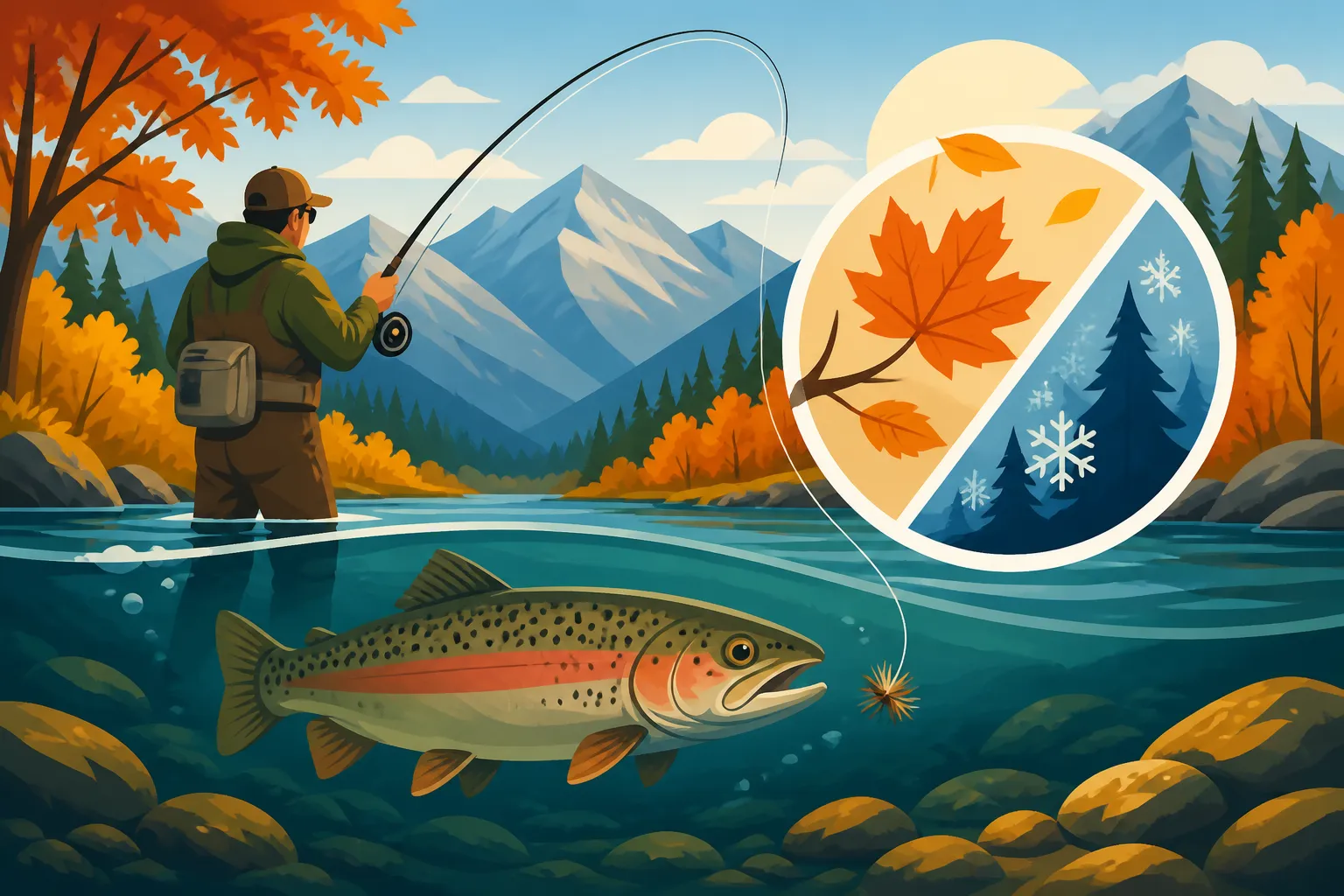
Imagine standing knee-deep in a crystal-clear river, the banks ablaze with vibrant yellows and oranges, towering peaks dusted with the first hints of snow, and the only sound being the gentle flow of the water and the occasional splash of a rising trout. This isn't just a postcard image; it's the reality of fall fishing in Colorado. The intense summer sun begins its retreat, bringing with it a welcome drop in air and water temperatures. This cooling trend revitalizes fish that may have become sluggish during the dog days of August.
The landscape changes dramatically, too. Gone are the lush green banks of summer, replaced by a kaleidoscope of color. This shift affects more than just aesthetics; it can impact insect activity and even the availability of certain foods for fish. What was once thick foliage offering ample shade might now be thinning, allowing more light to penetrate the water, which can influence where fish hold. Understanding this environmental transformation is the first step to unlocking fall fishing success.
The Energetic Shift in Fish Behavior
As the water cools, fish species like trout experience a renewed vigor. Their metabolism, which might have slowed down in warmer water, picks up again, prompting them to feed more aggressively. This is particularly true for brown trout, which are gearing up for their annual spawning ritual, making them some of the most sought-after catches during this season. They're not just feeding to grow; they're feeding to survive the winter and to ensure the next generation.
This heightened activity isn't limited to trout. Other species in Colorado's diverse waters, such as kokanee salmon, also undergo significant changes as they begin their spectacular spawning runs, offering unique fishing opportunities. Whether you're targeting a trophy brown trout or witnessing the incredible sight of bright red kokanee, the fall brings a distinct energy to the aquatic world that anglers can certainly capitalize on. It truly feels like the fish are aware of the impending winter and are making the most of every last warm day.
Understanding Fall Water Conditions and Their Impact
Water conditions in the fall are dramatically different from summer, and knowing how to read and react to these changes is paramount to a successful fishing trip. Ignoring these shifts can lead to frustration, while embracing them can lead to some of your most memorable days on the water.
Falling Water Levels and Increased Clarity
One of the most noticeable changes in many Colorado rivers and streams during the fall is the significant drop in water levels. The peak runoff from spring snowmelt is long gone, and the heavy summer rains have typically subsided, leading to much lower and clearer flows. This can be a double-edged sword: clearer water means you can often spot fish more easily, but it also means the fish can spot you with greater ease. Stealth becomes crucial.
Lower water levels also mean fish might be concentrated in specific deeper pools, runs, or under cutbanks, offering predictable holding patterns. However, some smaller streams might become too shallow to hold significant fish populations, prompting them to move to larger rivers or deeper sections. Understanding these patterns, perhaps by consulting a guide on Colorado Fishing Regulations Every Angler Should Know, is essential for knowing where to focus your efforts. Anglers often need to use longer, lighter leaders and more subtle presentations to avoid spooking fish in these conditions.
The Critical Role of Water Temperature
Water temperature is perhaps the single most important factor influencing fish behavior in the fall. As ambient temperatures drop, so do the water temperatures, typically reaching optimal feeding zones for cold-water species like trout. Trout are cold-blooded, and their activity levels are directly tied to the water temperature. In the early fall, as temperatures move from the 60s Fahrenheit down into the 50s, trout become very active.
However, as fall progresses into late autumn, temperatures can dip further, sometimes into the low 40s or even upper 30s. While this doesn't shut down fishing entirely, it does slow things down and changes where fish hold and how aggressively they feed. Fish will seek out slightly warmer, deeper pockets of water where they can conserve energy. Observing river temperatures, often reported by local fly shops or online resources, can be a game-changer for planning your fall outings. Too warm, and fish are stressed; too cold, and they're sluggish. Finding that sweet spot is key.
Navigating Autumnal Runoff and Leaf Litter
While spring is famous for its snowmelt runoff, fall can sometimes present its own unique form of "runoff" in the form of heavy rains. If a strong weather system moves through, especially after a dry spell, rivers can temporarily blow out with increased flows and turbidity. This can make fishing challenging, as fish lose their visual cues for feeding and anglers struggle with presentation. However, these post-rain conditions can also stir up insects and worms, creating a feeding frenzy once the water begins to clear.
Another unique challenge of fall fishing is leaf litter. As deciduous trees shed their leaves, vast quantities can end up in the water, especially in smaller streams and rivers. This leaf litter can foul your flies or lures, make it difficult to detect subtle bites, and even obscure fish. Anglers might need to adjust their techniques, perhaps by using heavier flies to punch through the debris or fishing in areas less prone to collecting leaves. It's an inconvenience, but one that's easily managed with a bit of patience and adaptation.
Targeting Colorado's Trout Species in Fall
Fall is prime time for trout fishing in Colorado, offering unique opportunities for several species. Understanding their specific behaviors during this season will significantly increase your chances of success.
Brown Trout Spawning Season and Aggression
Without a doubt, fall is the season of the brown trout. As autumn progresses, brown trout begin their annual spawning ritual. This incredible natural event, typically occurring from late October through November, sees these fish becoming incredibly aggressive and territorial. They move out of their deeper summer lies and into shallower riffles and gravel beds (known as "redds") to spawn. This pre-spawn and spawning aggression makes them more willing to strike at a variety of presentations, from large streamers to egg patterns.
During this time, it's crucial to be mindful and ethical. While browns are aggressive, disturbing actively spawning fish on redds can harm future populations. Target fish that are staging in deeper pools near spawning areas or actively feeding in runs, rather than directly on redds. Observing Brown Trout Spawning Season in Colorado can give you a better understanding of how to approach these powerful fish responsibly. Their vibrant colors intensify during the spawn, making them truly magnificent catches, but always prioritize conservation.
Rainbow and Cutthroat Post-Spawn Opportunities
While brown trout are the stars of the fall spawn, rainbow and cutthroat trout have typically completed their spawning activities in the spring. This means that by fall, they are in a post-spawn recovery and feeding mode. They've spent the summer regaining strength and are now focused on building up their fat reserves for winter. This makes them active and eager to feed, often alongside the pre-spawning browns.
You'll often find these trout in classic holding water: riffles, runs, and the heads and tails of deeper pools. They're typically less spooky than during the low, clear waters of summer, and their appetites are strong. Fall can be an excellent time to target a variety of trout, as explained in Colorado's Trout Species, A Field Guide, because you're not just waiting for a specific hatch; you're capitalizing on their instinctual drive to feed before the cold weather truly sets in. Look for areas with good current and ample food sources.
High-Country Brook Trout Before Winter
For those willing to hike into Colorado's stunning high-country lakes and streams, fall offers a precious, often fleeting window to target brook trout. These smaller, but beautifully colored, native trout begin their own spawning rituals as early as September in some high-elevation waters. Their vibrant orange bellies and intricate patterns are a sight to behold against the backdrop of changing leaves.
The key with high-country brook trout in the fall is timing. As soon as the snow starts to fall consistently, or the lakes begin to skim over with ice, access becomes challenging or impossible. However, those clear, crisp days in early to mid-fall can provide incredible solitude and eager brookies. They are not as particular as their larger river cousins and will often readily strike small dries, nymphs, or even tiny spinners. It’s a chance to experience truly wild fishing in an unparalleled setting before these waters freeze over for the winter.
Essential Fall Fly Fishing Techniques
Fly fishing in the fall demands a nuanced approach, as fish behavior, insect activity, and water conditions all undergo significant transformations. Adaptability is your best friend.
Nymphing the Deeper Runs
With falling water temperatures and increased water clarity, fish often retreat to deeper, more predictable holding lies where they feel secure and can conserve energy. This makes nymphing an incredibly effective technique in the fall. Focus your efforts on the deeper runs, current seams, and the heads and tails of pools where trout tend to congregate. A common strategy involves using a heavier lead fly, like a stonefly or Pat's Rubber Legs, followed by a smaller, more subtle attractor or midge pattern.
The weight of your rig is crucial. You need enough weight to get your flies down to the fish quickly, but not so much that you're constantly snagging the bottom. Adjust your split shot strategically, and watch your indicator for even the most subtle takes. Often, fall bites can be very gentle. Learning to read the water and understand where trout position themselves for feeding in cooler temperatures will vastly improve your nymphing success. Remember, they're not expending excessive energy to chase food; they want it presented right in their strike zone.
Streamer Fishing for Aggressive Trout
If you're looking for an adrenaline rush and the chance to hook into a true trophy trout, fall is the undisputed champion season for streamer fishing, particularly for brown trout. As brown trout become more aggressive during their pre-spawn and spawning periods, they are highly territorial and will actively chase down and strike at larger baitfish patterns. This isn't just about feeding; it's about defending their redds and asserting dominance.
Large, articulated streamers in natural baitfish colors like olive, black, brown, or white can be incredibly effective. Retrieving them with erratic strips, jerks, and pauses mimics a wounded baitfish, often triggering an aggressive predatory response. Fishing streamers can be hard work, requiring heavier fly rods and lines, but the reward of a big brown trout inhaling your fly is unparalleled. Dive deeper into this exciting method with Streamer Fishing for Colorado Brown Trout to refine your technique and increase your chances of landing that fish of a lifetime.
Dry Fly Opportunities on Warmer Days
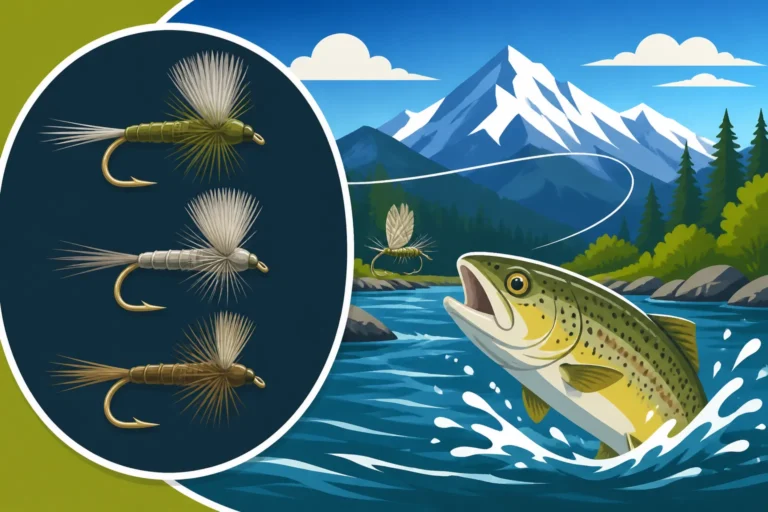
While nymphing and streamer fishing often dominate fall strategies, don't put away your dry flies just yet! On warmer, sunny fall days, especially in early to mid-autumn, hatches can still occur, providing fantastic dry fly opportunities. Blue-Winged Olives (BWOs) are a common and important fall hatch, often appearing on cloudy or overcast days, particularly in the afternoon. Midges are also present year-round and can provide consistent dry fly action, especially during warmer periods.
Keep an eye on the water's surface for rising fish, and be prepared to switch tactics if a hatch begins. Even if fish aren't actively rising, sometimes a well-placed attractor dry fly, like a foam hopper or stimulator, can still elicit a strike, particularly in faster water or around shaded banks. Having a diverse fly box that includes a range of sizes for BWOs and midges, along with some terrestrials, will ensure you're ready for whatever the fall weather throws at you. Remember, even in cooler weather, trout will rise if the food source is abundant and easily accessible.
Spin Fishing Strategies for Fall Success
Fly fishing gets a lot of attention in Colorado, but spin fishing can be incredibly effective in the fall, too. For those who prefer spinning gear, there are specific adjustments and techniques that can lead to fantastic results, especially when targeting larger fish or species like kokanee salmon.
Lure Choices for Cooler Water
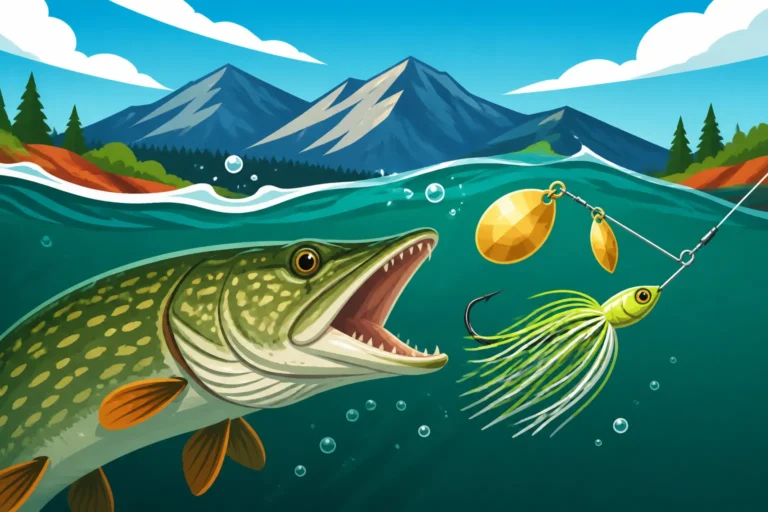
As water temperatures drop, fish activity can become more subdued, making lure selection critical. Flash and vibration become key attractants. Spinners, such as the classic Mepps Aglia or Panther Martin, in silver, gold, or copper finishes, can be highly effective. The flash attracts attention, and the vibration mimics a struggling baitfish. Spoons, like a Kastmaster or Daredevil, also work well, especially for lake trout in deeper reservoirs or for casting across wide river sections.
Soft plastics, particularly tube jigs or small swimbaits resembling baitfish or sculpins, can be deadly when fished slowly along the bottom or jigged through deep pools. Consider using darker colors for clearer water, and brighter or chartreuse colors if the water has a bit of stain. The goal is to present something that looks natural but also has enough allure to tempt a somewhat lethargic or territorial fish. Don't be afraid to experiment with different sizes; sometimes a slightly larger profile can trigger an aggressive strike from a brown trout in fall.
Best Baits for Fall Trout and Kokanee
Bait fishing continues to be a highly successful method in the fall, especially when targeting hungry trout or staging kokanee salmon. PowerBait, in various colors and forms (eggs, nuggets, dough), remains a staple for stocked rainbow trout in lakes and ponds. For wilder trout in rivers, garden worms or nightcrawlers fished on a small hook with minimal weight can be irresistible, especially after a rain event stirs up the riverbed.
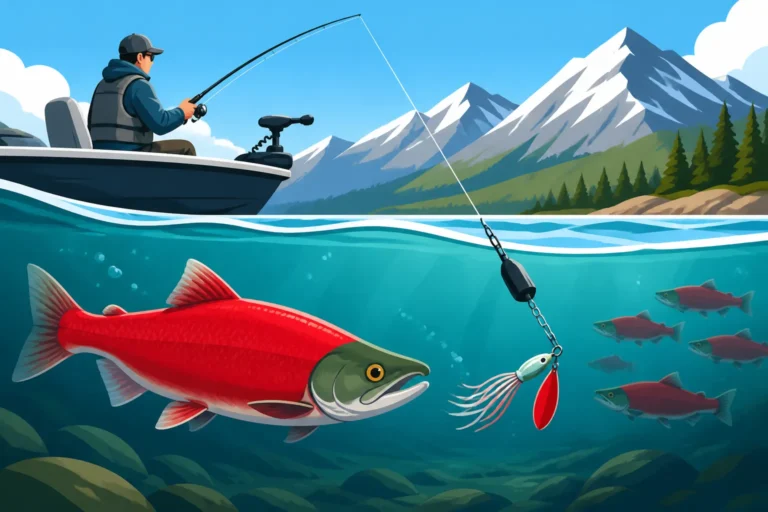
When it comes to kokanee salmon, their behavior changes significantly as they prepare to spawn. While they become less interested in feeding on typical baits, they can be highly susceptible to snagging techniques (where legal and permitted) or specific lures designed to provoke a strike due to territorial aggression. However, the most ethical and often successful approach is to use small, brightly colored lures or flies that mimic their natural prey or that they strike at out of irritation. For those targeting kokanee, learning about Trolling for Kokanee Salmon in Colorado can provide insights into effective bait and lure presentations in lakes like Blue Mesa.
Adjusting Retrieve Speeds
One of the biggest mistakes spin anglers make in the fall is maintaining summer retrieve speeds. As water temperatures drop and fish activity slows, a slower retrieve is often more effective. Fish are less likely to chase down a fast-moving lure; they prefer something presented at a more leisurely pace that requires less energy to intercept. Experiment with pauses and twitches during your retrieve. A slow, steady retrieve with occasional subtle jerks can often entice a strike when a fast, continuous one will not.
For deeper water, letting your lure sink completely and then working it up through the water column with a lift-and-drop technique can be very productive. Similarly, for bottom-dwelling fish, a slow drag or hop of a jig or bait can be the ticket. Always pay attention to how the fish are reacting. If you're not getting bites, try slowing down your retrieve even further. The cooler water dictates a more patient approach.
Where to Find Fall Fishing Hotspots in Colorado
Colorado offers an incredible array of fishing opportunities, and fall can bring some specific waters into their prime. Knowing where to go can make all the difference.
Gold Medal Rivers and Tailwaters
Colorado's designated Gold Medal Waters are renowned for their high-quality trout fisheries, and they truly shine in the fall. Rivers like the South Platte (particularly the sections through Deckers, Cheesman Canyon, and the Dream Stream), the Arkansas River, the Fryingpan, and the Gunnison River become particularly productive. These waters, often tailwaters below dams, maintain more stable temperatures than freestone rivers, which can be a huge advantage as air temperatures plummet. The consistent food sources, combined with the trout's pre-winter feeding frenzy, make for exceptional fishing.
When planning a trip to these premier locations, it's wise to consult resources like Colorado Gold Medal Water Regulations Explained to ensure you're familiar with any special rules, such as specific fly-and-lure-only sections or catch-and-release requirements. While these spots can still be popular, fall crowds are generally lighter than in summer, offering a more serene and rewarding experience. Don't overlook the potential for truly massive brown trout in these regulated sections as they prepare for the spawn.
Reservoirs for Kokanee and Lake Trout
For anglers looking for something beyond river trout, Colorado's large reservoirs offer fantastic fall opportunities, especially for kokanee salmon and lake trout. Blue Mesa Reservoir, for example, is famous for its kokanee salmon runs in the fall. As the kokanee gather to spawn, typically in tributaries or specific shallow areas of the reservoir, anglers can target them from boats or shore. Seeing these vibrant red fish is an unforgettable experience. Information on Kokanee Salmon Fishing in Colorado will be invaluable if you plan to target this unique species.
Lake trout also become more active in the fall as water temperatures cool, and they move shallower from their deep summer haunts. Reservoirs like Blue Mesa, Granby, and Taylor Park Reservoir can offer excellent lake trout fishing, often with jigging, trolling, or even casting large spoons or swimbaits. The cooler water means these powerful fish are often more accessible and willing to strike. For a comprehensive guide on targeting these giants, consider reviewing Lake Trout Fishing in Colorado.
High-Altitude Lakes Before Freeze-Up
For the adventurous angler, the fleeting window of fall in Colorado's high-altitude lakes offers solitude and some truly spectacular fishing. Before the snow seals them off for winter, many alpine lakes become accessible for a few precious weeks. Trout in these lakes, primarily brook, cutthroat, and rainbow, will be actively feeding to bulk up for winter, often becoming less selective than in summer.
Hiking into these remote gems can be a challenging but incredibly rewarding experience. Small spinners, spoons, or even simple dry-dropper fly rigs can be highly effective. The key is monitoring the weather and snow levels, as conditions can change rapidly. One day it's clear and crisp; the next could bring a significant snowstorm. Always be prepared for cold weather and consult local forest service offices or online resources for trail conditions before embarking on a high-country fall adventure. It's an opportunity to truly connect with nature and experience the raw beauty of Colorado.
Gear Adjustments and Safety Tips for Autumn Angling
Fall fishing in Colorado is a stunning experience, but it comes with its own set of challenges, particularly concerning rapidly changing weather and colder conditions. Proper gear and safety precautions are not just advisable; they are essential.
Dressing for Variable Fall Weather
Colorado's fall weather is notoriously unpredictable. A morning can start below freezing, warm up to a pleasant 60 degrees Fahrenheit by midday, and then drop rapidly with an afternoon thunderstorm or snow shower. Layering is not just a recommendation; it's a necessity. Start with a moisture-wicking base layer (synthetics or merino wool are ideal), add an insulating mid-layer (fleece or down), and top it with a waterproof and windproof outer shell. This allows you to add or remove clothing as conditions change, ensuring you stay comfortable and safe.
Don't forget warm headwear, gloves (fingerless fishing gloves are great for dexterity), and thick wool socks. Your feet and hands are often the first to get cold. Packing an extra set of dry clothes, just in case of a tumble or unexpected rain, is always a smart move. You can find a wide range of reliable layering options and waterproof gear on Amazon, making it easy to prepare for whatever conditions you encounter.
Essential Wading Safety
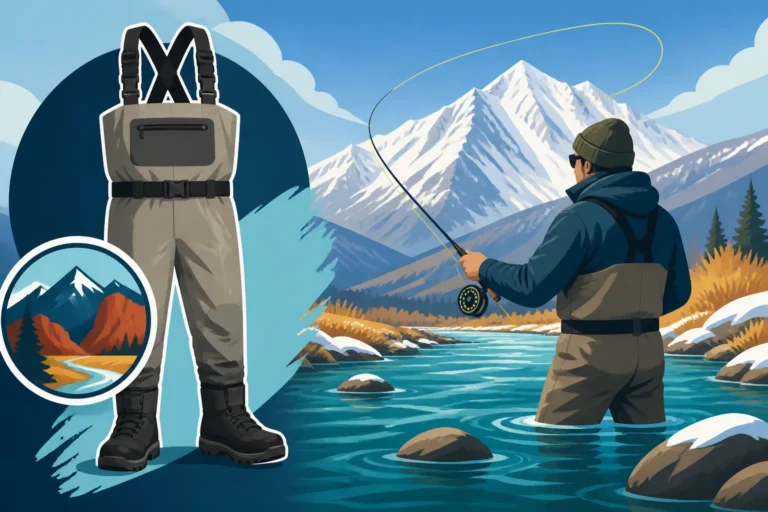
With lower water levels and increased clarity, many anglers are tempted to wade further or in more challenging sections. However, colder water temperatures bring increased risks. Falling into frigid water can lead to hypothermia much faster than in summer. Always wear a wading belt to prevent your waders from filling completely with water if you take a spill. A wading staff is also an invaluable tool, providing stability and helping you probe slippery bottoms before taking a step.
Be extra cautious around icy banks or submerged rocks that might have a slick layer of algae. If fishing alone, always let someone know your float plan and expected return time. Consider wearing a personal flotation device (PFD) if you're wading in deep, fast, or unfamiliar waters, especially when crossing larger rivers. Your safety should always be your top priority, even when the fish are biting. Remember, a quick dip in 40-degree water can be life-threatening if you're not prepared.
Prepping Your Gear for Colder Conditions
Beyond your personal attire, your fishing gear also needs some fall-specific attention. For fly anglers, consider using tippet and leader materials that remain supple in colder temperatures. Your fly line can also stiffen in the cold, affecting casting performance. For spin anglers, ensure your reel is properly lubricated with cold-weather grease if you anticipate truly frigid conditions, as some lubricants can thicken and hinder performance. You can find specialized cold-weather fishing gear lubricants and line treatments on Amazon.
Check your waders for any leaks before you get to the river – a cold leak is far less tolerable than a warm one! Ensure your boots have good traction, and consider studded soles if you anticipate wading on slick, icy, or algae-covered rocks. Finally, always pack essentials like a headlamp (fall days are shorter), a first-aid kit, and plenty of high-energy snacks and water. Being well-prepared allows you to focus on the fishing and truly enjoy the unparalleled beauty of a Colorado fall day.
| Technique/Species | Best Fall Conditions | Recommended Gear/Approach | Notes |
|---|---|---|---|
| Brown Trout (Spawning) | Cooler water (45-55°F), lower flows, clear water | Streamers (olive, black, brown), large nymphs, egg patterns, 6-8wt fly rod; Medium spinning rod w/ spoons/spinners. | Target pre-spawn/staging fish; avoid active redds to protect future populations. Be stealthy in clear water. |
| Rainbow/Cutthroat | Moderate water temps (50-60°F), stable flows, post-runoff | Nymphs (BWOs, midges), small streamers, dry-dropper, 4-6wt fly rod; Light spinning rod w/ PowerBait, worms, small spinners. | Active feeders, less spooky than summer. Look for consistent hatches on warmer days. |
| Kokanee Salmon | Cold water (below 50°F), spawning runs, tributaries | Brightly colored lures/flies (pink, orange, red), jigging spoons, trolling rigs. | Primarily during spawning runs. Check regulations for snagging rules. Excellent eating! |
| Lake Trout | Cold water (below 50°F), deeper reservoirs | Heavy jigs, large spoons, tube baits, downriggers for trolling; Medium-heavy spinning/baitcasting gear. | Move shallower in fall. Focus on structure, drop-offs, and baitfish schools. |
| Brook Trout (High Country) | Early fall before freeze-up, sunny days, clear small streams/lakes | Small dry flies, nymphs, tiny spinners/spoons, ultra-light spinning rod. | Short window of opportunity. Hike-in access. Excellent solitude. |
Disclaimer
The information provided in this guide is for general informational purposes only. Fishing conditions, regulations, and access points in Colorado can change frequently. Always consult the most current Colorado Parks and Wildlife (CPW) regulations brochure before heading out, and check local conditions with fly shops or other reliable sources. Fishing inherently carries risks; always prioritize safety and practice responsible angling ethics.