Kokanee Salmon Fishing in Colorado
There's nothing quite like the thrill of chasing kokanee salmon in Colorado. Many anglers come here with trout on their mind, and while our trout fishing is phenomenal, those landlocked sockeye salmon, with their fierce fight and delicious pink flesh, offer a completely different kind of challenge and reward. But let's be honest, trying to figure out where they are, what they'll bite, and how to even fish for them can feel like cracking a secret code. This guide is here to demystify kokanee salmon fishing in Colorado, offering practical advice, hotspot insights, and the techniques you'll need to fill your cooler.
Understanding Kokanee Salmon in Colorado
Before we cast a line, let's get acquainted with these incredible fish. Kokanee salmon are essentially sockeye salmon that live their entire lives in freshwater lakes and reservoirs, rather than migrating to the ocean. They were introduced to Colorado decades ago to provide a unique sport fishery, and they've truly thrived in our deep, cold mountain waters.
What Makes Kokanee Unique?
Kokanee salmon have a fascinating life cycle that sets them apart from most other fish you'll find in Colorado's waters. Unlike rainbow trout or brown trout, which can spawn multiple times over several years, kokanee are semelparous. This means they spawn only once in their lifetime, typically in their third or fourth year, and then they die. This "spawn-and-die" cycle is a key characteristic of Pacific salmon, and it drives much of their behavior and the fisheries management around them.
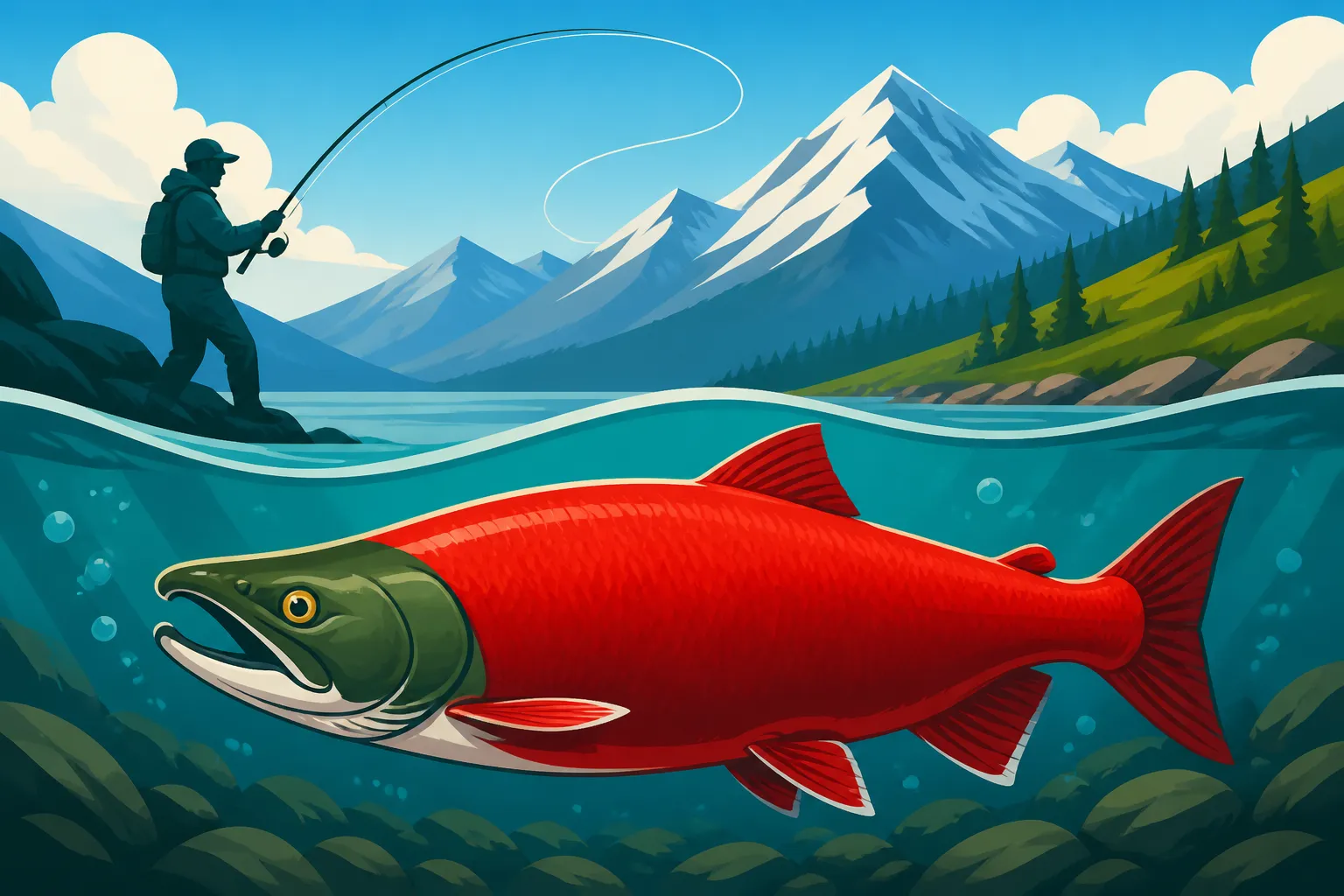
During their non-spawning years, kokanee are vibrant, silvery fish that feed primarily on zooplankton, tiny crustaceans that drift in the water column. Their specialized gill rakers are designed to filter these microscopic organisms from the water, which is why they don't often strike large, flashy lures like a lake trout might. As their spawning season approaches, usually in the late summer and fall, dramatic changes occur. Males develop a pronounced humped back and a hooked jaw (kype), and both sexes transform from their chrome-silver to a brilliant, almost shocking, crimson red, with green heads. It's an absolutely stunning transformation and signals the culmination of their life's journey. Understanding Kokanee Salmon Life Cycle in Colorado is crucial for timing your trips.
Where Do Kokanee Come From in Colorado?
Kokanee are not native to Colorado. They were introduced, primarily as a forage fish for larger predatory species like lake trout, and quickly became a popular sport fish in their own right. The Colorado Parks and Wildlife (CPW) actively manages kokanee populations through extensive stocking programs. Millions of kokanee fry and fingerlings are raised in hatcheries and then released into suitable reservoirs across the state each year. These stockings ensure a consistent supply of fish for anglers, given their single-spawn life cycle.
The success of kokanee in a particular reservoir depends heavily on several factors: water temperature, the presence of sufficient zooplankton for food, and suitable spawning habitat (either natural gravel beds in tributary streams or suitable shallow areas within the reservoir itself). Over the years, specific reservoirs have proven to be ideal nurseries and homes for these salmon, becoming the hotspots anglers flock to. Without this careful management and stocking, the kokanee fishery as we know it simply wouldn't exist, which speaks to the dedication of wildlife agencies to enhance fishing opportunities for everyone.
Identifying Kokanee Salmon
When you're out on the water, especially in a reservoir that holds multiple species, it's helpful to know how to identify a kokanee salmon. While they start out silvery, similar to a small rainbow trout, there are distinct features to look for.
- Silvery Body (non-spawning): Most of the year, they are a beautiful chrome silver.
- Lack of Teeth: Unlike most trout and char, kokanee have very small, underdeveloped teeth. You might feel a rough patch, but no sharp fangs.
- Fin Rays: Count the rays on their anal fin. Kokanee typically have more than 13 rays, whereas trout usually have 12 or fewer. This is a subtle but reliable indicator.
- Spots: Generally, kokanee have no spots or very few, scattered small spots on their back, if any. Rainbow trout, on the other hand, are typically covered in small black spots.
- Spawning Colors: This is the most unmistakable identifier. As they approach spawning, their bodies turn bright red, and their heads become a deep green. Males develop the distinctive kype (hooked jaw) and a humped back.
Being able to correctly identify your catch is important for adhering to bag limits and regulations, as Colorado Daily Bag Limits by Species can vary significantly between trout and kokanee.
Prime Kokanee Salmon Fishing Spots in Colorado
Colorado boasts several fantastic reservoirs for kokanee salmon, each with its own unique character and seasonal highlights. Knowing where to go is half the battle, especially when these fish tend to school up and follow specific patterns.
Blue Mesa Reservoir
Considered by many to be the undisputed "Kokanee Capital" of Colorado, Blue Mesa Reservoir near Gunnison is a behemoth, stretching for miles and offering incredible opportunities. It holds Colorado's state record kokanee and is famous for its massive spawning runs. The sheer size of Blue Mesa means there's always a new cove or drop-off to explore, but it also means understanding the vastness and how kokanee relate to it.
During the warmer months, kokanee at Blue Mesa will be spread throughout the reservoir, often suspended in the water column over deep water, chasing zooplankton. This is prime time for trolling, as you can cover a lot of ground. As fall approaches, particularly in late August through October, the kokanee begin their incredible migration towards the spawning grounds in the tributaries, most notably the Gunnison River inlet and the Lake Fork arm. This period sees them concentrate, change color, and become extremely aggressive as they prepare to spawn. While snagging is often popular during these runs, it's crucial to be aware of and adhere to the specific regulations. For example, Colorado's Kokanee Salmon Limit at Blue Mesa can have very particular rules, especially during spawning season, and they are strictly enforced. Whether you're trolling or looking for a spawning run, Blue Mesa is often a first-choice destination.
Eleven Mile Reservoir
Located in the South Park basin, Eleven Mile Reservoir is another top-tier kokanee fishery, especially for those closer to the Front Range. While it might not have the sheer volume of Blue Mesa, Eleven Mile consistently produces good numbers of kokanee and often large, healthy fish. Its proximity to other popular fishing destinations like Spinney Mountain and Antero Reservoirs makes it a great hub for a multi-day trip.
Early season, often right after ice-off in spring, can be particularly good at Eleven Mile. The kokanee are hungry and active, cruising shallower areas before retreating to deeper water as summer progresses. During summer, like Blue Mesa, they are typically suspended in the main lake body, requiring trolling techniques to reach them. Fall also brings a spawning run, though it's often more challenging to target these fish from shore compared to some other locations, as the main spawning areas might be less accessible or require a boat. Ice fishing for kokanee at Eleven Mile is also very popular, with anglers setting up shelters and jigging for schools of fish passing beneath the ice. The vast, open nature of Eleven Mile's ice makes it a true winter wonderland for this species.
Granby, Carter, and Dillon Reservoirs
Beyond the giants of Blue Mesa and Eleven Mile, Colorado has several other excellent reservoirs for kokanee salmon, each with its own charm and loyal following. These include Lake Granby, Carter Lake, and Dillon Reservoir.
- Lake Granby: Situated near Grand Lake, Granby is a large, deep reservoir in Grand County known for its consistent kokanee fishery. It's a beautiful spot, surrounded by mountains, and offers both summer trolling and excellent ice fishing opportunities. The kokanee here grow to good sizes, and it's a popular destination for families and serious anglers alike. The relatively consistent size of the kokanee here makes it a favorite for those looking to stock their freezer.
- Carter Lake: Located west of Loveland, Carter Lake is a much smaller, but very productive reservoir. Its more manageable size can make it easier to locate schools of kokanee, especially for those new to the game. It's a popular spot for both powerboaters and paddlecraft, and its proximity to the Northern Front Range makes it a convenient day trip. Trolling is the primary method here, often with great success during the spring and early summer.
- Dillon Reservoir: High in the mountains near the towns of Frisco and Silverthorne, Dillon offers breathtaking views and a challenging, yet rewarding kokanee fishery. The elevation and deep, cold water make it ideal kokanee habitat. While trolling is effective, some anglers also find success jigging, especially during the ice fishing season. It's a fantastic place to combine a fishing trip with other mountain activities.
Each of these reservoirs, while different in scale and location, shares the commonality of cold, deep water, and a robust stocking program, making them excellent choices for your next kokanee adventure. If you're looking for Best Fishing Lakes Near Denver, Colorado, Carter and Dillon are usually high on the list.
Essential Gear for Kokanee Salmon Fishing
Kokanee salmon fishing isn't just about showing up with any old fishing rod. These fish can be particular, and having the right gear can make all the difference, especially when you're trying to coax a strike from a suspended school of salmon in deep water.
Rods, Reels, and Line Selection
For kokanee, sensitivity and a forgiving action are key. You're often dealing with light bites and the need to maintain tension on long lines, especially when trolling.
- Rods: Look for a rod in the 7 to 8.5-foot range with a light to medium-light power and a moderate-fast action. A softer tip is crucial for detecting the subtle takes of kokanee, which often feel more like a slight pressure increase than a hard strike. The length helps with controlling longer leaders and absorbing the shock of a fighting fish. Fiberglass or a composite graphite/fiberglass blend often provides the ideal bend. Brands like Fenwick, Ugly Stik, and specific kokanee rods from companies like Lamiglas or Shimano are popular choices. You might even find some great deals on specialized kokanee rods on Amazon.
- Reels: A high-quality spinning reel in the 2000-3000 size or a small baitcasting reel (like a Daiwa Lexa 100 or Shimano Curado 70) with a smooth drag is perfect. Line capacity isn't as critical as smoothness and reliability of the drag system, which prevents break-offs when a kokanee makes a sudden run.
- Line: Most kokanee anglers opt for braided main line, typically 10-15 lb test, for its no-stretch sensitivity, allowing you to feel even the faintest bite. Pair this with a fluorocarbon leader of 6-8 lb test. Fluorocarbon is nearly invisible underwater, which is a huge advantage with finicky kokanee, and its abrasion resistance is beneficial. The length of your leader will vary, but usually, 20-50 feet is a good starting point, especially when using dodgers or flashers.
Trolling Equipment
Trolling is arguably the most effective and popular method for kokanee, as it allows you to cover vast areas and present lures at precise depths. This requires specialized equipment.
- Downriggers: These are absolutely essential for consistent kokanee success. Downriggers allow you to precisely control the depth of your lure, dropping it right into the feeding zone of suspended fish. Electric downriggers offer ease of use, but manual ones work perfectly well. You'll need release clips to attach your fishing line to the downrigger cable. When a fish strikes, the line "releases" from the clip, allowing you to fight the fish directly on your rod.
- Dodgers and Flashers: These are not lures, but attractors. Dodgers have an oscillating, side-to-side motion that creates a pulsing vibration and flash, mimicking a schooling baitfish or stirring up zooplankton. Flashers rotate or spin, creating visual appeal. They are typically placed 10-20 inches in front of your lure, connected by a strong monofilament leader. The action of the dodger or flasher imparts enticing movement to your trailing lure. Popular brands include Sep's Pro-Fishing, Vance's, and Shasta Tackle. The size of the dodger or flasher should match the speed you're trolling and the size of your lure.
- Scent Dispensers: Kokanee have an excellent sense of smell. Many anglers use small scent dispensers that clip onto their dodger or even directly infuse scent into their lures. Garlic, krill, and various fish egg scents are widely used and can significantly increase your strike rate.
Lures and Baits
Once you have your downriggers and attractors, it's time to choose what the kokanee will actually bite. Presentation is everything with these fish.
- Small Hoochies and Squids: These are miniature plastic skirts, often with embedded glow material or reflective tape. They imitate small zooplankton or larval insects, which are a primary food source. Pink, orange, red, and chartreuse are consistently effective colors. You'll often tip these with a kernel of shoepeg corn for added scent and visual appeal. Many anglers buy these in bulk on Amazon.
- Small Spoons: Tiny trolling spoons, like those from Rocky Mountain Tackle, Mack's Lures, or Kokanee Killer, are incredibly popular. Again, colors like pink, orange, red, and chartreuse, often with a metallic or glow finish, are top producers. These spoons have a subtle wobbling action that kokanee find irresistible.
- Jigs: For vertical jigging or ice fishing, small lead jigs (1/8 to 1/4 ounce) tipped with a small piece of bait (like waxworms, mealworms, or corn) or tiny plastic grub tails work well. Again, bright colors stand out in the deeper water.
- Shoepeg Corn: This is the most popular bait for tipping kokanee lures. It adds scent, a little bit of buoyancy, and a visual trigger. Many anglers dye their corn various colors (pink, green, orange) and soak it in different scents. It sounds simple, but it's a game-changer.
- Scent: Beyond infusing corn, applying liquid scents directly to your lures is a common practice. Pro-Cure, Pautzke, and Mike's Glo Scent are popular choices. Reapply frequently, especially after catching a fish.
Getting the right combination of dodger, leader length, lure, and scent is often a process of trial and error on any given day, so bring a variety of options!
Effective Techniques for Catching Kokanee Salmon
Kokanee fishing demands precision and a nuanced approach. These aren't always the easiest fish to fool, and understanding their behavior and feeding patterns is key to success.
Mastering the Troll
Trolling is, without a doubt, the most productive method for kokanee salmon in Colorado. It allows you to cover large areas of water and present your lures at the exact depth where kokanee are feeding.
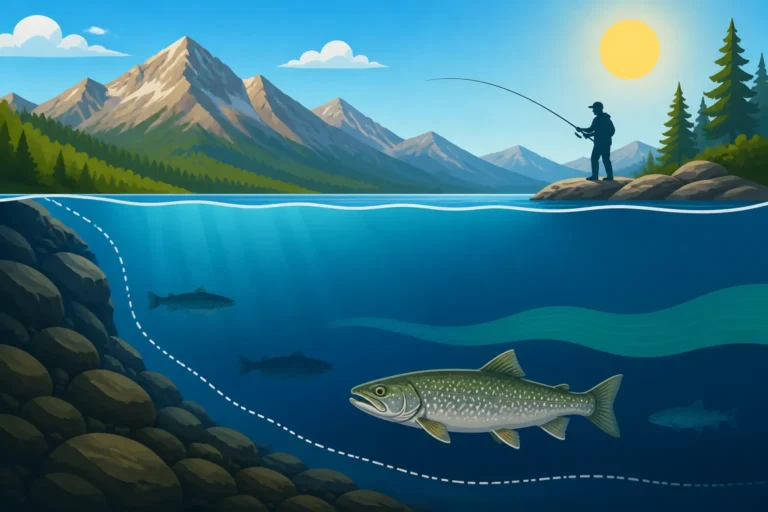
- Depth Control is Paramount: This is where downriggers shine. Kokanee are almost always suspended in the water column, rarely hugging the bottom. They follow the zooplankton, which migrate vertically throughout the day in response to light levels. In the early morning or on cloudy days, they might be shallower (30-60 feet), but as the sun gets higher, they'll often retreat to much deeper water (80-120+ feet). Your fish finder is your best friend here. Look for dense schools of fish that appear as arches or blobs on your screen and adjust your downrigger balls to place your lures just above or within the top of the school.
- Speed and Lure Action: Kokanee typically prefer a slower trolling speed, often between 0.8 and 1.5 miles per hour. The ideal speed can vary based on the specific dodger and lure you're using, as well as the water temperature and the fish's mood. The goal is to get your dodger to "kick" or oscillate properly, imparting action to your trailing lure without spinning it excessively. Experiment with subtle S-turns or gentle turns in your boat's path; this causes your inside lure to slow down and drop slightly, and your outside lure to speed up and rise, often triggering a strike from following fish.
- Leader Length Behind the Dodger: This is another critical variable. A shorter leader (10-15 inches) will give your lure more action directly from the dodger, while a longer leader (20-30 inches) will allow the lure to swim more independently. Start with a few different lengths on separate rods until you find what the fish prefer on that particular day.
- Multiple Rods and Depths: If regulations allow, running multiple rods at different depths and with various lure/dodger combinations is a smart strategy. For example, you might run one downrigger ball at 60 feet and another at 80 feet, each with a different color hoochie or spoon. This helps you quickly pinpoint the preferred depth and presentation. Remember to check Colorado Fishing Regulations Every Angler Should Know for maximum rod limits.
Jigging for Kokanee
While trolling dominates, jigging can be a very effective alternative, especially during ice fishing season or when fish are highly concentrated in specific areas.
- Vertical Jigging: From a boat, if you find a tightly packed school of kokanee on your fish finder, dropping a small jig directly into the school can be productive. Use jigs in the 1/8 to 1/4 ounce range, often tipped with a kernel of corn, a mealworm, or a small piece of plastic grub. The action is usually a lift-and-drop, letting the jig flutter. The key is to keep it within the school's depth range.
- Ice Fishing Techniques: Ice fishing for kokanee is immensely popular on reservoirs like Eleven Mile, Granby, and Dillon. Anglers drill holes over deep water and use small jigs, often glow-in-the-dark or bright colors, tipped with corn or waxworms. A flasher or an ice fishing sonar unit is almost mandatory to see the fish and your lure, allowing you to react quickly to bites. The retrieve is usually a subtle jigging motion, followed by a pause, as kokanee often strike on the pause. Using a sensitive rod, like a spring bobber rod, helps detect those light bites. For a deeper dive into winter fishing, explore Ice Fishing in Colorado, Getting Started.
- Bait Presentation: Whether jigging or trolling, always remember the bait. A single kernel of shoepeg corn, dyed and scented, is incredibly effective. It's thought to mimic zooplankton or add a distinct flavor profile the kokanee are attracted to. Don't be afraid to experiment with different corn colors and scents.
Shore Fishing and Spawning Runs
While kokanee are primarily a boat-based fishery, there are specific times and places where shore anglers can have success, most notably during the fall spawning runs.
- Spawning Run Opportunities: As kokanee prepare to spawn, they leave the deep water and move into shallower areas of the reservoir or into tributary streams. This is when they turn red and become more accessible from shore. Popular spots include the inlets of Blue Mesa Reservoir, such as the Iola and Soap Creek areas, and the various creek mouths at Eleven Mile.
- Regulations and Ethics: It's absolutely crucial to understand the specific regulations surrounding spawning kokanee. Snagging, where anglers intentionally hook fish in parts of the body other than the mouth, is often allowed during designated spawning seasons on certain waters. However, it's highly regulated with specific dates, locations, and gear restrictions. Always consult Colorado Fishing Season Dates and Bag Limits and local signage. Ethical considerations are also important; some anglers prefer to avoid snagging, focusing instead on actively fishing for them with lures.
- Techniques from Shore: If you're targeting spawning kokanee with a hook-and-line method from shore, small casting spoons, spinners, or even flies (like egg patterns or small streamers) can sometimes entice a strike, especially from pre-spawn fish still feeding. However, their primary drive during this time is reproduction, not feeding, so it can be challenging. The vivid colors of spawning kokanee are a sight to behold, even if you're not catching them.
Understanding Kokanee Spawning and Seasons
Knowing the annual rhythm of kokanee salmon is fundamental to successful fishing. Their behavior changes drastically throughout the year, especially leading up to and during their spawning period.
Annual Spawning Runs
The most dramatic event in the kokanee salmon's life is their annual spawning run. This usually occurs in late summer and fall, typically from late August through October, though exact timing can vary by reservoir and year.
- The Transformation: As the days shorten and water temperatures begin to drop, kokanee undergo a remarkable metamorphosis. Their silvery bodies begin to turn a vibrant, deep red, often with a darker green head for both sexes. Males develop the distinctive hooked jaw (kype) and a humped back, making them look almost prehistoric. This visual transformation signals their readiness to reproduce.
- Migration to Spawning Grounds: The salmon then migrate from the open waters of the reservoirs towards their spawning grounds. These can be gravelly sections of tributary streams flowing into the reservoir or, in some cases, suitable shallow, gravelly areas within the reservoir itself, often near inlets or springs. They are driven by an instinctual urge to reproduce, and this is where they will lay and fertilize their eggs before dying. Kokanee Salmon Spawning Runs in Colorado offers more detail on these spectacular events.
- Angling Opportunities and Challenges: This period offers a unique angling opportunity, as the fish are concentrated and often highly visible. However, their focus is no longer on feeding, which can make them difficult to entice with traditional lures. Many anglers during this time engage in snagging, a legal method during specified seasons and locations to harvest the fish before they die naturally. This is generally a controversial practice for anglers, so understanding and following strict regulations is key.
Seasonal Strategies
Kokanee fishing truly is a year-round pursuit in Colorado, with different techniques and locations proving best depending on the season.
- Spring (Ice-Off to Runoff): As the ice melts and water temperatures are still cold, kokanee will often be found in shallower waters, especially near inlets where fresh water flows in. They are actively feeding after a long winter and can be quite aggressive. Trolling at shallower depths (20-50 feet) with small spoons or hoochies is often effective. This is a great time to target them before they descend into the deep summer thermocline.
- Summer (June to August): This is prime time for open-water trolling. As the reservoirs warm, kokanee will descend to cooler, deeper water, typically congregating in schools within the thermocline (the layer where water temperature changes rapidly). This means precise depth control with downriggers is crucial, often in the 50-100+ foot range. Bright colors like pink, orange, and chartreuse, often tipped with corn and scent, are go-to choices. Early mornings and late evenings can be particularly productive as light levels are lower.
- Fall (September to November): This is the season of the spawning run. While the pre-spawn fish can still be caught by trolling in open water, many anglers shift their focus to the inlets and shallower areas where the fish are concentrating. This is when the fish are at their most colorful. Be sure to check bag limits and specific regulations for snagging or traditional angling methods, as rules change during this sensitive time.
- Winter (Ice Fishing): For many, ice fishing for kokanee is a cherished tradition. Once reservoirs like Eleven Mile, Granby, and Dillon freeze over, anglers brave the cold to target kokanee through the ice. Small jigging spoons, often glow-in-the-dark, tipped with corn or mealworms, are lowered into deep water. A fish finder is almost essential to locate schools of fish. Focus on vertical jigging over areas where kokanee were found during the summer, as they often stay in similar deep water locations under the ice.
Special Regulations During Spawning
Due to their unique life cycle and the practice of snagging, kokanee salmon are often subject to very specific and sometimes complex regulations, especially during their spawning periods. Ignoring these rules can lead to serious fines.
- Dates and Locations: CPW typically designates specific dates and locations where snagging is permitted, or where special bag and possession limits apply to kokanee. These are usually tied directly to the timing and areas of major spawning runs. It's not a free-for-all; you can't just snag kokanee anywhere, anytime.
- Gear Restrictions: Even when snagging is allowed, there are often rules about the type and size of hooks, the number of rods, and even whether a weighted lure or fly is required to be cast and retrieved in a specific manner. Some waters may permit snagging with traditional lines, while others might only allow it with certain tackle.
- Bag and Possession Limits: While a healthy daily bag limit might be allowed in open water, special limits often come into play during spawning runs. For example, some areas might have a higher daily limit for actively spawning kokanee, but only for a limited window, to encourage harvest before they die. Always check Colorado's Kokanee Salmon Limit at Blue Mesa as an example of specific rules for a particular body of water.
- Conservation: These regulations are in place to manage the fishery responsibly. The kokanee that are snagged during their spawning run are, in essence, being harvested at the end of their life cycle. This helps to reduce overcrowding on the spawning beds and allows wildlife managers to collect valuable data. Always be respectful of these regulations and the fish.
Tips for Success and Ethical Angling
Kokanee salmon fishing can be incredibly rewarding, but it also comes with its share of challenges. A little preparation and knowledge can go a long way in increasing your success and ensuring you're fishing responsibly.
Reading the Water and Electronics
Finding kokanee in vast reservoirs is like looking for a needle in a haystack if you don't use your resources.
- Fish Finders/Sonar: This is your most valuable tool. Learn how to interpret the readings. Kokanee often appear as dense schools of arches or blobs, suspended high in the water column over deep water. Pay attention to the depth at which these schools are holding. They will often relate to the thermocline, a temperature-stratified layer that provides cooler water and concentrates their zooplankton food source. Your sonar will often show this as a distinct line or area of greater density. Brands like Garmin, Lowrance, and Humminbird offer excellent units.
- Water Temperature: Kokanee prefer cold water, typically in the 45-55°F range. Your fish finder often has a temperature gauge, or you can use a separate thermometer. If surface temperatures are too warm, you know the fish will be deeper. Conversely, if the water is uniformly cold, they might be more spread out.
- Topography: Study lake maps (physical or digital, many are available through apps or even Amazon) to identify underwater structure like old river channels, humps, points, and drop-offs. While kokanee primarily suspend in open water, they often use these features as travel corridors or staging areas. Trolling along these contours can be very effective.
- Bait Balls: Sometimes, you'll see large, dense clouds on your sonar. These are often bait balls of zooplankton, and you can bet kokanee won't be far behind. Position your lures around or just below these bait balls.
Handling and Care of Kokanee
Kokanee salmon are delicious, but proper handling is key to preserving their eating quality, especially if you're planning to take them home. Is Kokanee Salmon Good to Eat? It absolutely is, if handled correctly!
- Quick Kill and Bleeding: As soon as you catch a kokanee that you intend to keep, dispatch it quickly and humanely. Then, bleed it immediately. This means making a cut behind the gills to sever the main artery. Bleeding the fish prevents blood from pooling in the flesh, which can impart a "fishy" taste. Many anglers put them headfirst into a bucket of water or directly into a cooler with ice while they bleed out.
- Icing: Get your kokanee on ice as soon as possible. A cooler full of ice or an ice slushy is ideal. This rapidly cools the fish, preserving its flavor and texture. Never let them sit in a warm fish box or in a livewell without ice.
- Filleting: Kokanee have fine, delicate flesh. They are excellent baked, grilled, or smoked. Many anglers find them easy to fillet due to their relatively small size and delicate bone structure.
- Spawning Fish: If you're harvesting spawning kokanee, be aware that their flesh quality deteriorates significantly as they approach the end of their life cycle. While still edible, it will be softer and less flavorful than a bright, chrome fish caught in summer. This is often why higher bag limits are allowed during spawning – to utilize the fish before they naturally die.
Common Mistakes to Avoid
Even experienced anglers can fall into traps when targeting kokanee. Here are some common pitfalls to sidestep:
- Wrong Depth: This is probably the biggest mistake. If you're not seeing fish on your electronics at a certain depth, or if you're not getting bites, adjust! Kokanee are schooling fish, and they can be very particular about their preferred depth. Don't be afraid to experiment with your downrigger settings.
- Too Fast or Too Slow: Trolling speed is critical. If your dodgers aren't kicking correctly, or your lures are spinning unnaturally, you're either too fast or too slow. Watch your gear in the water if possible, or make small adjustments and note the change in your rod tips.
- Monochromatic Lure Selection: Don't stick to just one color or one style of lure. Kokanee can be finicky. Have a tackle box stocked with a variety of pink, orange, red, chartreuse, and even some natural-colored hoochies, spoons, and flies. Some days, bright pink is the ticket; other days, a subtle orange might be best.
- Lack of Scent: Neglecting scent is a common oversight. These fish use their sense of smell. Always tip your lures with scented corn or apply liquid scent frequently. Reapply after every few fish or every hour or so.
- Ignoring Electronics: Not understanding or not trusting your fish finder is a huge disadvantage. It tells you where the fish are, how deep, and often even how dense the schools are. Learn to use it effectively.
- Incorrect Leader Length: The distance between your dodger and your lure significantly impacts the lure's action. If you're not getting bites, try adjusting the leader length, making it shorter for more aggressive action or longer for a more natural swim.
By being mindful of these details, you'll greatly improve your odds of a successful and enjoyable kokanee salmon fishing trip in Colorado.
Comparing Kokanee to Other Colorado Species
Colorado is renowned for its diverse fishing opportunities, from high-alpine cutthroats to warmwater bass. Kokanee salmon occupy a unique niche, offering a distinct experience compared to other popular species. Understanding these differences can help you appreciate what makes kokanee fishing so special.
Kokanee vs. Trout
While both kokanee salmon and trout (rainbow, brown, cutthroat, brook) are salmonids and share some similarities, their behaviors, habitats, and fighting styles offer distinct experiences for the angler.
- Habitat and Feeding: Trout in Colorado are often found in rivers, streams, and lakes, feeding on insects (aquatic and terrestrial), smaller fish, and other opportunistic prey. Their diet is varied, making them susceptible to a wide range of lures, flies, and baits. Kokanee, on the other hand, are exclusively lake/reservoir dwellers, primarily feeding on microscopic zooplankton. This specialized diet is why they often prefer smaller, subtly-moving lures that mimic their natural food sources or stir up the water to attract them. You'll typically find kokanee suspended in open water over deep basins, while trout might relate more to structure, current, or shorelines.
- Fighting Style: A hooked kokanee is known for its energetic, erratic fight. They often make sudden, strong runs, jump clear of the water, and shake their heads aggressively. Their soft mouths, however, mean you need to be gentle and maintain constant tension to avoid pulling the hook. Trout, especially larger ones, can also be powerful fighters, but their fight might be more characterized by deep dives, head shakes, and strong pulls, often relating to nearby structure.
- Life Cycle: This is perhaps the most significant difference. As mentioned, kokanee are semelparous, spawning once and then dying. This makes their fall spawning runs a very different fishery, often focused on harvesting fish at the end of their lives. Most trout species are iteroparous, meaning they can spawn multiple times over several years, contributing to the population over a longer lifespan. This difference significantly impacts how the fisheries are managed.
- Eating Quality: Both are excellent table fare, but their flesh differs. Kokanee are famous for their vibrant orange-red, rich, flaky flesh, much like their ocean-going sockeye cousins. Trout meat can vary from pink to white, depending on their diet. Many anglers specifically target kokanee for their superior eating quality and distinctive flavor.
Why Kokanee Are So Popular
Despite their unique challenges, kokanee salmon have cultivated a passionate following among Colorado anglers. Their popularity stems from several key factors that make them a truly rewarding species to pursue.
- Exceptional Table Fare: This is often the number one reason. The firm, flavorful, and distinctly colored meat of a kokanee salmon is highly prized. Whether smoked, grilled, or baked, they are a culinary delight, making them a fantastic fish to bring home for dinner. The effort put into catching them feels especially worthwhile when you taste the reward.
- Strong Fighters: For their size, kokanee are renowned for their feisty fight. They put up a spirited battle on light tackle, offering acrobatic jumps and powerful runs that keep anglers on their toes. There's a genuine thrill in battling a strong kokanee to the net, especially when you consider their delicate mouths.
- Accessible Fishery: While they often require a boat and specialized gear, kokanee fisheries are generally well-managed and accessible to the public in many large reservoirs. With consistent stocking by CPW, the populations remain robust, offering reliable fishing opportunities year after year. This means that a dedicated angler has a good chance of success, provided they put in the effort.
- Unique Challenge: For anglers who have spent years chasing trout, kokanee offer a fresh and engaging challenge. Their specialized diet, preference for deep, open water, and sensitivity to presentation force anglers to hone new skills, particularly in precision trolling and electronics use. Mastering kokanee fishing feels like achieving a new level of angling expertise.
- Scenic Locations: Many of Colorado's best kokanee reservoirs are nestled in breathtaking mountain scenery. Fishing for kokanee often means spending a day on pristine, deep blue waters, surrounded by towering peaks and abundant wildlife. It's not just about the fish; it's about the entire experience of being out in nature.
- Community and Culture: Kokanee fishing has a vibrant community, especially around specific reservoirs and during spawning seasons. There's a camaraderie among kokanee anglers, sharing tips, tricks, and celebrating successful hauls. It's more than just fishing; it's a shared passion.
In essence, kokanee salmon offer a complete package: a fun, challenging fight, a delicious meal, and the chance to fish in some of Colorado's most beautiful settings. It's an angling experience that truly stands apart.
Colorado Kokanee Salmon Hotspots: A Quick Comparison
| Reservoir | Primary Location | Best Season for Trolling | Best Season for Spawning Runs | Notable Features |
|---|---|---|---|---|
| Blue Mesa Reservoir | Gunnison | Summer | Fall (Late Aug – Oct) | Colorado's Kokanee Capital, state record fish |
| Eleven Mile Reservoir | South Park Basin | Spring, Summer | Fall (Sept – Oct) | Popular for ice fishing, large fish potential |
| Lake Granby | Grand Lake | Summer, Ice Fishing | Fall (Sept – Oct) | Consistent fishery, beautiful mountain setting |
| Carter Lake | Loveland | Spring, Early Summer | Limited shoreline access | Smaller, accessible, good for day trips |
| Dillon Reservoir | Frisco/Silverthorne | Summer, Ice Fishing | Fall (Limited) | High elevation, scenic, challenging |
Disclaimer
This article is for general informational purposes only and does not constitute professional advice. Laws, prices and regulations vary by location and change over time. Consult a qualified professional for guidance on your specific situation.