Kokanee Salmon Spawning Runs in Colorado
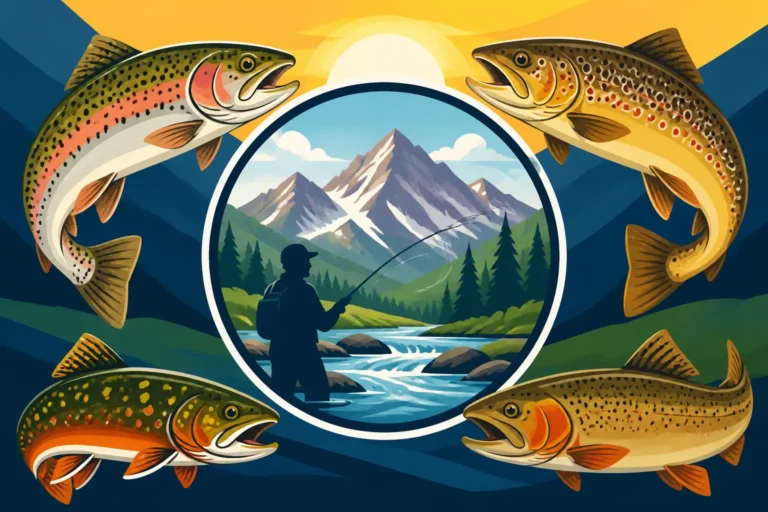
The vibrant reds and oranges of fall in Colorado aren't just for the aspen leaves; they also signal a breathtaking natural event that every angler dreams of witnessing: the annual kokanee salmon spawning runs. It can be frustrating trying to figure out exactly when and where these elusive fish make their dramatic migration, especially with all the regulations involved. This guide will walk you through everything you need to know about Colorado's kokanee salmon spawning runs, from their incredible journey to how you can responsibly experience this autumn spectacle.
Understanding the Kokanee Salmon Life Cycle in Colorado
Before we dive into the excitement of the spawning run itself, it's really helpful to understand the life cycle of these incredible fish. Kokanee salmon are actually landlocked sockeye salmon, meaning they complete their entire life cycle in fresh water, never venturing to the ocean. In Colorado, they thrive in our cold, deep reservoirs, but they still retain that powerful instinct to return to specific shallow areas or tributary streams to reproduce, just like their ocean-going cousins.
From Egg to Spawning Adult: The Kokanee Journey
A kokanee's life begins in the gravel beds of a stream or shallow reservoir. Once the eggs hatch in early spring, the tiny fry emerge and spend a short time in these sheltered environments before heading out to the open waters of the reservoir. For the next three to four years, these young kokanee will grow, feeding primarily on zooplankton, those microscopic organisms that are so abundant in our mountain lakes. They'll spend their lives schooling, navigating the vast depths of places like Blue Mesa Reservoir, growing larger and stronger with each passing season.
During these growth years, the kokanee are silver-sided, sleek, and fast, making them a prized catch for anglers targeting them in the open water. They are excellent table fare, firm and flavorful. But as their final year approaches, a profound transformation begins to occur. This transition from a silvery, plankton-eating fish to a vibrant, spawning adult is one of nature's most dramatic displays, driven by an ancient biological clock. To really grasp this, it helps to understand the full Kokanee Salmon Life Cycle in Colorado.
The Urge to Spawn: What Drives Kokanee Migration
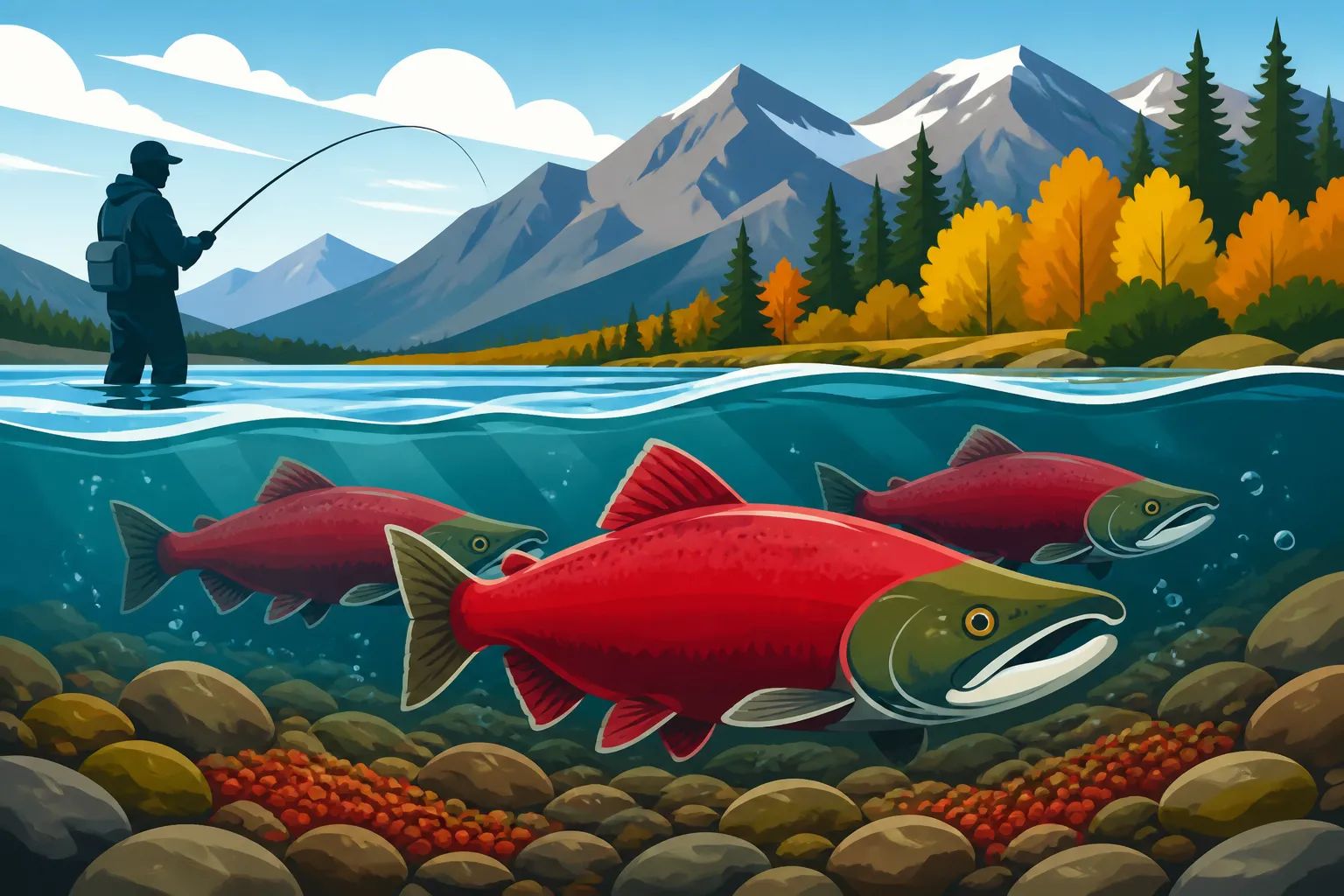
The powerful, instinctual urge to spawn is an incredible force in the natural world, and for kokanee salmon, it's their one and only shot at perpetuating their species. As late summer gives way to fall, typically around August or September, the hormonal changes in kokanee trigger a dramatic physical and behavioral shift. Their bodies begin to morph; males develop a hooked jaw (a "kype") and a humped back, while both sexes take on that iconic brilliant red and orange coloration, with green heads. This transformation is specifically covered in detail in Why Kokanee Salmon Turn Red Before Spawning.
This isn't just for show; these changes are crucial for attracting mates and for defending their chosen spawning grounds. Driven by instinct, they cease feeding, their digestive systems begin to shut down, and all their remaining energy is channeled into their arduous journey. They'll leave the deep, cool waters of the reservoirs and begin their migration, often swimming against strong currents, toward the shallow spawning grounds where they themselves were born. It's a race against time, a final, monumental effort to ensure the next generation.
When and Where to Witness Colorado's Kokanee Spawning Runs
Experiencing a kokanee salmon spawning run is truly a highlight of fall fishing in Colorado. The sheer numbers of fish, their vibrant colors, and the raw energy of their migration are unforgettable. Knowing when and where to go is key, but remember, timing can vary slightly each year based on water temperatures and flows.
The Autumn Spectacle: Timing the Runs
Generally, kokanee salmon begin their spawning runs in Colorado as the water temperatures in the reservoirs and tributary streams start to cool down significantly, typically starting in late August and peaking throughout September and October. In some higher-elevation lakes, you might even see early signs in mid-August. The peak of the activity, when the fish are at their reddest and most numerous, usually falls in the middle of this window, around mid-September to early October. However, the exact timing can shift depending on the specific body of water and the weather patterns that year.
It's a finite window, too. Once the fish have spawned, their life cycle is complete, and they die shortly after, having expended all their energy. This means that by late October or early November, the runs are usually over, and the spawned-out fish begin to decay, providing nutrients back to the ecosystem. If you're planning a trip specifically to see this, it's always a good idea to check local fishing reports or contact Colorado Parks and Wildlife (CPW) offices for the most current conditions and timing. For broader context on how fishing changes this time of year, check out Fall Fishing in Colorado, What Changes.
Prime Spawning Locations: Colorado's Key Reservoirs and Inflows
Colorado is home to several fantastic kokanee fisheries, and during the spawning season, the inflow streams and shallow coves of these reservoirs become the stage for the dramatic runs. The most famous and prolific kokanee spawning run in Colorado is undoubtedly at Blue Mesa Reservoir, near Gunnison. Thousands upon thousands of kokanee migrate into the reservoir's tributaries, with the Gunnison River itself being a primary destination. This is such a popular spot that specific access points and viewing areas are often established.
Beyond Blue Mesa, other major kokanee waters that see significant spawning runs include:
- Shadow Mountain Reservoir and Grand Lake: These interconnected lakes near Rocky Mountain National Park are well-known for their kokanee populations, with fish moving into tributary streams like the Colorado River headwaters.
- McPhee Reservoir: Located in Southwest Colorado, McPhee also hosts strong kokanee runs in its feeder creeks.
- Eleven Mile Reservoir: While known for its trophy trout, Eleven Mile also has kokanee that stage and run into the South Platte River arm.
- Green Mountain Reservoir: In Summit County, Green Mountain sees kokanee moving into its tributary streams.
Each of these locations offers a slightly different experience, but the common thread is the incredible spectacle of these determined fish. When planning your visit, it’s beneficial to know Where Kokanee Salmon Spawn Near Blue Mesa for a detailed breakdown of that specific location, but remember to research regulations for any specific area you intend to visit.
Here's a quick overview of some top kokanee spawning locations:
| Reservoir Name | Primary Spawning Month(s) | Typical Spawning Location | Notes |
|---|---|---|---|
| Blue Mesa Reservoir | September – October | Gunnison River (upstream), Cebolla Creek | Most famous run, significant numbers, viewing areas often established. |
| Shadow Mountain/Grand Lake | September – October | Colorado River headwaters, other inlets | Scenic high-country setting, good numbers. |
| McPhee Reservoir | September – October | Dolores River tributaries | Southwest Colorado option, less crowded than Blue Mesa. |
| Eleven Mile Reservoir | September – October | South Platte River arm | Known for trophy trout, but kokanee also make a strong showing. |
| Green Mountain Reservoir | September – October | Blue River tributaries | Good option for those in Summit County. |
Identifying Spawning Kokanee: The Red Fish Phenomenon
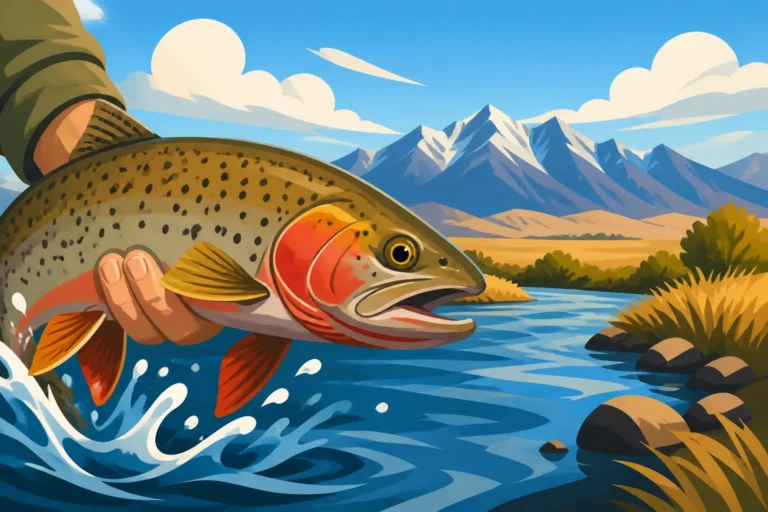
When kokanee salmon embark on their spawning journey, they undergo one of the most remarkable transformations in the fish world. The sleek, silvery fish you might catch earlier in the season become vibrant, almost surreal, crimson creatures. This dramatic change in coloration is a key indicator that you're witnessing fish actively engaged in their final life stage. Males typically exhibit deeper reds and a more pronounced hooked jaw (kype), along with a humped back, making them quite distinct. Females also turn red, though often a slightly less intense shade, and develop a more rounded appearance as they carry their eggs.
Their behavior also changes significantly. Instead of schooling in open water, they'll be seen actively finning, digging redds (nests) in the gravelly bottoms of streams or shallow lake areas, and fiercely defending their territory from other kokanee. This is a crucial time for them, and observing them can be a privilege. It's important to remember that during this period, their flesh deteriorates rapidly, becoming soft and mushy as all their energy is diverted to reproduction. They are no longer feeding, and while they might strike out of aggression or instinct, they aren't truly interested in eating. This is why many anglers shift their focus from catching to observing during the peak of the run.
Fishing for Kokanee During the Spawning Season: Rules and Ethics
Fishing for kokanee salmon, especially during their spawning runs, comes with unique opportunities and responsibilities. Colorado Parks and Wildlife (CPW) has specific regulations in place to manage these runs and ensure the long-term health of the fishery. Understanding and respecting these rules, as well as practicing ethical angling, is paramount.
Regulations on Spawning Kokanee: What You Need to Know
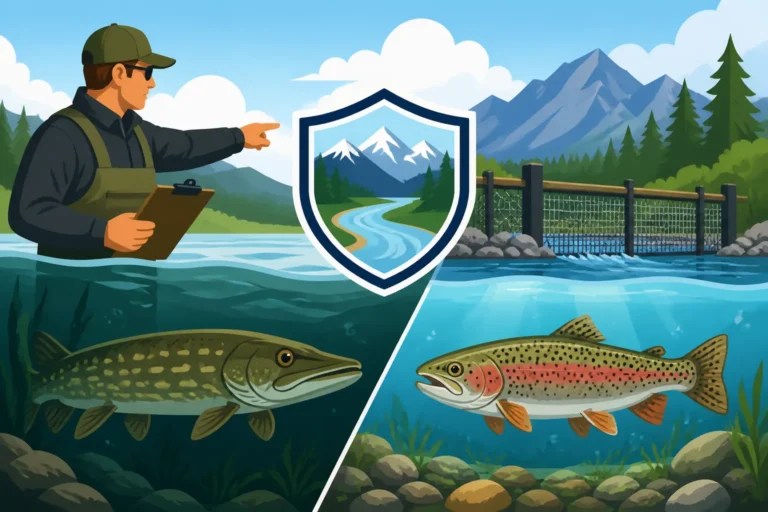
The most critical regulation to be aware of during kokanee spawning runs revolves around snagging. While snagging (the act of intentionally hooking a fish anywhere other than its mouth) is generally prohibited for most species, Colorado often has specific seasons and locations where it is permitted for kokanee salmon. This is typically done to manage overpopulation in certain areas, as the fish will die after spawning anyway. However, these snagging seasons are highly specific to certain waters, and they don't last long. It is absolutely vital to check the current Colorado Fishing Regulations Every Angler Should Know and the specific regulations for the body of water you intend to fish before you head out.
For example, on Blue Mesa Reservoir, there are often designated areas and dates where snagging kokanee is allowed, while other areas or dates may prohibit it entirely, or only allow traditional angling. Bag and possession limits are also typically very generous during these snagging seasons to encourage harvest, but they are still in place. You might find a daily limit of ten kokanee, with a possession limit of twenty, but these numbers can change. Always consult the official CPW brochure or website. Missing this crucial step could lead to fines and a ruined fishing trip. To understand limits better, refer to Colorado Bag and Possession Limits by Species and Colorado's Daily Kokanee Salmon Limit at Blue Mesa.
Ethical Angling Practices During the Spawning Run
Even if snagging is legal, ethical considerations should always guide your actions. Spawning fish are under immense stress and are at their most vulnerable. If you are traditional angling (using a lure or fly in the mouth), try to avoid repeatedly casting at fish actively engaged in spawning on a redd. These fish are focused on reproduction, and disturbing them can impact the success of the spawn. If you do catch a fish that isn't legal to keep or you wish to release it, handle it as gently and quickly as possible to minimize stress.
When snagging is permitted, be mindful of your surroundings and other anglers. Snagging can be a very active, sometimes chaotic, form of fishing, and courtesy goes a long way. Always be aware of your back-cast and avoid overcrowding. The goal, even when snagging, should be responsible harvesting, not just catching for the sake of it. Remember, these fish have completed their life journey, and harvesting them after they spawn helps to recycle nutrients and make room for the next generation. It's a unique aspect of Kokanee Salmon Fishing in Colorado, and understanding the specific rules for your intended fishing location, like Can You Snag Kokanee During Their Spawning Run?, is paramount.
Catch-and-Release vs. Harvest: Making Responsible Choices
During the spawning run, the question of catch-and-release versus harvest often comes up. For kokanee salmon, this decision is a bit different than for other trout species. Once kokanee begin their spawning run and undergo their physiological changes, their flesh quality rapidly declines. They stop feeding, and their bodies prioritize reproduction, leading to softer, paler meat that many anglers find less desirable for eating.
Therefore, for peak table fare, kokanee are best caught in the summer months before their spawning run begins. If you are traditional angling during the spawning run, it's generally recommended to release any fish you do not intend to keep for consumption, with extreme care. However, if snagging is legal and you're participating, the intent is usually to harvest these fish, as they are at the end of their life cycle. CPW encourages the harvest of these fish during designated snagging seasons to prevent their decaying bodies from fouling the water and to benefit wildlife scavengers. The key is to be informed by the regulations and make responsible choices based on your goals and the condition of the fish. Always refer to the official Colorado Fishing Season Dates and Bag Limits for specific guidance.
Preparing for a Kokanee Spawning Run Trip
A trip to witness or participate in a kokanee spawning run is an exciting fall adventure. However, like any outdoor excursion, a little preparation goes a long way in ensuring a safe, enjoyable, and successful experience.
Essential Gear for Targeting Spawning Kokanee
If you're heading out to fish during a kokanee spawning run, your gear will depend heavily on whether you're targeting them via traditional methods (where legal) or participating in a designated snagging season.
For Traditional Angling (if permitted):
- Rod and Reel: A medium-light to medium-action spinning rod with a sensitive tip, paired with a reliable spinning reel spooled with 6-8 lb monofilament or fluorocarbon.
- Lures/Flies: Small spoons, spinners (like Dick Nites or Kastmasters), or bright, aggressive fly patterns (such as San Juan Worms, egg patterns, or small streamers) can sometimes entice a strike out of aggression.
- Leader/Tippet: Using a fluorocarbon leader can be beneficial for its invisibility and abrasion resistance.
For Snagging (if permitted):
- Heavy Rod and Reel: A stout, heavy-action rod (think catfish or salmon spinning rods) paired with a large, strong spinning or baitcasting reel is essential. You'll be battling strong currents and heavy fish.
- Heavy Line: 20-30 lb monofilament or braided line is typically used to prevent break-offs and handle the force of snagging.
- Heavy Treble Hooks: Large, weighted treble hooks are the primary "lure" for snagging. These are often tied directly to the main line, sometimes with an added weight or sinker to get them down quickly.
- Gloves: Handling large, aggressive, and sometimes slimy fish can be tough on the hands. Work gloves or fish handling gloves are a good idea.
- Net/Gaff: A large landing net is crucial for landing fish quickly and safely. Some anglers prefer a gaff for snagged fish they intend to harvest, but check local regulations as gaff use can be restricted.
Regardless of your method, consider bringing polarized sunglasses to help spot fish in the water, a pair of waders if you plan to enter the stream, and a good cooler with ice to preserve any harvested fish. You can find many of these items readily available on Amazon, often with detailed reviews to help you pick the right gear for your budget and needs.
Safety Considerations During Fall Fishing
Fall fishing, especially around spawning runs, presents some unique safety challenges.
- Cold Water: Mountain water temperatures in the fall can be brutally cold. If you plan to wade, investing in good quality waders and proper layering is a must. A fall into frigid water can quickly lead to hypothermia.
- Slippery Rocks: Spawning streams can have extremely slick, algae-covered rocks. Felt-soled wading boots or boots with good gripping soles (and perhaps studs) are highly recommended. A wading staff can also provide crucial stability.
- Crowds: Popular spawning locations, especially during peak season or designated snagging periods, can become very crowded. Be aware of other anglers, their casting space, and general etiquette to avoid accidents.
- Wildlife: While focused on fish, remember you are in wildlife territory. Bears, eagles, and other scavengers are often drawn to the decaying salmon. Be bear aware, carry bear spray if recommended for the area, and never approach or feed wild animals.
- Weather: Fall weather in Colorado is unpredictable. Sunny mornings can quickly turn into snowy afternoons. Dress in layers, carry rain gear, and keep an eye on the forecast.
- Physical Exertion: Hiking to remote spawning areas or battling strong currents can be physically demanding. Be honest about your fitness level and don't push yourself beyond your limits.
Always tell someone where you're going and when you expect to return. Being prepared for emergencies with a first-aid kit, extra food and water, and a charged phone is always smart.
Respecting Wildlife and Their Habitat
Observing the kokanee spawning run is a privilege, and it comes with the responsibility to minimize your impact on the fish and their environment.
- Stay Out of Redds: When wading, be extremely careful to avoid disturbing redds, which are the depressions in the gravel where fish lay their eggs. Stepping on redds can destroy future generations of fish.
- Minimize Disturbances: Keep noise and sudden movements to a minimum, especially if you're primarily there to observe.
- Pack It In, Pack It Out: Leave no trace. Take all your trash, including fishing line and bait containers, with you.
- Observe from a Distance: Give the spawning fish plenty of space. Do not harass or chase them. If you're snagging, ensure you're in a designated area and following all rules.
- Understand the "Why": These fish are at the culmination of their life cycle. Their purpose now is solely to reproduce. Respect that.
By following these simple guidelines, you help ensure that future generations of anglers and nature enthusiasts can continue to enjoy Colorado's magnificent kokanee salmon runs. For a comprehensive guide on all regulations, always consult Reading Colorado's Fishing Regulations Brochure before your trip.
Beyond the Spawning Run: The Future of Kokanee in Colorado
The spawning run is a powerful display, but it’s just one chapter in the larger story of kokanee salmon in Colorado. Their continued presence in our waters relies heavily on careful management and ongoing conservation efforts.
The Role of Hatcheries and Conservation Efforts
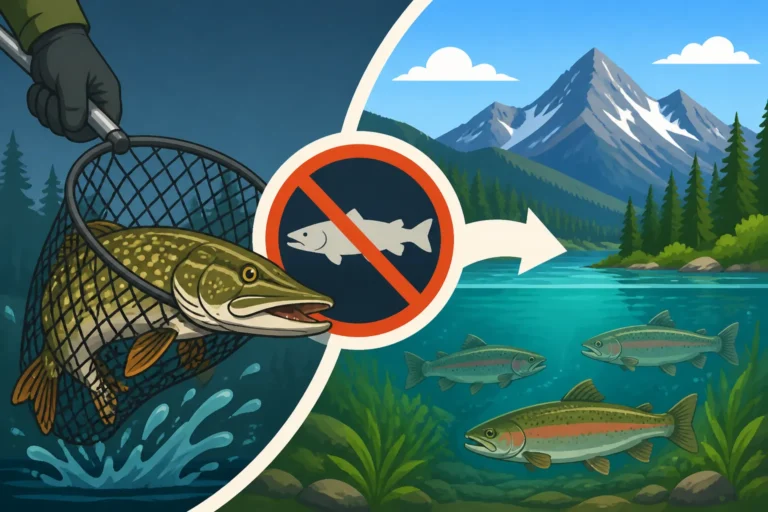
Because kokanee salmon die after spawning, maintaining healthy populations in landlocked environments requires a strategic approach. Colorado Parks and Wildlife plays a vital role in this through extensive hatchery programs. CPW collects eggs and milt from spawning kokanee, raises the young fish in hatcheries, and then stocks them into reservoirs across the state. This ensures a consistent supply of kokanee for both sport fishing and for future spawning runs, supplementing natural reproduction which can sometimes be limited or impacted by environmental factors.
These efforts are critical, especially given the challenges that can arise, such as drought, fluctuating water levels, and predation. CPW continually monitors kokanee populations, adjusts stocking schedules, and implements specific regulations to protect this valuable resource. The careful balance between providing angling opportunities and ensuring sustainable fish populations is a testament to dedicated conservation work. This proactive management is a major reason why Kokanee Salmon Fishing in Colorado remains a viable and exciting endeavor.
Enjoying Kokanee Year-Round in Colorado
While the fall spawning runs are a spectacular event, kokanee salmon offer angling opportunities throughout much of the year in Colorado's deep reservoirs.
- Spring/Early Summer: After ice-out, kokanee will often be found shallower, feeding aggressively on zooplankton, making them accessible to trolling anglers.
- Mid-Summer: As water temperatures rise, kokanee typically move to deeper, cooler waters. This is when downriggers and specialized trolling techniques become essential for reaching them. This is also often when they are at their prime for eating, with firm, flavorful meat. You can find specialized kokanee tackle, including downriggers and specific lures, on Amazon.
- Ice Fishing: Many of Colorado's kokanee reservoirs freeze over, providing fantastic ice fishing opportunities. Anglers target kokanee by jigging with small spoons or glow-in-the-dark lures, often tipped with corn or mealworms.
No matter the season, the key to successful kokanee fishing is understanding their behavior and habitat. Whether you're trolling the open water in July or witnessing the dramatic redds in October, kokanee salmon are a cherished part of Colorado's diverse fishing landscape. Remember to always consult the current CPW regulations, which you can usually find through an online search or by downloading the official brochure. Learning to properly read and interpret these regulations, as discussed in Reading Colorado's Fishing Regulations Brochure, will empower you to fish responsibly and legally.
Disclaimer
This article is for general informational purposes only and does not constitute professional advice. Laws, prices and regulations vary by location and change over time. Consult a qualified professional for guidance on your specific situation.