Where Kokanee Salmon Spawn Near Blue Mesa
For many anglers in Colorado, the annual kokanee salmon spawn is a bucket-list event. It's a truly spectacular display of nature, but trying to figure out exactly where these vibrant red fish decide to gather and fulfill their life's purpose, especially around a massive body of water like Blue Mesa Reservoir, can feel like searching for a needle in a haystack. This guide is here to shed light on those secret (and not-so-secret) spawning grounds near Blue Mesa, helping you understand the migration and respectfully witness one of Colorado's most incredible fishing phenomena.
Understanding the Kokanee Spawning Run
Kokanee salmon, landlocked sockeye salmon, spend most of their lives growing fat and silver in the deep, cold waters of reservoirs like Blue Mesa. But come late summer and fall, a powerful instinct takes over, driving them from the open water into the shallower tributaries to reproduce. This transformation is dramatic, both in appearance and behavior, and understanding it is key to locating them.
The Annual Migration
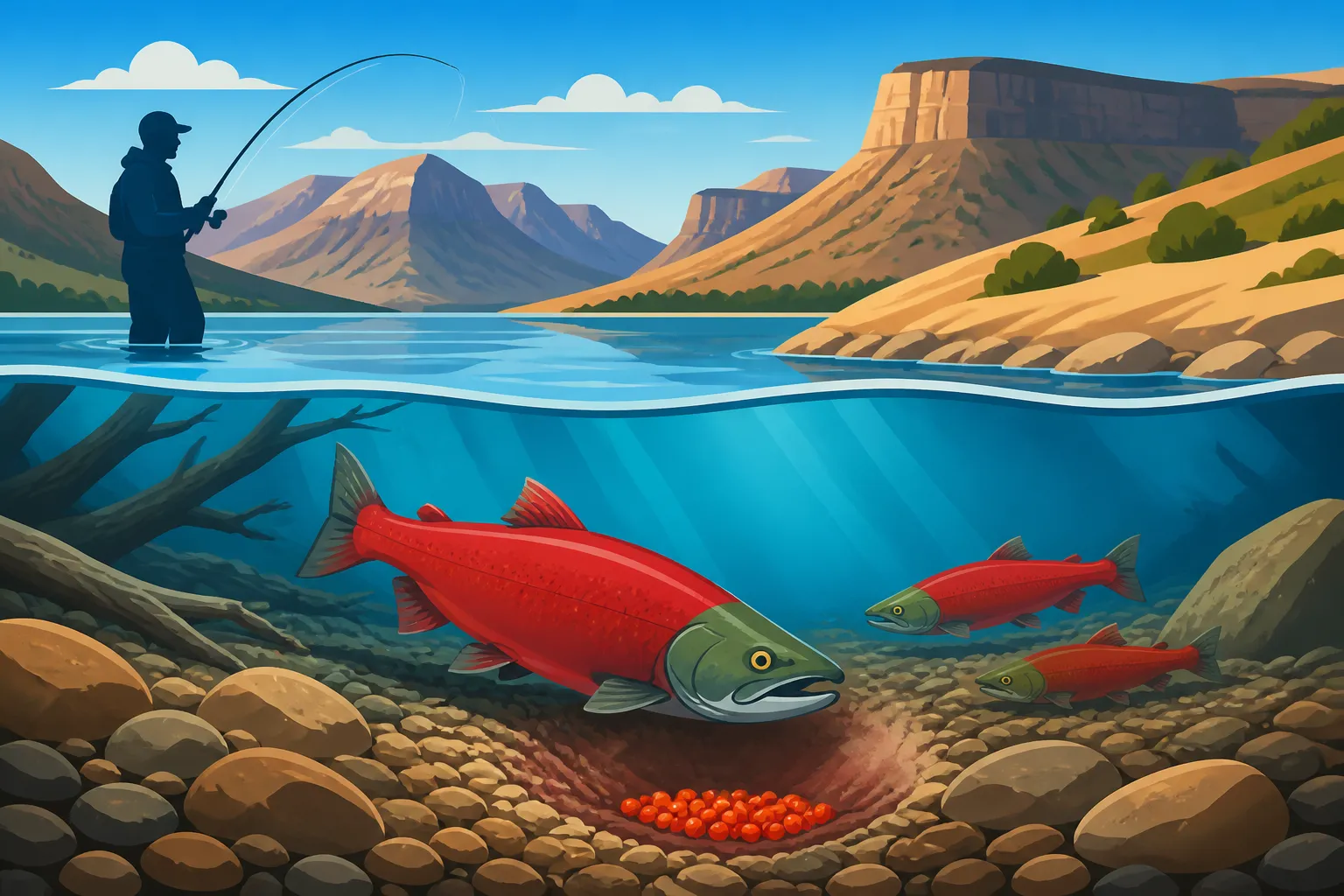
Imagine spending your whole life in the vast, open expanse of a massive lake, only to suddenly feel an undeniable urge to swim upstream, against the current, into smaller, rockier waters. That's the kokanee salmon's journey. They migrate from the main body of Blue Mesa Reservoir into the rivers and streams that feed it, seeking out specific gravel beds with flowing, oxygenated water. This is where they'll create their redds (nests) and deposit their eggs. It's a one-way trip, as these fish will eventually die after spawning, completing their life cycle. This natural event is a testament to the incredible resilience and drive of these fish.
Timing is Everything
Knowing when to look for spawning kokanee is just as crucial as knowing where. While the exact timing can fluctuate slightly each year based on water temperatures, rainfall, and overall weather patterns, the kokanee salmon run in Colorado typically kicks off in late August and can continue strong through September, often extending into October. The peak usually hits in mid-September when water temperatures in the rivers begin to cool, signaling to the salmon that it's prime time. If you're planning a trip specifically to witness this, keep an eye on local fishing reports and the Colorado Fishing Season Dates and Bag Limits for Blue Mesa. You'll often see the first signs of fish staging near the river inlets before they make their final push upstream.
Prime Spawning Locations Near Blue Mesa
Blue Mesa Reservoir, being Colorado's largest body of water, is fed by several significant rivers and countless smaller tributaries. Not all of them offer ideal spawning conditions, but a few stand out as consistent hotspots where the kokanee salmon gather in impressive numbers.
The Gunnison River Inlet
Without a doubt, the most famous and prolific kokanee salmon spawning ground associated with Blue Mesa Reservoir is the Gunnison River inlet. This is the primary river feeding into Blue Mesa, and its lower stretches, particularly where it enters the lake, become absolutely packed with spawning kokanee. Anglers and wildlife watchers alike flock to this area to see the spectacle. The fish push upstream from the reservoir into the main channel of the Gunnison, turning brilliant shades of red and developing their distinctive humped backs and hooked jaws as they prepare to spawn. Access points along the Gunnison, especially near the towns of Sapinero and the areas just upstream from the reservoir's upper reaches, are often teeming with activity during the peak of the run. You'll find plenty of spots to observe, but remember to respect private property and fellow anglers. Fishing Colorado's Blue Mesa Reservoir is an excellent resource for general information about this amazing body of water.
East River and Slate River
While the Gunnison River itself is the main highway for spawning kokanee into Blue Mesa, its major tributaries also play a significant role. The East River and Slate River, both of which flow into the Gunnison River upstream of the reservoir, are also crucial spawning grounds. Kokanee that make it up the Gunnison will then disperse into these feeder rivers. The Slate River, known for its scenic beauty near Crested Butte, and the East River, which runs past Almont, both offer ideal gravel beds for kokanee to lay their eggs. These areas might not see the same concentrated numbers as the very mouth of the Gunnison into Blue Mesa, but they offer more intimate, often less crowded, opportunities to observe the fish. Anglers often find success here using smaller tackle as the fish are more spread out.
Small Tributaries and Coves
Beyond the main river systems, many smaller, unnamed creeks and coves around the perimeter of Blue Mesa Reservoir can also host spawning kokanee. While not as large or predictable as the major river runs, these smaller, often shallower, areas provide alternative spawning grounds, especially for fish that might not venture far up the main rivers. Look for areas with clear, flowing water and fine gravel or rocky bottoms. These spots are typically less accessible and require more exploration, but they can offer unique opportunities for solitude and observation away from the crowds. During exceptionally high water years, some of these lesser-known spots might see increased activity. Don't forget to review Colorado Fishing Regulations Every Angler Should Know before heading out, no matter how small the stream.
Here's a quick overview of primary kokanee spawning zones around Blue Mesa:
| Spawning Location | Primary Water Body | Characteristics | Peak Timing |
|---|---|---|---|
| Gunnison River Inlet | Gunnison River | High concentration, easily accessible, popular | Mid-September |
| East River | Gunnison River Tributary | Good numbers, upstream, often less crowded | Late September |
| Slate River | Gunnison River Tributary | Scenic, smaller runs, good for walk-wade | Late September |
| Smaller Coves/Tributaries | Blue Mesa Reservoir | Variable, often shallower, less predictable | Late Aug – Mid-Oct |
What to Expect and How to Approach Spawning Kokanee
Fishing for spawning kokanee is a unique experience. While their primary focus is reproduction, they can still be caught. However, ethical considerations are paramount during this sensitive time. It's crucial to understand their behavior and how to approach them respectfully.
Visual Cues of Spawning Fish
When kokanee salmon enter the spawning phase, they undergo a striking physical transformation. Their bodies turn a brilliant, fiery red, especially the males, who also develop a distinct hump on their backs and an exaggerated, hooked jaw (kype). Their fins may darken, and their overall appearance becomes much more aggressive and territorial. These visual cues are your first indication that you've found spawning fish. You'll often see them actively fanning their tails over gravel beds, creating and defending their redds. Witnessing hundreds of these vibrant red fish pushing upstream is an unforgettable sight. You might even want to pack some good binoculars, which you can find on Amazon, to get a closer look without disturbing them.
Gear and Techniques for Spawning Runs
Fishing for spawning kokanee is less about finesse and more about getting a reaction strike. Since they're not actively feeding, traditional lures might not be as effective. Instead, anglers often use brightly colored jigs, flies, or specialized spoons designed to irritate or trigger an aggressive response. Think pink, red, orange, or chartreuse. Small jigs tipped with corn or a piece of Berkley PowerBait are popular choices. Fly anglers might use egg patterns, San Juan Worms, or bright streamers. When you're trying to figure out "how deep to troll for kokanee at Blue Mesa" during other seasons, it's a completely different ballgame than fishing for these spawning fish in the river.
Remember, the goal isn't necessarily to trick them into feeding, but rather to elicit a strike from a territorial fish. Short, sharp jerks or drifts through active spawning beds can sometimes provoke a response. However, it's important to reiterate: direct snagging of fish is illegal in Colorado. Your presentation must still involve the fish striking and taking the lure or fly voluntarily. A good pair of polarized sunglasses, available on Amazon, will greatly aid in spotting these fish in the water.
Navigating Crowds and Etiquette
Because the kokanee spawning run is such a popular event, expect company, especially on weekends at well-known access points along the Gunnison River. Patience and courtesy are essential. Give fellow anglers space, avoid wading directly through active spawning beds, and if you see someone hooked up, give them plenty of room to land their fish. It's a fantastic time for community, sharing stories and tips, but it requires everyone to be mindful. Always be prepared for varying weather conditions; a durable rain jacket, which you can quickly order from Amazon, is a wise addition to your pack. This is also why knowing Where to Buy a Colorado Fishing License in Person or online is critical before you even head out.
Conservation and Responsible Angling
The kokanee salmon spawn is a fragile event. While thrilling to witness and participate in, responsible angling and strict adherence to regulations are crucial to protect these fish and ensure future runs.
Protecting Spawning Beds
Spawning beds, or redds, are depressions in the gravel where female kokanee lay their eggs. These areas are vital for the perpetuation of the species. When you're wading or walking along riverbanks, always be mindful of where you step. Avoid disturbing visible redds (which often look like clean, oval-shaped patches of gravel surrounded by darker, undisturbed riverbed) and refrain from wading directly through areas where fish are actively spawning. This not only protects the eggs but also minimizes stress on the already vulnerable adult fish. It's about preserving the future of the fishery for everyone. What Catch-and-Release Only Means on Colorado Water is a good read if you are interested in broader conservation efforts.
Colorado's Regulations and Limits
Colorado Parks and Wildlife (CPW) implements specific regulations to manage the kokanee fishery, especially during the spawning run. It is absolutely critical to familiarize yourself with these rules before you go. The most important regulation for spawning kokanee is often the bag and possession limit, which can be quite generous in certain waters to encourage harvest and help manage populations, as these fish are going to die anyway after spawning. However, there are strict rules against snagging (foul hooking) fish. You must still entice the fish to bite your lure or fly. Always carry your Colorado Fishing Regulations Every Angler Should Know brochure (or have it accessible on your phone) and your Colorado Fishing License Guide for Residents and Nonresidents. For Blue Mesa, specifically, you'll want to check Colorado's Daily Kokanee Salmon Limit at Blue Mesa as limits can change and be specific to certain bodies of water. Respecting these rules ensures that you're contributing to the health and sustainability of Colorado's incredible kokanee salmon fishery.
Disclaimer
This article is for general informational purposes only and does not constitute professional advice. Laws, prices and regulations vary by location and change over time. Consult a qualified professional for guidance on your specific situation.