Are Colorado’s Yellow Perch Good Eating Size?
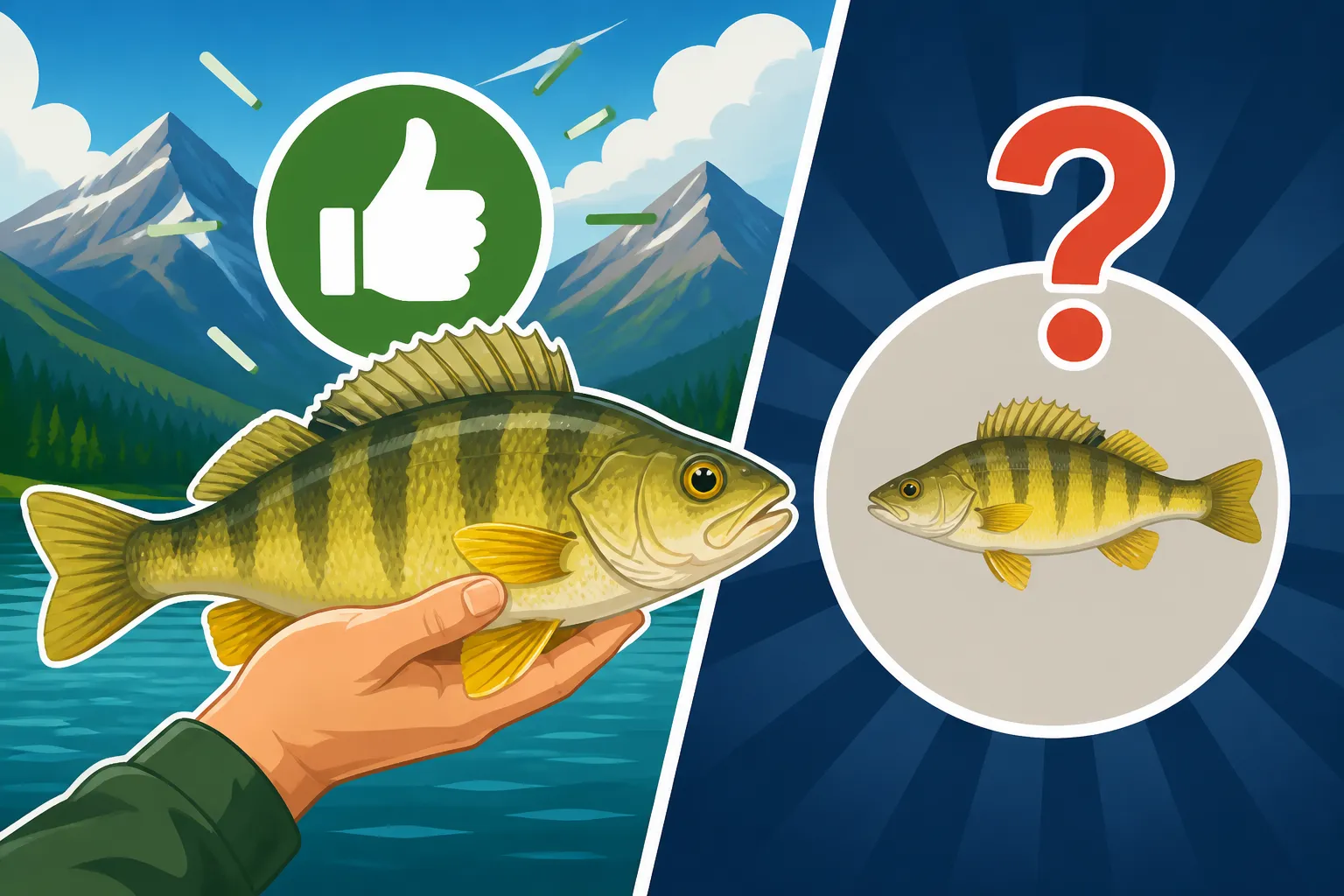
It's a question many Colorado anglers ponder when they reel in a beautiful, stripey yellow perch: is this little guy actually going to be worth the effort of filleting, or should I just let him go? The truth is, while Colorado perch might not always reach the gargantuan sizes found in some other parts of the country, there are absolutely waters and techniques that yield delicious, eating-sized yellow perch that are more than worth the trouble. This guide will walk you through what to expect from Colorado's perch, how to find the larger ones, and how to turn them into a fantastic meal.
The Reality of Yellow Perch in Colorado: Are They Worth the Plate?
Let's be honest, when you think of "trophy fish" in Colorado, yellow perch probably aren't the first species that comes to mind. We're often focused on our abundant trout, the feisty walleye, or perhaps the hard-fighting pike. But yellow perch are a fantastic, often overlooked, panfish resource that can provide incredible table fare, especially during the colder months when other species might be less active. The key is understanding what "eating size" really means for these fish in our high-altitude environment.
Many anglers might catch perch that are only 6-8 inches long and understandably think, "What's the point?" Filleting a fish that small feels like a lot of work for a very small piece of meat. However, once you start getting into perch that are 9-12 inches, you'll find they yield a surprisingly decent fillet, often firm and mild with a delicate flavor. And yes, Colorado does have waters where perch consistently reach these sizes, and sometimes even larger. It's not uncommon to pull 10-14 inch perch from the right reservoir, which provides a very satisfying amount of meat. So, to answer the question directly: yes, Colorado's yellow perch are absolutely good eating size, you just need to know where and how to find them.
Defining "Eating Size" for Yellow Perch
What constitutes an "eating size" yellow perch is really a matter of personal preference, but there's a general consensus among panfish enthusiasts. For most anglers, a yellow perch needs to be at least 8-9 inches long to make the filleting process feel worthwhile. At this length, you can usually extract a couple of decent strips of boneless, white meat from each side. Once you hit the 10-inch mark, you're looking at truly excellent fillets, and anything over a foot is a real bonus in Colorado.
The beauty of perch is that even the smaller ones, say 7 inches, can be incredibly delicious. Some folks prefer to just clean and cook them whole, leaving the skin on for an extra crispy bite. This can be a great option for a shore lunch when you have a good numbers of these smaller fish. However, if you're aiming for fillets, setting a minimum size of 9-10 inches will likely lead to a more satisfying experience at the cleaning table. This also encourages the smaller fish to grow and contribute to the population, which is a win-win for everyone.
The Delicacy of Yellow Perch Meat
Yellow perch are renowned for their delicate, flaky, and sweet white meat. It's often compared to walleye in terms of texture and flavor, though many find perch to be even milder. This makes them incredibly versatile in the kitchen, whether you're pan-frying, baking, or even air-frying. There's very little "fishy" taste, which makes them a favorite even among those who are sometimes hesitant about eating fish.
Because their meat is so lean and mild, it takes on flavors beautifully. A simple dredge in seasoned flour or cornmeal and a quick fry in butter or oil is all it takes to make a spectacular meal. The small, thin fillets cook quickly, making them a great option for a weeknight dinner. They don't require heavy sauces or complex preparations to shine, which is part of their appeal. If you're looking for a delicious and accessible fish to add to your culinary repertoire from Colorado's waters, the yellow perch is a fantastic choice, assuming you can find those eating-sized specimens.
What Makes a Perch Grow Big? Factors in Colorado Waters
Colorado's diverse aquatic environments play a huge role in how large yellow perch can grow. Unlike some warmer climates where perch might grow faster, our higher altitudes and colder water temperatures can slow growth rates. However, what we lack in speed, we often make up for in the quality of the fish from certain environments. Understanding these factors is key to finding those bigger, tastier perch.
Several ecological elements contribute to whether a body of water will produce consistently larger perch. It's not just about luck; it's about habitat, forage, and population dynamics. For the angler who is willing to do a bit of homework, identifying these ideal conditions can dramatically improve their success in targeting eating-sized fish. It can be frustrating to catch dozens of small fish, and this understanding helps avoid that common pitfall.
Forage Availability and Water Body Size
The saying "you are what you eat" definitely applies to fish, and yellow perch are no exception. Waters with an abundant and diverse forage base will naturally produce larger, healthier perch. In Colorado, this often means larger reservoirs that support healthy populations of smaller baitfish, aquatic insects, and even the eggs of other fish species. Perch are opportunistic feeders, and if there's a buffet available, they'll grow bigger.
Large reservoirs, like those on the Eastern Plains or some of the bigger bodies of water on the Front Range, often have the space and ecological diversity to support a thriving forage base. Think of places like Cherry Creek Reservoir, Chatfield Reservoir, or Pueblo Reservoir where there are extensive shallow flats, drop-offs, and varying depths that host a range of food items. These larger waters also tend to have more stable ecosystems that can sustain a good balance between predator and prey, allowing perch to reach their full potential. The sheer volume of water also means more room for fish to spread out and find food without intense competition.
Conversely, smaller ponds or lakes with limited food sources or those that are overstocked can lead to stunted perch populations. In these scenarios, there are too many mouths to feed, and fish struggle to put on size. This is a common issue with panfish, where dense populations mean smaller individual fish.
Water Temperature and Growing Seasons
Colorado's climate, with its distinct seasons and often cold water temperatures, impacts the growth rate of yellow perch. Fish are cold-blooded, meaning their metabolism is directly tied to the water temperature. In warmer waters, fish digest food and grow faster. Our short summers and long, cold winters mean a shorter "growing season" for many fish species, including perch. This is one reason why a 12-inch perch in Colorado might be older than a 12-inch perch caught in a more temperate state.
However, colder water also often translates to firmer, cleaner-tasting meat. Many anglers swear by ice-fishing for perch precisely because the cold water firms up the flesh and minimizes any "muddy" taste that can sometimes be associated with fish from warmer, stagnant waters. So while the growth might be slower, the quality of the product can be exceptional. When temperatures drop, perch become less active and may not feed as voraciously, but when they do bite, they're often packing on weight from nutrient-rich sources. This is especially true just before the ice forms and just after it melts.
Fishing Pressure and Population Dynamics
Fishing pressure can have a significant impact on the average size of fish in a particular water body. If a lake is heavily fished for perch, and anglers are regularly harvesting fish of all sizes, it can keep the average size down. This isn't necessarily a bad thing; it just means that the larger, older fish are less common. However, regulations on daily bag limits and possession limits, which you can read about in Colorado Bag and Possession Limits by Species, help to manage these populations sustainably.
Conversely, waters that are less accessible or have specific regulations designed to promote larger fish (though less common for panfish than for trout or walleye) can sometimes yield bigger specimens. Overpopulation can also lead to stunting. If a lake has an incredibly high density of yellow perch and not enough predators (like walleye or pike) to thin the herd, all the perch will compete for limited resources, resulting in a large number of small fish. This is a common challenge in some of Colorado's reservoirs, where perch might reproduce prolifically, leading to many, many 6-inch fish. The ideal scenario for eating-sized perch is a balanced ecosystem with a healthy predator-prey relationship and sufficient food.
Targeting Eating-Sized Perch: Where to Find Them Across Colorado
Okay, so we've established that Colorado has eating-sized perch. Now, where do you actually go to catch them? While you might find perch in many lakes and reservoirs across the state, certain types of waters and specific locations tend to yield larger fish more consistently. This requires a bit of research and sometimes a willingness to explore beyond the most obvious spots.
Successful perch fishing often means looking for habitat that provides cover, food, and ideal water temperatures. Perch are schooling fish, so once you find one, you're often in for a treat, pulling up several more. The trick is to find those schools of bigger fish, not just any school.
Larger Reservoirs and Lakes
As mentioned earlier, big reservoirs are often your best bet for larger yellow perch in Colorado. Think about the vastness of these waters—they offer a complex ecosystem that can support a robust population of various fish, including perch. Reservoirs like Blue Mesa Reservoir, for instance, are famous for their kokanee salmon and lake trout, but they also hold substantial perch populations. While Fishing Blue Mesa Reservoir for Kokanee Salmon might focus on different species, the same large body of water can offer fantastic perch opportunities. Other examples include Sterling Reservoir, Jackson Lake, and even some of the Front Range reservoirs like Chatfield and Cherry Creek, especially in their deeper sections.
These large bodies of water provide:
- Abundant Forage: From insects to smaller baitfish, large reservoirs usually have a diverse food chain.
- Varied Structure: Drop-offs, submerged humps, weed beds, old creek channels, and standing timber all provide excellent ambush points and cover for perch.
- Temperature Stratification: Deeper water allows perch to find their preferred temperature zones throughout the year, especially during warm summers or under the ice.
Focus your efforts on areas with structure transitions—where a flat meets a drop-off, or at the edges of submerged vegetation. These are prime feeding grounds for perch.
Ice Fishing Hotspots for Bigger Perch
If you're serious about catching eating-sized yellow perch in Colorado, you absolutely need to consider ice fishing. The winter months often provide the best opportunities for consistent action and larger fish. When the lakes freeze over, perch tend to school up in predictable patterns, making them easier to locate. Plus, the cold water really does make for firmer, tastier fillets. To get started, you might want to read Ice Fishing in Colorado, Getting Started.
Some of Colorado's best ice fishing lakes are known for their perch. While specifics can change year to year, places like Eleven Mile Reservoir, Spinney Mountain Reservoir, and Grand Lake (often for other species, but perch are there!) are popular. The key during ice fishing is to drill multiple holes and move around until you locate a school. Perch often hug the bottom or suspend just off it. Small jigs tipped with a mealworm, wax worm, or a small piece of shrimp are incredibly effective. A great resource for specific techniques would be Best Bait for Ice Fishing Perch in Colorado. Don't forget that you'll need to know Colorado Ice Fishing Rules before you head out.
Using the Colorado Fishing Atlas
One of the most valuable tools for any Colorado angler, especially when targeting a specific species like yellow perch, is the Colorado Fishing Atlas. This online resource provides detailed information on various water bodies across the state, including fish species present, stocking reports, and access points. While it won't tell you "go to this exact spot for a 12-inch perch," it will help you identify waters known to have yellow perch populations.
By cross-referencing this information with local reports (found through bait shops, online forums, or word-of-mouth), you can develop a strategy. Look for waters that consistently report good perch fishing, especially those with larger average sizes. The stocking reports might focus on trout, but understanding the overall health and management of a water body can give you clues about its perch potential. What Colorado's Fishing Atlas Shows You is an essential read for maximizing your planning.
From Water to Plate: Catching and Preparing Colorado's Yellow Perch
So, you've identified a promising body of water, you've geared up, and you're ready to hit the water. Catching yellow perch is generally straightforward, making them a fantastic target for anglers of all skill levels, especially beginners or families. The real reward, of course, comes when you take those eating-sized perch and turn them into a delicious meal.
Remember, responsible angling practices are crucial. Always be aware of Colorado Bag and Possession Limits by Species for perch (and all other species) in the waters you're fishing. Take only what you will eat, and release the rest gently.
Effective Techniques for Catching Perch
Yellow perch are not particularly finicky, which is part of their charm. Here are some reliable methods:
Light Tackle Spin Fishing
For open water, a light or ultralight spinning rod and reel combo is perfect. It allows you to feel the subtle bites of perch and makes fighting even a modest 10-inch fish enjoyable.
- Line: 4-6 pound test monofilament or fluorocarbon is usually sufficient.
- Lures: Small jigs (1/32 to 1/8 ounce) tipped with a small piece of bait (wax worm, mealworm, or a piece of nightcrawler) are deadly. Small spoons, inline spinners, and even tiny crankbaits can also work.
- Technique: Perch often hold near the bottom, so present your bait accordingly. Cast out, let your lure sink, and retrieve with a slow, jigging motion. Pay attention to structure like weed lines, drop-offs, and submerged timber.
Ice Fishing for Perch
This is often the most productive way to consistently catch larger perch in Colorado.
- Gear: A short, sensitive ice fishing rod, a small reel, and light line are essential. A flasher or fish finder (Best Sonar Settings for Locating Lake Trout also offers principles applicable to perch) can significantly increase your success by helping you locate schools of fish.
- Lures: Tiny tungsten jigs (often 1/16 to 1/8 ounce) are extremely popular, tipped with a live bait like a wax worm, or a soft plastic micro-grub. Deadsticking a minnow on a small hook under a bobber or a tip-up can also be very effective, especially for the more hesitant, larger fish.
- Technique: Drill multiple holes in promising areas (near drop-offs, humps, or old weed beds). Drop your lure to the bottom, then reel up a foot or two and gently jig. Perch often bite on the pause or on a very subtle lift. If you catch one, drop your lure back down immediately; there are usually more in the school.
You can find a wide array of jigs, soft plastics, and even ice fishing tip-ups on platforms like Amazon, making it easy to get geared up for your next outing.
Cleaning Your Catch
Once you have a cooler full of beautiful yellow perch, it's time to get them ready for the kitchen. Filleting perch is an art that gets easier with practice.
- Preparation: Have a sharp fillet knife, a sturdy cutting board, and a bowl of ice water ready for the fillets.
- Scale or Not: Some people scale perch and cook them with the skin on. For filleting, it's usually easier to remove the skin.
- Making the Cut:
- Lay the fish on its side. Make a diagonal cut behind the pectoral fin, down to the backbone. Don't cut through the backbone.
- Turn your knife blade flat against the backbone and cut along the top of the backbone, working from head to tail. You'll feel the ribs as you go.
- Once you reach the tail, don't cut all the way through; leave a small piece of skin connecting the fillet to the tail. This gives you something to hold onto for the next step.
- Flip the fillet over, skin-side down, still attached at the tail. Place your knife between the skin and the meat, near the tail. Hold the tail-end of the skin firmly, and carefully slide your knife along the skin, separating the meat from the skin.
- Repeat on the other side.
- Rib Cage Removal (Optional but Recommended): While filleting along the backbone often removes most of the ribs, you might have a small strip of rib bones remaining. You can carefully cut these out in a V-shape.
- Wash and Chill: Rinse your fillets thoroughly in cold water and place them immediately into an ice water bath to keep them firm and fresh until you're ready to cook.
Simple and Delicious Perch Recipes
The beauty of yellow perch is its mild flavor, which allows for simple preparations that highlight the fish itself.
Classic Pan-Fried Perch
This is the quintessential way to enjoy yellow perch, and for good reason—it's incredibly delicious and quick.
Ingredients:
- Yellow perch fillets
- All-purpose flour or cornmeal
- Seasoning (salt, black pepper, garlic powder, paprika, or your favorite fish seasoning blend)
- Butter or cooking oil (canola, vegetable, or a mix of butter and olive oil)
- Lemon wedges for serving
Instructions:
- Pat the perch fillets dry with paper towels. This helps the coating adhere better and ensures a crispier crust.
- In a shallow dish, combine the flour or cornmeal with your chosen seasonings.
- Dredge each fillet in the seasoned flour, shaking off any excess.
- Heat a generous amount of butter or oil in a large skillet over medium-high heat until shimmering.
- Carefully place the fillets in the hot pan, being careful not to overcrowd it. Cook for 2-4 minutes per side, depending on thickness, until golden brown and flaky.
- Serve immediately with fresh lemon wedges, a side of coleslaw, or perhaps some wild rice. It's truly one of the Best Eating Fish From Colorado Waters.
Baked Perch with Herbs
For a lighter option, baking is a fantastic choice.
Ingredients:
- Yellow perch fillets
- Olive oil
- Lemon juice
- Fresh herbs (dill, parsley, chives), finely chopped
- Salt and pepper
Instructions:
- Preheat your oven to 400°F (200°C). Lightly grease a baking sheet or line with parchment paper.
- Arrange the perch fillets on the prepared baking sheet.
- Drizzle generously with olive oil and lemon juice. Sprinkle with salt, pepper, and fresh herbs.
- Bake for 10-15 minutes, or until the fish is opaque and flakes easily with a fork. Cooking time will vary depending on the thickness of the fillets.
Yellow perch from Colorado's waters are a truly rewarding catch, both for the fight and for the plate. With a little knowledge of where to look and how to prepare them, you'll be enjoying these delicious panfish all season long.
Disclaimer
This article is for general informational purposes only and does not constitute professional advice. Laws, prices and regulations vary by location and change over time. Consult a qualified professional for guidance on your specific situation.