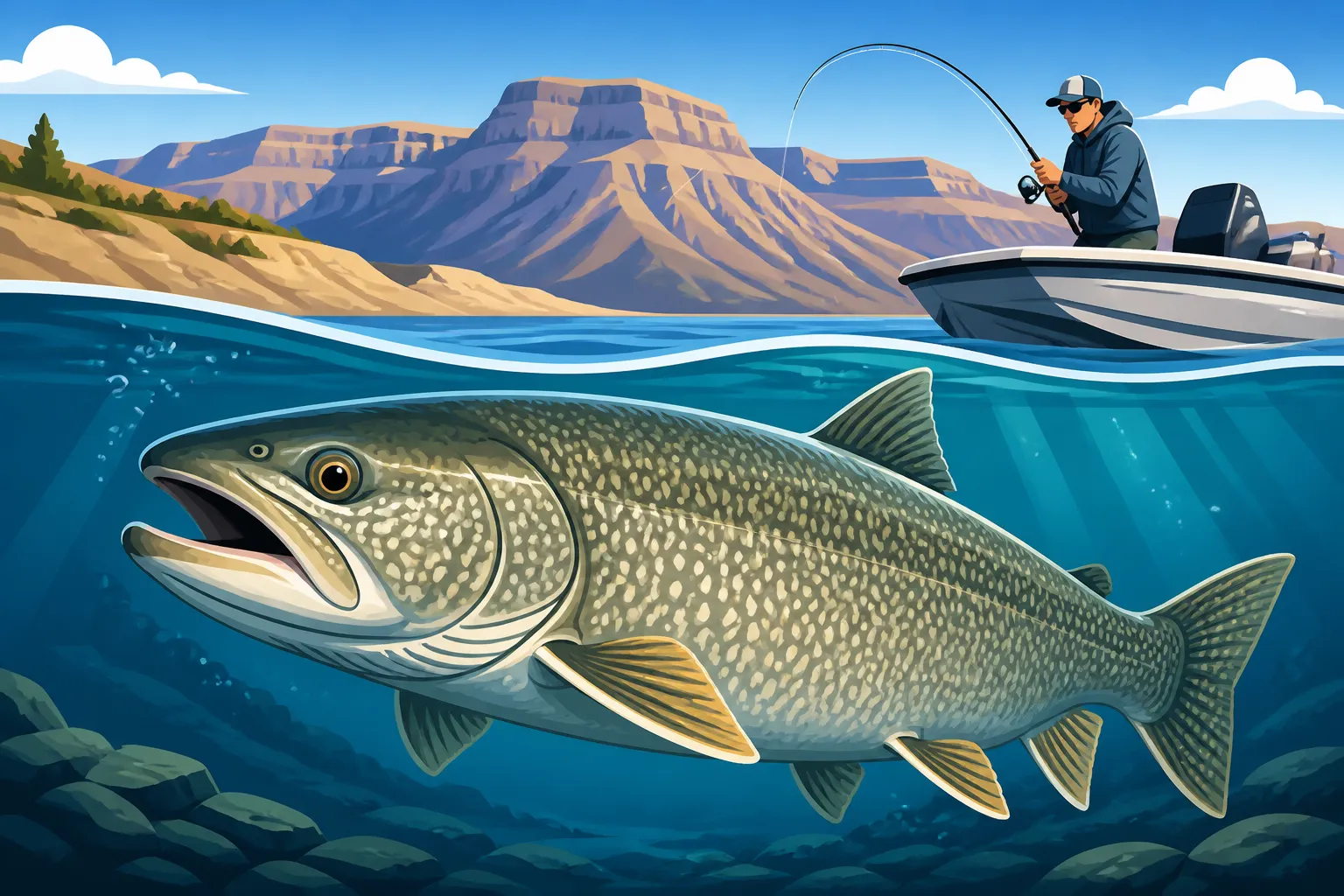
Why Blue Mesa Grows Such Large Lake Trout
If you've ever cast a line into Blue Mesa Reservoir, you know it's a special place, often whispered about in hushed tones among Colorado's serious anglers. But beyond its stunning beauty, there's a legend: the massive lake trout that call its depths home. It’s not just angler’s luck; there are very specific reasons why this particular reservoir consistently produces some of the biggest lake trout in the state, making it a dream destination for anyone hoping to tangle with a true trophy. This guide will dive deep into the unique conditions that contribute to Blue Mesa's reputation as a giant lake trout factory.
The Perfect Underwater Ecosystem: Deep, Cold, and Vast
Imagine a place where conditions are perpetually ideal for a cold-water predator, a sprawling underwater world with everything a growing fish could ever need. That's Blue Mesa Reservoir, and its sheer physical characteristics are the foundational reason why it cultivates such colossal lake trout.
A Natural Home for Cold-Water Giants
Lake trout, or 'lakers' as they're affectionately known, are true connoisseurs of the deep, cold, and oxygen-rich environments. They're not like your typical rainbow trout that happily cruise shallower waters; lakers demand the depths where temperatures remain consistently frigid, even in the heat of summer. Blue Mesa delivers on this front with impressive stats. As Colorado's largest body of water by surface area and boasting depths that plunge hundreds of feet, it creates a massive volume of prime cold-water habitat. This vast, deep real estate means lake trout don't have to compete excessively for their preferred temperature zones, leading to less stress and more energy directed towards growth.
The sheer size also means less angler pressure concentrated on any single area, allowing these fish to mature without constant disturbance. When you're out on Blue Mesa, you quickly realize how immense it is, and finding those deep, productive humps and drop-offs often requires a good sonar unit. Many experienced anglers invest in advanced fish finders, often researching and buying them on Amazon, to help pinpoint these elusive deepwater structures where lake trout congregate.
Abundant Structure and Shelter
Beyond just depth and cold water, Blue Mesa offers a wealth of underwater structure. The reservoir was formed by damming the Gunnison River, and underneath its expansive surface lies a complex submerged landscape of old river channels, steep ledges, rocky points, and underwater islands. These features aren't just pretty scenery; they're vital for lake trout survival and growth. Larger lake trout are apex predators, and they use these structures as ambush points to surprise prey or as safe havens to rest and digest.
Think about a massive old lake trout, perhaps one that's been eluding anglers for decades. It's not going to hang out in open water; it's going to find the steepest drop-offs, the deepest crevices, or the most intricate underwater brush piles where it can hide and conserve energy. This natural complexity provides endless opportunities for these fish to establish territories, find shelter from predators (though a mature lake trout in Blue Mesa has few natural predators other than humans), and effectively hunt. The more varied the habitat, the more varied the opportunities for fish to thrive and grow to exceptional sizes.
Blue Mesa's Unrivaled Forage Base: The Kokanee Effect
If deep, cold water is the house, then the food source is what turns that house into a five-star restaurant for lake trout. And for Blue Mesa, the menu is dominated by one incredibly important item: kokanee salmon. This abundant, high-fat prey is arguably the single biggest factor in why Blue Mesa’s lake trout attain such impressive dimensions.
The Kokanee Salmon Buffet
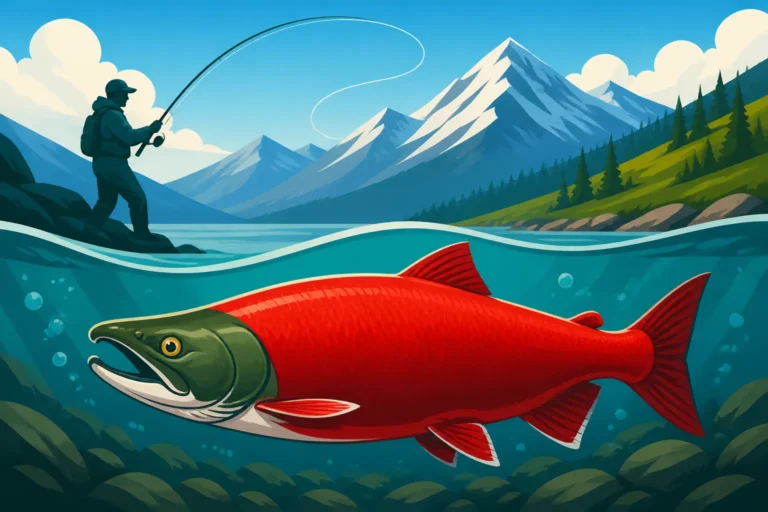
Kokanee salmon are a landlocked sockeye salmon, and they represent a biological anomaly in many Colorado reservoirs. These bright red fish are delicious and a blast to catch for anglers, but for Blue Mesa's lake trout, they are pure protein and fat in a convenient, easy-to-catch package. Blue Mesa hosts one of Colorado's most robust kokanee populations, with millions of these silver-sided fish swimming its waters. This immense biomass provides an almost inexhaustible food supply for the lake trout.
The life cycle of the Kokanee Salmon Life Cycle in Colorado is perfectly timed to fuel the lake trout. Kokanee are pelagic, meaning they swim in the open water column, making them accessible prey. Lake trout are opportunistic predators, and a school of kokanee is like a moving buffet. The high fat content of kokanee is particularly crucial for lake trout, providing the necessary energy reserves to sustain their large bodies and fuel their growth. It's like comparing a diet of lean chicken breast to a rich, marbled steak – the kokanee are the steak, and Blue Mesa's lake trout are feasting constantly. Anglers targeting these lakers often use lures that mimic kokanee in size, shape, and color, which can be found readily available from retailers or through online platforms like Amazon.
Diversified Diet for Optimal Health
While kokanee salmon are the primary caloric engine for Blue Mesa's lake trout, they aren't the only item on the menu. The reservoir also supports populations of suckers, minnows, and even smaller trout, including stocked rainbows. This diversified diet ensures that if there are fluctuations in the kokanee population, the lake trout still have alternative food sources to rely on.
A varied diet contributes to overall fish health, preventing nutritional deficiencies and ensuring a robust population. For the really massive lake trout, those approaching state record sizes, they might become less selective in their feeding, viewing almost any smaller fish as a potential meal. This abundance of protein, coupled with the ideal cold-water conditions, translates directly into exceptional growth rates and the ability for these fish to reach truly gargantuan proportions, putting Blue Mesa consistently on the map for trophy Lake Trout Fishing in Colorado.
Strategic Management and Angler Practices
While natural factors lay the groundwork, human intervention and responsible angling play a significant role in maintaining Blue Mesa's status as a trophy lake trout fishery. Colorado Parks and Wildlife (CPW) implements management strategies, and the angling community's practices contribute to the lake's continued success.
Thoughtful Fisheries Management
CPW doesn't just let nature take its course; they actively manage the delicate balance of the Blue Mesa ecosystem. While lake trout in Blue Mesa are largely self-sustaining and not typically stocked like rainbow trout, the management of kokanee salmon is critical. CPW monitors the kokanee population closely, often through gillnetting surveys, to ensure a healthy forage base. Regulations surrounding Colorado's Kokanee Salmon Limit at Blue Mesa are put in place to ensure a sustainable population for both sport anglers and, crucially, for the lake trout that depend on them.
Furthermore, lake trout themselves are managed with specific regulations designed to protect the larger, trophy-sized fish while allowing for harvest of smaller, more numerous individuals. These regulations, which you can find detailed in resources like the Colorado Fishing Regulations Every Angler Should Know or Colorado Bag and Possession Limits by Species, often include size limits or slot limits. The goal is to allow a good number of lake trout to grow to maturity and reproduce, ensuring genetic diversity and the continued presence of those giant fish that draw anglers from all over. This careful balancing act ensures that Blue Mesa remains a premier destination.
The Role of Responsible Angling
Anglers themselves play an enormous part in the conservation of Blue Mesa's trophy lake trout. A significant portion of the serious lake trout community practices catch-and-release, especially for the largest fish. Landing a 30-pound lake trout is a monumental achievement, and many anglers choose to photograph their prize and carefully release it back into the depths to fight another day and potentially grow even larger.
Using appropriate gear is also key. When targeting these powerful fish, heavy rods, strong reels, and robust line are essential. Specialized nets designed for large fish, as well as proper handling techniques to minimize stress during release, are paramount. Many anglers who are serious about trophy fishing ensure they have all the right tools for a safe catch and release, from a high-quality landing net to specialized hook removers, often sourced from reputable vendors on Amazon. The collective commitment of anglers to conservation, combined with sound management, creates a positive feedback loop that helps Blue Mesa continue to produce world-class lake trout.
The Patience of Time: Longevity and Growth Potential
Finally, one of the less obvious but equally important factors in Blue Mesa growing such large lake trout is simply the gift of time. Lake trout are long-lived fish, and their growth, while steady, is often prolonged, allowing them to accumulate significant mass over many years.
Slow and Steady Wins the Race
Unlike some faster-growing species, lake trout have a relatively slow growth rate initially. However, what they lack in speed, they make up for in longevity. In ideal conditions, with an abundant food source like Blue Mesa's kokanee, lake trout can live for decades. It's not uncommon for the largest lake trout to be 20, 30, or even 40 years old. This extended lifespan allows them ample time to reach truly immense sizes.
Think about a trout that has been eating a rich, fatty diet for thirty years in a perfect, undisturbed habitat. That's a lot of feeding, a lot of growing, and a lot of time to pack on the pounds. This is why you hear stories of the really legendary fish that become local myths, fish that have avoided capture for years because they've had the time to grow wise and wary. The combination of a fantastic food base and the natural lifespan of the species means that Blue Mesa has a consistent supply of fish that have simply been alive long enough to get truly huge.
Blue Mesa's History of Giants
Blue Mesa has a long-standing history of producing trophy lake trout, and it's even home to Colorado's State Record Lake Trout. This consistent track record isn't accidental; it's a testament to all the factors we've discussed. The deep, cold, oxygenated water, the endless supply of high-fat kokanee, and the responsible management efforts have created a perfect storm for growing massive fish.
Anglers often discuss the best times to target these giants, whether it's Fishing Blue Mesa Reservoir for Lake Trout in the warmer months or trying Ice Fishing Blue Mesa Reservoir in Winter when the fish might be more accessible in certain areas. Regardless of the season, the knowledge that a true monster could be lurking just below the surface is what drives many to visit this incredible body of water.
Here’s a quick overview of Blue Mesa’s key characteristics that contribute to its trophy lake trout:
| Characteristic | Why It Matters for Lake Trout |
|---|---|
| Depth | Provides vast areas of stable, cold water year-round, essential for lake trout survival. |
| Volume | Colorado's largest body of water, offering immense habitat and reducing fishing pressure per area. |
| Cold Water | Lake trout thrive in very cold temperatures, which Blue Mesa maintains in its depths. |
| Kokanee Salmon | Primary, high-fat forage base, fueling rapid growth and large size. |
| Underwater Structure | Offers ambush points, shelter, and diverse habitats for large, predatory fish. |
| Longevity | Lake trout are long-lived, allowing decades to grow to trophy size in ideal conditions. |
| Fisheries Management | Regulations protect trophy fish and manage the kokanee population for a sustainable food web. |
| Angler Ethics | Catch-and-release practices, especially for large fish, ensure their survival and growth. |
The next time you're planning a trip to Blue Mesa, you'll understand it's more than just a beautiful lake. It’s a meticulously balanced ecosystem, managed with care and respected by anglers, all combining to create an environment where truly colossal lake trout can not only survive but thrive and grow to legendary proportions.
Disclaimer
This article is for general informational purposes only and does not constitute professional advice. Laws, prices and regulations vary by location and change over time. Consult a qualified professional for guidance on your specific situation.