Fishing Blue Mesa Reservoir for Lake Trout
The vast, shimmering expanse of Blue Mesa Reservoir can be intimidating, especially when you're dreaming of landing one of its legendary lake trout. Many anglers arrive, see the sheer size of the water, and feel utterly lost on where to even begin, let alone how to consistently find and catch these deep-dwelling giants. This guide will cut through the confusion, offering a comprehensive look at how to successfully target lake trout on Colorado's largest body of water, breaking down the seasonal strategies, essential gear, and proven techniques to make your next trip a success.
Understanding Blue Mesa's Lake Trout Fishery
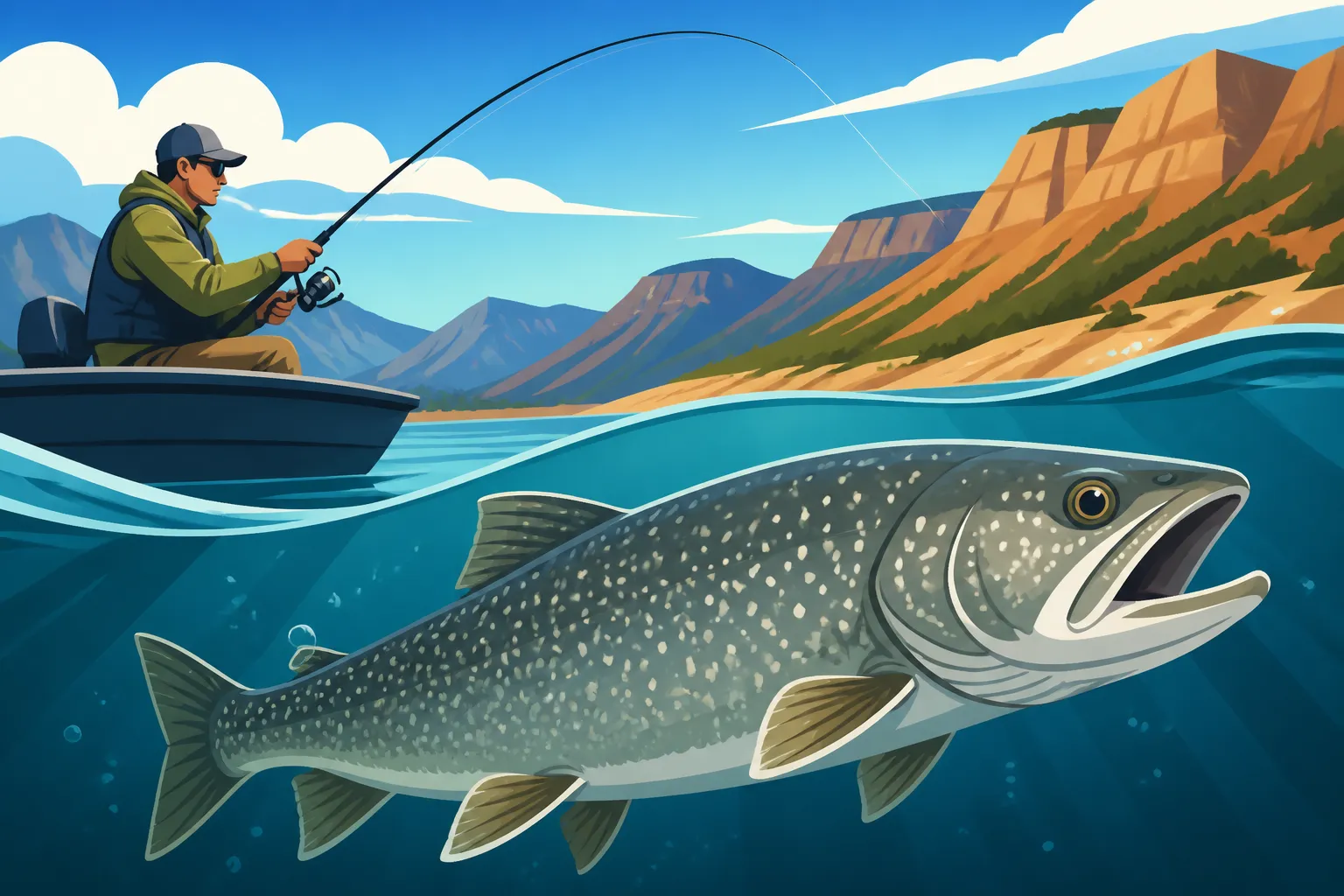
Blue Mesa Reservoir, nestled in the gorgeous Gunnison National Forest, isn't just Colorado's largest body of water by surface area; it's also a powerhouse for lake trout, often called "Mackinaw" by local anglers. These fish are a serious draw, with the potential for true trophy catches that can tip the scales at impressive weights. But what makes Blue Mesa such a prime spot, and why do these particular trout thrive here?
A Deep, Coldwater Habitat Perfect for Macks
Lake trout are coldwater fish, and Blue Mesa provides exactly the kind of deep, frigid environment they adore. The reservoir reaches depths exceeding 300 feet in some areas, especially near the dam, maintaining cold water temperatures even during the peak of summer. This thermocline, a layer where water temperature changes rapidly with depth, is crucial for lake trout. They’ll often suspend themselves just above, in, or below this layer, always seeking that optimal cool comfort and the availability of their favorite prey. Blue Mesa's deep structure, including submerged canyons, old river channels, and steep drop-offs, offers an abundance of hiding spots and ambush points for these predatory fish.
Understanding this deepwater preference is your first key to success. You won't find them lurking in the shallows like rainbow trout or even brown trout typically might, not unless conditions are very specific and usually short-lived. Instead, you'll be focusing your efforts on the vast, open water and significant underwater topography, often requiring specialized gear to get your lures down to where these behemoths reside.
The Role of Forage Fish in Lake Trout Growth
A thriving lake trout population needs a robust food source, and Blue Mesa delivers. The reservoir is teeming with kokanee salmon, which serve as the primary forage for the lake trout. These kokanee, a landlocked sockeye salmon, grow to a decent size, providing the caloric intake necessary for the lake trout to reach their impressive proportions. The life cycle of the kokanee directly influences the behavior and location of the lake trout. When kokanee are schooling in open water, the lake trout will follow. When the kokanee begin their spawning runs in the fall, the lake trout will congregate around these areas, preying on the vulnerable salmon.
Beyond kokanee, lake trout will also feed on other smaller fish species present in the reservoir, though the kokanee remain the staple. This abundance of food is why Blue Mesa has a reputation for not just numerous lake trout, but genuinely large lake trout, offering anglers the chance at a fish of a lifetime. If you're keen on knowing more about the other main species in this lake, you can check out our guide on Fishing Blue Mesa Reservoir for Kokanee Salmon.
Prime Seasons for Lake Trout at Blue Mesa
Timing your visit to Blue Mesa can drastically impact your success rate for lake trout. These fish change their behavior and location significantly throughout the year, primarily driven by water temperature and the availability of their main food source. Knowing when and where to find them is half the battle.
Spring and Early Summer: The Shallow Bite
When the ice finally recedes from Blue Mesa, usually around late April to May, and extends into early summer, you'll find some of the most accessible lake trout fishing of the year. During this period, the entire water column is still relatively cold, and the lake trout haven't yet retreated to their extreme deepwater sanctuaries. They often push into shallower areas, sometimes as shallow as 20-40 feet, to feed on newly emerging insects or smaller baitfish that are more active in the warming margins. This is a fantastic time for both boat anglers and even some shore anglers with long casts, or those fishing from a kayak or float tube, to connect with Macks.
This "shallow bite" period offers a unique opportunity for methods that might not be effective later in the year, like casting spoons or crankbaits near rocky points and submerged structures. It's a window of opportunity before the intense summer sun drives them back down. As the surface temperatures begin to rise, you'll notice the fish slowly migrating deeper, following that comfortable cold water.
Summer: Deep Water Trolling and Jigging
Once Blue Mesa fully warms up, typically from late June through August, the lake trout go deep – and we mean deep. This is when the thermocline fully sets up, pushing the Macks down into depths of 80 to 200+ feet. This time of year demands specialized techniques like deepwater trolling with downriggers or heavy lead core, or vertical jigging directly over known structures. It can be challenging, but the rewards are often big fish. You'll often find them congregating around specific underwater features like ledges, humps, and the old river channel.
Anglers often spend considerable time scanning their sonar for signs of fish or bait schools, as knowing How Deep Lake Trout Hold in Summer is critical. The patience required during the summer months is immense, but if you hit the right spot at the right time with the correct presentation, you could be in for an unforgettable fight. This is also when charter services, many of which can be found through platforms like FishingBooker, become invaluable for those without extensive deepwater gear, as they have the equipment and expertise to put you on fish.
Fall and Winter: Spawning and Ice Fishing
As the cooler temperatures of fall sweep across the Rockies, Blue Mesa lake trout begin their annual spawning migration, typically from mid-September through October. This is another excellent time to target them, as they move shallower, often to rocky shoals and gravel beds, to reproduce. They become aggressive, and while ethical anglers focus on catch and release during this sensitive period, the opportunity for large, active fish is undeniable. Many anglers find success casting large spoons, swimbaits, or even streamer flies during this pre-spawn and spawn window.
Once winter sets in and the reservoir freezes over, Blue Mesa becomes a premier ice fishing destination for lake trout. Ice fishing for these deepwater predators is a unique and thrilling experience, demanding specific gear and strategies. You'll often be jigging heavy spoons or tube jigs in 40 to 100+ feet of water, using specialized ice fishing electronics to locate fish and monitor your bait. For those venturing out, our guide on Ice Fishing in Colorado, Getting Started offers a solid foundation, and you'll want to be sure the ice is safe before heading out – always prioritize safety.
Essential Gear for Blue Mesa Lake Trout Success
Tackling Blue Mesa's lake trout isn't like casting for panfish in a local pond. These are robust, deep-dwelling predators that demand appropriate gear. Investing in the right equipment will not only increase your chances of success but also make the experience more enjoyable and efficient.
Rods, Reels, and Line for Deepwater Battles
When it comes to rods and reels for Blue Mesa lake trout, think heavy-duty. For trolling, a medium-heavy to heavy action rod, usually 7 to 9 feet in length, is ideal. Look for rods with a strong backbone to handle heavy weights (like downriggers or large lead core setups) and powerful fish, but with a sensitive tip to detect subtle bites. Pair this with a robust baitcasting or conventional reel that has a large line capacity and a smooth, strong drag system. Reels in the 300-400 size class are a good starting point for baitcasters, and conventional reels with similar line capacity.
For jigging, especially through the ice or vertically from a boat, a slightly shorter, sensitive medium-heavy rod is often preferred, typically 5 to 7 feet. This allows for better feel and quicker hook sets in deep water. Again, a quality baitcasting reel is paramount. As for line, braided line in the 30-50 pound test range is highly recommended for its strength, lack of stretch (which greatly improves bite detection in deep water), and thinner diameter. You’ll typically run a fluorocarbon leader of 15-25 pound test, depending on water clarity and fish activity, to the lure. The nearly invisible properties of fluorocarbon can be critical when fishing clear mountain waters.
Lures and Baits That Get Attention
Lake trout are opportunistic feeders, but they do have preferences, especially when they're targeting kokanee. Your tackle box should include a variety of lures designed to imitate these forage fish or simply trigger a strike.
- Spoons: Heavy jigging spoons like Crippled Herrings, Northland Buck-Shot Rattle Spoons, or something similar in silver, gold, or glow colors are excellent for vertical jigging. Trolling spoons such as those from the Luhr-Jensen or Doctor Spoon families, often tipped with a piece of sucker meat, are also highly effective. Sizes can range from 2 to 6 inches, depending on the kokanee size in the lake.
- Tube Jigs: White or glow tube jigs in 3-6 inch sizes, often paired with a heavy jig head (1/2 oz to 1 oz or more), are deadly for lake trout, especially when tipped with a piece of a fish fillet or a Gulp! minnow.
- Swim Baits: Larger soft plastic swimbaits, especially those with paddle tails, rigged on heavy jig heads can imitate kokanee very well and are great for casting or slow jigging.
- Minnow Imitations: Hard-bodied stickbaits or crankbaits that dive deep can be trolled effectively, especially during the spring and fall when fish are shallower. Brands like Rapala or Berkley have good options.
- Live Bait/Cut Bait: When regulations allow, a piece of sucker meat or other oily fish pinned to a jig or trolled on a bait rig can be incredibly enticing. Always check the latest Colorado Fishing Regulations Every Angler Should Know for specific bait restrictions on Blue Mesa.
It's wise to carry a variety of sizes and colors to adapt to changing conditions and the fish's mood.
Essential Electronics and Boat Accessories
For serious lake trout fishing on Blue Mesa, especially during the summer, a good fish finder (sonar) is nearly non-negotiable. Modern units with CHIRP, Down Imaging, or Side Imaging capabilities will allow you to scan vast areas, identify schools of kokanee, and mark individual lake trout holding near structure or suspended in the water column. Knowing What Sonar Settings Work Best for Locating Lake Trout can give you a significant advantage.
Beyond sonar, downriggers are a game-changer for precise deepwater trolling. These devices allow you to present lures at exact depths, regardless of boat speed or line drag. Planer boards can also be useful for spreading lines out while trolling, preventing tangles and covering more water. GPS is essential for marking hot spots, navigating the vast reservoir, and returning to productive areas. A good anchor system is also crucial, especially if you plan to vertical jig over specific structures, ensuring you stay directly over the fish.
Top Techniques for Targeting Blue Mesa Lake Trout
Once you've got the right gear, it's time to talk tactics. Lake trout in Blue Mesa can be finicky, and employing the right technique for the conditions is key. We'll cover the most effective methods, from covering vast expanses to pinpointing specific fish.
Trolling: Covering Water and Controlling Depth
Trolling is arguably the most popular and effective method for lake trout on Blue Mesa, particularly during the open water season. It allows you to cover a tremendous amount of water, searching for active fish or schools of kokanee that the Macks are following. The key to successful trolling for lake trout is managing your depth with precision.
Downriggers are the gold standard for this, allowing you to set your lure exactly where you've marked fish or bait on your sonar. You'll typically run a trolling spoon or a deep-diving crankbait off the downrigger, often tipped with a small piece of sucker meat for added scent and appeal. Experiment with different depths, speeds, and lure colors until you find what triggers bites. A good starting point is to target depths where baitfish are abundant, or just above known underwater structures. Learning the subtleties of Trolling Techniques for Colorado Reservoirs can greatly improve your success. Speed is also crucial; lake trout often prefer a slow, methodical presentation, but sometimes a burst of speed can trigger a chase instinct. Keep an eye on your fish finder, and adjust your depth based on what you see.
Vertical Jigging: Pinpoint Accuracy for Suspended Fish
While trolling is excellent for covering ground, vertical jigging is about precision. This technique is incredibly effective when you've located a school of lake trout holding tight to a specific structure, or when they're suspended in a tight bait ball. It's also the go-to method for ice fishing. The beauty of jigging is the direct control you have over your presentation, allowing you to tempt even reluctant biters.
The basic idea is to drop a heavy jigging spoon or a tube jig (often tipped with a piece of bait) directly down to the depth where fish are holding. Once at depth, you'll impart action to the lure with sharp lifts and drops of the rod tip, simulating a wounded baitfish. Pay close attention to your electronics, as lake trout often appear as distinct arches near the bottom or suspended. Many strikes occur on the fall, so keeping a tight line and being ready for a subtle tap is critical. For ice fishing, specialized electronics like a flasher are invaluable for seeing your lure and approaching fish in real-time. Our guide on Jigging for Lake Trout Through the Ice provides more specific tips for that frosty pursuit.
Navigating Blue Mesa: Access and Conditions
Blue Mesa Reservoir is enormous, and understanding its access points, along with the dynamic conditions you might encounter, is vital for a safe and productive trip. Don't underestimate the size or the swift changes that can occur in this high-mountain environment.
Boat Ramps and Public Access Points
Blue Mesa offers several boat ramps and public access points, allowing anglers to launch their vessels and reach various parts of the reservoir. The main boat ramps typically include Elk Creek, Lake Fork, and Stevens Creek. Each of these offers different access to various fishing grounds. Elk Creek is a popular starting point, giving access to the central part of the reservoir. Lake Fork is further west, providing access to different coves and deeper waters. Stevens Creek is often used by those looking to fish closer to the dam and the deepest sections.
It's always a good idea to check the Colorado Parks and Wildlife (CPW) website or call a local marina for current ramp conditions, as water levels can fluctuate, especially in late summer or drought years. Some ramps might be closed or have limited access during certain times. Additionally, when planning your trip, consider How Far Blue Mesa Reservoir Is From Gunnison, as this will influence your travel time and where you might choose to stay. Ample Camping Options Near Blue Mesa Reservoir are available, which makes multi-day trips very convenient.
Weather, Wind, and Water Level Considerations
Blue Mesa, being a large body of water at elevation, is highly susceptible to dramatic weather changes. Wind can pick up very quickly, turning calm waters into dangerously choppy conditions. Always check the weather forecast before heading out, paying particular attention to wind advisories. Strong winds can make boat control difficult, render trolling ineffective, and even create hazardous waves, especially in open areas of the reservoir.
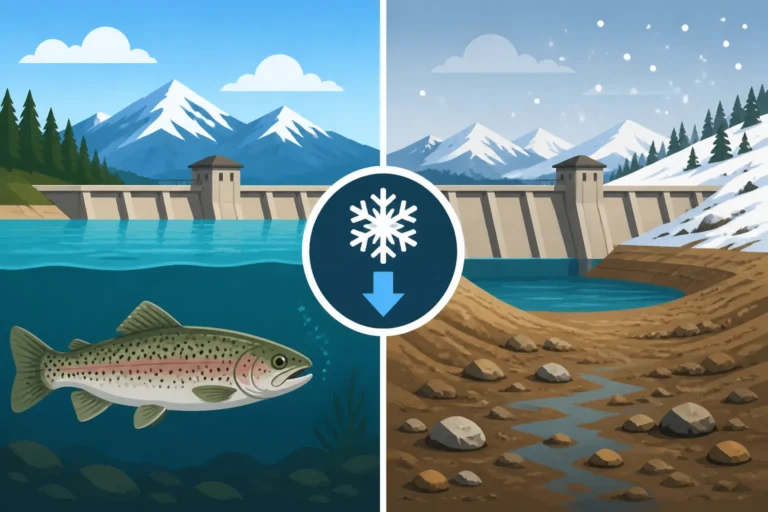
Water levels are another critical factor. As an irrigation and flood control reservoir, Blue Mesa's water levels can fluctuate significantly throughout the year. Lower water levels can expose hazards like submerged rocks, change the accessibility of boat ramps, and alter fish holding patterns. Conversely, high water years can create new flooded cover for fish. Always be mindful of your surroundings, especially when navigating unfamiliar areas. It's not uncommon for storms to roll in during the afternoon, bringing lightning and heavy rain, so always be prepared to seek shelter or get off the water quickly.
Conservation and Regulations for Blue Mesa Lake Trout
Fishing on Blue Mesa isn't just about catching fish; it's about being a responsible steward of this incredible resource. Understanding and adhering to the regulations set by Colorado Parks and Wildlife (CPW) is paramount for ensuring healthy fish populations for generations to come.
Daily Bag and Possession Limits
Colorado Parks and Wildlife sets specific bag and possession limits for lake trout on Blue Mesa, which can change periodically based on scientific data and management goals. Currently, for Blue Mesa, the daily bag and possession limit for lake trout is often a bit more liberal than for other trout species, sometimes allowing up to four lake trout, with specific length restrictions. For example, there might be a rule that only one fish can be over a certain size, like 26 inches. These regulations are designed to help manage the lake trout population, preventing overharvest of larger, spawning-age fish while encouraging harvest of smaller individuals which can sometimes put pressure on the kokanee population.
It is absolutely crucial to consult the most current Colorado fishing regulations brochure before you hit the water. These are usually available online via the CPW website or at any license vendor. Ignorance of the rules is never an excuse, and violating them can lead to significant fines. Always double-check length limits and daily take allowances. If you're looking for broader information, our guide on Colorado Bag and Possession Limits by Species might be helpful, but always defer to the specific Blue Mesa regulations.
| Lake Trout Season | Primary Techniques | Target Depths (Approx.) | Key Considerations |
|---|---|---|---|
| Spring (Apr-May) | Trolling, Casting | 20-60 feet | Fish shallower as water warms. Aggressive feeders. |
| Summer (Jun-Aug) | Deep Trolling, Vertical Jigging | 80-200+ feet | Thermocline is key. Requires downriggers/heavy jigs. |
| Fall (Sep-Oct) | Trolling, Casting | 40-100 feet (shallows for spawn) | Spawning aggregation near rocky shoals. Aggressive. |
| Winter (Nov-Mar) | Ice Fishing (Jigging) | 40-100+ feet | Safety on ice is paramount. Use electronics. |
Practicing Ethical Catch and Release
For many anglers, especially those targeting trophy lake trout, catch and release is a preferred practice. This ensures that the biggest fish, which are often the most prolific spawners, remain in the population. When practicing catch and release, especially with large, deep-caught fish, certain measures are critical to ensure their survival.
- Minimize Fight Time: Bring the fish in as quickly as possible to reduce exhaustion.
- Handle With Care: Avoid touching the fish with dry hands, use wet hands or a wet net. Support the fish horizontally.
- Dehook Carefully: Use pliers or a dehooker to remove hooks quickly and gently. If a hook is deeply embedded, cut the line as close to the hook as possible.
- Revive If Needed: For exhausted fish, hold them gently in the water, facing into the current, until they swim off on their own.
Deep-caught lake trout can suffer from barotrauma (due to changes in pressure). While lake trout are more resilient to this than some other species, fish caught from extreme depths might struggle. It’s always best to be aware and practice responsible handling.
Purchasing Your Colorado Fishing License
Before you even think about casting a line, ensure you have the correct and up-to-date Colorado fishing license. Every angler 16 years of age and older needs a license to fish in Colorado. This applies to both residents and nonresidents. The funds from fishing license sales directly support conservation efforts, fish stocking programs, and habitat restoration across the state, including for the Blue Mesa fishery.
Licenses can be purchased online through the CPW website at CPWShop.com, by phone, or in person at various vendors like Walmart, sporting goods stores, or local marinas. There are different options available, including annual licenses, one-day licenses, or five-day nonresident licenses, so you can choose what best fits your trip duration. If you're a Colorado resident, there are even specific costs for Colorado Resident Fishing License Cost in 2026. Make sure you have your license on you, either physically or digitally on your phone, as Colorado Parks and Wildlife officers regularly check anglers in the field. Reputable guide services, which you can easily find on platforms like FishingBooker, will always remind you to have your license in order before your trip.
Final Thoughts on Your Blue Mesa Adventure
Fishing for lake trout on Blue Mesa Reservoir is an experience unlike any other. It’s a pursuit that demands patience, preparation, and a willingness to learn from the vastness of the water itself. Don't get discouraged if the fish aren't biting immediately; these giants often require persistence and a keen eye for detail. The rewards, however, are immense—not just in the potential for a trophy fish, but in the unforgettable moments spent on one of Colorado’s most stunning waters.
Whether you're trolling with downriggers in the summer depths, jigging through the ice in winter, or casting aggressively in the spring, remember that every outing is a chance to refine your skills and deepen your connection with the wild beauty of the Rockies. Always respect the resource, follow the regulations, and most importantly, enjoy the adventure that Blue Mesa offers.
Disclaimer
The information provided in this guide is for general informational purposes only and is subject to change. Always consult the official Colorado Parks and Wildlife regulations and local conditions before planning any fishing trip. Safety should always be your top priority on the water.