Why Antero Reservoir Gets Drawn Down Some Winters
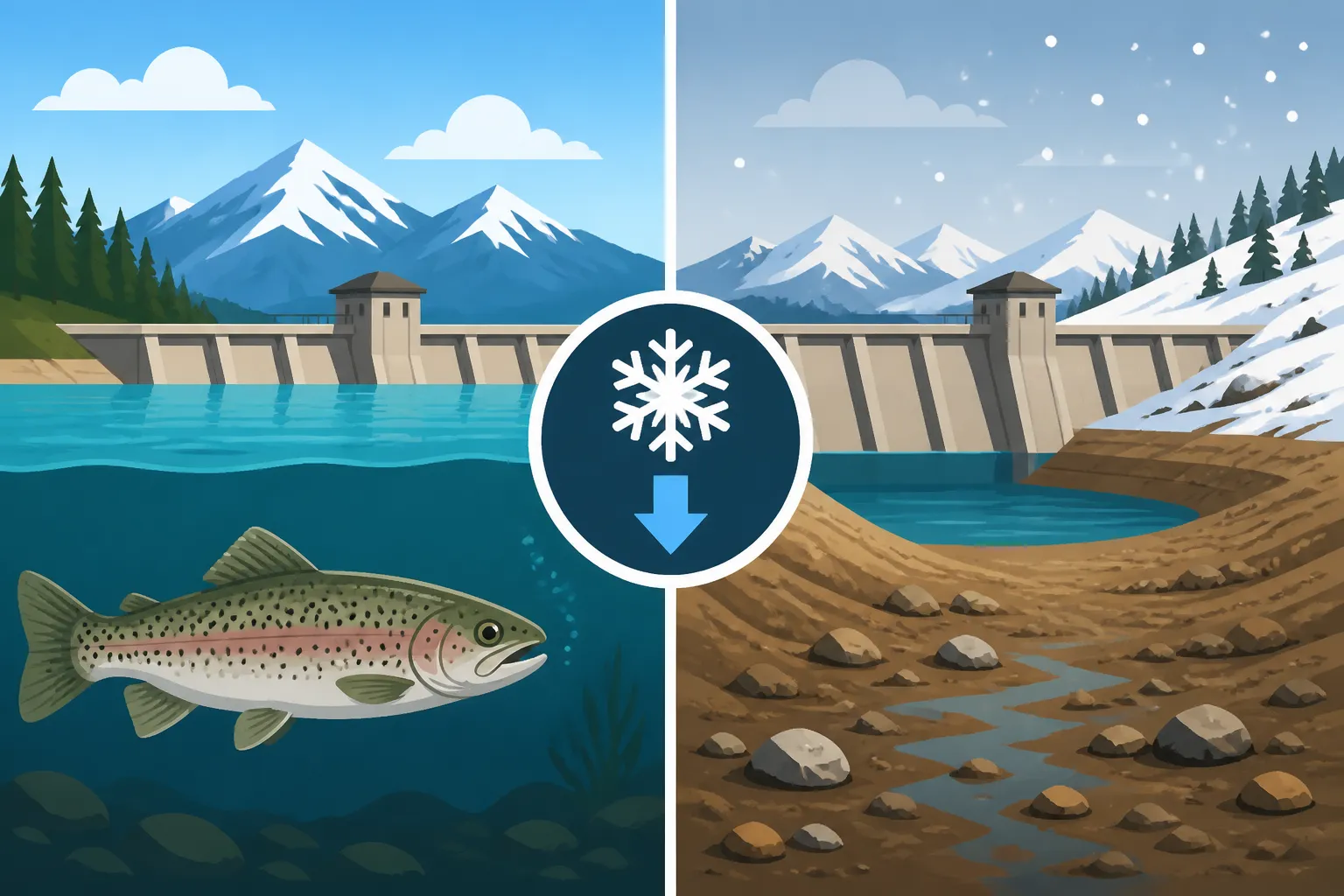
It can be truly frustrating, and honestly a bit confusing, when you drive up to a beloved fishing spot like Antero Reservoir only to find the water levels significantly lower than you remember. You plan your trip, maybe even bought new gear, only to be met with exposed mud flats and a vastly different landscape. This guide is here to shed some light on why Antero Reservoir experiences these winter drawdowns, helping you understand the complex forces at play and how these fluctuations impact your fishing plans.
The Core Purpose of Antero Reservoir and Its Water Rights
Antero Reservoir isn't just a picturesque high-country lake; it's a vital, working component of a much larger and more complex water system that serves millions of Coloradans. Understanding its fundamental role is key to grasping why its water levels ebb and flow, especially during the colder months.
A Key Link in Denver's Water Supply
Nestled high in the South Park basin, Antero Reservoir serves as the initial collection point for some of Denver's most crucial water supplies. It's a cornerstone of the vast network operated by Denver Water, one of the largest water utilities in the state. Water flows into Antero primarily from the South Platte River headwaters, fed by snowmelt and rainfall in the surrounding mountains. From Antero, the water then moves downstream, often making its way to other significant reservoirs like Spinney Mountain Reservoir and Eleven Mile Reservoir, before eventually being channeled towards Denver for municipal use. Think of Antero as the very top of a funnel, gathering the initial drops before they embark on their journey to our taps. This critical role means its water levels aren't simply left to chance; they are actively managed to ensure a consistent and reliable flow for a thirsty metropolitan area.
Complex Water Rights and Allocations
The management of Antero Reservoir is deeply intertwined with Colorado's intricate system of water law, often summed up by the principle of "first in time, first in right." This means that those who first claimed and put water to beneficial use have senior water rights, which take precedence over later claims. Denver Water holds a number of these valuable senior water rights on the South Platte River system, granting them the legal authority to store water in reservoirs like Antero and move it through their collection and distribution network.
These rights dictate when and how much water can be collected and stored, and when it must be released to satisfy downstream senior users, which could be agricultural operations, other municipalities, or even environmental flows. It's not uncommon for water from Antero to be released not just for Denver's immediate needs, but also to fulfill obligations to farmers in the South Platte Valley who might hold even older water rights. This constant balancing act, driven by legal decrees and historical usage, means Antero's levels are in perpetual motion, adapting to a schedule set by centuries-old claims and contemporary demands. If you're looking to understand the broader legal framework, our comprehensive guide on Colorado Fishing Regulations Every Angler Should Know offers more insights into how water management impacts fishing access and rules.
Operational Necessities Driving Winter Drawdowns
The sight of a lowered Antero Reservoir in winter often triggers questions and sometimes even concern among anglers. However, these drawdowns are rarely arbitrary. They are typically the result of carefully calculated operational necessities, designed to maintain the integrity of the water system and prepare for the natural cycles of the Colorado landscape.
Water Delivery Schedules and Infrastructure Maintenance
One of the primary drivers for winter drawdowns at Antero is the strategic movement of water through Denver Water's extensive system. While it might seem counterintuitive to release water when things are freezing up, winter often presents the most opportune time for certain deliveries. Demand for municipal water is generally lower in winter compared to the peak irrigation and recreational seasons of summer. This allows water managers to strategically release stored water from Antero, sending it further down the South Platte River to replenish other downstream reservoirs, like Gross Reservoir or Cheesman Reservoir, which might be closer to treatment facilities or have specific storage needs. The ground is often frozen, reducing absorption and making it more efficient to move water through river channels.
Furthermore, winter drawdowns are frequently tied to essential infrastructure maintenance. Dams, outlet structures, pipelines, and other crucial components of the reservoir system require regular inspection, repair, and upgrades. Performing this work when water levels are naturally lower, or when they can be intentionally lowered, ensures worker safety and allows for more effective and less disruptive maintenance. Imagine trying to repair a leaky valve or inspect a dam face when it's submerged under 30 feet of water – it's simply not feasible. These planned "outages" are critical for the long-term reliability and safety of the entire water supply network.
Snowpack Management and Spring Runoff Preparation
Perhaps the most significant reason for winter drawdowns is the crucial preparation for the annual spring snowmelt. Colorado's mountains are famous for their abundant snowpack, which represents the vast majority of the state's annual water supply. Water managers, like those at Denver Water, must anticipate this massive influx of water months in advance. If reservoirs like Antero are kept full throughout the winter, there won't be enough "empty space" to capture the melting snow in spring.
This lack of capacity can lead to several serious issues. Firstly, it means valuable water that could be stored for future use might simply flow downstream and be lost to the system. More critically, insufficient storage space during a heavy snowmelt year can lead to dangerous flooding in downstream communities. By drawing down Antero and other reservoirs during winter, managers create a vital "flood pool" that can safely contain and slowly release the high volumes of water that cascade down the mountains once temperatures rise. This delicate dance of lowering and filling is a sophisticated process, relying on historical data, weather forecasts, and advanced hydrological models to predict the expected runoff volumes. It's a testament to long-range planning, ensuring that both water supply and flood control needs are met. This careful planning directly impacts the Colorado Fishing Season Dates and Bag Limits on many waters, as CPW considers these flow rates in their management decisions.
Environmental Considerations and Fisheries Management
While drawdowns are a necessity for water management, they understandably raise questions among anglers about the impact on Antero's renowned fishery. Colorado Parks and Wildlife (CPW) and Denver Water often work together to mitigate potential negative effects.
Balancing Water Levels with Aquatic Health
The rapid drop in water levels, or even a sustained low level, can certainly stress fish populations. Exposed spawning beds, reduced habitat, and concentrated predator-prey dynamics are all potential consequences. However, the ecosystem within Antero, particularly for species like trout and Kokanee salmon, has a certain degree of resilience. CPW actively monitors the health of the fishery and, in some cases, may implement strategies to mitigate severe impacts. This could include targeted stocking programs once water levels stabilize, or in extreme cases, even "salvage operations" where fish are moved to safer waters, though this is rare for large, managed reservoirs.
It's a constant balancing act. Water managers aim to meet human needs while CPW strives to protect aquatic resources. Sometimes, the long-term health of the entire river basin, including the necessity to manage water for drought resilience or flood prevention, might unfortunately take precedence over ideal conditions for a single reservoir's fish population in a given winter. For those concerned about specific species, our guide on Colorado's Trout Species, A Field Guide can help you understand the different fish you might encounter and their typical habitats.
Impact on Recreational Opportunities
The most immediate and noticeable impact of winter drawdowns for anglers is, of course, on recreational access and fishing conditions. When Antero Reservoir is drawn down, boat ramps can become unusable, shorelines recede dramatically, and what were once productive fishing spots might turn into dry land. This can be particularly frustrating for those who planned an ice fishing trip, only to find the ice too thin in newly exposed areas, or even the entire reservoir rendered unsafe due to fluctuating levels and shore ice instability.
Even for open water fishing, lower water levels can concentrate fish, making them easier to locate but also potentially more sensitive to pressure. Access points might change, requiring longer walks across mud or uneven terrain. It truly pays to be prepared and flexible, understanding that the landscape you fished last summer might be vastly different in the winter months. Many anglers who are keen on Ice Fishing in Colorado, Getting Started will always check conditions carefully before heading out to Antero or any other reservoir with fluctuating levels.
Understanding the Fluctuations: What Anglers Need to Know
Given the dynamic nature of Antero Reservoir's water levels, staying informed and adapting your approach is crucial for a successful fishing trip. You don't want to drive all the way up there only to find conditions completely different from what you expected.
How to Monitor Antero's Water Levels
The good news is that information on reservoir levels is readily available, allowing you to plan ahead and avoid disappointment. Your first stop should always be the official source: Denver Water's website. They often have dedicated pages or data dashboards that display current and historical reservoir levels for all the bodies of water they manage, including Antero. These resources can provide invaluable insights into trends and current conditions.
Colorado Parks and Wildlife (CPW) is another excellent resource. Their Colorado Fishing Atlas often includes water level data alongside stocking reports and access information. Additionally, many local fly shops and sporting goods stores in towns near Antero, like Fairplay or Buena Vista, are fantastic sources of real-time, on-the-ground information. They hear from anglers daily and often know exactly what the conditions are like. Online platforms, like FishingBooker, sometimes aggregate reservoir data or link to relevant sources, offering another convenient way to check before you hit the road. Regularly checking these sources before you commit to a trip will give you the most accurate picture of what to expect.
Adapting Your Fishing Strategy During Drawdowns
When Antero Reservoir is drawn down, it demands a flexible and often creative approach to fishing. What worked in high water might be completely ineffective when levels are low.
One key strategy is to focus on deeper channels and remaining depressions. As water recedes, fish naturally seek out the deepest available water for safety, temperature stability, and cover. Use your sonar if you have a boat, or look for obvious drop-offs and old river channels if fishing from shore. These areas will concentrate fish, but also make them more susceptible to pressure, so a cautious approach is warranted. You might find that Trolling Techniques for Colorado Reservoirs need to be adjusted significantly, perhaps by focusing on specific contours rather than wide-open water.
Be mindful of shifting shorelines and access points. What was once an easy walk to the water could now be a treacherous slog through mud. Wear appropriate footwear, and be prepared for longer hauls to reach the water's edge. Some historical access points for launching boats might be completely dry, so always check ramp conditions. This is where local knowledge from a fly shop or a guide can be incredibly valuable.
Finally, consider your bait and lure choices. When fish are concentrated and potentially stressed, they might be less willing to chase fast-moving lures. Slower presentations, natural baits like worms or PowerBait, or even carefully presented nymphs might be more effective. For those practicing fly fishing, even a beginner's guide to Nymphing Techniques for Colorado Tailwaters can offer some transferable skills for these deeper, slower presentations. The drawdowns can expose new areas, offering unique opportunities to explore structure that is normally submerged, so keep an open mind and be ready to experiment! And don't forget to check Reading Colorado's Weekly Stocking Report to see if recent stockings might have influenced fish distribution.
Here’s a quick overview of how drawdowns can affect your fishing:
| Aspect of Fishing | Impact of Winter Drawdown | Recommended Adaptation |
|---|---|---|
| Water Access | Boat ramps may be unusable; shorelines recede significantly. | Confirm ramp status; expect longer walks to water; bring appropriate footwear. |
| Fish Location | Fish concentrate in deeper channels, holes, and depressions. | Use sonar if boating; target known deep spots; look for new drop-offs from shore. |
| Bait/Lure Choice | Fish may be less active, stressed, or concentrated. | Slow presentations; try natural baits (worms, PowerBait); use smaller, more subtle lures/flies. |
| Ice Fishing Safety | Ice can be unstable near shore; newly exposed areas may not freeze thick. | Exercise extreme caution; verify ice thickness from reliable sources; avoid newly frozen areas. |
| Habitat Availability | Reduced habitat and cover; exposed spawning areas. | Focus on remaining aquatic vegetation or structure in deeper water; respect fragile exposed areas. |
| Crowding | Fish concentration might also concentrate anglers. | Be patient and respectful; consider fishing during off-peak times or exploring less popular areas. |
Planning your visit, perhaps even looking into Hiring a Fishing Guide in Colorado, What to Expect during these dynamic periods, can help you navigate the ever-changing conditions at Antero. Guides often have the most up-to-date information and knowledge on how to successfully fish in varying water levels, maximizing your chances of a great day out, no matter what the reservoir throws at you. For those specifically interested in Antero, our article on Fishing Antero Reservoir for Trophy Rainbows provides tailored advice that might be useful even during fluctuating conditions.
Disclaimer
Please remember that fishing conditions and regulations in Colorado can change frequently. Always consult the official Colorado Parks and Wildlife (CPW) regulations brochure or website before heading out on any fishing trip. Information provided here is for general guidance and educational purposes only.