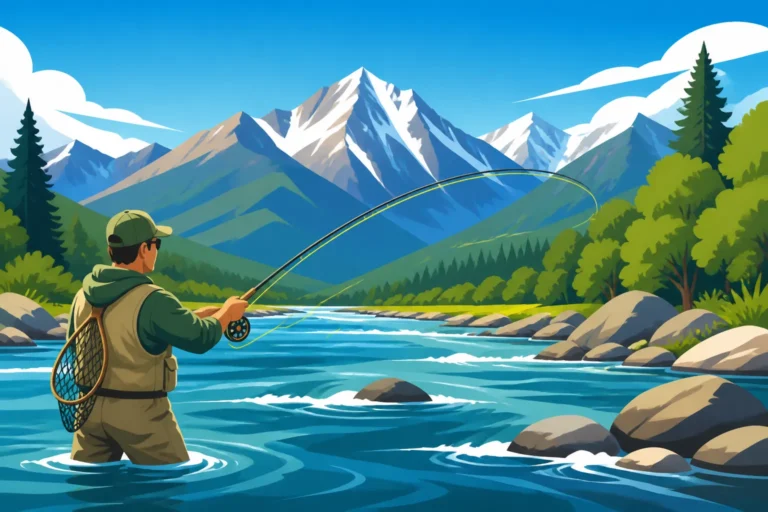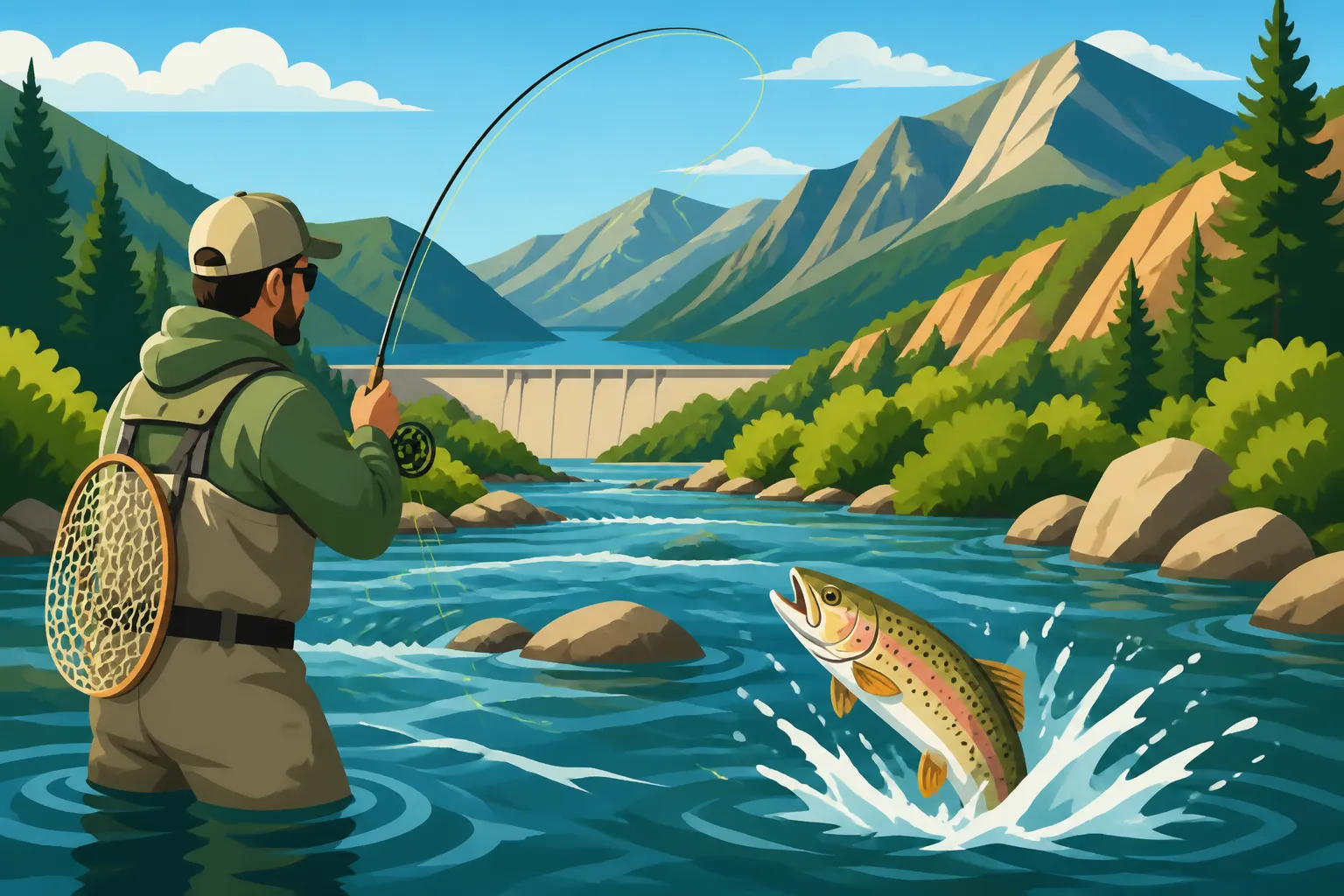
Fishing Colorado’s Fryingpan River Below Ruedi Reservoir
Few experiences are as frustrating for an avid angler as spending countless hours on a river, only to come up empty-handed or feel like you're constantly battling inconsistent conditions. If you've been yearning for a Colorado fishing destination that consistently delivers incredible trout, stunning scenery, and a truly world-class challenge, then look no further than the Fryingpan River below Ruedi Reservoir. This comprehensive guide will walk you through everything you need to know to successfully navigate and enjoy this legendary fishery.
The Fryingpan River's Unique Character Below Ruedi Reservoir
The Fryingpan River isn't just any river; it's a tailwater, and that distinction makes all the difference. Nestled in the stunning mountains near Basalt, Colorado, this river owes its exceptional fishing to the steady, cold water released from the bottom of Ruedi Reservoir. This consistent environment creates an almost perfect habitat for trout, fostering incredible bug life and allowing fish to grow to truly impressive sizes.
Tailwater Dynamics and Consistent Flows
A "tailwater" is essentially a river that flows out from the base of a dam. Unlike "freestone" rivers, which rely solely on natural snowmelt and rainfall, the Fryingpan's flows and temperatures are largely regulated by Ruedi Reservoir. This means that even when other rivers in Colorado are experiencing the high, muddy torrents of spring runoff or the scorching low flows of late summer, the Fryingpan often maintains stable, clear, and cold water. This consistency is a gift to anglers, as it means the fishing can be productive year-round. You won't find yourself showing up to a river that's blown out for weeks on end, wondering if you've wasted your drive.
Imagine planning a precious weekend fishing trip in May, only to find every freestone river in the state running high and murky from heavy snowmelt. It's a common disappointment that can derail even the most carefully laid plans. But on the Fryingpan, thanks to Ruedi's controlled releases, the water often remains clear and at a fishable level, even during peak runoff season. This stability translates directly into reliable insect hatches and predictable feeding patterns for the trout, giving you a much higher chance of success regardless of what Mother Nature is throwing at the rest of the state. This unique characteristic is a major reason why the Fryingpan maintains its reputation as a consistent producer of large, healthy trout.
The "Toilet Bowl" and Its Legendary Status
No discussion of the Fryingpan River would be complete without mentioning the infamous "Toilet Bowl." This highly oxygenated, turbulent stretch of water is located immediately below the Ruedi Dam outflow and is legendary for the sheer concentration of enormous trout it holds. It's a true spectacle, often brimming with fish so large they look like freshwater submarines. The name itself comes from the churning, swirling nature of the water, which funnels bugs and nutrients into a compact area, creating a buffet for the resident trout.
The Toilet Bowl can be both exhilarating and utterly frustrating. On any given day, you might see dozens, if not hundreds, of trout stacked on top of each other, finning lazily in the current. These are often massive rainbows and brown trout, some easily exceeding 20 inches. However, their size is matched by their wariness. Having seen countless flies and lures, these fish are incredibly selective and demand a perfect drift, a subtle presentation, and often the tiniest of flies on the lightest of tippets. It’s a place where you truly earn every fish you hook.
I once spent an entire morning watching a friend meticulously drift various midge patterns through the Toilet Bowl. He tied on a size 24 zebra midge, then a size 26, then a size 28. Every cast was perfect, every drift natural, yet the fish ignored him completely. Just as he was about to give up, a tiny blue-winged olive hatch started, and suddenly, those same picky fish began to rise. He quickly switched to a small BWO dry fly, and within minutes, he was hooked into a beautiful 22-inch rainbow. It's a stark reminder that even in the most crowded and fish-filled spots, matching the hatch and paying attention to the subtle cues are paramount. The Toilet Bowl is a fantastic proving ground for your skills, offering the chance at a truly trophy fish, but it will test your patience and your fly box like few other places can.
Understanding the Fryingpan's Gold Medal Waters Designation
When you hear a river described as "Gold Medal Water" in Colorado, it's not just a fancy marketing term; it's a designation by Colorado Parks and Wildlife (CPW) that signifies a truly exceptional fishery. The Fryingpan River proudly holds this status for a significant portion of its length, a testament to its healthy trout populations and the consistent opportunity for anglers to catch large, wild fish.
What "Gold Medal" Truly Means for Anglers
Colorado Parks and Wildlife (CPW) bestows the "Gold Medal Water" designation on specific stretches of rivers and lakes that consistently meet stringent criteria. For a river, this generally means it must be able to support a minimum standing stock of 60 pounds of trout per acre, and at least 12 of those trout must be 14 inches or longer per acre. These aren't just arbitrary numbers; they represent a thriving, healthy ecosystem capable of sustaining robust populations of large, wild trout. This designation is a beacon for serious anglers, indicating that they have an excellent chance of encountering trophy-sized fish and experiencing high catch rates.
The Fryingpan River’s Gold Medal stretch begins directly below the Ruedi Reservoir Dam and continues downstream for 14 miles until it merges with the Roaring Fork River in Basalt. This entire segment offers an unparalleled fishing experience. Unlike many other rivers where you might catch a few smaller trout interspersed with the occasional larger one, the Fryingpan's Gold Medal waters consistently hold healthy, chunky trout. It’s not uncommon to land multiple fish over 16 inches in a single outing, with legitimate 20+ inch trophies always a possibility. Knowing you're fishing a Gold Medal stretch means you can expect high-quality fish and a rewarding challenge. For more details on what this designation entails, check out our guide on Colorado Gold Medal Water Regulations Explained.
Regulations and Ethics on the Fryingpan
Given its prestigious Gold Medal status and the delicate nature of its ecosystem, the Fryingpan River has specific regulations designed to protect its precious fishery. Anglers are typically restricted to artificial flies and lures only, and most critically, all hooks must be barbless. Additionally, the vast majority of the Gold Medal section is strictly catch-and-release for all trout species. These rules are not mere suggestions; they are legally enforced and are crucial for maintaining the health and vitality of the Fryingpan's world-renowned trout population. Adhering to these regulations is not only a legal requirement but also an ethical responsibility for every angler who steps into its waters.
Beyond the legal regulations, practicing good angling ethics on the Fryingpan is paramount. This river sees a lot of pressure, especially in popular areas like the Toilet Bowl and the immediate stretches below the dam. It’s essential to be respectful of other anglers, maintain a reasonable distance, and avoid "hogging" prime spots. Proper fish handling is also non-negotiable; always wet your hands before touching a fish, minimize its time out of the water, and ensure a strong, healthy release. Seeing someone drag a beautiful 20-inch rainbow onto the dry bank for a photo, only to struggle with its release, is a disheartening sight. We all have a role in preserving this incredible resource for future generations, and that starts with responsible behavior on the water. For more on the specifics of hook requirements, you can read our article about Barbless Hook Rules on Colorado Rivers.
Prime Seasons and Hatches on the Fryingpan
One of the great joys of fishing a rich tailwater like the Fryingpan is its year-round productivity. While conditions and dominant hatches shift with the seasons, there's almost always something biting, offering diverse challenges and rewards. Knowing what to expect when can dramatically improve your success rate.
Spring and Early Summer: Midges, BWOs, and Caddis
As winter snows begin to recede, spring on the Fryingpan brings renewed energy to both the river and its inhabitants. Unlike freestone rivers that are often unfishable due to roaring runoff, the Fryingpan’s tailwater nature means it remains remarkably consistent. The water often stays clear, albeit with slightly increased flows from Ruedi Reservoir releases. This period is dominated by prolific midge hatches, followed closely by robust hatches of Blue-Winged Olives (BWOs) and, as the water warms slightly, caddis flies.
In early spring, when the water is still quite cold, tiny midges are the primary food source. Trout will often sip these minuscule insects from the surface, creating subtle dimples that belie the size of the fish underneath. Nymphing with small midge patterns like Zebra Midges, Top Secret Midges, and Miracle Midges in sizes 20-26 is highly effective. As the weather warms, especially on overcast or rainy days, BWO hatches can be spectacular. These small, olive-bodied mayflies bring many fish to the surface, offering exciting dry fly opportunities. For these, try Parachute Adams, Comparaduns, or Fryingpan Emergers in sizes 18-22. Later in late spring and early summer, caddis hatches emerge, often in explosive bursts. Look for fluttering adults and active emergers, and be ready with Elk Hair Caddis, LaFontaine's Sparkle Pupa, and X-Caddis patterns in sizes 14-18. For a detailed guide on what to use during these hatches, check out our resource on Fly Selection for Colorado's Blue-Wing Olive Hatch.
A memorable spring day saw me battling strong winds and intermittent rain on the Fryingpan. I was indicator nymphing with a small midge larva and a BWO emerger, picking up a few fish. Suddenly, the rain intensified, and the air temperature dropped. Almost immediately, the surface of the river came alive with trout rising aggressively. The BWO hatch was on! I quickly switched to a small Parachute BWO, and for the next hour, I had some of the most exciting dry fly fishing of the season. The fish were incredibly opportunistic, hitting the dry fly with confidence despite the rough conditions. It just goes to show how quickly a tailwater can turn on, even in less-than-ideal weather, when the right hatch comes off.
Late Summer and Fall: Tricos, Hoppers, and Fall Spawners
As Colorado transitions from the long, sunny days of summer into the crisp air of autumn, the Fryingpan offers a distinctly different set of challenges and rewards. Late summer can bring very clear, low flows, making trout even pickier and demanding the utmost stealth and delicate presentations. However, it also ushers in the tiny Trico hatches, which can provide incredible dry fly opportunities, especially in the mornings. Terrestrial insects like grasshoppers, ants, and beetles also become a crucial food source, particularly on breezy days when they are blown into the water from the bankside vegetation.
The true highlight of the Fryingpan's fall season, however, is the brown trout spawn. As water temperatures drop, mature brown trout begin their annual migration upstream, often developing vibrant spawning colors. During this time, they become incredibly aggressive and territorial, offering fantastic opportunities for anglers willing to use larger streamers. While it's tempting to target these spawning fish directly on their redds (spawning beds), ethical anglers understand the importance of giving them space to reproduce. Instead, focus on fish holding in deeper runs and pools adjacent to spawning areas, or target the hungry rainbows that often congregate downstream of redds to feed on dislodged eggs. This is also a fantastic time for nymphing with egg patterns and larger stonefly imitations. Understanding this biological cycle is key to fall fishing success. To learn more about this natural event, read our article on Why Brown Trout Spawn in the Fall Instead of Spring.
I recall a particularly golden October afternoon on the Fryingpan. The leaves were ablaze with color, and the air had that unmistakable scent of autumn. I had started the day nymphing with little success, but as the afternoon wore on, I noticed a few larger splashes near some undercut banks. Switching to a moderately sized olive streamer, I began to strip it aggressively through the deeper water. On my third cast, a powerful tug nearly ripped the rod from my hand. After a thrilling fight, I landed a magnificent 24-inch brown trout, its flanks painted in brilliant oranges and reds – clearly a pre-spawn male. It was a fish earned, not just for its size, but for the anticipation and the satisfaction of understanding its behavior in that specific season. The fall really is when some of the biggest fish become most active.
Winter Fishing: Consistency and Challenging Rewarding Opportunities
Many anglers pack away their gear once the snow flies, but winter on the Fryingpan River offers a unique and surprisingly productive fishing experience. Because of the consistent water releases from Ruedi Reservoir, the river rarely freezes over completely, maintaining stable water temperatures that keep the trout active, albeit often sluggish. This makes the Fryingpan one of Colorado's premier year-round destinations, especially for those seeking solitude and the challenge of technical winter nymphing.
The winter menu for Fryingpan trout primarily consists of tiny midges, often fished deep in slow, oxygenated pools. Don't be surprised to find yourself tying on flies as small as size 24, 26, or even 28. Presentation is key, demanding long, light leaders and an ultra-delicate touch to achieve a perfect, drag-free drift. While the fishing can be slower, the rewards are often chunky, healthy fish that have been undisturbed by the crowds of summer. Beyond midges, small annelids (like red San Juan Worms) and micro egg patterns can also be effective, especially after a fresh release of water from the dam. Dress in layers, pack a thermos of hot coffee, and embrace the peaceful quiet of a winter day on the "Pan." For more strategies on cold-weather angling, take a look at our comprehensive guide to Midge Fishing in Colorado Winters.
I'll never forget a particularly cold January day when I ventured to the Fryingpan. The thermometer read 15 degrees Fahrenheit, and I was layered up like an astronaut. I picked a slow, deep bend that historically held fish. For two hours, I saw nothing, felt nothing. My fingers were numb, and I questioned my sanity. But then, a barely perceptible twitch of my indicator. I set the hook, and suddenly, a massive rainbow exploded from the water! It was a lengthy, powerful fight in the frigid conditions, but I eventually brought a beautiful 23-inch hen to the net. That single fish, earned through patience and perseverance in the quiet winter landscape, was far more satisfying than a dozen fish caught on a crowded summer day. Winter fishing isn't about numbers; it's about the quality of the experience and the hard-won reward.
Essential Gear and Techniques for Fryingpan Success
Success on the Fryingpan River, especially on its highly pressured Gold Medal sections, often boils down to having the right tools and knowing how to use them. These trout are educated, and sloppy presentations or incorrect gear will quickly lead to frustration.
Rods, Reels, and Line Selection
For the Fryingpan's typically smaller to medium-sized water, a sensitive and accurate setup is crucial. A 9-foot, 4-weight or 5-weight fly rod is generally considered the sweet spot. The 9-foot length provides better line control and easier mending for long, drag-free drifts, which are absolutely essential here. A 4-weight offers a more delicate presentation, perfect for those tiny flies and spooky trout, while a 5-weight provides a bit more backbone for handling larger fish or slightly heavier nymph rigs. Your reel doesn't need to be a high-end, large-arbor model with an expensive drag system; a simple, reliable reel that balances your rod and holds your line is usually sufficient, as most of the fight will be absorbed by the rod itself.
When it comes to line, a weight-forward floating line is standard. The taper of your line can influence your casting and presentation. For particularly delicate dry fly work, a line with a longer, finer front taper can be beneficial. Perhaps even more critical than the line itself, however, are your leader and tippet. On the Fryingpan, long leaders (9-12 feet) and extremely fine tippets (5X, 6X, or even 7X, especially for midges) are often necessary. The clear water and selective trout mean they will easily spot thicker monofilament. The length helps to achieve those crucial drag-free drifts that entice wary fish. For a deeper dive into choosing the right rod, you might find our article on Best Rod Weight for Colorado Trout Fishing helpful.
I once watched an angler repeatedly cast a beautiful dry fly over a rising fish, only to be ignored. His casting was superb, but his leader was short and his tippet thick. I suggested he lengthen his leader to 12 feet and drop down to 6X tippet. He was hesitant, worried about breaking off a fish, but he tried it. On his very next cast, the trout confidently rose and took his fly. The change in presentation, though subtle, was all it took. It's a vivid demonstration that on the Fryingpan, finesse often trumps power.
Nymphing Rigs and Dry-Dropper Setups
Nymphing is arguably the most consistent and productive technique on the Fryingpan River, especially given the abundant subsurface insect life. Trout spend the vast majority of their time feeding below the surface, so mastering nymphing rigs is key. An indicator nymphing setup involves a floating strike indicator (often a small piece of yarn, foam, or a "Thingamabobber") attached to your leader, followed by one or two weighted nymph patterns. The indicator helps you detect subtle takes and controls the depth of your flies. The key here is proper weight distribution (split shot or weighted flies) to get your nymphs into the feeding zone quickly and keep them drifting naturally with the current. This often means adding small amounts of split shot above your flies.
Another highly effective approach, particularly in slightly shallower or more varied water, is the dry-dropper rig. This setup uses a buoyant dry fly (like a large foam hopper or parachute Adams) as your "indicator," with a nymph tied off the bend of its hook. This allows you to fish both the surface and subsurface simultaneously, covering more water and adapting to changing conditions. The Fryingpan's complex currents often require precise adjustments to your rig, whether it's adding or removing split shot, changing indicator size, or adjusting the length of your dropper tippet. Experimentation is key, and being able to quickly modify your setup will lead to more success. For a step-by-step guide on optimal nymphing setups, check out our piece on How to Set Up a Nymph Rig for a Deep Tailwater Run.
Streamer Fishing for Active Trout
While the Fryingpan is famous for its delicate dry fly and nymph fishing, don't underestimate the power of streamer fishing, especially when targeting larger, more aggressive brown trout. Streamer fishing involves casting and retrieving baitfish imitations, designed to provoke an aggressive strike rather than a subtle sip. This technique is particularly effective during periods of higher flows, after a significant rain, or during the fall brown trout spawn when these predatory fish are actively feeding or defending their territory.
Good streamer patterns for the Fryingpan include Woolly Buggers (olive, black, brown), articulated streamers like Sculpzillas or Sex Dungeons, and various baitfish patterns in natural colors. The key to successful streamer fishing is often about varying your retrieve. Experiment with quick strips, slow pulls, pauses, and erratic movements to see what triggers a strike. Focus on casting to likely holding spots such as undercut banks, deep pockets, and current seams. Streamer fishing can be a more active and exhilarating form of angling, often resulting in fewer fish but a higher likelihood of hooking into a true trophy. For more details on this exciting technique, our article on Streamer Fishing for Colorado Brown Trout offers excellent advice.
I remember a time when the Fryingpan was running a bit higher and off-color after a summer storm. Nymphing wasn't producing much, so I decided to switch to a large, black articulated streamer. I began working the deep, swirling eddies along a rock wall. On one particularly aggressive strip, my line went tight, and my rod bent double. After a heart-pounding battle, I landed a stout 20-inch brown, its jaws clamped firmly on the streamer. It was a stark reminder that sometimes, you need to think like a predator to catch a predator, and a big meal can be irresistible to a large trout, especially when conditions favor a more aggressive presentation.
Navigating the Fryingpan: Access and Key Sections
The Fryingpan River offers a variety of water to explore, from the highly concentrated "Toilet Bowl" at the dam to the more expansive, traditional river sections downstream. Understanding access points and the character of each stretch will help you plan your day and find the kind of fishing experience you're seeking.
Public Access Points and Parking
Accessing the Fryingpan River is generally quite good, largely thanks to Fryingpan Road (Fryingpan River Road, or CR 104), which parallels the river for much of its Gold Medal stretch. This paved road makes for easy travel and allows anglers to pull off at numerous points to reach the water. The most popular access points are naturally closest to the Ruedi Dam, including the famous "Toilet Bowl" area. Here, you'll find designated parking lots, but during peak season (summer and fall weekends), these can fill up very quickly. Arriving early, especially if you want to fish the prime spots right below the dam, is almost always a necessity.
Further downstream, beyond the initial crowded sections, there are many pull-offs and informal parking areas along Fryingpan Road. Look for spots where the road comes close to the river or where small paths lead down to the bank. Some popular areas include sections near bridges, designated campground areas (even if you're not camping, parking is often available for day use), and various public easements. Remember to always be mindful of private property signs and respect landowners' boundaries. While Colorado law allows wading in streams that flow through private land, access to and from the stream must be on public land. For a detailed discussion on navigating public vs. private access, our article on Public vs Private Water on the Fryingpan River is a valuable resource.
One particularly busy Saturday, I decided to try my luck near the dam. I arrived at 6:00 AM, thinking I was early, only to find the main parking lot already half-full. By 7:30 AM, it was completely packed, with cars spilling onto the shoulder of the road. While I managed to get a spot, I realized that if I wanted a less crowded experience, I needed to either get there even earlier or be willing to drive further downstream to less pressured areas. This taught me the importance of scouting locations beforehand or relying on local fly shop advice to find those hidden gems.
Wade Fishing vs. Float Fishing
The Fryingpan River is primarily a wade-fishing destination. Its relatively narrow width, varying depths, and numerous obstacles (like large rocks and submerged logs) make it ideally suited for wading. Wading allows you to thoroughly work specific runs, riffles, and pools, focusing on precise presentations to often finicky trout. It also provides the stealth necessary to avoid spooking fish in the clear water. However, the current can be swift, and the bottom can be slippery, so sturdy wading boots with good ankle support and a reliable wading staff are highly recommended. Always exercise caution, especially in deeper, faster sections, and know your limits.
While float fishing is popular on many Colorado rivers, it's less common and often less practical on the Fryingpan. The river's character, particularly in its upper Gold Medal stretches, is not well-suited for drift boats or rafts. There are too many shallow sections, tight bends, and obstacles that would make floating difficult and potentially damaging to the riverbed. For those interested in float fishing, larger rivers like the Colorado River or the Roaring Fork (which the Fryingpan flows into) offer better opportunities. When comparing techniques, it's useful to understand the differences between wade and float fishing, which you can learn more about in our guide on Wade Fishing vs Float Fishing on the Dream Stream.
I’ve personally witnessed anglers attempting to float smaller rafts or even kayaks down certain stretches of the Fryingpan, only to spend more time dragging their craft over rocks than actually fishing. It disrupts the experience for wade anglers and can be quite frustrating for the floaters themselves. The Fryingpan truly shines when explored on foot, allowing you to immerse yourself in the subtle nuances of each run and riffle.
Beyond the "Toilet Bowl": Exploring Downstream
While the allure of the "Toilet Bowl" is strong, concentrating all your efforts there means missing out on the incredible fishing opportunities found throughout the rest of the Fryingpan River. As you move further downstream from the dam, the river gradually changes character. The water becomes less turbulent, spreads out a bit more, and the crowds begin to thin considerably. This allows for a more peaceful and exploratory fishing experience, often rewarding anglers with equally impressive, if not less pressured, trout.
Below the initial few miles of the Gold Medal section, the river develops more classic riffle-run-pool sequences, offering excellent opportunities for both nymphing and dry fly fishing. You'll find more classic pockets, seams, and undercut banks that hold wary trout. These areas often require a bit more walking or scouting to find, but the reward is often a more solitary experience and fish that haven't seen every fly pattern in the book. Don't be afraid to drive several miles down Fryingpan Road, park, and explore new water. You might be surprised by what you discover, and often, the fish here are just as large and beautiful as those closer to the dam.
On a particularly crowded summer day, I decided to escape the hustle and drove a good 5 miles downstream, past the familiar bends, to a section I’d never fished before. I parked by a small public access point and hiked down a faint trail. The river here was wider, with gentle riffles flowing into a beautiful, deep green pool. I fished for several hours, completely alone, and caught a handful of healthy brown trout, none smaller than 18 inches. The solitude was refreshing, and the fish, while still challenging, felt a little less wary. It was a perfect example of how the Fryingpan offers something for everyone, provided you're willing to explore beyond the obvious hotspots.
Local Resources and Guided Experiences
Navigating a world-class fishery like the Fryingpan can be daunting, especially for those new to the area or still developing their skills. Fortunately, Colorado boasts an excellent network of local fly shops and professional guides who can significantly enhance your experience and increase your chances of success.
Fly Shops and Local Knowledge
Local fly shops are truly the heartbeat of any great fishing destination, and the Fryingpan River area is no exception. Shops like Taylor Creek Fly Shop in Basalt or Fryingpan Anglers are invaluable resources for up-to-the-minute fishing reports, recommended fly patterns, and advice on current river conditions. The staff are often expert local anglers themselves, spending countless hours on the water and seeing firsthand what's working. They can tell you about recent hatches, specific water levels, and even point you towards less crowded sections of the river.
Stopping into a local fly shop before hitting the water is one of the smartest things you can do. Not only can you pick up the exact flies that are currently producing, but you can also gain crucial insights into techniques, tippet sizes, and presentation strategies that are working on that particular day. It’s also a great way to support the local community that helps maintain these incredible fisheries. Don't be shy; ask questions! Most shop employees are passionate about fishing and eager to share their knowledge to help you have a successful day.
I once showed up to the Fryingpan without checking a report, planning to fish some standard nymph patterns. I popped into Taylor Creek Fly Shop on a whim, and the friendly staff member immediately informed me that the river was experiencing a strong midge emergence, with fish keying in on extremely tiny patterns. He recommended a specific thread midge in a size 26 that I didn't even have in my box. I bought a few, tied one on, and within minutes, I was catching fish. Without that local intel, I likely would have struggled all day with my slightly larger, less specific patterns. It really underscored the value of that local expertise.
Hiring a Guided Trip for the Fryingpan
For those looking to accelerate their learning curve, explore new techniques, or simply maximize their chances of success on a complex river like the Fryingpan, hiring a professional fishing guide is an excellent investment. A good guide offers much more than just putting you on fish; they provide invaluable instruction on casting, reading water, selecting flies, and proper fish handling. This kind of personalized, on-the-water education can dramatically improve your skills and confidence, making future trips even more rewarding.
Guided trips on the Fryingpan typically include all necessary gear (rods, reels, flies, waders if needed), a knowledgeable guide, and often lunch or snacks. They can range from half-day walk-wade trips to full-day excursions, catering to all skill levels from absolute beginners to experienced anglers. The Fryingpan is a technical river, and a guide can help you break down complex currents, understand fish behavior, and teach you the nuances of delicate presentations required for its selective trout. To find reputable outfitters and compare guide services for the Fryingpan and other Colorado rivers, platforms like FishingBooker offer a convenient way to browse options, read reviews, and book your trip. A guided trip on the Fryingpan can be an unforgettable experience, especially if it leads to landing the fish of a lifetime. If you're considering this, our detailed guide on Guided Fishing Trips on Colorado's Fryingpan River is a great place to start, as is our broader article on Hiring a Fishing Guide in Colorado, What to Expect.
I’ve had clients on the Fryingpan who were decent casters but struggled with reading the subtle takes of Fryingpan trout. After just a few hours with a guide focusing on indicator control and strike detection, they started hooking up consistently. The guide wasn't just showing them where to cast, but how to fish that specific water, which is a game-changer. It's truly a fast track to becoming a more proficient angler, especially on such a technically demanding river.
Conservation and Environmental Stewardship
The Fryingpan River is a jewel in Colorado's fishing crown, but its continued health and vitality depend on the responsible actions of every angler who visits. Understanding the delicate balance of its ecosystem and practicing good stewardship are crucial for preserving this incredible resource for future generations.
Protecting the Fryingpan's Delicate Ecosystem
Given the Fryingpan's Gold Medal status and the immense pressure it receives, strong conservation practices are paramount. The strict catch-and-release regulations for most trout species in the Gold Medal section are a cornerstone of this effort. This means that every fish caught should be handled with the utmost care and returned to the water as quickly and gently as possible. Always wet your hands before touching a fish to protect its slime coat, which is vital for its immune system. Avoid dragging fish onto dry banks or rocks, and use a net designed for catch-and-release to minimize stress.
Beyond fish handling, be mindful of your impact on the riverbed and riparian zones. Walking directly on spawning redds (which appear as clean, gravelly depressions in the riverbed) can crush incubating eggs, severely impacting future fish populations. These are most visible during the fall brown trout spawn. Stay aware of your surroundings, choose safe wading paths, and avoid disturbing sensitive areas. Even seemingly small actions like properly disposing of trash (including discarded fishing line, which can entangle wildlife) contribute significantly to the river's overall health. Every angler is a steward of this precious resource.
I once witnessed a group of inexperienced anglers wading directly through a prominent redd field during the peak of the brown trout spawn, completely oblivious to the hundreds of fish eggs they were likely destroying. It was heartbreaking to watch, and a stark reminder that education about these delicate ecosystems is just as important as the fishing itself. We must all commit to leaving the river better than we found it, ensuring these incredible trout continue to thrive.
Understanding Water Management and Its Impact
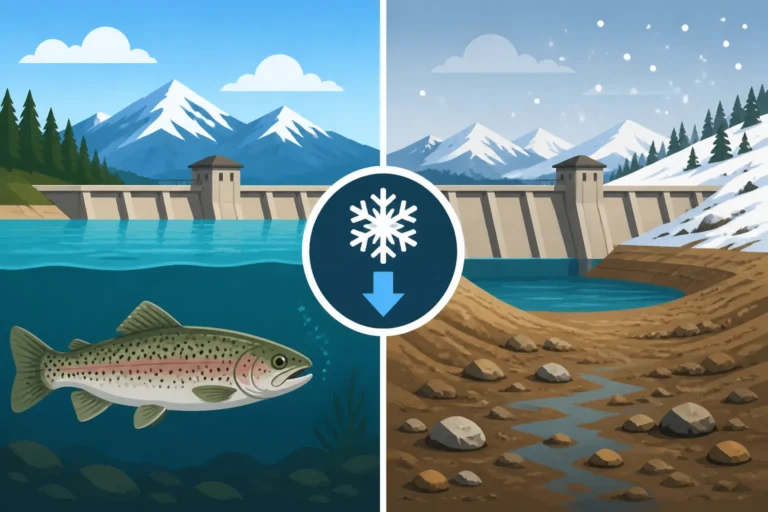
The Fryingpan River's stability, which makes it such a consistent fishery, is a direct result of the Ruedi Reservoir Dam and the intricate water management systems in place. Ruedi Reservoir is part of the larger Fryingpan-Arkansas Project, designed primarily for water storage, irrigation, and power generation, with recreation being a significant secondary benefit. The releases from the dam directly influence the river's flow rates and water temperatures, which in turn dictate fishing conditions, insect hatches, and trout behavior.
While these controlled releases generally provide excellent stability, they can fluctuate based on downstream demands, snowpack levels, and other environmental factors. Being aware of the daily flow rate (often available on the CPW website or through local fly shops) can give you a significant advantage in planning your trip. Higher flows might mean fish are pushed to the banks or require heavier nymph rigs, while lower flows demand stealthier approaches and lighter tippets. Understanding these dynamics helps you adapt your tactics and appreciate the complex interplay between human infrastructure and natural ecosystems. In extreme drought years, water management decisions can even lead to restrictions or closures on some rivers, as explored in our article on Why Colorado Closes Rivers Early During Drought Years.
It’s fascinating to observe how even a subtle change in Ruedi’s release schedule can affect the river. I’ve seen days where a slight bump in flow suddenly activates the fish, bringing them out of deeper lies and into more accessible feeding lanes. Conversely, a sudden drop in flow can put them down, making them incredibly wary. Paying attention to these subtle shifts and understanding their source helps you connect with the river on a deeper level and makes you a more effective angler.
Fryingpan River Seasonal Hatch and Fly Guide
| Season | Primary Hatches | Recommended Fly Patterns (Nymphs) | Recommended Fly Patterns (Dries/Emergers) | Notes |
|---|---|---|---|---|
| Early Spring | Midges, Blue-Winged Olives (BWOs) | Zebra Midge (20-26), Top Secret Midge (22-26), Sparkle Wing RS2 (20-24) | Griffith's Gnat (20-24), Parachute BWO (18-22), Fryingpan Emerger (20-24) | Cold water, delicate presentations, focus on slow runs and eddies. BWOs on overcast days. |
| Late Spring | Midges, BWOs, Caddis | Caddis Larva (14-18), Graphic Caddis (16-20), Barr's Emerger (18-22) | Elk Hair Caddis (14-18), X-Caddis (14-18), CDC Caddis (16-20) | Warmer water, more active fish. Caddis hatches can be prolific; look for evening activity. |
| Summer | Caddis, PMDs, Tricos, Terrestrials | PMD Nymph (16-20), Frenchie (14-18), Prince Nymph (14-18) | Parachute PMD (16-20), Trico Spinner (22-26), Foam Hopper (8-14), Ant/Beetle (14-18) | Low, clear water. Tricos in early mornings, terrestrials on windy afternoons. Very selective fish. |
| Fall | Midges, BWOs, Streamers | Eggs (14-18), Stonefly Nymph (8-14), Worms (10-14), Pats Rubber Legs (8-12) | Parachute BWO (18-22), Comparadun BWO (20-24), Sculpzilla (4-8), Woolly Bugger (6-10) | Brown trout spawn (avoid redds). Aggressive streamer fishing for browns. BWOs on cloudy days. |
| Winter | Midges | Zebra Midge (20-26), Top Secret Midge (22-26), Disco Midge (22-26) | Griffith's Gnat (20-24), Trailing Shuck Midge (22-26) | Coldest water, focus on deep, slow pools. Very subtle takes. Solitude and challenging but rewarding. |
Disclaimer
The information provided in this guide is for general informational purposes only and is subject to change. Fishing regulations, conditions, and access can vary. Always consult the most current Colorado Parks and Wildlife regulations and local conditions before planning your trip. Fishing inherently carries risks; exercise caution and prioritize safety on the water.