Wade Fishing vs Float Fishing on the Dream Stream
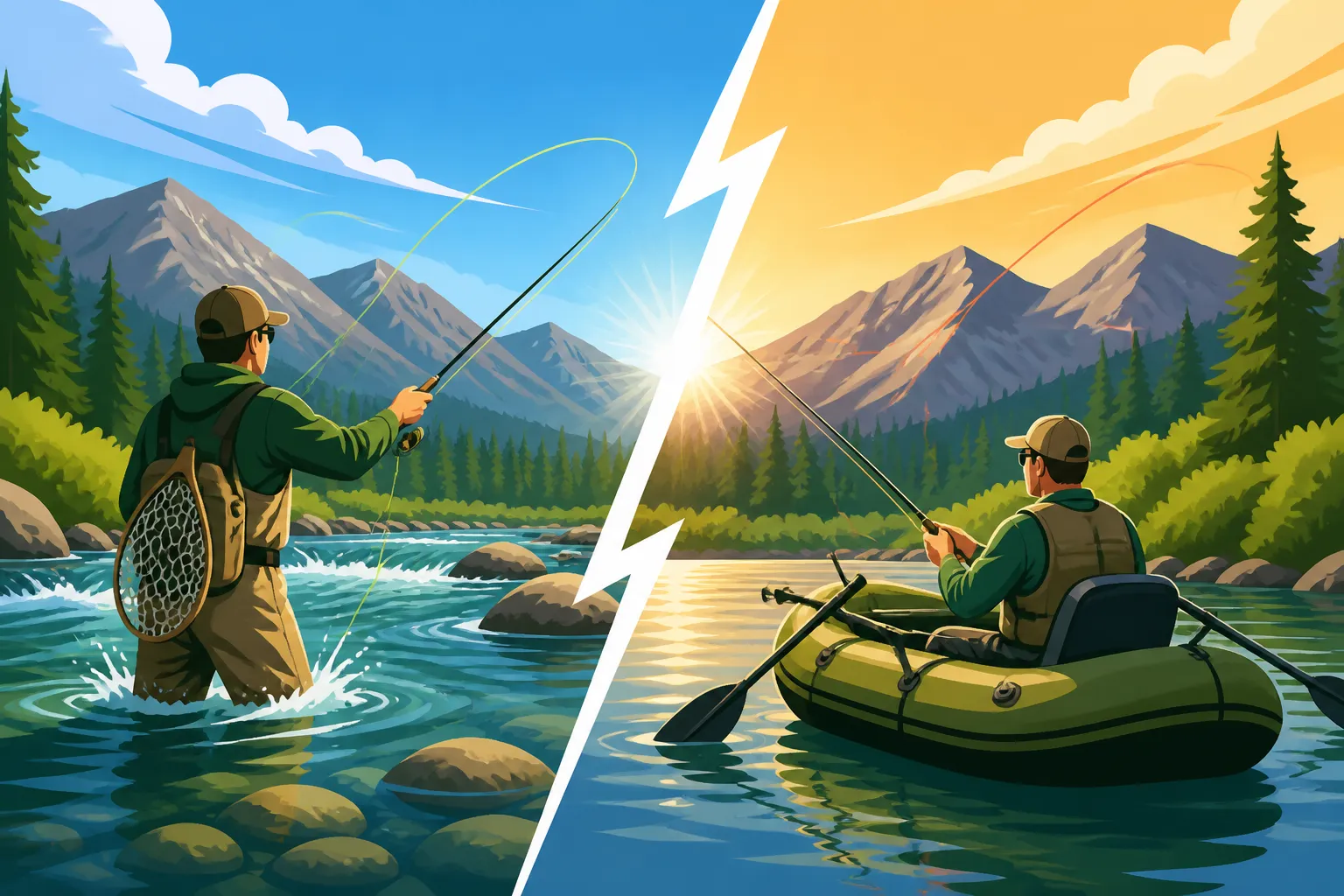
It’s a tale as old as time for any angler eyeing the incredible trout waters of Colorado: how do you get at those elusive, trophy-sized fish? Specifically, when you’re standing at the banks of the legendary Dream Stream, the question often boils down to a fundamental choice – do you pull on your waders and step right in, or do you hop into a drift boat and float your way downriver? This isn't just about personal preference; each method offers a vastly different experience and unlocks unique angling opportunities. This guide will dive deep into the world of wade fishing versus float fishing on the iconic Dream Stream, giving you all the insights you need to decide which adventure is right for you.
Understanding the Dream Stream's Unique Character for Anglers
The Dream Stream, officially part of the South Platte River, is a roughly four-mile stretch of water connecting Spinney Mountain Reservoir and Eleven Mile Reservoir. It’s a place that lives up to its name for many, known for its prolific numbers of large trout, especially during the annual spawning runs. But its magic also comes with its challenges, requiring anglers to be strategic in their approach.
The Layout and Water Dynamics of the Dream Stream
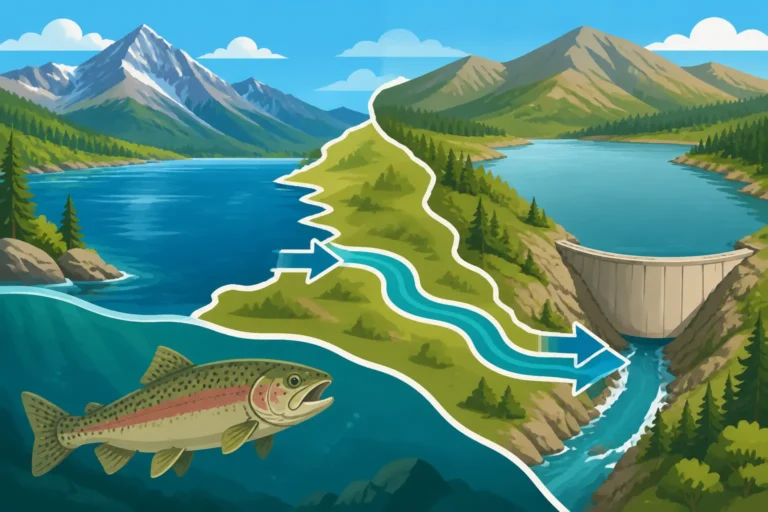
Imagine a serpentine ribbon of clear, cold water winding through high-altitude ranch land. That’s the Dream Stream. It's classified as a tailwater, meaning its flow is regulated by the upstream dam at Spinney Mountain Reservoir. This consistent flow keeps water temperatures relatively stable year-round, making it a prime habitat for trout. The stream itself is a mosaic of classic trout water: deep, slow-moving pools where large fish like to hold, swift riffles providing oxygen and insect food, and meandering bends that create perfect current seams and undercut banks.
While the stream isn't massive, its varied structure means there's always something new to explore. The water is often crystal clear, particularly outside of any significant runoff events or storms. This clarity is a double-edged sword: it allows you to spot fish, but it also means the fish can spot you, demanding a stealthy approach. Understanding these dynamics is crucial, whether you’re planning to get your boots wet or glide above the surface. If you're looking to plan your trip, understanding Fishing the Dream Stream Between Spinney and Eleven Mile can give you a better overview of this special section of river.
Primary Target Species and Their Habits
The Dream Stream is famous for its robust populations of large brown trout and rainbow trout. These aren’t your average hatchery stockers; many of these fish are wild or have been in the system long enough to develop formidable size and intelligence. During the spring (rainbows) and fall (browns) spawning seasons, even more colossal fish migrate upstream from Eleven Mile Reservoir, turning the Dream Stream into a true angling spectacle.
However, these magnificent fish are also incredibly selective. They see a lot of angler pressure, especially on weekends, making them wary and discerning about what they'll eat. Their holding lies often include deep pockets, undercuts, and structure that provides cover from both predators and current. They’ll frequently feed on tiny midges, nymphs, and occasionally larger terrestrial insects during the warmer months. Being able to present a fly or lure naturally and subtly is paramount to success here, regardless of your chosen fishing method. Knowing Colorado's Trout Species, A Field Guide can help you identify these beauties once you land them.
The Art of Wade Fishing the Dream Stream
For many, wade fishing is the quintessential fly-fishing experience. It’s about being in the water, feeling the current, and intimately connecting with the river environment. On the Dream Stream, wade fishing offers a unique set of advantages and challenges that can make or break your day.
Advantages of Getting Your Boots Wet
One of the most significant benefits of wade fishing on the Dream Stream is the sheer control it offers over your presentation. When you’re standing in the river, you can position yourself precisely to achieve the perfect casting angle and drift. This is absolutely critical when dealing with selective trout in clear water. You can meticulously work a single run, making dozens of precise drifts through a promising seam or pocket, adjusting your depth and weight as needed. This methodical approach often leads to cracking the code on finicky fish.
Wading also allows for incredible stealth, provided you move slowly and deliberately. You can approach a promising stretch of water with minimal disturbance, staying low and out of the fish’s line of sight. This personal, intimate connection to the water and its inhabitants is something many anglers cherish. You’re not just casting at the river; you’re a part of it. Plus, you have the flexibility to change spots quickly on foot, exploring different riffles or pools as you read the water and assess where the fish might be holding. This makes it ideal for honing your Nymphing Techniques for Colorado Tailwaters or mastering your dry fly presentation.
Challenges and Considerations for Wading
However, wade fishing on the Dream Stream isn't without its difficulties. The riverbed, while generally manageable, can be slippery with algae-covered rocks, demanding sturdy wading boots and a reliable wading staff for safety. Dealing with the currents, especially in deeper sections or during higher flows, requires constant vigilance and good balance. While the Dream Stream isn't usually a raging torrent, a momentary lapse can lead to a cold dunking. For tips on staying upright, you might want to review How to Stay Safe Wading Fast Colorado Currents.
Another challenge is access. While there are several public access points, particularly around the Eleven Mile State Park, the sheer length of the Dream Stream means that covering significant stretches by wading alone can be tiring and time-consuming. You might find yourself walking a considerable distance between productive spots, and certain areas are simply too deep or too brushy to wade effectively. Finally, especially during peak seasons, the Dream Stream can get crowded. Wading means you're often sharing prime runs with other anglers, and accidental noise or clumsy movements can easily spook fish, impacting not just your success but potentially that of others nearby.
Essential Gear and Techniques for Wade Anglers
For successful wade fishing on the Dream Stream, your gear setup needs to be dialed in. Good quality breathable waders and sturdy wading boots with felt soles or rubber soles with studs are non-negotiable for comfort and safety. A wading staff, as mentioned, is a wise companion.
When it comes to rods, a 9 to 10-foot fly rod in a 4 or 5-weight is ideal. The longer rod aids in line management, especially when performing complex mends for a drag-free drift with nymph rigs. Since much of the fishing here involves subsurface presentations, mastering your Nymph Rigs for Deep Tailwater Runs is paramount. Think small flies – tiny midges, blue-wing olives, and various mayfly and caddis patterns are staples. You'll often be using very fine tippets, sometimes down to 6x or even 7x, to fool these educated trout. Beyond nymphing, having a dry-dropper setup ready for opportunistic dry fly action is also a smart move, especially during hatches. Don't forget a good net with a rubber bag for safely landing and releasing these magnificent fish.
Experiencing the Dream Stream by Float Boat
For those who prefer a different perspective, or want to cover more ground, float fishing the Dream Stream offers an entirely distinct experience. This usually involves a drift boat or raft, often with a professional guide at the oars, allowing anglers to cast from a stable platform.
The Benefits of Covering Water in a Drift Boat or Raft
One of the most compelling advantages of float fishing is the sheer amount of water you can cover in a day. Instead of painstakingly wading through individual runs, a drift boat allows you to efficiently move from one promising section to the next, covering miles of river that would be impractical, if not impossible, to wade. This significantly increases your chances of finding unpressured fish and experiencing a broader range of the river’s character.
Floating also provides access to otherwise unreachable stretches of the Dream Stream. There are sections that are deep, have strong currents, or are flanked by dense vegetation, making wading difficult or hazardous. From the elevated position of a drift boat, you can comfortably cast into these prime lies. Furthermore, float fishing can be less physically demanding than wading, making it an excellent option for anglers who might have mobility limitations or simply prefer a more relaxed day on the water. It also allows for different casting angles and drifts, letting you present flies in ways that are difficult to achieve from a bank or while wading.
Drawbacks and Practicalities of Floating
While the benefits are significant, float fishing the Dream Stream isn't a casual undertaking. Unlike many larger rivers where you might rent a raft and self-guide, the Dream Stream is relatively small and winding. Navigating it successfully, especially with multiple anglers, requires skill, experience, and often, local knowledge. For this reason, most people opt for a guided float trip. This adds a considerable cost compared to a solo wade trip. However, a good guide brings not only their rowing expertise but also years of knowledge about the river, its fish, and the prevailing hatches. If you're considering a guided trip, resources like FishingBooker can help you find reputable outfitters and compare options.
Logistically, float trips also require careful planning for launch and take-out points, which means needing shuttle services or multiple vehicles. While you cover more water, the less intimate connection to specific fish lies can sometimes be a drawback for anglers who enjoy dissecting every inch of a run. You're constantly moving, which means less time to thoroughly work a single hot spot. It’s a trade-off: broad coverage versus microscopic precision. For a deeper dive into the logistics and costs, reading What a Full-Day Colorado Guided Fishing Trip Costs is highly recommended.
Recommended Gear and Tactics for Float Anglers
For float fishing the Dream Stream, anglers often opt for slightly longer fly rods, perhaps 9.5 to 10 feet, in a 5 or 6-weight. The extra length can be beneficial for making longer casts from the boat and for executing more effective mends to maintain a drag-free drift. Streamer fishing can be particularly effective from a drift boat, allowing you to systematically cover larger areas and tempt the Dream Stream’s bigger brown trout. Patterns like Woolly Buggers, Sculpzillas, and articulated streamers in natural colors are popular choices.
While streamers are a go-to, nymphing from a drift boat is also highly productive. Your guide will often position the boat to allow for long, clean drifts through prime holding water. Having a variety of nymph patterns, from stoneflies to tiny midges, is key. Many guides will also have a dry fly rod rigged and ready for those opportune moments when a hatch occurs and fish start rising to the surface. Booking through platforms like FishingBooker often means all necessary gear, including rods, reels, and flies, can be provided by the guide, simplifying your trip planning.
Choosing Your Dream Stream Adventure: Wade or Float?
The decision between wade fishing and float fishing on the Dream Stream ultimately depends on your personal preferences, skill level, and what you hope to get out of your angling experience. There's no single "best" method; only the one that's best for you on a given day.
When Wade Fishing is Your Best Bet
Wade fishing truly shines if you're an angler who loves the technical challenge of fly fishing. If you enjoy slowing down, reading every ripple, and meticulously presenting your fly to individual fish, then wading is likely your preferred method. It’s fantastic for focused, precise angling, especially when you’re targeting specific pockets, current seams, or structure. The ability to thoroughly dissect a promising run and make repeated, perfect drifts is a major advantage.
If you’re on a budget and familiar with the area or comfortable with self-guided exploration, wading offers the most cost-effective way to experience the Dream Stream. It also appeals to those seeking a deeper sense of solitude and connection with nature, even if that solitude is sometimes interrupted by other anglers during peak times. The physical engagement of wading through the river can also be incredibly rewarding. For more on navigating the area independently, check out Best Access Points for the Dream Stream.
When Float Fishing Offers the Superior Experience
Float fishing, especially with a professional guide, is often the superior choice for maximizing the amount of water you cover and, consequently, your chances of finding less pressured, more aggressive fish. If you're someone who values comfort, prefers less physical strain, or wants to explore areas of the river that are difficult to access on foot, a float trip is an excellent option. This is especially true if you are new to the Dream Stream or Colorado fishing in general; a guide provides invaluable expertise, safety, and a seamless experience. Searching for a reputable guide on FishingBooker is a smart first step.
Float trips are also fantastic for larger groups, families, or those looking for a special outing. The camaraderie and shared experience of floating down a beautiful river, with an expert guide handling the oars and sharing insights, can be truly memorable. It’s also an ideal way to try different techniques, like streamer fishing, that are often more effective from a boat.
| Feature | Wade Fishing | Float Fishing (Guided) |
|---|---|---|
| Access & Coverage | Limited to walkable areas; slower coverage. | Covers miles of river; accesses remote sections. |
| Control/Precision | High precision; meticulous drifts to specific spots. | Good precision; broader coverage and varied angles. |
| Physical Effort | High; navigating currents, walking riverbed. | Low to moderate; mostly casting from a stable platform. |
| Cost | Low (gear, license, travel). | Higher (guide fees, shuttle); gear often included. |
| Stealth | High potential for stealth with careful movement. | Excellent; minimal disturbance to water while moving. |
| Gear Provided | Angler provides all gear. | Often includes rods, reels, flies, sometimes waders. |
| Experience Level | Good for all, but best for experienced anglers seeking technical challenge. | Excellent for all, especially beginners and those seeking local expertise. |
| Safety | Requires awareness of currents, slippery rocks. | Guide handles navigation; focus on fishing. |
Combining Approaches and Local Insights
Sometimes the best approach is a combination of both. Some anglers might opt for a float trip to reach a secluded, highly productive section, then spend a significant portion of the day wade fishing that particular stretch before being picked up downstream. It offers the best of both worlds: broad access combined with intimate exploration.
Before any trip to the Dream Stream, whether wading or floating, always check the current conditions. Flow rates can fluctuate, and weather can change rapidly in the Colorado high country. Consulting with local fly shops (like Angler's Covey in Colorado Springs or Royal Gorge Anglers in Cañon City) is an invaluable resource for up-to-date intel on hatches, water levels, and effective patterns. They can also point you to current regulations, which are crucial to understanding when Colorado Fishing Season Dates and Bag Limits apply, especially for sensitive areas like the Dream Stream during spawning runs. And of course, always ensure you have your proper Colorado Fishing License Guide for Residents and Nonresidents in hand!
Disclaimer
Please remember that fishing conditions, regulations, and access can change. Always consult the most current Colorado Parks and Wildlife regulations before heading out. This guide provides general information and recommendations, but it is your responsibility to ensure compliance with all applicable laws and to prioritize your safety while on the water.