Why Blue Mesa Reservoir Holds Colorado’s Lake Trout Record
Anyone who’s ever cast a line in Colorado knows the thrill of chasing a trophy fish, and for many, that ultimate goal is a giant lake trout. It’s easy to feel overwhelmed by the sheer size of some of our reservoirs, wondering where these monsters hide and what makes certain waters so much more productive than others. This guide dives deep into why Blue Mesa Reservoir isn't just one of Colorado's best lake trout fisheries, but the undeniable champion that consistently produces state record contenders and currently holds the coveted title.
The Unique Ecology of Blue Mesa Reservoir
Blue Mesa Reservoir, nestled in the Gunnison National Forest, isn't just big; it's a perfectly sculpted environment that provides everything a lake trout needs to grow to truly gargantuan sizes. It’s not by accident that this place churns out behemoths; it’s a confluence of depth, cold, and an unparalleled food source that makes it a true anomaly among Rocky Mountain fisheries. For anglers hoping to hook into a personal best, understanding these factors is key to unlocking its secrets.
A Deep, Coldwater Haven
At maximum capacity, Blue Mesa Reservoir stretches for over 20 miles, boasts a shoreline of 96 miles, and plunges to depths exceeding 300 feet. This isn't just a large pond; it's practically an inland sea. Lake trout, or "mackinaw" as they're often called, thrive in deep, cold, oxygen-rich waters. Blue Mesa offers exactly that, especially during the warm summer months when other shallower lakes become too warm for these cold-blooded predators. The sheer volume of water provides vast expanses for these fish to roam and grow without the pressure of limited space.
Imagine the subtle thermal layers in such a deep body of water. Below the sun-warmed surface, there are consistent, frigid zones where lake trout find their ideal habitat. This stable, cold environment means they expend less energy regulating their body temperature, allowing more of their caloric intake to go directly towards growth. This kind of deep, cold sanctuary is rare in Colorado, giving Blue Mesa a distinct advantage for growing colossal fish. These deep pockets also act as critical refugia during periods of stress, such as low water levels or heat waves, ensuring the survival of the largest specimens.
Abundant Forage: The Kokanee Salmon Connection
While the cold, deep water sets the stage, the true secret weapon in Blue Mesa’s arsenal is its incredible forage base, particularly the massive populations of kokanee salmon. Kokanee are essentially landlocked sockeye salmon, and they are incredibly rich in fats and protein. These silvery, schooling fish are like prime steaks for a growing lake trout, providing the dense nutrition needed for rapid growth. A lake trout that can gorge itself on countless kokanee will simply grow faster and larger than one relying on a leaner diet of smaller, less nutritious prey.
Beyond kokanee, Blue Mesa also hosts substantial populations of Mysis shrimp. These tiny, freshwater shrimp were introduced decades ago to boost the kokanee population, but they've also become a vital food source directly for juvenile lake trout and other trout species. This diverse and abundant food chain creates a perpetual buffet for predatory lake trout, ensuring they never have to work too hard to find a meal. It's this perfect storm of readily available, high-calorie prey that truly fuels the incredible growth rates seen in Blue Mesa's lake trout. If you're wondering, "Why Blue Mesa Reservoir Holds Colorado’s Lake Trout Record", the answer often lies in their diet.
Strict Management and Conservation Efforts
Colorado Parks and Wildlife (CPW) plays a crucial role in maintaining Blue Mesa's status as a trophy lake trout fishery. Their management strategies are meticulously planned to balance the health of the ecosystem with the desires of anglers. CPW actively manages stocking programs, not just for lake trout, but for the kokanee salmon that sustain them. They monitor populations closely, adjusting stocking numbers and implementing regulations designed to protect the larger, older fish that become the true trophies.
For example, CPW often sets specific bag and possession limits for lake trout, sometimes with different rules for smaller versus larger fish. This is designed to reduce competition among younger fish, allowing them to grow quickly, while also protecting the big breeders. Anglers often refer to the "slot limits" or size restrictions that dictate which fish can be kept. This thoughtful approach ensures that there's a sustainable population of trophy-sized fish for generations to come. Understanding Colorado bag and possession limits by species is crucial for any angler planning a trip.
Record-Breaking History and Angler Experience
Blue Mesa Reservoir's reputation isn't just built on theory; it's cemented by tangible proof, year after year, in the form of truly monumental fish. It's a place where dreams of a lifetime catch can genuinely come true, drawing anglers from across the country to test their skill against its legendary depths.
The Current State Record Lake Trout
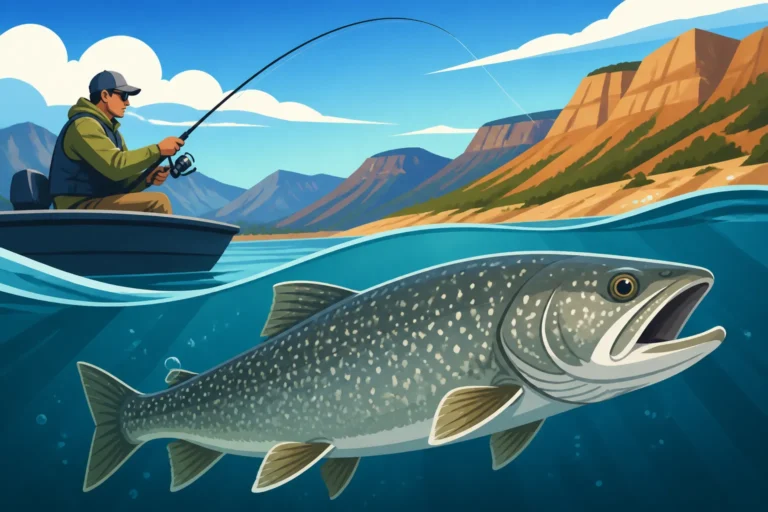
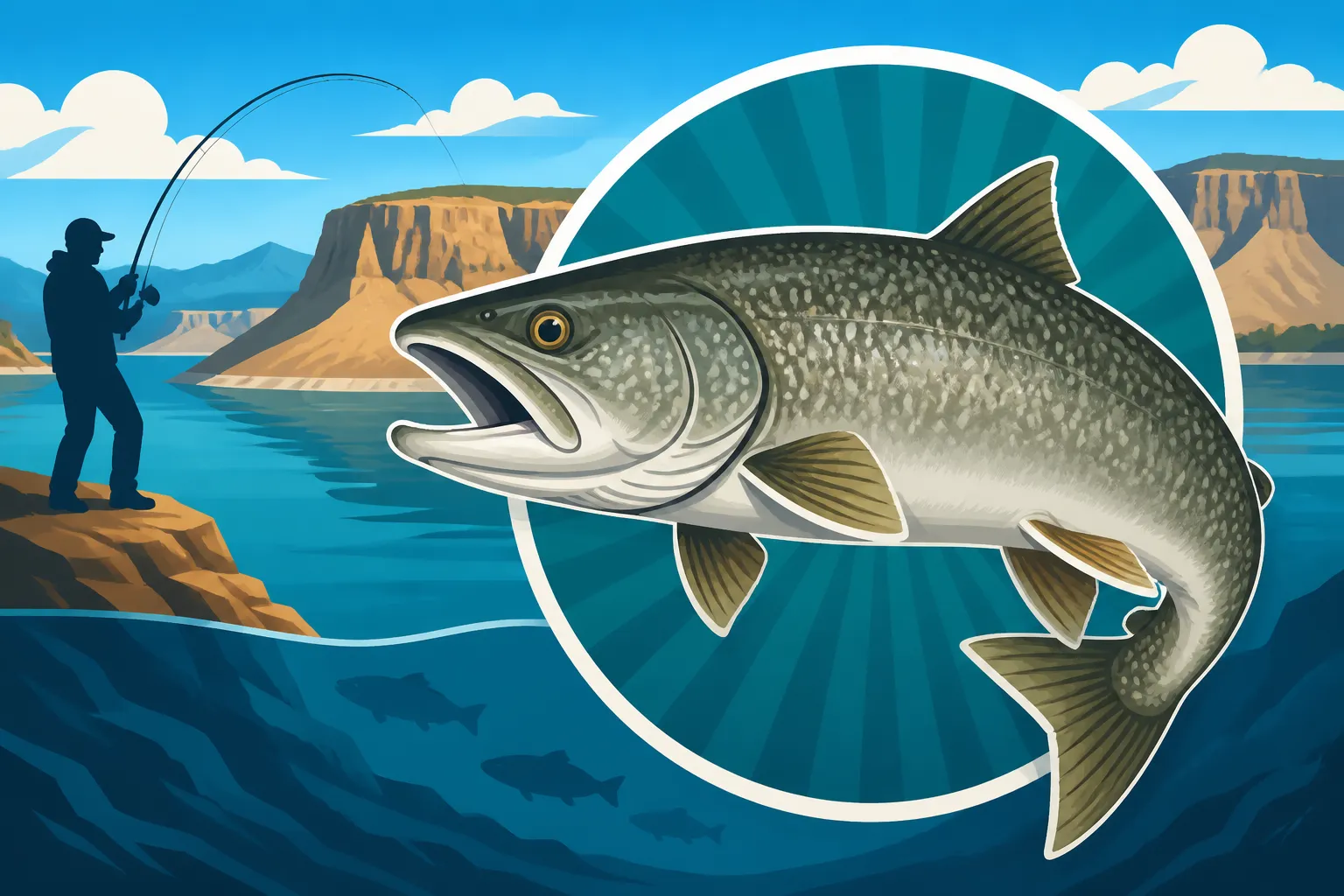
The sheer thrill of fishing Blue Mesa is underscored by its undisputed claim to Colorado's lake trout record. The current state record lake trout, a monstrous 50 pounds, 5 ounces, was pulled from the depths of Blue Mesa Reservoir by Donald Walker in 2007. Just imagine reeling in a fish that size—a truly epic battle! This record isn't just a static number; it's a testament to the reservoir's capacity to grow fish that defy imagination, inspiring countless anglers to try their luck.
The record-breaking potential isn't just a one-off event. Blue Mesa consistently produces lake trout in the 20, 30, and even 40-pound range, making it a hotspot for those seeking genuine giants. This historical success reinforces the reservoir's reputation and its unique ecological advantages. When you look at Colorado’s state record lake trout, Blue Mesa always features prominently for its lakers.
The Thrill of the Chase for Trophy Anglers
For dedicated trophy anglers, Blue Mesa isn't just a fishing spot; it's a pilgrimage. The challenge of locating and enticing these deepwater giants is immense, requiring specialized gear, advanced techniques, and a deep understanding of lake trout behavior. It's a game of patience, skill, and often, a bit of luck, but the reward of hooking into a truly massive fish is unparalleled.
Many anglers spend years honing their craft, investing in powerful rods, heavy line, and sophisticated electronics to scan the depths. The chase itself is a significant part of the allure. The anticipation, the sudden, violent strike, and the epic tug-of-war against a powerful fish in deep water—these are the moments that keep anglers coming back. It’s about more than just the catch; it’s about the entire experience of pitting oneself against one of nature's formidable predators in a truly wild and stunning setting.
Targeting Blue Mesa's Giant Lake Trout
So, you’re ready to chase those Blue Mesa giants? It’s not as simple as casting a worm from the bank. These fish are deepwater predators, and catching them requires specific strategies and equipment.
Techniques for Success
When targeting lake trout in Blue Mesa, you're generally going to be employing deepwater tactics. Trolling is perhaps the most popular method, especially from a boat. Anglers use specialized gear like downriggers to get their lures or bait down to precise depths, often between 60 and 150 feet, or even deeper depending on the time of year and the fish's location. Large spoons, tube jigs, and swimbaits are popular choices, often tipped with a piece of sucker meat for added scent and appeal. The key is to cover a lot of water at specific depths where the lake trout are actively feeding. You can find many excellent guides on charter boats for Colorado’s Blue Mesa Reservoir if you're looking for help.
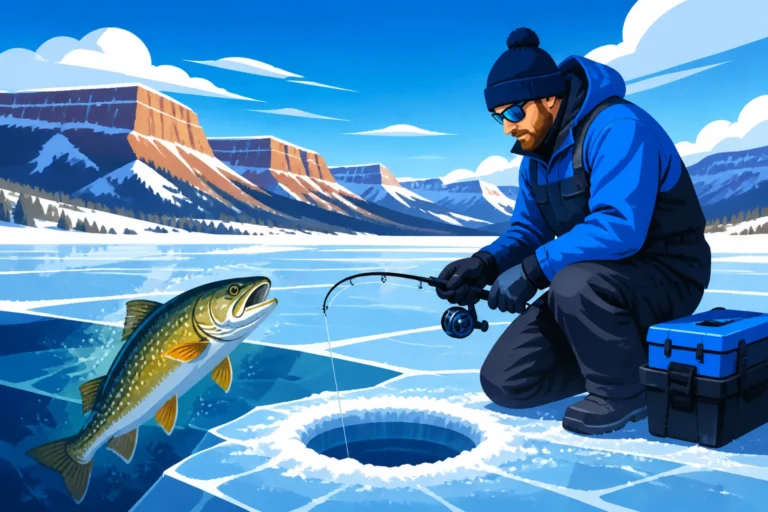
Jigging is another highly effective method, particularly when you've located schools of fish or structure on your sonar. Heavy jigs, often weighing several ounces, are dropped to the bottom or suspended at target depths and then worked with a strong, vertical jigging motion. This mimics a wounded baitfish and can trigger aggressive strikes. During winter, ice fishing Blue Mesa Reservoir is a fantastic way to hook into big ones. You'll often see groups of anglers gathered in specific areas, each trying to find the perfect jigging rhythm. For those less familiar with such methods, booking a charter through services like FishingBooker can provide invaluable hands-on experience and access to the right equipment.
Best Seasons and Depths
Lake trout in Blue Mesa are catchable year-round, but their behavior and preferred depths shift significantly with the seasons.
Spring (Ice-Out to Early Summer): As the ice melts, lake trout can be found at shallower depths as they follow the kokanee into warmer, more oxygenated water near the surface. Depths of 20-60 feet can be productive, and trolling is excellent. This is a fantastic time for more accessible fishing.
Summer: This is when the lake trout move deep. They'll retreat to the cold, dark thermoclines, often holding at 80-150 feet, and sometimes even deeper. This is prime time for downrigger trolling with spoons or large jigs. Knowing how deep to fish Blue Mesa Reservoir for lake trout is critical for summer success. Anglers often rely heavily on fish finders to pinpoint schools of kokanee and the big lakers lurking below. This can be challenging for inexperienced anglers, making a guided trip a smart option. Many experienced local guides on FishingBooker specialize in summer lake trout fishing.
Fall: As water temperatures cool, lake trout can become more active and start to move shallower again, especially in pursuit of spawning kokanee. This can be an incredible time for big fish, as they gorge themselves before winter. Depths can vary, but expect to find them anywhere from 40-100 feet.
Winter (Ice Fishing): Blue Mesa is a renowned ice fishing destination. While still deep, lake trout can be targeted by jigging through the ice. Depths can range from 40 to over 100 feet, often focusing on structure like underwater humps and drop-offs. It's a brutal but rewarding experience. You can even find guides on FishingBooker who specialize in guided ice fishing trips.
Understanding the seasonal movements and feeding patterns is vital for consistent success on Blue Mesa. The sheer size of the reservoir means that fish can be spread out, requiring persistence and a willingness to explore.
Comparative Look at Colorado's Top Lake Trout Waters
To really drive home why Blue Mesa stands out, let's consider a few other notable lake trout fisheries in Colorado. While many lakes hold lake trout, few can consistently match Blue Mesa's potential for truly gargantuan fish.
| Reservoir | Average Depth | Primary Forage | Max Reported Size (approx.) | State Record Potential | Notes |
|---|---|---|---|---|---|
| Blue Mesa Reservoir | 100-300 ft+ | Kokanee Salmon, Mysis | 50+ lbs | Holds State Record | Deep, cold, rich forage, highly managed. |
| Lake Granby | 100-200 ft+ | Kokanee Salmon, Mysis | 30-40 lbs | High | Excellent fishery, but not quite Blue Mesa. |
| Eleven Mile Reservoir | 30-100 ft | Kokanee Salmon, Minnows | 20-30 lbs | Medium | Good numbers, but usually smaller fish. |
| Taylor Park Reservoir | 100-200 ft | Kokanee Salmon, Minnows | 20-30 lbs | Medium | Known for numbers, growing larger fish. |
| Dillon Reservoir | 100-200 ft+ | Mysis Shrimp, Minnows | 15-25 lbs | Low | Less kokanee, Mysis-fed, smaller average. |
As you can see, while other reservoirs offer fantastic lake trout fishing, Blue Mesa's combination of immense depth and an unparalleled kokanee salmon forage base gives it the edge that consistently pushes its fish into the state record books. It’s truly a special place for any angler serious about chasing the biggest lake trout Colorado has to offer.
Disclaimer
The information provided in this guide is for general informational purposes only. Fishing conditions, regulations, and fish populations can change rapidly. Always consult the most current Colorado Parks and Wildlife regulations and local advisories before planning any fishing trip. Fishing inherently carries risks; always prioritize safety on the water.