Best Access Points for the Dream Stream
Oh, the Dream Stream. It's truly a bucket-list destination for so many anglers in Colorado and beyond, a place where trophy trout stories are born. But let's be honest, getting on this legendary stretch of water can feel a bit intimidating, especially if you're not familiar with its unique mix of public access, private property, and sometimes confusing regulations. This guide is here to demystify the process, helping you pinpoint the best, most reliable access points so you can spend less time searching and more time fishing.
Understanding the Dream Stream's Unique Landscape and Access Challenges
The "Dream Stream" isn't an official name on a map; it's a beloved nickname for a specific, highly productive section of the South Platte River. This stretch connects Spinney Mountain Reservoir and Eleven Mile Reservoir, nestled in the scenic South Park region of Colorado. While it's renowned for its incredible trout fishing, getting your boots on the ground can sometimes feel like solving a puzzle.
Why the Dream Stream is a Special but Tricky Fishery
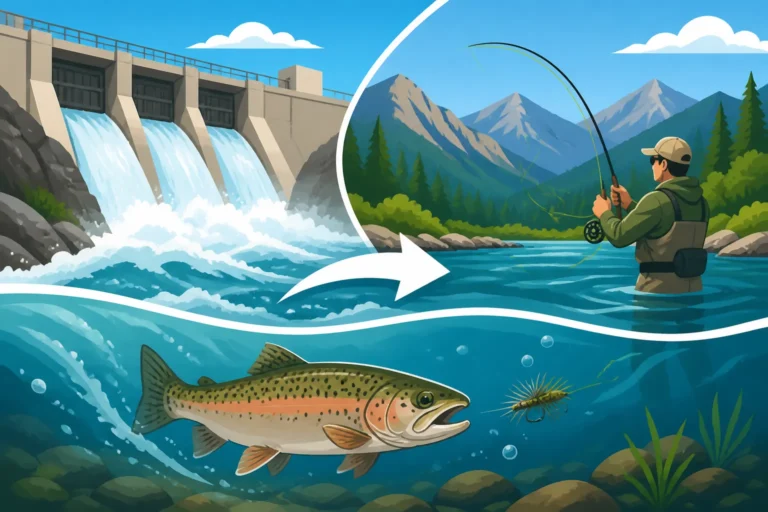
What makes the Dream Stream so legendary? It's the perfect storm of cold, consistent water releases from Spinney Mountain Reservoir, an abundance of aquatic insects, and deliberate management by Colorado Parks and Wildlife (CPW) that creates a truly world-class fishery. We're talking about prolific hatches, incredible nymphing opportunities, and the chance to hook into truly massive rainbow, brown, and cutthroat trout. This entire stretch is designated as Gold Medal Water, which means it meets specific criteria for producing large numbers of quality fish. However, this designation also comes with specific Colorado's Gold Medal Water Regulations Explained, like artificial flies and lures only, and catch-and-release requirements in some sections, adding layers of complexity for new visitors.
The "tricky" part comes from its popularity and the nature of land ownership. This isn't a vast, untouched wilderness; it's a relatively short, highly managed river with sections bordered by private land. Anglers often face crowds, especially on weekends or during prime spawning runs, and the sheer number of vehicles can make parking a challenge. You might even find yourself wondering if you're accidentally trespassing, a frustration we've all felt when exploring new waters. Understanding these nuances before you go is key to a smooth and enjoyable trip.
Navigating Public vs. Private Sections
One of the biggest hurdles for first-time Dream Stream visitors is discerning where you can legally fish. The good news is that the vast majority of the river that anglers target is indeed public land, primarily managed by Colorado Parks and Wildlife within the boundaries of Spinney Mountain State Park and Eleven Mile State Park. However, there are adjacent private parcels, and it’s critical to stay within the marked public access areas.
The river itself is generally considered accessible below the high-water mark, but accessing it across private land without permission is illegal. Most of your access will come directly from within the state park boundaries, requiring a valid Colorado State Parks Pass in addition to your Colorado Fishing License Guide for Residents and Nonresidents. Always look for clear signage indicating public access points or state park boundaries. If you see "No Trespassing" signs or fenced-off areas, respect them. Erring on the side of caution is always best. Don't be that angler who ruins it for everyone else.
Key Access Points for the Dream Stream
While there are some smaller, less obvious spots, the vast majority of anglers access the Dream Stream through the official state park entrances at either end: Spinney Mountain Reservoir State Park (upstream) or Eleven Mile Canyon State Park (downstream). Each offers a different experience and set of logistical considerations.
Spinney Mountain Reservoir State Park Access
This is generally considered the "upper" access point for the Dream Stream. You'll enter through Spinney Mountain State Park, which typically requires a valid Colorado State Parks Pass. If you don't have an annual pass, you can purchase a daily pass at the park entrance.
Once inside Spinney Mountain State Park, you'll follow the road towards the dam and reservoir. The primary parking area for Dream Stream access from this end is often referred to as the "Spillway" or "Dam" parking lot, located near the outlet of Spinney Mountain Reservoir. From this paved lot, you'll see paths leading down to the river. The walk-in from here is relatively easy, descending gently to the riverbank. This upper section of the Dream Stream, particularly close to the reservoir, is known for wider, slower water and can hold large numbers of trout, especially during the fall brown trout spawn and the spring rainbow spawn.
The proximity to Spinney Mountain Reservoir means fish are often moving in and out, providing incredible opportunities. You might find yourself wading in relatively open terrain, but be prepared for occasional muddy banks, especially after rain or snowmelt. This access point is fantastic for those who prefer to fish the "headwaters" of the Dream Stream, where fish densities can be incredibly high. Just remember that even though you're starting close to the reservoir, you'll still be walking a bit to find your ideal fishing spot. While it's not a strenuous hike, having comfortable, waterproof boots is a must.
Eleven Mile Canyon State Park Access
Moving downstream, the other primary access point is through Eleven Mile Canyon State Park. This is a significantly different experience. To enter, you'll need a Colorado State Parks Pass, and there's often an additional daily vehicle fee to drive into the canyon itself, beyond the initial state park entrance. It's a gorgeous drive, following the river through towering granite walls, but be prepared for winding roads and slow speeds, especially if you're behind someone pulling a boat or camper.
Once inside the canyon, there are numerous numbered pull-offs and designated parking areas along the river. These spots allow direct access to different sections of the Dream Stream as it flows through the canyon. Unlike the more open upper section, the canyon offers a variety of water types: deep pools, fast riffles, and long, slow runs, all with unique challenges and opportunities. You can often find areas with more cover and less direct sun, which can be a blessing on hot summer days. The downside is that these pull-offs can fill up quickly, particularly on busy weekends, leading to frustrating searches for an open spot.
Anglers accessing from Eleven Mile will often find themselves doing a mix of wade fishing and bank fishing, exploring the various pockets and seams the canyon walls create. This area often requires a bit more agility and careful footing due to the rocky banks. If you're planning to fish here, consider bringing a good pair of studded wading boots to navigate the slick rocks. This downstream section can be excellent for nymphing techniques for Colorado tailwaters, especially in the deeper runs and pockets. For those curious about different ways to approach this water, understanding whether to choose Wade Fishing vs Float Fishing on the Dream Stream is a good place to start, though most of the canyon is wade-only.
Intermediate Access Points and Parking Tips
While Spinney and Eleven Mile are the main gates, there are a few less formal spots that experienced locals might utilize, though these often require more specific knowledge or are highly dependent on private land permissions. For the vast majority of anglers, sticking to the state park access points is the safest and most reliable bet.
A critical tip, regardless of which state park you enter, is to arrive early, especially if you're fishing on a weekend or during a major hatch like the Blue-Wing Olive. Parking lots, even large ones, fill up fast. "Early" on the Dream Stream often means arriving well before sunrise to secure a spot and get ahead of the crowds. Don't underestimate how popular this destination is.
Also, always display your valid State Parks Pass prominently. Wardens frequently patrol these areas, and you don't want a ticket to ruin your day on the water. Make sure your Colorado fishing license is easily accessible, whether it's a physical copy or a digital one on your phone. If you're confused about the options, checking out Colorado's Annual, One-Day and Five-Day License Options can help you choose the best fit for your trip.
Practical Considerations for Planning Your Dream Stream Trip
A successful trip to the Dream Stream isn't just about knowing where to park; it's about being prepared, respecting the environment, and sometimes knowing when to ask for help.
Essential Gear and Preparedness for Access Hikes
Given the walk-in nature of most Dream Stream access points, especially if you want to get away from the immediate crowds, having the right gear is crucial. You'll be carrying everything you need for the day, so pack smart.
- Footwear: Sturdy, comfortable hiking boots are a must for the walk to the river. Once riverside, a good pair of wading boots (with studs if you're in the Eleven Mile Canyon's rocky sections) will make a huge difference in safety and comfort.
- Layered Clothing: Colorado weather is famously unpredictable. Even on a sunny day, high-altitude winds can make it feel much colder. Pack layers that you can easily add or remove.
- Water and Snacks: Always carry more water than you think you'll need, especially at higher elevations where dehydration can sneak up on you. Pack energy-rich snacks.
- Fishing Essentials: Beyond your rod, reel, and tackle, bring a net (preferably rubberized for fish safety), forceps, nippers, and plenty of appropriate flies. For this Gold Medal Water, focusing on Best Flies for Colorado's Gold Medal Trout Water and understanding local hatches is vital.
- Safety Gear: A small first-aid kit, sunscreen, a hat, and polarized sunglasses are non-negotiables. A headlamp or flashlight is also wise if you plan to fish near dawn or dusk, or if your walk back to the car might be after dark. Knowing the Best Time of Day to Fish the Dream Stream often means being out during these low-light periods.
Respecting Private Land and Angler Ethics
It bears repeating: always know where you are. Stay on marked public access trails and within state park boundaries. Do not cross private property, even if it looks like a shortcut. The relationship between landowners and anglers is delicate, and a few bad apples can ruin access for everyone.
Beyond legal access, practicing good angler ethics is paramount on a high-pressure fishery like the Dream Stream. This means:
- Leave No Trace: Pack out everything you pack in, including monofilament scraps and discarded leader material.
- Wade Responsibly: Avoid disturbing redds (fish spawning beds), which are shallow depressions where fish lay eggs. These are especially prevalent during the brown trout spawning season in the fall and rainbow spawning in the spring.
- Practice Catch and Release: While some sections allow harvest, most anglers on the Dream Stream practice catch and release, especially for the large trophy trout. Learn how to handle trout for a safe release to ensure these magnificent fish survive to fight another day.
- Be Courteous: With crowds often present, respect other anglers' space. Don't crowd someone's fishing spot or wade directly upstream or downstream of them without ample room. A friendly wave and a polite question can go a long way.
Hiring a Guide for Seamless Access and Expertise
For those who are new to the Dream Stream, or even seasoned anglers looking to maximize their time and learn the nuances of this specific water, hiring a local fishing guide can be an absolute game-changer. Guides not only know the prime access points and how to navigate the public/private maze, but they also possess an invaluable understanding of the river's flows, hatches, and the best techniques for the day.
A good guide will provide the necessary gear, teach you proper casting techniques, help you identify hatches, and put you on fish. This can eliminate the stress of finding parking, deciphering regulations, and figuring out what the trout are eating. Services like FishingBooker can be an excellent resource for finding reputable, experienced local guides who specialize in the Dream Stream. They often list guides who are intimately familiar with the specific access points within Spinney Mountain State Park and Eleven Mile Canyon, ensuring you get the most out of your day. It’s an investment that often pays dividends in terms of a more productive and enjoyable experience. If you’re considering this option, you might want to read up on Hiring a Fishing Guide in Colorado, What to Expect.
| Access Point | Location | Park Pass Required? | Additional Fees? | Primary Walk-in Type | Typical Crowds (Peak Season) | Notes |
|---|---|---|---|---|---|---|
| Spinney Mountain State Park | Upstream (reservoir end) | Yes | Daily/Annual Pass | Relatively Flat/Open | High | Easier walk to the river, wider water, excellent during spawns. |
| Eleven Mile Canyon State Park | Downstream (canyon end) | Yes | Daily Vehicle Fee/Pass | Rocky/Varied Terrain | High | Numerous pull-offs, diverse water types, challenging wading. |
Remember, while this guide highlights the most common and reliable access points, the Dream Stream is a dynamic environment. River conditions, regulations, and even access details can change. Always check the latest information from Colorado Parks and Wildlife before heading out. The fishing here is truly legendary, and with a little preparation and respect for the resource, you can create your own Dream Stream memories.
Disclaimer
The information provided in this guide is for general informational purposes only and is subject to change. Always consult the official Colorado Parks and Wildlife regulations and local signage before fishing to ensure compliance with all current laws and safety guidelines. Fishing conditions and access can vary.