Fishing the Dolores River Below McPhee Reservoir
Trying to figure out where to cast your line next in Colorado can be a real head-scratcher, especially with so many incredible rivers and reservoirs to choose from. But if you're looking for a uniquely challenging and rewarding experience, the Dolores River below McPhee Reservoir offers a wild, untamed beauty that's unlike many of the state's more trafficked waters. This guide will walk you through everything you need to know to successfully navigate and fish this remarkable stretch of Colorado's high desert.
Understanding the Dolores River Below McPhee: A Tailwater Ecosystem
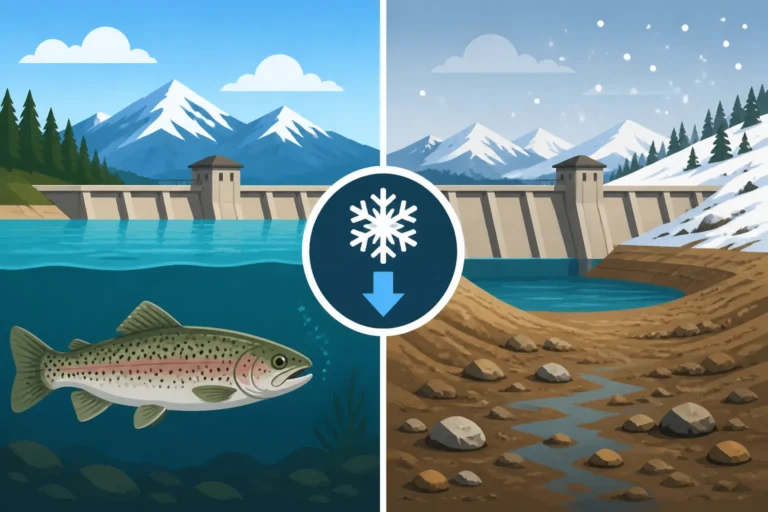
The Dolores River below McPhee Reservoir in southwestern Colorado is a true tailwater fishery, meaning its flows are controlled by the dam. This regulation creates a unique ecosystem, distinct from natural freestone rivers. Upstream, the river might be a raging torrent in spring, but below the dam, the flows can be surprisingly consistent, or, conversely, drastically reduced, depending on irrigation demands. This flow dynamic is the single most important factor to understand when planning a fishing trip here.
Typically, in the colder months and early spring before irrigation season ramps up, the Dolores can offer exceptional fishing. The water released from the bottom of McPhee Dam is cold and nutrient-rich, supporting a vibrant insect population and healthy trout. This stable environment allows trout to grow large and strong, making for a truly memorable angling experience. However, when agricultural demands peak, often from late spring through late summer and early fall, flows can drop significantly, sometimes to mere trickles, making fishing incredibly difficult or even impossible in certain stretches. Always check the U.S. Bureau of Reclamation's website or the local fly shops for current flow releases before you head out.
The canyon itself is rugged and remote, a stark contrast to the verdant mountain streams found elsewhere in Colorado. Towering red rock walls, juniper trees, and sagebrush define the landscape, creating a sense of solitude that's increasingly rare in popular fishing destinations. This remoteness, while adding to its allure, also means limited services and challenging access. Anglers often find themselves miles from the nearest town, requiring self-sufficiency and careful planning. You won't find many easily accessible public parks or developed access points here, which is part of the draw for those seeking a true wilderness experience.
Species You'll Encounter in the Dolores River Tailwater
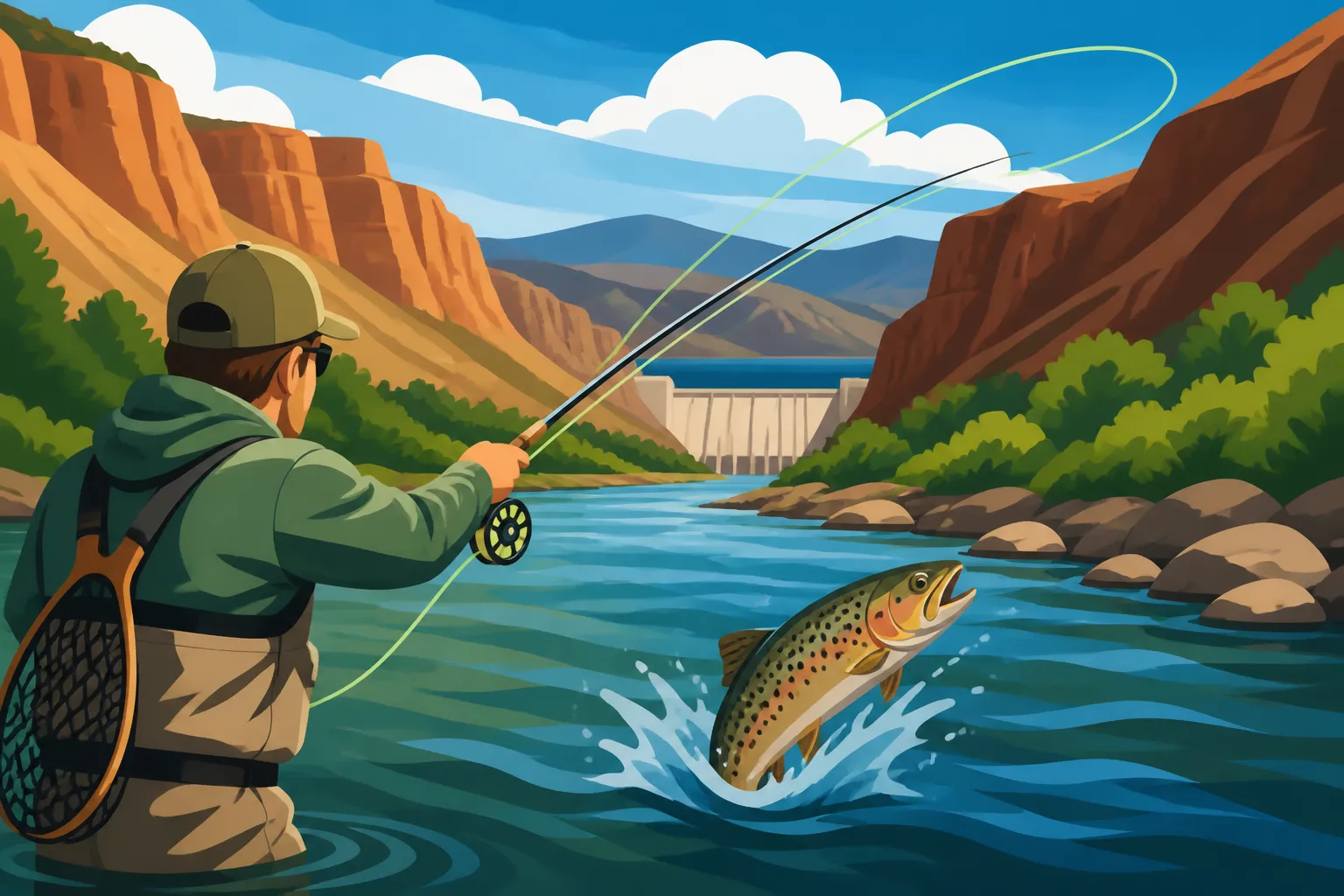
The Dolores River below McPhee is primarily known for its populations of rainbow trout and brown trout. Both species thrive in the cold, clear tailwater conditions, especially when flows are optimal. You'll find a mix of wild, self-sustaining populations, particularly of brown trout, and some stocked rainbows, though the overall wildness of the fishery is a significant draw.
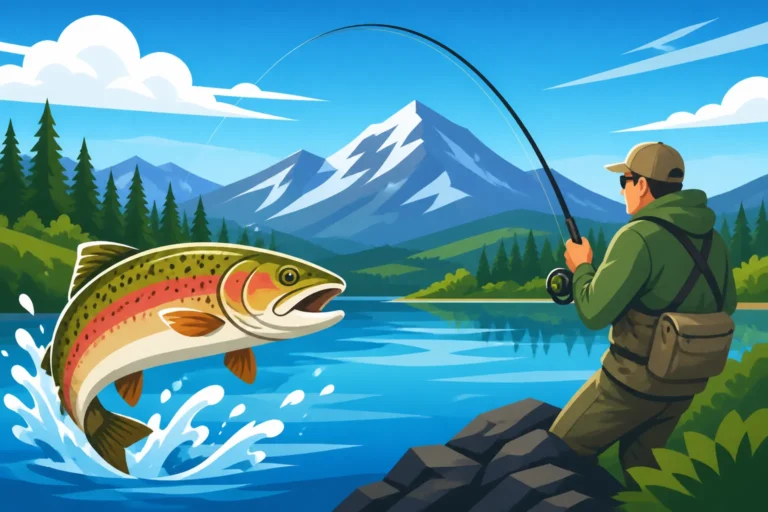
Rainbow trout in the Dolores tend to be robust and feisty, often eager to take a well-presented fly or lure. They can range from juvenile fish to impressive specimens pushing twenty inches or more. Brown trout, known for their elusive nature and predatory instincts, can grow even larger here, especially in the deeper pools and undercut banks. Catching a large Dolores brown is a true trophy for many anglers. Beyond the popular trout species, you might also encounter mountain whitefish, which are native to many Colorado rivers and offer a fun, though often overlooked, challenge. They're strong fighters on light tackle and indicate a very healthy river ecosystem. For more on the fish you might encounter, check out our guide on Colorado's Trout Species, A Field Guide.
| Species | Primary Habitat | Common Size | Preferred Food | Fishing Method |
|---|---|---|---|---|
| Rainbow Trout | Runs, riffles, oxygenated water | 12-20 inches | Mayflies, caddis, midges, scuds | Nymphing, dry flies, streamers |
| Brown Trout | Deeper pools, undercut banks, woody debris | 14-24+ inches | Scuds, stoneflies, baitfish, midges | Streamers, nymphs, dries |
| Mountain Whitefish | Deeper, slower runs, bottom feeders | 10-16 inches | Bottom insects, small nymphs | Nymphing (dead drift) |
Prime Fishing Seasons and Conditions on the Dolores
Timing is absolutely everything when it comes to fishing the Dolores River below McPhee Reservoir. Unlike some other Colorado rivers that are fairly consistent year-round, the Dolores is a river of extremes, largely dictated by the upstream dam management. Missing the sweet spot can mean the difference between epic fishing and staring at a dry riverbed.
Generally, the best times to fish are during the early spring (March to May) and late fall into early winter (October to December). In spring, as temperatures begin to rise but before the major irrigation demands kick in, flows tend to be good, insect activity increases, and trout become very active. You'll often find excellent nymphing conditions, and if the weather cooperates, even some early dry fly opportunities. This period often aligns with hatches of blue-winged olives and caddis, providing consistent action. Remember that spring can bring variable weather, so be prepared for anything from warm sunshine to late-season snow.
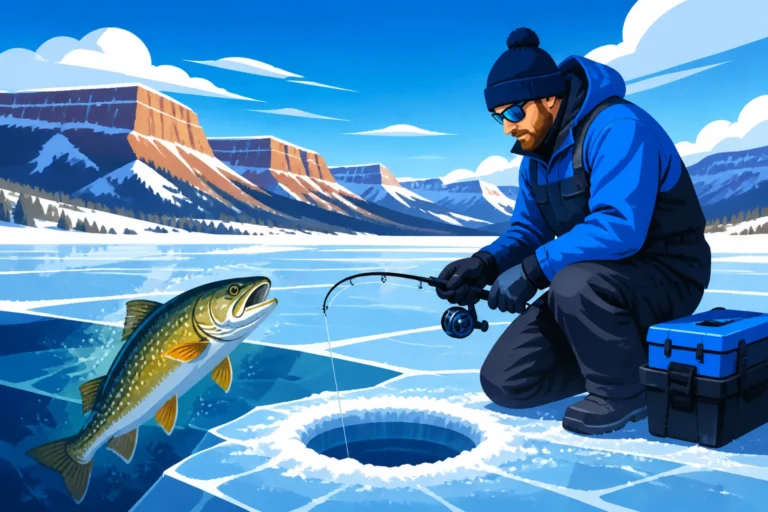
The late fall and early winter months are another prime window. After the intense summer irrigation demands subside, flows from the dam typically stabilize and often increase to winter base flows. The cooler water temperatures make trout very active, especially brown trout that are entering or recovering from their spawning season. Streamer fishing can be particularly effective during this time, targeting those larger, more aggressive browns. The solitude of fall and winter fishing on the Dolores is also a huge bonus, as fewer anglers brave the colder conditions. This is when you can truly appreciate the remote beauty of the canyon. For more general insights on seasonal fishing, explore our guide on Colorado Fishing Seasons Month by Month.
Navigating Challenging Flow Conditions
The most challenging time to fish the Dolores is typically summer (June to September). During these months, the primary purpose of McPhee Reservoir is to provide irrigation water for agricultural use. This often leads to extremely low and fluctuating flows below the dam. Some stretches can be reduced to isolated pools, making fishing unethical and unproductive, as fish become stressed and concentrated. In severe drought years, the river can become virtually unfishable in certain sections for extended periods.
It's crucial to consult the Bureau of Reclamation's website for real-time flow data before planning any summer trip. Local fly shops in towns like Dolores or Cortez are also invaluable resources for current conditions and expert advice. They can tell you if the river is worth fishing or if you'd be better off exploring other nearby options. Sometimes, even with low overall flows, certain downstream stretches might receive some tributary input, making them marginally more fishable, but these are often few and far between and require significant local knowledge. Always err on the side of caution and preservation when conditions are tough; fish conservation is paramount.
Essential Techniques and Gear for Success
Fishing the Dolores River below McPhee Reservoir demands a versatile approach and a good understanding of trout behavior in tailwater environments. Because of the river's clear water and often wary fish, finesse is frequently key, especially when flows are lower. However, when flows are up and aggressive fish are on the prowl, a more assertive approach can pay off.
For much of the year, nymphing will be your bread and butter. The stable water temperatures and rich insect life in tailwaters mean that trout spend a significant amount of time feeding subsurface. A classic two-nymph rig, often with an indicator, is highly effective. Patterns that imitate common Dolores invertebrates like blue-winged olive nymphs, caddis larvae, stonefly nymphs, and particularly scuds (small freshwater shrimp) are essential. When tying on a scud, don't be afraid to try some olive or gray patterns in sizes 14-18; they can be absolute magnets for trout here. For detailed setup instructions, refer to our guide on Nymphing Techniques for Colorado Tailwaters.
When the conditions are right, particularly in spring and fall, dry fly fishing can be phenomenal. Look for consistent hatches of blue-winged olives (BWO) on cloudy days, especially in spring and fall. Caddis hatches are also strong, particularly in late spring and summer evenings. Less common, but still possible, are stonefly hatches. Having a good selection of dries in various sizes, from tiny midges (size 20-24) for winter and early spring to larger caddis and BWO patterns (size 14-18), will serve you well. Even if fish aren't actively rising, a dry-dropper rig can be a great way to prospect.
Streamer Fishing and Spin Fishing Considerations
For those who love to hunt for bigger fish, streamer fishing can be incredibly rewarding, especially during the colder months when brown trout are more aggressive. Large, articulated streamers in olive, black, or white, stripped aggressively through deeper pools and along undercut banks, can elicit violent strikes from trophy browns. This technique often requires a heavier fly rod (6 or 7 weight) to cast the larger flies, and a strong leader and tippet. Our article on Streamer Fishing for Colorado Brown Trout offers more specialized tips for targeting these larger predators.
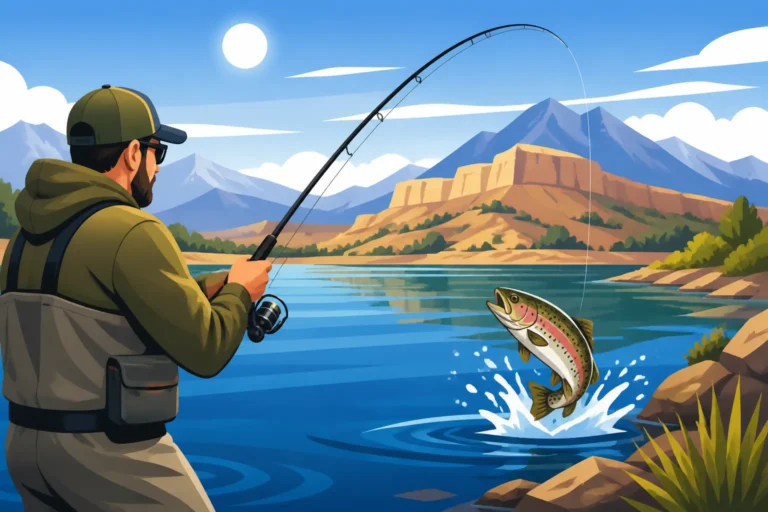
If you're a spin angler, don't despair! The Dolores can also offer great opportunities. Small spinners, spoons, and soft plastics (like Gulp! minnows or similar designs) can be very effective. Look for lures that mimic small baitfish or larger insects. Gold and silver patterns, or naturalistic colors like olive and brown, often work best. Using light line (4-6 lb test) is crucial due to the clear water, and always check Colorado Bait Restrictions and Where They Apply as some sections may have lure-only rules, or restrictions on live bait. The key to success with spin fishing, much like fly fishing, is to understand where the fish are holding and to present your lure naturally.
Access Points and Regulations You Need to Know
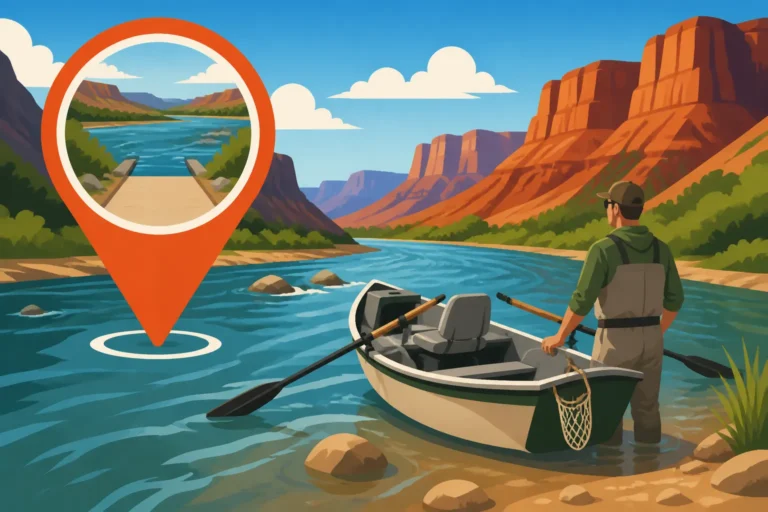
Accessing the Dolores River below McPhee Reservoir can be a bit tricky compared to some of Colorado's more developed fishing destinations. The river winds through a mix of public and private lands, and while there are some designated public access points, many stretches require careful navigation or even a bit of a hike. This contributes to the river's wild character but also necessitates prior research and respect for private property.
One of the primary access points is directly below McPhee Dam, near the town of Dolores. This area offers some public access for wading and bank fishing, and it's a good place to start to gauge current flow conditions. Further downstream, access becomes more dispersed. Areas like the Big Bend Recreation Area and sections along Disappointment Valley Road offer limited public access, often requiring you to park and hike in. These spots might not be well-marked, so a good topographical map or a reliable GPS app (like OnX Hunt or similar outdoor navigation tools) is invaluable. Always look for public land boundaries and respect "No Trespassing" signs. Float fishing can be an option for some stretches, but this requires significant planning due to the remoteness, potential low flows, and difficult take-out points.
Before you even think about wetting a line, make sure you have a valid Colorado fishing license. You can purchase these online through CPWShop.com, at many sporting goods stores, or even by phone. For a complete overview of what you need, consult our comprehensive Colorado Fishing License Guide for Residents and Nonresidents. Familiarize yourself with the specific regulations for the Dolores River. While general statewide regulations apply, there might be special provisions for certain stretches below McPhee, such as catch-and-release only, artificial flies and lures only, or specific length limits. These are often posted at access points or detailed in the annual Colorado Fishing Brochure, which you can typically find at any license vendor or on the Colorado Parks and Wildlife website.
Safety and Conservation in the Dolores Canyon
Given the remote nature of the Dolores River canyon, safety should always be a top priority. Cell service can be spotty to non-existent in many areas, so always let someone know your plans and expected return time. Carry plenty of water, especially during warmer months, as well as snacks, a first-aid kit, and appropriate layers of clothing. The weather in this part of Colorado can change rapidly. Encountering wildlife, including bears and mountain lions, is possible, so know how to react responsibly.
Practicing responsible catch-and-release techniques is also vital, especially for the larger, wilder trout populations. Use barbless hooks, minimize handling time, and ensure fish are fully revived before releasing them. The health of the fishery depends on these practices. For more information on proper handling, see our guide on How to Handle Trout for a Safe Release. Finally, pack out everything you pack in. Leave no trace, so that the next angler can enjoy the pristine beauty of the Dolores River just as you did. The wildness of this river is a precious resource, and it's up to all of us to protect it.
If you're looking to plan a trip and perhaps connect with local expertise, resources like FishingBooker can help you find guides who specialize in the Dolores River or other nearby fisheries. While finding a dedicated Dolores guide might be tougher due to its remote nature, guides operating in the larger Cortez or Dolores areas might offer trips when conditions are favorable. Booking through a platform like FishingBooker can also help you find reviews and ensure you're working with a reputable outfitter.
Disclaimer
The information provided in this guide is for general informational purposes only and is subject to change. Always consult the official Colorado Parks and Wildlife (CPW) regulations and local conditions before planning your fishing trip. Fishing carries inherent risks, and anglers are responsible for their own safety and for adhering to all applicable laws and regulations.