Fishing Steamboat Lake
There’s nothing quite as frustrating as planning a Colorado fishing trip, arriving at a stunning lake, only to realize you have no idea where to start. The sheer beauty of places like Steamboat Lake can be intimidating, leaving you wondering if you're even in the right spot or if your gear is up to snuff. This comprehensive guide is here to cut through that confusion, equipping you with everything you need to know to successfully fish Steamboat Lake, from seasonal strategies to species-specific tactics.
Why Steamboat Lake is a Gem for Anglers
Steamboat Lake, nestled in the gorgeous Yampa Valley near the town of Clark, is truly a jewel of northern Colorado. It's not just a pretty face for postcards; this lake consistently offers some of the best fishing opportunities in the state, drawing anglers from all over. The mountainous backdrop, combined with crystal-clear waters, creates an experience that's as much about the scenery as it is about the catch.
Lake Characteristics and Location
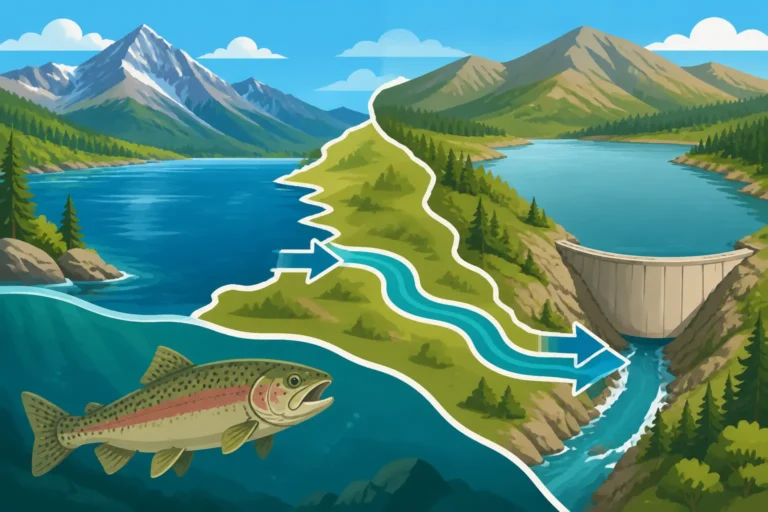
Steamboat Lake is a large reservoir, covering over 1,000 surface acres at an elevation of 8,100 feet. Its size means diverse habitat for fish, from shallow weed beds to deep, cooler sections, making it a fantastic spot for different fishing styles. The lake is part of Steamboat Lake State Park, which means well-maintained facilities, campgrounds, and easy access, but also state park fees. It's fed by the Elk River, which brings in cold, oxygen-rich water that fish absolutely thrive in. The combination of size, depth, and consistent water flow ensures a healthy and vibrant fishery throughout the year.
The geography of Steamboat Lake is also quite varied. You'll find long stretches of accessible shoreline, perfect for bank anglers, alongside deeper coves and rocky points that attract fish looking for structure. The lake's clear water means you often need to be stealthy, but it also allows for some incredible sight-fishing opportunities, especially when the light is just right. Understanding the contours and depths of the lake can dramatically improve your success, whether you’re casting from shore or trolling from a boat.
A Reputation for Quality Trout Fishing
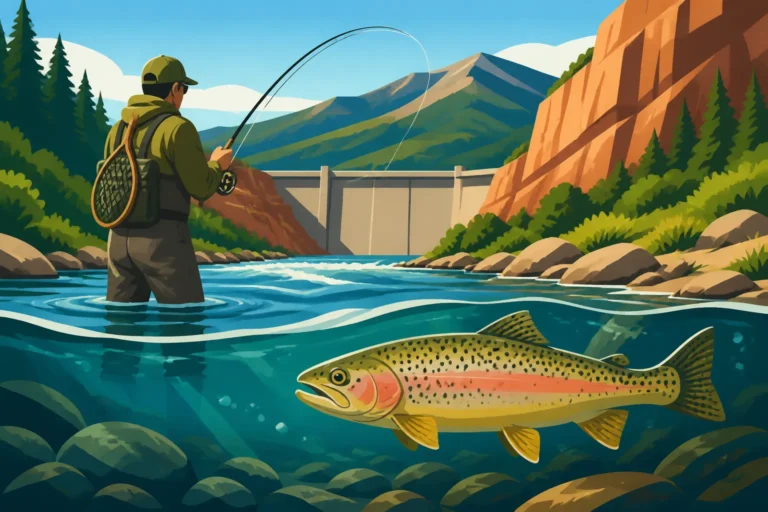
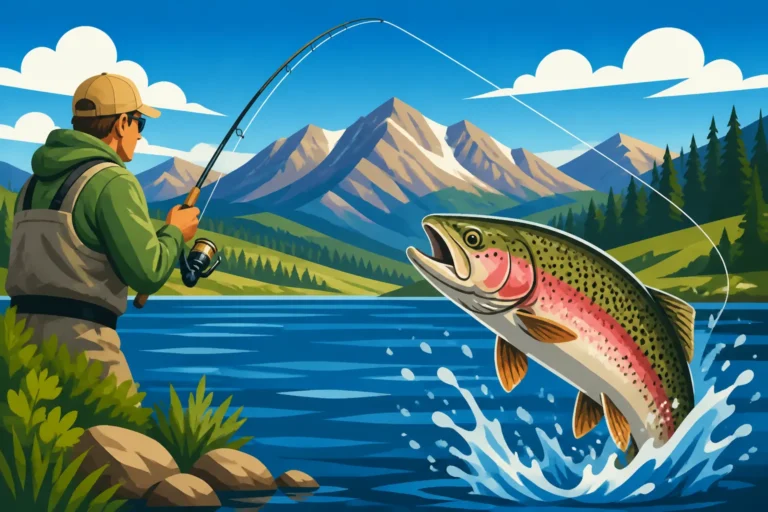
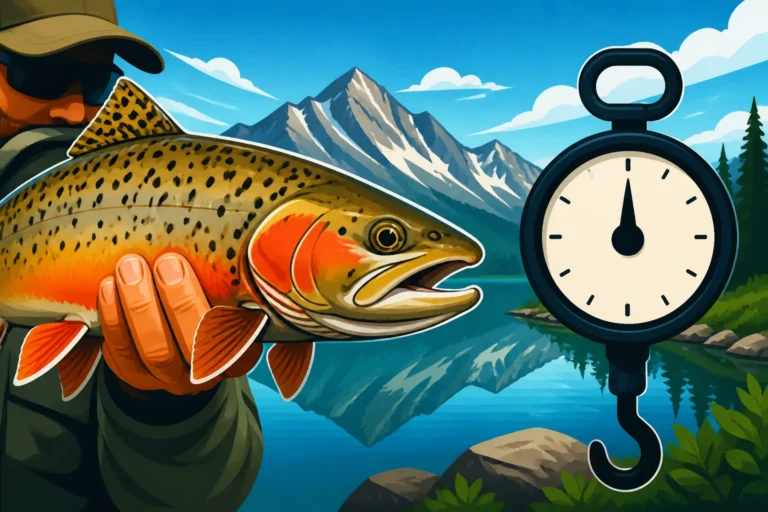
While not officially designated as one of Colorado's "Gold Medal Waters," Steamboat Lake certainly fishes like one. It's renowned for its healthy populations of rainbow trout, brown trout, and cutthroat trout, with many anglers reporting catches in the 16-20 inch range, and even larger specimens not uncommon. The cold, clear water and abundant food sources allow these fish to grow to impressive sizes, offering a thrilling challenge for seasoned anglers and a memorable experience for beginners.
The Colorado Parks and Wildlife (CPW) actively manages Steamboat Lake, stocking it regularly with rainbow trout to supplement the wild populations of brown and cutthroat trout. This consistent stocking ensures a robust fishery year after year. The lake’s diverse aquatic insect life and forage fish create an ideal environment for trout growth, contributing to their size and fighting spirit. Many anglers specifically visit Steamboat Lake hoping to land a trophy-sized trout, and often, they are not disappointed. For more about specific species, check out our guide on Colorado's Trout Species, A Field Guide.
Prime Fishing Seasons and Conditions
Understanding the seasonal patterns at Steamboat Lake is crucial for planning a successful trip. The fishing can vary dramatically from one month to the next, influenced by water temperature, insect hatches, and the behavior of the fish themselves. Being prepared for these changes will put you leagues ahead of other anglers.
Spring Thaw and Early Summer Action
As the ice melts away in late April and May, Steamboat Lake comes alive. This period, often referred to as "ice-off," is a fantastic time for aggressive trout. The water is still cold, but the fish are hungry after a long winter and often feed heavily in shallower areas where the water warms first. Both shore anglers and those with boats can have excellent success during this time. Think about areas where small tributaries feed into the lake, bringing in nutrients and insect larvae.
Early summer, typically June, continues to offer excellent fishing. While runoff from snowmelt can sometimes temporarily cloud the water or raise levels, Steamboat Lake often maintains good clarity, especially compared to many rivers. The fish remain active, often found cruising the weed lines and drop-offs. This is when you'll start seeing more insect hatches, which can trigger strong dry fly action for fly anglers. Being mindful of Colorado Fishing Season Dates and Bag Limits is always a good practice, especially during these prime periods.
Summer Tactics and Warmer Water
By July and August, the surface waters of Steamboat Lake warm up considerably. This means the trout, particularly the larger ones, will retreat to deeper, cooler sections of the lake. This shift often favors boat anglers who can effectively troll deeper water or target specific submerged structures using electronics. Shore fishing can still be productive, especially during the cooler parts of the day – early morning and late evening – when trout might venture closer to the banks to feed.
During these warmer months, while trout might be deeper, other species might become more active in shallower zones. Focus on areas with springs or deeper channels for trout, and don't be afraid to experiment with different depths and presentations. Consider using longer leaders and lighter tippets if the water is very clear, as the fish can become more wary. This is also a great time to explore the lake thoroughly, using your boat to find those hidden cool water pockets.
Fall Run and Pre-Winter Feeding
Autumn at Steamboat Lake is nothing short of spectacular, both for the scenery and the fishing. As the air temperatures drop and the water begins to cool, the trout become incredibly active once again. They sense the coming winter and engage in a strong feeding frenzy, trying to pack on calories. This is especially true for the brown trout, which begin their spawning preparations and can be incredibly aggressive. Larger, predatory fish will often be found chasing baitfish in shallower areas.
September and October offer some of the best opportunities for trophy brown trout. The cooler water means fish are more accessible throughout the day, and their vibrant fall colors make for incredible photos. Kokanee salmon also begin their spawning runs during the fall, adding another exciting dimension to the fishery, though special regulations often apply to targeting them. For a deeper dive into these vibrant species, our guide on Brown Trout in Colorado, Where They're Wild can offer more insights. As the days shorten and winter approaches, the feeding activity remains high right up until the lake begins to freeze over.
Targeting Steamboat Lake's Diverse Fish Species
Steamboat Lake is a treasure trove for anglers due to its diverse and healthy fish populations. Knowing what you're targeting and how to best approach each species can make all the difference between a slow day and a banner day.
Rainbow and Cutthroat Trout Strategies
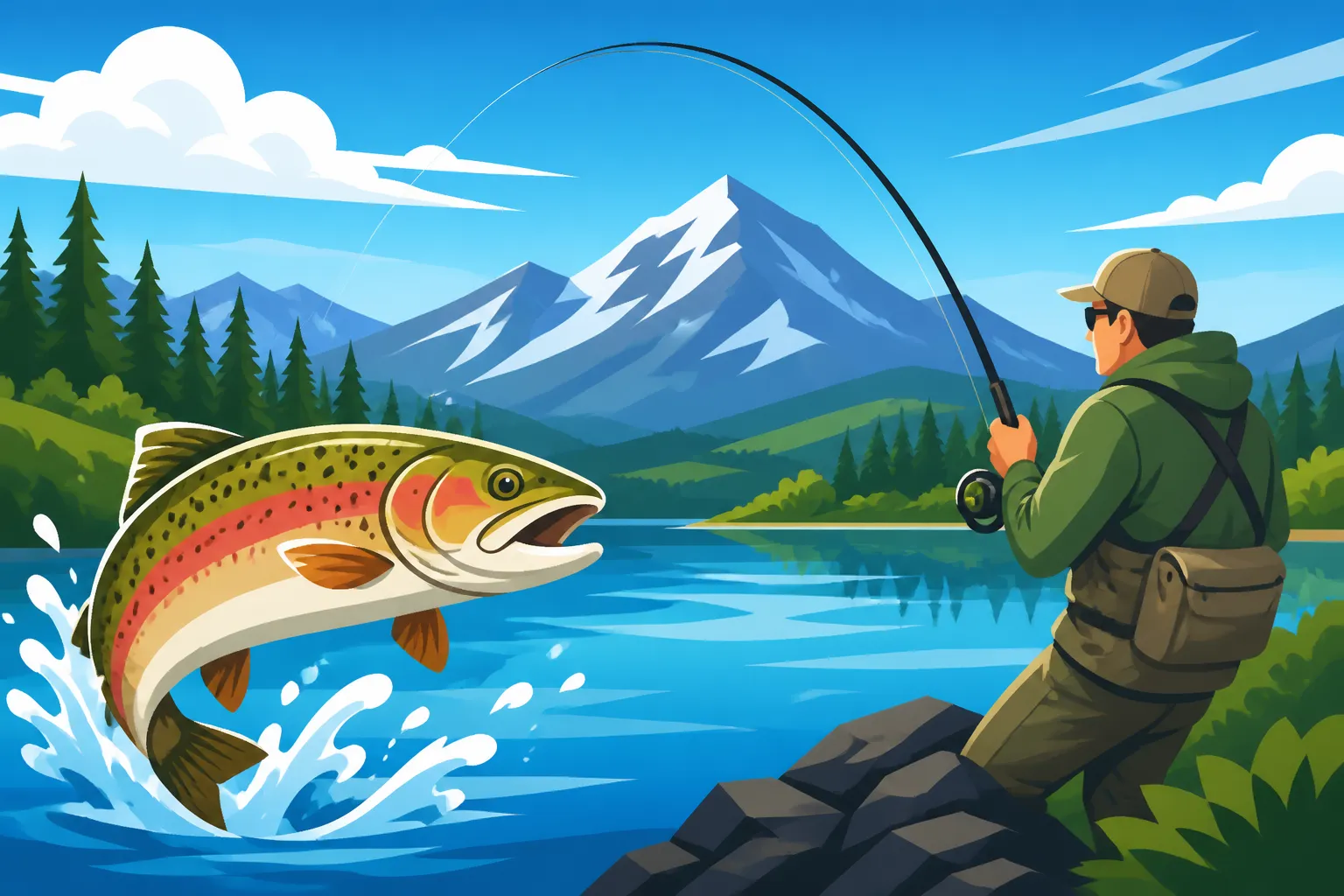
Rainbow trout are undoubtedly the most common catch at Steamboat Lake, thanks to consistent stocking by CPW. They are generally eager biters and can be caught using a wide variety of methods. For rainbow trout, both bait fishing and artificial lures or flies can be highly effective. PowerBait, worms, and salmon eggs are perennial favorites for bait anglers, fished on the bottom with a small weight or suspended under a bobber. These methods are particularly effective near the shoreline and in shallower coves.
For those preferring artificials, small spinners like a Mepps or Rooster Tail in silver, gold, or brass can be deadly, especially when retrieved at a medium pace. Spoons, such as a Kastmaster or Daredevle, also work well, particularly when casting from shore or trolling slowly from a boat. Fly anglers will find success with nymph patterns like pheasant tails, hare's ears, and prince nymphs, often fished under an indicator. When hatches occur, dry flies imitating caddis, midges, or blue-winged olives can elicit explosive surface strikes. Cutthroat trout, while less numerous than rainbows, are native beauties often found in similar areas and will strike at similar presentations, though they can sometimes be a bit more finicky. Our detailed article on Rainbow Trout in Colorado, Where They're Stocked provides more specifics on their behavior.
Brown Trout Habits and Hotspots
Brown trout are the true trophy fish of Steamboat Lake. These elusive and often larger fish are known for their predatory nature and can be a challenging but rewarding target. Unlike rainbows, many brown trout in Steamboat Lake are wild and naturally reproducing, contributing to their wary nature. They tend to prefer structure—rocky points, submerged timber, and drop-offs—where they can ambush unsuspecting prey. They also have a reputation for being most active during low light conditions, meaning early mornings, late evenings, and even night fishing can be prime times to target them.
When targeting brown trout, larger lures are often the key. Stickbaits and jerkbaits, such as Rapalas or ThunderSticks, in natural baitfish patterns (like rainbow trout or perch imitations) are very effective when trolled or cast near structure. Spoons and larger spinners can also entice a strike. Fly anglers should focus on streamer patterns like Woolly Buggers, Sculpzillas, or articulated streamers, stripped aggressively through deeper pools or along current breaks. During the fall spawn, browns become very aggressive, making this an excellent time to target them, but always respect their spawning activity and handle them carefully.
Kokanee Salmon Runs and Techniques
Steamboat Lake is also home to a thriving population of kokanee salmon, landlocked sockeye salmon that offer a unique angling experience, especially in the late summer and fall. Kokanee are schooling fish that spend most of their lives in the deeper, cooler parts of the lake, feeding primarily on zooplankton. They are known for their distinctive bright silver appearance until they begin their spectacular transformation to a vibrant red as they prepare for their spawning run.
Trolling is the most effective method for catching kokanee salmon during the summer months. Anglers typically use downriggers to get small dodgers or flashers down to the depths where the kokanee are holding, usually between 20-60 feet. Behind the dodger, a small spoon or a wedding ring spinner tipped with a kernel of corn is a classic and highly effective setup. Pay close attention to your fish finder to locate schools of kokanee. In the fall, as the kokanee stage for their spawn, they become less interested in feeding and are often targeted by snagging, which has very specific and limited seasons and regulations. Always consult the current CPW regulations for kokanee salmon, as rules on snagging and possession can change annually. Our guide to Kokanee Salmon Fishing in Colorado delves deeper into these magnificent fish.
| Species | Best Season | Preferred Habitat | Recommended Techniques | Common Baits/Lures/Flies |
|---|---|---|---|---|
| Rainbow Trout | All year, esp. Spring, Early Summer | Shallow coves, weed lines, deeper breaks | Bait, Spin, Fly, Trolling | PowerBait, Worms, Spinners, Nymphs |
| Brown Trout | Spring, Fall (esp. for size) | Rocky points, submerged structure, deep coves | Spin, Fly (Streamers), Trolling | Jerkbaits, Spoons, Large Streamers |
| Cutthroat Trout | Spring, Early Summer, Fall | Similar to Rainbows, often shallower | Bait, Spin, Fly | Worms, Spinners, Nymphs, Dry Flies |
| Kokanee Salmon | Summer (trolling), Fall (spawning) | Deep open water (summer), river inlets (fall) | Trolling (summer), Snagging (fall) | Dodgers, Wedding Rings, Corn, Spoons |
Gear, Baits, and Techniques for Success
Equipping yourself with the right gear and knowing how to use it effectively will dramatically improve your chances of success at Steamboat Lake. From delicate fly presentations to powerful trolling setups, each method has its place.
Fly Fishing Approaches
Steamboat Lake offers fantastic opportunities for fly anglers, whether from shore, wading, or a boat. For general trout fishing, a 5- or 6-weight fly rod is a versatile choice. You'll want a floating line for dry fly and indicator nymphing, and possibly a sink-tip or full sinking line for stripping streamers in deeper water or from a boat. Leaders should be tapered, with tippet sizes ranging from 4x to 6x, depending on water clarity and fish selectivity.
Nymphing is consistently productive, especially when fish are not rising. Popular patterns include Prince Nymphs, Hare's Ears, Pheasant Tails, and Copper Johns. Fish these under an indicator, adjusting your depth to find where the fish are holding. Dry fly fishing can be spectacular during hatches of midges, caddis, or blue-winged olives; having a selection of these patterns in various sizes is crucial. When targeting larger brown trout, aggressively stripped streamer patterns like Woolly Buggers (olive, black, white), Sculpzillas, or even larger articulated streamers can provoke powerful strikes. Early morning and late evening often provide the best conditions for both dry fly and streamer fishing.
Spin Fishing Lures and Baits
Spin fishing is perhaps the most accessible and popular method at Steamboat Lake, yielding great results for all species. A medium-light action spinning rod (6-7 feet) paired with a reel spooled with 6-8 pound monofilament or fluorocarbon line is a good all-around setup. For bait fishing, a simple slip-sinker rig with a worm or PowerBait is highly effective. You can cast this out and let it settle on the bottom, or suspend it under a bobber for shallower presentations.
Lures that imitate baitfish are excellent choices for targeting aggressive trout and salmon. Small inline spinners (Mepps, Panther Martin, Rooster Tail) in sizes #1-3 are great for casting and retrieving, especially along shorelines and over submerged weed beds. Spoons (Kastmaster, Crokodile, Daredevle) offer more weight for longer casts and can be worked effectively with a jigging or erratic retrieve. For larger brown trout, crankbaits or jerkbaits that dive to different depths can be trolled or cast, imitating the lake's forage fish. Always vary your retrieve speed and depth until you find what the fish are keying in on.
Boat and Shore Fishing Considerations
Both boat and shore fishing can be highly productive at Steamboat Lake, each offering unique advantages. Shore anglers will find numerous access points throughout Steamboat Lake State Park, particularly around the campgrounds and picnic areas. These spots often have good drop-offs near the bank, especially in spring and fall. Early mornings and late evenings are typically the best times for shore fishing, as fish move into shallower water to feed. Don't be afraid to walk and explore different sections of the shoreline to find active fish.
Boat anglers have the distinct advantage of accessing the entire lake, including deeper water and less pressured areas. Whether you're in a motorboat, kayak, or float tube, being able to cover water and target specific structures is key. Trolling with downriggers or lead core line is a fantastic way to target kokanee salmon and deep-holding trout. When anchoring, try to position your boat on drop-offs or near submerged features. A good fish finder can be invaluable for locating schools of fish and understanding the lake's underwater topography. Remember to respect other anglers and maintain safe boating practices. If you're looking for specialized gear for trolling, our guide on Trolling Techniques for Colorado Reservoirs offers great tips.
Navigating Steamboat Lake State Park and Regulations
Fishing at Steamboat Lake also means understanding the operational aspects of a state park and adhering to Colorado's fishing regulations. Proper planning ensures a smooth and enjoyable trip.
Access Points and Facilities
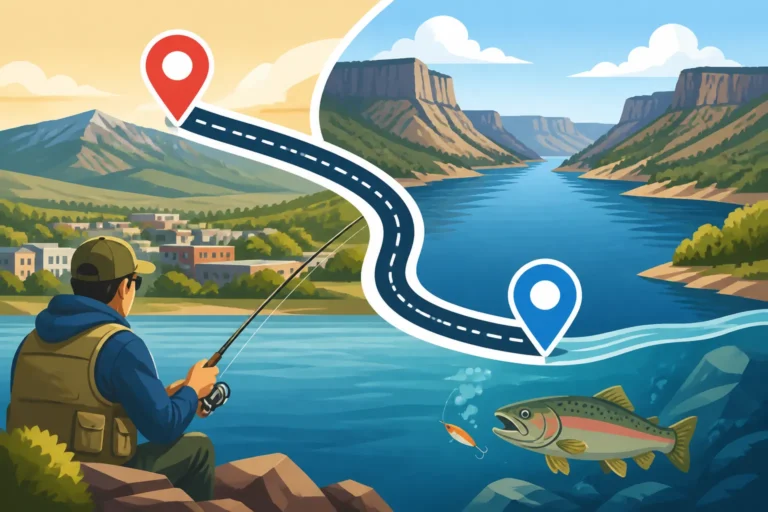
Steamboat Lake is located within Steamboat Lake State Park, which is easily accessible via scenic drives from Steamboat Springs. The park offers multiple amenities that make a fishing trip comfortable and convenient. There are well-maintained boat ramps for launching all types of watercraft, though a State Parks pass or daily entry fee is required for all vehicles. The main boat ramp near the Marina area provides easy access to the deeper sections of the lake.
For shore anglers, numerous picnic areas and campgrounds offer direct access to the water's edge. The Meadow Campground and Dutch Hill Campground are popular choices, providing camping spots just steps from fishing opportunities. The park also features a marina with boat rentals, a general store for supplies, and visitor services. It's always a good idea to check the Steamboat Lake State Park website or call ahead for current conditions, hours of operation, and any specific alerts, especially during peak season or challenging weather.
Understanding Local Regulations and Rules
Like all waters in Colorado, fishing Steamboat Lake requires adherence to statewide and specific local regulations set by Colorado Parks and Wildlife (CPW). First and foremost, anyone aged 16 and older needs a valid Colorado Fishing License Guide for Residents and Nonresidents. Beyond the license, pay close attention to bag and possession limits for each species. For instance, while statewide trout limits often apply, there might be specific regulations for kokanee salmon during their spawning runs.
It's absolutely essential to consult the current Colorado Fishing Brochure, available online at the CPW website or at any license agent. This brochure will detail any length restrictions, bait restrictions (some waters are artificial flies and lures only, or barbless hooks only), and specific seasons that might apply to Steamboat Lake. For example, if you plan to target kokanee during their spawning run, there are very strict rules regarding methods and dates. Ignoring these regulations can lead to hefty fines and loss of fishing privileges, so always be informed.
Finding a Local Guide for Steamboat Lake
While Steamboat Lake is very accessible, hiring a local fishing guide can significantly enhance your experience, especially if it's your first time on the lake or you're targeting a specific species like trophy brown trout or kokanee salmon. Guides possess invaluable local knowledge, knowing exactly where the fish are holding based on current conditions, weather, and time of year. They can provide specialized equipment, offer expert instruction, and often share insights into the lake's unique ecosystem that you wouldn't get otherwise.
Many excellent guide services operate in the Steamboat Springs area and are well-versed in fishing Steamboat Lake. These outfits often offer half-day or full-day trips, sometimes focusing on specific techniques like fly fishing, spin fishing, or even ice fishing in winter. Booking through platforms like FishingBooker can help you find reputable local guides with good reviews and detailed trip descriptions, ensuring you find the right fit for your angling goals. A good guide will not only help you catch fish but also teach you valuable skills and make your trip more enjoyable and productive. Check out our guide on Hiring a Fishing Guide in Colorado, What to Expect for more details.
Ice Fishing Steamboat Lake: A Winter Wonderland
When the temperatures drop and a solid layer of ice forms, Steamboat Lake transforms into a premier destination for ice fishing. This serene winter activity offers a unique way to experience the lake and often provides some of the best fishing opportunities of the year.
Prime Ice Fishing Conditions and Species
Typically, Steamboat Lake freezes over consistently enough for safe ice fishing by late December or early January, with the season usually lasting through March. Always prioritize safety and verify ice thickness before venturing out; a minimum of 4 inches of clear, solid ice is generally recommended for foot travel, and more for ATVs or snowmobiles. The state park often monitors and posts ice conditions, so always check with them directly. The cold, oxygenated water under the ice keeps the trout very active, making for exciting winter angling.
During the ice fishing season, rainbow, brown, and cutthroat trout are the primary targets. The cold water slows down their metabolism slightly, but they still feed regularly. Kokanee salmon can also be caught through the ice, especially in earlier parts of the season, though they can be a bit more challenging to entice. Unlike open water, ice fishing often concentrates fish in specific areas, so once you find a hotspot, you can often have continuous action.
Essential Ice Fishing Gear and Techniques
Successful ice fishing at Steamboat Lake requires specific gear. You'll need an ice auger (manual or power) to drill holes, an ice scoop to clear slush, and a quality ice fishing rod and reel combo. These rods are much shorter and stiffer than conventional rods, designed for jigging in close quarters. Small jigs tipped with mealworms, wax worms, or PowerBait are highly effective. Tungsten jigs in bright colors (chartreuse, orange, pink) are popular because they sink quickly.
Vexilars or other fish finders are incredibly useful for locating fish under the ice and observing their reactions to your lure. Many anglers also use tip-ups, which allow you to fish multiple lines (within legal limits) and signal a bite when a flag springs up. These are often baited with minnows or larger chunks of PowerBait for bigger trout. Dressing in warm layers, bringing a portable shelter, and having a reliable heater will ensure you stay comfortable during long hours on the ice. Our comprehensive guide on Ice Fishing in Colorado, Getting Started offers even more invaluable tips for this winter pursuit.
Disclaimer
Please be aware that fishing regulations, conditions, and access can change. Always consult the most current Colorado Parks and Wildlife regulations and check with Steamboat Lake State Park for the latest information before planning your trip. Practice Leave No Trace principles and prioritize safety on the water and ice.