What Twin Lakes’ State Record Cutthroat Weighed
Trying to imagine the sheer size of a record-breaking trout can be tough, especially when you're used to catching fish that fit neatly into your creel. Many anglers hear whispers of monster fish caught decades ago in legendary Colorado waters, and Twin Lakes near Leadville is certainly one of those places. It leaves you wondering, just how big did those fish get? What kind of leviathan held the state record for cutthroat trout from that storied water? This guide will dive into the impressive history of Twin Lakes' most famous cutthroat, reveal its monumental weight, and explore how you might pursue such a trophy yourself in Colorado's high country.
The Monumental State Record Cutthroat from Twin Lakes
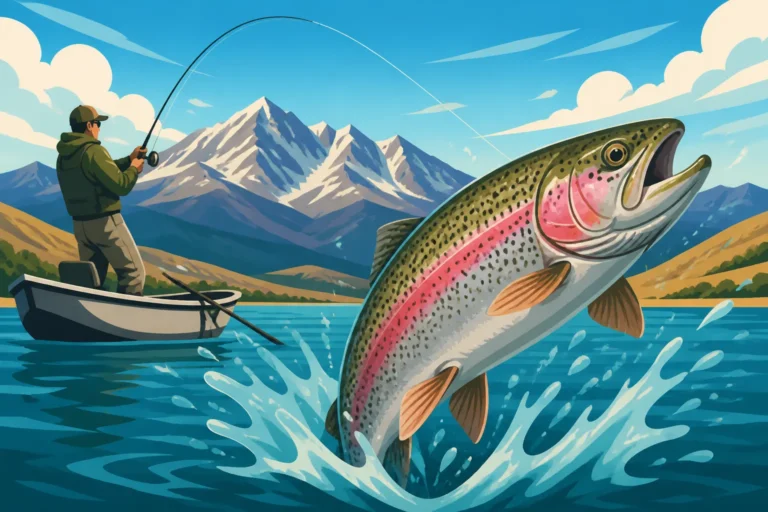
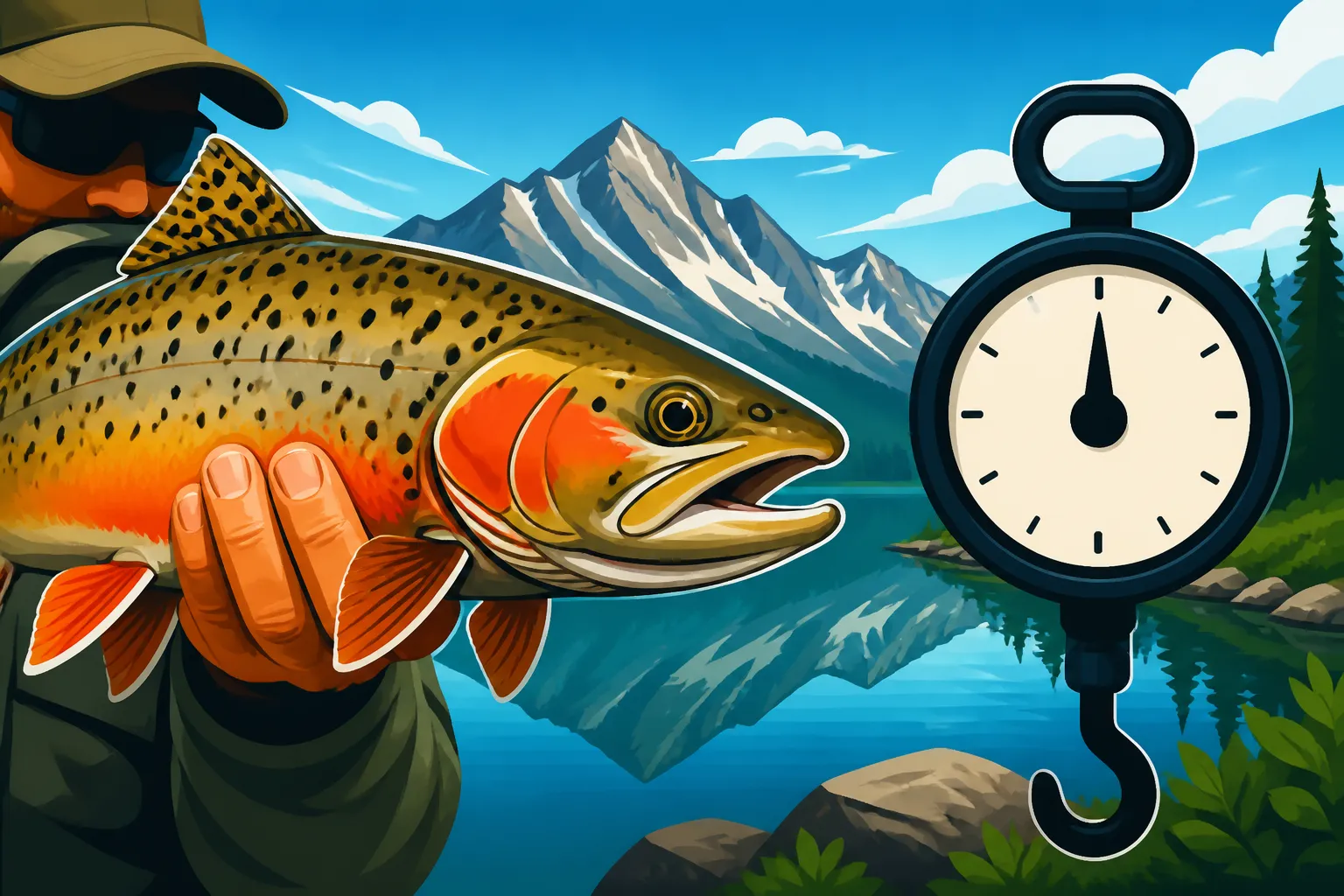
Let's cut right to the chase, because the anticipation of a truly massive fish is a real thing. The Colorado state record for a cutthroat trout, caught right out of Twin Lakes, weighed an astounding 19 pounds, 4 ounces. This incredible catch was made by Robert Bard way back in 1964. Imagine reeling in a fish of that magnitude – nearly 20 pounds of pure Colorado trout, a true relic from a different era of fishing! This record stands as a testament to the immense potential of Twin Lakes and the incredible fish that once, and still do, swim in its depths.
This wasn't just any big fish; it was a record that has stood for over half a century. The fact that it came from Twin Lakes speaks volumes about the productivity and unique characteristics of this body of water near Leadville. It serves as a beacon of hope for every angler who dreams of connecting with a truly giant fish.
The Significance of a 19-Pound Cutthroat
For context, most cutthroat trout caught in Colorado rivers and lakes typically range from 12 to 20 inches, maybe stretching to 24 inches on a very good day, which would put them in the 3 to 6 pound range. A 19-pound cutthroat is in a completely different league. It's the kind of fish that makes grown anglers gasp and serves as a legend whispered around campfires.
This record highlights several crucial aspects of trophy fishing:
- Longevity of Records: Some records, like this one, have stood for decades, often because the conditions that allowed such fish to thrive are rare or have changed over time.
- Water Quality and Forage: For a fish to reach such an epic size, it requires pristine water quality, an abundant and consistent food source, and often, a longer lifespan than average. Twin Lakes, particularly in its past, provided these optimal conditions.
- Species Potential: While not all cutthroat subspecies reach this size, this record proves the genetic potential that some possess, especially when given the right environment.
The Allure of Twin Lakes for Trophy Cutthroat
Twin Lakes, nestled in the shadow of Colorado's highest peaks, Mount Elbert and Mount Massive, has long been revered by anglers. Comprised of two large, glacially-carved lakes (Upper Twin Lake and Lower Twin Lake) connected by a narrow channel, this spot offers breathtaking scenery alongside fantastic fishing opportunities. It's one of those places that feels wild and untamed, even though it's easily accessible. The deep, cold waters, fed by snowmelt, are perfect habitat for a variety of trout, but it’s the cutthroat that capture the imagination here. If you're looking to explore more about this incredible fishery, you'll find a wealth of information in our guide on Fishing Twin Lakes Near Leadville for Trophy Cutthroat.
Understanding Colorado's Cutthroat Species
Colorado is home to several subspecies of cutthroat trout, three of which are native: the Greenback Cutthroat, the Colorado River Cutthroat, and the Rio Grande Cutthroat. Historically, many waters were also stocked with Yellowstone Cutthroat, and it's highly likely that the 1964 record was a Yellowstone Cutthroat, or a hybrid, given their propensity for larger sizes in favorable lake environments.
- Yellowstone Cutthroat: While not native to Colorado, they were extensively stocked throughout the state in the past due to their hardiness and ability to grow large. They are often confused with native species, and their hybridization with native cutthroat is a significant conservation concern today.
- Native Cutthroat: Efforts are ongoing to restore pure strains of Colorado's native cutthroat trout. These fish are generally smaller than their Yellowstone counterparts but are ecologically vital. Learning about Colorado's Native Cutthroat Trout Subspecies can help you appreciate the diversity and conservation efforts in the state.
- Cutbows: Often, cutthroat and rainbow trout can hybridize, creating a "cutbow." These hybrids can also grow quite large, inheriting traits from both parents. Understanding the subtle differences is key, and our guide on Telling a Cutbow From a Pure Cutthroat offers great insights.
The ecosystem of Twin Lakes, with its deep, cold water and ample forage, provided the perfect conditions for these fish, particularly the non-native Yellowstone strains that were often stocked, to reach truly epic proportions. They would feast on smaller fish, insects, and crustaceans, growing larger and older than typical river trout.
Factors Contributing to Record-Breaking Fish
Catching a truly record-breaking fish isn't just about luck; it's a confluence of genetics, environment, and angler skill. For a cutthroat to reach 19 pounds, several factors would have been critical:
- Age and Growth Rate: These fish live exceptionally long lives in cold, stable environments with minimal fishing pressure (or at least, less pressure for older, wiser fish). Their growth rate is dictated by the availability of high-protein food sources. Twin Lakes has historically been rich in Mysis shrimp, a key forage species that contributes to the impressive size of its trout.
- Deep, Cold Water Habitat: Cutthroat prefer cold, oxygen-rich water. Twin Lakes offers significant depths, providing thermal refuge during warmer months and ample space for large fish to patrol.
- Abundant Forage Base: A steady, plentiful supply of food, from insects to baitfish and Mysis shrimp, is paramount. Without this, even genetically superior fish cannot reach their maximum size.
- Minimal Predation: While large fish are predators themselves, they need to survive past their vulnerable stages. A healthy ecosystem with balanced predator-prey dynamics is crucial.
While a 19-pound cutthroat is a rare event today, the potential for trophy-sized fish still exists in Twin Lakes and other large Colorado reservoirs. It requires dedication, knowledge, and often, a bit of patience.
Strategies for Catching Your Own Trophy Cutthroat at Twin Lakes
Chasing a trophy cutthroat at Twin Lakes is a thrilling endeavor, demanding a blend of patience and strategic fishing. Whether you prefer the finesse of fly fishing or the power of spin fishing, adapting your approach to the lake's unique characteristics is crucial.
Best Times and Locations
To increase your odds of landing a true trophy, timing is everything at Twin Lakes.
- Spring and Fall: These are often the prime seasons. In spring, as the ice recedes and water temperatures begin to rise, large cutthroat become more active and move into shallower areas to feed aggressively after the long winter. Fall brings cooling water, and fish again move to shallower depths, often fattening up before winter.
- Early Morning and Late Evening: Just like with most trout, dawn and dusk are typically the most productive times. The lower light conditions offer cover for large, wary fish, and they often move closer to shore or into shallower feeding grounds.
- Targeting Structure: Look for areas with underwater structure – submerged rocks, drop-offs, or old stream beds. These provide ambush points and cover for large fish. The channel connecting the upper and lower lakes, as well as the deeper basins, are prime locations. Access points around the Twin Lakes Reservoir and Canal Company property can offer good shore fishing, but a boat opens up vast opportunities.
Essential Gear and Baits/Flies
Outfitting yourself correctly is a significant step towards success at Twin Lakes. The lake can be vast and windy, so gear choices matter.
- Spin Fishing: For spin anglers, a medium-action rod paired with a reliable spinning reel spooled with 8-10 pound test monofilament or fluorocarbon line is a good starting point. Popular lures include Dardevles, Kastmasters, and Needlefish spoons, especially in silver, gold, or flashy colors that imitate baitfish. PowerBait, Gulp! eggs, or natural baits like worms can also be highly effective when fished on the bottom with a sliding sinker rig. When targeting deeper waters from a boat, trolling techniques are often key. Our guide on Trolling Techniques for Colorado Reservoirs offers specific advice that can be applied here.
- Fly Fishing: Fly anglers should consider a 6- or 7-weight rod for casting larger streamers and handling potentially heavy fish in windy conditions. A sinking line or sink-tip line is almost a necessity for getting flies down to where trophy cutthroat often hold. Large streamer patterns like Woolly Buggers, Sex Dungeons, and Sculpzillas in olive, black, or brown can imitate the lake's forage. Don't forget to pack some smaller nymph patterns and even dry flies for specific hatches, like those discussed in Fly Selection for Colorado's Caddis Hatch, though big cutthroat often prefer a meaty meal.
- Electronics: If you're fishing from a boat, a quality fish finder or sonar unit can be invaluable for locating schools of baitfish and identifying deep-water structure where large cutthroat might be lurking. This is where a little professional help can make a huge difference. Services like FishingBooker can help you find local guides who are intimately familiar with Twin Lakes and possess the necessary electronics and expertise to put you on big fish. They know the subtle nuances of the lake that only years of experience can teach.
| Fishing Method | Recommended Gear | Effective Baits/Flies | Best Conditions |
|---|---|---|---|
| Spin Fishing | Medium-action rod (7-8 ft), 8-10 lb test line, spinning reel | Spoons (Dardevle, Kastmaster), inline spinners, PowerBait, worms | Trolling from boat, shore casting early/late |
| Fly Fishing | 6-7 wt rod, sinking/sink-tip line, large arbor reel | Streamers (Woolly Bugger, Sculpzilla), large nymphs | Stripping streamers from boat/shore, targeting structure |
| Ice Fishing (Winter) | Medium-light ice rod, small spinning reel, 4-6 lb ice line | Jigging spoons, soft plastics, minnows, maggots | Deeper basins, near drop-offs |
Conservation and Responsible Angling at Twin Lakes
Catching a magnificent fish, especially a potentially record-setting one, comes with a profound responsibility. The vast majority of trophy cutthroat trout are older, larger fish that are crucial for the health and genetics of the fishery. Practicing careful catch and release, especially for these older breeders, helps ensure that Twin Lakes continues to produce impressive fish for future generations. For more detailed insights into responsible angling, check out Catch-and-Release Rules on Colorado's Cutthroat Waters.
Adhering to Colorado Fishing Regulations
Before you even cast a line, it’s absolutely essential to be familiar with and abide by all Colorado Parks and Wildlife (CPW) regulations. These rules are in place to protect fish populations and ensure sustainable angling for everyone.
- Licenses: Every angler 16 years or older needs a valid Colorado fishing license. There are different options available, from annual licenses for residents and nonresidents to shorter-term permits. Our comprehensive Colorado Fishing License Guide for Residents and Nonresidents provides all the details you need to get properly licensed. And if you're just visiting for a short while, you might be interested in What a One-Day Colorado Fishing License Costs as a convenient option.
- Habitat Stamp: Most license holders are also required to purchase a Habitat Stamp. This stamp contributes crucial funds to wildlife habitat protection and restoration across the state. You can learn more about its importance in Colorado's Habitat Stamp, Explained.
- Bag and Possession Limits: Always check the current regulations for Twin Lakes specifically. Limits can vary by species and location, and sometimes even by the size of the fish. These are outlined in the annual Colorado Fishing Regulations brochure, which is a must-read for any angler. Understanding how to interpret this document, as highlighted in Reading Colorado's Fishing Regulations Brochure, will save you a lot of headaches.
- Special Restrictions: Be aware of any specific rules for Twin Lakes, such as bait restrictions or specific catch-and-release only zones. Sometimes, large waters have unique regulations.
Fishing without a proper license or violating regulations can lead to significant fines and penalties, so always be prepared. A reputable guide service, often found through platforms like FishingBooker, will always ensure their clients are fully compliant with all state regulations, adding an extra layer of peace of mind.
Respecting the Ecosystem
Beyond regulations, responsible angling includes respecting the natural environment.
- Leave No Trace: Pack out everything you pack in. This includes all trash, fishing line, and any other waste. Keep the shorelines and water pristine.
- Minimize Disturbances: When wading or boating, be mindful of spawning beds (redds) and sensitive habitats. Avoid unnecessary noise or disruption that could stress wildlife.
- Fish Handling: If you plan to release a fish, handle it as little as possible. Keep it in the water, use wet hands, and revive it gently until it swims away on its own. For large fish, a proper landing net can greatly aid in a quick and safe release.
Ultimately, the pursuit of a trophy cutthroat at Twin Lakes is about more than just the catch; it’s about appreciating the majesty of these fish and the incredible environment they inhabit. By fishing responsibly and respecting the rules, we can all contribute to keeping the dream of a truly massive cutthroat alive for generations to come.
Disclaimer
Please note that fishing regulations, license requirements, and costs are subject to change by Colorado Parks and Wildlife (CPW). Always consult the most current CPW regulations brochure or their official website before planning your fishing trip to ensure you have the most up-to-date information. While this guide provides general information, specific conditions and rules for Twin Lakes may vary seasonally or with emergency closures.