Fishing Lake San Cristobal Near Lake City
There’s nothing quite like the crisp mountain air and the promise of a big fish biting in a serene alpine lake, but finding that perfect, secluded spot with good fishing can sometimes feel like searching for a needle in a haystack. Many anglers dream of escaping the crowds and connecting with nature, only to worry about navigating complex regulations or not knowing what to target. This guide is here to unravel the secrets of fishing Lake San Cristobal near Lake City, offering you a comprehensive look at what makes this high-country gem a fantastic fishing destination.
Unveiling Lake San Cristobal's Angling Charms
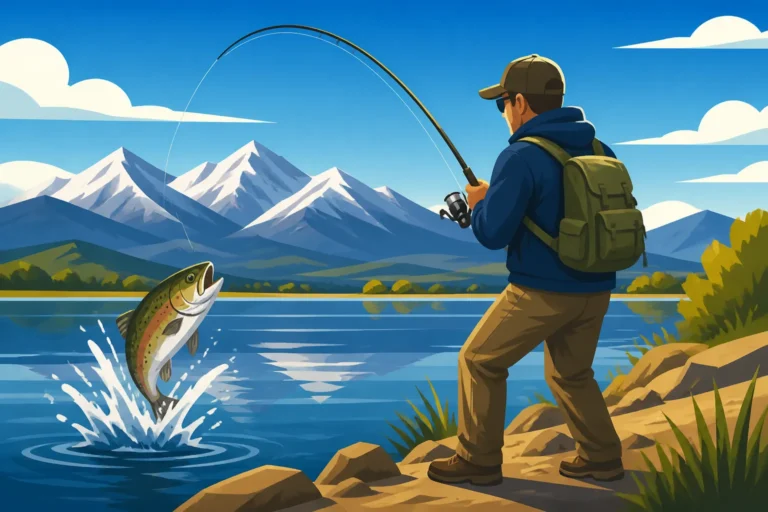
Lake San Cristobal truly is a crown jewel nestled high in the San Juan Mountains, offering an escape that feels both rugged and incredibly inviting. For those who love the peace and quiet that only the mountains can provide, this lake is a sanctuary, providing not just excellent fishing but also breathtaking scenery that makes every cast a memorable experience. It's the kind of place where you can truly unplug and immerse yourself in the natural beauty of Colorado.
A Jewel in the San Juan Mountains
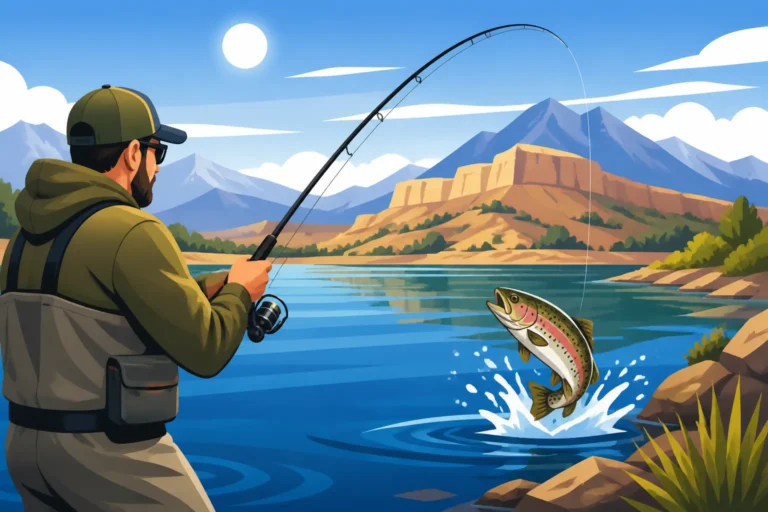
Located in Hinsdale County, just a few miles south of the charming, historic town of Lake City, Lake San Cristobal is Colorado’s second-largest natural lake. Formed by a massive ancient landslide, its unique origin gives it a distinctive character among the state's many reservoirs and impoundments. The drive to get there, whether you're coming from the Front Range or elsewhere, is an adventure in itself, winding through dramatic mountain passes and offering panoramic views. Once you arrive, you're greeted by a stunning expanse of clear, cool water reflecting the surrounding peaks, often snow-capped even into early summer.
Access to Lake San Cristobal is relatively easy compared to some other high alpine lakes. The paved Alpine Loop Scenic Byway runs right alongside portions of the lake, making it accessible for families, RVs, and those who prefer not to hike miles into the backcountry. This accessibility is a huge plus for anglers of all ages and abilities, meaning you don't need specialized gear or extreme fitness just to get your line in the water. The serene atmosphere, even with relatively easy access, makes it a popular spot without feeling overwhelmingly crowded most days, especially if you venture a bit from the main access points.
The Lake's Unique Ecosystem
Lake San Cristobal sits at an elevation of around 9,000 feet, which means its waters remain refreshingly cold, even during the peak of summer. This cold, clear water is absolutely ideal for trout species, providing them with the oxygen-rich environment they need to thrive and grow. The lake itself is fairly deep in places, reaching depths of over 90 feet in its western basin, which creates diverse habitats for fish. You'll find shallower coves and rocky points perfect for casting from the shore, as well as deeper sections where fish might hold during warmer months or seek refuge.
The lakebed is a mix of rocky areas, some silty bottoms, and submerged vegetation, offering plenty of structure for fish to hide, feed, and ambush prey. The water clarity is generally excellent, which means you might need to be a bit more subtle with your presentations, but it also means you can often spot fish cruising the shallows on a calm day. This unique ecosystem, fed by snowmelt and several small streams, contributes to a healthy aquatic insect population, which in turn provides a rich food source for the fish, keeping them well-fed and feisty. Understanding these characteristics can significantly improve your chances of a successful day on the water, whether you’re targeting the shallows or exploring deeper sections with a boat.
What Fish Species Call Lake San Cristobal Home?
When you’re planning a fishing trip to a new spot, one of the first questions on every angler’s mind is, "What can I actually catch here?" Lake San Cristobal is primarily a trout fishery, and it's well-managed by Colorado Parks and Wildlife (CPW) to ensure robust populations. You'll find a good variety of coldwater species that are not only fun to catch but also make for excellent table fare if you choose to keep some within the legal limits.
Trout Galore: Rainbow, Brook, and Brown
Lake San Cristobal is a fantastic destination if you're looking for trout. The most common species you'll encounter are rainbow trout, brook trout, and brown trout.
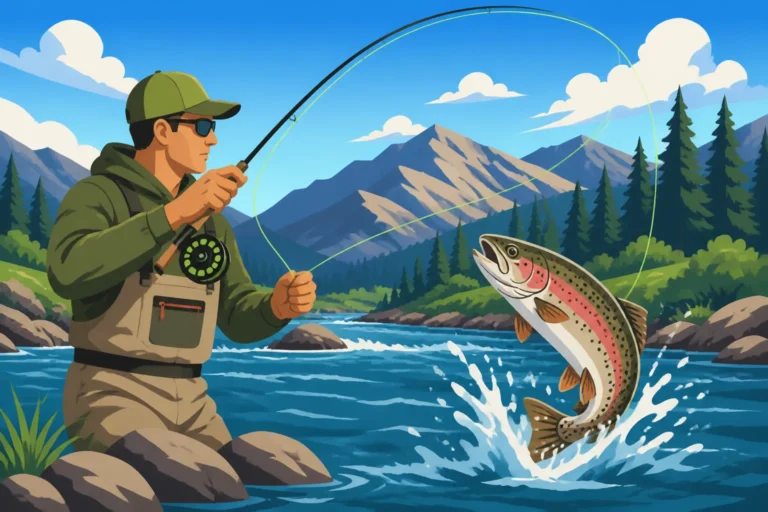
- Rainbow Trout: These are undoubtedly the most frequently caught fish in Lake San Cristobal. CPW regularly stocks the lake with rainbow trout, ensuring a healthy population for anglers. You'll often find them cruising the shallower areas, especially near inlets where fresh water flows in, or along drop-offs. They're known for their energetic fights and willingness to strike a variety of baits and lures. Typically, rainbows here range from 10 to 16 inches, but bigger ones are certainly not uncommon, especially if they've had a few seasons to grow. They are often targeted from shore, especially in the spring and fall when they are more active in accessible waters.
- Brook Trout: Smaller in stature but vibrant in color, brook trout are a joy to catch. These beautiful fish, with their distinctive worm-like markings and reddish fins, often inhabit the cooler, shallower edges of the lake, particularly near structures like submerged logs or weed beds. While they don't usually grow as large as rainbows, catching a handful of these feisty, pan-sized brookies can make for an incredibly fun day. They are often found in areas with slower currents or in the mouths of feeder streams. For an in-depth look at identifying various species, check out Colorado's Trout Species, A Field Guide.
- Brown Trout: While not as heavily stocked as rainbows, brown trout have a wild, self-sustaining population in Lake San Cristobal. These wily predators can grow quite large here, often preferring deeper, darker waters or hiding amongst submerged rocks and ledges. Brown trout are known for their strong fight and can be more challenging to hook, making them a prized catch for many anglers. They tend to be more active during low light conditions, like early morning or late evening, and are often attracted to larger lures or flies that mimic baitfish. Catching a big brown out of Lake San Cristobal is a testament to an angler's skill and patience.
Other Potential Catches
While trout are the stars of Lake San Cristobal, it's not impossible to hook into other species. Sometimes, you might find opportunistic fish like suckers, which can put up a surprisingly good fight, though they aren't typically targeted for sport or consumption. These native fish play an important role in the lake's ecosystem, acting as bottom feeders and contributing to the overall health of the aquatic environment.
It's always a good idea to consult the most current Colorado fishing regulations brochure for Lake San Cristobal specifically, as species composition and stocking efforts can change. This ensures you're aware of any specific rules that might apply to certain species, such as catch-and-release only regulations or special limits. Always be prepared for a surprise catch, but go in expecting to battle some beautiful trout.
Best Techniques and Times to Fish Lake San Cristobal
Understanding when and how to fish Lake San Cristobal is key to making the most of your trip. The high-country environment means distinct seasons, each offering unique opportunities and requiring different approaches. Being flexible and knowing what to expect can turn a good day into a great one.
Spring and Early Summer Strategies
As the ice finally recedes from Lake San Cristobal, usually in late April or early May, the fishing can be absolutely phenomenal. This "ice-off" period is eagerly anticipated by many anglers. The water is still very cold, and fish are hungry after a long winter under the ice. They'll often be found in shallower waters, close to the shore, gorging on newly available food sources.
- Ice-Off Action: During ice-off, fish are often cruising the banks looking for easy meals. Spin anglers do very well with small spoons like Kastmasters or Daredevils, or spinners such as Panther Martins or Mepps, in silver, gold, or brass colors. Trolling these same lures from a boat just off the thawing ice lines can also be incredibly effective. For bait anglers, powerbait, worms, or salmon eggs fished off the bottom with a minimal weight setup are excellent choices.
- Fly Fishing: Fly fishers should focus on subsurface patterns like scuds, leeches, or small nymphs, mimicking insects that have been active under the ice or are newly emerging. A slow retrieve is often best, as the water is still chilly. As spring progresses and the water warms slightly, midges and small mayfly patterns can become effective, especially during warmer parts of the day.
- Runoff Considerations: Late spring into early summer (typically late May through June) can bring significant snowmelt, causing rivers and streams to swell with cold, silty water. While Lake San Cristobal is a lake, it still receives inflow from these systems. This influx of fresh, often cloudier water can sometimes push fish deeper or make them less active if the water temperature fluctuates too much. However, it also washes in new food sources, so fishing near stream inlets can be productive once the turbidity settles slightly. During this time, larger, more visible flies or lures that stand out in slightly murkier water can be advantageous. For specific strategies during this period, you might find valuable insights in articles discussing when Colorado's Spring Runoff Hits and How to Fish Around It.
Mid-Summer to Fall Tactics
As summer fully arrives and the high-country days grow longer and warmer, the fishing dynamics shift. The surface waters will warm up, and fish might move to deeper, cooler areas, especially during the brightest parts of the day.
- Summer Deep Water: Mid-summer often means targeting fish in deeper water, particularly during midday. Boat anglers can use downriggers or weighted lines to present lures, spoons, or even bait at depths of 20 to 40 feet or more. Trolling techniques, especially for lake trout if they are present (though less common in San Cristobal), can be productive. From shore, anglers might need to cast further or use heavier weights to get their offerings down to where the fish are holding.
- Morning and Evening Surface Activity: Despite the deeper daytime preference, mornings and evenings, when the sun is lower and air temperatures cool, often bring fish back to the shallows to feed. This is prime time for fly fishing with dry flies if there's a hatch occurring, or for spin casting with smaller lures. Look for rising fish or active feeding patterns near the surface.
- Fall Colors, Fall Fishing: As autumn paints the San Juans with vibrant hues, Lake San Cristobal truly shines. The water temperatures begin to cool significantly, and fish become incredibly active, often feeding aggressively in preparation for winter. This is a fantastic time for both fly and spin fishing. Brown trout, in particular, become very active as their spawning season approaches, often becoming more aggressive towards streamers and larger lures. Fishing near stream inlets and rocky shorelines can be particularly productive as they move into these areas. These cooler conditions are detailed further in Colorado Fishing Seasons Month by Month.
Ice Fishing Adventures
When winter truly sets in, Lake San Cristobal transforms into a popular ice fishing destination. The thick ice, typically forming from December to March, provides a unique opportunity to access areas of the lake that are otherwise difficult to reach.
- When to Go: Always prioritize safety. Ice conditions vary, but generally, late December through March offers reliable ice. Always check local conditions and ensure the ice is at least 4 inches thick for individual foot travel and more for groups. Local bait shops in Lake City are excellent resources for current ice conditions.
- Gear and Techniques: Standard ice fishing gear applies here. A good ice auger (manual or powered), an ice fishing rod and reel, and a variety of jigs are essential. Small jigs tipped with mealworms, wax worms, or a piece of Berkley PowerBait are highly effective for trout. Many anglers use small spoons, often tipped with a piece of bait, jigging them vertically just off the bottom or suspended at various depths. A fish finder can be invaluable for locating schools of fish and understanding their depth. For a beginner's guide to the necessary equipment, check out Ice Fishing in Colorado, Getting Started.
- Targeting: Rainbow and brook trout are the primary targets during ice fishing season. They will often be found at various depths throughout the day, so experimenting with your presentation and depth is crucial. Sometimes they're just a few feet under the ice, other times they're hugging the bottom.
- Warmth and Safety: Dress in layers, wear waterproof boots, and bring a portable shelter and heater if you plan to spend extended periods on the ice. Safety equipment like ice picks, a spud bar to test ice thickness, and a throw rope are non-negotiable. While the beauty of Lake San Cristobal in winter is undeniable, the cold can be unforgiving if you're not prepared.
Navigating Regulations and Access at Lake San Cristobal
Understanding the rules and how to access Lake San Cristobal is just as important as knowing what fish to target and which techniques to use. Colorado Parks and Wildlife (CPW) sets specific regulations to ensure sustainable fishing for everyone. Don't let the paperwork intimidate you; it's straightforward once you know the basics.
Essential Licenses and Stamps
Before you even think about wetting a line, you need to ensure you have the proper authorization. Anyone aged 16 and older needs a valid Colorado fishing license. This applies whether you're a resident or a nonresident. You can purchase these online through the CPW website, at most sporting goods stores, or even at some local businesses in Lake City.
- Colorado Fishing License: This is your primary permit to fish. Options include annual licenses, five-day licenses, or even one-day licenses, perfect for a short trip. For a full breakdown of requirements and costs, our Colorado Fishing License Guide for Residents and Nonresidents is a great resource.
- Habitat Stamp: In addition to your fishing license, most anglers between the ages of 18 and 64 are required to purchase a Colorado Habitat Stamp. This stamp helps fund vital wildlife conservation efforts across the state. It's usually a one-time annual purchase, not tied to each individual license. Find out more about its importance and who needs one in Colorado's Habitat Stamp, Explained.
- Showing Your License: Colorado law requires that you have your license on your person while fishing. This can be a physical copy or a digital version on your smartphone. Wildlife officers regularly patrol popular fishing spots, including Lake San Cristobal, to ensure compliance.
Lake-Specific Rules and Limits
While general statewide regulations apply, Lake San Cristobal might have specific rules for certain species or methods. Always consult the current Colorado Fishing Regulations brochure – available online, at license vendors, and CPW offices – before you go.
- Bag and Possession Limits: These dictate how many fish you can keep per day (bag limit) and how many you can have in your possession (possession limit, which is often twice the daily bag limit after multiple days of fishing). For Lake San Cristobal, you can generally expect typical trout limits, usually four trout daily. However, special restrictions, like length limits for certain species or "no bait" rules, might apply to specific areas or if it's designated as Gold Medal Water (Lake San Cristobal is not a Gold Medal Water, but it's always good to be aware of such distinctions). Always check the latest information, particularly if you're targeting a specific species. Our Colorado Bag and Possession Limits by Species article provides a comprehensive overview.
- Bait Restrictions: Most general regulation waters in Colorado allow bait, lures, and flies. However, some specific waters might have restrictions, such as fly-and-lure only, or even barbless hook requirements, usually in areas designated for catch-and-release or for protection of native species. For Lake San Cristobal, conventional bait fishing is generally permitted, making it accessible for a wider range of anglers.
- Boating Regulations: If you plan to fish from a boat, you'll need to be aware of Colorado's boating regulations. This includes requirements for life jackets, registration, and potentially Aquatic Nuisance Species (ANS) inspections, especially if you're moving your boat between different bodies of water. Kayaks, canoes, and stand-up paddleboards are popular on Lake San Cristobal and generally face fewer restrictions than motorized vessels, but PFDs are still mandatory.
Public Access Points and Amenities
One of the great things about Lake San Cristobal is its relatively good public access, which is crucial for a positive fishing experience.
- Shoreline Access: Much of the shoreline along the eastern side of the lake is easily accessible from the Alpine Loop Scenic Byway. There are numerous pull-offs and informal trails leading down to the water, offering plenty of spots for bank fishing. You can easily find a quiet cove or a rocky point to cast from without too much effort.
- Boat Ramps: There is a public boat ramp available for launching both motorized and non-motorized boats. This makes it convenient for those who prefer to fish from a kayak, canoe, float tube, or a larger fishing boat. Always check with Hinsdale County or CPW for current conditions of the ramp, especially early in the season or after heavy weather.
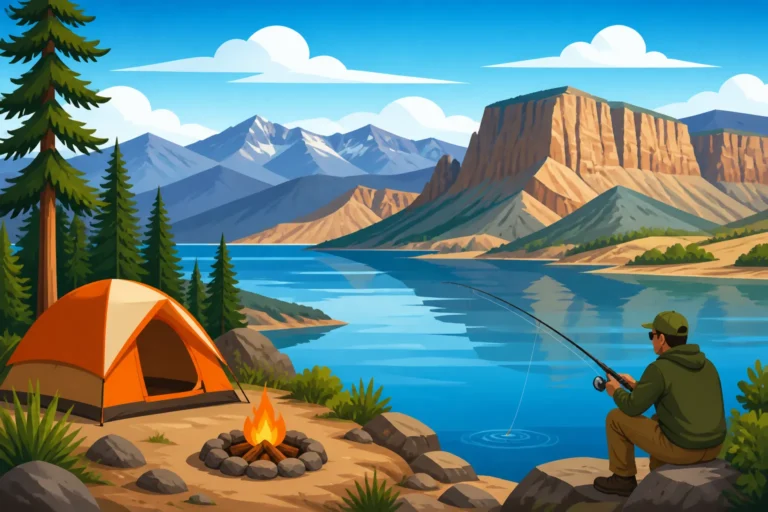
- Camping and Facilities: Several campgrounds, including Lake San Cristobal Campground, are located right near the lake, providing convenient overnight options for anglers. These campgrounds usually offer basic amenities like restrooms and fire rings. There are also picnic areas and day-use facilities available. For more remote camping, dispersed camping might be an option on nearby National Forest land, but always adhere to Leave No Trace principles and local fire restrictions. Being able to camp right near where you fish adds an incredible dimension to the trip, letting you maximize your time on the water for those prime morning and evening bites.
Planning Your Trip to Lake San Cristobal
A successful fishing trip isn't just about the fish; it's about the entire experience. When planning your adventure to Lake San Cristobal, thinking about logistics, local services, and even other activities can greatly enhance your enjoyment.
Nearby Towns and Services
Lake City, Colorado, is the closest full-service town to Lake San Cristobal, and it truly is a gem of the San Juan Mountains. This historic mining town is charming, with a strong sense of community and a deep appreciation for outdoor recreation.
- Lodging: Lake City offers a variety of lodging options, from historic hotels and cozy bed-and-breakfasts to vacation rentals and cabins. Booking in advance, especially during peak summer and fall foliage seasons, is highly recommended. You can also find several RV parks and campgrounds in and around the town, providing flexibility for different budgets and preferences.
- Tackle and Supplies: You won't find a massive big-box store in Lake City, but there are local outfitters and general stores that stock essential fishing supplies, including bait, tackle, and sometimes even fly-fishing gear. They are also invaluable sources for local knowledge about current fishing conditions, hot spots, and any recent regulation changes. Don't hesitate to pop in and chat with the friendly folks behind the counter – they're usually local anglers eager to share their insights.
- Dining and Groceries: Lake City has a selection of restaurants, cafes, and a local grocery store, so you can stock up on provisions for your fishing days or enjoy a nice meal after a long day on the water. It’s always a good idea to bring some non-perishables from a larger town if you have specific dietary needs, but you’ll find the basics here.
- Guide Services: If you're new to high-country fishing or want to maximize your chances of success, consider hiring a local fishing guide. They can provide invaluable expertise on local conditions, the best techniques for Lake San Cristobal, and even supply all the necessary gear. Services like FishingBooker can help you find and compare local guides, making it easier to book an experienced professional who knows the lake inside and out. Understanding what to expect when hiring a fishing guide in Colorado is a worthwhile read before you commit.
Beyond Fishing: Other Activities
While fishing is undoubtedly the main draw, Lake San Cristobal and the surrounding Lake City area offer a wealth of other outdoor activities that can complement your trip and provide enjoyment for non-angling companions.
- Scenic Drives: The Alpine Loop Scenic Byway, which passes by Lake San Cristobal, is one of Colorado's most spectacular routes. You can continue on to explore other historic mining towns like Ouray and Silverton, taking in breathtaking mountain vistas along the way. Parts of the loop are rugged and require a high-clearance 4×4, so plan your route carefully.
- Hiking and Backpacking: The San Juan Mountains are a hiker's paradise. Numerous trails radiate from the Lake City area, ranging from easy strolls along the lake shore to challenging climbs up 14,000-foot peaks (fourteeners). Popular options include trails into the Uncompahgre Wilderness, offering stunning views and opportunities to spot local wildlife.
- Wildlife Viewing: Keep your eyes peeled for wildlife! The area is home to elk, deer, bighorn sheep, marmots, and a wide variety of bird species. The pristine mountain environment provides fantastic opportunities for photography and nature observation.
- History and Culture: Lake City itself is a designated National Historic District, boasting beautifully preserved Victorian architecture. Spend an afternoon exploring the shops, museums, and learning about the area's rich mining history. It’s a great way to experience local culture and get a break from the water, even if you’re a devoted angler.
Planning a trip to Lake San Cristobal offers a full spectrum of experiences, from the serene pursuit of trout to adventurous exploration of the majestic San Juans. Whether you're casting from the shore, trolling from a boat, or jigging through the ice, this incredible lake promises not just fish, but memories that will last a lifetime. And if you’re looking for options, don’t forget to check FishingBooker for guides who can make your trip even more seamless.
Disclaimer
The information provided in this guide is for general informational purposes only and is subject to change. Always consult the official Colorado Parks and Wildlife (CPW) regulations and local authorities for the most current rules, conditions, and safety advisories before embarking on any fishing trip. Fishing conditions, ice thickness, and access can vary significantly based on weather and seasonal factors.