Fishing Standley Lake From the Bank
Finding a great fishing spot that’s easily accessible from the bank, especially close to a bustling metropolitan area, can feel like searching for a needle in a haystack. Many of us dream of casting a line without needing a boat or a long drive into the backcountry, only to be met with crowded shores or confusing access rules. This guide is here to unravel the ins and outs of fishing Standley Lake from the bank, offering you practical advice to make your next angling adventure both successful and enjoyable.
Understanding Standley Lake's Unique Environment and Access
Standley Lake isn't just another pretty body of water in Colorado; it's a vital part of our community, serving as a primary drinking water source for Westminster, Northglenn, and Thornton. This crucial role means that unlike many other lakes, Standley Lake operates under a very specific set of regulations and considerations that every angler needs to be aware of. Navigating these rules is key to a smooth and legal fishing experience.
Standley Lake's Purpose and Water Quality Concerns
Because Standley Lake supplies drinking water, maintaining its pristine quality is paramount. This objective influences almost every aspect of public access and recreational use. Historically, the lake has faced challenges with water quality, particularly concerning elevated selenium levels and periodic algae blooms. While management efforts are constantly underway to mitigate these issues, they directly impact what activities are permitted and, crucially, what precautions anglers should take.
For instance, the presence of certain contaminants can lead to fish consumption advisories. Colorado Parks and Wildlife (CPW) and local health departments regularly issue guidelines about how much, if any, fish from Standley Lake is safe to eat. It’s always a good idea to check the latest advisories before planning to keep any of your catch. These advisories are in place for your safety and reflect a realistic approach to managing a dual-purpose reservoir. It's a frustration many anglers share – catching a beautiful fish only to learn you can't really enjoy it on the dinner plate.
Public Access Points and Fees
Accessing Standley Lake Regional Park is generally straightforward, but it does come with a few considerations. The park is located on the western edge of Westminster, and the primary entry point is usually off 100th Avenue. There's a daily park entrance fee, or you can purchase an annual pass if you plan on visiting frequently. These fees help maintain the park facilities and support the management efforts, including those related to water quality.
Once inside, several areas are designated for bank fishing. The main park entrance leads to parking that provides access to large stretches of the northern and eastern shorelines. During peak season, especially on weekends, these areas can get quite busy, so arriving early is often a good strategy. Always pay attention to signage within the park, as designated fishing areas can sometimes change due to maintenance or specific events. It’s not like those remote high-country lakes where you just walk up and cast; here, you're sharing space with hikers, bikers, and wildlife watchers.
Restricted Activities and Why They Exist
Due to its role as a drinking water reservoir, Standley Lake has stricter regulations than many other Colorado fishing destinations. For bank anglers, the most significant restriction is the absolute prohibition of wading into the water. This means your casting range is limited to where you can stand on the shore, which can be a real challenge if you're used to getting out into the water. Swimming, paddleboarding, and kayaking are also restricted or prohibited at various times to protect water quality.
Additionally, certain types of bait might be restricted. For example, live minnows are generally not allowed to prevent the introduction of invasive species or diseases that could compromise the drinking water. It’s crucial to refer to the current Colorado Parks and Wildlife (CPW) regulations brochure, specifically for Standley Lake, as well as the Standley Lake Regional Park website for the most up-to-date information. These rules can be a bit of a headache, but they're in place to ensure clean drinking water for thousands of Coloradans.
You can often find detailed information about specific bait restrictions by reviewing the comprehensive Colorado Fishing Regulations Every Angler Should Know or checking the park's official website. It's always better to be over-prepared than to find yourself unintentionally breaking a rule.
Prime Bank Fishing Locations at Standley Lake
Even with the restrictions, Standley Lake offers some fantastic bank fishing opportunities. Knowing where to go and understanding how fish utilize different areas of the lake from shore can dramatically increase your chances of success. It's not about covering every inch of shoreline, but rather targeting the most productive zones.
North and East Shoreline Opportunities
The northern and eastern shorelines of Standley Lake are often the most accessible and popular for bank anglers. These areas typically feature a gentler slope into the water compared to other sections, making casting and retrieving a bit easier.
- North Shoreline: This stretch offers a good mix of deeper water access close to shore and some areas with more submerged structure, depending on the lake level. Points and small coves along the north side can be particularly productive. In spring and fall, these shallower coves warm up or cool down faster, attracting baitfish and, consequently, hungry trout and bass. During the colder months, the deeper sections along the north can hold walleye and lake trout that cruise closer to the bank. Anglers often find success here using longer casts to reach submerged drop-offs or structure.
- East Shoreline: The eastern bank tends to be a bit more exposed but offers consistent access. This side is popular for targeting trout, especially after recent stockings by CPW. You'll often see anglers spaced out along this bank, casting powerbait or worms for rainbows. The lack of significant cover means you might need to cast further to find fish, but the open space also allows for easier backcasts if you're using longer rods or experimenting with different casting techniques. Keep an eye out for any current wind direction, as a breeze blowing towards the east bank can push baitfish closer to shore, bringing predator species with them.
For those looking to understand the broader context of fishing licenses, a good starting point is the Colorado Fishing License Guide for Residents and Nonresidents, which explains the different options available.
The Main Dam Wall and South Side Access
The large dam wall, which forms a significant portion of the lake's western edge, might seem like an ideal deep-water fishing spot. However, public access to the top or face of the main dam wall for fishing is generally restricted for safety and security reasons. Always observe signage in these areas.
- South Side Access: While less developed for direct public access than the north and east, certain portions of the south side, particularly closer to the park's western entrance, may offer limited bank fishing spots. These areas can sometimes be quieter and less crowded, providing a more serene fishing experience. However, access might involve a bit more walking, and the terrain can be rockier or have more vegetation, which could impede casting. If you find a quiet cove on the south side, it could be a hidden gem for bass or even a cruising pike.
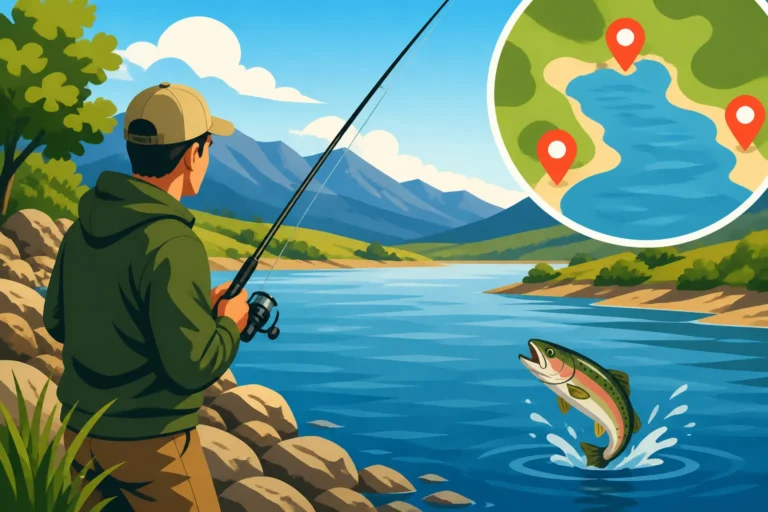
Consider using an application like the Colorado Fishing Atlas to scout these areas virtually before you go. This can help you identify potential access points and understand the topography of the shoreline from a satellite view.
Seasonal Hotspots and Fish Movements
Fish are creatures of comfort and opportunity, and their locations change dramatically with the seasons at Standley Lake. Adapting your bank fishing strategy to these movements is crucial.
- Spring (Ice-Off to Runoff): As the ice recedes and water temperatures begin to climb, fish become more active. Trout are often found cruising the shallower north and east banks where the water warms first. Walleye and bass will also move into these shallower areas for pre-spawn feeding. This is an excellent time for bank anglers, as fish are often within casting range.
- Summer (Late May to August): As the lake fully warms, many species, especially trout and walleye, retreat to deeper, cooler waters. Bank fishing can become more challenging, requiring longer casts to reach submerged humps, drop-offs, or the edges of deep channels. Early mornings and late evenings often provide the best bite, as fish move shallower to feed under lower light conditions. You might find bass and pike holding near any available structure like weed beds or rocky points.
- Fall (September to November): This is arguably one of the best times for bank fishing at Standley Lake. As water temperatures drop, fish become very active, feeding heavily in preparation for winter. Trout move back into shallower areas, and walleye often have a strong feeding binge. Kokanee salmon, if present in catchable numbers, might begin their spawning runs, though their presence for bank anglers at Standley isn't as pronounced as at other lakes like Blue Mesa.
- Winter (Ice-On): While ice fishing is popular at Standley Lake when conditions allow, bank fishing is generally not feasible once a safe ice layer forms. If there are periods of open water during a mild winter, fishing can be slow but rewarding for hardy anglers targeting deeper sections. Always prioritize safety and check ice conditions with local authorities before venturing out. Remember that ice fishing requires a completely different set of gear and safety precautions, as detailed in our guide on Ice Fishing in Colorado, Getting Started.
Targeting Standley Lake's Fish from Shore
Standley Lake is a diverse fishery, hosting a variety of species that can be caught from the bank. Knowing what to target and how to approach them will make your trip much more effective.
Common Species and Best Baits/Lures
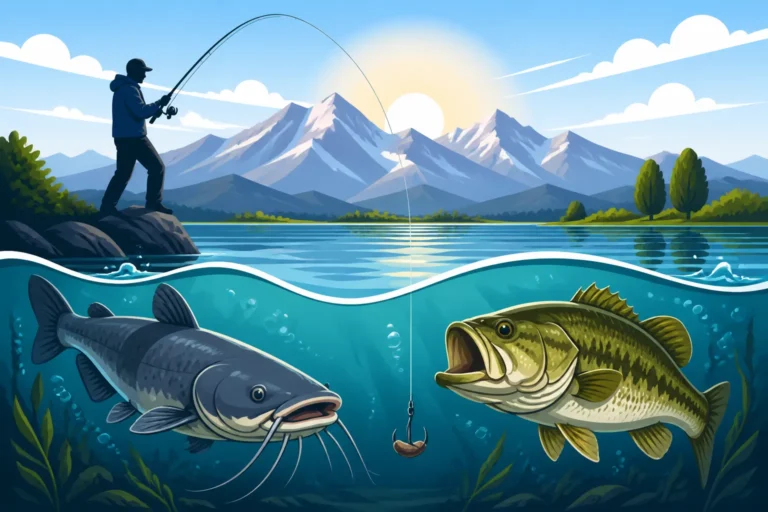
Standley Lake is home to rainbow trout, brown trout, walleye, yellow perch, smallmouth bass, largemouth bass, and northern pike. Each species has its preferred diet and habits, which dictates the best approach from the bank.
- Rainbow Trout: These are frequently stocked by CPW, making them a primary target for many bank anglers.
- Best Baits: PowerBait (chartreuse, rainbow, or garlic scents), corn, worms (nightcrawlers), or salmon eggs fished off the bottom with a small weight or suspended under a bobber.
- Best Lures: Small inline spinners (e.g., Rooster Tails, Mepps), spoons (e.g., Kastmasters, Daredevils), or small jerkbaits retrieved steadily.
- Walleye: Standley Lake is known for its walleye population, which can offer a challenging but rewarding fight.
- Best Baits: Nightcrawlers or leeches fished on a bottom-bouncing rig (e.g., Lindy Rig) or under a slip bobber near drop-offs.
- Best Lures: Jigging spoons, crankbaits (especially those mimicking baitfish like shad or perch), or soft plastic paddle tail swimbaits retrieved slowly along the bottom. You can dive deeper into this species with our guide on Walleye Fishing in Colorado.
- Yellow Perch: Abundant and delicious, perch are a great target for family fishing trips.
- Best Baits: Small pieces of worm, mealworms, or waxworms fished under a small bobber or on a tiny jig head.
- Best Lures: Small jigs (1/32 to 1/16 oz) tipped with a grub or small piece of bait.
- For more specific tips, check out our piece on Yellow Perch in Colorado.
- Smallmouth and Largemouth Bass: Both species can be found, with smallmouth often preferring rocky areas and largemouth favoring more vegetated cover.
- Best Baits: Live worms, crayfish (if permitted as bait), or cut bait.
- Best Lures: Soft plastic worms (Wacky rigged or Texas rigged), jigs with plastic trailers, crankbaits, spinnerbaits, or topwater lures during low light. Explore more in our article on Bass Fishing in Colorado.
- Northern Pike: These toothy predators are present and can grow to impressive sizes, offering an exciting challenge.
- Best Baits: Large dead baitfish (where legal) or cut bait.
- Best Lures: Large spoons (silver, gold, or flashy colors), spinnerbaits with large blades, or large swimbaits retrieved with erratic movements. Our guide on Northern Pike Fishing in Colorado offers more advice.
Always check the current Colorado Bait Restrictions and Where They Apply for Standley Lake to ensure you're using legal bait.
Essential Bank Fishing Techniques
Successfully fishing Standley Lake from the bank requires a combination of patience and smart technique, especially since you can't wade to reach distant spots.
- Long Casting: Invest in a medium-heavy rod (7-9 feet) paired with a spinning reel spooled with 8-12 lb monofilament or braided line. This setup will give you the casting distance needed to reach deeper water or structure away from the immediate shoreline. Practice your casting to maximize your reach and accuracy.
- Bottom Fishing Rigs: For trout, perch, and walleye, a simple slip-sinker rig is highly effective. Thread a small egg sinker (1/4 to 1/2 oz) onto your main line, tie on a barrel swivel, and then add a 12-24 inch fluorocarbon leader (4-8 lb test) with a size 6-10 hook. This allows the fish to take the bait without feeling the weight of the sinker, increasing your hook-up ratio.
- Bobber Fishing: Especially effective for trout and perch in shallower areas, a slip bobber setup allows you to present your bait at a precise depth. This is great for suspending PowerBait, worms, or small jigs just off the bottom or above submerged weeds.
- Fan Casting: Instead of casting to the same spot repeatedly, fan cast. Make a cast slightly to your left, reel in, then a cast straight out, then slightly to your right, and so on. This technique helps you cover more water and locate active fish.
- Varying Retrieve Speeds: When using lures, experiment with different retrieve speeds and cadences. Sometimes fish want a fast, erratic retrieve, while other times a slow, steady presentation is key. Pause your retrieve occasionally to allow your lure to drop or flutter, often triggering a strike.
Adapting to Conditions and Time of Day
Standley Lake, like any large body of water, has moods that change with the weather and time of day.
- Wind: Wind can be a friend or foe. A light breeze creating a chop on the water can break up the surface, making it harder for fish to see you and reducing light penetration, which encourages fish to move shallower. However, strong winds can make casting nearly impossible and create uncomfortable conditions. On windy days, try fishing the wind-blown side of the lake, as baitfish are often pushed there, followed by predators.
- Time of Day: Early mornings and late evenings are almost always the most productive times for bank fishing, especially during the warmer months. Lower light conditions provide cover for predator fish, and cooler temperatures encourage feeding. Midday can be tough, especially in summer, when fish often retreat to deeper, cooler water. However, cloudy days or days immediately following a storm can sometimes provide good midday action.
- Weather Patterns: Approaching storm fronts, especially those with decreasing barometric pressure, can often trigger a feeding frenzy. Conversely, after a strong cold front moves through, fishing can slow down considerably for a day or two. Always keep an eye on the forecast and adjust your expectations and techniques accordingly. For general insights into trout behavior, consult Colorado's Trout Species, A Field Guide.
Standley Lake Regulations and Responsible Angling
Fishing Standley Lake comes with specific responsibilities beyond just catching fish. Adhering to all regulations and practicing ethical angling are vital to maintaining this precious resource.
Understanding Colorado Parks and Wildlife Regulations
While the park itself has its own rules, the overarching fishing regulations come from Colorado Parks and Wildlife. It's not enough to know the general statewide rules; you absolutely must be aware of any special regulations that apply specifically to Standley Lake. These can include:
- Bag and Possession Limits: These specify how many fish of each species you can keep per day and how many you can have in your possession. Standley Lake may have unique limits, especially for species like walleye or northern pike, which might be managed differently to control populations. For example, some waters have specific length restrictions (slot limits) for walleye to protect certain size classes. You can find general information on Colorado Daily Bag Limits by Species, but always double-check the specific regulations for Standley Lake.
- Bait Restrictions: As mentioned before, due to its drinking water status, certain baits (like live minnows) are often prohibited. Check the current CPW regulations for the most up-to-date information on permissible baits.
- Seasonal Closures: While uncommon for fishing, sometimes sections of the lake or the entire lake may have temporary closures for maintenance, wildlife protection, or water quality issues. Always check the park's website or CPW alerts before you go.
Make sure your fishing license is always current. It's a simple step, but forgetting it can lead to hefty fines. You can always renew your license or find details on purchasing one at CPWShop.com or through services like FishingBooker if you're exploring options for guided trips on other, more complex waters.
Health Advisories and Fish Consumption
This is a critical point that cannot be stressed enough. Due to historical and ongoing water quality monitoring, Standley Lake often has specific health advisories regarding fish consumption. These advisories are issued by the Colorado Department of Public Health and Environment (CDPHE) and CPW.
- Selenium and Mercury: The primary concerns often revolve around selenium, which can accumulate in fish tissue, particularly in bottom-dwelling or longer-lived species like walleye, lake trout, or larger pike. Mercury can also be a concern in larger predatory fish.
- Advisory Details: The advisories typically recommend limiting or avoiding consumption of certain species, especially for sensitive populations like pregnant women, nursing mothers, or young children. They might suggest specific serving sizes or frequencies.
Always check the CDPHE website or the CPW fishing regulations for the most current fish consumption advisories for Standley Lake. If you're planning to keep fish, make sure you understand and adhere to these guidelines for your health and the health of your family. It's a real bummer, but safety comes first.
Practicing Leave No Trace and Safety
Responsible angling goes beyond just following the rules; it's about being a good steward of the environment and considerate of other park users.
- Leave No Trace: Pack out everything you pack in. This includes all fishing line, bait containers, snack wrappers, and anything else. Litter not only detracts from the beauty of the park but can also harm wildlife. Dispose of fish entrails properly; if keeping fish, clean them at home or in designated cleaning stations if available, never on the bank.
- Catch and Release: For fish you don't intend to keep (or can't due to advisories), practice proper catch-and-release techniques to ensure their survival. Handle fish minimally with wet hands, use barbless hooks (or crimp down barbs), and revive fish gently before releasing them.
- Respect Others: Standley Lake is a multi-use park. Be mindful of hikers, bikers, and other visitors. Give them space, avoid casting where people are walking, and keep noise levels down. If you're listening to music, use headphones.
- Safety First: Be aware of your surroundings. The banks can be slippery, especially near the water's edge. Never fish alone in remote areas. Be prepared for changing weather conditions, carry water, and protect yourself from the sun. If you're fishing near the water and an unexpected gust of wind comes up, make sure your gear is secure so nothing ends up in the lake.
Adhering to these principles ensures that Standley Lake remains a fantastic place for everyone to enjoy, especially for those of us who love the simple pleasure of fishing from the bank.
| Target Species | Best Shoreline Baits/Lures | Optimal Seasons (Bank Fishing) | Consumption Advisory Notes |
|---|---|---|---|
| Rainbow Trout | PowerBait, worms, small spinners, spoons | Spring, Fall (Good year-round) | Generally low risk, check CDPHE |
| Walleye | Nightcrawlers, leeches, crankbaits, swimbaits | Spring (pre-spawn), Fall (feeding) | High risk for selenium/mercury |
| Yellow Perch | Small worms, mealworms, tiny jigs | Spring, Summer, Fall | Generally low risk, check CDPHE |
| Smallmouth Bass | Soft plastics, jigs, crankbaits | Spring, Summer, Fall | Moderate risk, check CDPHE |
| Largemouth Bass | Soft plastics, spinnerbaits, topwater | Spring, Summer, Fall | Moderate risk, check CDPHE |
| Northern Pike | Large spoons, spinnerbaits, large swimbaits | Spring, Fall (can be summer) | High risk for selenium/mercury |
Disclaimer
The information provided in this guide is for general informational purposes only and is subject to change. Fishing regulations, park rules, and health advisories for Standley Lake can be updated frequently by Colorado Parks and Wildlife and local authorities. Always consult the official CPW fishing regulations brochure and the Standley Lake Regional Park website for the most current and accurate information before planning your trip. It is the angler's responsibility to know and follow all applicable rules and advisories.