Bass Fishing in Colorado
You've heard all the buzz about Colorado's incredible trout fishing, and it's absolutely true—our rivers and high-country lakes are legendary. But if you're like me, you sometimes crave that explosive strike, that drag-peeling run, and that sheer bulldog fight that only a bass can deliver. It can feel like bass fishing in Colorado is a hidden gem, overshadowed by our cold-water superstars, but I'm here to tell you that this state offers fantastic opportunities for chasing both largemouth and smallmouth bass. This comprehensive guide will arm you with the knowledge to find, hook, and land some incredible bass right here in the Centennial State.
Understanding Bass in Colorado
For many, Colorado conjures images of fly rods, pristine mountain streams, and wild trout rising to a hatch. And while that picture is certainly accurate, it often leads folks to overlook a truly exciting segment of our fisheries: bass. You might even feel a little frustrated trying to dig up solid information on bass fishing here, given the dominance of trout talk. But let's change that narrative right now. Bass fishing in Colorado is not only viable, it's often excellent, offering a thrilling challenge that appeals to anglers of all skill levels. The fighting spirit of a Colorado bass, whether it’s a chunky largemouth or a feisty smallmouth, is something special that deserves its moment in the sun.
The Overlooked Bass Fishery
It's easy to understand why bass fishing might feel a bit like an underdog sport in Colorado. Most of the state's iconic waters—think the Gold Medal stretches of the Arkansas, South Platte, or Fryingpan rivers—are strictly cold-water trout havens. This focus means that many new anglers, or those visiting from out of state, naturally gravitate towards trout. However, Colorado boasts numerous warm-water reservoirs and ponds, particularly on the Front Range and Eastern Plains, that are absolutely brimming with bass. These waters often offer a different kind of angling experience, one where you're casting into weed lines, around submerged timber, or along rocky points, rather than carefully drifting nymphs through a riffle. The thrill of a bass blowing up on a topwater lure at dawn or aggressively hitting a jig near a sunken brush pile is a sensation that keeps many of us coming back for more, year after year. It's a different rhythm, a different kind of hunt, but equally rewarding.
Species Spotlight: Largemouth Bass
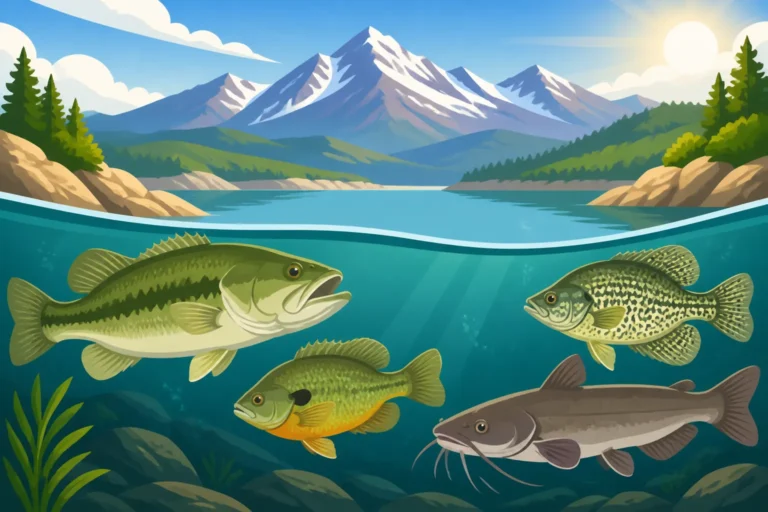
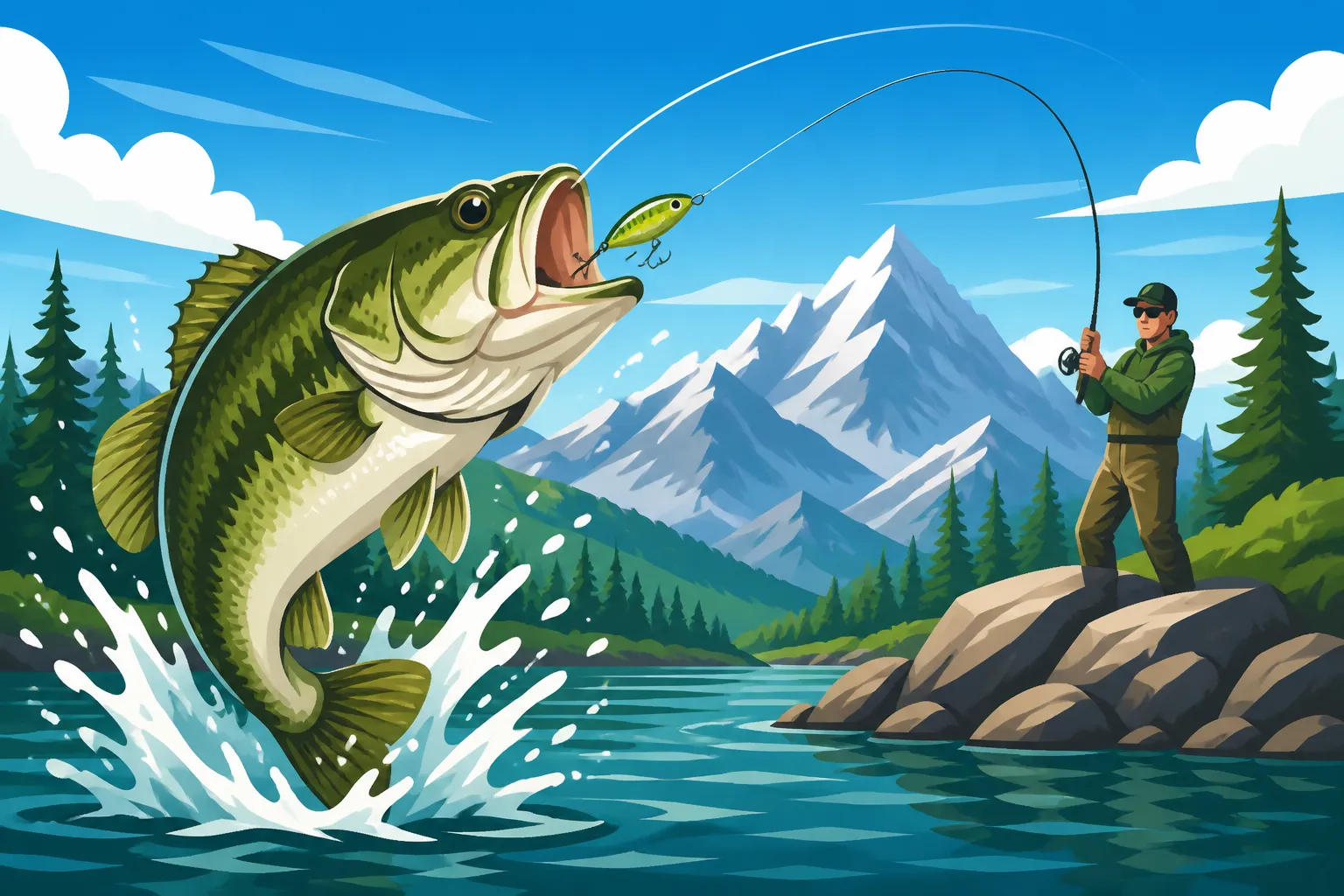
When most people think of bass, they're picturing the largemouth bass. These iconic green fish are characterized by their deeply notched dorsal fin and a jaw that extends beyond the back of their eye when closed – hence the "largemouth." In Colorado, largemouth bass thrive in warmer, often murkier waters with plenty of aquatic vegetation, submerged timber, or rocky shorelines to use as ambush points. They are notorious for their explosive strikes and powerful, head-shaking fights, especially when hooked near cover. You'll typically find them hiding in lily pads, under overhanging branches, or along weed edges, waiting for an unsuspecting baitfish or crayfish to swim by. While they might not reach the same trophy sizes as those found in southern states, Colorado's largemouth can still grow to impressive lengths, often ranging from 12 to 20 inches, with heavier individuals always a possibility. Their propensity to "go airborne" when hooked adds an extra layer of excitement to the battle, making them a perennial favorite among warm-water anglers.
Species Spotlight: Smallmouth Bass
While the largemouth prefers the thick cover, its cousin, the smallmouth bass, is a creature of rocky, clear-water environments. Often found in deeper reservoirs or rivers with gravelly bottoms and boulder fields, smallmouth bass are identifiable by their smaller mouth (the jaw doesn't extend past the eye), vertical bars or blotches along their sides, and a bronze-green coloration. They are pound-for-pound one of the hardest-fighting freshwater fish, famous for their aerial acrobatics and relentless tugging. When a smallmouth hits, it often feels like you've hooked a freight train, and they'll try every trick in the book to throw the hook, including leaping clear out of the water multiple times. In Colorado, you'll find them in many of the same reservoirs as largemouth, but they'll typically occupy different niches, preferring the open water near rock piles, points, and drop-offs. Their average size in Colorado is often similar to largemouth, but they're known for their exceptional stamina and fight, making them a challenging and highly sought-after sportfish.
Wiper: Colorado's Hybrid Bass
Beyond the pure strains of largemouth and smallmouth, Colorado offers a unique and incredibly hard-fighting hybrid known as the wiper. This isn't your typical bass, but a cross between a white bass and a striped bass, stocked in several of our larger reservoirs to provide an exhilarating angling experience. Wipers share some characteristics with both parents, often displaying broken horizontal stripes along their silvery-white bodies. What they lack in traditional bass looks, they more than make up for in sheer power and aggressive feeding habits. These fish are absolute tanks, known for long, powerful runs that will test your drag and your biceps. You'll often find them chasing schools of baitfish in open water, creating boils on the surface as they slash through their prey. Targeting wipers can be an incredible adventure, especially during their feeding frenzies. If you're looking for a serious battle, learning more about Wiper, Colorado's Hybrid Striped Bass is a great next step, as these fish are truly a unique Colorado angling experience.
Where to Find Bass in Colorado
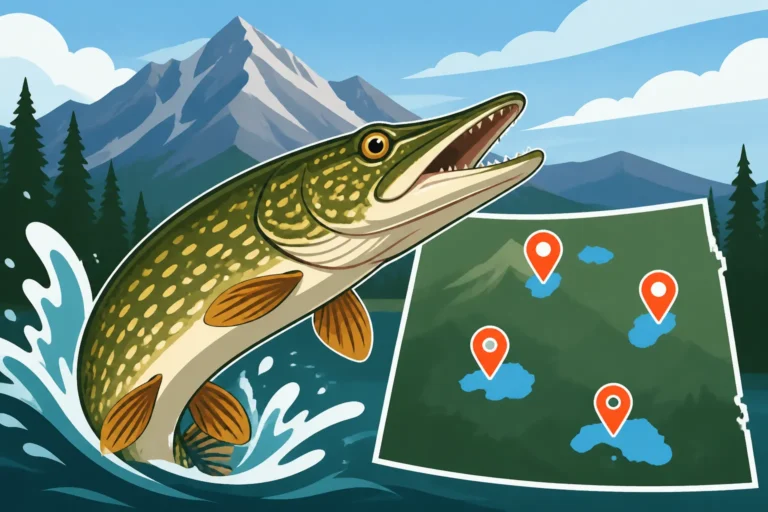
One of the biggest hurdles for bass anglers in Colorado is simply knowing where to go. With so many lakes and reservoirs, it can feel overwhelming to pinpoint the ones that consistently produce good bass fishing. The truth is, bass populations are often concentrated in specific types of water bodies across the state, and knowing these general areas can save you a lot of time and effort. From bustling urban lakes to vast eastern plains reservoirs, bass are more widespread than many trout-centric anglers might realize.
Front Range Reservoirs and Ponds
For many Denver metro area residents, the Front Range reservoirs are the most accessible and popular spots for bass fishing. Lakes like Chatfield Reservoir, Cherry Creek Reservoir, and Standley Lake are well-known for their diverse fisheries, including healthy populations of largemouth and smallmouth bass. These waters often feature a mix of riprap shorelines, weed beds (especially in coves and shallower areas), and submerged structures like old roadbeds or brush piles. They are also heavily used by boaters, so early mornings or weekdays can offer a less crowded experience. Best Fishing Lakes Near Denver, Colorado can give you a deeper dive into these options. Even smaller, urban ponds in places like Denver and Aurora can hold surprisingly large bass, especially if they have good cover and are managed for warm-water species. It’s not uncommon to pull a chunky largemouth out of a pond just minutes from downtown, proving that you don't always need to drive to the mountains for quality fishing.
Western Slope and Eastern Plains Waters
Venturing beyond the immediate Front Range opens up even more bass opportunities. On the Eastern Plains, vast reservoirs like John Martin Reservoir and Pueblo Reservoir are prime bass habitats, often producing larger fish due to their extensive shallow flats, deeper channels, and ample forage. These lakes can be less pressured than their urban counterparts, offering a more serene (and potentially more productive) experience. The Western Slope also holds its own secrets, with waters like Navajo Reservoir in the southwest known for excellent smallmouth bass fishing, particularly around its rocky coves and points. These more expansive waters often require a boat to fully explore their potential, allowing you to cover more ground and target offshore structure that shore anglers can't reach. The key to these larger bodies of water is understanding the nuances of their structure and how bass relate to it throughout the seasons.
Private Ponds and Community Lakes
Sometimes, the best bass fishing isn't in the publicly managed reservoirs at all, but in smaller, often overlooked private ponds and community lakes. These waters, while requiring permission from landowners or adherence to specific community rules, can be absolute goldmines. They often have less fishing pressure, leading to larger, less wary bass. Many of these ponds are stocked and managed, or simply naturally fertile, providing ideal conditions for bass to thrive. It's not uncommon for a local ranch pond or a suburban community lake to kick out trophy-sized largemouth that anglers wouldn't expect in Colorado. The trick here, of course, is gaining access. Always seek explicit permission before fishing on private property; trespassing is illegal and ruins opportunities for everyone. For those wondering about the rules for such waters, understanding Do You Need a License to Fish Private Water in Colorado? is crucial, even if the fish aren't publicly stocked. Sometimes these hidden gems are right under your nose, if you just know how to respectfully ask.
Essential Gear for Colorado Bass Fishing
Just like you wouldn't bring a butter knife to a steak dinner, you wouldn't want to show up to a bass fishery with gear that's ill-suited for the task. Bass are powerful fish, often found in heavy cover, and they demand tackle that can stand up to their strong runs and head shakes. Having the right rod, reel, line, and terminal tackle isn't just about comfort; it's about giving yourself the best chance to effectively present your lure, detect subtle bites, and ultimately, land that trophy fish.
Rods and Reels for Bass
When it comes to bass fishing, versatility and power are your watchwords. For general largemouth and smallmouth fishing in Colorado, I typically recommend a medium-heavy power spinning rod (6'6" to 7'0") with a fast action for lighter lures and finesse techniques. This setup allows for accurate casting and good sensitivity for detecting tentative bites. However, if you're throwing heavier baits, fishing in thick cover, or targeting larger bass, a baitcasting setup with a similar length and medium-heavy to heavy power is often preferred. Baitcasting reels offer greater power and accuracy for casting heavier lures, and their higher gear ratios (7.1:1 or more) are perfect for quickly taking up slack and battling a fish out of dense weeds. Spinning reels, on the other hand, are excellent for beginners and for fishing lighter lures like small jigs or soft plastics on a wacky rig. You can find a fantastic selection of both spinning and baitcasting combos suitable for Colorado bass fishing on Amazon, often at competitive prices that won't break the bank. Having a couple of different setups allows you to adapt to various lures and fishing conditions, making you a much more versatile angler.
Lines and Leaders
The choice of fishing line is crucial for bass fishing, impacting everything from casting distance and sensitivity to strength and abrasion resistance. Each type of line—monofilament, fluorocarbon, and braid—has its strengths and weaknesses, and often the best approach is to use a combination or switch based on conditions. Monofilament (mono) is a great all-around line, offering good knot strength, stretch (which can be forgiving for aggressive strikes), and affordability. It's a solid choice for topwater lures or crankbaits where some stretch is beneficial. Fluorocarbon, in contrast, is nearly invisible underwater, extremely abrasion-resistant, and sinks, making it ideal for finesse techniques, soft plastics, and clear-water situations. Its low stretch also provides excellent sensitivity. Braided line is incredibly strong for its diameter, offers zero stretch for maximum sensitivity and hook-setting power, and floats, making it perfect for topwater frogs or punching through heavy vegetation. However, its high visibility often necessitates a fluorocarbon leader. I usually run braided main line with a fluorocarbon leader for most of my Colorado bass fishing, giving me the best of both worlds. For line weight, 10-15 lb test mono or fluorocarbon is a good starting point, while braid can range from 20-50 lb test, depending on the cover you're fishing.
Terminal Tackle Essentials
Beyond rods, reels, and line, a well-stocked tackle box with essential terminal tackle can make or break your bass fishing trip. Hooks are paramount, and you'll want a variety: offset worm hooks for Texas rigging soft plastics, straight shank hooks for punching through mats, wide gap hooks for larger creature baits, and jig heads in various weights (1/8 oz to 1/2 oz) and hook sizes for different soft plastic presentations. Don't skimp on quality; sharp, strong hooks are critical for good hook sets and preventing lost fish. Weights are another must-have, primarily bullet weights (tungsten is preferred for sensitivity and smaller profile) for Texas and Carolina rigs, and drop shot weights for finesse fishing. Swivels, snaps, and split rings might also find their way into your box, though often kept to a minimum in bass fishing to maintain a natural presentation. Having a selection of these basics means you're prepared for most bass fishing scenarios you'll encounter in Colorado, allowing you to quickly adapt your rig to changing conditions or fish behavior.
Best Baits and Lures for Colorado Bass
Colorado bass, much like bass everywhere, can be finicky. One day they might smash a topwater frog, the next they ignore everything but a slowly dragged worm. Building a versatile arsenal of baits and lures is key to consistent success. Understanding when and where to use different types of presentations will dramatically increase your hook-up rates. From subtle soft plastics to aggressive crankbaits, each lure has its time and place, and Colorado's varied bass habitats demand a thoughtful approach to lure selection.
Soft Plastics: Versatility is Key
If there's one category of lure I can't live without for Colorado bass, it's soft plastics. Their versatility is unmatched, allowing you to mimic everything from worms and crawfish to baitfish. Classic plastic worms (like a 7-inch worm or a Senko) can be deadly, rigged in various ways. The Texas rig, where the hook point is embedded back into the plastic to make it weedless, is a staple for fishing around grass and wood. The Carolina rig, with a weight and swivel above a longer leader, is excellent for covering deeper flats. The wacky rig, where a Senko is hooked in the middle, offers a tantalizing slow fall that bass can't resist, especially in clearer water. Creature baits and soft plastic craws are fantastic for imitating natural forage, often Texas rigged or used as a jig trailer. Colors like green pumpkin, junebug, and black-and-blue are consistent producers here. The beauty of soft plastics is their subtle action and realistic feel, which can coax bites from even the most pressured fish. You can easily stock up on a wide variety of these essential baits on Amazon, ensuring you have the right color and size for any situation.
Hard Baits: Crankbaits and Jerkbaits
When bass are active and feeding aggressively, hard baits like crankbaits and jerkbaits are fantastic for covering water and triggering reaction strikes. Crankbaits come in a multitude of shapes, sizes, and diving depths. Shallow-diving crankbaits are perfect for fishing over submerged grass or around shallow rocky points, while medium and deep-diving models excel at reaching bass suspended in deeper water or holding on offshore humps. Their erratic wobble and loud rattles (in many models) are great for attracting attention. Common colors include shad patterns, crawfish patterns, and brighter chartreuse for stained water. Jerkbaits, on the other hand, are designed to be fished with a "twitch, twitch, pause" retrieve, mimicking a dying baitfish. The long pause can be absolutely deadly, especially for smallmouth bass in clear water or when fish are less active. Their darting, suspending action is irresistible. Experiment with different retrieves and pause durations to find what the bass are keying into.
Topwater Lures and Spinnerbaits
There's arguably no more exciting way to catch a bass than on a topwater lure. Watching a largemouth erupt from the water to engulf a frog or popper is an adrenaline rush unlike any other. Topwater lures, including hollow-bodied frogs, poppers, and buzzbaits, are most effective in low-light conditions (dawn, dusk, or overcast days) or when bass are active in shallow water. Frogs are fantastic for heavy cover like lily pads or matted grass, while poppers and walk-the-dog baits (like a Zara Spook) excel in open water or around sparse cover. Buzzbaits create a loud commotion on the surface, drawing strikes from aggressive bass. Spinnerbaits are another excellent choice for covering water, especially in stained or murky conditions. Their flashing blades and pulsating skirt create a lot of vibration and visual appeal, making them highly effective around submerged timber, weed lines, or riprap. They're also relatively weedless, allowing you to retrieve them through snags where other lures might foul.
Live Bait Options
While artificial lures offer a sporting challenge, sometimes nothing beats the effectiveness of live bait, especially when the bite is tough or for targeting specific areas. Common live bait options for bass in Colorado include nightcrawlers (worms), minnows, and crawdads (crayfish). Nightcrawlers are a universal bait that nearly all fish will eat, and bass are no exception. They can be fished on a simple hook and sinker rig, or under a bobber. Minnows are excellent for mimicking baitfish and are particularly effective for smallmouth bass. Crawdads are a natural food source for bass, especially larger ones, and can be fished on the bottom. However, it's crucial to be aware of Colorado Bait Restrictions and Where They Apply. Some waters have strict regulations on what live bait can be used, and in many cases, live bait fish are prohibited to prevent the introduction of invasive species. Always check the current Colorado Parks and Wildlife regulations brochure before using live bait to ensure you're compliant and practicing responsible angling.
Seasonal Strategies for Colorado Bass
Colorado's distinct four seasons mean that bass fishing isn't a static endeavor. What works in April certainly won't be as effective in August, and completely useless in December. Understanding how bass behavior changes with water temperature, light conditions, and forage availability throughout the year is absolutely critical for consistent success. Adapting your locations, lures, and presentation styles to the seasonal patterns will put you squarely in the strike zone more often.
Spring: Pre-Spawn and Spawning Frenzy
Spring in Colorado often arrives with a mix of anticipation and unpredictable weather. As ice recedes and water temperatures begin to climb into the 50s Fahrenheit, bass move into their pre-spawn phase. This is a time of aggressive feeding as they bulk up for the rigors of spawning. They'll start migrating from deeper wintering grounds to shallower staging areas, like main lake points, secondary points, and flats adjacent to deeper water. Crankbaits, spinnerbaits, and jerkbaits are excellent for finding these active fish. Once water temperatures hit the mid-to-high 60s, the spawning frenzy begins. Both largemouth and smallmouth will move onto shallow flats, protected coves, and sandy or gravelly bottoms to build nests (beds) and reproduce. During this time, they become very territorial and protective. Sight-fishing with soft plastics (like a Texas-rigged lizard or Senko) or jigs around visible beds can be incredibly effective, often eliciting angry strikes from guarding bass. While the primary spawning seasons for trout species might differ, Colorado Fishing Seasons Month by Month still offers a broad overview of how our aquatic environments shift, and bass, too, follow their own powerful reproductive rhythms that dictate their behavior. Always be mindful of ethical angling practices during the spawn, and consider catch-and-release to protect these vital populations.
Summer: Deep Water and Early Morning Bites
Colorado summers bring heat, bright sun, and often heavy recreational boat traffic on our reservoirs. As water temperatures climb into the 70s and beyond, bass will typically move to deeper, cooler water, seeking refuge from the intense sun. This doesn't mean they're uncatchable, but your tactics need to adjust. Look for bass holding on offshore structure: submerged humps, deep points, rock piles, channel edges, and brush piles. Carolina rigs, deep-diving crankbaits, and drop shot rigs with small soft plastics are excellent for targeting these deeper fish. Early mornings and late evenings, or overcast days, can still produce fantastic shallow water bites as bass move up to feed when light levels are low. Topwater lures can be incredibly effective during these prime windows. Mid-day summer fishing often means slowing down your presentation and focusing on vertical jigging or slow-dragging soft plastics in deeper zones. Patience and persistence are key during the hotter months.
Fall: The Feeding Blitz
As Colorado's days shorten and water temperatures begin to cool in the fall, bass enter a significant feeding blitz, preparing for the lean winter months. This is often one of the best times of year to catch large, aggressive bass. They'll be actively chasing schools of baitfish in shallower to mid-depth ranges, often focusing on creek channels, points, and flats where baitfish congregate. Crankbaits, spinnerbaits, lipless crankbaits, and jerkbaits are all highly effective for covering water and mimicking fleeing baitfish. As the season progresses and water temperatures drop further, bass may start to hold tighter to cover or transition into deeper holes. Vertical presentations like jigs, spoons, and drop shots become more effective during late fall. The cooling water reinvigorates bass, making them extremely active and willing to strike a variety of lures. Understanding Fall Fishing in Colorado, What Changes can help you adapt your overall approach, not just for trout, but for the aggressive bass bite that can make autumn truly special.
Winter: Slow and Subtle
Winter bass fishing in Colorado is a game of patience and finesse, and for many, it often means ice fishing. Once the reservoirs freeze over, bass become much more lethargic, moving slower and feeding less frequently. If you're ice fishing, focus on areas with structure, drop-offs, or near old weed lines. Small jigs tipped with a grub, minnow, or piece of plastic are effective, fished slowly and subtly. Vexilars or other sonar units are invaluable for locating fish and presenting your lure at the right depth. For open water fishing (which can happen on some deeper reservoirs that don't fully freeze or during warmer spells), bass will hold in the deepest, most stable water they can find, often near steep drop-offs or main lake basins. Extremely slow-moving baits like blade baits, jigging spoons, or a slow-dragged jig-and-pig combo are your best bet. Bites will be very subtle, requiring keen attention. While not as popular as ice fishing for perch or trout, dedicated bass anglers can find surprising success by dialing in their winter approach. For general winter guidance, Ice Fishing in Colorado, Getting Started can provide helpful context, even if bass aren't the primary target.
Techniques for Catching Bass in Colorado
Successfully catching bass involves more than just having the right gear and knowing the seasonal patterns; it's about mastering the techniques to present your lures effectively and react to bites. Whether you're casting from shore or navigating a boat, adapting your approach to the specific water and conditions you face is what truly separates a good angler from a great one.
Shore Fishing Tactics
For many anglers, especially those just starting out or without access to a boat, shore fishing is the primary way to target bass in Colorado. The key to successful shore fishing is maximizing your limited access and being observant. When casting from the bank, don't just cast straight out; instead, try casting parallel to the shoreline, working your lure along any visible structure like weed lines, fallen trees, or riprap. Bass often patrol these shallow areas for forage. Fan casting, where you make casts in a wide arc around your position, helps you cover more water and locate active fish. Pay close attention to points, coves, and transitions in the bottom, as these are natural ambush points. Mobility is also important; don't be afraid to walk the bank, fishing different spots until you find where the fish are holding. Soft plastics (Texas rigged for weedless presentations) and spinnerbaits are excellent choices for shore anglers, allowing you to effectively fish various types of cover without getting constantly snagged. Remember to move slowly and quietly to avoid spooking fish in the shallows.
Boat and Kayak Fishing Advantages
Having a boat or kayak significantly expands your opportunities for bass fishing in Colorado, allowing you to reach prime offshore structure and cover more water. With a boat, you can use electronics like sonar (fish finders) to locate submerged humps, ledges, brush piles, and schools of baitfish – features that are invisible from shore. Positioning your boat correctly is crucial; try to approach a spot from upwind or upcurrent, using your trolling motor to hold position and make precise casts. For targeting main lake points or submerged islands, work your way around them, casting to different depths until you find where the bass are holding. Kayaks offer a stealthier approach, allowing you to slip into shallow coves or navigate through lily pads without disturbing the water as much as a motorboat. Both provide the advantage of being able to chase down active schools of wipers or target specific pieces of cover that are otherwise inaccessible. Understanding Colorado Fishing Rules for Boat Anglers vs Bank Anglers is also important here, as some regulations might differ depending on how you're fishing.
Reading the Water and Structure
One of the most valuable skills in bass fishing is learning to "read the water" – identifying potential bass habitat and understanding how fish relate to different types of structure and cover. Bass are ambush predators, so they're almost always associated with some kind of cover or structure that offers protection, shade, or a hiding spot to attack prey. Look for weed lines, rock piles, submerged timber, docks, bridge pilings, and abrupt changes in depth (drop-offs). The wind also plays a significant role; it can push warm surface water and baitfish into certain coves or against specific banks, concentrating bass in those areas. Water clarity also dictates lure choice and presentation; in clear water, subtle baits and longer leaders are often best, while in stained or muddy water, baits with strong vibration, loud rattles, or bright colors can be more effective. Learning to interpret these visual cues and combine them with your knowledge of seasonal patterns will empower you to make informed decisions on the water, rather than just casting randomly.
Regulations and Conservation for Colorado Bass
As much as we love the thrill of the catch, being responsible stewards of Colorado's fisheries is paramount. That means understanding and adhering to the fishing regulations, practicing ethical catch-and-release, and actively participating in conservation efforts. For bass, like all species, specific rules govern how many you can keep, when you can fish, and what methods are allowed. These regulations are designed to protect fish populations, ensure sustainable angling, and maintain healthy ecosystems for future generations.
Understanding Bag and Possession Limits
Colorado Parks and Wildlife (CPW) sets specific bag and possession limits for all fish species, including largemouth, smallmouth, and wiper. A "bag limit" refers to the number of fish you can keep in one day, while a "possession limit" is the total number of fish you can have on hand, including those at home or in your cooler. These limits can vary significantly by species and even by specific body of water. For instance, a general statewide bass limit might apply to most lakes, but a particular reservoir could have special regulations, such as a slot limit (where fish within a certain size range must be released) or a lower daily bag limit to protect trophy fisheries. It's your responsibility as an angler to always check the current CPW fishing regulations brochure for the specific water you intend to fish. A good starting point for understanding these rules across the board is Colorado Bag and Possession Limits by Species, but always double-check for site-specific rules, which are often posted at boat ramps or access points. Ignoring these rules can lead to fines and loss of fishing privileges, so stay informed!
Catch-and-Release Best Practices
While keeping a few bass for dinner can be a great experience, many bass anglers, particularly those targeting larger fish, practice catch-and-release to help maintain healthy populations and promote trophy potential. If you intend to release a fish, certain best practices can significantly increase its chances of survival. First, try to land the fish as quickly as possible to minimize its stress and exhaustion. Use a rubber-coated landing net to protect its slime coat. Handle the fish gently, supporting its body horizontally, and avoid touching its gills or eyes. If you can, keep the fish in the water while you remove the hook. Barbless hooks or de-barbing your hooks can make hook removal much easier and less damaging. Forceps or a hook-out tool (which you can easily find on Amazon) are essential. Minimize the fish's air exposure to just a few seconds for a quick photo, then gently release it back into the water, holding it upright until it swims away on its own. These practices are especially crucial for larger, older bass, which contribute significantly to the genetics of the fishery.
Habitat Protection and Responsible Angling
Beyond individual fish handling, responsible angling extends to protecting the broader aquatic environment. This means always disposing of trash properly, including old fishing line, which can be lethal to wildlife. Avoid spreading aquatic invasive species (AIS) by cleaning, draining, and drying your boat, waders, and gear between fishing trips, especially when moving between different watersheds. AIS can devastate native fish populations and aquatic ecosystems. Respect private property and always gain permission before accessing private lands, upholding the good name of anglers. Avoid disturbing sensitive spawning areas, particularly during the spring. By being mindful of your impact on the environment, you contribute to preserving the beauty and productivity of Colorado's bass fisheries for everyone who enjoys them. It's about leaving the place better than you found it, ensuring that our natural resources remain vibrant and accessible for generations to come.
Tips for Success and Enjoying Your Bass Trip
Bass fishing in Colorado is an incredibly rewarding pursuit, but like any angling adventure, a little preparation and a mindset of adaptability can go a long way. This state presents its own unique set of challenges, from rapidly changing weather to specific regulations, but with the right approach, you can maximize your chances of success and truly enjoy the experience.
Pre-Trip Planning and Research
Before you even tie a knot, a bit of homework can significantly enhance your Colorado bass fishing trip. Start by consulting the Colorado Parks and Wildlife (CPW) website for the most current regulations, stocking reports, and information on specific lakes. Their online resources are invaluable. You can learn a lot by Reading Colorado's Fishing Regulations Brochure, which is updated annually and details all the ins and outs. Local bait and tackle shops are also treasure troves of real-time information. A quick phone call or visit can tell you what baits are currently working, water conditions, and any recent fish activity. Consider using online mapping tools or fishing apps to study lake contours, identify potential submerged structure, and locate public access points. Understanding the layout of the lake before you arrive will give you a significant advantage, helping you pinpoint high-percentage areas and avoid wasting time in unproductive water. This pre-trip deep dive can turn a frustrating day into a fantastic one.
Adjusting to Colorado's Unique Environment
Colorado's environment, while stunning, also presents specific challenges for anglers. Altitude can affect both you and the fish, especially in higher elevation reservoirs where fish might behave differently than in lower-elevation warm-water lakes. Weather changes here can be incredibly rapid; a sunny morning can quickly turn into an afternoon thunderstorm, particularly in the summer. Always check the forecast, but also be prepared for anything: bring layers of clothing, rain gear, and plenty of water to stay hydrated. Sun protection (hat, sunglasses, sunscreen) is non-negotiable, as the high-altitude sun is intense. Understanding how wind affects the water – pushing baitfish, creating current, or simply making casting difficult – will help you adjust your strategy. Don't be afraid to pull out your Colorado Fishing License Guide for Residents and Nonresidents or Colorado Fishing Regulations Every Angler Should Know to ensure you're squared away legally. The more you adapt to these unique environmental factors, the more comfortable and successful you'll be.
Finding Community and Learning from Others
One of the best ways to improve your bass fishing skills in Colorado, or anywhere really, is to connect with other anglers. Join local fishing clubs or online forums dedicated to Colorado bass fishing. There's a wealth of knowledge to be gained from seasoned locals who have spent years on these waters. They can offer insights into specific techniques, productive spots, and current conditions that you won't find in general guides. Don't be afraid to strike up a friendly conversation at the boat ramp or bait shop; most anglers are happy to share a tip or two. You'll also find that many people are keen to learn about different types of fishing, so you might even be able to trade some bass tips for some trout advice! Engaging with the fishing community not only helps you learn but also fosters a sense of camaraderie and shared passion for the sport, making your bass fishing journey even more enjoyable.
Comparing Bass Species in Colorado
To help you quickly identify your catch and understand their preferred habitats, here's a brief comparison of the primary bass species you'll encounter in Colorado.
| Feature | Largemouth Bass | Smallmouth Bass | Wiper (Hybrid Bass) |
|---|---|---|---|
| Appearance | Dark green, prominent lateral line, jaw extends past eye | Bronze-green, vertical bars/blotches, jaw ends before/at eye | Silvery-white, broken horizontal stripes |
| Preferred Habitat | Warm, weedy, murky water, heavy cover (logs, pads) | Clear, rocky water, gravelly bottoms, open water structure | Open water, often near current or baitfish schools |
| Typical Size | 12-20 inches, up to 5+ lbs | 12-18 inches, up to 4+ lbs | 15-25 inches, up to 10+ lbs |
| Fighting Style | Explosive, head-shaking, often jumps near cover | Acrobatic, powerful, multiple jumps, hard runs | Long, powerful runs, relentless tugging |
| Primary Forage | Baitfish, crawfish, frogs, insects, small rodents | Crawfish, minnows, insects, smaller fish | Schools of baitfish (shad) |
| Location | Front Range reservoirs, Eastern Plains ponds, some rivers | Front Range reservoirs, Western Slope rivers/reservoirs | Larger Front Range & Eastern Plains Reservoirs |
This table provides a quick reference, but remember that fish behavior and appearance can vary based on specific water conditions and diet. Knowing these general characteristics will help you better understand the fish you're targeting and their environment.
Disclaimer
This article is for general informational purposes only and does not constitute professional advice. Laws, prices and regulations vary by location and change over time. Consult a qualified professional for guidance on your specific situation.