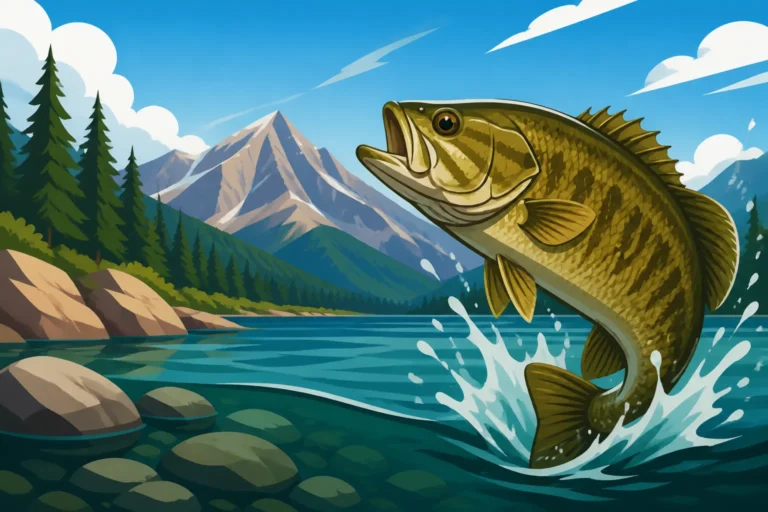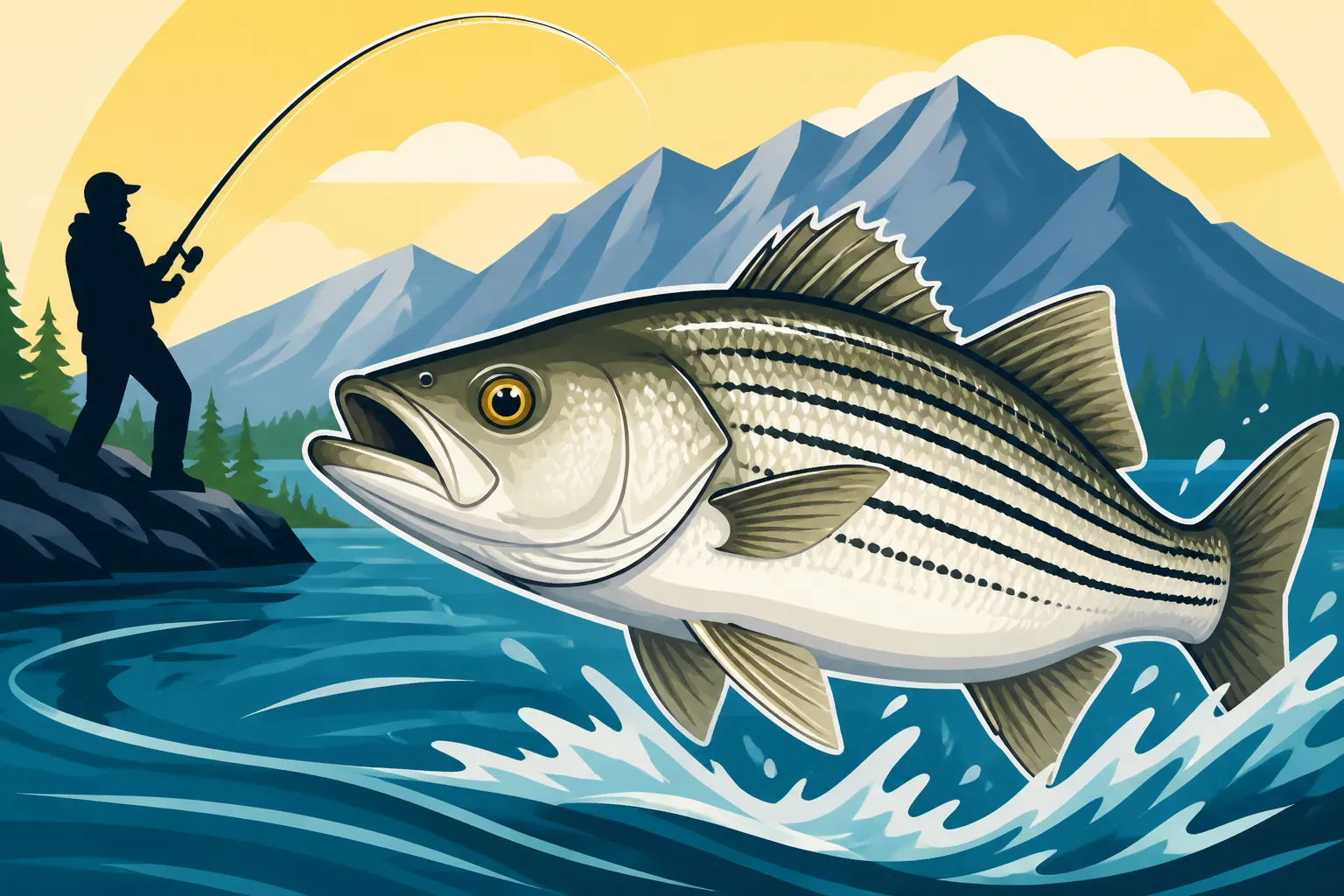
Wiper, Colorado’s Hybrid Striped Bass
You've heard the whispers around the docks or seen the photos on social media: anglers proudly holding up a long, silvery fish, often with dark stripes running down its sides, exclaiming, "Caught a monster Wiper!" But what exactly is this elusive creature that causes so much excitement on Colorado's reservoirs? It’s a hybrid striped bass, a truly unique and powerful game fish that offers an incredible fight and a delicious meal. This guide will dive deep into everything you need to know about targeting, identifying, and appreciating Colorado's hard-fighting Wiper.
What Exactly is a Wiper? Understanding the Hybrid Identity
The term "Wiper" isn't just a catchy nickname; it describes a fascinating genetic marvel engineered by fisheries biologists. This isn't a naturally occurring species in Colorado, or anywhere else for that matter. Wipers are a crossbreed, specifically bred for their robust fighting qualities, rapid growth, and their ability to help manage baitfish populations in large reservoirs. If you've ever hooked one, you'll instantly understand why they're such a prized catch.
The Hybrid Nature: A Perfect Crossbreed
A Wiper is a hybrid of two distinct species: the white bass (Morone chrysops) and the striped bass (Morone saxatilis). Typically, the cross involves a female striped bass and a male white bass, though the reverse is also possible. This hybridization results in a fish that often embodies the best traits of both parents. From the striped bass, they inherit that incredible power and aggressive feeding behavior, allowing them to grow to substantial sizes. From the white bass, they get a bit more hardiness and adaptability to warmer reservoir environments, which is crucial for many of Colorado's high-desert lakes.
What's really interesting about these hybrids is that, for all their vigor and impressive growth, they are largely sterile. This means they cannot reproduce in the wild, which is a key factor in their management by Colorado Parks and Wildlife (CPW). Every Wiper you catch in a Colorado reservoir was put there by CPW, ensuring that their populations are carefully controlled and maintained to benefit the ecosystem and recreational anglers. This controlled stocking allows biologists to introduce a fantastic sport fish without worrying about them outcompeting native species or overpopulating a body of water.
Appearance and Identification: Spotting the Stripes
Identifying a Wiper can sometimes be a bit tricky, especially if you’re not familiar with their parent species. However, there are some key features that can help you distinguish them. Wipers typically have dark, unbroken horizontal stripes running along their silvery, sometimes slightly greenish, bodies. This is a crucial identifier: if the stripes are continuous and don't break up or become faint below the lateral line, you're likely looking at a Wiper. White bass, on the other hand, usually have fainter stripes, and at least one or more of their stripes will be broken or disjointed. Striped bass often have distinct, unbroken stripes, but their body shape is generally more elongated and torpedo-like compared to the deeper-bodied Wiper.
Another helpful identification tip is to look at their overall body shape. Wipers tend to have a deeper, more robust body than the more slender striped bass. Their mouth is usually fairly large, indicative of their predatory nature. When you're trying to figure out what you've just landed, take a moment to observe these characteristics. Getting familiar with them will not only help you correctly identify your catch but also ensure you're adhering to any specific regulations for Wiper. If you're really unsure, a quick glance at an identification chart in a good fishing guide, which you can easily find on sites like Amazon, can provide clarity.
Where to Find Wiper in Colorado: Prime Locations and Habitats
Colorado offers some fantastic opportunities to chase Wiper, primarily in its larger, warmer reservoirs. These fish thrive in open water where they can school up and actively hunt the abundant baitfish populations that these impoundments often hold. Knowing which waters are regularly stocked and what kind of habitat Wipers prefer will significantly increase your chances of success.
Favorite Reservoirs: Colorado's Wiper Hotspots
Across Colorado, several reservoirs have become renowned for their thriving Wiper populations, drawing anglers eager for a battle. On the Front Range, Fishing Chatfield Reservoir and Fishing Cherry Creek Reservoir are popular choices, easily accessible from the Denver metro area. These urban reservoirs provide excellent opportunities for anglers looking to catch Wiper without traveling too far. They are regularly stocked and hold impressive numbers of these hard-fighting fish. Further south, Pueblo Reservoir is another premier Wiper destination, known for producing some truly large specimens. The warmer waters and ample forage in Pueblo make it an ideal environment for Wipers to grow big and strong.
Moving east onto the plains, lakes like Boyd Lake State Park near Loveland, John Martin Reservoir near Hasty, and North Sterling Reservoir also offer excellent Wiper fishing. These expansive, often turbid waters, teeming with shad and other baitfish, are perfect hunting grounds for schooling Wipers. While each body of water has its own unique characteristics, the common thread among them is a healthy population of prey fish and the open water habitat Wipers prefer. For an exact rundown of where Colorado Parks and Wildlife stocks Wiper, and other species, you can often find information on their online fishing atlas.
Habitat and Behavior: Chasing Baitfish in Open Water
Wipers are true pelagic predators, meaning they prefer the open water columns of large reservoirs rather than hugging shorelines or structure like many trout or bass species. Their primary objective is to find and ambush schools of baitfish, such as shad. You'll often find them roaming in large schools, using their keen senses to locate their prey. They are highly active feeders, especially during dawn and dusk, but can be caught throughout the day if you find their feeding frenzy. They're also quite temperature-sensitive and will follow baitfish to deeper, cooler water during the heat of summer, and move shallower during cooler periods.
Understanding their behavior means realizing that patience and mobility are often key. If you're fishing from a boat, having a good fish finder is invaluable for locating these roaming schools. Look for bait balls on your sonar, and often, the Wipers won't be far behind, appearing as larger arcs below or around the bait. From shore, paying attention to surface activity—like birds diving or baitfish scattering—can indicate Wipers pushing schools to the surface. They are truly opportunistic feeders, and once they've located a school of shad, they will hit anything that resembles an injured baitfish.
Techniques for Catching Colorado Wiper: Gear and Tactics
Catching a Wiper is an exhilarating experience, thanks to their incredible power and stamina. They hit hard and fight dirty, making them a favorite target for many anglers. To consistently hook into these hybrid fighters, you’ll need to employ specific techniques and have the right gear.
Preferred Lures and Baits: Matching the Hatch (of Baitfish)
When it comes to lures for Wiper, think baitfish imitations. Since Wipers primarily feed on shad and other small baitfish, anything that mimics these forage species will be effective. Casting and retrieving lipless crankbaits, spoons, or swimbaits can be incredibly productive, especially when Wipers are actively chasing bait near the surface or in shallower water. Colors like chrome, silver, white, or shad patterns are excellent starting points. Many anglers also have great success with topwater lures during low-light conditions when Wipers are aggressively feeding on the surface, creating explosive strikes that will get your heart pounding.
For deeper water, or when fish are less active, vertical jigging with heavy spoons or blade baits can entice strikes. If you're a boat angler, trolling is a highly effective method, allowing you to cover vast amounts of water and present lures at various depths. Trolling Techniques for Colorado Reservoirs can offer great insights into how to maximize your success with this method. Large spinnerbaits and even jigs tipped with soft plastics can also be deadly. And don't forget about natural bait: live shad (where legal) or cut bait can be irresistible to Wipers, particularly when fished on the bottom or under a bobber. You can find a wide array of these lures and baits, along with expert reviews, on online marketplaces like Amazon, allowing you to stock up before your next trip.
Best Times and Conditions: Timing is Everything
Like many predatory fish, Wiper tend to be most active during specific times and under certain conditions. Early morning and late evening are often prime times, as the reduced light allows them to ambush prey more effectively and often brings baitfish closer to the surface. Overcast days can also extend these feeding windows throughout the day. Pay attention to weather fronts as well; a stable period before a cold front or a light drizzle can often trigger a feeding frenzy.
Seasonally, spring and fall are fantastic times to target Wiper. In spring, as water temperatures rise, Wipers become very active, often moving into shallower bays to feed on spawning baitfish. Fall sees them aggressively feeding to bulk up for winter, and this can lead to some of the most intense action of the year. During the hot summer months, Wipers will retreat to deeper, cooler waters during the day, making them harder to find without a boat and electronics. However, they will still come up to feed during dawn and dusk. Understanding How Water Temperature Affects Trout Feeding can give you a general idea of how fish behavior shifts with temperature, even for warmwater species like Wiper.
Wiper Regulations and Management: Preserving the Fishery
Colorado Parks and Wildlife (CPW) actively manages Wiper populations in the state, understanding their value as a sport fish and their role in the aquatic ecosystem. These management efforts include controlled stocking and specific regulations designed to sustain healthy populations and provide quality fishing opportunities for everyone. It's crucial for every angler to be aware of and abide by these rules.
Size and Bag Limits: Knowing What You Can Keep
When you’re out on the water, excited by a hot Wiper bite, it’s easy to lose track, but adhering to size and bag limits is paramount. While specific regulations can vary by lake and change over time, Wiper typically fall under the general warmwater species regulations or have specific limits unique to their hybrid status. For example, some lakes might have a daily bag limit of a certain number of fish, with a maximum length on some of them, or a combination that prevents anglers from keeping too many of the larger breeding stock (though Wipers are sterile, their parent species are not, and general regulations often apply to "hybrid striped bass" in the same category as pure striped bass or white bass).
It's always your responsibility to check the most current regulations for the specific body of water you plan to fish before you cast your line. The Colorado Fishing Regulations Every Angler Should Know brochure, available online and at license vendors, is your go-to resource. It will detail everything from general statewide limits to specific rules for individual waters. For example, while Colorado's Daily Walleye Limit might be different, Wipers may fall under similar warmwater fish guidelines for catch and possession. Understanding these limits helps ensure that Colorado's excellent Wiper fishery remains strong for future generations of anglers.
Why They're Managed: Ecological Balance and Sport Fishing
The management of Wiper by CPW serves a dual purpose. Firstly, as non-native, sterile hybrids, their populations are entirely controlled by stocking programs. This allows CPW to introduce a highly sought-after sport fish into reservoirs that might not otherwise support a robust game fish population, thus enhancing recreational fishing opportunities. These stockings are carefully planned based on the productivity of each reservoir and angler demand.
Secondly, Wipers play a significant ecological role as efficient predators of nuisance baitfish species, particularly gizzard shad. In many large reservoirs, shad populations can explode, potentially outcompeting native forage or reducing the food available for other game fish. Wipers act as a biological control, helping to keep these baitfish numbers in check and contributing to a healthier overall aquatic ecosystem. This makes them a valuable tool in reservoir management, balancing the thrill of the catch with environmental stewardship.
The Thrill of the Fight: Landing a Colorado Wiper
If you've never hooked into a Wiper, prepare yourself. These fish are renowned for their powerful, sustained battles, making them one of the most exciting species to target in Colorado. It's not just a tug on the line; it's a full-on, head-shaking, drag-screaming fight that will test your tackle and your angling skills.
The Wiper's Legendary Fight
A Wiper on the end of your line is an experience you won't soon forget. They are pound-for-pound one of the hardest-fighting freshwater fish. When a Wiper hits, it's usually with an aggressive strike, often described as a "thump" or a sudden, jarring pull. Unlike some fish that make quick, darting runs, Wipers tend to make long, powerful, sustained runs, peeling line off your reel with impressive speed. They often fight deep, shaking their heads violently, and sometimes even make acrobatic leaps out of the water, especially when they feel the hook set firmly.
You'll quickly understand why a medium-heavy rod and a reel with a smooth, reliable drag system are essential. Their stamina is remarkable; a large Wiper can feel like you're fighting a much bigger fish, and the battle can last for several minutes. This intense fight is precisely why so many anglers specifically target Wipers. It's a true test of strength and skill, and the satisfaction of finally bringing a robust Wiper to the net is incredibly rewarding.
Handling and Releasing: Care for Your Catch
Given their spirited fight, proper handling of a Wiper is important, especially if you plan to release it. Wipers can be powerful even out of the water, so having a sturdy landing net is highly recommended. Once landed, try to minimize the time the fish spends out of the water. If you're going to photograph it, do so quickly and efficiently. Support the fish horizontally with both hands, one supporting the belly and the other gently gripping the lower jaw or caudal peduncle (the narrow part of the body near the tail). Avoid holding them vertically by the jaw alone, as this can injure their internal organs.
If you intend to release the fish, wet your hands before handling to protect their slime coat, which is vital for their health and protection against disease. Gently remove the hook (barbless hooks can make this process much easier and quicker). If the fish is exhausted from the fight, hold it upright in the water, facing into a gentle current, until it regains its strength and can swim away on its own. For those interested in keeping a fish for the table, knowing about Colorado Bag and Possession Limits by Species is vital. Wipers are often a delicious eating fish, firm and flaky, making the effort of the catch even more worthwhile.
Cooking and Eating Wiper: A Delicious Reward
Beyond the thrill of the catch, Wiper also offer a fantastic culinary experience. Their firm, flaky, white meat is highly prized, making them a popular choice for anglers who enjoy bringing their catch home for a delicious meal.
Taste Profile: Firm, Flaky, and Flavorful
Wiper boast a taste profile that many anglers find to be excellent. Their meat is white, firm, and flaky, with a mild, clean flavor that isn't overly "fishy." This makes them a versatile fish in the kitchen, appealing to a wide range of palates. Because they are open-water predators that feed on baitfish, their flesh tends to be lean and firm, unlike some bottom-feeding species. Many compare their taste to that of other freshwater bass or even a mild cod.
The quality of the meat can depend slightly on the water they come from and how quickly they are handled after being caught. Immediately bleeding and icing your catch will always result in the best-tasting fish. This quick processing minimizes stress and preserves the freshness and flavor of the meat, ensuring that your efforts on the water translate into a fantastic meal on your plate.
Preparation Tips: From Grill to Frying Pan
Preparing Wiper is straightforward, and their firm flesh holds up well to various cooking methods. Fillets can be grilled, baked, pan-fried, or even deep-fried. For grilling, a simple marinade of olive oil, lemon juice, salt, pepper, and your favorite herbs (like dill or parsley) can enhance their natural flavor. Cook them until they flake easily with a fork, being careful not to overcook them, which can dry out the meat.
Pan-frying is another popular method. A light dredge in seasoned flour or cornmeal will give the fillets a crispy exterior while keeping the inside moist and tender. You can also bake Wiper fillets with vegetables, create fish tacos, or even make a hearty fish stew. Given their size, larger Wipers yield substantial fillets, providing plenty of delicious meals. If you’re looking for more specific culinary inspiration, there are many great freshwater fish cookbooks available, often with fantastic reviews and diverse recipes, on platforms like Amazon. Just remember to adhere to Colorado's Daily Rainbow Trout Limit and other species-specific regulations for whatever you harvest.
Disclaimer
This article is for general informational purposes only and does not constitute professional advice. Laws, prices and regulations vary by location and change over time. Consult a qualified professional for guidance on your specific situation.