Lake Trout Fishing in Colorado
For many anglers, the thought of pursuing lake trout in Colorado conjures images of vast, deep reservoirs and the challenging pursuit of a truly magnificent, hard-fighting fish. It's not for the faint of heart, and the sheer size and habitat of these deep-water dwellers can feel intimidating, especially if you're used to casting for stream trout. This guide is here to demystify the process, offering you a comprehensive look at what it takes to find, hook, and successfully land these incredible apex predators in Colorado's stunning high-country waters.
Understanding Colorado's Lake Trout: The Deep-Water Predator
Lake trout, often affectionately called "lakers," are a fascinating species, and understanding their unique characteristics is the first step to successfully targeting them in Colorado. They're a different beast entirely from your typical river rainbow or brook trout, demanding a shift in strategy and gear.
What Makes Lake Trout So Unique in Colorado?
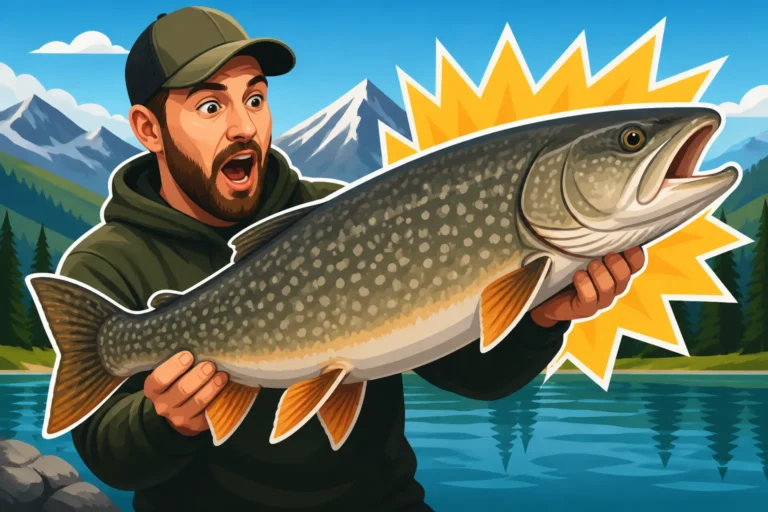
First off, lake trout are the largest native trout species in North America, and they certainly live up to that reputation here in Colorado. While most anglers might associate "trout" with smaller, stream-dwelling fish, lakers can grow to truly impressive sizes, with some individuals tipping the scales into the double digits. These fish are characterized by their sleek, torpedo-shaped bodies, often mottled with light spots on a darker green, gray, or brownish background, sometimes with a reddish tint along their flanks. Their deep, forked tails are powerful, built for cruising cold, deep water. Unlike rainbow or brook trout, which are often found in relatively shallow streams or near shore, lake trout are primarily creatures of the deep, preferring very cold, well-oxygenated water, typically below 50 degrees Fahrenheit. This preference dictates where you'll find them and how you'll need to fish for them.
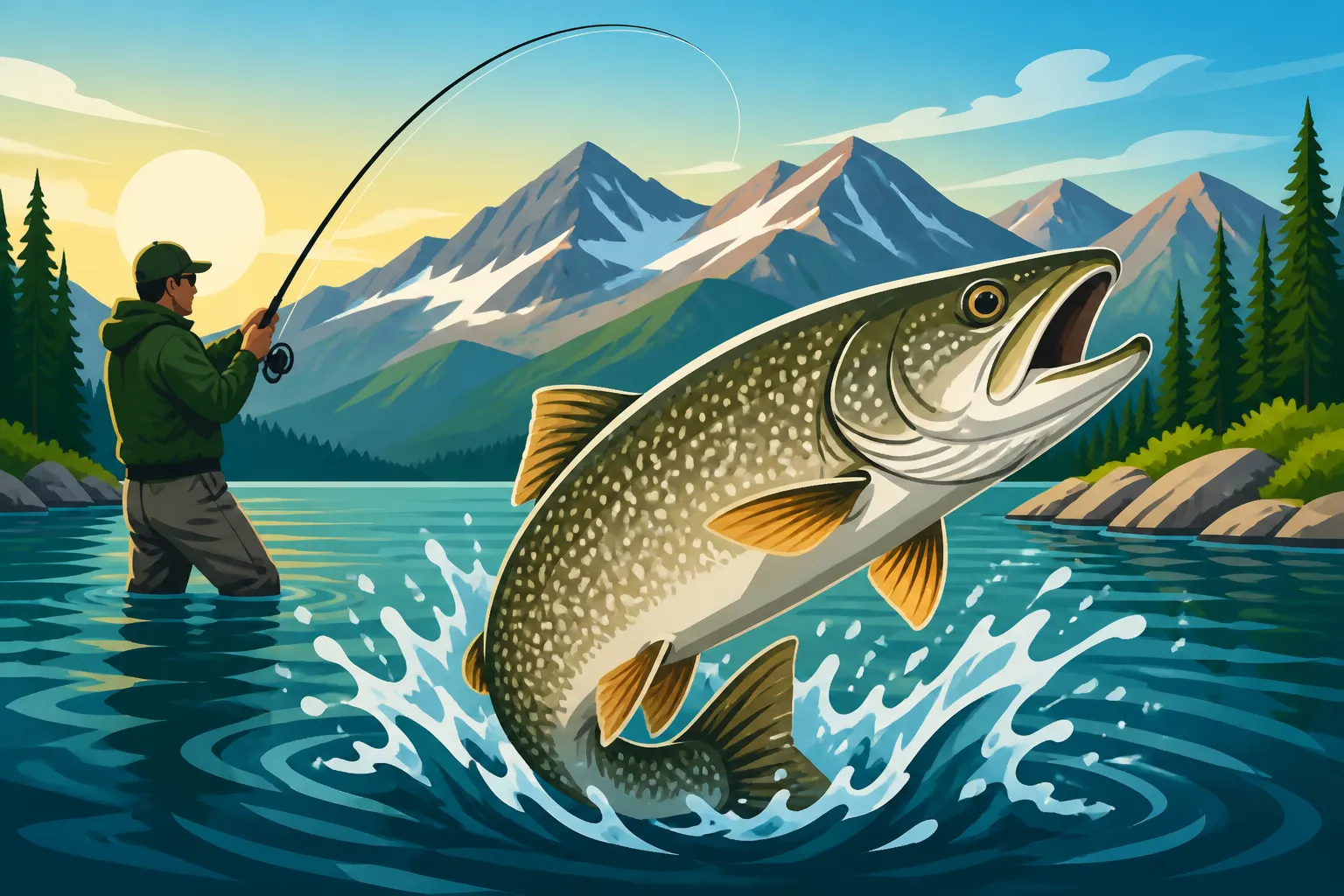
Their sheer size and power mean that when you hook into a big laker, you're in for a serious fight. These fish don't give up easily, often making long, powerful runs back to the depths, testing your tackle and your resolve. It's a thrill that keeps many anglers coming back, despite the challenges. The reward of pulling a massive, prehistoric-looking lake trout from the depths is unmatched, a true testament to patience and persistence.
A Glimpse into the Lake Trout's Life Cycle
Lake trout are slow-growing, long-lived fish, which contributes to their potential for monumental size. They can live for many decades in optimal conditions, gradually adding pounds as they mature. Their diet shifts as they grow; younger lakers might feed on insects and smaller fish, but as they get larger, they become voracious piscivores, meaning they primarily eat other fish. In Colorado's reservoirs, this often includes kokanee salmon, rainbow trout, suckers, and even smaller lake trout. This predatory nature is a key factor in where they position themselves in the water column and what lures or baits will entice them.
Spawning for lake trout typically occurs in the fall, usually from September through November, depending on water temperatures and elevation. Unlike many trout species that seek out gravelly stream beds, lake trout often spawn on rocky shoals or reefs in the main body of the lake, in relatively shallow water (though still often deeper than you'd expect for spawning trout, sometimes 10-50 feet). They don't build traditional redds like other trout; instead, eggs are broadcast over rocky substrates where they fall into crevices for protection. After spawning, the adult fish will retreat to deeper water, often remaining highly active as they recover and feed. Understanding these seasonal movements and behaviors is crucial for predicting where they'll be and how they'll be feeding.
Where Lake Trout Thrive: Prime Habitats Across the State
Colorado is blessed with numerous deep, cold-water reservoirs and high-alpine lakes that provide ideal habitat for lake trout. These are typically large bodies of water, often fed by snowmelt, maintaining the frigid temperatures that lakers demand year-round, even through the warmest summer months. The depth is paramount, as it provides them with thermal refuge when surface waters warm, allowing them to descend to comfortable temperatures.
Beyond just cold and deep water, lake trout prefer areas with plenty of underwater structure. This can include steep drop-offs, submerged humps, rocky points, old river channels, and standing timber. These features provide ambush points, protection from strong currents, and areas where their prey might congregate. Learning to read your sonar and identify these underwater structures is absolutely essential for finding lake trout. Without a solid understanding of the terrain beneath the surface, you'll be largely fishing blind. The clearer the water, often the better, as lake trout are primarily sight feeders, and their vision helps them track down their next meal in the gloom of the deep. Reading water on a Colorado freestone river is a different challenge entirely compared to the deep structure of a lake trout reservoir, requiring entirely different scouting methods.
Top Colorado Destinations for Lake Trout Anglers
Colorado boasts some truly phenomenal lake trout fisheries, each with its own unique character and challenges. While many smaller, high-country lakes hold populations, the real trophies are often found in the larger, deep reservoirs.
Blue Mesa Reservoir: The Reigning King of Colorado Lakers
When you talk about lake trout in Colorado, Blue Mesa Reservoir almost immediately comes to mind. Located near Gunnison, it's the largest body of water in Colorado, a vast expanse of cold, deep water that provides an ideal environment for lake trout to grow to truly gargantuan sizes. Blue Mesa is legendary for its trophy lake trout, with fish regularly caught in the 20-30 pound range, and even larger ones making headlines. The reservoir is also teeming with kokanee salmon, which serve as the primary forage base for these predatory lakers, contributing to their exceptional growth rates.
Fishing Blue Mesa requires dedication and often specialized gear. The sheer size of the reservoir means you need to cover a lot of water to find active fish. Many anglers use boats equipped with sophisticated electronics to locate baitfish schools and deep-water structure. During the warmer months, the lake trout will be found deep, often 60-120 feet down, sometimes even deeper. Trolling with downriggers or jigging heavy spoons and tube baits are common tactics. In the spring and fall, particularly during the kokanee spawning runs, lake trout can sometimes be found in shallower water, offering exciting opportunities for different techniques. How deep to troll for Kokanee at Blue Mesa provides insight into the primary food source that helps these lakers grow so big. It's a challenging but incredibly rewarding fishery, a true proving ground for serious laker enthusiasts.
Granby and Grand Lake: Mountain Giants
Up in Grand County, you'll find two more exceptional lake trout fisheries: Lake Granby and Grand Lake. These high-altitude lakes offer breathtaking scenery along with excellent fishing opportunities. Lake Granby, part of the Colorado-Big Thompson Project, is another large, deep reservoir with a healthy population of lake trout, many of which also grow to impressive sizes by feeding on its abundant kokanee salmon and scuds. It's a favorite for both boat anglers and ice fishermen during the winter months. The deep, cold waters provide ample habitat for lakers throughout the year.
Grand Lake, Colorado's largest natural lake, sits adjacent to Lake Granby and is also home to a strong population of lake trout. While perhaps not yielding as many true giants as Blue Mesa, Grand Lake consistently produces solid numbers of quality lakers. Fishing here can be especially picturesque with the backdrop of Rocky Mountain National Park. Both Granby and Grand Lake see significant ice fishing pressure, with anglers drilling holes over deep structure, jigging for fish that can often be found suspended or near the bottom. The clarity of Grand Lake’s water means stealth and precise presentations are often key to success. Fishing Grand Lake, Colorado's largest natural lake offers more details on this stunning location.
Other Notable Waters: Dillon, Twin Lakes, and More
While Blue Mesa, Granby, and Grand Lake might be the superstars, Colorado has several other excellent lake trout fisheries worth exploring. Dillon Reservoir, nestled in Summit County, is another deep, high-altitude lake known for its healthy population of smaller to medium-sized lake trout, though larger fish are certainly present. It's a popular spot for ice fishing and summer trolling, with beautiful mountain views to boot. Its proximity to several mountain towns makes it a convenient option for many.
Twin Lakes, near Leadville, offers two deep glacial lakes that hold a very respectable number of lake trout. The scenery is absolutely stunning, dominated by Colorado's highest peaks. Anglers here can find good success jigging and trolling, especially around the deeper channels and drop-offs. The cool, clear water of Twin Lakes is ideal for lakers. Elsewhere, Williams Fork Reservoir, near Silverthorne, and even some lesser-known high-alpine lakes can produce surprising catches for those willing to hike in. Each of these waters presents its own unique challenges and rewards, from the vastness of the largest reservoirs to the intimate beauty of high-country gems. Fishing Twin Lakes Near Leadville for Trophy Cutthroat can sometimes yield a surprise laker, as the two species coexist in these deep waters.
Essential Gear for Taming Colorado's Lake Trout
Chasing lake trout is not like tossing a dry fly on a small creek. It demands specialized gear designed to handle deep water, heavy fish, and often challenging conditions. Investing in the right equipment will significantly increase your chances of success and make the experience much more enjoyable.
Rods, Reels, and Line: Building Your Foundation
When it comes to lake trout, you need tackle that's robust and capable of handling significant strain. For rods, a medium-heavy to heavy action rod, typically 6'6" to 7'6" in length, is ideal. This gives you the backbone to set hooks in deep water and muscle big fish, while still having enough tip sensitivity to detect subtle bites. Many anglers prefer graphite rods for their sensitivity and lighter weight, which is a blessing when jigging for extended periods. Rods designed for salmon or steelhead fishing can often pull double duty for lakers.
Pair your rod with a sturdy spinning or baitcasting reel that has a smooth, reliable drag system and good line capacity. For line, braided line is almost universally preferred for lake trout. Its minimal stretch provides excellent sensitivity for detecting those deep-water bites and allows for powerful hooksets. A common setup involves 20-50 lb braided mainline, depending on the size of fish you're targeting and the amount of structure you're fishing. You'll then tie a fluorocarbon leader of 15-30 lb test to your braid. Fluorocarbon is nearly invisible underwater, which is crucial for spooky lakers, and its abrasion resistance helps protect against rocky structure and sharp teeth. You can find excellent braided line and fluorocarbon leaders on Amazon from various reputable brands.
Lures and Baits: What Gets Their Attention
Lake trout are primarily piscivores, so lures and baits that imitate their prey species are key. Heavy jigs, often 1/2 oz to 2 oz or even more, are staples for jigging. Common styles include lead head jigs dressed with soft plastics (tubes, swimbaits, grubs), vertical jigging spoons, and blade baits. Colors can vary, but white, silver, chartreuse, and natural baitfish patterns are often highly effective. The key is to match the hatch – if kokanee are abundant, choose lures that mimic their size and color.
For trolling, spoons, crankbaits, and stickbaits are popular choices. Larger sizes are often preferred to attract big lakers. Again, colors mimicking kokanee, suckers, or other trout species are usually a good starting point. Some anglers also have great success with dead bait, particularly suckers or anchovies, rigged on special harnesses or jigs. These natural baits, especially when fished near the bottom or trolled slowly, can be irresistible to a hungry lake trout. Make sure to check regulations for bait restrictions on specific waters, as some areas may only allow artificial lures or prohibit the use of certain baitfish.
Electronics and Accessories: Tools for Deep-Water Success
When fishing for deep-dwelling lake trout, electronics are not just a luxury; they're practically a necessity. A high-quality fish finder or sonar unit is your eyes underwater. It allows you to see the bottom contour, identify submerged structure, locate schools of baitfish, and often, mark individual lake trout. Features like side imaging or down imaging can be incredibly helpful for understanding the underwater landscape. Many anglers even have portable fish finders for ice fishing, which can be invaluable.
For boat anglers, downriggers are often indispensable for consistently presenting lures at specific depths while trolling. These devices allow you to send your lure down to exactly where the fish are holding, often well below the reach of standard line setups. Lead core line can also achieve deep presentations without downriggers, though it requires more skill and a good understanding of line color coding for depth. Other essential accessories include a long-handled net with rubberized mesh (better for the fish), a good pair of pliers for removing hooks, and a reliable measuring tape or bump board for accurately recording catch size. And, of course, don't forget warm, layered clothing, even in summer, as conditions on large mountain reservoirs can change quickly. A quality insulated cooler from a brand like Yeti or RTIC will ensure your catch stays cold and fresh.
Mastering Lake Trout Techniques: Deep-Water Strategies
Once you have the right gear, it's time to learn the techniques that will put you in front of Colorado's lake trout. These fish demand patience, precision, and an understanding of their deep-water habits.
Jigging: The Art of Vertical Presentation
Jigging is arguably the most popular and effective method for catching lake trout, especially when fishing from a boat or through the ice. The essence of jigging is presenting a lure directly to the fish, typically vertically beneath your boat. This requires precise boat positioning, often using a trolling motor with GPS Spot-Lock, to stay directly over promising structure or marked fish. Once you're positioned, you'll drop your jig down to the desired depth, often near the bottom or suspended in the water column if fish are marked higher up.
The retrieve is key. It's rarely a static presentation. You'll employ a variety of jigging motions: sharp lifts and drops, subtle jiggles, long sweeps, or even just letting the jig sit motionless for a few seconds. The goal is to imitate a wounded baitfish or simply annoy the laker into striking. Often, the strike will come on the fall, so paying close attention to your line is crucial. Watch for any pause, twitch, or sudden slack, and set the hook hard. It can take some practice to find the rhythm that the fish prefer on any given day, so don't be afraid to experiment with different speeds and amplitudes of your jigging motion. Best Jigging Spoons for Lake Trout Through the Ice offers excellent specific advice for this technique during winter.
Trolling: Covering Water and Finding Fish
Trolling is an excellent method for covering large expanses of water and locating schools of lake trout, especially in vast reservoirs like Blue Mesa. This technique involves dragging lures behind a moving boat, usually at slow speeds (1.5 to 3 mph, though it varies). The challenge with deep-dwelling lake trout is getting your lures down to the correct depth. This is where downriggers become invaluable, allowing you to precisely control the depth of your lure. You can also use lead core line, which sinks at a predictable rate based on its color segments and your boat speed, or specialized deep-diving crankbaits.
When trolling, pay close attention to your fish finder. Look for sudden changes in bottom contour, submerged humps, and schools of baitfish. When you mark fish or bait, make a mental note or drop a waypoint on your GPS. If you get a bite, it's often a good idea to circle back through that area, as lake trout often travel in schools or congregate in specific spots. Experiment with different lures, colors, and depths until you find what's working. Sometimes, a subtle change in speed or a slight turn of the boat can trigger a strike. It’s a methodical approach, but highly effective for intercepting fish that are actively searching for food.
Bait Fishing and Set Lines: Patient Pursuits
While jigging and trolling are active methods, bait fishing offers a more passive approach that can still be highly productive, especially during ice fishing season or when targeting very deep, lethargic fish. For bait fishing, live or dead suckers are a popular choice due to their size and oily composition. They can be fished on a simple bottom rig with a weight and a hook, or under a bobber or tip-up when ice fishing. The idea is to present a natural, appealing meal to the lake trout.
When fishing with bait, patience is paramount. Lake trout may mouth the bait before fully committing, so avoid setting the hook too quickly. Allow the fish to take the bait fully into its mouth before leaning into the strike. During ice fishing, tip-ups are a fantastic way to fish multiple lines (within legal limits) with bait. You set your bait at a desired depth, and when a fish takes it, a flag signals the bite, allowing you to quickly retrieve the line. This method is particularly effective for larger, less active lakers that prefer a stationary meal. Always double-check Colorado Bait Restrictions and Where They Apply before using live or dead bait, as rules can vary widely by water.
Seasonal Approaches to Colorado Lake Trout Fishing
Lake trout behavior changes significantly with the seasons, largely driven by water temperature and the availability of their prey. Adapting your tactics to the time of year is crucial for consistent success.
Spring: Ice-Out Opportunities and Shallower Bites
As winter's ice begins to melt and break up, spring offers some fantastic lake trout fishing opportunities. During ice-out, the entire water column is often a uniform, cold temperature, allowing lake trout to roam more freely and sometimes move into shallower areas that were inaccessible or too warm in other seasons. This is particularly true for pre-spawn fish that are actively feeding to regain energy. You might find them cruising along rocky points, submerged shorelines, or near inlets where fresh, cold water is flowing in.
Lakers can be very aggressive during this time, feeding heavily as they shake off the winter doldrums. Both jigging and trolling can be effective. Look for areas where baitfish might be congregating, as the lakers won't be far behind. Large swimbaits, tube jigs, and spoons fished anywhere from 10 to 60 feet can be productive. The key is to be flexible and explore different depths until you locate active fish. This is a great time to target fish that are shallower than they might be in the dead of summer, making for some exciting fights closer to the surface.
Summer: The Deep Freeze and Thermocline Tactics
Once Colorado's summer heat sets in, lake trout retreat to their preferred cold-water sanctuary in the depths. This means they will primarily be found in the deepest, coolest parts of the reservoir, often below the thermocline – the layer where water temperature changes rapidly. Depending on the lake and altitude, this could mean fishing at depths of 60 to 150 feet or even more. Successfully targeting them in summer requires a boat with good sonar and typically downriggers or a lot of lead core line.
Focus your efforts on deep-water structure: submerged humps, steep drop-offs, canyon walls, and old river channels. These areas concentrate baitfish and provide ambush points for lakers. Trolling with large spoons, dodgers and squids, or deep-diving crankbaits at precise depths is very effective. Jigging heavy tube jigs or vertical spoons directly over marked fish or structure can also produce. The challenge is consistently getting your lure into the strike zone where these deep-water fish are holding. How Deep to Troll for Kokanee at Blue Mesa provides insight into finding their food, which is where you'll also find the lakers. The middle of the day can often be slow, but early mornings and late evenings might bring fish slightly shallower or make them more active.
Fall: Pre-Spawn Aggression and Shallow Feeds
Fall is a truly special time for lake trout fishing in Colorado. As water temperatures begin to cool, often triggering kokanee salmon to begin their spawning runs, lake trout become incredibly active and aggressive. These fish know winter is coming, and they're also gearing up for their own spawn, so they feed ravenously to build up fat reserves. This pre-spawn period sees some of the largest lake trout moving into shallower water, especially near rocky shoals and reefs where they will eventually spawn.
This is a prime time for targeting trophy fish. Trolling large crankbaits, spoons, or even big tube jigs can be highly effective. Jigging over rocky bottom structure in 20-60 feet of water can also be lights out. Many anglers specifically target areas where kokanee salmon are spawning, as the lakers will be gorging on eggs and smaller salmon. The cooler water also means the fish are stronger and put up an even more spirited fight. Don't be surprised to find some of the biggest fish of the year during the crisp, colorful days of autumn.
Winter: Ice Fishing for Lakers
Colorado's frozen reservoirs offer some of the best ice fishing opportunities for lake trout in the country. Once the ice is safe (at least 4 inches for foot traffic, more for ATV/snowmobile travel), anglers flock to popular spots like Granby, Dillon, and Blue Mesa. The key to ice fishing for lakers is finding them over deep structure, just as you would in open water. Portable fish finders, often called "flasher" units, are essential for identifying depth, bottom contour, and marking fish and your lure in real-time.
Jigging is the primary technique through the ice. Heavy jigs, vertical spoons, and tube baits are dropped down and worked with an aggressive jigging motion. Dead bait, like sucker meat on a tip-up, is also incredibly effective, especially for larger, more cautious fish. Set your tip-ups at varying depths until you find where the fish are holding. Patience is key, but the reward of pulling a powerful lake trout through a hole in the ice is an experience you won't soon forget. Always prioritize safety on the ice, checking thickness regularly and being aware of changing conditions. How thick ice needs to be before you fish it in Colorado is a critical piece of information for any ice angler.
| Destination | Typical Depth Range (Summer) | Primary Lures/Baits | Best Season | Notable Features |
|---|---|---|---|---|
| Blue Mesa Reservoir | 60-150+ feet | Spoons, Tube Jigs, Kokanee imitations, Suckers | Fall, Summer, Winter | Trophy potential, vast, high kokanee population |
| Lake Granby | 40-120 feet | Tube Jigs, Spoons, Grub tails, Suckers | Winter, Fall, Spring | Excellent ice fishery, good numbers |
| Grand Lake | 30-100 feet | Spoons, Tube Jigs, Small swimbaits | Winter, Spring, Summer | Natural lake, scenic, consistent action |
| Dillon Reservoir | 50-120 feet | Spoons, Tube Jigs, Grub tails | Winter, Summer, Fall | Close to resorts, reliable smaller lakers |
| Twin Lakes | 40-100 feet | Spoons, Tube Jigs, Spinners | Spring, Summer, Fall | Beautiful scenery, good quality fish |
Navigating Regulations and Conservation for Lake Trout
Responsible angling is paramount, especially when targeting a species like the lake trout. Understanding and adhering to Colorado's specific regulations, as well as practicing good conservation habits, ensures healthy fisheries for years to come.
Understanding Colorado's Lake Trout Regulations
Colorado Parks and Wildlife (CPW) sets specific regulations for lake trout, which can vary significantly by water body. These regulations are designed to manage populations, prevent overfishing, and sometimes, to reduce lake trout numbers in waters where they might negatively impact native species. It is absolutely critical to consult the most current Colorado Fishing Regulations Every Angler Should Know before you head out, specifically checking the section for the particular lake or reservoir you plan to fish. You can usually find the most up-to-date information on the CPW website or in their annual fishing brochure, which you can often pick up at license vendors or sporting goods stores.
Regulations often include specific bag and possession limits for lake trout, and these can be quite generous in some waters where CPW is trying to control populations, or very restrictive in others where they are managing for trophy-sized fish. For example, some lakes might have a daily bag limit of 4 or 8 lake trout, while others might have a limit of one fish over a certain length. There can also be bait restrictions, especially in areas managed for native cutthroat recovery, so always check if live bait, dead bait, or even specific types of lures are prohibited. Ignorance of the rules is not an excuse, and game wardens do patrol these popular laker waters. Colorado Bag and Possession Limits by Species will give you a general overview, but always double-check for your specific location.
Catch and Release Best Practices for Deep-Water Fish
While some lake trout populations are managed to encourage harvest, many anglers choose to practice catch and release, especially for larger, older fish. However, releasing deep-water fish like lake trout requires special care due to barotrauma, the physiological stress caused by rapid changes in pressure when brought up from significant depths. This can lead to an inflated swim bladder, causing the fish to float on the surface, unable to return to the depths.
To minimize barotrauma and increase survival rates, here are some best practices:
- Minimize Fight Time: Use heavy enough tackle to bring the fish in relatively quickly. A prolonged fight can exhaust the fish.
- Handle Gently: Support the fish horizontally, avoid squeezing its belly, and minimize its time out of the water. Wet your hands before touching the fish to protect its slime coat.
- Vent (Fizzing): For fish showing signs of barotrauma (distended stomach, bulging eyes, floating), careful venting (also called fizzing) can release trapped gas from the swim bladder. This involves inserting a hypodermic needle into the swim bladder to deflate it, allowing the fish to swim back down. This should only be done by experienced anglers who know the correct technique and anatomy. Improper fizzing can do more harm than good.
- Descend Quickly: If you're not venting, consider using a fish descending device (like a "seaqualizer" or "recompression tool") which attaches to the fish's jaw and has a weight to rapidly return it to depth, where pressure will naturally recompress the swim bladder.
- Release Quickly: Get the fish back in the water as quickly as possible. If it struggles to swim down, gently hold it upright in the water until it regains its equilibrium and can swim off on its own.
Practicing these techniques is a key part of ethical angling and ensures that these magnificent fish can continue to thrive.
The Role of Lake Trout in Colorado's Ecosystem
Lake trout play a complex and sometimes controversial role in Colorado's aquatic ecosystems. As apex predators in many of the state's deep, cold-water reservoirs, they are an important part of the food chain, keeping populations of their prey species in check. For many anglers, the opportunity to catch a large, wild-like predator is a significant draw, supporting a vibrant recreational fishery.
However, lake trout are not native to all waters they inhabit in Colorado. In some high-alpine lakes and certain drainages, they have been introduced and can pose a threat to native cutthroat trout populations, which are often smaller and less able to compete or avoid predation. In these specific waters, CPW actively manages lake trout populations through increased bag limits or even removal programs to protect and restore Colorado's Native Cutthroat Trout Subspecies. This balancing act between supporting a popular sport fishery and protecting fragile native ecosystems is a continuous challenge for fisheries managers. Understanding these dynamics helps anglers appreciate the broader ecological context of their sport.
Advanced Tips and Common Challenges
Even with the right gear and basic techniques, lake trout fishing can be incredibly challenging. These fish are smart, deep-dwelling, and often finicky. Here are some advanced tips and ways to overcome common hurdles.
Reading the Water and Interpreting Your Electronics
Successfully targeting lake trout hinges on your ability to "read" the water, even when that water is 100 feet below your boat. This is where your fish finder and GPS become your most valuable allies. Don't just look for fish marks; actively interpret what your electronics are telling you.
- Bottom Contour: Look for dramatic changes in depth, submerged points, humps, and old river channels. Lakers will use these features for ambush points and travel corridors. Mark these structures as waypoints on your GPS.
- Baitfish Schools: Locate clouds of baitfish (often kokanee salmon or suckers). Where there's bait, there are usually predators. If you see lakers marked just below or on the edges of baitfish schools, you're in a prime area.
- Thermocline: Identify the thermocline (the distinct temperature stratification line). In summer, this is often where you'll find baitfish and, consequently, lake trout.
- Hard vs. Soft Bottom: Your sonar can often distinguish between hard bottom (rocky, gravelly – often preferred by lakers) and soft bottom (muddy).
- Speed and Direction: Pay attention to how boat speed and direction affect what you see on your sonar. Sometimes a very slow troll or even drifting can give you a clearer picture of the bottom.
Learning to correlate what you see on your screen with what's actually under the boat takes time and practice, but it's the single biggest leap you can make in your lake trout game. There are many excellent online resources and forums, including video tutorials on Amazon, that can help you learn to interpret sonar readings more effectively.
Dealing with Deep-Water Pressure Changes
As mentioned earlier, barotrauma is a significant concern for deep-water fish. While fizzing can help, it's a technique that carries risks and should ideally be learned from an experienced angler or guide. If you're serious about catch and release for deep-caught lakers, consider investing in a recompression tool. These devices are designed to quickly return the fish to depth, equalizing the pressure and allowing the swim bladder to recompress naturally.
Beyond immediate release and proper handling, minimizing deep-water pressure changes starts with your fishing approach. If you're consistently catching fish that are severely impacted by barotrauma, consider fishing slightly shallower if conditions allow, or switch to a different technique that might cause less stress. Sometimes, adjusting your lure presentation or target depth by just 10-20 feet can make a noticeable difference in a fish's ability to survive release. Being aware of the water temperature and depth is critical; the deeper and warmer the water, the more pronounced the effects of barotrauma tend to be.
Patience and Persistence: The Keys to Laker Success
More than any specific lure or technique, patience and persistence are perhaps the most crucial elements for successful lake trout fishing in Colorado. These fish don't always bite readily. There will be days when you mark plenty of fish on your sonar but can't coax a single strike. There will be hours of trolling or jigging without a nibble. It's during these times that many anglers give up, but the dedicated laker hunter pushes through.
Don't be afraid to experiment. If one lure isn't working, switch to another. If jigging is slow, try trolling. Change your depth, your retrieve speed, your colors. The biggest mistake you can make is sticking with a strategy that isn't producing. Trust your electronics, but also trust your gut. Sometimes, moving to a completely different area of the lake, even if it doesn't look as "fishy" on the map, can unlock the bite. The reward for this patience and persistence is often a truly magnificent fish, a testament to the challenge and allure of Colorado's deep-water predators. Consider booking a Charter Boats for Lake Trout at Blue Mesa if you want to accelerate your learning curve and benefit from a guide's experience.
Disclaimer
This article is for general informational purposes only and does not constitute professional advice. Laws, prices and regulations vary by location and change over time. Consult a qualified professional for guidance on your specific situation.