What Colorado’s Biggest Recorded Rainbow Trout Weighed
There’s a unique thrill that comes with chasing a truly monstrous fish, isn't there? That whisper among anglers, the legendary tales of colossal trout that push the limits of what seems possible. If you've ever dreamt of battling a rainbow trout so big it leaves you breathless, you've probably wondered just how massive Colorado's biggest 'bow ever got. This guide dives into the impressive state record, exploring what it takes to produce such giants and where you might find your own trophy rainbow here in the Centennial State.
The Lure of the Monster Rainbow: Chasing Colorado's Giants
For many anglers, the pursuit of a record-breaking fish is the ultimate quest. It's not just about the size on the scale, but the story, the challenge, and the sheer awe of holding something so magnificent. Colorado, with its diverse waters, from high-country lakes to productive tailwaters, is a prime hunting ground for trophy trout. Rainbows, in particular, capture our imagination with their vibrant colors and powerful fights.
Why Rainbows Get So Big in Colorado
You might wonder what magic potion Colorado's waters hold to produce such large rainbow trout. It's not magic, but a combination of factors that create the perfect storm for growth. First, many of our larger reservoirs and tailwaters offer an incredibly rich food source. Think about the abundant insect life, crayfish, and even smaller baitfish that provide a constant buffet for growing rainbows. These fish have access to protein-packed meals year-round.
Beyond food, the water quality itself plays a huge role. Clean, cold, and oxygen-rich waters allow trout to thrive and metabolize food efficiently. Locations with consistent water flows, often found below large dams, also tend to maintain stable environments where fish aren't stressed by extreme fluctuations. Furthermore, selective genetics play a part. While some rainbows are frequently stocked, certain populations have been managed for years, developing strong, robust fish that have the potential to grow to impressive sizes, sometimes far beyond what you might expect in smaller streams. Colorado's Trout Species, A Field Guide can give you a deeper look into the different trout populations.
The Thrill of the Fight: What It's Like to Battle a Giant Rainbow
Imagine the scene: you're casting your line, maybe a perfectly presented nymph rig or a meticulously trolled lure, when suddenly, your rod nearly gets ripped from your hands. That's often how the encounter with a trophy rainbow begins. These fish are powerful. They make blistering runs that strip line from your reel, head shakes that feel like trying to hold onto a bucking bronco, and aerial acrobatics that will have your heart pounding.
When you're fighting a rainbow that weighs double-digits, every decision matters. A too-tight drag, a moment of lapsed concentration, or a poorly tied knot can mean losing the fish of a lifetime. It's a true test of skill, patience, and good equipment. And when you finally slide that net under a truly immense rainbow, its colors shimmering in the sun, there's an overwhelming sense of accomplishment and respect for the creature you've just bested. The fight itself is etched into your memory, often more vividly than the exact weight.
Unveiling the Record: Colorado's Biggest Rainbow Trout
Alright, let's get to the question that brought you here! The suspense is over. While we all dream of catching a fish that breaks records, it's a rare and incredible feat.
The Official State Record
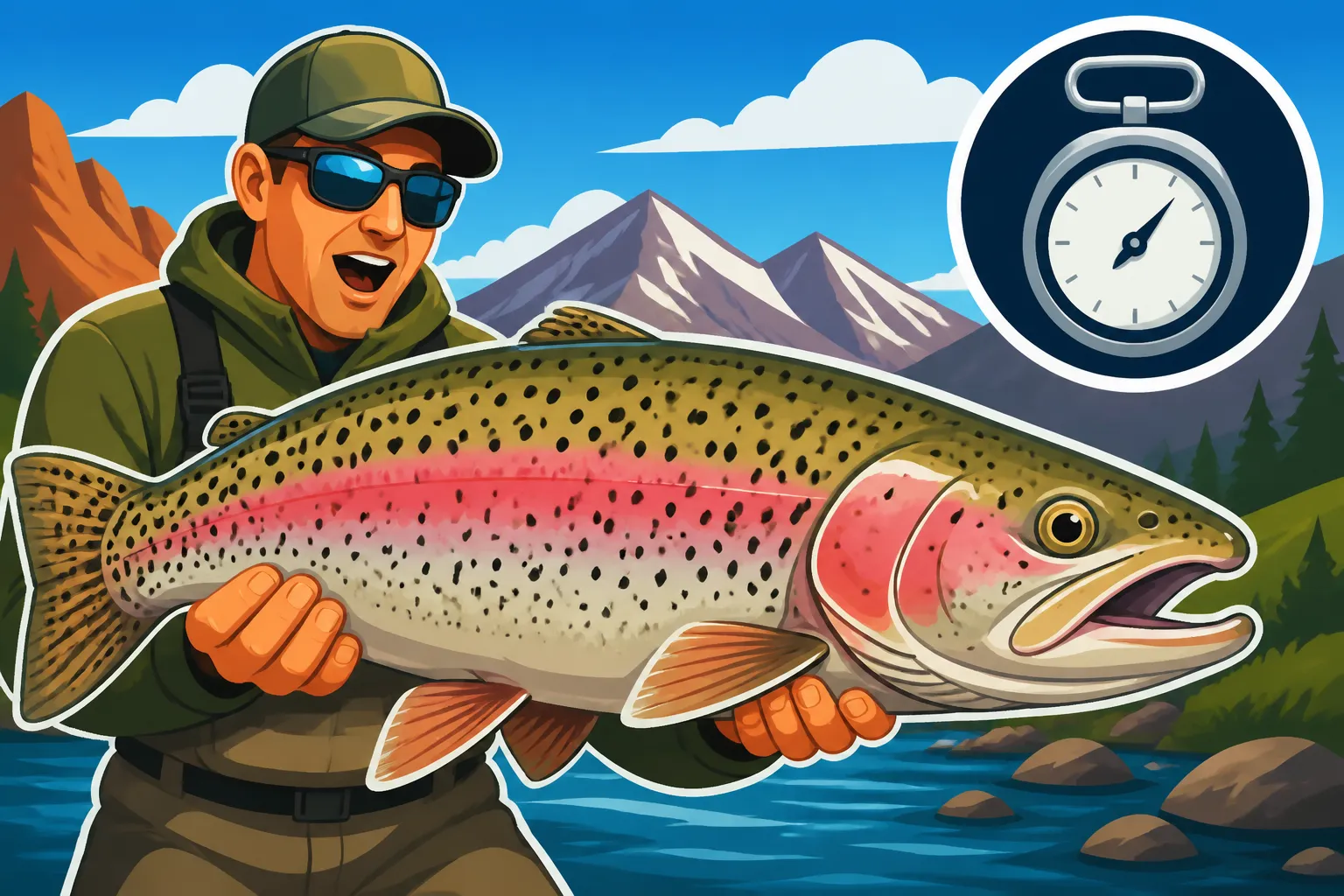
The official state record for the largest rainbow trout ever caught in Colorado weighed an astounding 24 pounds. Think about that for a moment – a rainbow trout that weighs as much as a small toddler! This magnificent fish was caught in the North Delaney Butte Lake, which is a fairly famous spot for big trout. This particular lake has a reputation for producing large, healthy fish, and this record stands as a testament to its rich waters and careful management.
It's important to remember that these records are historical snapshots. While the 24-pound rainbow holds the current title, other massive fish have been caught throughout Colorado's history, and the potential for another record-breaker is always out there. The specific time of year can greatly impact a fish's weight due to spawning cycles or feeding patterns, but a record like this typically represents a fish in its absolute prime.
The Story Behind the Catch
While the details of every record catch are sometimes sparse, you can imagine the scenario for a fish of this magnitude. Picture an angler, likely a dedicated individual who spent countless hours on the water, understanding the nuances of North Delaney Butte Lake. They probably used techniques honed over years, perhaps trolling a large streamer pattern or slowly working a jig near deep structure. The weather might have been crisp, the kind of day where you just feel the potential in the air.
The initial bite must have been violent, signaling not just a fish, but the fish. The battle would have been prolonged, a careful dance of give and take, protecting the light leader and hook from the explosive power of such a trout. Landing a 24-pound rainbow requires not just skill but a bit of luck, having the right net, and perhaps a fishing partner ready to assist. It's a moment that defines an angling career, turning a quiet day on the water into a piece of Colorado fishing history.
Beyond the Record: Where Trophy Rainbows Still Roam
Even if you don't break the state record, Colorado offers plenty of opportunities to catch a personal best or a genuinely trophy-sized rainbow. There are specific waters renowned for their ability to grow large trout, and knowing where to focus your efforts is half the battle. Colorado's Gold Medal Water Rules often apply to these prolific areas.
Reservoirs Known for Monster Rainbows
Colorado's vast network of reservoirs provides ample space and food for rainbows to grow large. These larger bodies of water often support diverse ecosystems, including various baitfish and aquatic insects, which are crucial for trout growth.
- North Delaney Butte Lake: As the home of the state record, it's clearly a top contender. This lake, managed specifically for trophy trout, often has special regulations in place, such as artificial flies and lures only, and sometimes length or bag limits designed to protect larger fish. It requires a bit of a drive, but the rewards can be immense.
- Eleven Mile Reservoir: Located west of Colorado Springs, Eleven Mile is a fantastic fishery known for its large rainbow, cutthroat, and brown trout. Anglers often find success here trolling or still fishing with bait (where legal) for the rainbows that cruise its expansive waters. The sheer volume of water and abundant food sources allow fish to reach impressive sizes.
- Spinney Mountain Reservoir: Just upstream from Eleven Mile, Spinney Mountain is another Gold Medal Water celebrated for its trophy trout. It's a high-elevation reservoir where anglers consistently pull out rainbows in the 20-inch range, with much larger fish making appearances. It's often catch-and-release for larger fish, contributing to the healthy population of big 'bows.
- Blue Mesa Reservoir: While often celebrated for its lake trout and kokanee salmon, Blue Mesa also holds some truly large rainbow trout, especially in its shallower coves and arms during certain times of the year. Its immense size and diverse forage base allow rainbows to pack on the pounds.
When planning a trip to one of these reservoirs, always check the current Colorado Fishing Season Dates and Bag Limits and specific regulations for that body of water, as rules can vary greatly.
Rivers and Tailwaters for Big 'Bows
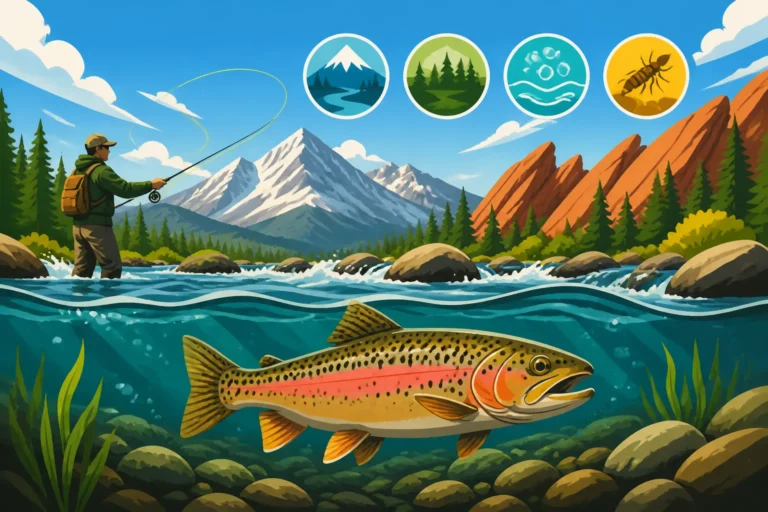
While reservoirs are great for sheer size, some of Colorado's rivers and tailwaters (the sections of river directly below a dam) are famous for producing incredibly strong and healthy rainbows, often considered "trophy" in their own right, even if they don't hit the extreme weights of stillwater fish. The constant flow and temperature of tailwaters create ideal conditions for consistent insect hatches and abundant food.
- Fryingpan River: Below Ruedi Reservoir, the "Fryingpan" is a world-renowned Gold Medal Water. Known for its incredibly clear water and selective trout, it consistently produces rainbows over 20 inches, with some much larger. The "toilet bowl" section, directly below the dam, is particularly famous for its large fish. These fish are often wild, incredibly smart, and offer a challenging yet rewarding experience.
- Blue River: The tailwater section of the Blue River below Dillon Reservoir in Silverthorne is another hotspot for trophy rainbows. These fish benefit from a steady diet of mysis shrimp, flushed through the dam, which acts like a steroid for trout growth. Expect powerful, chunky rainbows here.
- South Platte River (Dream Stream & Cheesman Canyon): These stretches are legendary. The "Dream Stream," connecting Spinney Mountain and Eleven Mile Reservoirs, sees massive trout moving through during spawning seasons, offering opportunities for truly enormous rainbows. Fishing the Dream Stream and Cheesman Canyon on Colorado's South Platte will give you a detailed look at these incredible sections. Cheesman Canyon, a bit more rugged, also holds an excellent population of large, wild rainbows and browns.
Comparing Trophy Rainbow Waters
| Water Type | Typical Fish Size | Record Potential | Primary Forage | Key Challenge | Best Technique |
|---|---|---|---|---|---|
| Large Reservoirs | 18-24+ inches | Highest | Baitfish, Crayfish | Finding Fish in Vastness | Trolling, Still Fishing |
| Tailwaters | 16-22+ inches | High | Mysis Shrimp, Midges | Selective Fish, Crowds | Nymphing, Streamers |
| Freestone Rivers | 12-18 inches | Moderate | Insects, Worms | Reading Water, Access | Dry Fly, Nymphing |
| Alpine Lakes | 10-16 inches | Low to Moderate | Insects, Scuds | Remote Access, Weather | Spin Fishing, Small Flies |
Gear and Tactics for Chasing Giants
Catching a trophy rainbow trout isn't just about showing up; it's about preparation, skill, and the right equipment. You wouldn't go deer hunting with a slingshot, and you shouldn't go trophy trout fishing with inadequate gear.
Essential Gear for Trophy Hunting
When you're targeting those 20-inch-plus rainbows, your gear needs to be up to the task. You don't necessarily need the most expensive equipment, but reliability and appropriate strength are key.
- Rods and Reels: For larger reservoirs, a medium-heavy spinning rod (7-8 feet, rated for 8-12 lb line) or a strong fly rod (6-8 weight) is ideal. This gives you the backbone to cast larger lures or flies and the power to control a big fish. Match it with a quality reel that has a smooth, reliable drag system. A drag that sticks or is jerky will lose you fish. You can find excellent options on Amazon that fit various budgets.
- Line: For spinning setups, consider braided line with a fluorocarbon leader. Braid offers sensitivity and strength, while fluorocarbon is nearly invisible in the water and abrasion-resistant. For fly fishing, a quality weight-forward floating line or a sinking line (for streamers or deep nymphing) is crucial. Don't skimp on tippet or leader material—strong, clear fluorocarbon in 3X-5X is a good starting point for fly fishing.
- Terminal Tackle: This includes your hooks, swivels, and split shot. Use sharp, strong hooks appropriate for the size of the fish you're targeting. When buying jigs or lures, ensure their trebles or single hooks are robust enough to handle the strain of a large trout. It’s always a good idea to upgrade factory hooks on some lures. Again, a quick search on Amazon will reveal a plethora of options for hooks and swivels.
- Nets: A large, rubberized net is non-negotiable for trophy trout. Rubber netting protects the fish's delicate slime coat and fins, which is vital for safe catch-and-release. A net with a long handle is also incredibly helpful, especially if you're fishing from the bank or a boat.
Having your gear well-maintained and ready is a critical step. A forgotten knot or a faulty reel can quickly turn a dream catch into a heartbreaking tale.
Tactics That Land Lunkers
Beyond the gear, your approach and techniques are paramount. Big fish are smart fish, and they didn't get big by being easy to catch.
- Understanding the Water: Spend time studying the water you're fishing. Where are the deep drops, the submerged structures, the current seams? Large rainbows often hold in areas with easy access to food and shelter. Reading Water on a Colorado Freestone River can teach you how to spot prime holding lies.
- Matching the Hatch (or Bait): Whether you're fly fishing or spin fishing, presenting something that mimics the fish's natural food source is highly effective. For fly anglers, this means knowing your local hatches and having the right nymphs, dry flies, or streamers. For spin anglers, it means choosing lures that imitate baitfish or worms that are prevalent in that water. Don't be afraid to experiment!
- Stealth and Patience: Big fish are wary. Approach the water quietly, avoid loud noises or sudden movements, and make accurate casts. Sometimes, simply waiting in a promising spot for an extended period, working different depths or retrieves, is what it takes. Patience is a virtue in trophy hunting.
- Vary Your Retrieve: Don't just cast and reel in at a constant speed. Experiment with jigging, pausing, slow retrieves, and fast strips. Often, a subtle change in presentation is what triggers a strike from a cautious fish. Spin Fishing Techniques for Colorado Trout delves into various approaches.
- Check Stocking Reports: While record fish are typically wild or long-established residents, understanding stocking patterns can give you clues about where healthy, growing populations exist. Reading Colorado's Weekly Stocking Report can be a valuable tool to identify waters receiving robust trout plantings. You might even find some larger stocked fish on Amazon's outdoor gear section, if you're looking for lures known to work on recently stocked trout.
Chasing Colorado's biggest rainbow trout is an adventure, a challenge, and a truly memorable experience. Whether you're after the state record or just a personal best, the journey itself, spent in Colorado's stunning natural beauty, is a reward in itself.
Disclaimer
This article is for general informational purposes only and does not constitute professional advice. Laws, prices and regulations vary by location and change over time. Consult a qualified professional for guidance on your specific situation.