When Crappie Spawn in Colorado Lakes
It's incredibly frustrating when you're ready to hit the water, but the fish just aren't cooperating, especially when you're targeting a species like crappie that can be so feast-or-famine. Knowing when crappie are most active and concentrated, particularly during their spawning period, is the secret weapon many anglers are looking for. This guide will walk you through the nuances of crappie spawning in Colorado lakes and reservoirs, helping you pinpoint the best times and places to find these delicious panfish.
Understanding Crappie Spawning Cycles in Colorado Waters
Crappie, whether you're chasing black crappie or white crappie (and both exist in Colorado), have a pretty predictable annual cycle. They spend most of the year roaming open water or holding to deeper structures, but come spring, their entire world revolves around one thing: reproduction. This spawning period is a golden opportunity for anglers because the fish move into shallower, more accessible areas and become highly territorial, often making them easier to locate and catch.
The Spring Thaw and Initial Movements
As the harsh Colorado winter finally begins to loosen its grip and the ice melts, crappie start to feel the urge to reproduce. This isn't an overnight switch; it's a gradual process driven by increasing water temperatures and lengthening daylight hours. In many Colorado reservoirs, this initial movement from deep winter haunts towards shallower staging areas can begin as early as late March or early April in lower elevation, warmer waters. For those higher up in the mountains, it could be much later, even into May or early June. They’re not quite ready to spawn yet, but they’re definitely thinking about it, moving from deep main lake basins into channel swings, points, and flats adjacent to eventual spawning grounds. This pre-spawn period is a great time to target them before they scatter to their individual nests.
The Prime Spawning Window: Water Temperature is Key
The absolute sweet spot for crappie spawning in Colorado generally occurs when water temperatures consistently reach between 55 and 65 degrees Fahrenheit. This range is the primary trigger. Now, what does "consistently" mean in Colorado? It means the water isn't just hitting 55 degrees for an hour in the afternoon before dropping back to 45 overnight. It means the average daily temperature in those shallow areas is holding steady in that range.
This temperature window is crucial. If the water warms up too quickly, the spawn can be compressed into a shorter, more intense period. If it cools back down due to a late-spring snowstorm – which, let's be honest, is a very real possibility in Colorado – the spawn can pause or even reverse, sending fish back to deeper water until conditions stabilize. That's why keeping an eye on local water temperature reports or even using your own temperature gauge is far more effective than relying on a calendar date. You might find crappie beginning to spawn in Pueblo Reservoir in late April, while up at Ruedi Reservoir, it might not really kick off until late May or even early June. Colorado Fishing Seasons Month by Month can give you a broader idea of what's happening statewide.
Key Factors Influencing the Crappie Spawn
While water temperature is the biggest player in the crappie spawning game, it's not the only one. Other environmental factors play significant roles in dictating where and how crappie will set up their nests. Understanding these elements can give you a real edge, helping you predict fish locations rather than just randomly casting.
Water Depth and Structure Preferences
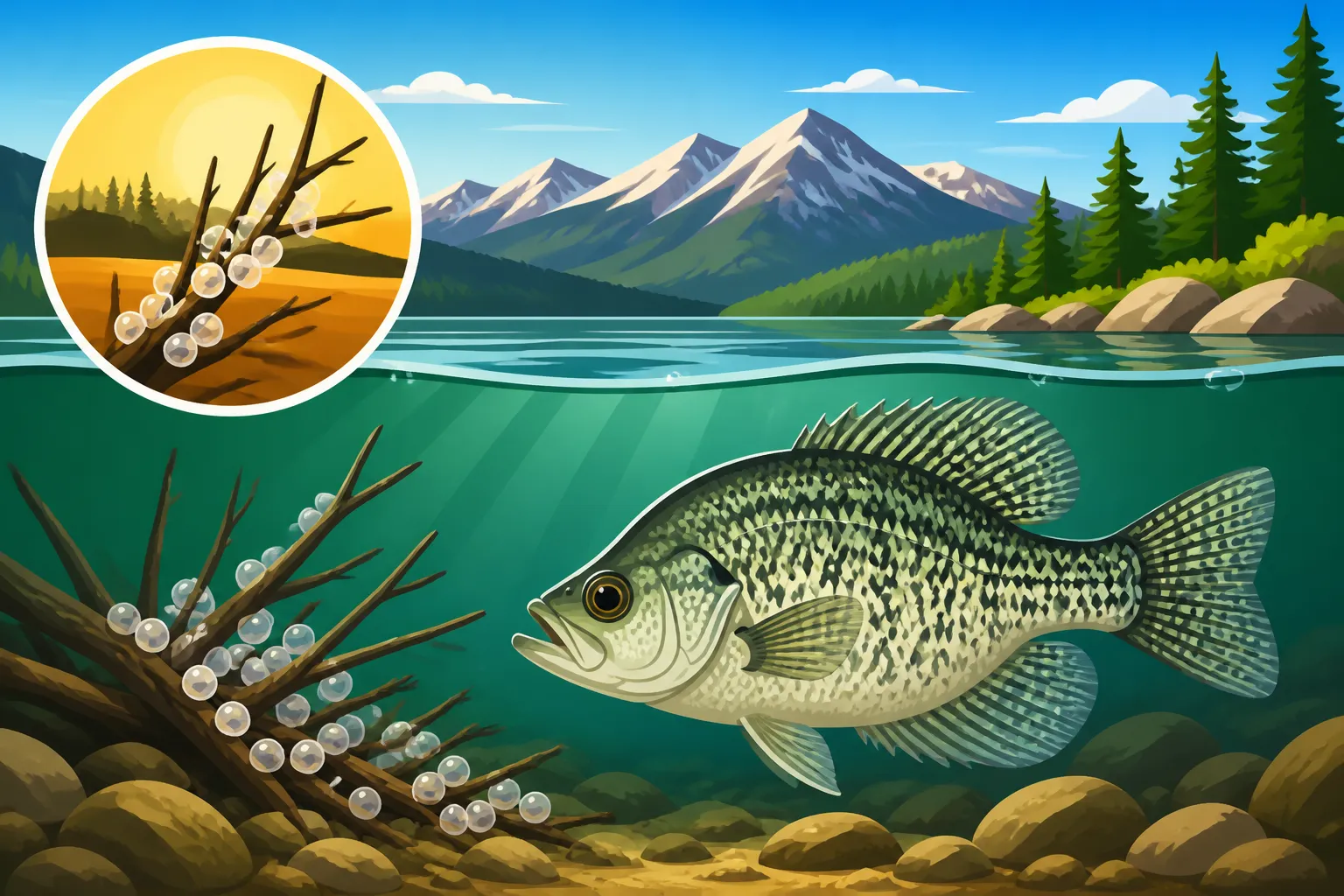
Crappie are nest builders, and they need a solid place to lay their eggs. Unlike some other species that might spawn in open water, crappie prefer relatively shallow areas, typically in 2 to 8 feet of water. However, it's not just about the depth; it's about what's in that depth. They are attracted to cover that offers protection for their eggs and fry, as well as a substrate for the eggs to adhere to.
Think about submerged brush, fallen trees, old weed beds, rock piles, docks, bridge pilings, or even man-made fish habitat structures that Colorado Parks and Wildlife might deploy. These areas offer shelter from predators and currents, making them ideal nesting sites. In a lake with lots of barren shoreline, finding that one brush pile in 5 feet of water can be like hitting the jackpot. Don't be afraid to poke around those shallower coves and protected bays. Crappie males will fan out small depressions for nests, usually close to some kind of cover. If you're out on the water, a good pair of polarized sunglasses from Amazon can help you spot subtle changes in bottom contour or submerged brush that might indicate a prime spawning zone.
Light Penetration and Shelter
Beyond the physical structure, crappie also consider light. While they're not strictly nocturnal, they tend to be more active and feel safer in lower light conditions or areas with dappled sunlight. This is another reason why they gravitate towards shaded areas under docks, overhanging trees, or even dense submerged vegetation. Too much direct, harsh sunlight can make them skittish and visible to predators.
Consider how sunlight hits the water throughout the day. A west-facing bank might be shaded in the morning but pounded by sun in the afternoon, potentially influencing when crappie are most active there. Conversely, an east-facing bank could be productive in the morning. Cloudy days can often be fantastic for crappie fishing during the spawn because the diffused light makes them less wary and more willing to feed throughout the day.
How to Find and Fish Spawning Crappie
Now that you know when and where crappie generally spawn, let's talk about the how of catching them. Targeting spawning crappie requires a bit of finesse and understanding their behavior during this critical time.
Tactics for Locating Nests
The first step is locating those prime spawning areas. Start by looking at protected coves, shallow flats, and shorelines that have some sort of cover. Use your electronics if you have them – a good fish finder can help you identify submerged brush or changes in bottom composition that might hold fish. However, sometimes the best tool is your own eyes and a quiet approach. Look for signs of activity, subtle ripples, or even the fish themselves cruising in the shallows.
Fan casting small jigs or bobber-and-bait rigs around promising structures is a great way to cover water. Remember, male crappie are aggressively guarding their nests, so they might strike out of territoriality even if they aren't actively feeding. Don't be afraid to make multiple casts to the same piece of cover; sometimes it takes a few presentations to annoy them into biting. For specific locations, check out resources like Best Waters for Crappie in Colorado to narrow down your options.
Baits and Lures That Work Best
When crappie are spawning, their focus isn't solely on eating, but they're still susceptible to well-presented baits and lures. Small is generally the name of the game.
- Jigs: Tiny jigs, often 1/32 to 1/16 ounce, are crappie staples. White, chartreuse, black, or combinations thereof are classic colors. Tipping these jigs with a small piece of live bait (like a minnow or a mealworm) can be incredibly effective. You can find a vast array of colors and sizes of crappie jigs on Amazon, making it easy to stock up for any water condition.
- Minnows: Live minnows are arguably the best crappie bait, especially when presented under a small bobber. Hook them lightly through the lips or dorsal fin and let them swim naturally near cover. The distress of a minnow can trigger an aggressive strike from a guarding crappie.
- Worms and Larvae: Mealworms, waxworms, or even small pieces of nightcrawler can work wonders, particularly when fish are a bit more finicky. These natural baits offer scent and subtle movement.
- Small Crankbaits/Spinnerbaits: While less common during the actual spawn, very small crankbaits or spinnerbaits can entice aggressive crappie, especially in slightly deeper staging areas just before or after the peak spawn. Look for lures that imitate small baitfish.
The key is often a slow, subtle presentation. Crappie can be delicate biters, so watch your line or bobber for the slightest twitch. Using a light rod and reel combo with 4-6 pound test line, often found in various price points on Amazon, will help you feel those subtle takes and cast those tiny offerings.
| Crappie Spawning Stage | Water Temperature Range (F) | Typical Depth (Feet) | Preferred Cover | Effective Baits/Lures |
|---|---|---|---|---|
| Pre-Spawn | 45-55 | 8-20 | Channel swings, points, deeper brush | Jigs, minnows (deeper presentation) |
| Peak Spawn | 55-65 | 2-8 | Submerged brush, docks, logs, rock piles, weeds | Small jigs (tipped), live minnows (under bobber), small tubes |
| Post-Spawn | 65+ | 5-15 (transitioning) | Edges of spawning flats, deeper brush, open water structures | Small jigs, minnows, tiny crankbaits |
Catch-and-Release Considerations
While crappie are excellent table fare, it's important to be mindful of regulations, especially during the spawn. Some waters may have specific limits or even temporary restrictions to protect spawning fish. Always check Colorado Fishing Regulations Every Angler Should Know before heading out. When practicing catch-and-release, handle the fish gently, minimize their time out of water, and release them quickly to ensure the successful continuation of the spawn. The goal is to enjoy the fishing, not to decimate the population.
Post-Spawn Crappie Behavior and Fishing Opportunities
The crappie spawn doesn't last forever, and once it's over, the fish's behavior shifts. This post-spawn period can still offer fantastic fishing, but you'll need to adjust your tactics.
Recovery and Movement to Deeper Water
After the rigors of spawning, both male and female crappie need a little R&R. The females retreat first, often moving to slightly deeper, cooler water to recover. The males guard the nests for a period, protecting the eggs and newly hatched fry, but eventually, they too will leave the shallow nursery areas.
This means that while the super shallow bite might slow down, crappie don't just vanish. They'll transition to areas that are still somewhat near the spawning grounds but offer a bit more depth and comfort. Look for them on the edges of flats, along drop-offs, or around deeper submerged brush piles and standing timber. This can be a great time to find active fish that are regaining their strength and feeding more aggressively after their spawning duties.
Late Spring and Early Summer Fishing
As late spring turns into early summer and water temperatures continue to climb above the 65-degree mark, crappie will spread out more throughout the water column and often move to deeper main-lake structures. This is when understanding Colorado's Warmwater vs Coldwater Fish Species becomes even more important, as crappie thrive in those warmer reservoir environments.
You might find them suspended over humps, along creek channels, or relating to deeper points. Trolling with small crankbaits or vertically jigging around structure can become very effective during this time. While the concentrated numbers of the spawn might be gone, the fish you find will often be actively feeding and willing to chase a lure. Pay attention to fish activity on your sonar, as they might be anywhere from 10 to 30 feet deep, depending on the specific lake and time of day. Knowing What Colorado's Fishing Atlas Shows You can help you scout these deeper structures before you even leave the house.
The crappie spawn in Colorado is a truly special time for anglers. By understanding the critical role of water temperature, recognizing the importance of shallow cover, and adapting your fishing techniques, you can unlock some of the most exciting and productive crappie fishing of the year. So keep an eye on those water temps, gear up with some small jigs and minnows, and get ready to enjoy some fantastic panfishing!
Disclaimer
This article is for general informational purposes only and does not constitute professional advice. Laws, prices and regulations vary by location and change over time. Consult a qualified professional for guidance on your specific situation.