Best Waters for Crappie in Colorado
Oh, the humble crappie! So many anglers in Colorado get laser-focused on trout, and it's easy to forget about the sheer joy—and deliciousness—of chasing panfish. But let me tell you, there's a whole world of fantastic crappie fishing right here in our beautiful state, even though it can sometimes feel like a well-kept secret. It's frustrating when you hear about these amazing crappie hauls in other states, but finding those honey holes here in Colorado can be a real challenge. This guide is all about pulling back the curtain and revealing some of the best waters for crappie, helping you find those abundant schools and experience some truly rewarding fishing.
The Allure of Crappie in Colorado's Waters
Before we dive into specific locations, let's chat a bit about crappie themselves and why they've earned such a devoted following among anglers, even in a trout-centric state like Colorado. You see, crappie are notorious for their incredible table fare, flaky white meat that's just a delight. Beyond that, they're often found in large schools, which means if you find one, you're likely to find many more. This can lead to some truly exhilarating fishing, especially when you're looking for consistent action.
Black Crappie vs. White Crappie: A Colorado Perspective
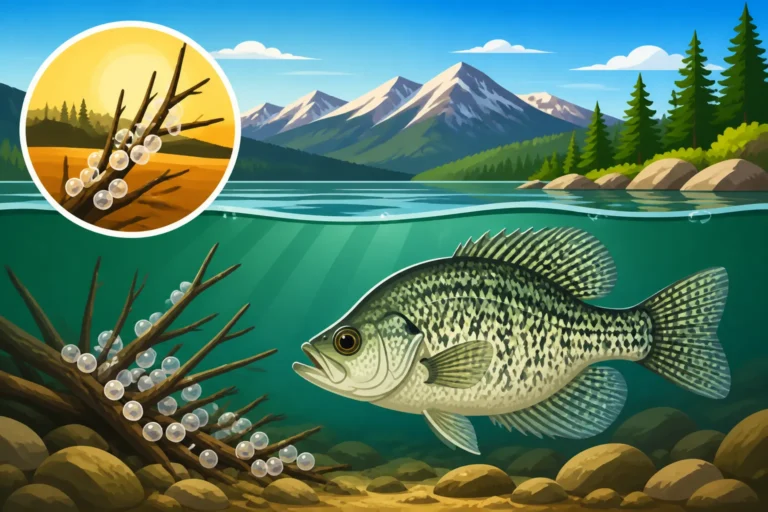
In Colorado, you'll primarily encounter black crappie, though white crappie can pop up in some of our warmer, murkier waters. The differences between the two, while subtle, can sometimes influence where they prefer to hang out. Black crappie generally prefer clearer water with more vegetation and structure, while white crappie are a bit more tolerant of turbid conditions and open water. Both, however, are schooling fish that love to relate to submerged cover like brush piles, fallen trees, docks, and bridge pilings. Understanding these preferences is key to narrowing down your search, whether you're fishing from the bank or a boat. They are considered one of Colorado's Warmwater vs Coldwater Fish Species, thriving in the same environments as bass and catfish.
Why Crappie Fishing Can Be Tricky Here
Compared to states further east or south, Colorado isn't traditionally known as a crappie powerhouse. Our elevation, colder average water temperatures, and often clearer mountain reservoirs can make crappie a bit more localized and harder to find. They aren't stocked with the same frequency or in the same numbers as trout, and their populations often rely on natural reproduction in specific, suitable habitats. This means that while you might find excellent crappie fishing in a handful of spots, it's not as widespread as, say, rainbow trout. It truly takes some intentional research and understanding of their habits to consistently find them. It's not like you can just show up at any lake and expect to fill a bucket with slabs.
Top Crappie Destinations in Colorado
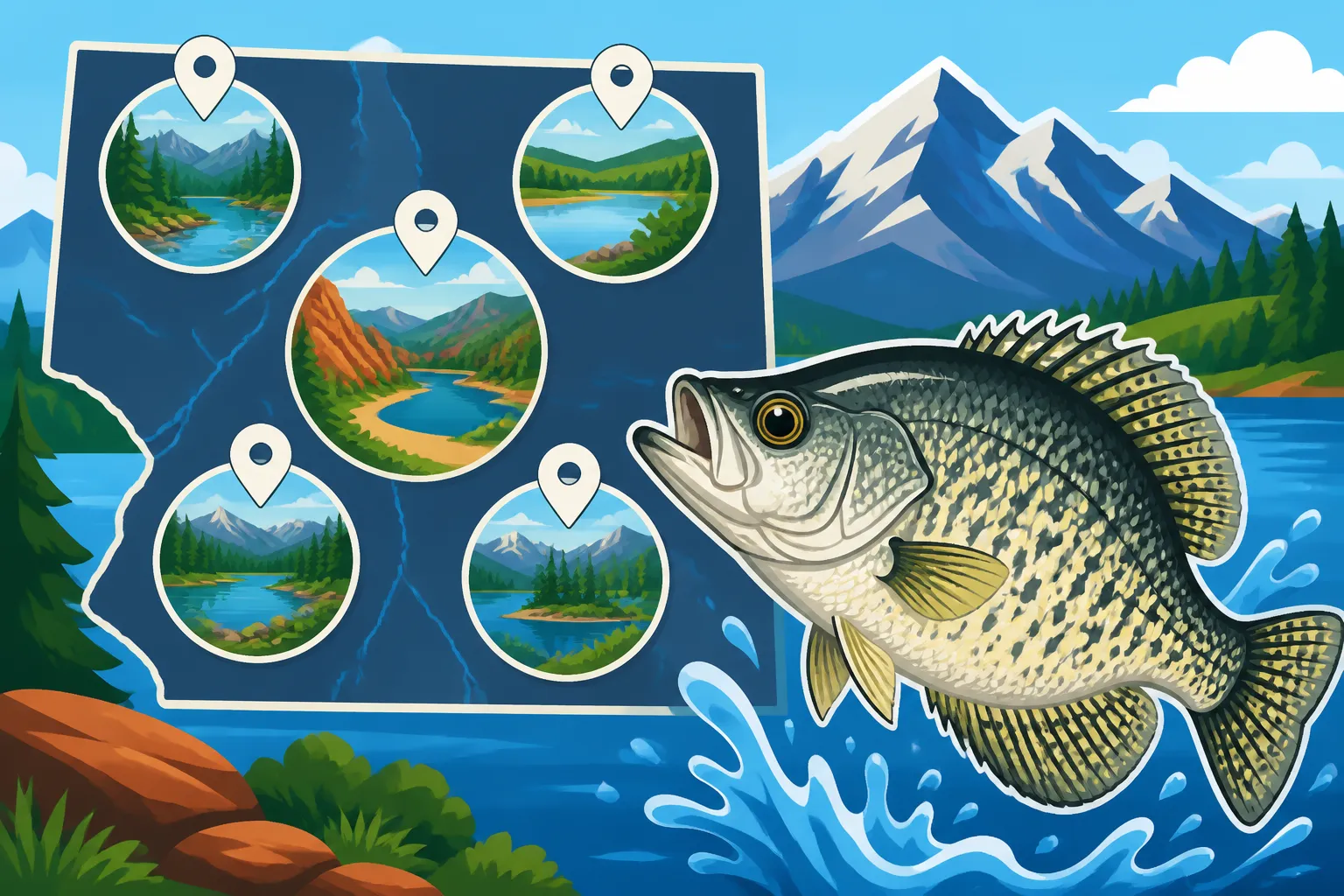
Alright, let's get down to brass tacks. Where are these elusive slabs hiding? While Colorado might not boast the sheer number of crappie lakes as some other states, we do have some fantastic waters that consistently produce good numbers and sizes of crappie. Remember, these fish love structure and will often move shallower during spring and fall, and deeper in the heat of summer or the cold of winter. You might also want to consult Colorado Fishing Regulations Every Angler Should Know before heading out.
Pueblo Reservoir: A Southern Gem for Panfish
Down in Southern Colorado, Pueblo Reservoir stands out as a premier destination for crappie, as well as a variety of other warmwater species like wiper and walleye. This large reservoir offers extensive shoreline and vast open waters, but the crappie here are experts at relating to structure. Think about areas with submerged timber, old creek channels, and the backs of coves where water warms up quickly in the spring. Anglers often find success around the marina docks, bridge pilings, and any visible brush along the banks. Pueblo Reservoir in Southern Colorado is a fantastic fishery because of its diverse habitat, and the crappie benefit greatly from that.
The key to Pueblo's crappie fishing is patience and exploration. Don't be afraid to move around until you locate a school. When they're in deeper water, a good fish finder is invaluable for spotting those characteristic "clouds" of fish holding near submerged structure. During the spring spawn, however, they'll push into shallower, warmer coves, making them more accessible to bank anglers or those in smaller boats. Many anglers find good success by slowly trolling jigs or small crankbaits until they hit a school. Once you find them, you can often stay on them for a while, pulling in fish after fish.
Chatfield Reservoir: Metro Area Crappie Action
For those in the Denver metro area, Chatfield Reservoir offers some surprisingly good crappie fishing, especially in certain parts of the lake. It's a popular spot for many types of angling, from bass to trout, but the crappie populations here are healthy and provide plenty of opportunity. Focus on the quieter coves, especially those with some standing timber or brush piles, and around the submerged creek beds that crisscross the bottom. The reservoir's inlets can also be productive during warmer months, drawing baitfish and hungry crappie with them. Fishing Chatfield Reservoir is a convenient option for many Front Range anglers.
Much like Pueblo, the crappie in Chatfield are structure-oriented. The marina area, with its numerous docks and boat slips, provides excellent artificial structure that crappie love to inhabit. Early mornings or late evenings tend to be the most productive, especially when the weather is stable. Light tackle is the way to go here, allowing you to feel those subtle crappie bites. Keep an eye on any submerged weed lines or rock piles; these are often magnets for baitfish and, consequently, crappie.
Cherry Creek Reservoir: Another Urban Panfish Haven
Another excellent option right within the Denver area is Cherry Creek Reservoir. While it sees a lot of recreational use, Cherry Creek is consistently stocked and managed for a variety of warmwater species, including healthy populations of crappie. The key here, similar to Chatfield, is targeting areas with ample structure. Look for the quieter coves on the south and east sides of the reservoir, especially those with brush, fallen trees, or even old tires that have created artificial reefs. The dam face, with its rocky structure, can also hold crappie at certain times of the year.
Cherry Creek is particularly good for crappie during the spring and fall transitions. As the water warms in spring, crappie move into the shallow coves to spawn, making them more accessible from the bank. Small jigs tipped with minnows or soft plastics are incredibly effective. During the colder months, they'll often suspend in deeper water over structure, requiring a bit more finesse and sometimes the use of electronics to pinpoint their location. Just remember, a Colorado Fishing License Guide for Residents and Nonresidents is a must for these urban reservoirs.
Other Notable Waters for Crappie
While Pueblo, Chatfield, and Cherry Creek are arguably the most consistent, other Colorado waters can surprise you with good crappie fishing. Some of the smaller, shallower reservoirs and ponds on the Eastern Plains, for instance, can hold thriving populations. Lakes like Sterling Reservoir, North Sterling Reservoir, and Jumbo Reservoir often get overlooked by trout anglers, but they can be fantastic for crappie, as well as other warmwater species. Always check the latest local conditions and stocking reports. These smaller waters often warm up faster in the spring, which can kick off the crappie bite earlier than in the larger, deeper mountain reservoirs.
Essential Techniques and Gear for Colorado Crappie
Crappie fishing isn't overly complicated, but a few specific techniques and the right gear can make all the difference, especially when these fish are being a bit finicky. The beauty of crappie is that they don't require heavy, expensive tackle. In fact, lighter is often better, both for casting small baits and detecting those subtle bites.
The All-Mighty Crappie Jig
If there's one go-to lure for crappie, it's the humble jig. Small jig heads, typically 1/32 to 1/8 ounce, paired with tiny soft plastic bodies or marabou jigs, are incredibly effective. Colors can vary widely in effectiveness depending on water clarity and light conditions, so it's always wise to carry a variety. Chartreuse, white, black and chartreuse, and clear with glitter are perennial favorites. You can find a huge selection of these crappie jigs on Amazon, making it easy to stock up on different sizes and colors. The slow, seductive fall of a lightweight jig is often irresistible to crappie.
The presentation is key. Crappie often prefer a very slow, subtle retrieve. Try simply jigging it vertically below your boat or from a dock, or casting it out and letting it slowly sink, giving it a twitch or two on the retrieve. When the fish are deep, a slip-bobber rig can be incredibly effective, allowing you to suspend your jig right at the depth where the crappie are holding. This is particularly useful for suspended schools you might mark on your fish finder.
Live Bait: Minnows are Magnets
While jigs are fantastic, nothing quite beats a live minnow for tempting crappie, especially when they're being finicky. Small fathead minnows, hooked lightly through the back or lips, are irresistible. You can fish them under a small bobber, allowing them to swim naturally, or tip your crappie jig with one for added attraction. The combination of a jig's profile and a minnow's scent and action is often a deadly duo. This falls under the category of Bait Fishing Techniques for Colorado Lakes and is a time-tested method.
When fishing with minnows, patience is often required. Crappie have delicate mouths, so a subtle bite might just be them mouthing the bait. Wait for the bobber to consistently go down, or feel that steady pressure on your line, before setting the hook gently. A lot of anglers keep an assortment of tackle boxes, and having a dedicated one for live bait rigging, including small hooks and split shot, makes a world of difference.
The Importance of Light Tackle
For crappie, forget your heavy bass or catfish rods. An ultralight or light-action spinning rod, typically 5 to 6 feet long, paired with a small spinning reel spooled with 4 to 6-pound test monofilament or fluorocarbon line, is ideal. This lighter setup allows for longer casts with small jigs, better feel for those light bites, and makes even a modest crappie feel like a trophy. Using a super thin, low-visibility fluorocarbon leader can also increase your hook-ups, especially in clearer waters. Don't underestimate the impact of a good quality line; it can significantly improve your feel for the bite. Amazon has many affordable options for ultralight combos perfect for crappie.
Here's a quick comparison of popular crappie fishing styles:
| Fishing Style | Primary Target Depth | Key Advantages | Common Gear | Best Season(s) |
|---|---|---|---|---|
| Jigging | Variable (shallow to deep) | Versatile, active presentation, wide lure choice | Ultralight rod, small jigs, soft plastics, minnows (optional) | All seasons |
| Slip-Bobber | Mid-depth to Deep | Precise depth control, visual bite indicator | Ultralight rod, small hooks, minnows, jigs, adjustable bobber | Spring, Fall, Winter |
| Trolling | Mid-depth to Deep | Covers water quickly, finds schools efficiently | Light action rod, small crankbaits, spider rigging, multiple rods | Summer, Fall |
| Dock Shooting | Shallow (under cover) | Accesses hard-to-reach spots, stealthy | Short ultralight rod, small jigs, heavy line for quick retrieval | Spring, Fall |
| Bank Fishing | Shallow to Mid-depth | Accessible for all, simple setup | Light to ultralight rod, bobber rigs, jigs, minnows | Spring, Fall |
Timing Your Colorado Crappie Adventures
Knowing where to fish is only half the battle; knowing when to fish is equally crucial. Crappie, like most fish, have distinct seasonal patterns that dictate their location and feeding behavior. Understanding these patterns will drastically increase your success rate. For precise regulations on when you can fish, always check Colorado Fishing Season Dates and Bag Limits.
Spring Spawning Frenzy
Without a doubt, spring is prime time for crappie fishing in Colorado. As water temperatures begin to climb into the 50s and low 60s Fahrenheit, crappie move into the shallowest parts of lakes and reservoirs to spawn. This is when they become most accessible, often congregating in protected coves, around submerged brush, and along sun-drenched banks. This is the period When Crappie Spawn in Colorado Lakes is key information.
During the spawn, crappie are often aggressive and focused on reproduction, making them easier to catch. Small jigs, minnows under a bobber, or even tiny crankbaits cast close to cover are highly effective. Look for clear, relatively calm water where the sun can penetrate and warm the shallows. This is often the best time for bank anglers to get in on the action, as the fish are close to shore. Just remember to practice responsible catch-and-release if you're not planning to keep your limit, especially for the larger breeding fish.
Summer's Deep Retreat
As Colorado's summer temperatures soar, crappie tend to retreat to deeper, cooler water. They'll often suspend over submerged structure like old river channels, humps, or deep brush piles. This is where a good fish finder really earns its keep, allowing you to pinpoint schools of suspended crappie. Vertical jigging or slow trolling with small crankbaits or minnows at the correct depth are the most effective strategies.
Don't be surprised if you find them holding in 15 to 30 feet of water or even deeper, especially during the hottest parts of the day. Early mornings and late evenings can still bring them shallower, particularly if there's an abundance of baitfish moving into those areas. If you're struggling to find them, consider looking for deep weed lines or the thermocline layer, where cooler, oxygenated water congregates.
Fall Feeding Frenzy
Fall is another fantastic time for crappie fishing. As water temperatures start to cool, crappie become much more active, feeding heavily to put on weight for the upcoming winter. They'll often move back into shallower to mid-depth areas, sometimes relating to the same types of structure they used in the spring. This can be a fantastic time to find large schools of hungry crappie.
Look for them around drop-offs, points, and transition areas where shallow water meets deeper basins. The fishing can be incredibly consistent as they're not as concentrated on spawning, but rather on actively chasing bait. Jigs, tipped with minnows or without, remain top producers. Many anglers find that the fall bite can be just as good, if not better, than the spring spawn, especially for catching larger "slab" crappie.
Winter's Icy Challenge
Yes, you can even catch crappie through the ice in Colorado! It takes a bit more dedication and specialized gear, but the reward of fresh crappie fillets in the middle of winter is hard to beat. Crappie typically hold in deeper water during the winter, often suspending over structure or in the deepest parts of a reservoir. Small jigs, particularly tiny tungsten jigs tipped with wax worms, mealworms, or small plastic baits, are incredibly effective.
Look for areas with submerged timber, old creek beds, or even significant depth changes. A flasher or an underwater camera can be invaluable for locating these schools and observing how they react to your presentation. Patience is a virtue when ice fishing for crappie, as their bites can be very subtle in the cold water. Keep your presentation slow and subtle, and be ready to move holes if you're not finding fish. While you're at it, you might be curious about Colorado Ice Fishing Rules.
Finding the best waters for crappie in Colorado requires a bit of research and an understanding of these fantastic panfish's habits. It's not always as straightforward as trout fishing, but the reward of a cooler full of delicious crappie is absolutely worth the effort. Tight lines, my friends, and happy crappie hunting!
Disclaimer
This article is for general informational purposes only and does not constitute professional advice. Laws, prices and regulations vary by location and change over time. Consult a qualified professional for guidance on your specific situation.