Best Waters for Smallmouth Bass in Colorado
When you think of fishing in Colorado, your mind probably leaps to pristine mountain streams teeming with colorful trout, right? And while those experiences are certainly iconic, it’s a big mistake to overlook the thrilling, hard-fighting smallmouth bass that call some of our state’s incredible reservoirs home. If you've been yearning for a different kind of angling challenge, this guide is your key to discovering the best waters where these feisty bronzebacks lurk and how to catch them.
Understanding Smallmouth Bass in Colorado's Ecosystem
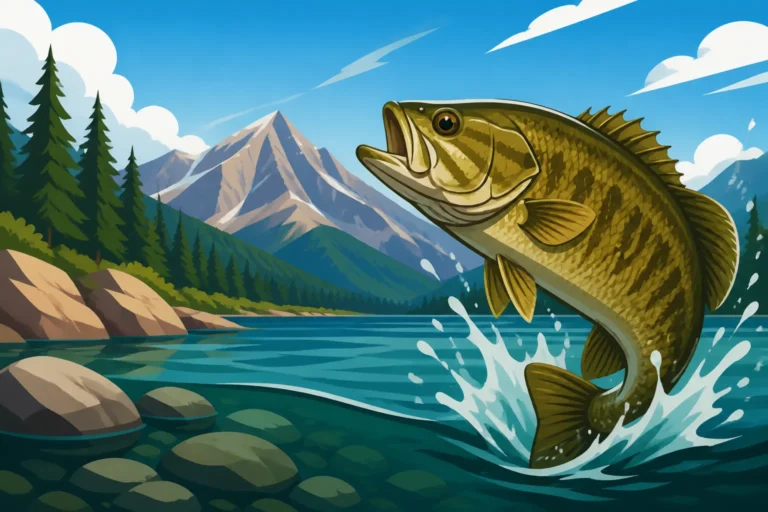
It's easy to assume Colorado is just a trout state, given our reputation, but that overlooks the rich diversity of warmwater species that thrive here. Smallmouth bass, often called "bronzebacks" for their distinctive coloration, are one of the most exciting species you can target. They're known for their incredible fighting spirit and acrobatic jumps once hooked, providing a truly exhilarating experience that’s a welcome change of pace from typical trout angling.
What Makes Smallmouth Bass Unique in Colorado
Unlike their larger, often lazier cousin, the largemouth bass, smallmouth bass are energetic and voracious predators. They prefer cooler, clearer waters than largemouths, often resembling trout streams in clarity and temperature, but they thrive around rocky structures, gravel beds, and points in reservoirs and larger lakes. This preference for structure is key to finding them. While they aren't native to Colorado, they've been successfully introduced into many waters, creating fantastic sportfishing opportunities.
Their diet is varied, consisting of crayfish, minnows, insects, and even smaller fish. This adaptability makes them a fun target because they'll strike a wide array of lures and baits. Many anglers, once they experience the pull of a smallmouth, find themselves hooked for life on this particular challenge. If you've spent years honing your fly-fishing skills for trout, you might be surprised at how much fun it is to switch gears and chase these aggressive fighters.
Preferred Habitats: Rocks, Racks, and Deep Water
Smallmouth bass are structure-oriented fish, meaning they gravitate towards physical features in the water. Think about your typical trout stream with its boulders and pockets – smallmouth bass appreciate similar elements, but often on a grander scale in lakes and reservoirs. They love areas with:
- Rocky points and shorelines: These areas often drop off quickly into deeper water, providing ambush points for baitfish and crawfish, which are prime smallmouth food.
- Submerged humps and reefs: Underwater topography creates current breaks and feeding stations. Using a good depth finder can be invaluable for locating these hidden gems.
- Boulder fields: Large rocks offer cover and shade, especially during bright, sunny days when smallmouth might retreat from direct light.
- Drop-offs and ledges: These areas allow smallmouth to move easily between shallow feeding grounds and deeper, cooler refuge.
- Rip-rap: Man-made rock structures along dams or causeways are also magnets for smallmouth, as they mimic natural rocky environments.
Understanding these preferences is crucial. If you're out on a reservoir and seeing nothing but flat, featureless sandy bottom, you're probably not in smallmouth territory. Instead, scan for those irregular, rocky edges and underwater contours. It's often a game of hide-and-seek, but once you find their preferred hangouts, you can often find a whole school.
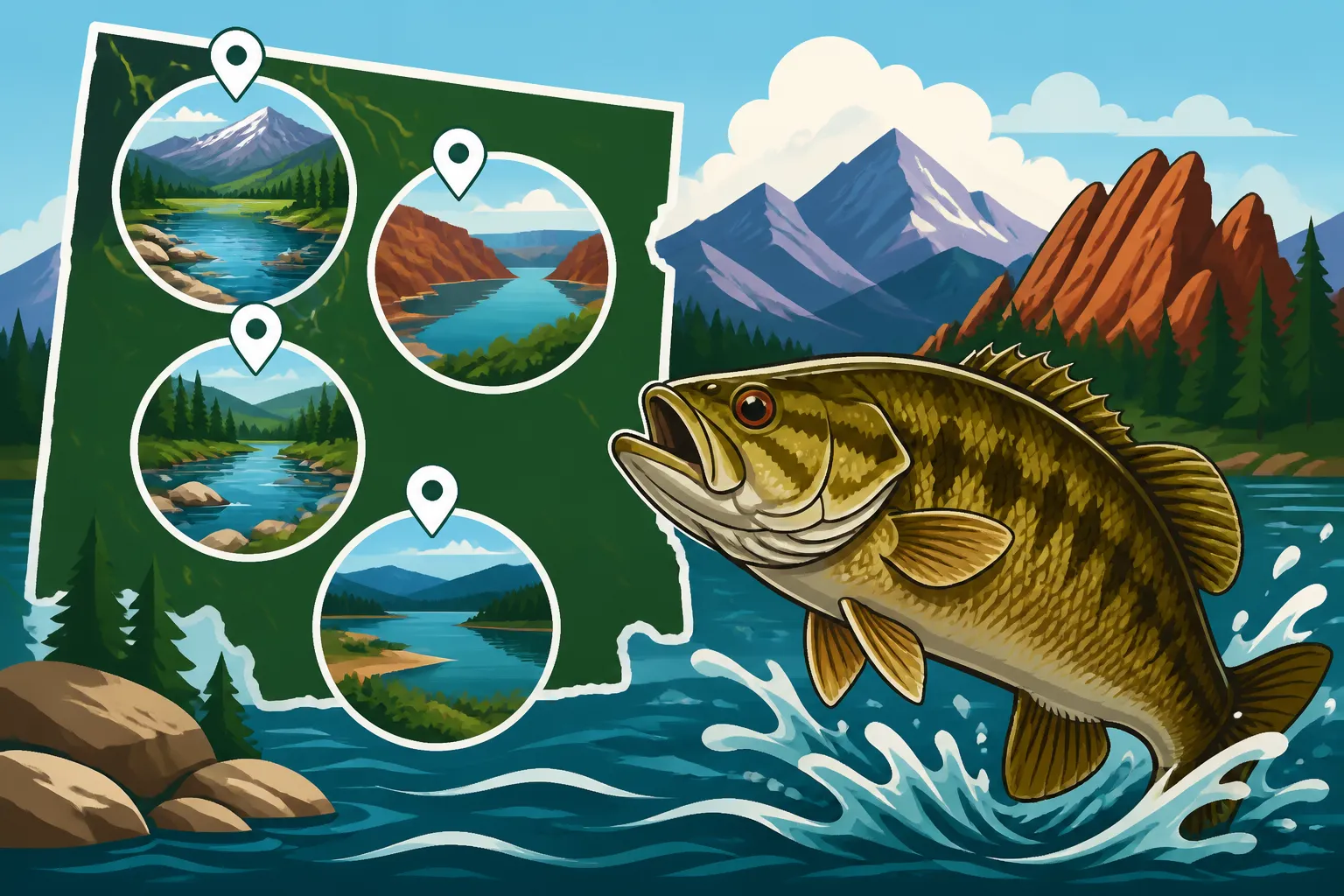
Top Colorado Waters for Smallmouth Bass Action
Colorado is dotted with fantastic smallmouth bass fisheries, primarily in its reservoirs. While they don't get as much press as our Gold Medal trout streams, these lakes offer incredible action for the diligent angler. Always remember to check the latest regulations for each specific body of water, as rules can change. You can generally find detailed information in the Colorado Fishing Regulations Every Angler Should Know or Reading Colorado's Fishing Regulations Brochure.
Front Range Hotspots for Smallmouth
For those living in or visiting the Denver metropolitan area, you don't have to travel far to find excellent smallmouth bass fishing. These urban and semi-urban reservoirs are often overlooked by out-of-state anglers focused on the high country, making them even more appealing.
- Chatfield Reservoir: Located just south of Denver, Chatfield is a fantastic multi-species fishery, and its smallmouth population is robust. Anglers often find success targeting the rocky shorelines, particularly along the dam and the numerous submerged structures. Early mornings and evenings in the warmer months are prime times. Look for areas with broken rock and gravel bottoms. It's a popular spot for boaters, but shore anglers can also find success, especially in less crowded areas. If you're planning a trip, check out Fishing Chatfield Reservoir for more details.
- Cherry Creek Reservoir: Another urban gem, Cherry Creek Reservoir, sits right within Denver's eastern suburbs. While it's known for walleye and wiper, smallmouth bass are present, especially around the rocky dam faces and deeper points. Patience is key here, as the fish can be spread out, but when you find them, they're often aggressive. Like Chatfield, boat access is popular, but shore fishing can yield results. For more information on this urban fishery, take a look at Fishing Cherry Creek Reservoir.
- Horsetooth Reservoir: Near Fort Collins, Horsetooth Reservoir is arguably one of Colorado's premier smallmouth bass fisheries. Its deep, clear, and rocky structure is tailor-made for these fish. The reservoir features countless coves, points, and sheer rock walls that hold smallmouth. It's an absolutely gorgeous place to fish, with stunning views of the foothills. Boat fishing is highly recommended here to access the most productive areas, but kayak and float tube anglers also do well. You can learn more about this popular northern Colorado spot in Fishing Horsetooth Reservoir Near Fort Collins.
These Front Range lakes are easily accessible, which means they can also see a fair amount of pressure. Weekdays or early mornings often offer the best opportunities for a more peaceful experience.
Western Slope Gems for Bronzebacks
Venturing to Colorado's Western Slope opens up even more incredible smallmouth bass fishing, often in more remote and pristine settings. These larger, sometimes colder, reservoirs hold impressive populations of bronzebacks, often alongside other sought-after species.
- Blue Mesa Reservoir: Colorado's largest body of water, Blue Mesa Reservoir near Gunnison, is most famous for its lake trout and kokanee salmon. However, it also boasts a healthy population of smallmouth bass, particularly in the warmer, shallower arms and coves of the reservoir. Focus on areas with rocky outcroppings and submerged timber. The sheer size of Blue Mesa means there's a lot of water to explore, but the rewards can be substantial. For those interested in Blue Mesa, Fishing Blue Mesa Reservoir provides more context.
- Ridgway Reservoir: Nestled in the stunning Uncompahgre Valley near Ouray, Ridgway Reservoir is another excellent smallmouth destination. Its clear waters and rocky shorelines make it ideal habitat. Anglers often find success near the dam, along rocky points, and in the coves. The picturesque setting, with towering peaks reflecting in the water, makes a day of fishing here truly special. It's a great place to combine a fishing trip with other outdoor adventures. Dive deeper into this gem with Fishing Ridgway Reservoir Near Ouray.
- Navajo Reservoir: Straddling the Colorado-New Mexico border in the southwestern part of the state, Navajo Reservoir is a warmwater paradise. While it has excellent populations of largemouth bass and northern pike, its smallmouth bass fishing is also top-notch. The reservoir features numerous rocky shorelines, ledges, and deep canyons that attract smallmouth. It's a vast lake, so exploring different arms and points is key. You can find more details about this expansive fishery in Fishing Navajo Reservoir in Southwest Colorado.
These Western Slope locations often require a bit more travel, but the opportunity for larger fish and a more serene fishing experience can be well worth the drive. Remember that fishing conditions can vary greatly with water levels and seasonal changes, so always do a little pre-trip research.
Proven Techniques for Hooking Colorado Smallmouth
Smallmouth bass are aggressive and territorial, which makes them incredibly fun to catch. They're not shy about hitting a lure, but matching your technique to their preferences and the conditions can dramatically increase your success rate.
Lures and Baits That Smallmouth Can't Resist
Smallmouth bass are opportunistic feeders, so a diverse tackle box is your best friend. Here are some tried-and-true options:
- Jigs: Soft plastic jigs, especially those imitating crayfish (like a tube jig or a creature bait), are phenomenal for smallmouth. Work them slowly along the bottom near rocky structures. Colors like green pumpkin, brown, or black often mimic natural forage. You can find an incredible selection of these on Amazon, from various brands and weights to suit different depths.
- Crankbaits: Deep-diving crankbaits are excellent for covering water and finding active fish, especially on rocky points and ledges. Choose colors that imitate local baitfish or crayfish. Medium-diving crankbaits work well in shallower coves during spring and fall. Experiment with retrieve speeds – sometimes a slow, steady retrieve works, other times a stop-and-go or a fast retrieve that deflects off rocks triggers a strike.
- Spinnerbaits: These are fantastic search baits, especially in areas with some submerged vegetation or slightly stained water. The flash and vibration can draw fish from a distance. White, chartreuse, and perch patterns are often effective. Cast them out and retrieve steadily, varying the depth.
- Soft Plastics: Senkos, grubs, and finesse worms rigged wacky style, Texas rigged, or on a jig head can be deadly. These are particularly effective when the bite is tough, or fish are pressured. Work them slowly and patiently, letting the natural action of the plastic entice a strike.
- Topwater Lures: When conditions are right (calm mornings or evenings, especially in summer), topwater baits like poppers, walking baits, or buzzbaits can provide explosive, heart-stopping strikes. There's nothing quite like seeing a bronzeback blow up on your lure!
Remember to always have a variety of sizes and colors on hand. What works one day might not work the next, and what works in clear water might not be as effective in slightly murkier conditions.
Gear Up: Rods, Reels, and Lines for Smallmouth
Having the right equipment can make a huge difference in your smallmouth bass fishing success and enjoyment.
- Rods: A medium-light to medium-heavy action spinning rod (6'6" to 7'0") is a versatile choice for most smallmouth applications. For heavier lures or if you prefer baitcasting, a medium-action casting rod of similar length works well. The key is a rod with enough backbone to set the hook firmly and control a fighting fish, but with enough tip sensitivity to detect subtle bites.
- Reels: Pair your rod with a good quality spinning reel (size 2500-3000) or a baitcasting reel that balances well with your rod. Smooth drag is essential for battling these strong fish. A good quality rod and reel setup can make all the difference, and online retailers like Amazon offer a huge variety, often with helpful reviews from other anglers.
- Line: For spinning setups, 6-10 lb fluorocarbon or braided line with a fluorocarbon leader is excellent. Fluorocarbon is nearly invisible underwater and has great abrasion resistance, which is crucial around rocky smallmouth habitat. Braid offers superior sensitivity and casting distance. For baitcasters, 10-15 lb fluorocarbon or a heavier braided line also works.
| Lure Type | Best Conditions | Retrieval Style | Best Gear Match |
|---|---|---|---|
| Jigs | Rocky bottom, deep water, tough bite | Drag, hop, twitch along bottom | Medium-light spinning, fluorocarbon line |
| Crankbaits | Searching, rocky points, various depths | Steady retrieve, stop-and-go, deflection off structure | Medium casting/spinning, monofilament/fluorocarbon |
| Spinnerbaits | Stained water, cover, active fish | Steady retrieve, slow roll, burning | Medium-heavy casting, braided line |
| Soft Plastics | Finesse, pressured fish, shallow cover | Slow twitch, dead stick, wacky rig | Medium-light spinning, fluorocarbon leader |
| Topwater Lures | Calm mornings/evenings, active fish | Pop, walk-the-dog, buzz steadily | Medium spinning/casting, mono/braid |
Seasonal Strategies for Smallmouth Success
Smallmouth bass behavior changes significantly with the seasons, driven by water temperature and spawning cycles.
- Spring (Pre-Spawn & Spawn): As water temperatures rise into the 50s and 60s, smallmouth move shallower to feed aggressively before spawning. They'll stage on points and flats adjacent to spawning areas (typically gravel beds in 2-10 feet of water). This is a fantastic time for crankbaits, spinnerbaits, and jigs. During the spawn (usually late May to early July, depending on the lake and elevation), they become very territorial. Sight fishing for bedding fish can be effective, but remember to minimize disturbance and handle fish gently.
- Summer: Once water temperatures get consistently warm (late 60s and up), smallmouth often retreat to deeper, cooler water. Look for them on offshore humps, deep ledges, and rocky drop-offs. Trolling deep-diving crankbaits or jigging spoons can be effective. Early mornings and late evenings might see them push shallower to feed. This is also a good time for topwater action if the conditions are calm.
- Fall: As water temperatures begin to drop, smallmouth go on a feeding frenzy to bulk up for winter. They can be found in various depths, often moving back to rocky points and flats. Crankbaits, jigs, and even large streamers for fly anglers can be incredibly productive. It's a time of intense action, similar to the pre-spawn bite, and arguably one of the best times of year to target them. Many of the strategies used for other predatory fish like walleye in the fall, such as those discussed in Best Time of Year to Target Walleye in Colorado, can also apply to smallmouth during this period.
- Winter: Smallmouth become much less active in very cold water, often grouping up in deep water. This is a tougher time to catch them, but not impossible. Vertical jigging with spoons or small jigs over deep structure can sometimes entice a bite. Ice fishing for smallmouth is also possible on some waters, targeting deep rocky areas.
Respecting the Resource: Conservation and Regulations
Just like with any fishing, responsible angling practices are paramount when targeting smallmouth bass in Colorado. These are a valuable sport fish, and ensuring their health and population requires our care.
Catch and Release Best Practices
Many smallmouth anglers practice catch and release, especially for larger fish. Smallmouth bass can be hardy, but proper handling is crucial for their survival:
- Minimize Air Exposure: Keep the fish in the water as much as possible, especially during warm weather. A brief moment for a photo is fine, but quickly return them.
- Wet Hands: Always wet your hands before handling a fish. Dry hands can remove the fish's protective slime coat, making it vulnerable to disease.
- Support the Fish: When holding a smallmouth, support its body horizontally, especially if it's a larger fish. Avoid holding it by the jaw vertically, as this can damage its jaw and internal organs.
- Use Barbless Hooks: Consider using barbless hooks or crimping down the barbs on your lures. This makes unhooking much easier and less traumatic for the fish.
- Revive Gently: If a fish seems sluggish, hold it gently in the water, facing into any current, until it can swim away under its own power. Don't throw it back.
Practicing these methods ensures that the smallmouth you catch today will be there to provide enjoyment for other anglers, or perhaps even for you again, down the road.
Understanding Colorado's Smallmouth Regulations
Colorado Parks and Wildlife (CPW) manages smallmouth bass populations, and regulations can vary significantly from one body of water to another. Some waters may have length limits (e.g., "no bass between 12-15 inches may be kept"), daily bag limits, or even special rules designed to manage specific populations.
Before heading out, it's non-negotiable to consult the current CPW fishing regulations brochure for the specific lake or reservoir you plan to fish. You can often find this information online or pick up a physical copy at license agents. Paying attention to these rules is crucial, not just to avoid penalties, but to contribute to healthy fish populations. For example, Colorado Bag and Possession Limits by Species will give you a general idea, but always check the specifics for your chosen location. Remember, you'll also need a valid Colorado fishing license before you cast a line!
Supporting Colorado's Warmwater Fisheries
Every time you purchase a Colorado fishing license, you're directly contributing to the conservation and management of all fish species in the state, including smallmouth bass. A significant portion of these funds goes towards habitat improvement, stocking programs, and enforcement, which benefits both coldwater and warmwater fisheries. If you're wondering What You're Actually Paying for in a Colorado Fishing License, it's this vital work.
Beyond licensing, consider joining local angling clubs or participating in volunteer efforts focused on reservoir clean-ups or habitat projects. The more we collectively care for and advocate for our warmwater fisheries, the better the fishing will be for everyone. By embracing the challenge of smallmouth bass fishing, you're not just adding a new dimension to your angling repertoire; you're also becoming part of a community dedicated to preserving these fantastic opportunities.
Disclaimer
This article is for general informational purposes only and does not constitute professional advice. Laws, prices and regulations vary by location and change over time. Consult a qualified professional for guidance on your specific situation.