Best Waters for Channel Catfish in Colorado
It's easy to fall into the trap of thinking Colorado is only for high-country trout fishing, with pristine rivers and alpine lakes dominating the conversation. While those experiences are certainly incredible, a lot of anglers miss out on the fantastic warmwater opportunities, especially when it comes to the hard-fighting channel catfish. If you've been wondering where you can go to tangle with these whiskered beauties without driving halfway across the country, you're in luck! This guide will dive deep into Colorado's best waters for channel catfish, helping you pinpoint those overlooked spots where a trophy cat might just be waiting.
Understanding Channel Catfish in Colorado's Ecosystem
Before we cast a line, let's chat a bit about why channel catfish thrive in some parts of our beautiful state and why they might not be the first fish that comes to mind when you think of Colorado fishing. It’s all about understanding their preferences and how Colorado’s diverse waterways accommodate them.
Why Colorado is More Than Just Trout Country
Look, I get it. When you imagine fishing in Colorado, your mind probably jumps straight to crystal-clear mountain streams, fly rods, and maybe a feisty rainbow or brown trout. And for good reason – our trout fishing is world-class. But that narrow focus means many anglers completely miss out on the incredible diversity our state offers. We've got bass, walleye, pike, and yes, some truly impressive channel catfish! It can be a little frustrating sometimes when all the fishing reports focus solely on trout, leaving you wondering if there are any other options for a different kind of angling challenge. I remember when I first moved here, I was convinced it was trout or bust, but a little exploration quickly showed me how wrong I was. There's a whole warmwater world out there. If you're looking to broaden your horizons, remember that Colorado's Warmwater vs Coldwater Fish Species is a great resource to understand the different aquatic environments in our state.
The Ideal Habitat for Channel Cats
Channel catfish aren't typically found in those same icy-cold, fast-moving mountain rivers that trout adore. These are warmwater fish, through and through. They prefer slower-moving water, often with a bit of murkiness, and they absolutely love structure. Think about submerged timber, rock piles, drop-offs, and deep holes in larger reservoirs and lakes. These are their comfort zones, offering both cover from predators and ambush points for their prey. Colorado has plenty of these environments, especially in our plains reservoirs and larger, lower-elevation impoundments. These waters tend to warm up considerably in the spring and summer, creating perfect conditions for channel cats to feed and grow. They are scavengers at heart, and these environments offer a buffet of smaller fish, insects, and whatever else they can find on the bottom.
Identifying Colorado's Channel Catfish
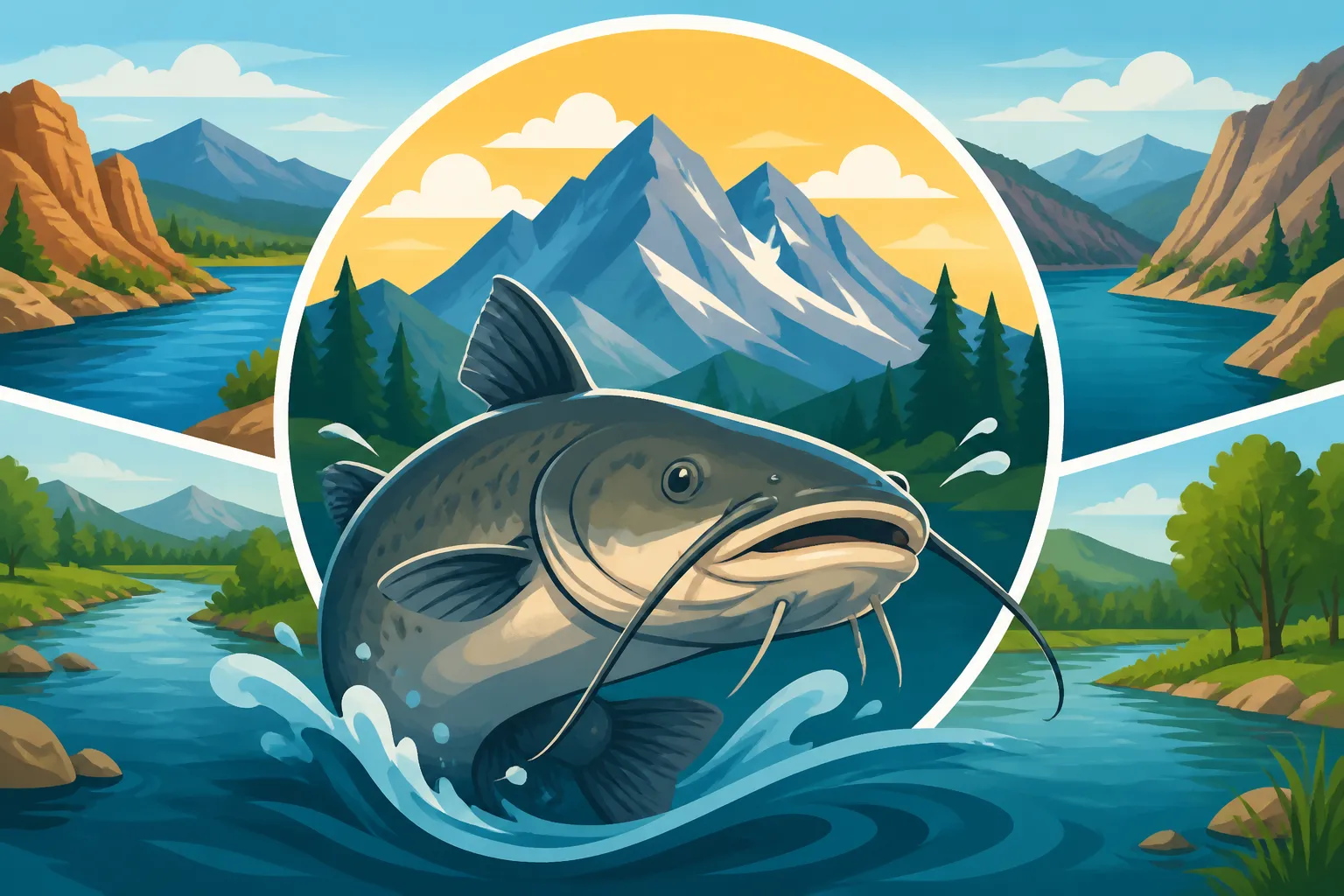
So, how do you know if you've got a channel cat on the end of your line? They're pretty distinctive! Channel catfish are characterized by their sleek bodies, scaleless, smooth skin, and most notably, their prominent barbels (those long whiskers around their mouth) which are packed with taste buds to help them locate food in murky water. They also have a deeply forked tail, which is a key identifier for this species, differentiating them from flathead catfish (which have a flatter tail) or bullheads (which have a rounded tail). In Colorado, channel cats typically have a bluish-gray to olive-green back, fading to white on their belly, often with scattered dark spots on their sides, especially when they're younger. As they get older and larger, these spots might fade, but the forked tail and barbels are always there. Understanding these features can help you differentiate them from other species you might encounter, and it's always good to be confident in your identification when considering bag limits. For a deeper dive into all the species we have, check out our guide on Catfish Fishing in Colorado.
Top Colorado Waters for Channel Catfish
Now for the exciting part: where do you actually go to find these fantastic fish? Colorado is blessed with several exceptional warmwater fisheries, particularly in the eastern and southern parts of the state, that offer prime channel catfish action.
Front Range Favorites: Reservoirs Near Denver
If you're living in or visiting the Denver metro area, you don't have to travel far to get into some great catfish fishing. We have some fantastic reservoirs right in our backyard that are teeming with channel cats.
Chatfield Reservoir
Just south of Denver, near Littleton, Chatfield Reservoir is a massive body of water formed by the South Platte River. It's a hugely popular spot for all sorts of recreation, and for good reason—it holds a fantastic population of channel catfish. What makes Chatfield so good for cats? Its size and diverse structure provide ample habitat. You'll find everything from submerged creek channels and old timber to rocky shorelines and large flats. The water here gets nice and warm in the summer, which really turns on the catfish bite. Anglers often find success near the main channel and deeper areas, especially as the sun starts to set. The reservoir has excellent public access, with numerous boat ramps and miles of shoreline for bank anglers. Many local anglers will tell you that the coves and quieter sections are particularly productive after dark, offering a peaceful fishing experience close to the city. If you're heading out to fish Chatfield, make sure you know your general regulations for the area.
Cherry Creek Reservoir
Further east in Aurora, Cherry Creek Reservoir offers another excellent, easily accessible option for channel catfish. Similar to Chatfield, Cherry Creek is a large, multi-use reservoir that warms up nicely throughout the summer. While it's known for its walleye and bass, the channel cat population here is robust and often overlooked. The reservoir has a lot of varying depths, from shallow flats to deeper channels, providing diverse habitat for catfish. They tend to concentrate around drop-offs, points, and areas with submerged vegetation. Given its urban location, Cherry Creek is perfect for an evening trip after work or a relaxed weekend outing. Bank access is plentiful, and there are several boat launches available. I’ve had some fantastic nights fishing Cherry Creek from shore, watching the city lights twinkle while waiting for that tell-tale tug on the line. Just remember, a valid Colorado fishing license is always required for fishing in public waters, so make sure you're covered before you go. You can find out more about what fish reside here in Fishing Cherry Creek Reservoir.
Barr Lake State Park
A bit north of Denver, near Brighton, you'll find Barr Lake State Park. This is a shallower, warmer reservoir compared to Chatfield or Cherry Creek, which makes it particularly attractive to channel catfish. The shallower depths mean the water warms up faster in the spring and stays warm well into the fall, creating a longer active feeding period for cats. Barr Lake has extensive weed beds and submerged structure that provide excellent cover and foraging opportunities. This lake is known for producing good numbers of channel catfish, and while they might not always be the absolute biggest in the state, there's plenty of consistent action to be had. Access is good, with a boat ramp and plenty of shoreline for anglers to spread out. It’s a peaceful place to spend a morning or evening, and often less crowded than some of the larger Front Range reservoirs.
Southern Colorado's Catfish Hotspots
Venturing south from the Front Range opens up even more fantastic opportunities for channel catfish, with reservoirs that offer a slightly different feel and often bigger fish.
Pueblo Reservoir (Lake Pueblo State Park)
Lake Pueblo State Park, home to Pueblo Reservoir, is a crown jewel of southern Colorado fishing. While it's incredibly diverse and famous for its aggressive walleye and smallmouth bass, it's also a phenomenal destination for channel catfish. This massive reservoir, fed by the Arkansas River, has deep channels, rocky points, and extensive coves, all providing prime catfish habitat. The size of the reservoir means the channel cats have plenty of room to grow large, and trophy-sized fish are pulled out of Pueblo regularly. Fishing the deeper sections, especially near the dam or submerged river channels, can be particularly productive. Like many great catfish waters, evening and night fishing here can be spectacular. You'll find numerous campgrounds and ample access points for both boaters and bank anglers, making it a great destination for a longer fishing trip. To get a better feel for this impressive body of water, dive into Fishing Pueblo Reservoir in Southern Colorado.
Trinidad Lake State Park
Further south, nestled in the scenic Spanish Peaks region, is Trinidad Lake State Park. This reservoir offers a more tranquil setting and is another excellent spot for channel catfish, often producing good numbers of decent-sized fish. The lake features varied bottom contours, including old creek beds and areas with submerged brush, which are magnets for catfish. Its location, while a bit of a drive for some, means it often sees less pressure than some of the Front Range lakes, offering a more serene angling experience. Night fishing from a quiet cove can be particularly rewarding here. Trinidad Lake also offers camping and other amenities, making it a wonderful family-friendly fishing destination where you can really unwind and focus on catching some cats.
Eastern Plains Gems: Often Overlooked for Cats
When people think of the Eastern Plains of Colorado, they might picture wide-open spaces and not much water. But that's where some of our most productive warmwater fisheries lie, especially for robust populations of channel catfish. These lakes can be absolute gems for anglers willing to make the drive.
John Martin Reservoir
Out on the southeastern plains, near Hasty, you'll find the enormous John Martin Reservoir. This place is a true warmwater haven, and it's perhaps one of the most underrated spots for trophy channel catfish in the entire state. John Martin is vast and relatively shallow, meaning its waters get incredibly warm in the summer, creating ideal conditions for catfish to thrive and grow to impressive sizes. The reservoir is fed by the Arkansas River and features numerous coves, submerged humps, and vast flats. Catfish here are plentiful, and it's not uncommon to pull out fish weighing over 10 pounds. Its remote location means it doesn't get the same crowds as the Front Range lakes, offering a more solitary fishing experience. If you’re serious about a big channel cat, John Martin should be high on your list. Just be prepared for the elements out on the plains – sunscreen, plenty of water, and a good hat are essential! Fishing John Martin Reservoir on the Eastern Plains will give you even more details on this fantastic spot.
Jackson Lake State Park
Northeast of Denver, near Orchard, Jackson Lake State Park is another fantastic Eastern Plains option that consistently produces excellent channel catfish action. Like John Martin, Jackson Lake is relatively shallow and warms up quickly, creating prime habitat. It's known for its healthy populations of channel catfish, and anglers often report great success, particularly in the warmer months. The lake has good structure, including numerous points, coves, and areas with submerged timber and brush. It’s a popular spot for camping and other water sports, but there are always quiet spots to be found, especially if you venture out in the evening or early morning. It offers a wonderful, relaxed atmosphere for fishing and is often considered a reliable choice for consistent catfish bites.
Here's a quick rundown of some prime Colorado catfish spots to help you plan your next outing:
| Reservoir Name | Location | Key Features for Catfish | Best Time to Fish | Common Baits Recommended |
|---|---|---|---|---|
| Chatfield Reservoir | Littleton (South Denver) | Large, varied structure, accessible | Evening/Night, Summer | Cut bait, Worms, Stink Bait |
| Cherry Creek Reservoir | Aurora (East Denver) | Urban access, good numbers, varied depth | Evening/Night, Summer | Chicken Livers, Stink Bait, Worms |
| Pueblo Reservoir | Pueblo | Large, diverse fishery, deep channels | Spring/Fall, Summer Nights | Cut bait, Prepared Baits, Worms |
| John Martin Reservoir | Hasty (Eastern Plains) | Very large, shallow, warm, trophy potential | Summer, especially after dark | Shad, large cut bait, prepared baits |
| Barr Lake State Park | Brighton (North Denver) | Shallower, warmer, good for numbers | Late Spring, Summer | Worms, Chicken Livers, Smaller Cut Bait |
| Trinidad Lake State Park | Trinidad | Scenic, less crowded, good numbers | Spring/Summer evenings | Worms, Chicken Livers |
| Jackson Lake State Park | Orchard | Shallow, warm, reliable action | Late Spring, Summer | Worms, Cut Bait, Prepared Baits |
Essential Tactics and Gear for Colorado Channel Cats
Having the right knowledge about where to fish is only half the battle. Knowing how to fish for channel catfish, and with what, will dramatically increase your success rate. These are hearty fish, but they respond well to specific approaches.
Best Baits and Rigging for Success
Channel catfish are primarily bottom feeders and scavengers, so your bait choice is paramount. Forget the fancy lures; we're talking about smelly, natural, and enticing offerings here!
- Stink Baits and Prepared Baits: These are classic for a reason. Catfish have an incredible sense of smell, and these commercially prepared baits, often packed with pungent ingredients, are designed to attract them from a distance. You can find a huge variety of these online at places like Amazon or at any local bait shop. Just follow the instructions for rigging them – typically on a treble hook or a special sponge hook designed to hold the bait.
- Cut Bait: Fresh cut bait is another fantastic option. Smaller shad, carp, or even perch (check regulations for legal use of specific species as bait) cut into chunks release natural oils and scents that catfish can’t resist. A common favorite is simply cutting up a smaller fish you might catch on site (if regulations allow).
- Worms: Good old nightcrawlers and other worms are always a reliable choice, especially for smaller to medium-sized cats. They’re natural, readily available, and cats love them.
- Chicken Livers: These are a legendary catfish bait. They’re incredibly bloody and smelly, making them a potent attractant. The only downside is they can be a bit messy and tricky to keep on the hook, but their effectiveness is undeniable.
For rigging, a Carolina rig or a slip sinker rig is generally your best bet. This involves a weight (usually an egg sinker or similar) that can slide freely on your main line, followed by a swivel, and then a leader (12-24 inches of monofilament or fluorocarbon) tied to your hook. This setup allows the catfish to pick up the bait and move off with it without feeling the resistance of the sinker, giving you a better hookset. For fishing right under a boat or from a dock, you can also use a simple bottom rig with a heavy bell sinker at the bottom and one or two dropper loops for your hooks, or even a bobber rig in shallower, calmer waters. Learning about these setups in more detail can be found in our guide on Bait Fishing Techniques for Colorado Lakes.
Prime Times and Locations on the Water
Knowing when and where to deploy your carefully selected bait is crucial. Channel cats have specific habits that you can exploit.
When to Go
- Time of Day: Channel catfish are largely nocturnal, so evening, night, and early morning hours are prime time. As the sun dips, they become much more active, moving into shallower waters to feed. Many of my most memorable catfish catches have happened in the dark, under a sky full of stars. During the day, they'll often retreat to deeper, cooler water.
- Time of Year: The best time for channel catfish in Colorado is typically from late spring through early fall, roughly May through October. This is when water temperatures are at their warmest, and the cats are actively feeding and growing. As water temperatures drop in late fall and winter, their metabolism slows down, and they become much less active.
Where to Go on the Lake
When you're out on the water, look for these key areas:
- Points and Humps: Submerged points and humps that drop into deeper water are always excellent ambush points for catfish.
- Inlets and Outlets: Areas where rivers or streams flow into or out of a reservoir can concentrate baitfish and nutrients, attracting catfish.
- Submerged Structure: Any kind of cover on the bottom, like old trees, brush piles, or rock formations, will hold catfish. If you have a fish finder, look for these features.
- Deep Holes and Channels: During the day, or in cooler weather, catfish will often retreat to the deepest parts of the lake, especially the old river or creek channels that run through the reservoir.
Consider exploring the areas detailed in Fishing Chatfield Reservoir or Fishing Cherry Creek Reservoir with these target spots in mind.
Gear Considerations for Channel Catfish
You don't need highly specialized, expensive gear to catch channel catfish, but having the right setup will make the experience much more enjoyable and effective.
- Rod and Reel: A medium-heavy to heavy spinning rod or baitcasting rod, typically 6 to 8 feet long, is ideal. You want something with a bit of backbone to handle a strong fighting fish and enough power to cast heavier baits and sinkers. A good quality, durable reel with a smooth drag is also important. You can find excellent value combos suitable for catfish from brands readily available on Amazon or at your local sporting goods store.
- Line Strength: Spool your reel with 12-20 pound test monofilament or braided line. Braided line offers superior strength for its diameter and less stretch, which can be helpful for detecting subtle bites, especially at a distance. Monofilament is a bit more forgiving and generally more affordable.
- Hooks: Circle hooks are highly recommended for catfish. They are designed to hook the fish in the corner of the mouth, which is much better for the fish's health if you plan on releasing it, and they often lead to fewer missed hooksets because the fish effectively hooks itself. Sizes 2/0 to 6/0 are good starting points, depending on the size of the bait and the fish you're targeting.
- Other Essentials: Don't forget a sturdy pair of pliers for removing hooks, a measuring tape if you're interested in keeping track of your catches, and a cooler with ice if you plan on harvesting your catch (more on that in a moment). A headlamp for night fishing is absolutely indispensable.
Maximizing Your Colorado Channel Catfish Experience
Fishing is about more than just the catch; it's about the entire experience. To make the most of your time on the water chasing channel cats, keep a few other things in mind, from regulations to culinary delights.
Understanding Regulations and Responsible Angling
Before you head out, it is absolutely crucial to be familiar with Colorado's fishing regulations. While channel catfish are generally plentiful, there are still rules about bag limits, possession limits, and legal methods of take. Always check the current Colorado Parks and Wildlife (CPW) fishing regulations brochure for the specific body of water you plan to fish. You can find comprehensive information in our Colorado Fishing Regulations Every Angler Should Know guide. Remember that a valid fishing license is required for anyone 16 years or older. You can learn all about it in Colorado Fishing License Guide for Residents and Nonresidents. Responsible angling practices, like handling fish gently if you plan to release them and properly disposing of all your trash, ensure that these fantastic fisheries remain healthy for years to come. What happens if you accidentally keep too many fish? Understanding Colorado Penalties for Keeping Over-Limit Trout can give you a general idea of the seriousness of not adhering to regulations.
Beyond the Catch: Eating Your Colorado Catfish
One of the great joys of catching channel catfish is that they are absolutely delicious! They have firm, flaky, white meat with a mild flavor, especially when caught from clean waters. If you decide to keep some fish for the table, bringing a cooler with ice is essential to keep them fresh.
Cleaning catfish can seem a bit intimidating due to their lack of scales and slippery skin, but it's quite straightforward once you get the hang of it. Many anglers prefer to skin them rather than scale them. A good, sharp fillet knife and a pair of pliers can make quick work of it. Once filleted, the meat is incredibly versatile – perfect for frying, baking, grilling, or even turning into fish tacos. There's nothing quite like a fresh meal of locally caught catfish after a successful day or night on the water.
Combining Catfish Trips with Other Species
Many of the prime channel catfish waters in Colorado are also excellent multi-species fisheries. This means you can often combine your catfish pursuits with targeting other popular warmwater species. For example, many reservoirs, like Pueblo or Chatfield, are renowned for their walleye populations. You might set up a few rods for catfish on the bottom while casting for walleye or bass. This multi-pronged approach can make for an incredibly exciting day, ensuring there's always something biting. If you’re interested in walleye, you should definitely check out our guide on Colorado's Daily Walleye Limit to understand the rules. Expanding your target species not only increases your chances of catching fish but also helps you learn more about different fishing techniques and the diverse ecosystems present in Colorado's waters. It's a fantastic way to truly experience everything Colorado fishing has to offer beyond the classic trout streams.
Disclaimer
This article is for general informational purposes only and does not constitute professional advice. Laws, prices and regulations vary by location and change over time. Consult a qualified professional for guidance on your specific situation.